
HISTORY & TIMELINE
1 August

A journey through
1 August in history

The story of 1 August runs from Mark Antony’s last stand at Alexandria in 30 BC to China’s first 350 km/h railway in 2008. In between come Justinian’s rise to sole rule in Constantinople, Priestley’s discovery of oxygen, Nelson’s victory at the Nile, the end of slavery in the British Empire, Colorado’s statehood, Germany’s declaration of war on Russia, the Nanchang Uprising, the Warsaw Uprising, Dahomey’s independence, the Concert for Bangladesh, the first day of MTV and Michael Johnson’s world record in Atlanta.

I
EARLIEST RECORDS

Ancient & Early History

The earliest worthwhile records and events connected with this date.

-30
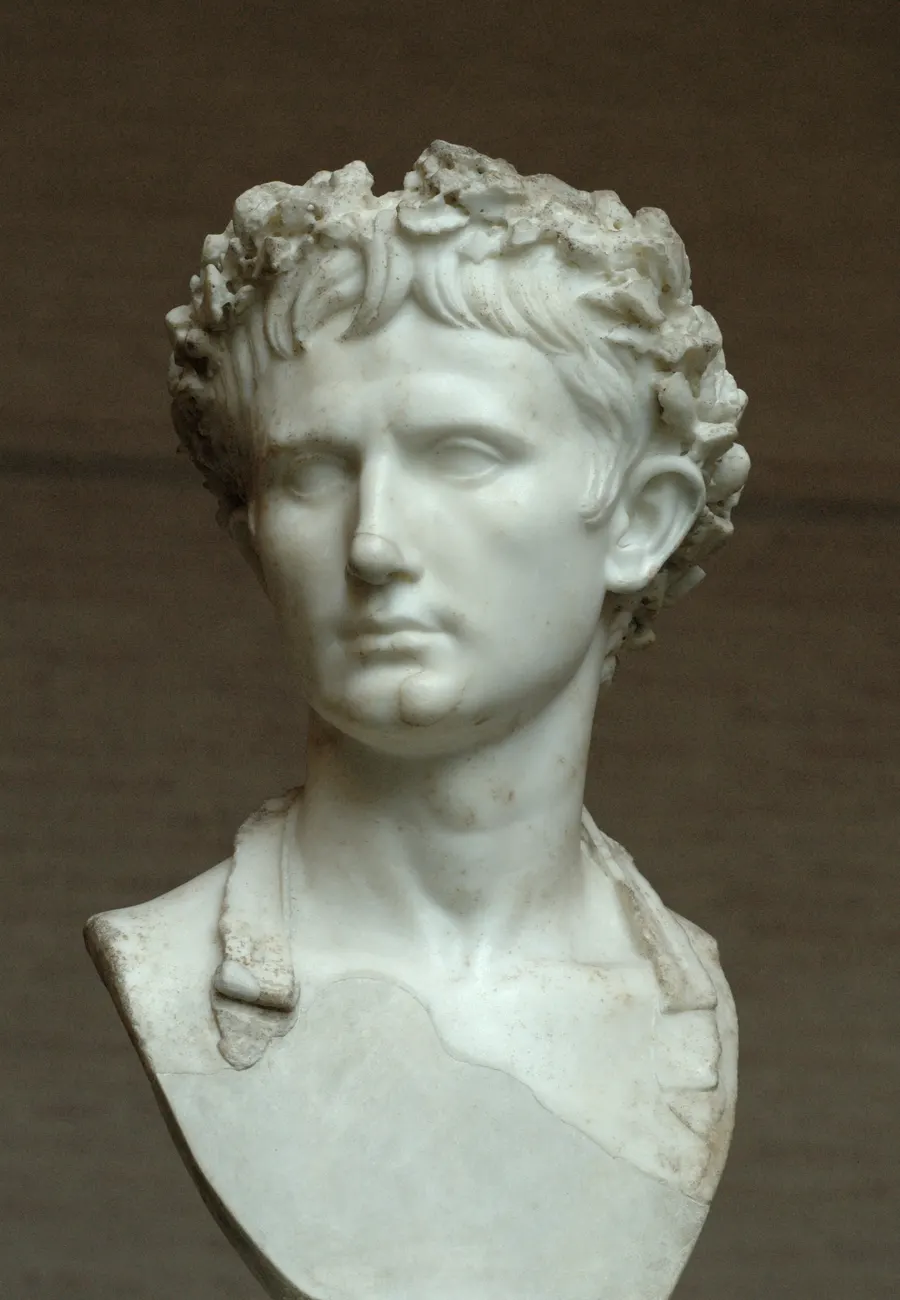
A marble bust of Augustus, the name Octavian took after his victory, in the Glyptothek, MunichA marble bust of Augustus, the name Octavian took after his victory, in the Glyptothek, MunichImage: Unknown Roman sculptor · Public domain
world · Africa

Mark Antony’s cause collapses as Octavian reaches Alexandria

A year after their defeat at Actium, Mark Antony and Cleopatra were besieged in Alexandria by Octavian’s army. On 1 August 30 BC Antony’s fleet and cavalry went over to Octavian, and, told falsely that Cleopatra was dead, Antony stabbed himself; he died in her arms. Octavian entered the city, Cleopatra took her own life days later, and Egypt became a Roman province. Octavian, soon to be called Augustus, was now master of the Roman world.

Source: Britannica: Mark Antony ↗
II
THE MIDDLE AGES

Medieval History

Kingdoms, conflict, faith, power and the changing medieval world.

527
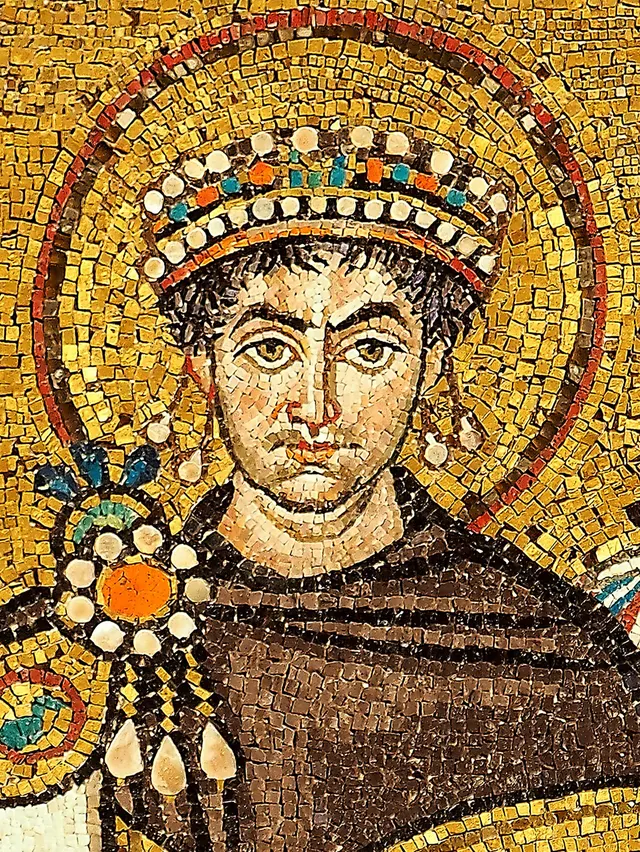
Justinian in the mosaic at the Basilica of San Vitale in RavennaJustinian in the mosaic at the Basilica of San Vitale in RavennaImage: Petar Milošević · CC BY-SA 4.0
politics · Europe

Justinian becomes sole emperor in Constantinople

Justin I, a peasant soldier from the Balkans who had risen to become emperor in 518, relied heavily on his able nephew Justinian and made him co-emperor in the spring of 527. When Justin died on 1 August 527, Justinian ruled alone. In a reign of 38 years he rebuilt Hagia Sophia, gathered Roman law into a single code that still shapes European law, and won back North Africa and Italy for the empire.

Source: Britannica: Justin I ↗
III
A CHANGING WORLD

Early Modern Era

Exploration, political change, scientific development and expanding global connections.

1774
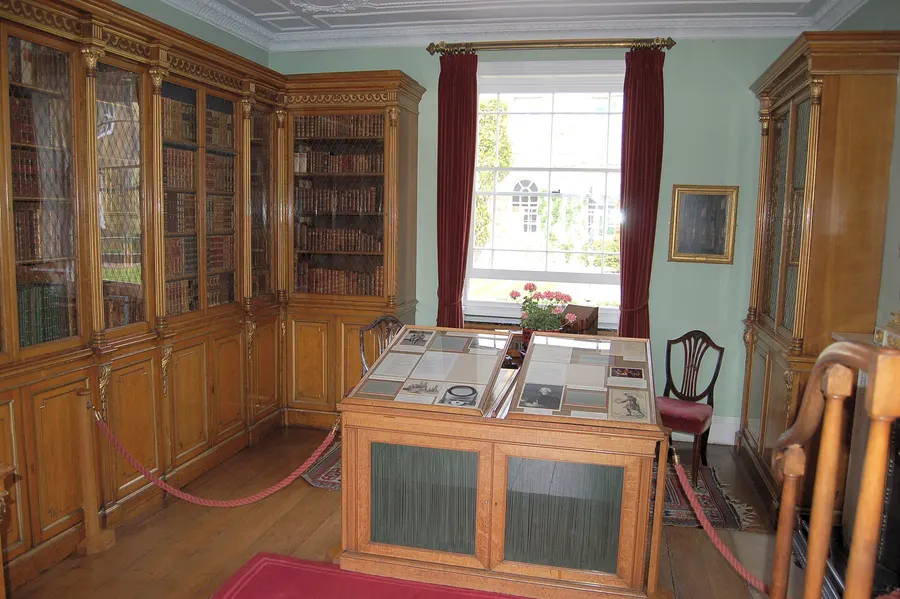
The laboratory at Bowood House in Wiltshire, the room where Joseph Priestley made oxygen in 1774The laboratory at Bowood House in Wiltshire, the room where Joseph Priestley made oxygen in 1774Image: Greenshed · Public domain
science · Europe

Joseph Priestley makes oxygen with a burning lens

Joseph Priestley was a dissenting minister and teacher with a passion for experiments on ‘airs’, the gases he collected over water and mercury. In 1774 he was working as librarian and companion to the Earl of Shelburne at Bowood House in Wiltshire, where he had a laboratory and a large burning lens, about 12 inches across, for focusing sunlight. On 1 August 1774 he used the lens to heat a red powder, mercuric oxide, and collected the gas it gave off. A candle burned in it with a remarkably vigorous flame. Priestley called it ‘dephlogisticated air’, believing it had been stripped of the imaginary substance phlogiston. The Swedish chemist Carl Wilhelm Scheele had made the same gas earlier but published later, and it was Antoine Lavoisier in Paris who understood its role in burning and named it oxygen.

Source: American Chemical Society: Joseph Priestley and the discovery of oxygen ↗
1798
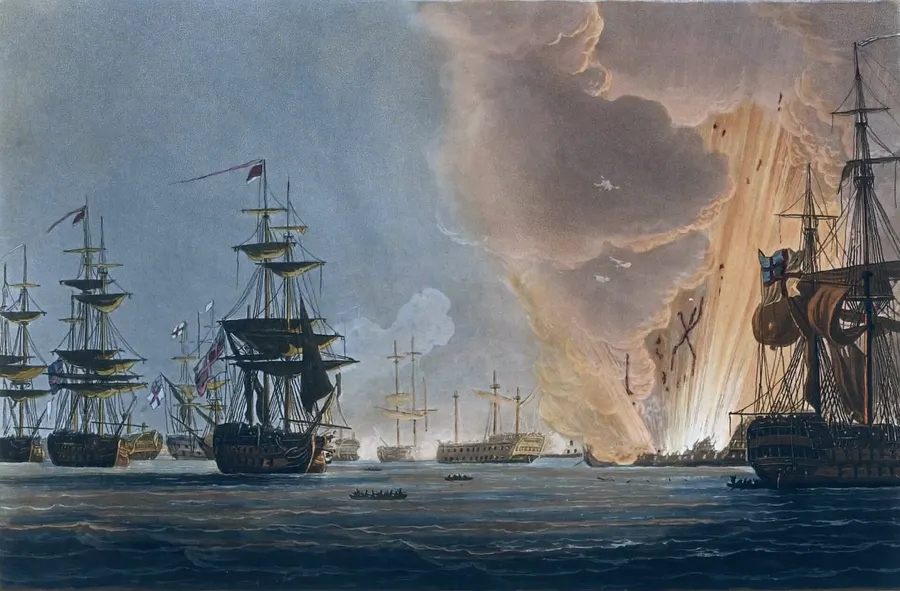
The Battle of the Nile, painted by Thomas Whitcombe, with the French flagship L'Orient explodingThe Battle of the Nile, painted by Thomas Whitcombe, with the French flagship L’Orient explodingImage: Thomas Whitcombe · Public domain
world · Africa

Nelson destroys the French fleet at the Battle of the Nile

In the summer of 1798 Napoleon Bonaparte sailed from France with an army to conquer Egypt, and the British sent a squadron under Rear-Admiral Horatio Nelson to hunt his fleet down. After weeks of searching the Mediterranean, Nelson found the French warships on the afternoon of 1 August, anchored in a line in Aboukir Bay, east of Alexandria, under Admiral François-Paul Brueys. Nelson attacked at once, though night was falling. Some of his ships slipped between the French line and the shore, catching the enemy between two fires. At about 10 p.m. the French flagship L’Orient caught fire and blew up with most of her crew, Brueys among them. By morning only two French ships of the line had escaped. The victory left Napoleon’s army cut off in Egypt, made Nelson a national hero and gave Britain command of the Mediterranean.

Source: Royal Museums Greenwich: The Battle of the Nile, 1 August 1798 ↗
IV
THE NINETEENTH CENTURY

The 1800s

Industry, empire, invention, reform and a century of enormous transformation.

1834
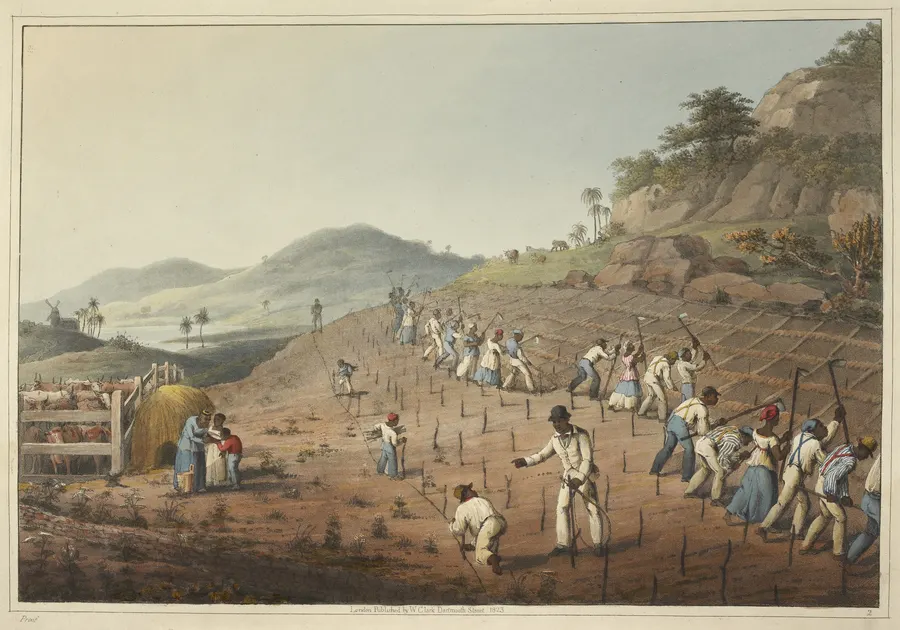
Enslaved workers digging cane holes on a sugar estate in Antigua, from William Clark's Ten Views in the Island of Antigua, 1823Enslaved workers digging cane holes on a sugar estate in Antigua, from William Clark’s Ten Views in the Island of Antigua, 1823Image: William Clark · CC0
politics · Americas

Slavery ends across most of the British Empire

Britain had banned its slave trade in 1807, but hundreds of thousands of people remained enslaved on the sugar plantations of the Caribbean, at the Cape and in Mauritius. After decades of campaigning, and a great rebellion by enslaved people in Jamaica in 1831-32, Parliament passed the Slavery Abolition Act in 1833. It came into force on 1 August 1834, freeing more than 800,000 people. Freedom came with strings attached. Only children under six were freed outright; everyone else became an ‘apprentice’, still bound to work unpaid for their former owners for most of the week. Slave owners were paid £20 million in compensation, a vast sum, while the enslaved received nothing. Protests forced the early end of apprenticeship, and full freedom came on 1 August 1838. Emancipation Day is still marked on 1 August in Jamaica, Barbados, Trinidad and Tobago and other Caribbean countries.

Source: The National Archives: The 1833 Abolition of Slavery Act and compensation claims ↗
1876
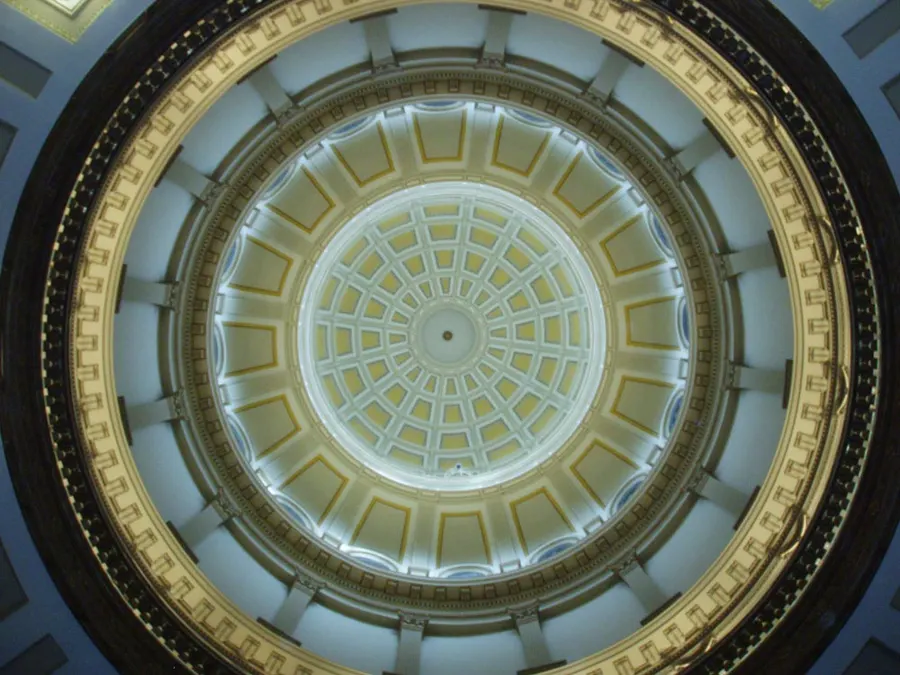
Looking up into the dome of the Colorado State Capitol in DenverLooking up into the dome of the Colorado State Capitol in DenverImage: JamesReyes at en.wikipedia · CC BY 3.0
politics · Americas

Colorado becomes the 38th US state

Gold strikes near Pikes Peak in 1858 and 1859 drew tens of thousands of prospectors to the Rocky Mountains, and Colorado became a US territory in 1861. Several bids for statehood failed before its voters approved a state constitution on 1 July 1876. On 1 August 1876 President Ulysses S. Grant signed the proclamation admitting Colorado as the 38th state. Arriving in the hundredth year of American independence, it became known as the Centennial State.

Source: History Colorado: 11 things you didn’t know about Colorado’s path to statehood ↗
V
THE TWENTIETH CENTURY

The 1900s

War and peace, technological leaps, social change, politics, sport and popular culture.

1914
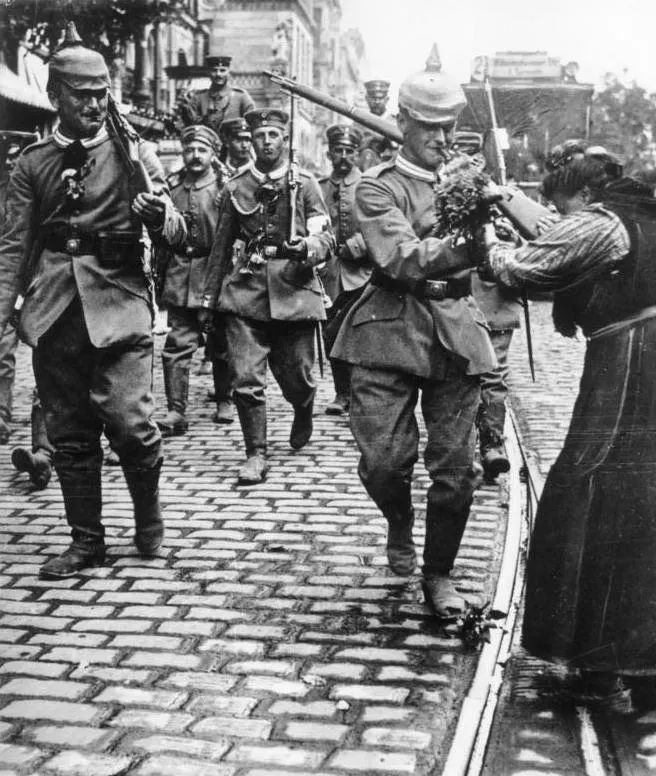
German troops march out after the mobilisation order of 1 August 1914German troops march out after the mobilisation order of 1 August 1914Image: Unknown photographer (German Federal Archive, Bild 146-1974-118-18) · CC BY-SA 3.0 de
world · Europe

Germany declares war on Russia

When Austria-Hungary declared war on Serbia on 28 July 1914, Russia, Serbia’s protector, began to mobilise its huge army, first against Austria-Hungary and then, on 30 July, against Germany too. Germany’s war plan depended on striking France quickly before Russia’s slow mobilisation was complete, so Berlin sent St Petersburg an ultimatum on 31 July demanding that it stop within 12 hours. Russia did not reply. On 1 August 1914 Germany ordered its own general mobilisation, and that evening the German ambassador, Count Friedrich Pourtalès, handed Russia’s foreign minister, Sergei Sazonov, a declaration of war. France began mobilising the same day. Within days Germany had declared war on France and invaded Belgium, and Britain had entered the war. A local Balkan quarrel had become a European war that would last more than four years and kill millions.

Source: Imperial War Museums: How the world went to war in 1914 ↗
1927
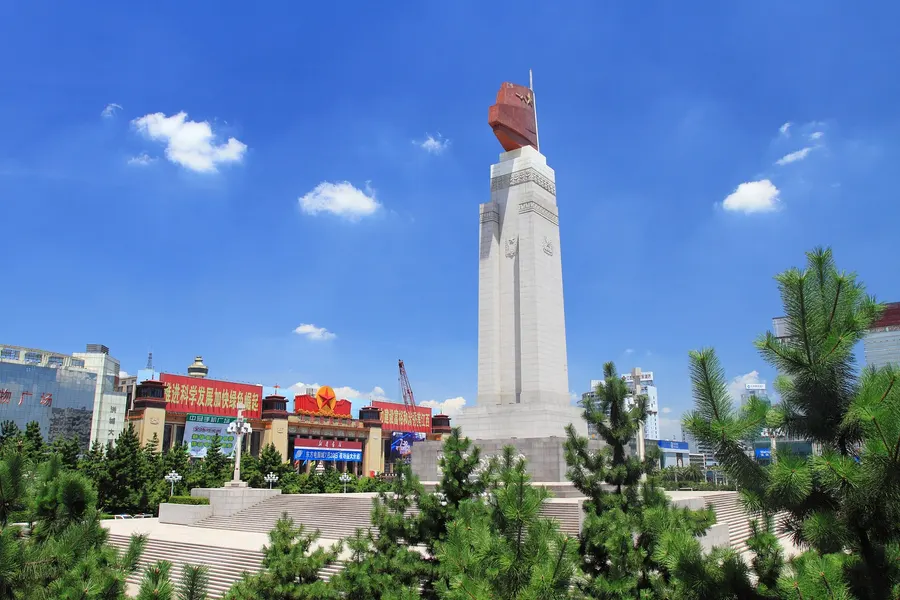
The Nanchang Uprising Memorial Tower in Bayi (August 1st) Square, NanchangThe Nanchang Uprising Memorial Tower in Bayi (August 1st) Square, NanchangImage: Zhangzhugang · CC BY-SA 4.0
world · Asia

Communist-led troops rise at Nanchang

In 1927 China’s Nationalists turned violently on their Communist allies. In reply, Communist leaders including Zhou Enlai, with commanders such as He Long, Ye Ting and Zhu De, led troops to seize the city of Nanchang on 1 August 1927. They held it for only a few days before retreating south, but the date is honoured as the founding of the Red Army, later the People’s Liberation Army, whose badge still carries the characters for ‘eight-one’.

Source: Britannica: Nanchang Uprising ↗
1944
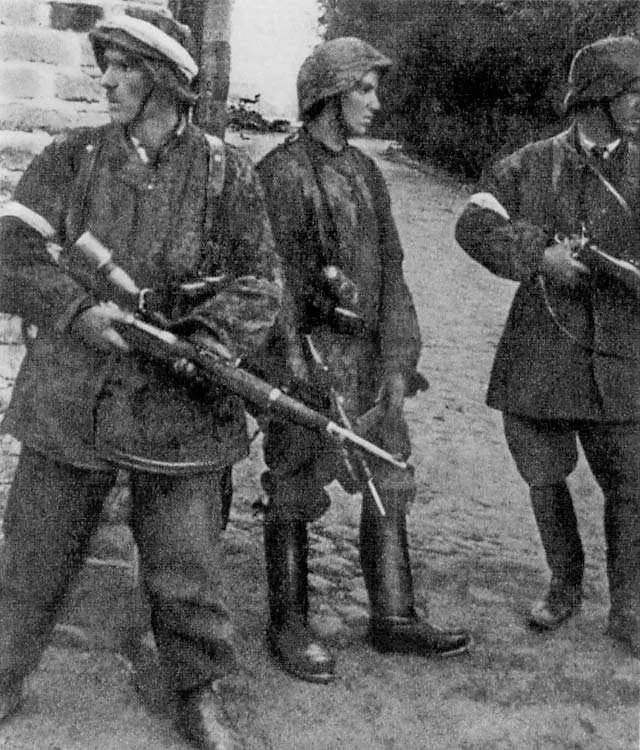
Home Army soldiers of the Zośka battalion, in captured German uniforms and with captured weapons, on 5 August 1944Home Army soldiers of the Zośka battalion, in captured German uniforms and with captured weapons, on 5 August 1944Image: Juliusz Bogdan Deczkowski · Public domain
world · Europe

The Warsaw Uprising begins

By the summer of 1944 the German armies were retreating across Poland and the Soviet Red Army was approaching the Vistula river opposite Warsaw. The Home Army, the underground force loyal to the Polish government in exile in London, decided to free the capital itself before the Soviets arrived, so that Poles, not Stalin, would decide the country’s future. At 5 p.m. on 1 August 1944, the moment known as ‘W-hour’, tens of thousands of poorly armed fighters rose across the city. They held large districts for weeks, but the Red Army halted on the far bank and gave little help, and German forces crushed the rising street by street, killing huge numbers of civilians. The Home Army surrendered on 2 October after 63 days, and the Germans then set about levelling what remained of Warsaw. Every year at 5 p.m. on 1 August sirens sound and the city stands still.

Source: United States Holocaust Memorial Museum: The Warsaw Polish Uprising ↗
1960
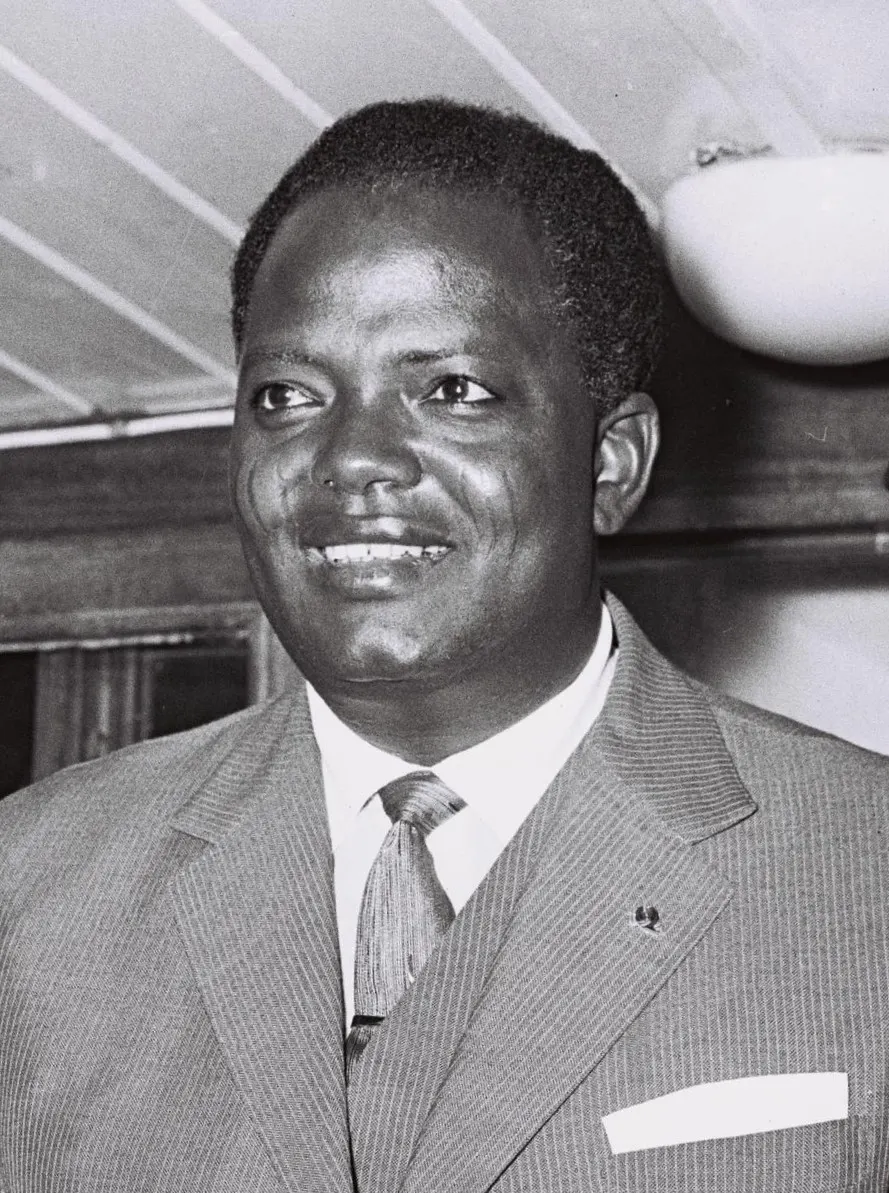
Hubert Maga, Dahomey's first president, in 1961Hubert Maga, Dahomey’s first president, in 1961Image: State of Israel Press Office · Public domain
politics · Africa

Dahomey, now Benin, becomes independent from France

France conquered the old West African kingdom of Dahomey in the 1890s and made it a colony. After the Second World War its people gained a voice in French politics, and in 1958 Dahomey became a self-governing republic within the French Community, as France’s African territories moved towards independence one after another. On 1 August 1960 Dahomey became fully independent, with Hubert Maga, a teacher from the north, as its first president. The new state struggled with rivalries between its regions and saw a string of military coups in the 1960s. In 1972 Mathieu Kérékou seized power, and in 1975 he renamed the country the People’s Republic of Benin. 1 August is still Benin’s Independence Day.

Source: Britannica: Benin, decolonization, independence and military coups ↗
1971
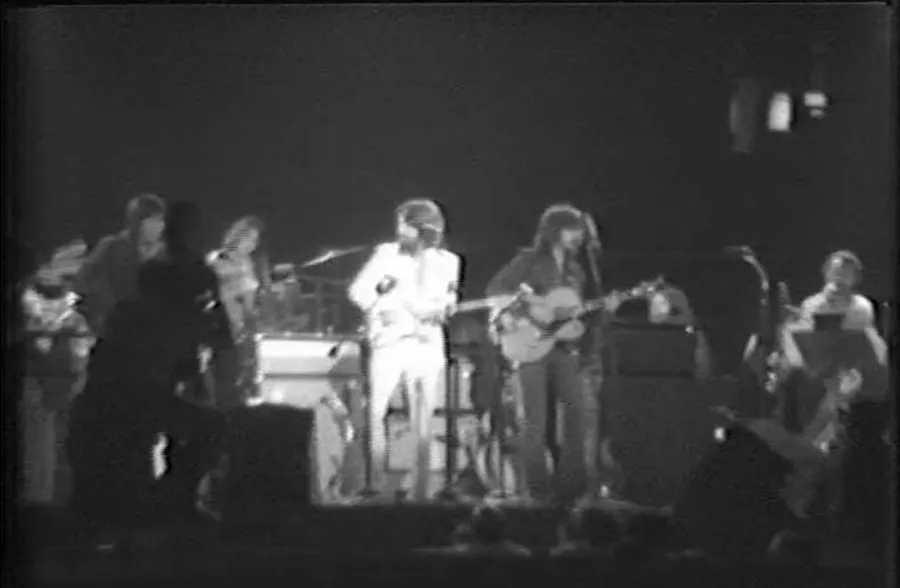
On stage at the Concert for Bangladesh, Madison Square Garden, New York, 1971On stage at the Concert for Bangladesh, Madison Square Garden, New York, 1971Image: Richard Warren Lipack · CC BY-SA 3.0
culture · Americas

George Harrison and Ravi Shankar stage the Concert for Bangladesh

War in East Pakistan in 1971 drove about 10 million refugees into India. The sitar player Ravi Shankar asked his friend George Harrison for help, and on 1 August 1971 they held two concerts at Madison Square Garden in New York, with Bob Dylan, Eric Clapton, Ringo Starr, Billy Preston and Leon Russell. The shows, the live album and the film raised millions for UNICEF, and set the pattern for later charity concerts such as Live Aid.

Source: UNICEF: Greatest hits for humanity, a history of music and giving ↗
1981
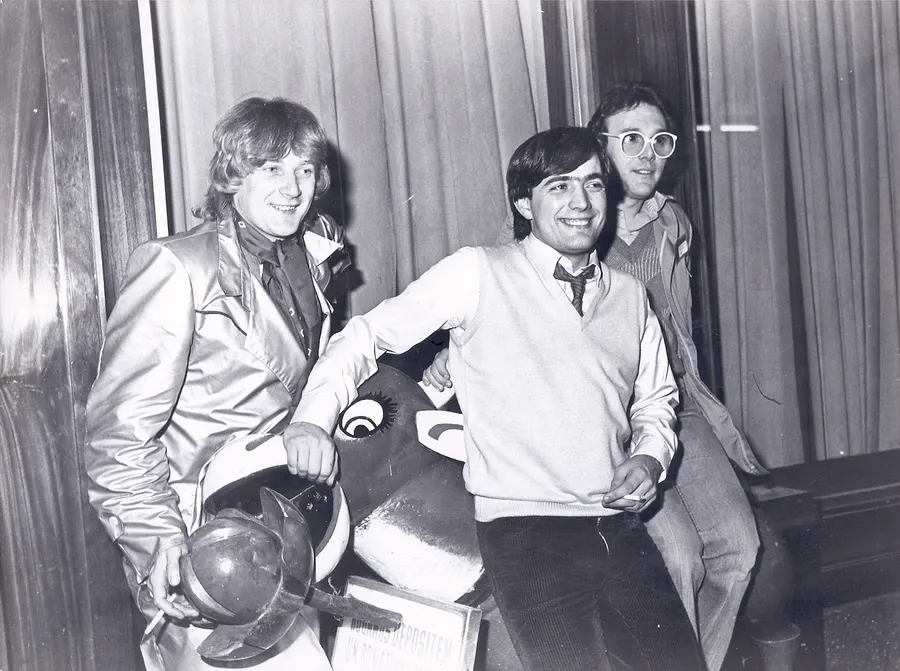
The Buggles, whose 'Video Killed the Radio Star' was the first video shown on MTV, with the presenter Xarli Diego at Ràdio Barcelona in 1980The Buggles, whose ‘Video Killed the Radio Star’ was the first video shown on MTV, with the presenter Xarli Diego at Ràdio Barcelona in 1980Image: Rouserouse · CC BY-SA 4.0
culture · Americas

MTV goes on the air with ‘Video Killed the Radio Star’

Music Television was the idea of a cable company that wanted a channel playing pop videos around the clock, presented by ‘VJs’ like radio disc jockeys. At one minute past midnight on 1 August 1981 it went on the air in the United States with the words ‘Ladies and gentlemen, rock and roll’ over footage of the Apollo 11 Moon landing. The first video it played was ‘Video Killed the Radio Star’ by the English duo the Buggles, a knowing choice. At first few homes could receive it, but within a few years MTV had become a powerful force in the music business, turning artists such as Michael Jackson and Madonna into visual stars and making the music video an essential part of launching a hit.

Source: Britannica: MTV ↗
1996
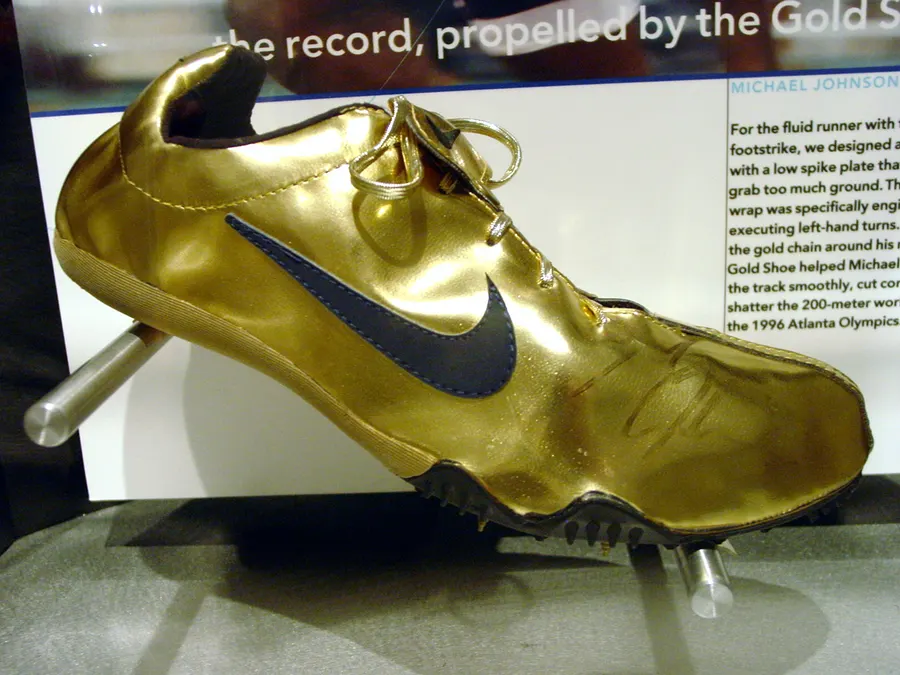
Michael Johnson's gold running shoes on displayMichael Johnson’s gold running shoes on displayImage: klew97 · CC BY-SA 2.0
sport · Americas

Michael Johnson runs 19.32 seconds for the 200 metres

At the Atlanta Olympics in 1996 the American sprinter Michael Johnson, with his upright running style and custom-made gold spikes, set out to do what no man had done: win both the 200 and 400 metres at the same Games. He took the 400 metres first, and on 1 August 1996 lined up in the 200 metres final before a home crowd. He tore round the bend and crossed the line in 19.32 seconds, taking more than three tenths of a second off the world record he had set himself earlier that summer, the biggest improvement ever made to the 200 metres record. The time stood for 12 years, until Usain Bolt beat it in Beijing in 2008.

Source: Olympics.com: Johnson’s record-breaking 200m had it all ↗
VI
2000 TO TODAY

Modern Day

The events of recent decades that have already become part of the historical record.

2008
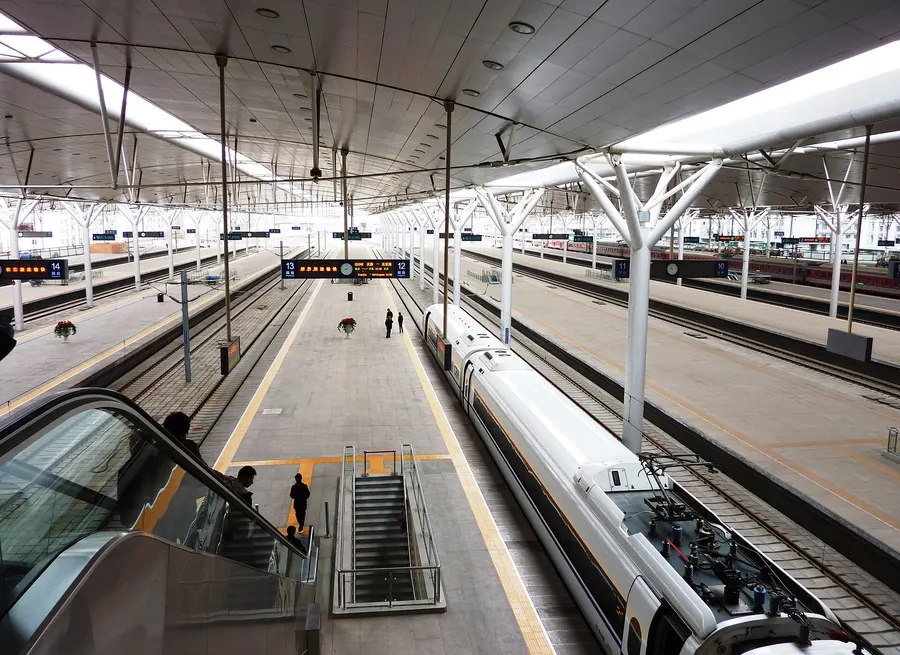
High-speed CRH trains at the platforms of Tianjin stationHigh-speed CRH trains at the platforms of Tianjin stationImage: RudolfSimon · CC BY-SA 3.0
science · Asia

China’s first 350 km/h railway opens between Beijing and Tianjin

A week before the Beijing Olympics, on 1 August 2008, China opened the Beijing-Tianjin intercity railway, about 120 kilometres long and built for trains running at 350 km/h, cutting the journey between the two cities to around half an hour. It was the country’s first line designed for such speeds. In the years that followed China built the largest high-speed rail network in the world, linking most of its big cities.

Source: International Union of Railways (UIC): China enters the high-speed era with the Beijing-Tianjin line ↗
RESEARCH

Sources & Further Reading

Selected authoritative references supporting the events on this page.

Britannica: Mark Antony↗Wikipedia: Mark Antony↗Britannica: Justin I↗Dumbarton Oaks: Justinian I (527-565)↗American Chemical Society: Joseph Priestley and the discovery of oxygen↗Britannica: Joseph Priestley, the discovery of oxygen↗Royal Museums Greenwich: The Battle of the Nile, 1 August 1798↗Britannica: Battle of the Nile↗The National Archives: The 1833 Abolition of Slavery Act and compensation claims↗UK Parliament: The West Indian colonies and emancipation↗History Colorado: 11 things you didn’t know about Colorado’s path to statehood↗History Colorado: Seventeen years to statehood↗Imperial War Museums: How the world went to war in 1914↗1914-1918-online: Germany declares war on the Russian Empire↗Britannica: Nanchang Uprising↗Britannica: Zhu De↗United States Holocaust Memorial Museum: The Warsaw Polish Uprising↗Britannica: Warsaw Uprising↗Britannica: Benin, decolonization, independence and military coups↗US Department of State, Office of the Historian: Benin (Dahomey)↗UNICEF: Greatest hits for humanity, a history of music and giving↗Britannica: The Concert for Bangladesh↗Britannica: MTV↗Smithsonian Magazine: At 40, MTV is officially over the hill↗Olympics.com: Johnson’s record-breaking 200m had it all↗World Athletics: Johnson, Pérec and the record rush of Atlanta 1996↗International Union of Railways (UIC): China enters the high-speed era with the Beijing-Tianjin line↗Government of China: All aboard, China’s first high-speed railway line 10 years on↗
WHY THESE MOMENTS?

Significance before volume

This page is not the longest possible list of events. It is a chronological journey through 1 August, where each entry is chosen for historical significance, human interest and reliability.

Facts are checked against authoritative museums, archives, universities and reference works. Where sources disagree, the page says so.

EXPLORED THE DEEPER STORY?

Return to the highlights of 1 August

Discover the lighter side of the date with famous birthdays, culture, firsts and lives remembered.

Explore This Day →
← PREVIOUS DAY31 July
HISTORY & TIMELINE1 August
NEXT DAY →2 August