
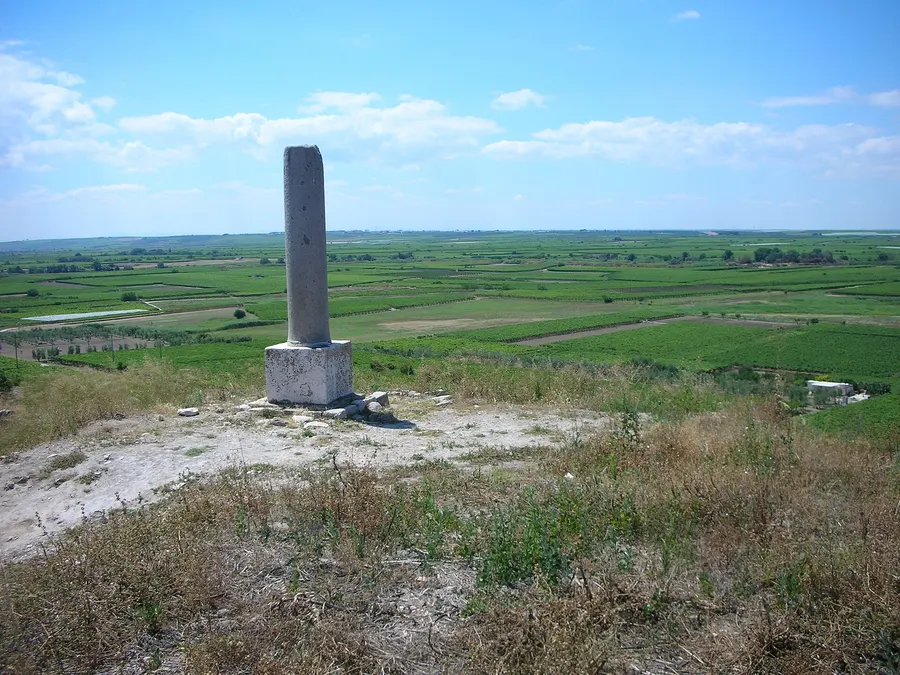
 The monument on the battlefield of Cannae, in Apulia in southern ItalyImage: Jörg Schulz · CC BY-SA 3.0
Hannibal destroys a Roman army at Cannae
In 218 BC the Carthaginian general Hannibal led his army over the Alps into Italy and beat the Romans twice, at the Trebia and at Lake Trasimene. Rome answered by raising the largest army it had ever put into the field, perhaps 80,000 men, many of them raw recruits, under the two consuls of the year, Lucius Aemilius Paullus and Gaius Terentius Varro. They found Hannibal, with about 50,000 men, beside the river Aufidus near the village of Cannae in Apulia. The battle was fought on 2 August 216 BC by the Roman calendar. Hannibal let his thin centre give way before the Roman legions while his African infantry on either side turned inwards and his cavalry, having routed the Roman horsemen, closed in from behind. Surrounded and packed together, the Romans were cut down; ancient writers put their dead at 55,000 (Livy) or 70,000 (Polybius), and Paullus was among them. Cannae became the textbook example of encirclement, yet Rome refused to make peace and won the war in the end.
Source: Britannica: Battle of Cannae ↗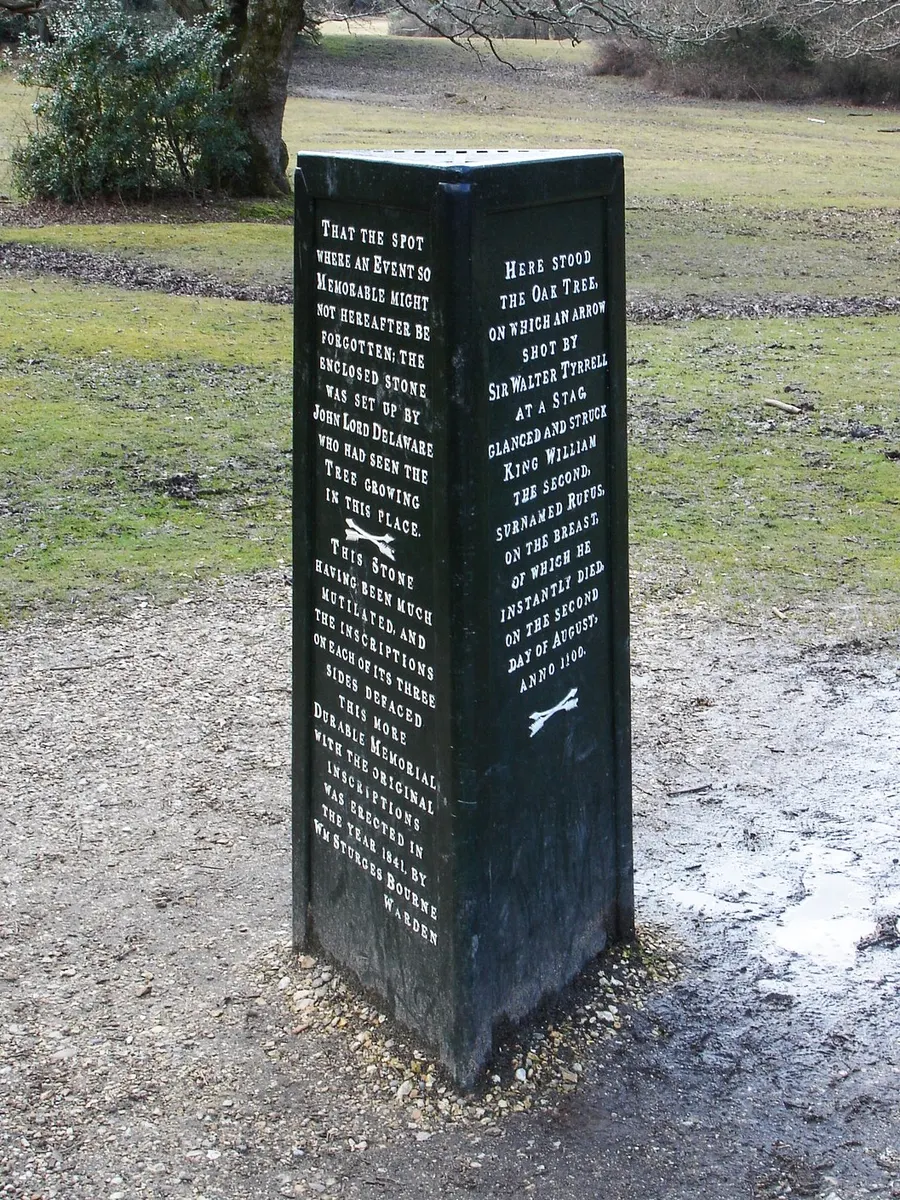 The Rufus Stone in the New Forest, which marks the traditional spot where William II fellImage:
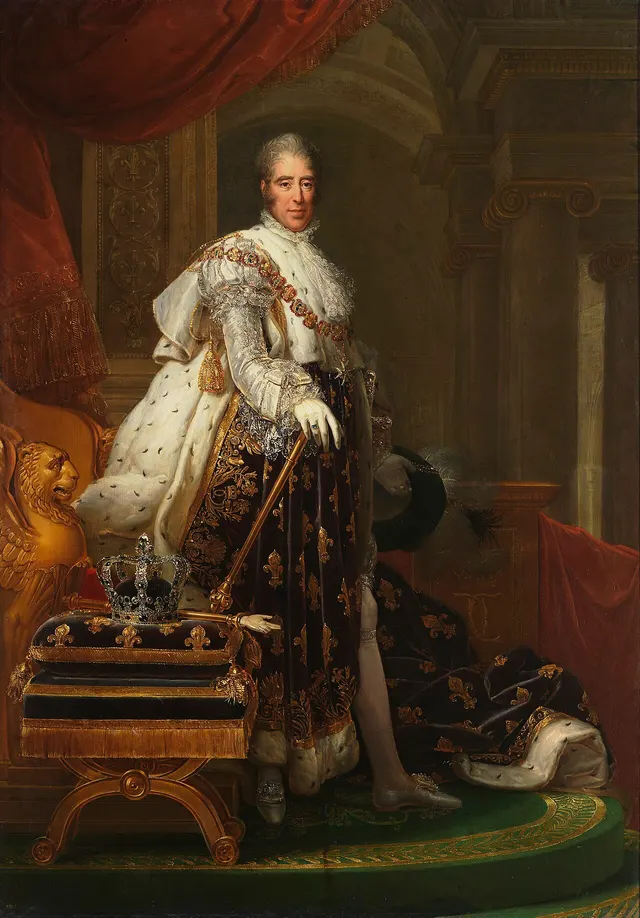 Charles X of France in his coronation robes, painted by François GérardImage:
 A printed copy of Queen Victoria’s proclamation of 1858, announcing that the Crown had taken over the government of IndiaImage:
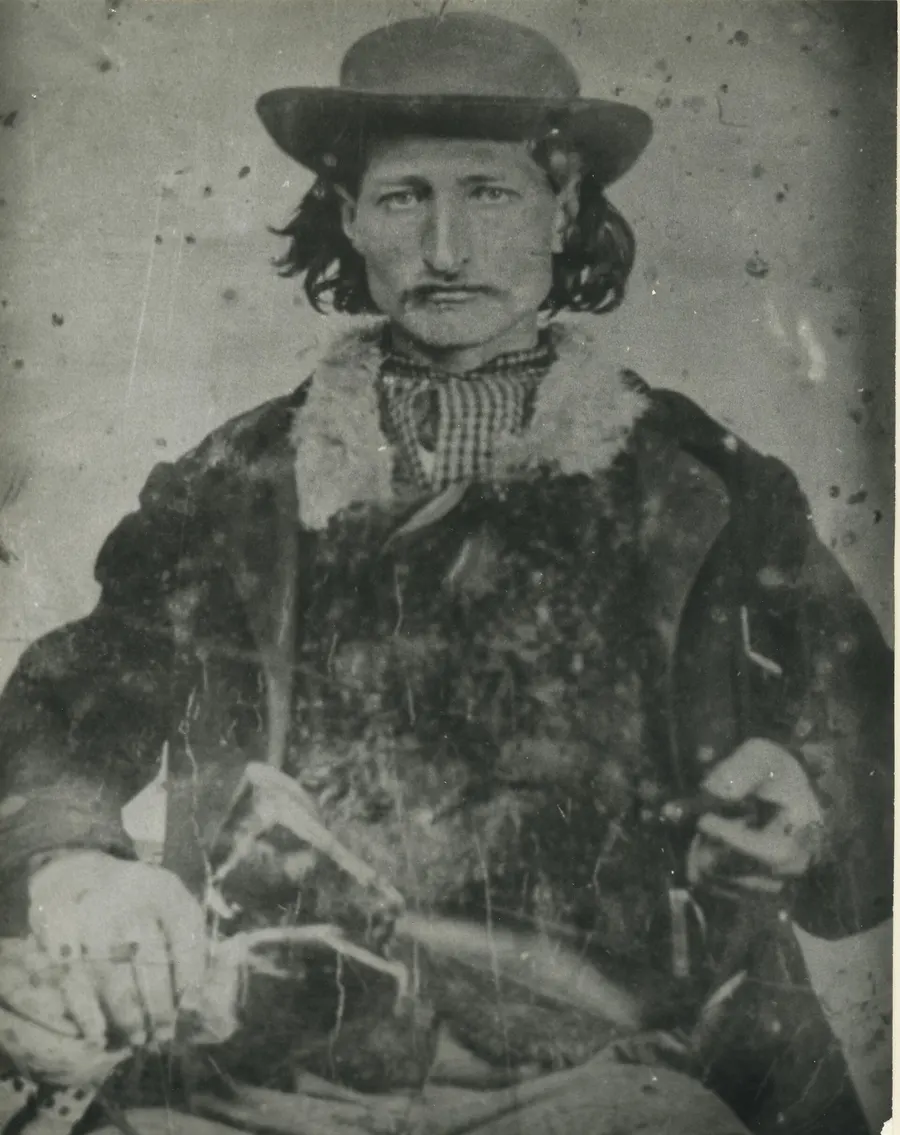 James Butler ‘Wild Bill’ Hickok, scout, lawman and gunfighter, in an early photographImage:
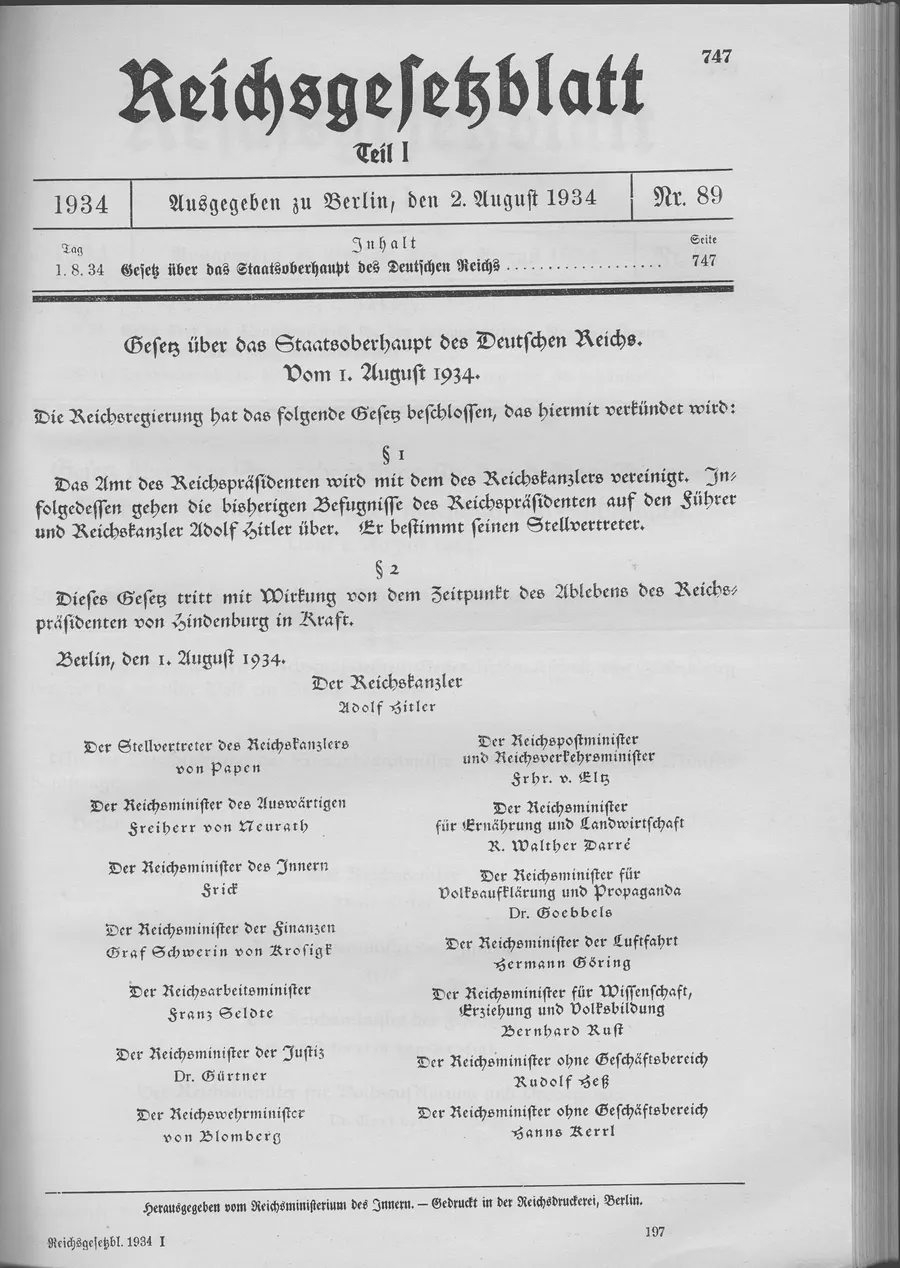 The Reich Law Gazette issued in Berlin on 2 August 1934, printing the Law on the Head of State of the German Reich dated 1 AugustImage:
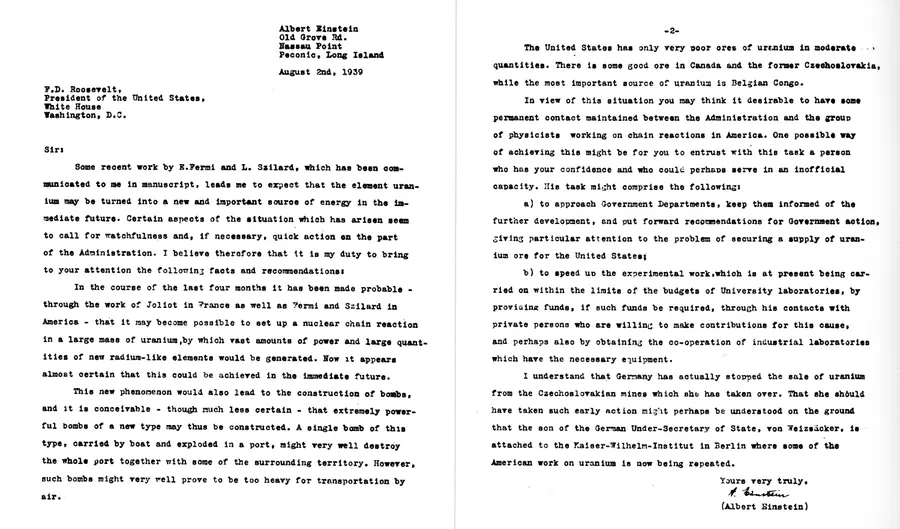 The two pages of the letter signed by Albert Einstein and dated 2 August 1939, warning President Roosevelt that atomic bombs might be builtImage:
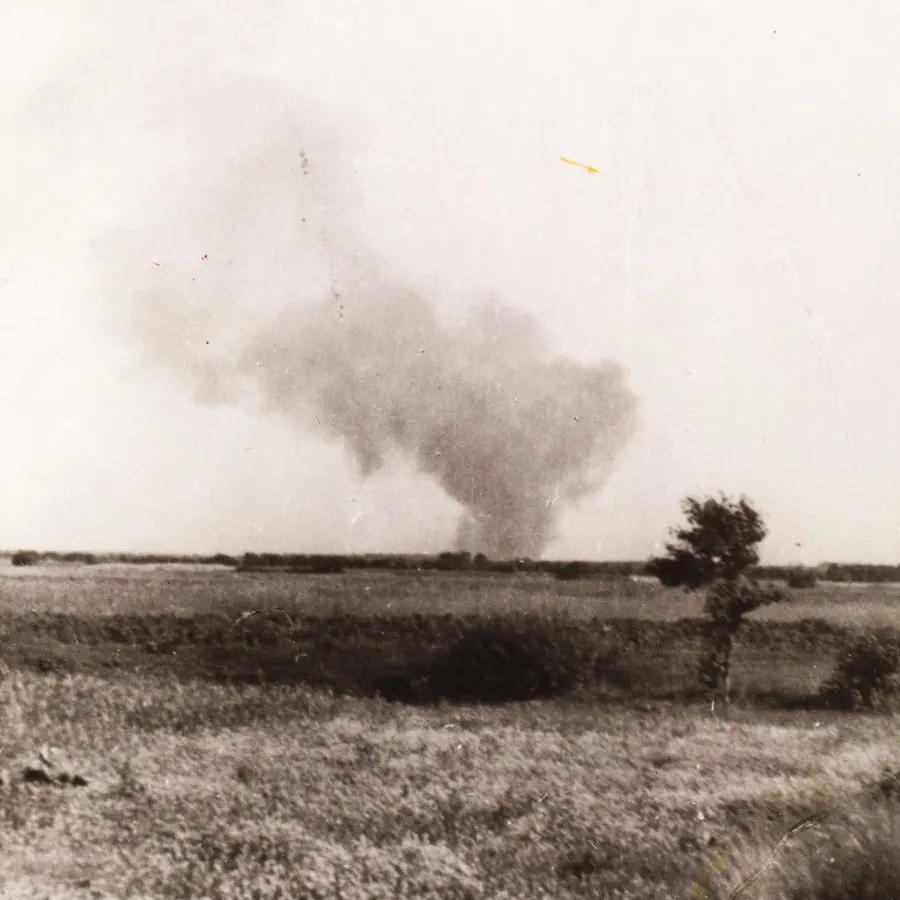 Smoke rising over Treblinka during the prisoners’ revolt, photographed secretly by the Polish railwayman Franciszek ZąbeckiImage:
 Fanny Blankers-Koen, the Dutch sprinter and hurdler who won four gold medals at the 1948 OlympicsImage:
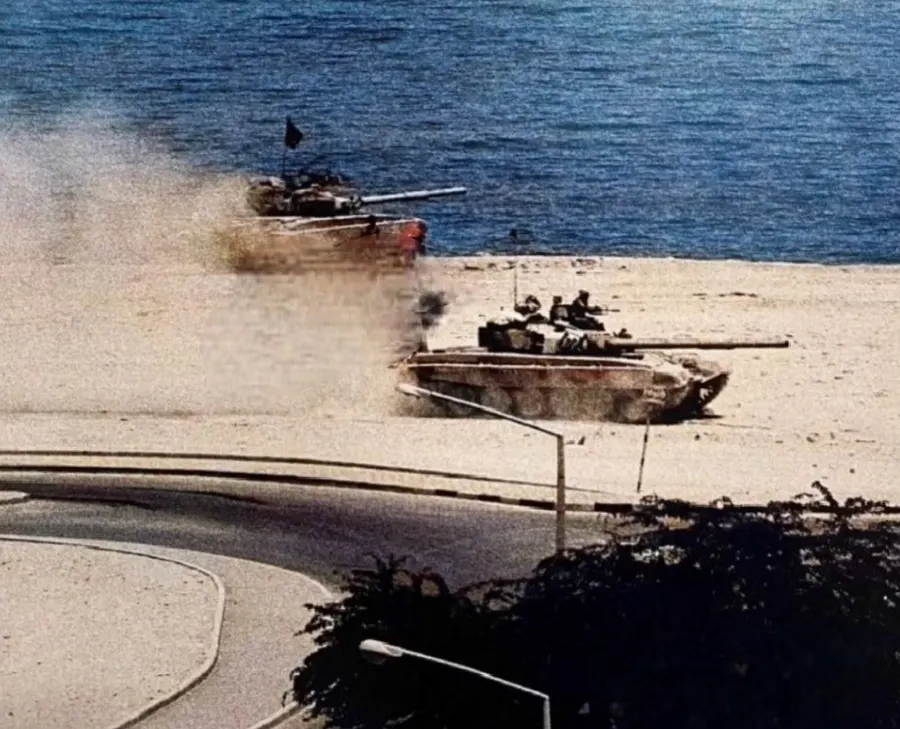 Iraqi Army T-72 tanks on the move during the invasion of Kuwait in August 1990Image:
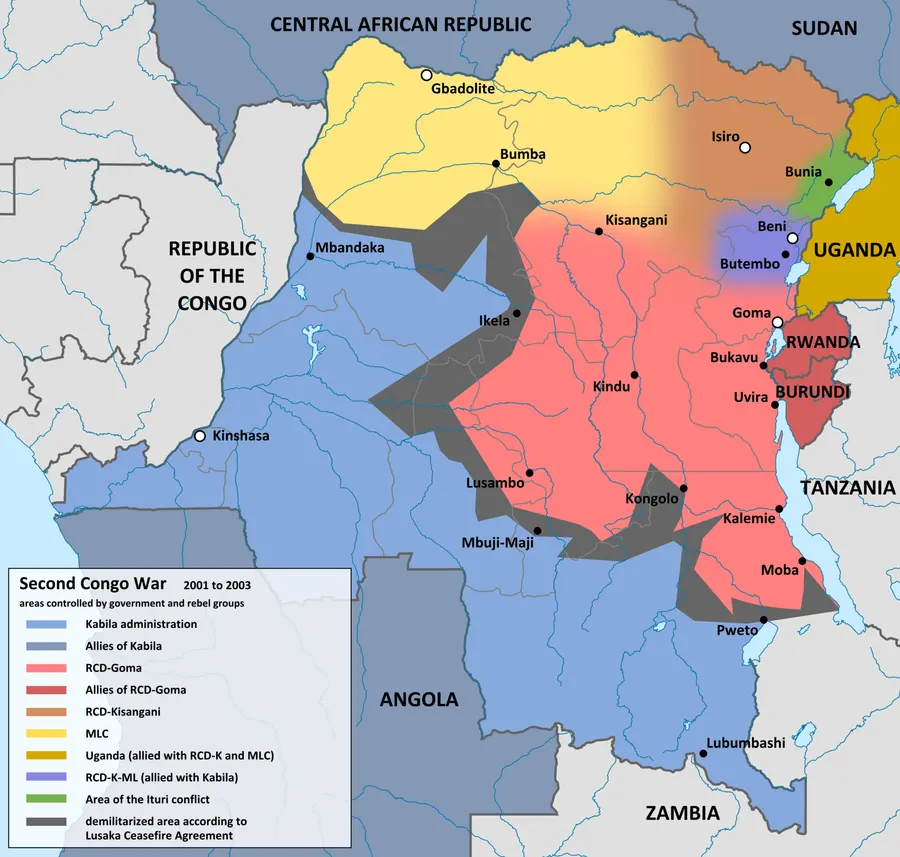 A map of the Second Congo War in 2001, showing the areas held by the government, the rebel movements and foreign armiesImage:
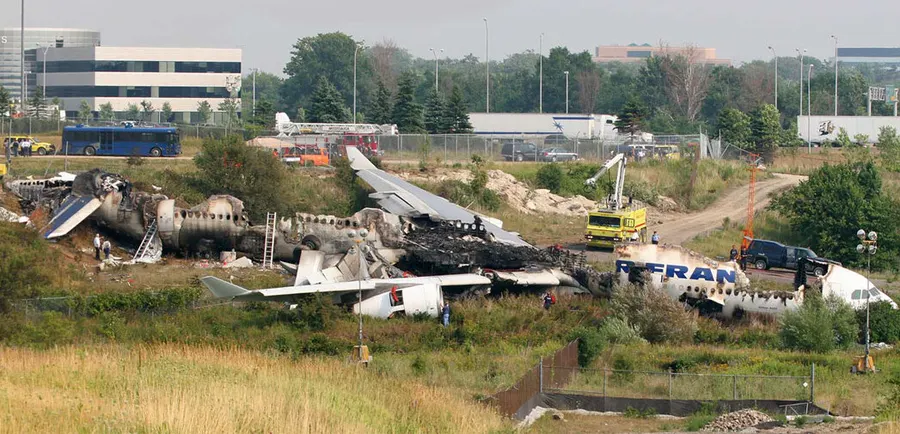 The burnt-out wreck of Air France Flight 358 in the ravine beyond the runway at Toronto Pearson airportImage: