
-43
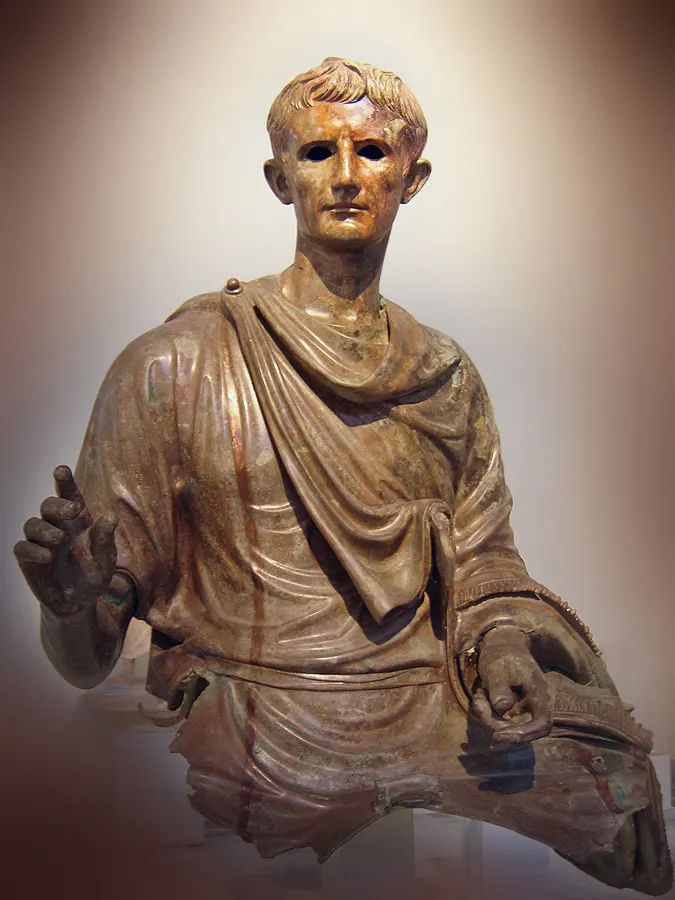 Fragment of a bronze equestrian statue of Augustus, first century BC, in the National Archaeological Museum, AthensImage: Ricardo André Frantz (User:Tetraktys) · CC BY-SA 3.0
politics · Europe
The 19-year-old Octavian forces his way into the consulship
After Julius Caesar’s murder in 44 BC, his great-nephew and adopted heir Octavian raised an army of Caesar’s veterans. The Senate used him against Mark Antony, but once both consuls had died in the fighting it tried to sideline him. Octavian marched his legions on Rome and on 19 August 43 BC was made consul, far below the legal age. He later ruled Rome as Augustus, and died on the anniversary of this day in AD 14.
Source: Cassius Dio, Roman History, book 56 (LacusCurtius, University of Chicago) ↗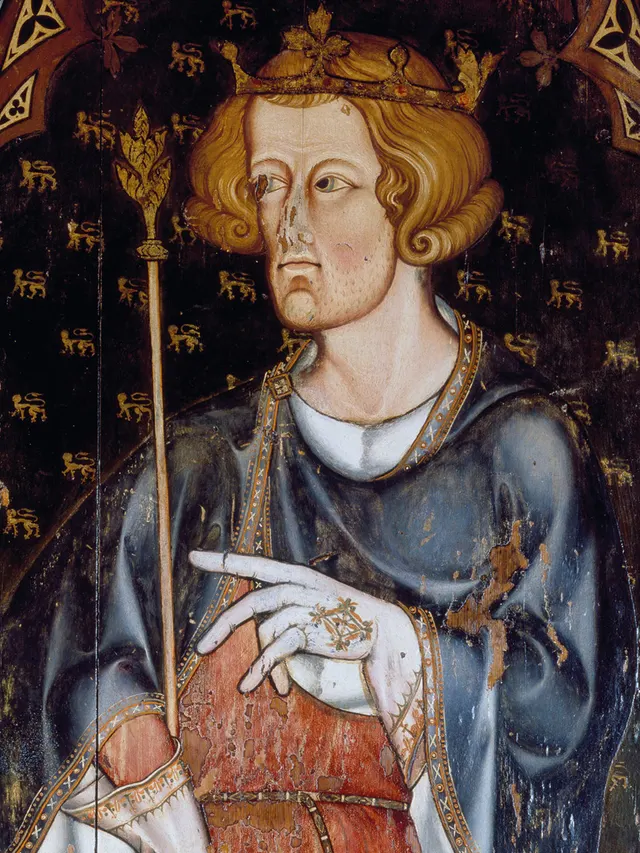 A medieval painting of a king, thought to be Edward I, on the sedilia in Westminster AbbeyImage:
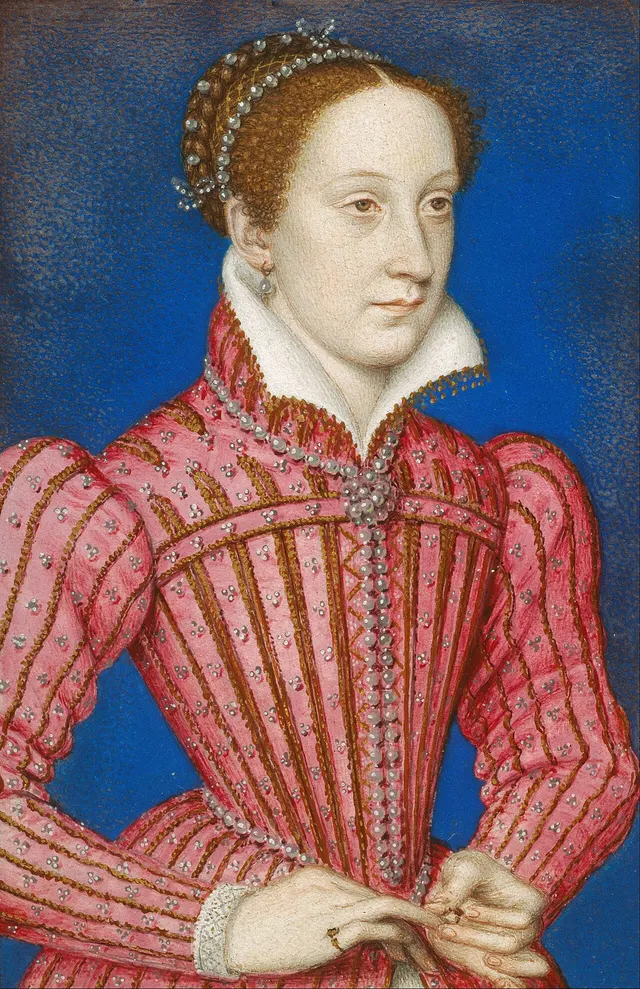 Mary, Queen of Scots, in a portrait after François ClouetImage:
 The Glenfinnan Monument at the head of Loch Shiel, built in 1815 to mark the raising of the standardImage:
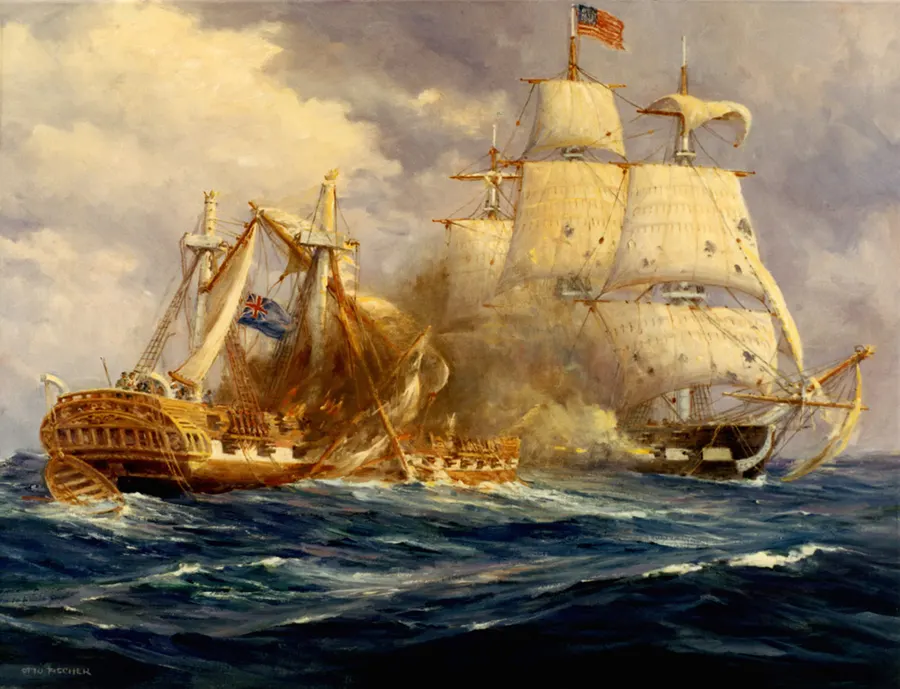 USS Constitution and HMS Guerriere in battle, painted by Anton Otto FischerImage:
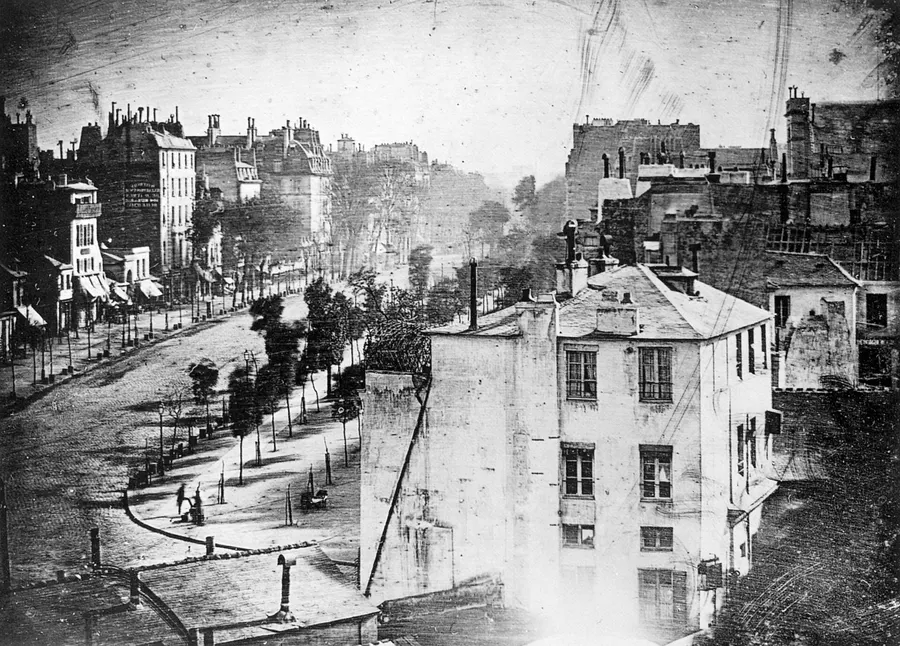 Boulevard du Temple, Paris, a daguerreotype made by Louis Daguerre in 1838Image:
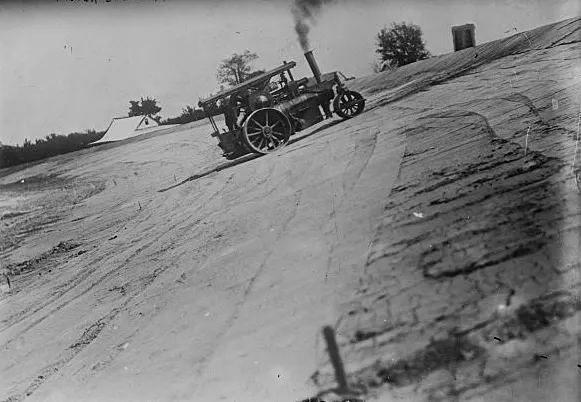 A steam roller on the banked track of the Indianapolis Motor Speedway in its early daysImage:
 Crowds and Viet Minh troops outside the Hanoi Opera House at a rally celebrating the August Revolution in 1945Image:
 Crowds of the shah’s supporters around a vehicle in Tehran during the coup of August 1953Image:
 Belka and Strelka on a Russian stamp issued in 2010 for the 50th anniversary of their flightImage:
 Syncom 2, of the same design as Syncom 3, in a NASA photographImage:
 Miklós Melocco’s memorial to the Pan-European Picnic near Sopron, HungaryImage:
 A barricade on the Gorbaty Bridge beside the Russian parliament building in Moscow, photographed on 22 August 1991Image:
 Google’s founders, Larry Page and Sergey BrinImage:
 Pierre Nkurunziza at the World Economic Forum on Africa in 2008Image: