2001The 11 September attacks and the nearly 3,000 people they killed
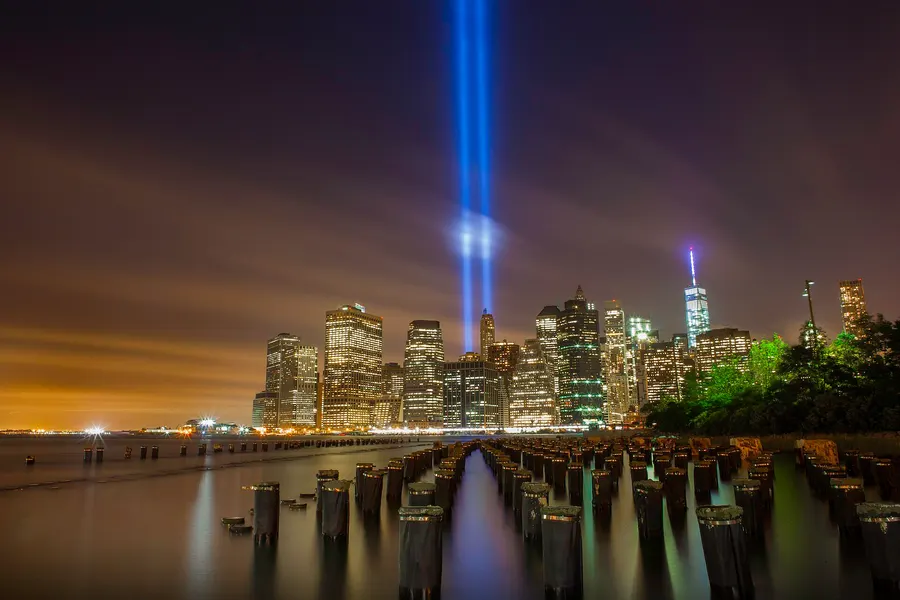
On the morning of 11 September 2001, nineteen men from the terrorist network al-Qaeda hijacked four passenger aircraft flying out of airports in the eastern United States. Two were flown into the twin towers of the World Trade Center in New York, which collapsed within two hours. A third struck the Pentagon, outside Washington. The passengers and crew of the fourth, United Flight 93, learned what had happened and fought back, and the plane came down in a field near Shanksville, Pennsylvania.
In all 2,977 people were killed, from more than 90 countries: 2,753 in New York, 184 at the Pentagon and 40 aboard Flight 93. Among them were 441 firefighters, police officers and other first responders. Today a memorial with two great reflecting pools stands in the footprints of the towers in New York, where the names of the dead are inscribed in bronze, and every year on the anniversary their names are read aloud.
Read the full storyHistory & Timeline →Source: 9/11 Memorial & Museum: 9/11 FAQs ↗
1297William Wallace and Andrew Moray beat the English at Stirling Bridge
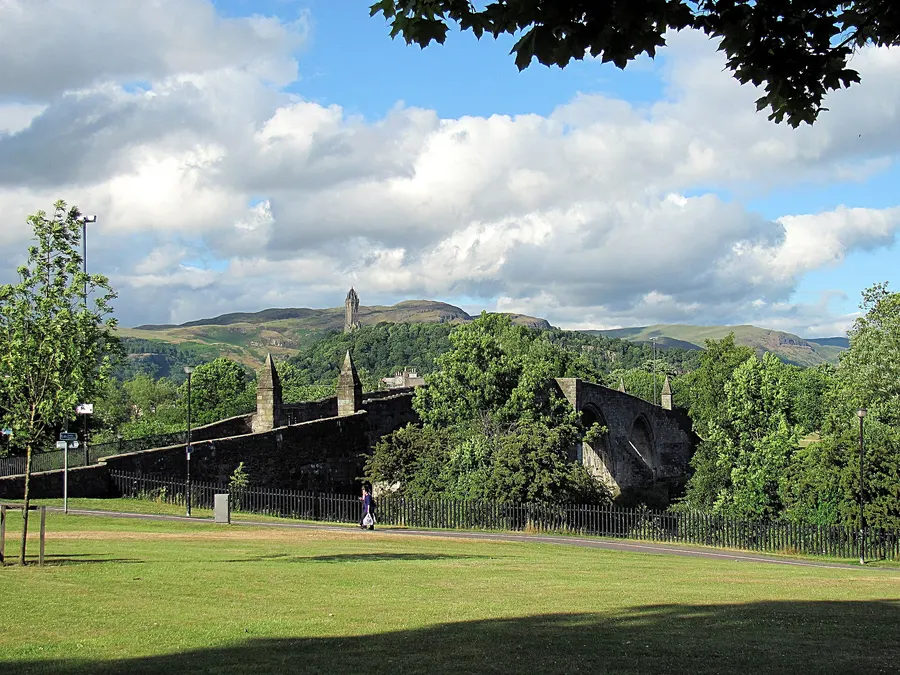
In 1296 Edward I of England invaded Scotland, deposed its king, John Balliol, and carried off the Stone of Destiny on which Scottish kings were crowned. Within a year risings had broken out across the country. In the south-west William Wallace, a younger son of a minor landowner, led one; in the north Andrew Moray, heir to a powerful family, led another. By the late summer of 1297 they had joined forces and held the line of the River Forth near Stirling, the gateway to the north.
On 11 September 1297 an English army under the Earl of Surrey began to cross the Forth by a narrow wooden bridge, so narrow that only two horsemen could ride over side by side. Wallace and Moray waited on the high ground until about half the English were across, then charged down and seized the end of the bridge. Those who had crossed were cut off and many were killed or drowned in the river, and the rest of the army fell back. Moray died of his wounds within weeks, while Wallace was knighted and made Guardian of Scotland.
Read the full storyHistory & Timeline →Source: Britannica: Battle of Stirling Bridge ↗
1906Gandhi’s supporters vow in Johannesburg to defy the ‘Black Act’
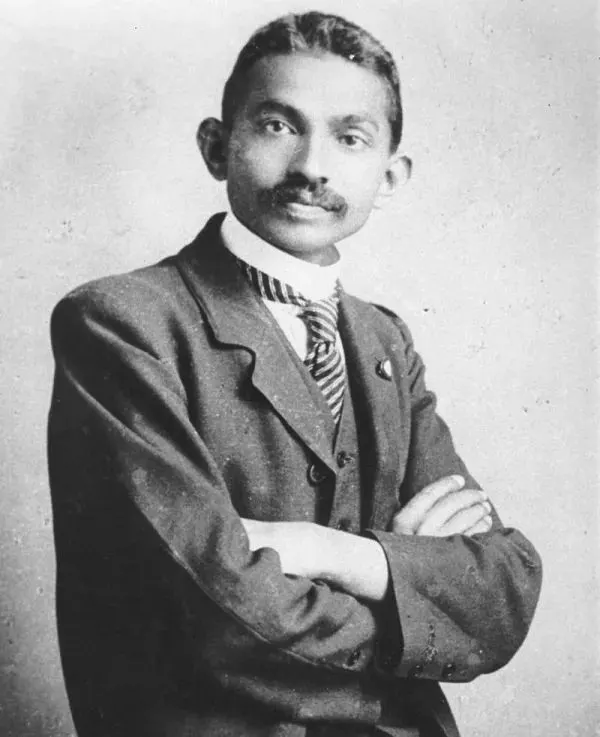
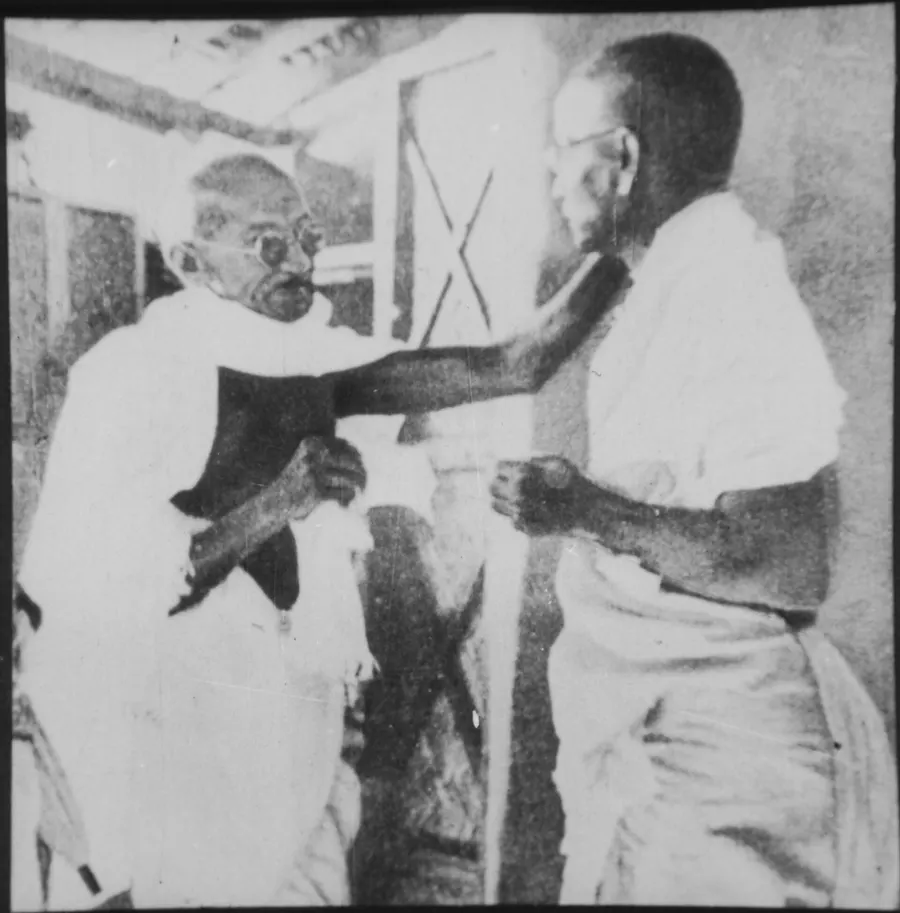
Mohandas Gandhi had gone to South Africa in 1893 as a young lawyer and stayed to lead the Indian community against the laws that discriminated against them. In August 1906 the government of the Transvaal published a draft ordinance requiring every Indian man, woman and child over eight to register with the authorities, give their fingerprints and carry a certificate at all times. Indians called it the Black Act.
On 11 September 1906 about 3,000 Indians, joined by Chinese residents, packed the Empire Theatre in Johannesburg. One by one the speakers declared that they would not obey the law, whatever the punishment, and the meeting swore a solemn oath before God to resist it peacefully. It was the start of an eight-year campaign of non-violent defiance, with marches, strikes and thousands of arrests, that came to be called satyagraha, ‘truth-force’. Gandhi took its methods back to India in 1915.
Read the full storyHistory & Timeline →Source: South African History Online: Mass meeting at the Empire Theatre, Johannesburg, 1906 ↗
1997Scotland votes for a parliament of its own
Scotland had kept its own law, church and schools after its union with England in 1707, but it had no parliament of its own. A referendum on a Scottish assembly in 1979 won a narrow majority but failed a rule requiring 40 per cent of the whole electorate to vote yes. In 1997 the new Labour government of Tony Blair, elected in May, promised to try again and set out its plans for a parliament in Edinburgh.
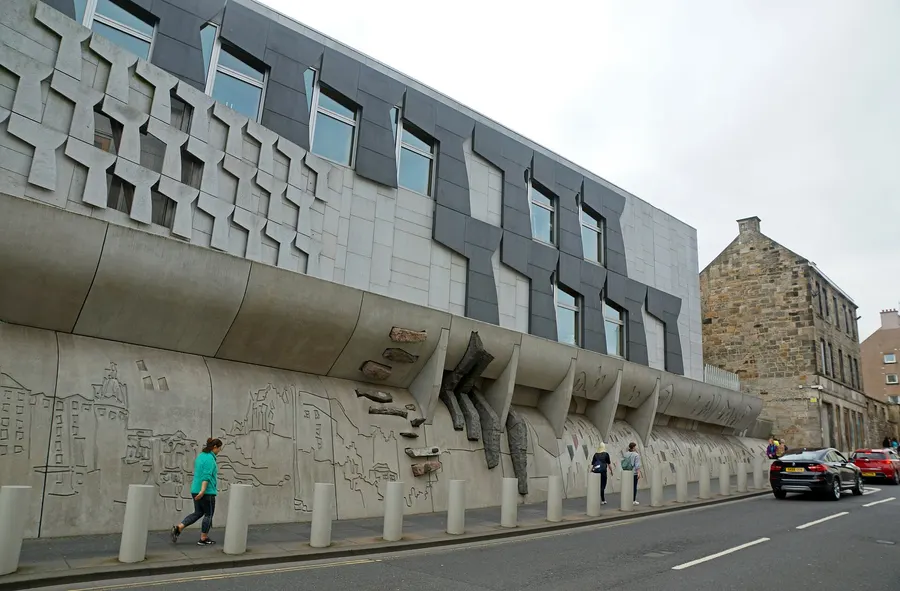
On 11 September 1997, exactly 700 years after Stirling Bridge, Scottish voters answered two questions. 74.3 per cent of those who voted backed a Scottish parliament, and 63.5 per cent agreed that it should be able to vary income tax, on a turnout of about 60 per cent. The Scotland Act followed in 1998, the first members were elected in May 1999 and the parliament met on 12 May that year. Since 2004 it has sat in its own building at Holyrood, at the foot of Edinburgh’s Royal Mile.
Read the full storyHistory & Timeline →Source: Scottish Parliament: The path to devolution ↗