1513James IV of Scotland falls at the Battle of Flodden
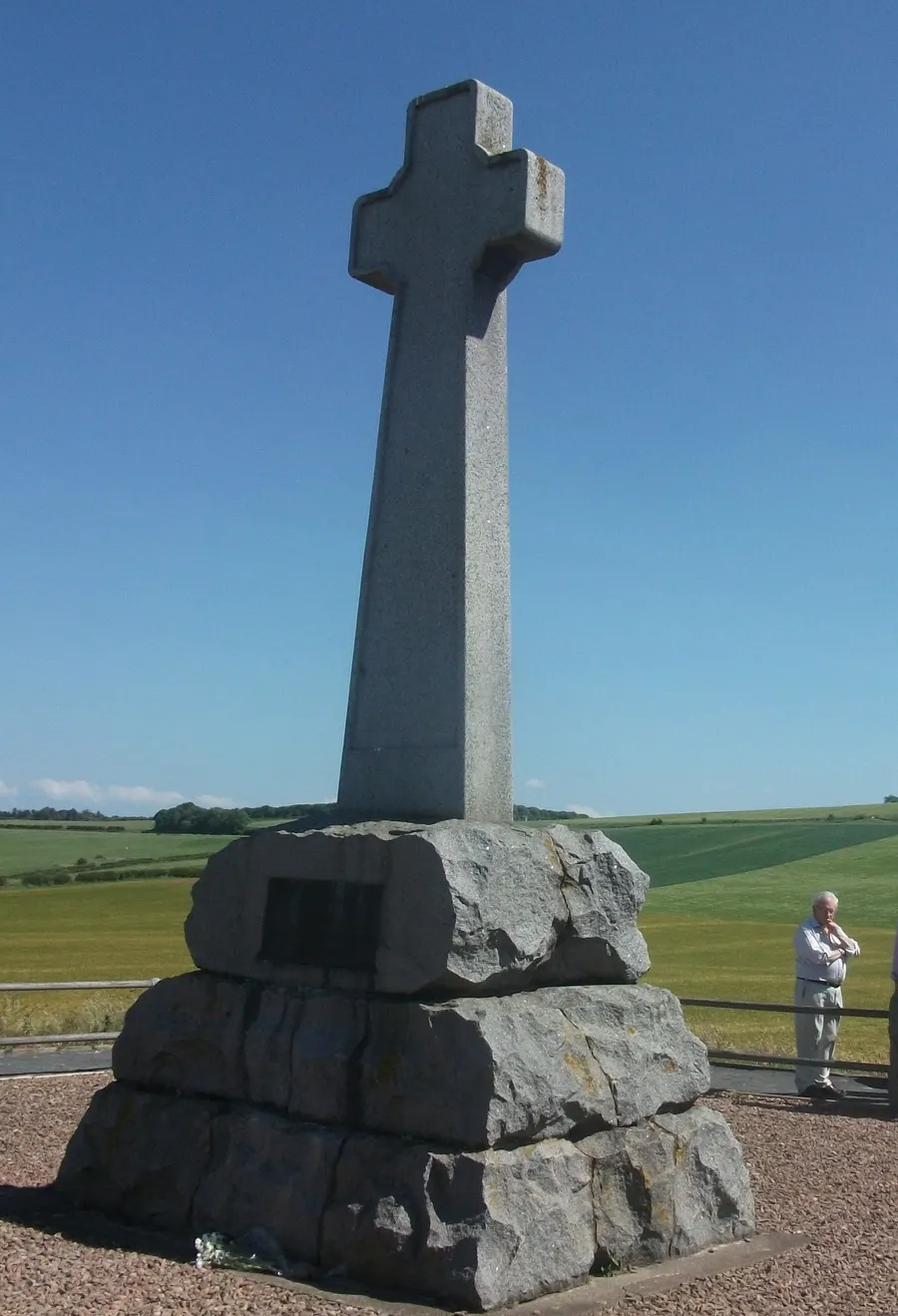
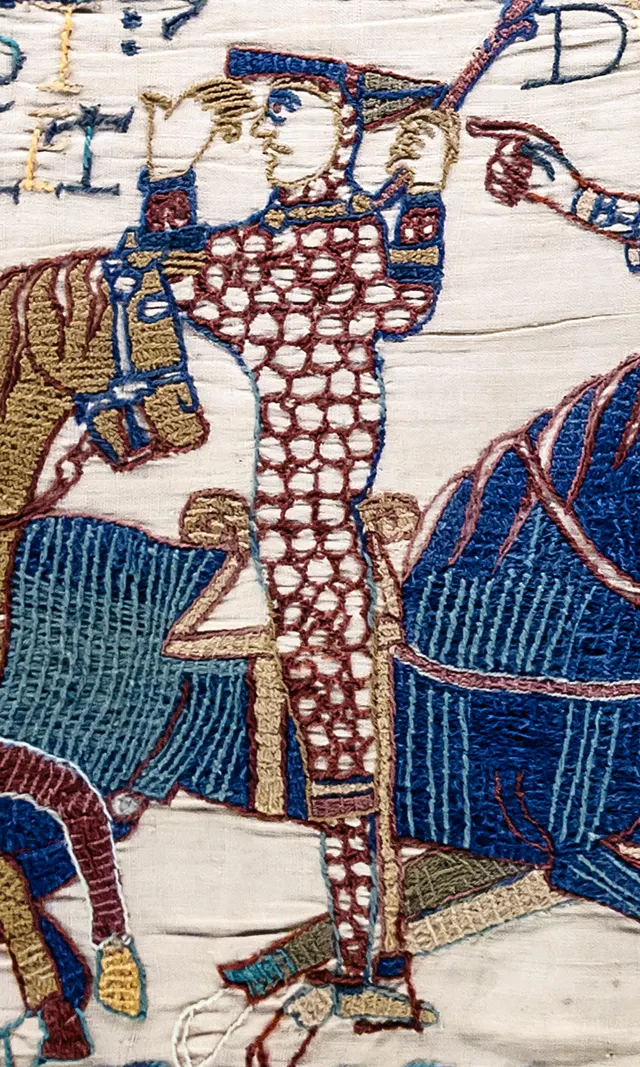
In the summer of 1513 Henry VIII of England took an army to France to fight Louis XII. Scotland and France were bound by the ‘Auld Alliance’, and James IV of Scotland, though married to Henry’s sister Margaret, answered Louis’s call for help. In August he crossed the border with one of the largest armies Scotland had ever raised, well supplied with artillery, and took several English castles along the River Tweed. Henry’s lieutenant in the north, the elderly Earl of Surrey, marched to meet him.
The armies met near the village of Branxton in Northumberland on 9 September 1513, a date in the Julian calendar then in use (19 September in today’s reckoning). The Scots came down from the high ground with long pikes in the French style, but on wet, broken ground their formations fell apart, and the English, armed with short-hafted bills, cut into them. By evening James lay dead with perhaps 10,000 of his men, among them many of his nobles and churchmen. It was the last time a British monarch was killed in battle, and Scotland passed to his son James V, a child of seventeen months.
Read the full storyHistory & Timeline →Source: Britannica: Battle of Flodden ↗
1850California becomes the 31st state of the United States
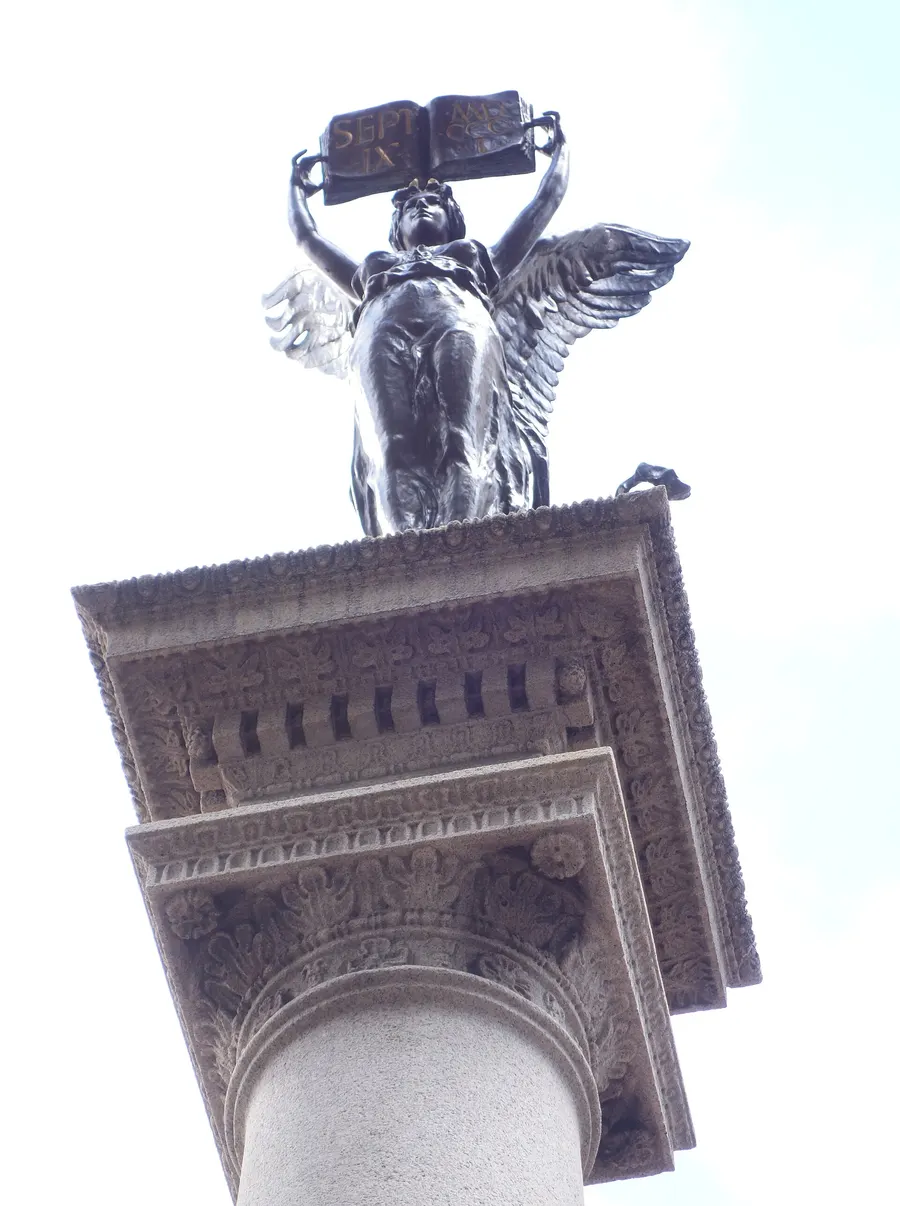
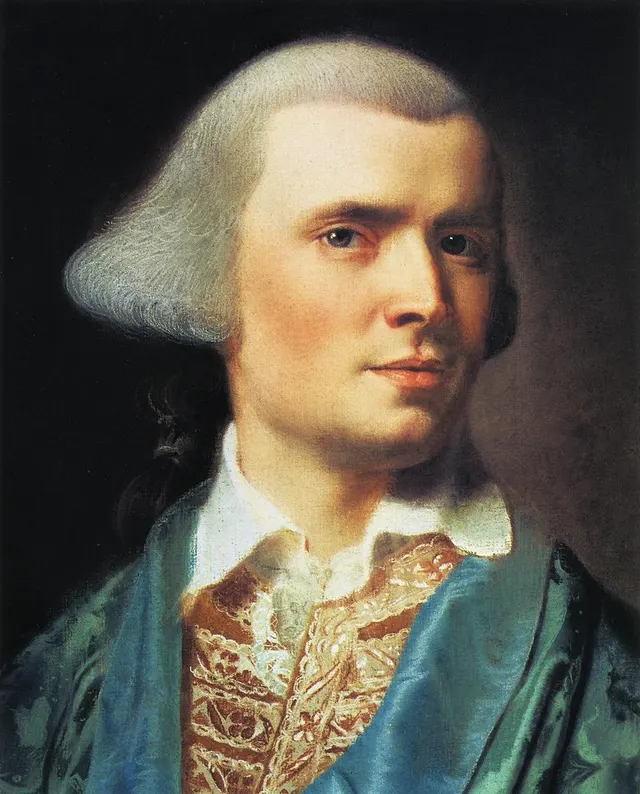
Mexico gave up California to the United States in 1848, at the end of the Mexican-American War, just as gold was found in the foothills of the Sierra Nevada. Within two years tens of thousands of fortune-seekers had poured in from the eastern states and around the world, and the territory badly needed a proper government. Rather than wait for Congress, Californians held a convention at Monterey in 1849, wrote a constitution that banned slavery and asked to join the Union as a state.
Their request set off one of the fiercest debates in the history of Congress, because a free California would upset the balance between slave and free states in the Senate. The answer was the Compromise of 1850, a package of laws that admitted California while giving ground to the South elsewhere. President Millard Fillmore signed the act on 9 September 1850, making California the 31st state. Without a telegraph link, the news took more than five weeks to arrive by steamer in San Francisco, where it was celebrated in the streets. The state still marks 9 September as Admission Day.
Read the full storyHistory & Timeline →Source: California State Parks: California Admission Day, September 9, 1850 ↗
1948The Democratic People’s Republic of Korea is proclaimed
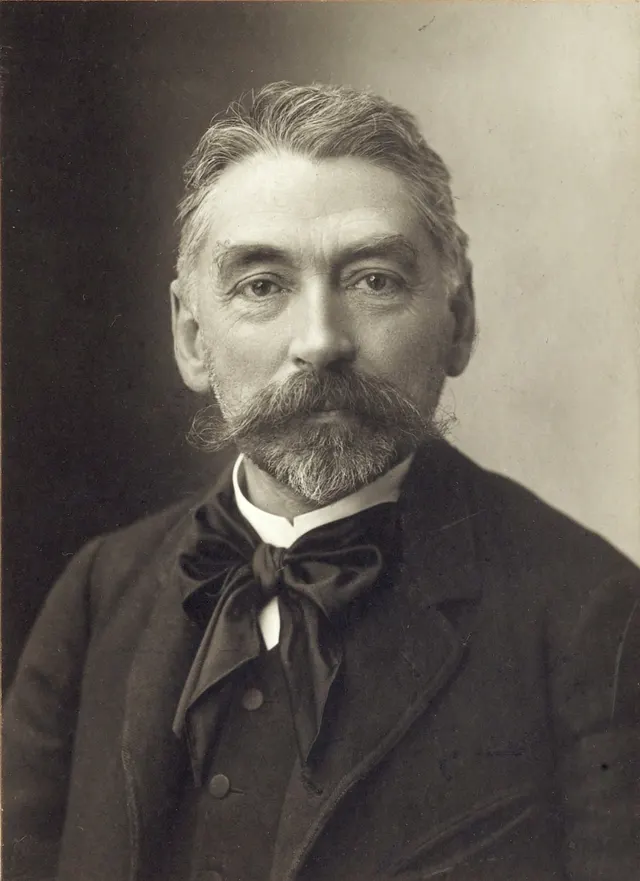
When Japan surrendered in 1945, ending 35 years of colonial rule in Korea, Soviet troops took the surrender north of the 38th parallel and American troops south of it. The line was meant to be temporary, but as the Cold War deepened the two powers could not agree on a single Korean government. In the South, elections supervised by the United Nations led to the proclamation of the Republic of Korea in Seoul on 15 August 1948.
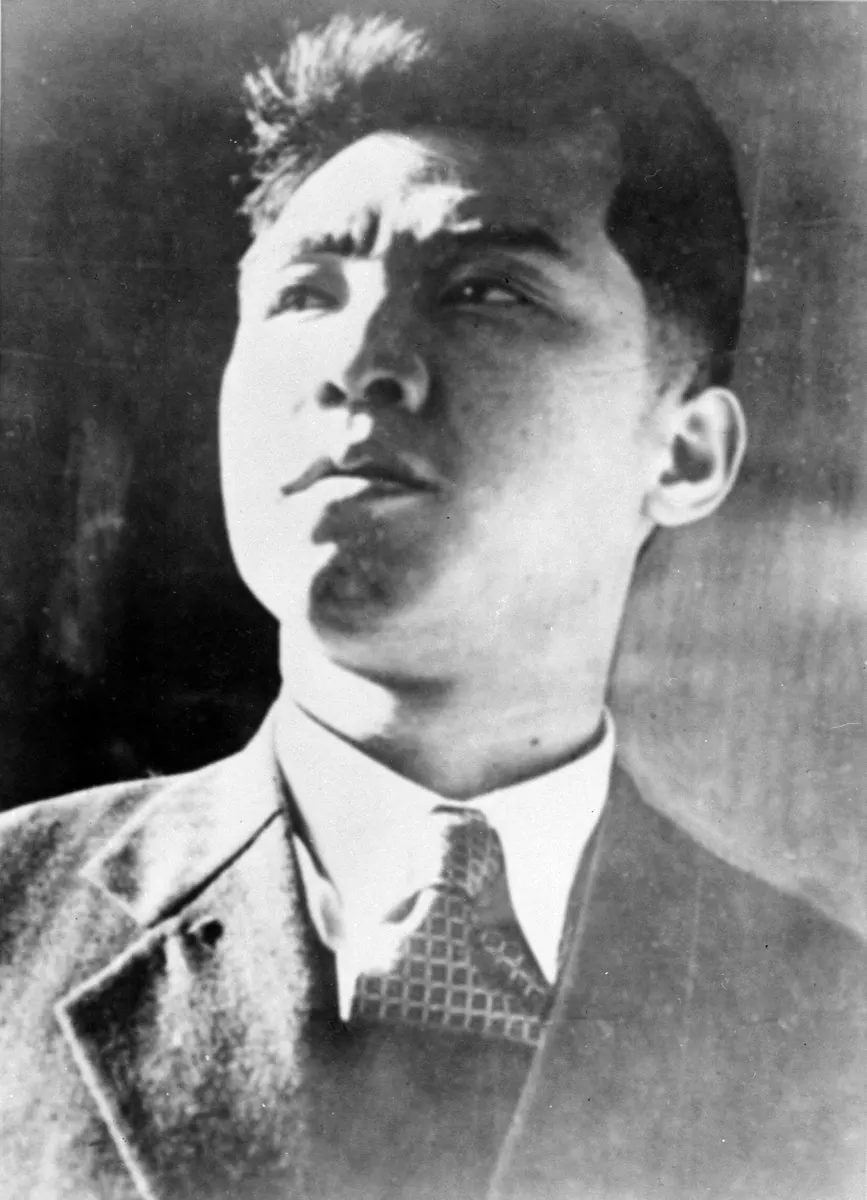
In the North, elections were held for a Supreme People’s Assembly, which met in Pyongyang and on 8 September adopted a constitution. On 9 September 1948 the Democratic People’s Republic of Korea was proclaimed, with Kim Il Sung, a former anti-Japanese guerrilla backed by the Soviet Union, as its premier. Each of the two states claimed to be the lawful government of the whole peninsula. In June 1950 the North invaded the South, beginning the Korean War, and the country remains divided. North Korea keeps 9 September as its national day.
Read the full storyHistory & Timeline →Source: Britannica: History of North Korea ↗
1991Tajikistan declares its independence from the Soviet Union
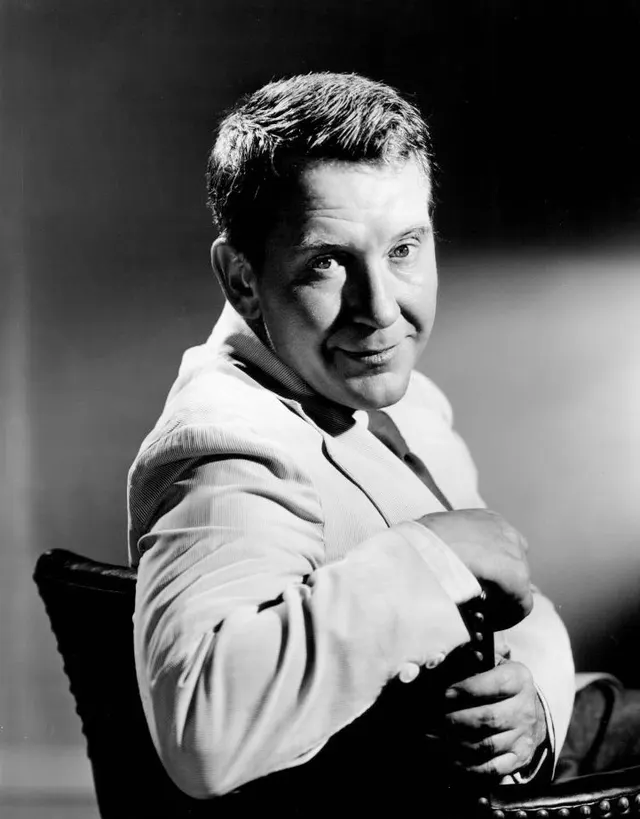
Tajikistan, a mountainous land on the borders of Afghanistan and China whose people speak a language close to Persian, had been a republic of the Soviet Union since 1929. It was the poorest of the Soviet republics, and in the late 1980s, as Mikhail Gorbachev loosened Moscow’s grip, Tajiks began to call for more say over their own affairs and for their language to be given official status.
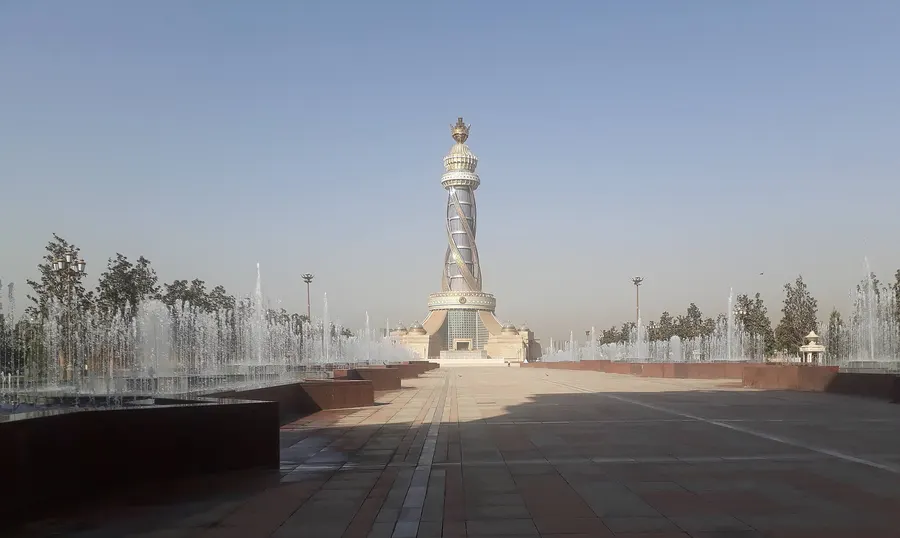
In August 1991 hardliners in Moscow tried and failed to overthrow Gorbachev, and one republic after another broke away. On 9 September 1991 Tajikistan’s Supreme Soviet voted to proclaim the country an independent state. Independence was quickly followed by a bitter civil war between the old communist leadership and an alliance of Islamic and democratic groups, which lasted until a peace agreement in 1997. Tajikistan celebrates 9 September as its Independence Day.
Read the full storyHistory & Timeline →Source: Britannica: Tajikistan, independence ↗