1810The Grito de Dolores begins Mexico’s fight for independence
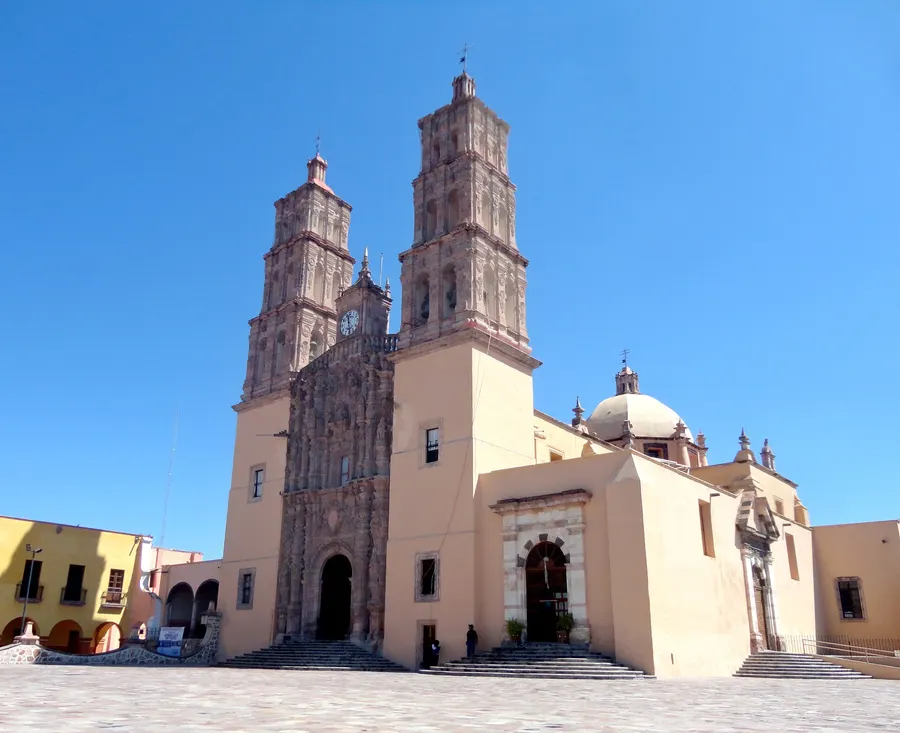
In 1810 Mexico was New Spain, the richest colony of a Spanish empire thrown into crisis by Napoleon’s invasion of Spain. In the town of Querétaro a group of Mexican-born creoles plotted a rising against the colonial government. Among them was Miguel Hidalgo y Costilla, the well-read, unconventional parish priest of the small town of Dolores. In September the plot was betrayed, and a warning reached Hidalgo that the conspirators were about to be arrested.
He decided to act at once. Early on the morning of 16 September 1810 he had the church bell rung, gathered his largely Indian and mestizo parishioners and called on them to rise. His exact words were not written down, but the speech, known as the Grito de Dolores, the Cry of Dolores, is remembered as a call to defend the Virgin of Guadalupe and to end bad government. Thousands followed him. Hidalgo was captured and shot the following year and independence was not won until 1821, but 16 September is Mexico’s Independence Day, and each year on its eve the president repeats the cry from the National Palace.
Read the full storyHistory & Timeline →Source: Britannica: Grito de Dolores ↗
1963Malaysia is proclaimed
Malaya had been independent of Britain since 1957. In 1961 its prime minister, Tunku Abdul Rahman, proposed a wider federation that would join it with Singapore and Britain’s territories on the island of Borneo: Sarawak, North Borneo and Brunei. Britain supported the plan as a way of ending its colonial role in the region, and Singapore’s leader Lee Kuan Yew campaigned for it. Indonesia and the Philippines objected, and a United Nations mission was sent to Borneo to test opinion there, delaying the new state by a fortnight.
Malaysia came into being on 16 September 1963, uniting Malaya, Singapore, Sarawak and North Borneo, which took the name Sabah. Brunei chose to stay out. The proclamation was read at Stadium Merdeka in Kuala Lumpur before the country’s rulers and governors. The early years were hard: Indonesia pursued an armed ‘confrontation’ against the federation, and in August 1965 Singapore left to become a separate nation. The date is kept as a public holiday, Malaysia Day.
Read the full storyHistory & Timeline →Source: National Library Board Singapore: Singapore becomes part of Malaysia ↗
1975Papua New Guinea becomes an independent nation
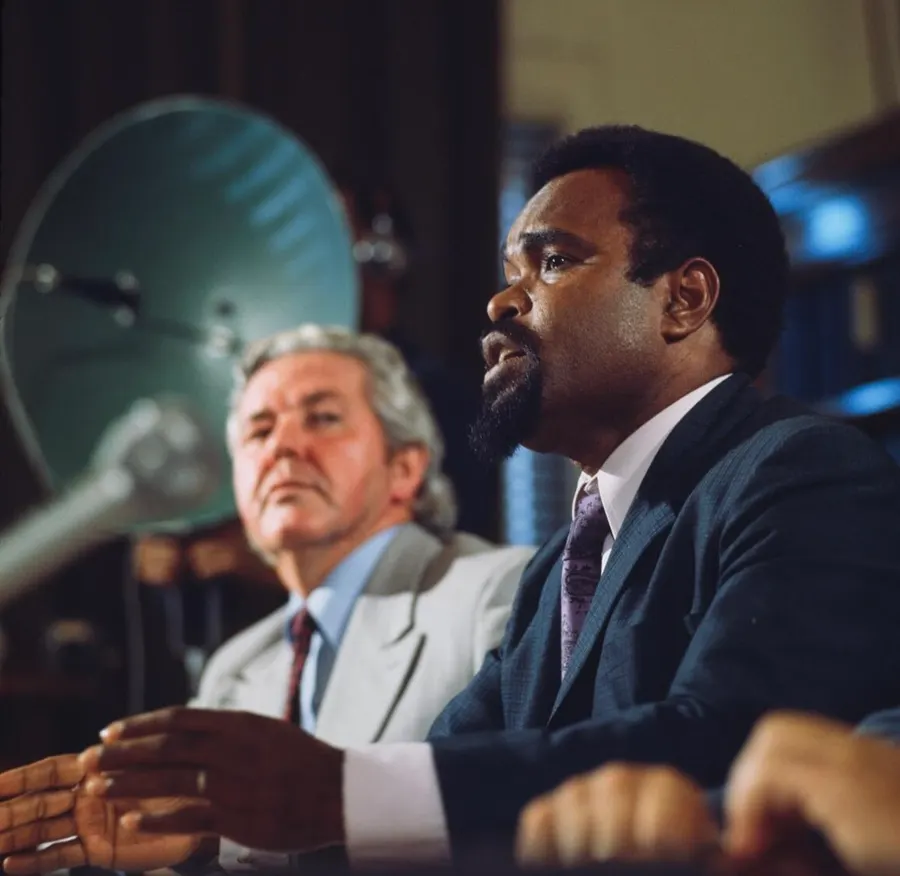
The eastern half of the island of New Guinea and its neighbouring islands had been governed by Australia for most of the 20th century: Papua as an Australian territory from 1906, and the former German New Guinea under a mandate, and later a United Nations trusteeship, after the First World War. It is one of the most varied countries on Earth, with hundreds of languages. From the 1960s an elected assembly took on growing powers, and in 1973 the territory became self-governing under its chief minister, Michael Somare.
Full independence came on 16 September 1975. At ceremonies in Port Moresby the Australian flag had been lowered at sunset the evening before; now the new flag, with its bird of paradise and Southern Cross, was raised. Prince Charles represented the Queen, who remained head of state, and the Australian prime minister Gough Whitlam and governor-general Sir John Kerr attended. Somare became the first prime minister. The day is celebrated each year as Independence Day.
Read the full storyHistory & Timeline →Source: National Archives of Australia: Independence of Papua New Guinea ↗
1992Black Wednesday: the pound is forced out of the ERM
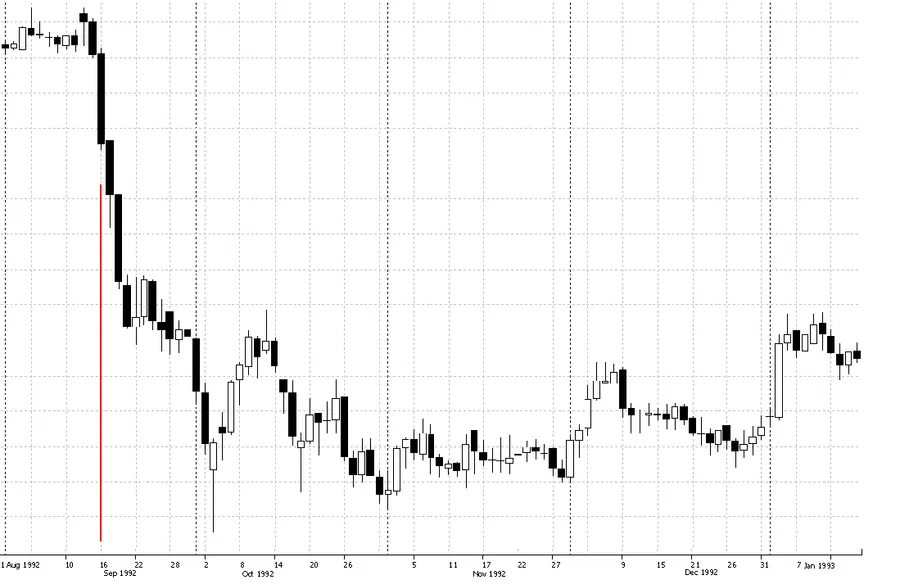
In October 1990 Britain joined the European Exchange Rate Mechanism, which tied the pound to the German mark within a narrow band. The aim was to bring down inflation, but it also meant keeping interest rates high in the middle of a recession. By the summer of 1992 high German interest rates were putting pressure on weaker currencies across Europe, and currency traders began to bet heavily that the pound could not hold its rate.
On Wednesday 16 September 1992 the selling became a flood. The Bank of England spent billions of pounds of reserves buying sterling, and the government raised interest rates from 10 to 12 per cent and then announced a further rise to 15 per cent, all within hours. Nothing worked. That evening the chancellor, Norman Lamont, announced that Britain was suspending its membership. The day cost the Treasury more than three billion pounds and badly damaged the reputation of John Major’s government, though the cheaper pound and lower interest rates that followed helped the economy to recover.
Read the full storyHistory & Timeline →Source: UK Parliament: The ERM and the single currency ↗