
1400
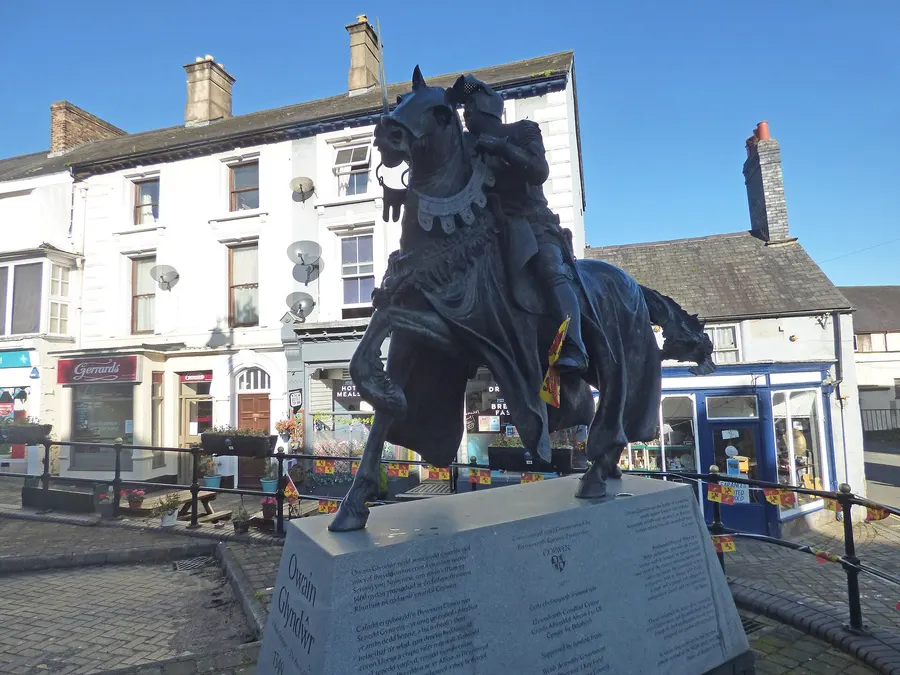 The bronze statue of Owain Glyndŵr on horseback in the square at Corwen, unveiled in 2007Image: Elliott Brown · CC BY-SA 2.0
politics · Europe
Owain Glyndŵr is proclaimed Prince of Wales
Owain Glyndŵr was a Welsh landowner descended from the princes of Powys, who had studied law in London and seen military service with English forces. In 1400 a quarrel with his neighbour Reginald Grey, lord of Ruthin, went unheard by the new king, Henry IV. On 16 September 1400 a small group of kinsmen and supporters gathered at his manor of Glyndyfrdwy and proclaimed him Prince of Wales, and within days they were attacking the English towns of north-east Wales. The revolt spread across the country and lasted more than a decade. Glyndŵr held parliaments and made a treaty with France before his cause faded; he was never captured. The date is kept in Wales as Owain Glyndŵr Day.
Source: Cadw: Free kids’ entry to Cadw sites to mark Owain Glyndŵr Day ↗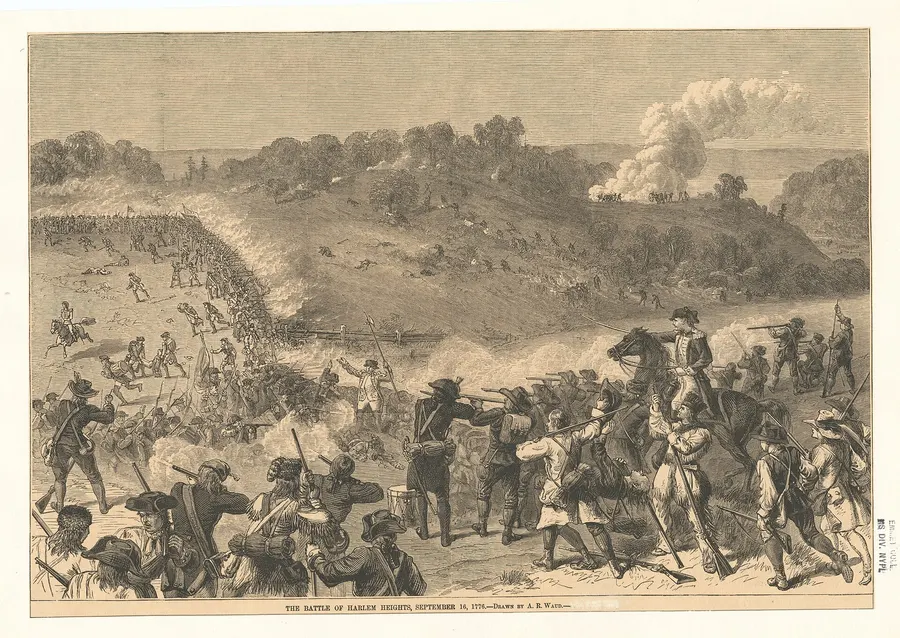 The Battle of Harlem Heights, 16 September 1776, in a 19th-century print from the New York Public Library’s Emmet CollectionImage:
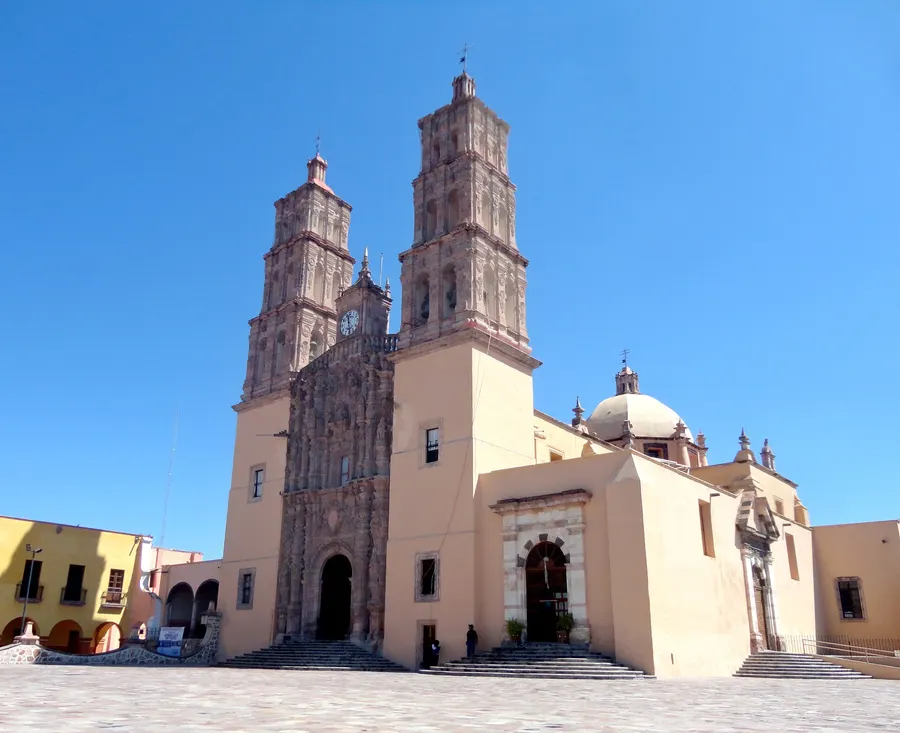 The parish church of Nuestra Señora de los Dolores at Dolores Hidalgo, Guanajuato, where Hidalgo called his parishioners to revoltImage:
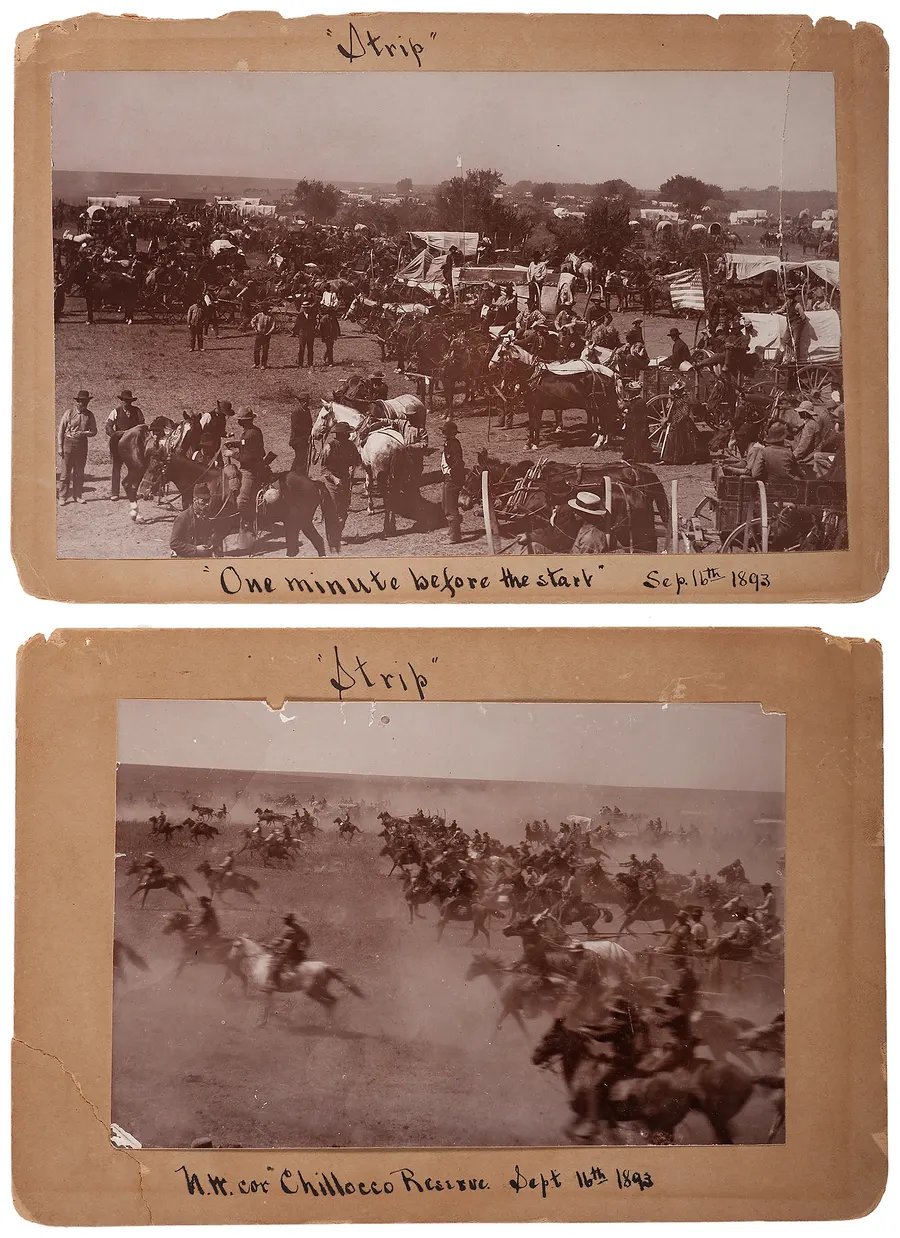 Two mounted photographs of the opening of the Cherokee Strip on 16 September 1893, showing the crowd of riders and wagons before and during the runImage:
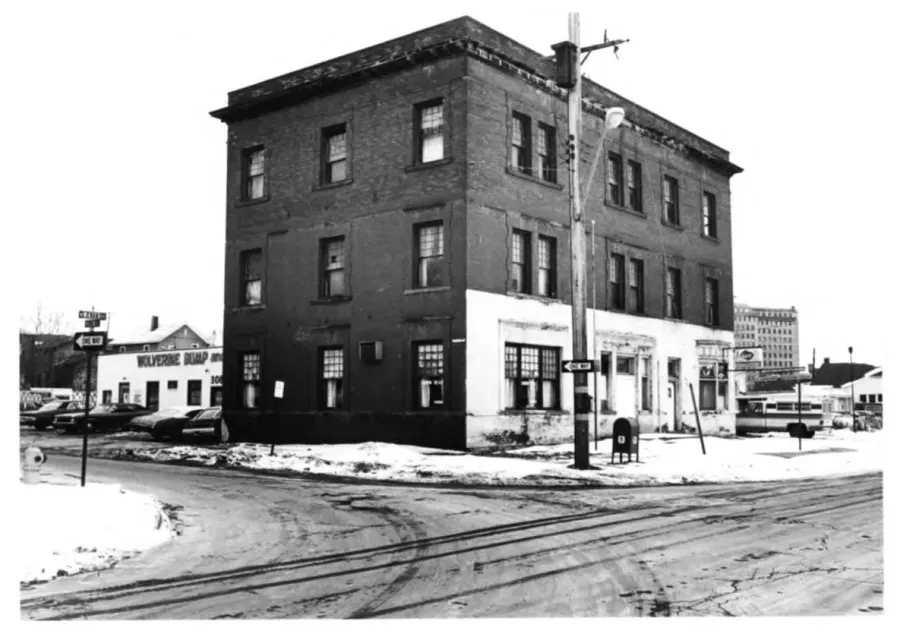 The office of the Durant-Dort Carriage Company in Flint, Michigan, William Durant’s base when he created General MotorsImage:
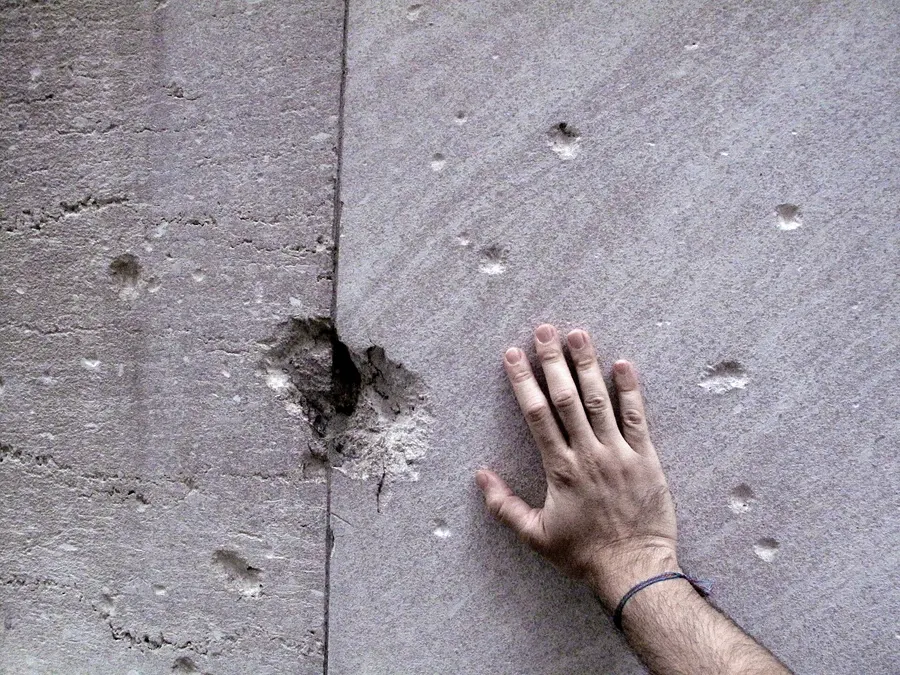 Marks left by the 1920 explosion, still visible in the stone wall of the former Morgan building on Wall Street; a hand shows their scaleImage:
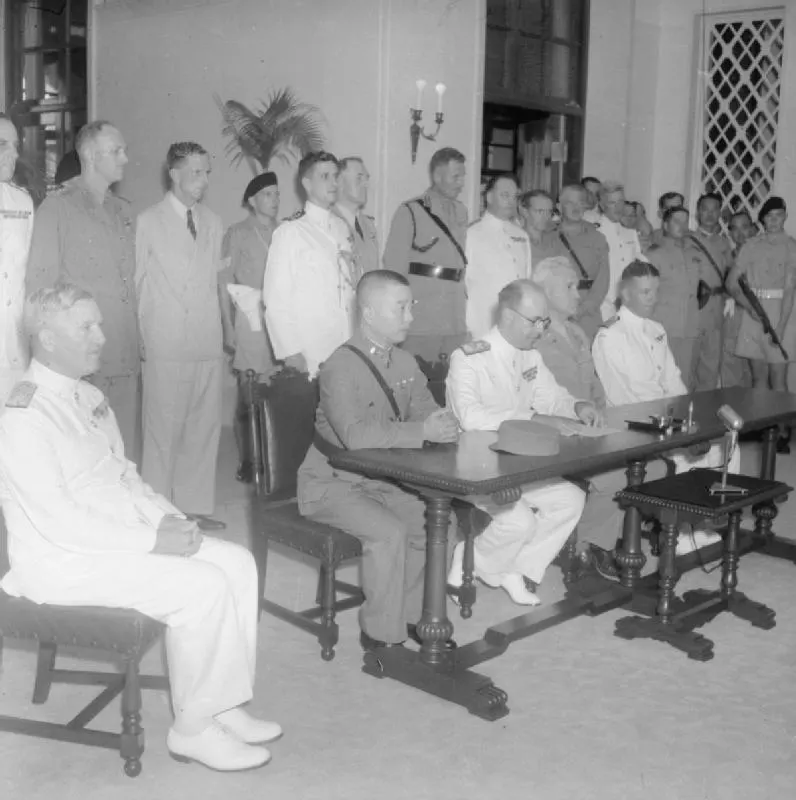 Rear Admiral Harcourt, seated second from right, at the ceremony marking the Japanese surrender of Hong Kong in 1945Image:
 The copying surface and controls of a Xerox 914, on display at the Museum of Business History and Technology in DelawareImage:
 Stadium Merdeka in Kuala Lumpur, where the proclamation of Malaysia was read in September 1963Image:
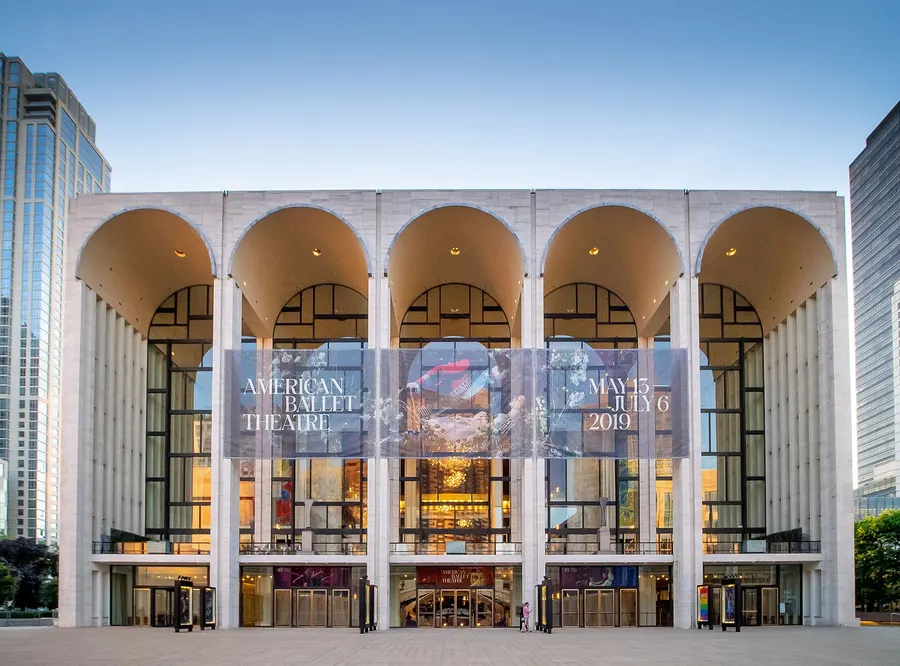 The Metropolitan Opera House at Lincoln Center, New York, with its five tall archesImage:
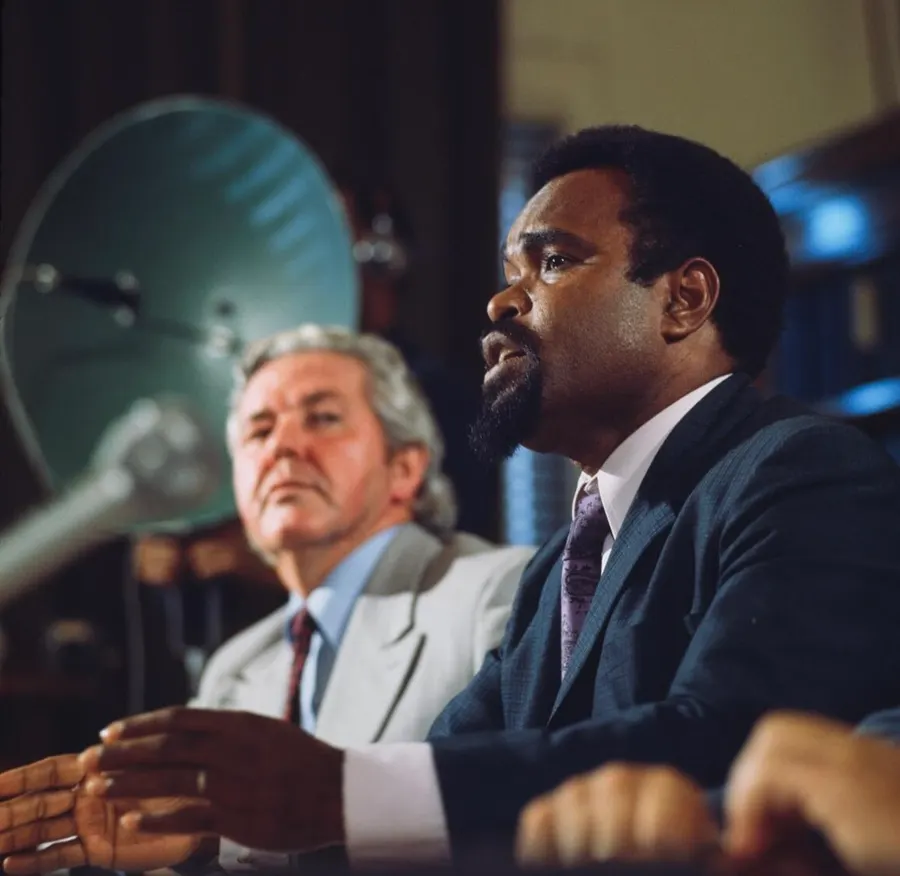 Michael Somare, right, who became Papua New Guinea’s first prime minister, with the Australian minister Bill Morrison in 1973Image:
 Three of those who escaped by balloon, from left Günter Wetzel, Doris Strelzyk and Peter Strelzyk, photographed when a film of their story was being madeImage:
 A NASA map of the ozone hole over Antarctica on 24 September 2006, when it equalled its largest recorded sizeImage:
 A chart of the pound’s value against the German mark during 1992, showing its fall in SeptemberImage:
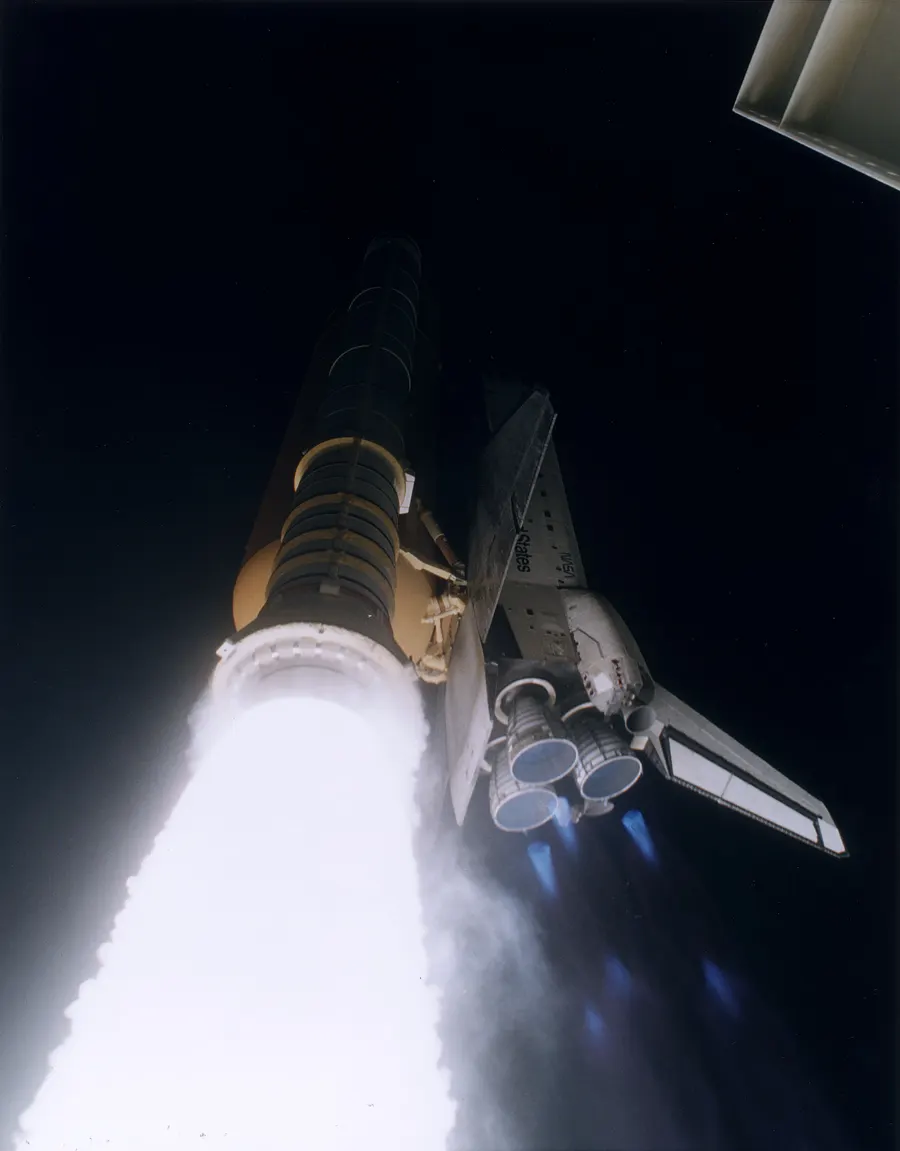 The space shuttle Atlantis lifts off from the Kennedy Space Center at the start of the STS-79 mission to MirImage:
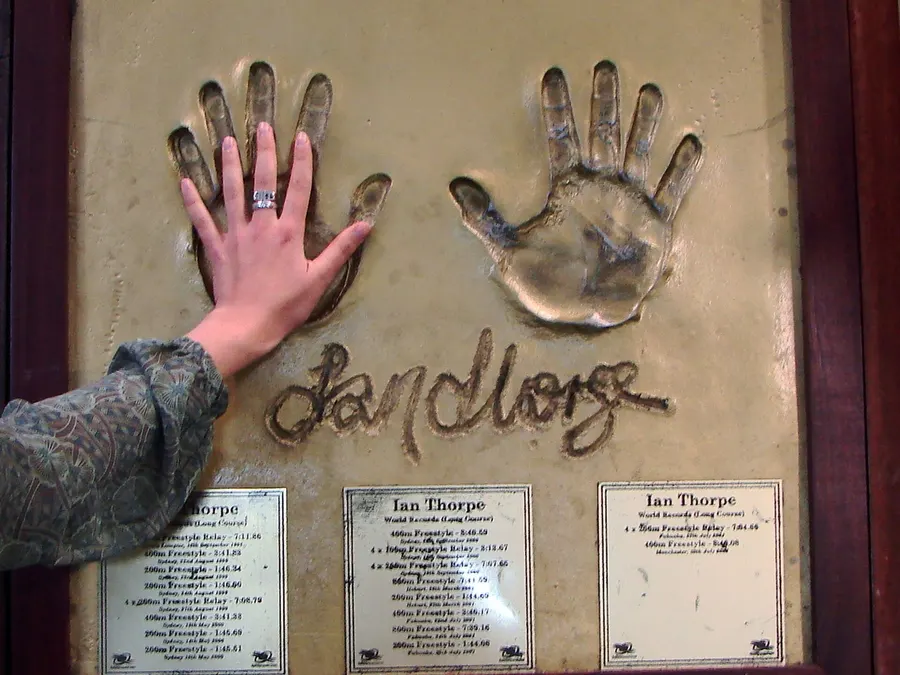 Ian Thorpe’s hand prints, set in bronze at the Sydney Aquatic CentreImage: