
HISTORY & TIMELINE
17 September

A journey through
17 September in history

The story of 17 September runs from the Swedish victory at Breitenfeld in 1631 to the day in 1991 when seven countries, among them the two Koreas and the three Baltic states, joined the United Nations. In between come the signing of the United States Constitution, the treaty that passed Finland from Sweden to Russia, the proclamation of Emperor Norton, the Battle of Antietam, the naval battle of the Yalu, the first fatal aeroplane crash, the founding of what became the NFL, the Soviet invasion of Poland, Operation Market Garden, the killing of Count Bernadotte, the first episode of M*A*S*H, the roll-out of the shuttle Enterprise, the Camp David Accords and the opening of the Seoul Olympics.

JUMP THROUGH TIME
III
A CHANGING WORLD

Early Modern Era

Exploration, political change, scientific development and expanding global connections.

1631
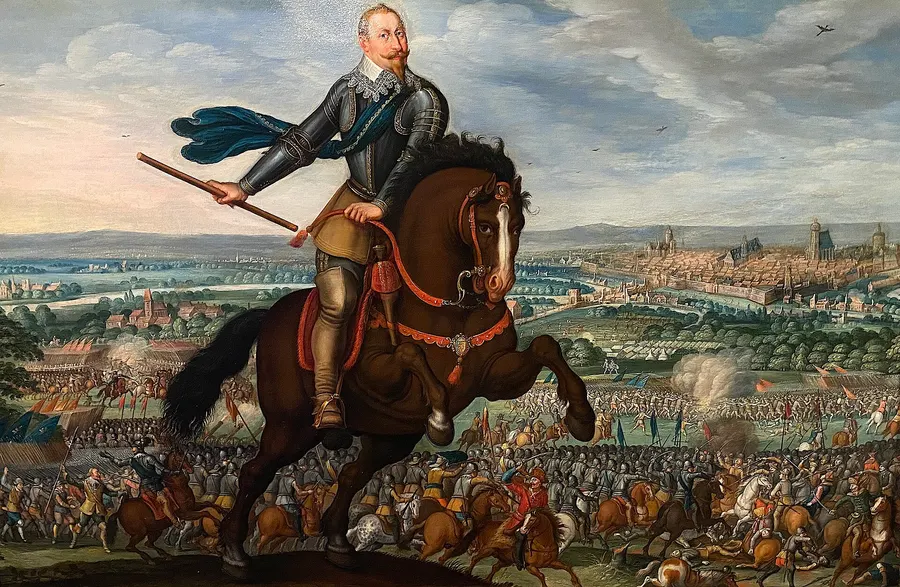
Gustavus Adolphus on horseback, with the Battle of Breitenfeld behind him, in a painting photographed in StrasbourgGustavus Adolphus on horseback, with the Battle of Breitenfeld behind him, in a painting photographed in StrasbourgImage: DCHNwam · Public domain
world · Europe

Gustavus Adolphus wins the Battle of Breitenfeld

For more than a decade the Catholic armies of the Holy Roman Emperor had beaten every Protestant force sent against them in the Thirty Years’ War. In 1630 King Gustavus Adolphus of Sweden landed in northern Germany, and the next year he was joined by the Elector of Saxony. On 17 September 1631 their army met the veteran imperial army of Count Tilly at Breitenfeld, north of Leipzig. The Saxons fled, but the Swedes’ mobile guns and flexible lines of musketeers held and then shattered Tilly’s massed squares. It was the first great Protestant victory of the war and made Sweden a European power. (The date was 7 September in the old calendar the Swedes used.)

Source: Britannica: Battle of Breitenfeld (1631) ↗
1787
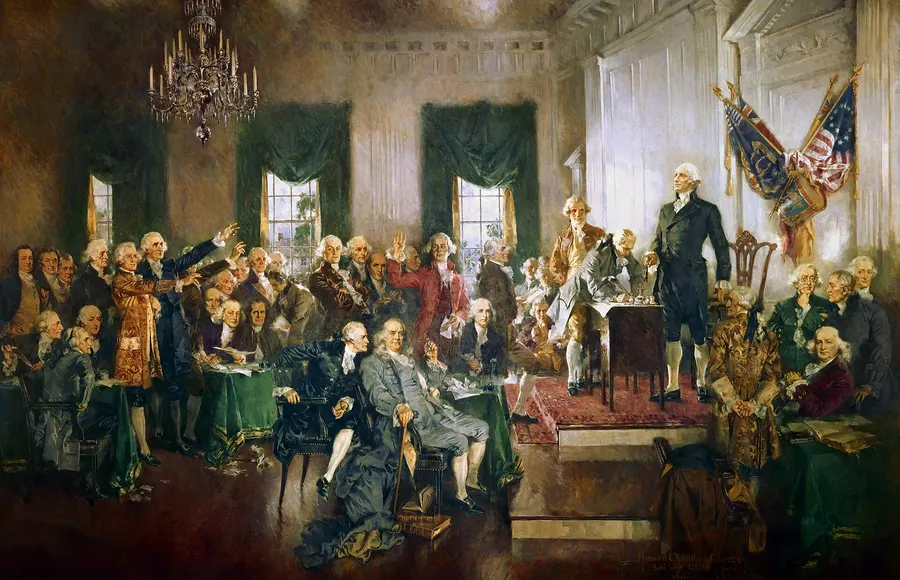
Scene at the Signing of the Constitution of the United States, painted by Howard Chandler Christy in 1940, with George Washington presidingScene at the Signing of the Constitution of the United States, painted by Howard Chandler Christy in 1940, with George Washington presidingImage: Howard Chandler Christy · Public domain
politics · Americas

The United States Constitution is signed in Philadelphia

Four years after winning independence, the United States was a loose league of thirteen states under the Articles of Confederation, with a Congress that could not raise taxes or regulate trade. In May 1787 delegates met in the State House in Philadelphia, now Independence Hall, to revise the Articles. Sitting behind closed doors through a hot summer, with George Washington in the chair, they instead wrote a wholly new frame of government, with a president, a two-chamber Congress and a supreme court. On 17 September 1787 the finished document, four pages of parchment, was read aloud and signed. Benjamin Franklin, aged 81, urged every delegate to put aside his doubts; three of those present, Edmund Randolph, George Mason and Elbridge Gerry, still refused. The Constitution carries 39 names. It then went to the states, and came into force once nine had ratified it, in June 1788. It is often described as the oldest written national constitution still in use, and Americans mark 17 September as Constitution Day and Citizenship Day.

Source: US National Archives: Constitution of the United States (1787) ↗
IV
THE NINETEENTH CENTURY

The 1800s

Industry, empire, invention, reform and a century of enormous transformation.

1809
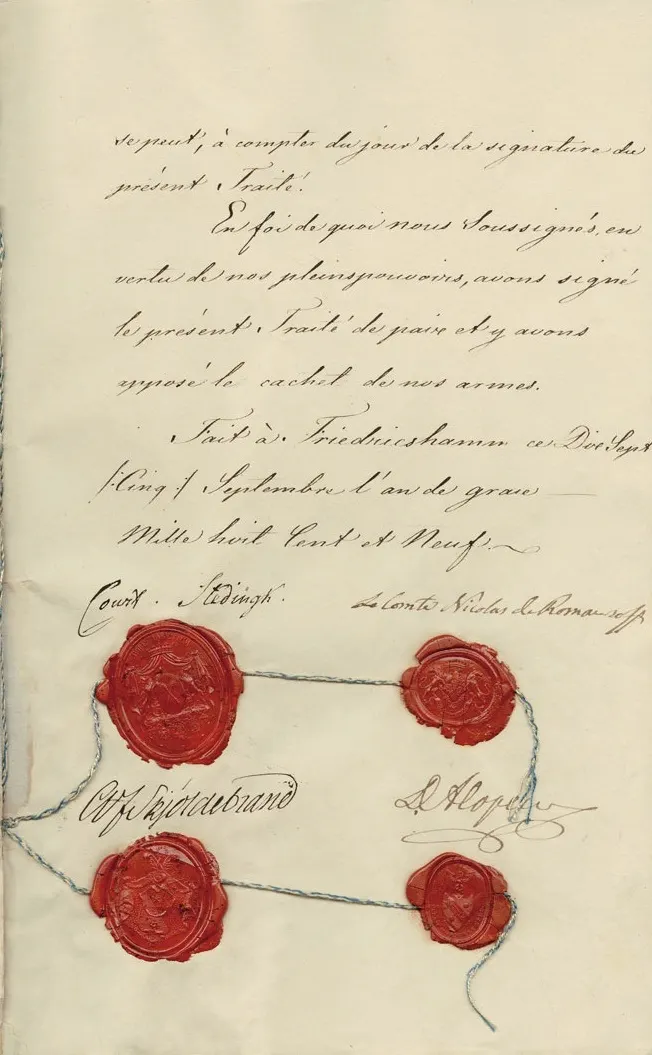
The last page of the Treaty of Fredrikshamn, with the signatures and seals of the Russian and Swedish negotiatorsThe last page of the Treaty of Fredrikshamn, with the signatures and seals of the Russian and Swedish negotiatorsImage: Unknown author (treaty document, 1809) · Public domain
world · Europe

Sweden cedes Finland to Russia

Finland had been part of the Swedish kingdom for some six hundred years when Russia, then allied with Napoleon, invaded it in February 1808. The Swedish army was driven back across the Gulf of Bothnia, and in Stockholm King Gustav IV Adolf was overthrown. By the Treaty of Fredrikshamn, signed in the town now called Hamina on 17 September 1809, Sweden gave up Finland and the Åland Islands, territory it had held for centuries. Tsar Alexander I made Finland a grand duchy with its own laws and institutions, and it remained under Russian rule until it declared independence in 1917.

Source: Britannica: Treaty of Hamina ↗
1859
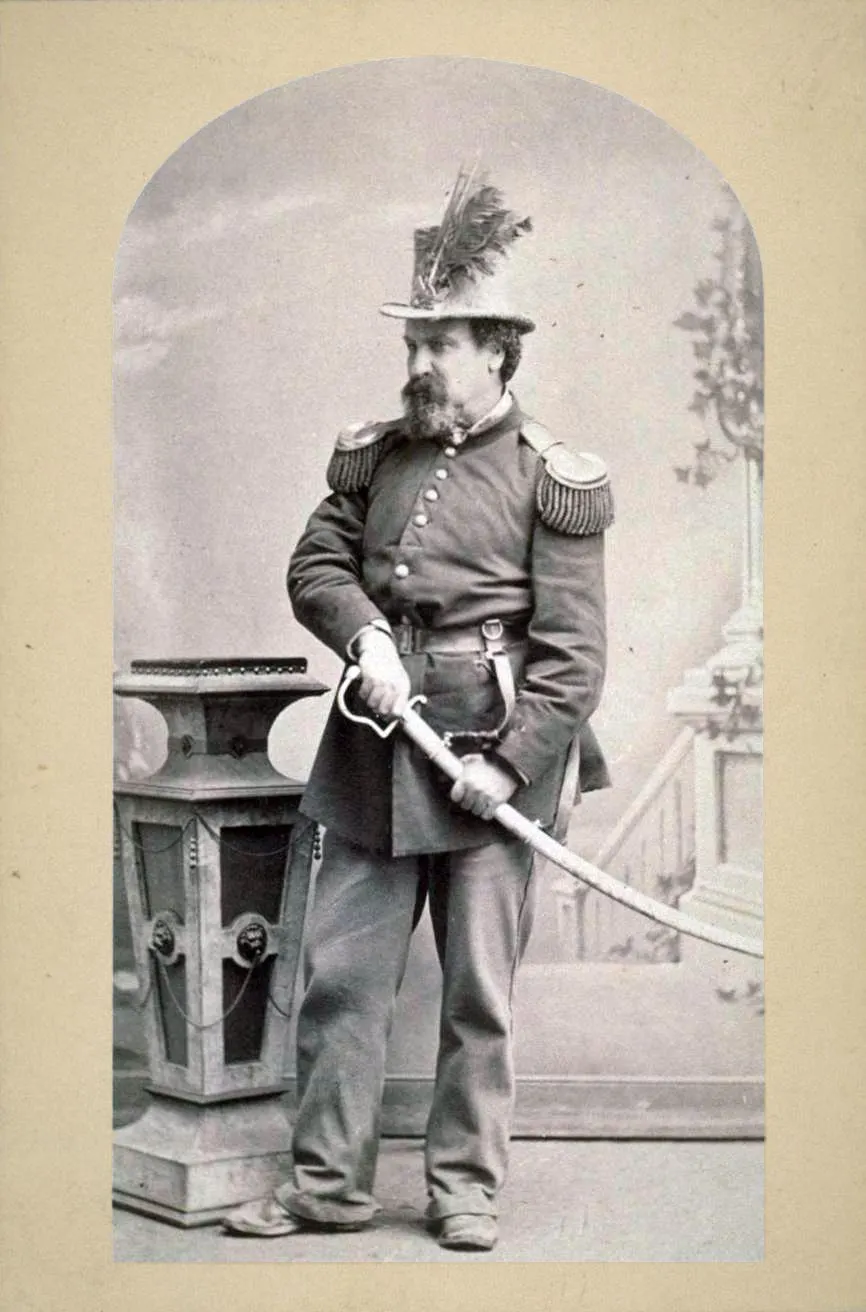
Joshua A. Norton, self-proclaimed Emperor of the United States, in his uniformJoshua A. Norton, self-proclaimed Emperor of the United States, in his uniformImage: H.W. Bradley or William Rulofson · Public domain
culture · Americas

Joshua Norton declares himself Emperor of the United States

Joshua Norton, an English-born merchant, had made a fortune in gold-rush San Francisco and lost it trying to corner the market in rice. On 17 September 1859 he handed a notice to a city newspaper declaring himself Norton I, Emperor of the United States; he later added the title Protector of Mexico. The city took him to its heart. For twenty years he walked its streets in a plumed hat and a uniform with gold epaulettes, issued decrees, among them a call for a bridge across the bay, and paid his way with his own banknotes, which shops accepted. Crowds lined the streets for his funeral in 1880.

Source: Smithsonian National Portrait Gallery: Joshua A. Norton, His Imperial Majesty ↗
1862
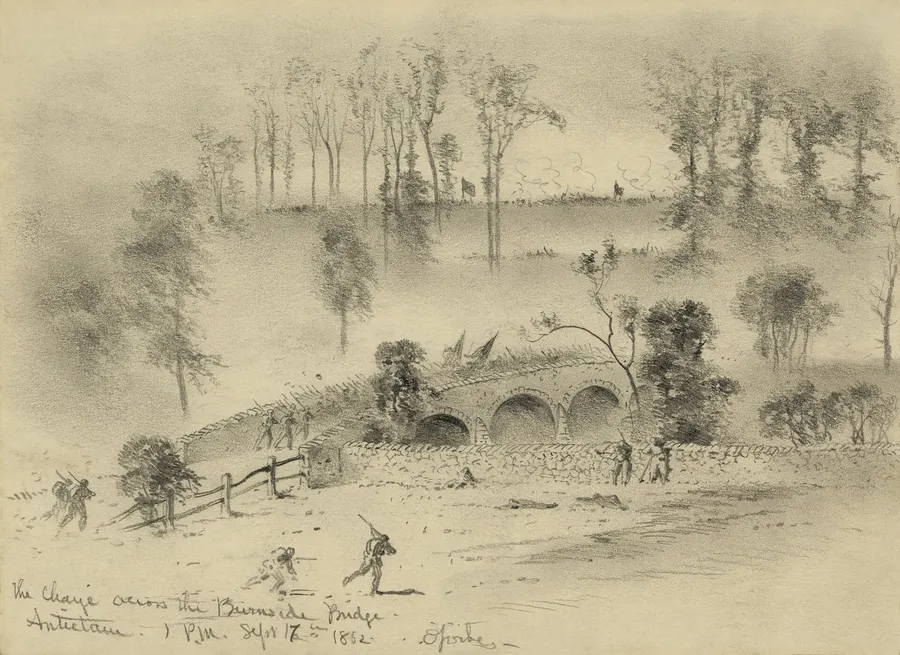
The charge across the Burnside Bridge at Antietam, drawn by the war artist Edwin ForbesThe charge across the Burnside Bridge at Antietam, drawn by the war artist Edwin ForbesImage: Edwin Forbes / Adam Cuerden · Public domain
world · Americas

The Battle of Antietam, the bloodiest day of the American Civil War

In September 1862, after a run of victories in Virginia, the Confederate general Robert E. Lee led his army across the Potomac into Maryland, the first invasion of the North. He hoped that a victory on Union soil would bring recognition from Britain and France. The Union Army of the Potomac under George McClellan followed him, helped by a lost copy of Lee’s orders found wrapped around three cigars, and the two armies met beside Antietam Creek near the town of Sharpsburg. The battle on 17 September 1862 was fought in three stages from dawn to dusk: in a cornfield to the north, along a sunken farm road remembered as Bloody Lane, and at a stone bridge over the creek. By nightfall about 23,000 men had been killed, wounded or were missing, the heaviest loss of any single day in American history. Neither side had broken the other, but Lee withdrew into Virginia. Five days later President Abraham Lincoln used the result to announce the preliminary Emancipation Proclamation.

Source: US National Park Service: A short overview of the Battle of Antietam ↗
1894
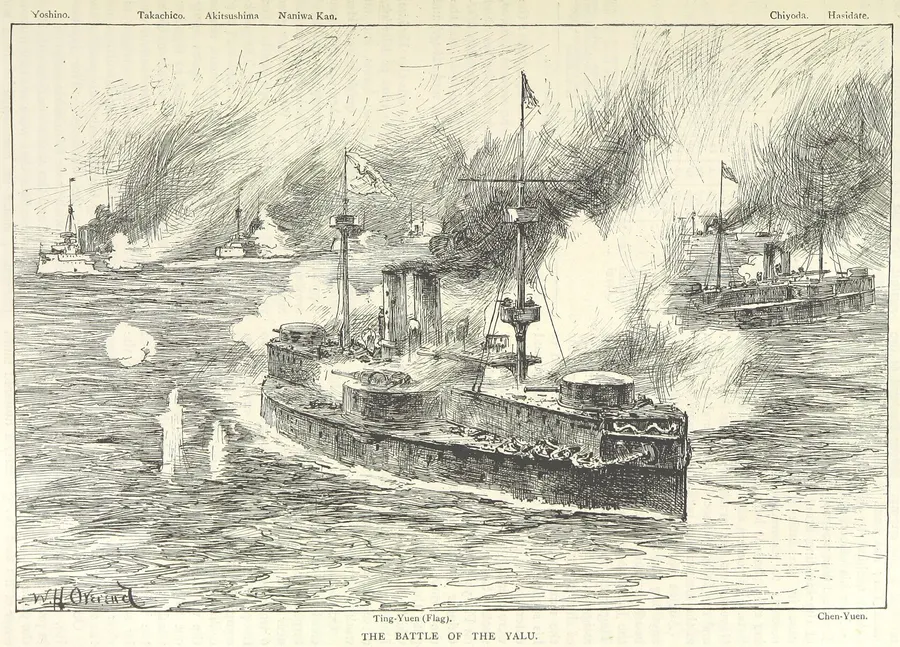
The Chinese battleships Dingyuan and Zhenyuan under fire from the Japanese fleet at the Battle of the Yalu, drawn by W. H. OverendThe Chinese battleships Dingyuan and Zhenyuan under fire from the Japanese fleet at the Battle of the Yalu, drawn by W. H. OverendImage: WH Overend · Public domain
world · Asia

Japan defeats China’s fleet at the Battle of the Yalu

In the summer of 1894 China and Japan went to war over which of them should dominate Korea. On 17 September 1894, days after the Japanese army took Pyongyang, the two navies met in the Yellow Sea off the mouth of the Yalu River. China’s Beiyang Fleet had two large German-built battleships, but the Japanese cruisers were faster and their quick-firing guns did terrible damage. Several Chinese ships were sunk; Japan lost none. The battle gave Japan command of the sea, and its victory in the war the following spring announced it as the new great power of East Asia.

Source: US Naval History and Heritage Command: The Battle of the Yalu, 17 September 1894 ↗
V
THE TWENTIETH CENTURY

The 1900s

War and peace, technological leaps, social change, politics, sport and popular culture.

1908
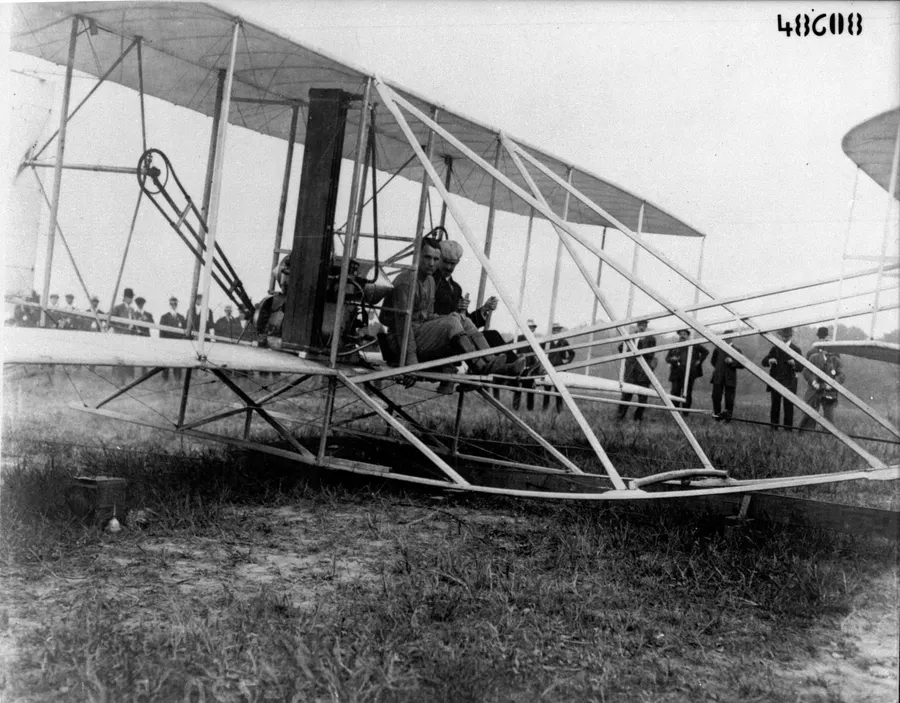
Orville Wright and Lieutenant Thomas Selfridge seated in the Wright aeroplane at Fort Myer before their flightOrville Wright and Lieutenant Thomas Selfridge seated in the Wright aeroplane at Fort Myer before their flightImage: National Museum of Health and Medicine · CC BY 2.0
world · Americas

Thomas Selfridge becomes the first person killed in an aeroplane crash

In September 1908 Orville Wright was at Fort Myer, Virginia, showing the Wright brothers’ aeroplane to the United States Army, which was considering buying one. On 17 September he took up as his passenger Lieutenant Thomas Selfridge, a 26-year-old officer who had himself designed and flown aircraft with Alexander Graham Bell. After several circuits of the field a propeller blade split, and the machine plunged to the ground from about 75 feet. Wright was badly hurt, with a broken hip and ribs; Selfridge died that evening, the first person to be killed in a powered aeroplane. The army bought a Wright aeroplane the following year.

Source: US Air Force Historical Support Division: 1908, first fatality in a powered aircraft ↗
1920
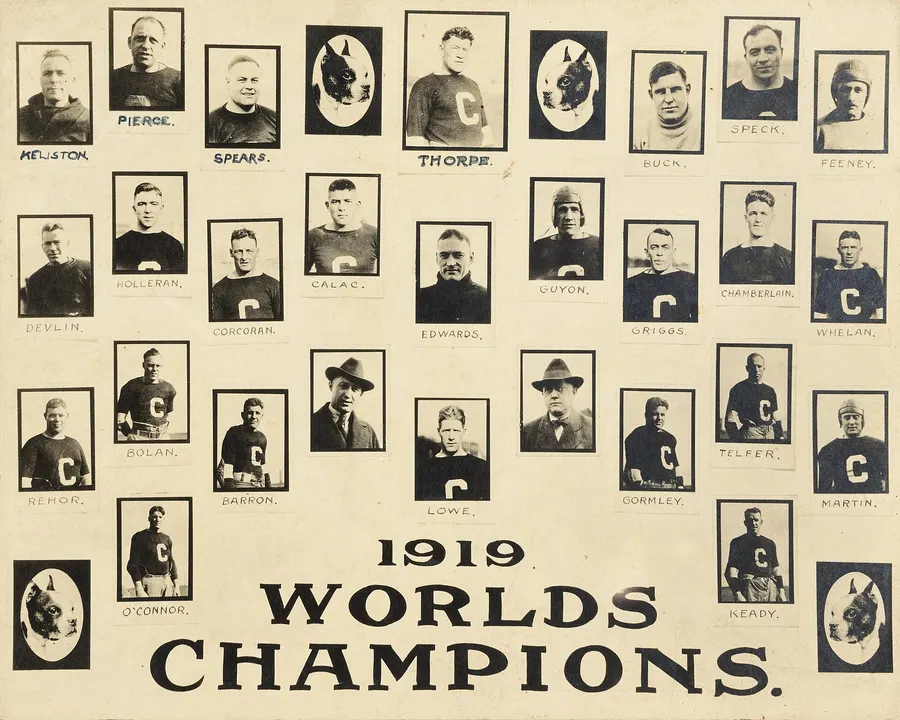
A souvenir card of the Canton Bulldogs of 1919, Jim Thorpe among them, the year before the league was foundedA souvenir card of the Canton Bulldogs of 1919, Jim Thorpe among them, the year before the league was foundedImage: Unknown author · Public domain
sport · Americas

The league that became the NFL is founded in a car showroom

Professional American football in 1920 was a disorderly business of small-town clubs that poached each other’s players and bid wages ever higher. After a first meeting in August, the owners of teams from Ohio, Indiana, Illinois and New York gathered on 17 September 1920 in the motor-car showroom of Ralph Hay, owner of the Canton Bulldogs, in Canton, Ohio; there were too few chairs, and some sat on the cars’ running boards. They formed the American Professional Football Association and chose the great athlete Jim Thorpe as its president. In 1922 it was renamed the National Football League.

Source: Pro Football Hall of Fame: Sept. 17, 1920, the founding of the NFL ↗
1939
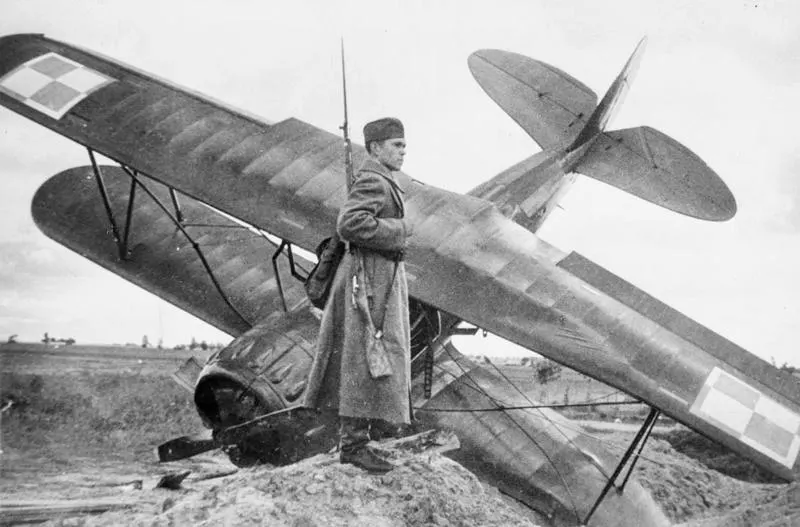
A Red Army soldier guards a Polish training aircraft brought down near Równe, in the part of Poland occupied by the Soviet Union in 1939A Red Army soldier guards a Polish training aircraft brought down near Równe, in the part of Poland occupied by the Soviet Union in 1939Image: Press Agency photographer · Public domain
world · Europe

The Soviet Union invades Poland from the east

In August 1939 Germany and the Soviet Union signed a non-aggression pact with a secret protocol dividing eastern Europe between them. Germany invaded Poland on 1 September. In the early hours of 17 September 1939 the Polish ambassador in Moscow was handed a note declaring that the Polish state had ceased to exist, and the Red Army crossed the eastern frontier along its whole length. The Polish army, already fighting the Germans, could offer little resistance on a second front. By early October the country had been divided between the two invaders, and some 250,000 Polish soldiers were prisoners of the Soviet Union.

Source: Institute of National Remembrance (Poland): Soviet aggression on Poland from 17 September 1939 ↗
1944
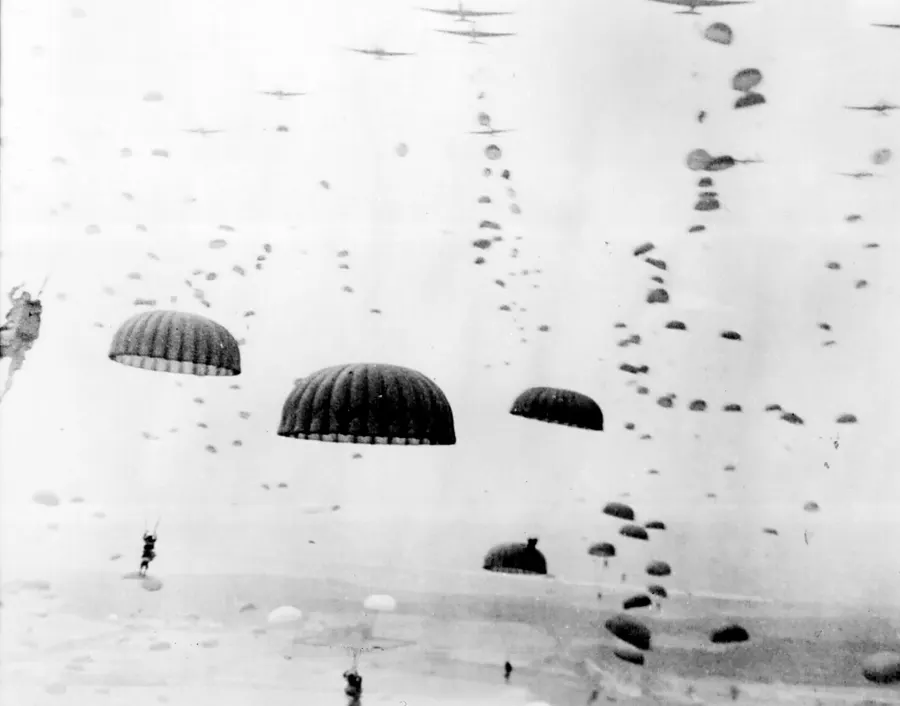
Parachutes open overhead as waves of Allied paratroops land in the Netherlands in September 1944Parachutes open overhead as waves of Allied paratroops land in the Netherlands in September 1944Image: U.S. Army · Public domain
world · Europe

Allied paratroops drop into the Netherlands in Operation Market Garden

By September 1944 the Allied armies had swept across France and Belgium, but their supply lines were stretched and the advance was slowing. Field Marshal Bernard Montgomery proposed a bold stroke to end the war by Christmas: airborne troops would seize a chain of bridges across the rivers and canals of the Netherlands, and tanks of the British XXX Corps would drive up a single road to cross the Rhine at Arnhem and turn into Germany. On the afternoon of Sunday 17 September 1944 thousands of parachutists and glider troops landed in the largest airborne operation yet attempted. The Americans took most of their bridges near Eindhoven and Nijmegen, but the British 1st Airborne Division, landed several miles from Arnhem, met unexpected German armour. One battalion reached the bridge and held its northern end for days; the tanks never arrived. The survivors withdrew across the river on the night of 25 September. Only about a quarter of the men who landed at Arnhem got back, and the Rhine was not crossed until March 1945.

Source: National Army Museum: Operation Market Garden ↗
1948
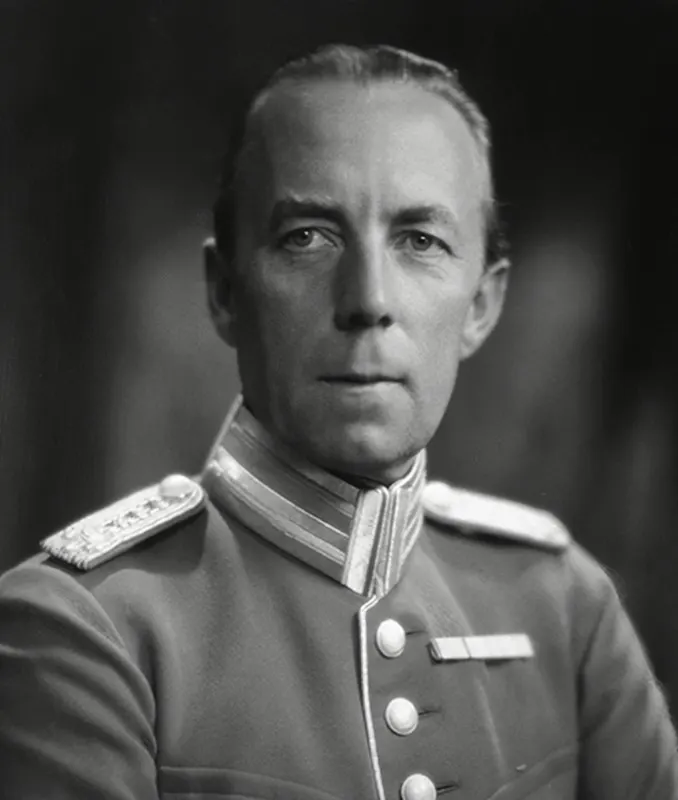
Folke Bernadotte, Count of WisborgFolke Bernadotte, Count of WisborgImage: Unknown author · Public domain
politics · Middle East

The UN mediator Count Bernadotte is killed in Jerusalem

Count Folke Bernadotte, a Swedish diplomat and Red Cross leader who had negotiated the release of thousands of concentration-camp prisoners in 1945, was appointed in May 1948 as the United Nations’ first mediator, charged with ending the war between the new state of Israel and its Arab neighbours. He arranged two truces and drew up proposals for a settlement. On 17 September 1948 his car was stopped in Jerusalem by armed men in a jeep, and he and a French observer, Colonel André Sérot, were shot dead. The killers belonged to an extremist Jewish group; no one was convicted. His deputy, Ralph Bunche, completed the armistice talks in 1949.

Source: United Nations (UNISPAL): Assassination of the UN Mediator, report to the Security Council ↗
1972
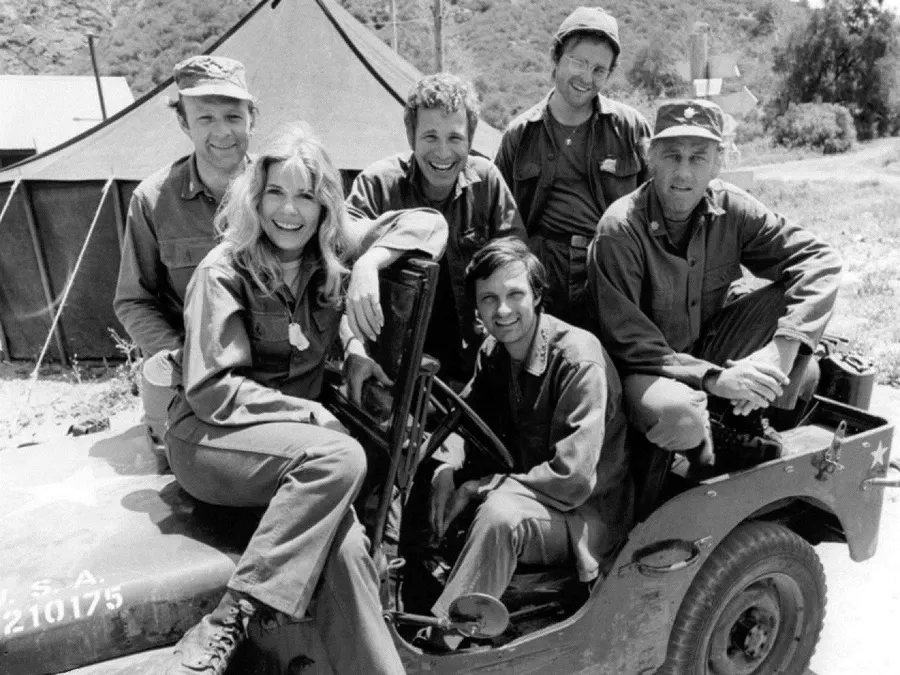
The cast of M*A*S*H in a CBS publicity photograph of 1974, with Alan Alda at the wheel of the jeepThe cast of M*A*S*H in a CBS publicity photograph of 1974, with Alan Alda at the wheel of the jeepImage: CBS Television · Public domain
culture · Americas

The first episode of M*A*S*H is broadcast

In 1970 Robert Altman’s film M*A*S*H, a dark comedy about army surgeons in the Korean War taken from a novel by a former army doctor, was a great success, at a time when the United States was still fighting in Vietnam. The CBS network asked the comedy writer Larry Gelbart and the producer Gene Reynolds to turn it into a half-hour television series, set in the tents of the 4077th Mobile Army Surgical Hospital, with Alan Alda as the wisecracking surgeon Hawkeye Pierce. The first episode went out on 17 September 1972. Audiences were small at first, but the series found its viewers in its second season and went on to mix jokes with operating-theatre scenes and stories about fear, boredom and loss in a way that was new for a comedy. It ran for eleven years, far longer than the three-year war it portrayed, and its final episode in 1983 drew one of the largest audiences in the history of American television.

Source: Smithsonian, National Museum of American History archives: M*A*S*H Television Show Collection ↗
1976
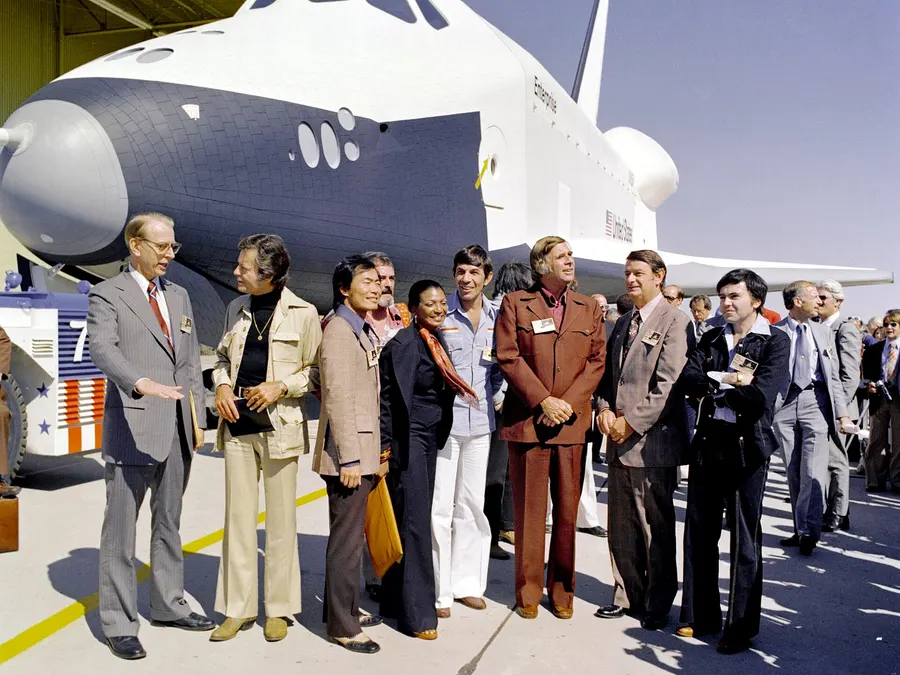
The shuttle Enterprise at its roll-out in Palmdale, California, with NASA officials and members of the cast of Star TrekThe shuttle Enterprise at its roll-out in Palmdale, California, with NASA officials and members of the cast of Star TrekImage: NASA · Public domain
world · Americas

NASA rolls out Enterprise, the first space shuttle

After the Moon landings, NASA set out to build a spacecraft that could be used again and again: a winged orbiter that would be launched like a rocket and land like a glider. The first one, known as OV-101, was built at Palmdale in California. It was to have been named Constitution and unveiled on Constitution Day, but fans of the television series Star Trek sent tens of thousands of letters to the White House asking for it to be named after the starship Enterprise, and President Gerald Ford agreed. On 17 September 1976 Enterprise was towed out of its hangar before a crowd of guests, among them the creator and several of the cast of Star Trek, while a band played the programme’s theme. Enterprise was built for test flights in the atmosphere and never went into space. In 1977 it was carried aloft on the back of a Boeing 747 and released to glide down to the Californian desert, proving that an orbiter could land safely. The first shuttle to reach orbit, Columbia, flew in April 1981.

Source: NASA: NASA unveils Enterprise, the first space shuttle ↗
1978
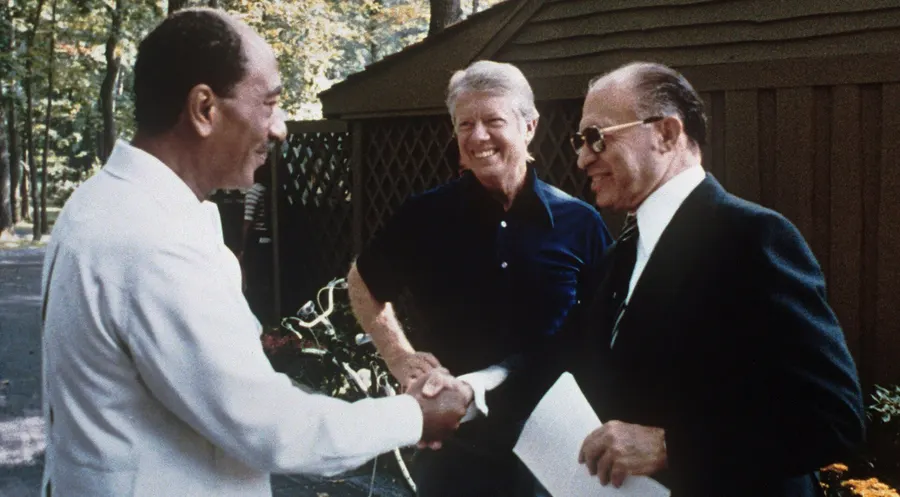
Anwar Sadat, Jimmy Carter and Menachem Begin at Camp David in September 1978Anwar Sadat, Jimmy Carter and Menachem Begin at Camp David in September 1978Image: Unknown author · Public domain
world · Middle East

Egypt and Israel sign the Camp David Accords

Egypt and Israel had fought four wars in thirty years when President Anwar Sadat of Egypt astonished the world by flying to Jerusalem in November 1977. The talks that followed soon stalled, and the American president Jimmy Carter invited Sadat and the Israeli prime minister Menachem Begin to Camp David, the presidential retreat in the hills of Maryland. For thirteen days the three men and their advisers bargained in seclusion, with Carter carrying drafts between two leaders who at times would not meet. On the evening of 17 September 1978 they returned to Washington and signed two agreements at the White House. One set out a framework for peace between Egypt and Israel, including Israel’s withdrawal from the Sinai peninsula; the other proposed a path to self-government for the Palestinians of the West Bank and Gaza, which was never carried out. Sadat and Begin shared that year’s Nobel Peace Prize, and in March 1979 they signed the first peace treaty between Israel and an Arab state.

Source: US Office of the Historian: Camp David Accords and the Arab-Israeli peace process ↗
1988
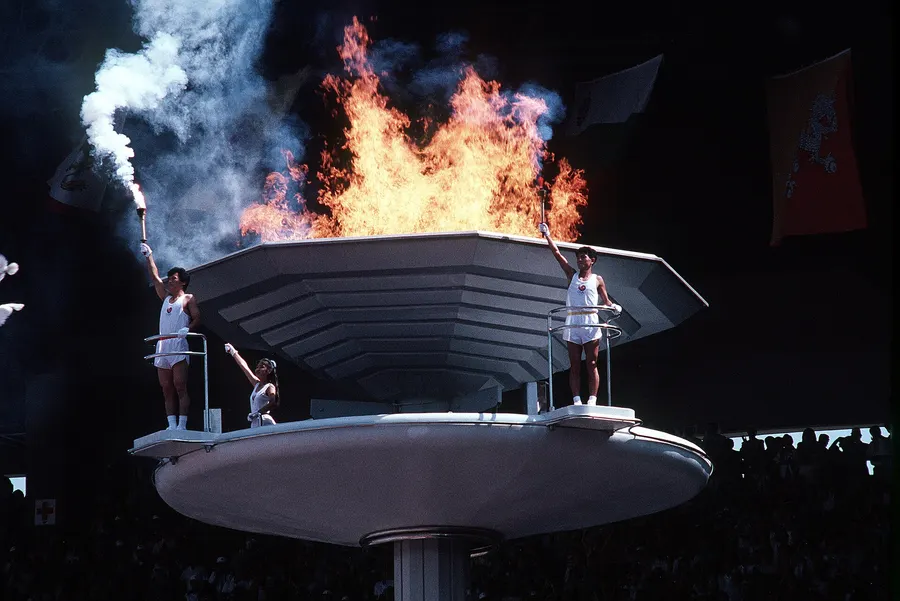
The ceremonial flame of the Seoul Olympic Games is lit by three young South Koreans, an athlete, a teacher and a dance studentThe ceremonial flame of the Seoul Olympic Games is lit by three young South Koreans, an athlete, a teacher and a dance studentImage: Ken Hackman, U.S. Air Force · Public domain
sport · Asia

The Seoul Olympic Games open

When Seoul was chosen in 1981 to hold the 1988 Olympic Games, South Korea was under military rule and had no diplomatic relations with the communist world. The three previous Games had all been damaged by boycotts. In the years that followed the country grew rapidly richer, and in 1987 mass protests forced its rulers to accept free presidential elections, so that the Games became the showpiece of a changing nation. The opening ceremony was held in the Olympic Stadium on 17 September 1988. The torch was carried in by Sohn Kee-chung, the Korean who had won the 1936 marathon while forced to run under the flag of Japan. North Korea stayed away, with Cuba and a few others, but athletes from 159 countries took part, including the Soviet Union and the United States together for the first time since 1976. Tennis returned to the Games after 64 years, and table tennis was played for the first time.

Source: International Olympic Committee: Seoul 1988 ↗
1991
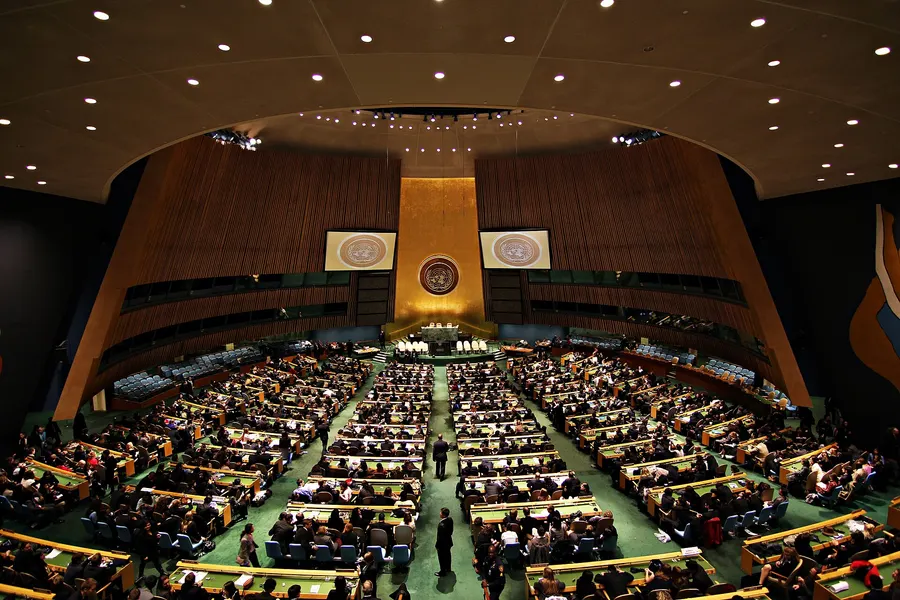
The General Assembly Hall at the United Nations headquarters in New YorkThe General Assembly Hall at the United Nations headquarters in New YorkImage: Basil D Soufi · CC BY-SA 3.0
world · Global

The two Koreas and the Baltic states join the United Nations

The end of the Cold War opened the doors of the United Nations to countries that had long been kept out. North and South Korea had each been blocked for decades by the other’s allies, and Estonia, Latvia and Lithuania had been absorbed by the Soviet Union in 1940; Moscow recognised their independence only on 6 September 1991. On 17 September 1991, at the opening of its yearly session, the General Assembly admitted all five, together with the Pacific island states of Micronesia and the Marshall Islands, by acclamation. The seven new flags were raised outside the headquarters in New York, bringing the membership to 166.

Source: United Nations Photo: Flag-raising ceremony marks admission of seven states to UN membership ↗
RESEARCH

Sources & Further Reading

Selected authoritative references supporting the events on this page.

Britannica: Battle of Breitenfeld (1631)↗Britannica: Gustavus Adolphus, entrance into the Thirty Years’ War↗US National Archives: Constitution of the United States (1787)↗Britannica: Constitutional Convention↗Britannica: Treaty of Hamina↗Britannica: Finland under Swedish rule↗Smithsonian National Portrait Gallery: Joshua A. Norton, His Imperial Majesty↗Museum of the City of San Francisco: Norton I, Emperor of the United States↗US National Park Service: A short overview of the Battle of Antietam↗Britannica: Battle of Antietam↗US Naval History and Heritage Command: The Battle of the Yalu, 17 September 1894↗Britannica: Battle of the Yalu↗US Air Force Historical Support Division: 1908, first fatality in a powered aircraft↗Library of Congress: The Wright-Selfridge experimental flight, Fort Myer, Virginia, Sept. 17, 1908↗Pro Football Hall of Fame: Sept. 17, 1920, the founding of the NFL↗NFL: Remembering the NFL’s humble origins on its 100th birthday↗Institute of National Remembrance (Poland): Soviet aggression on Poland from 17 September 1939↗United States Holocaust Memorial Museum: Invasion of Poland, fall 1939↗National Army Museum: Operation Market Garden↗Imperial War Museums: The story of Operation ‘Market Garden’ in photos↗United Nations (UNISPAL): Assassination of the UN Mediator, report to the Security Council↗United Nations: Bust of Count Folke Bernadotte↗Smithsonian, National Museum of American History archives: M*A*S*H Television Show Collection↗Britannica: Television in the United States, M*A*S*H↗NASA: NASA unveils Enterprise, the first space shuttle↗NASA History: Space shuttle Enterprise makes its public debut↗US Office of the Historian: Camp David Accords and the Arab-Israeli peace process↗Britannica: Camp David Accords↗International Olympic Committee: Seoul 1988↗Britannica: Seoul 1988 Olympic Games↗United Nations Photo: Flag-raising ceremony marks admission of seven states to UN membership↗United Nations: Member States, dates of admission↗
WHY THESE MOMENTS?

Significance before volume

This page is not the longest possible list of events. It is a chronological journey through 17 September, where each entry is chosen for historical significance, human interest and reliability.

Facts are checked against authoritative museums, archives, universities and reference works. Where sources disagree, the page says so.

EXPLORED THE DEEPER STORY?

Return to the highlights of 17 September

Discover the lighter side of the date with famous birthdays, culture, firsts and lives remembered.

Explore This Day →