Explore 20 September

Explore 20 September: Magellan sets sail, Italian troops enter Rome, the Ragamuffin War begins in Brazil, Gandhi starts a fast in prison and Billie Jean King wins the Battle of the Sexes. Meet Chulalongkorn, Sophia Loren and George R. R. Martin, born on this date.

This day through time →13 verified events across 5 eras

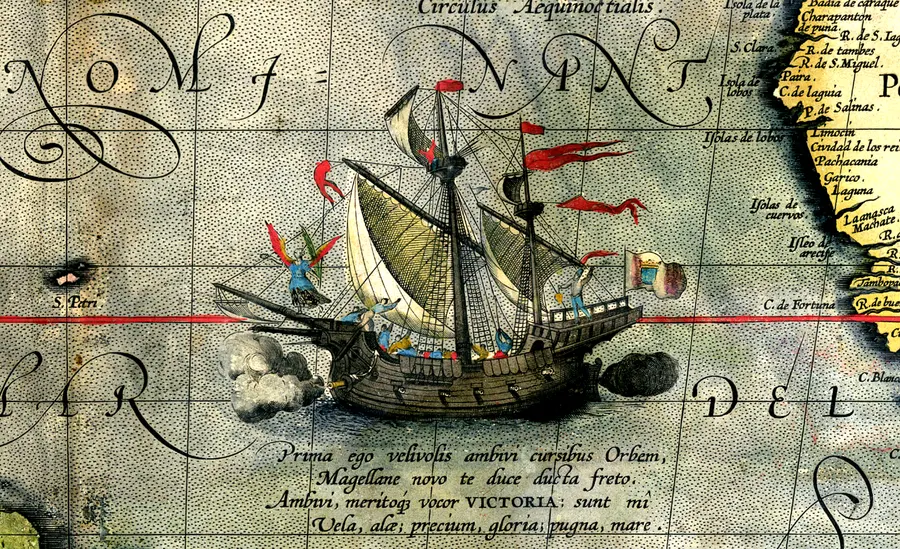
The Victoria, Magellan's ship, in a detail from a map by Abraham Ortelius.
The Victoria, Magellan’s ship, in a detail from a map by Abraham Ortelius.
Image creditAbraham Ortelius · Public domainResized and cropped for display.

Magellan sets sail

On 20 September 1519 Ferdinand Magellan’s fleet of five ships, carrying about 270 men, left Sanlúcar de Barrameda in Spain on an expedition to the Moluccas. It reached Tenerife on 26 September and set sail for Brazil on 3 October.

Magellan was killed in what is now the Philippines, and only 22 of the original 270 men made it back to Europe. Yet the voyage, completed by the ship Victoria in 1522, was the first to sail around the world.

Read the full storyHistory & Timeline →Source: Encyclopaedia Britannica: Ferdinand Magellan ↗
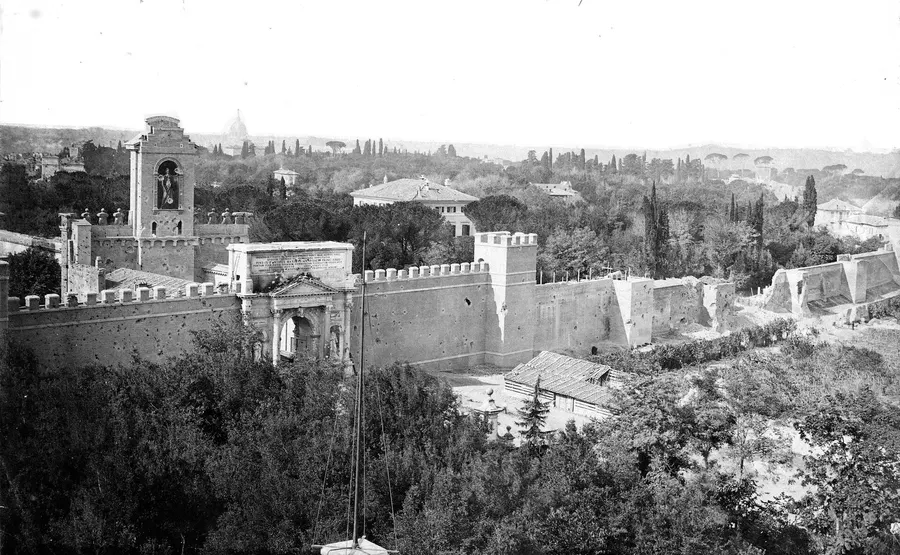
The breach in the Aurelian Walls at Porta Pia, Rome, 1870.
Image creditpic: Ludovico Tuminello scan: Carlomorino · Public domainResized and cropped for display.

Italian troops enter Rome

On 20 September 1870 Italian troops breached the Aurelian Walls at Porta Pia and entered Rome after only token resistance from the papal army, completing the unification of Italy. The first cannon shots came at 5:15 am and the white flag went up at 10:10.

Forty-nine Italian and 19 papal soldiers died. Pope Pius IX refused to accept the loss, declared himself a prisoner in the Vatican and his successors kept that stance until 1929. After a plebiscite in October, Rome became the capital of the united Italy.

Read the full storyHistory & Timeline →Source: Encyclopaedia Britannica: Italy, the acquisition of Venetia and Rome ↗
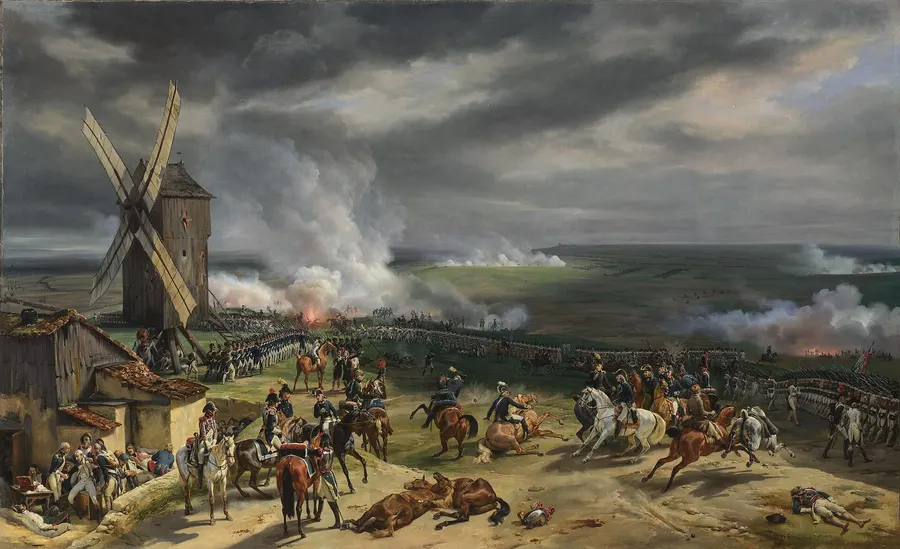
The Battle of Valmy, painted by Horace Vernet.
Image creditHorace Vernet · Public domainResized and cropped for display.

The French hold at Valmy

On 20 September 1792 French forces stood firm against a Prussian-led invading army near the village of Valmy. The battle was fought mostly as an artillery duel, with more than 20,000 cannon shots but fewer than 500 casualties, and when the Prussian infantry advanced the French held and the Duke of Brunswick withdrew.

Little more than a skirmish, it halted the coalition’s invasion. The next day the National Convention abolished the monarchy and declared a republic, and the French Revolution carried on.

Read the full storyHistory & Timeline →Source: Encyclopaedia Britannica: Battle of Valmy ↗
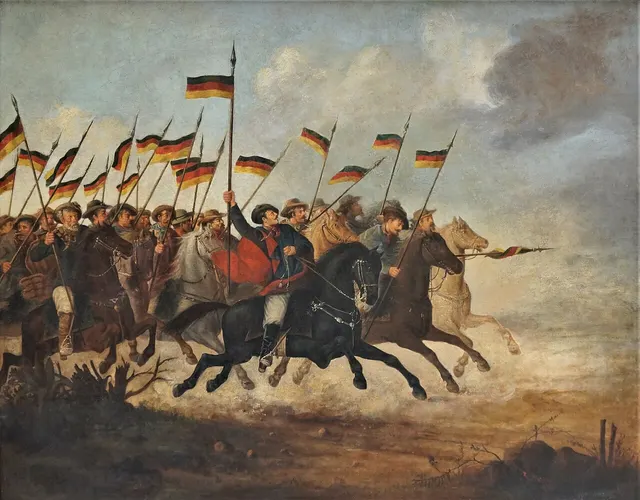
Farroupilha cavalry charging, painted by Guilherme Litran in 1893.
Image creditGuilherme Litran · Public domainResized and cropped for display.

The Ragamuffin War begins in southern Brazil

In the early hours of 20 September 1835 rebel forces led by Bento Gonçalves won a skirmish at the Azenha bridge and entered Porto Alegre, capital of the province of Rio Grande do Sul, forcing out its imperial president. It was the start of the Farroupilha Revolution, or Ragamuffin War, against the government of the Brazilian Empire.

The rebels, dissatisfied with how the province was governed and demanding more say in choosing its leaders, went on to proclaim a separate republic. The war lasted ten years, the longest revolt the empire faced, and ended with the Treaty of Poncho Verde in 1845. Rio Grande do Sul still marks 20 September as Gaúcho Day.

Read the full storyHistory & Timeline →Source: National Library of Brazil: 20 September 1835, the Farrapos War or Farroupilha Revolution ↗
♙
PEOPLE

Born Today

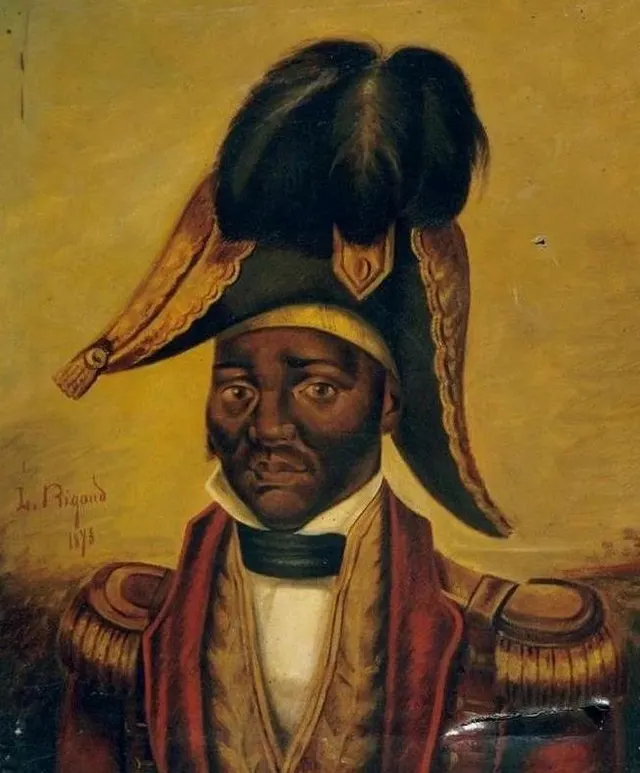
Jean-Jacques Dessalines
Image creditLouis Rigaud · Public domainResized and cropped for display.

Jean-Jacques Dessalines

Leader of the Haitian Revolution and first ruler of an independent Haiti, proclaimed emperor as Jacques I.

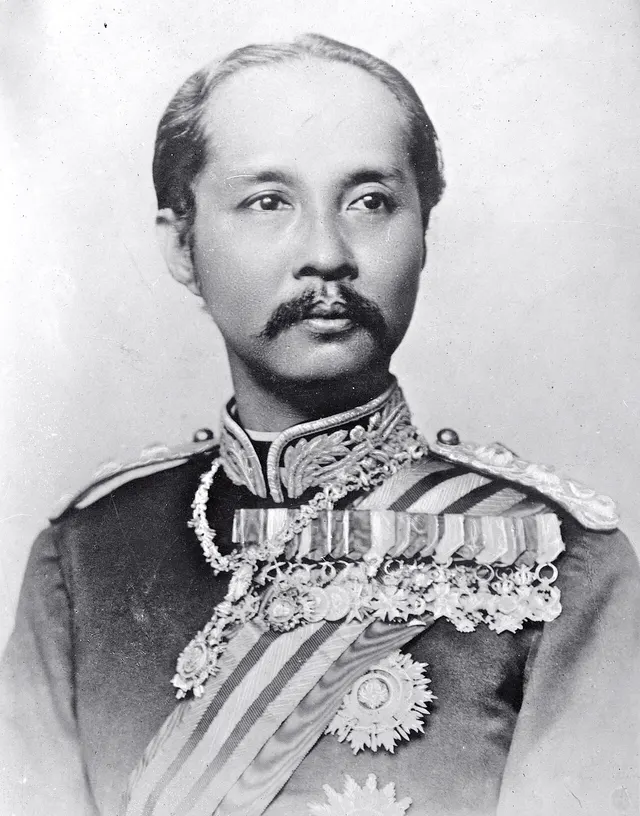
Chulalongkorn
Image creditBain News Service, publisher. · Public domainResized and cropped for display.

Chulalongkorn

King of Siam, Rama V, whose long reign from 1868 to 1910 modernised the kingdom and its government.

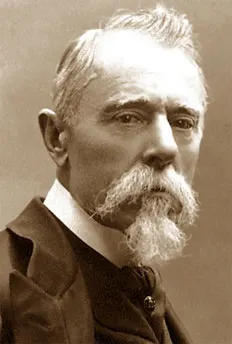
Ernesto Teodoro Moneta
Image creditUnknown · Public domainResized and cropped for display.

Ernesto Teodoro Moneta

Italian journalist and former revolutionary soldier who became a pacifist and won the Nobel Peace Prize.

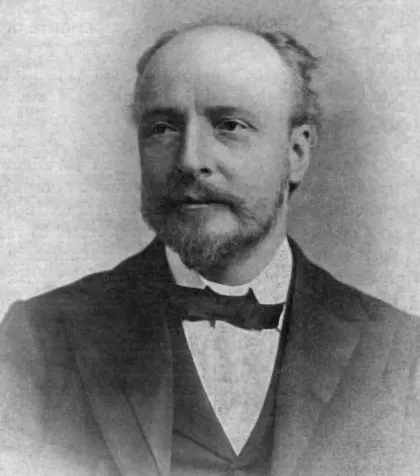
James Dewar
Image creditUnknown authorUnknown author · Public domainResized and cropped for display.

James Dewar

Scottish chemist and physicist who invented the vacuum flask while researching the liquefaction of gases.

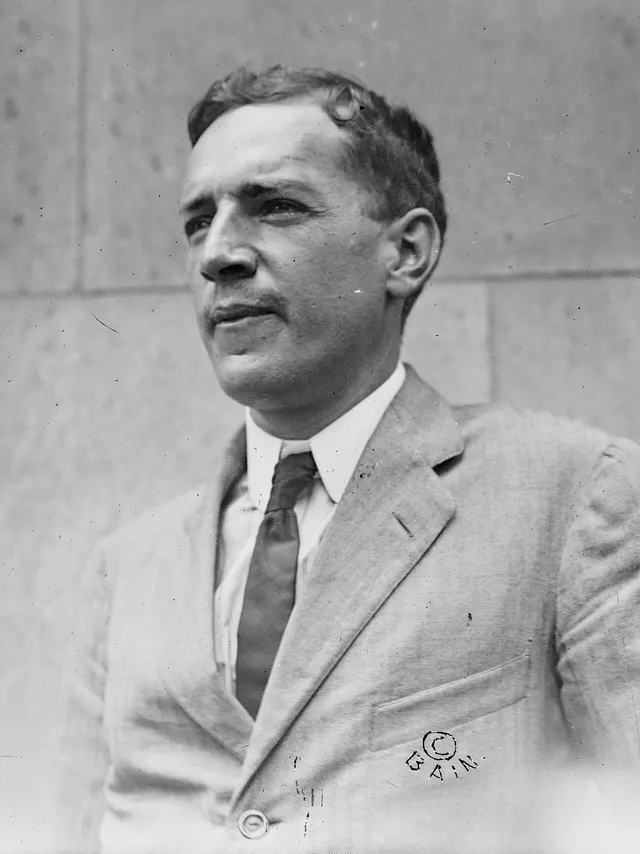
Upton Sinclair
Image creditBain News Service, publisher · Public domainResized and cropped for display.

Upton Sinclair

American author, muckraking journalist and political activist, and Democratic nominee for governor of California in 1934.

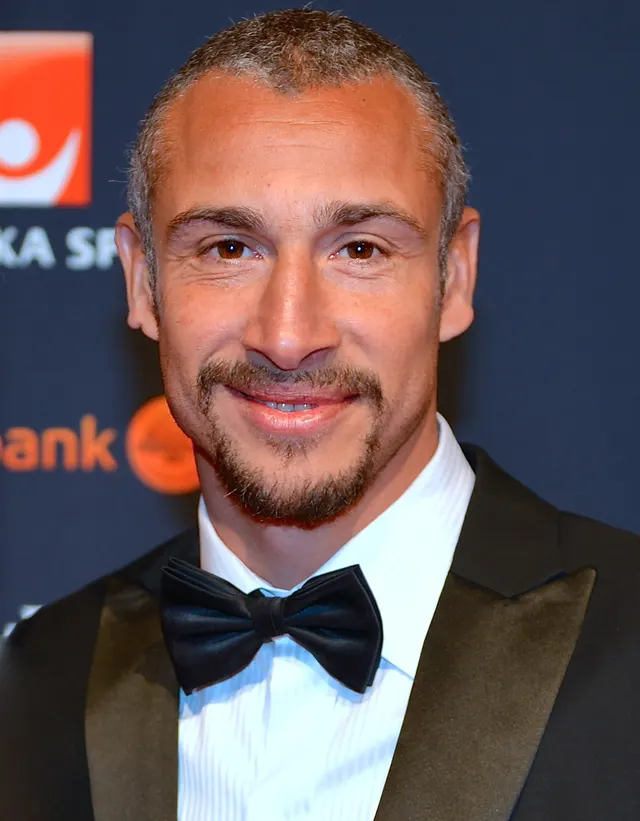
Henrik Larsson
Image creditFrankie Fouganthin · CC BY-SA 4.0Resized and cropped for display.

Henrik Larsson

Swedish striker who played 106 times for his country and later became a coach.

◉
IDEAS THAT CHANGED THINGS

Firsts, Science & Discoveries

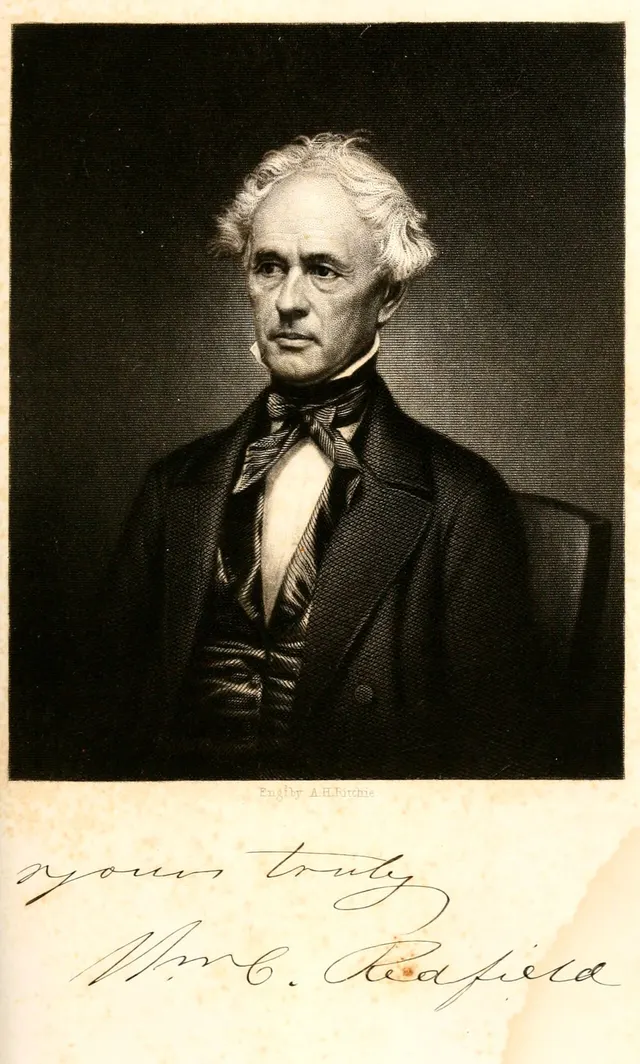
William C. Redfield, the AAAS's first president, in an engraving by A. H. Ritchie.
William C. Redfield, the AAAS’s first president, in an engraving by A. H. Ritchie.
Image creditEngraved by A. H. Ritchie · Public domainResized and cropped for display.

The American Association for the Advancement of Science is founded

At noon on 20 September 1848, members of the Association of American Geologists and Naturalists, meeting in the library of the Academy of Natural Sciences in Philadelphia, formally founded the American Association for the Advancement of Science. The meteorologist William Redfield was elected its first president.

It was the first permanent organisation set up to promote science and engineering across all disciplines at a national level in the United States. The AAAS later became publisher of the journal Science and is now one of the world’s largest scientific societies.

Read the full storyHistory & Timeline →Source: AAAS: Origins, 1848-1899 ↗
☆
SPORTING HISTORY

Sporting Moments

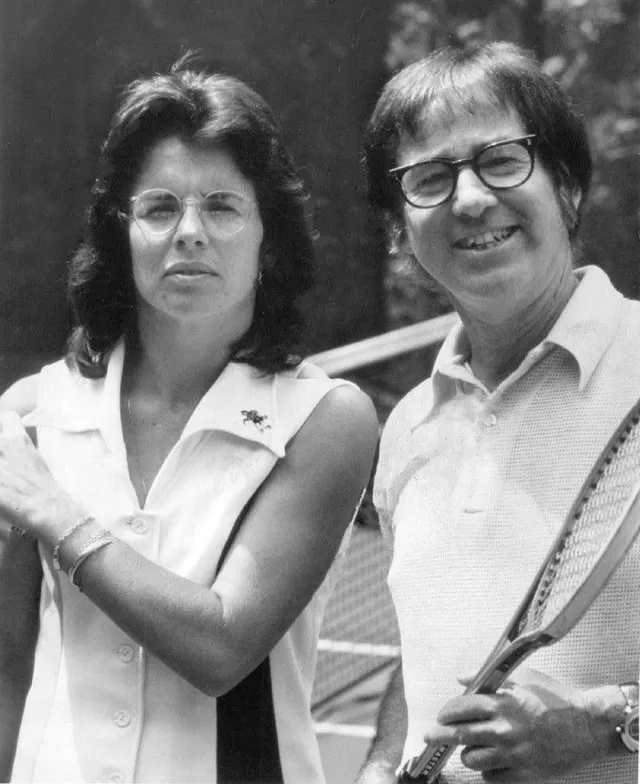
Billie Jean King and Bobby Riggs in a 1973 press photograph.
Image creditUnknown authorUnknown author · Public domainResized and cropped for display.

Billie Jean King wins the Battle of the Sexes

On 20 September 1973, in front of more than 30,000 people at the Houston Astrodome, the women’s champion Billie Jean King beat the 55-year-old former men’s champion Bobby Riggs 6-4, 6-3, 6-3 in a tennis match billed as the Battle of the Sexes. Riggs had boasted that no woman could beat him.

About 50 million people in the United States and some 90 million worldwide watched on television. King’s win became a landmark moment for women’s sport and for the women’s movement of the 1970s.

Read the full storyHistory & Timeline →Source: Smithsonian American Women’s History Museum: Billie Jean King’s triumph in the Battle of the Sexes ↗
♫
MUSIC • FILM • BOOKS • CULTURE

Culture Stories

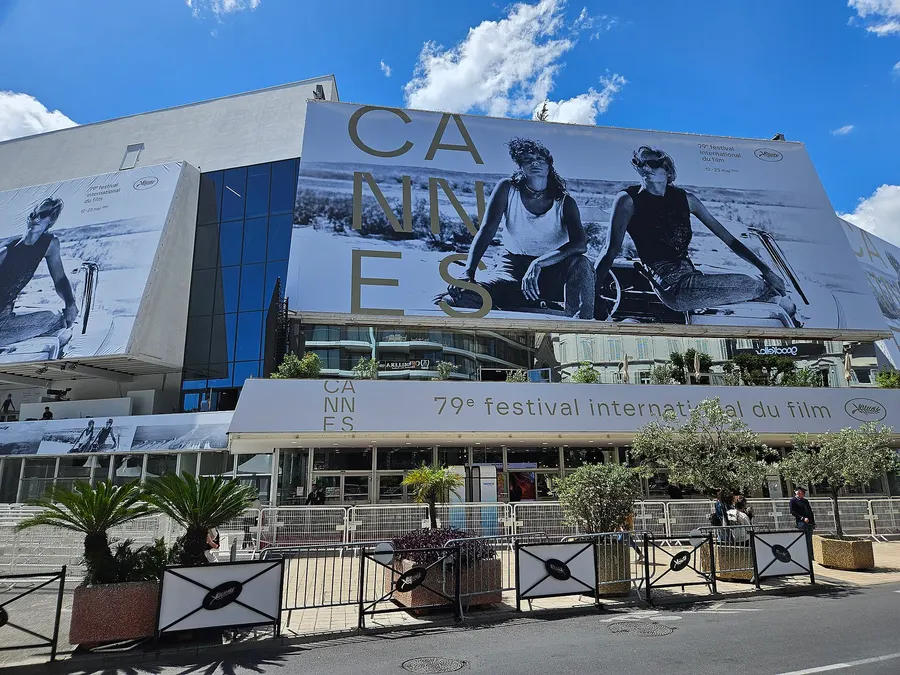
The Cannes Film Festival, 2026.
Image creditAbxbay · CC0Resized and cropped for display.

The first Cannes Film Festival opens

The first Cannes Film Festival began on 20 September 1946, seven years after the planned first edition was cancelled because of the war. It was held in the Casino, and opened in the gardens of the Grand Hôtel by the American singer Grace Moore. Nineteen countries took part, and the international jury was presided over by Georges Huisman.

The festival’s own history recalls a relieved, almost intoxicated postwar mood and sunshine that lasted until mid-October. The Palais built for it came later, in 1949.

Read the full storyHistory & Timeline →Source: Festival de Cannes: The history of the Festival ↗
✦
LIVES REMEMBERED

Remembered Today

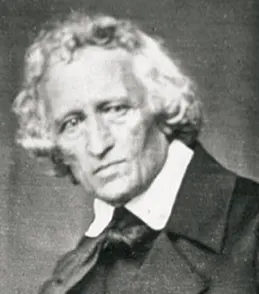
Jacob Grimm
Image creditHermann Biow · Public domainResized and cropped for display.

Jacob Grimm

German philologist and folklorist who formulated Grimm’s law and, with his brother Wilhelm, collected the Grimms’ Fairy Tales.

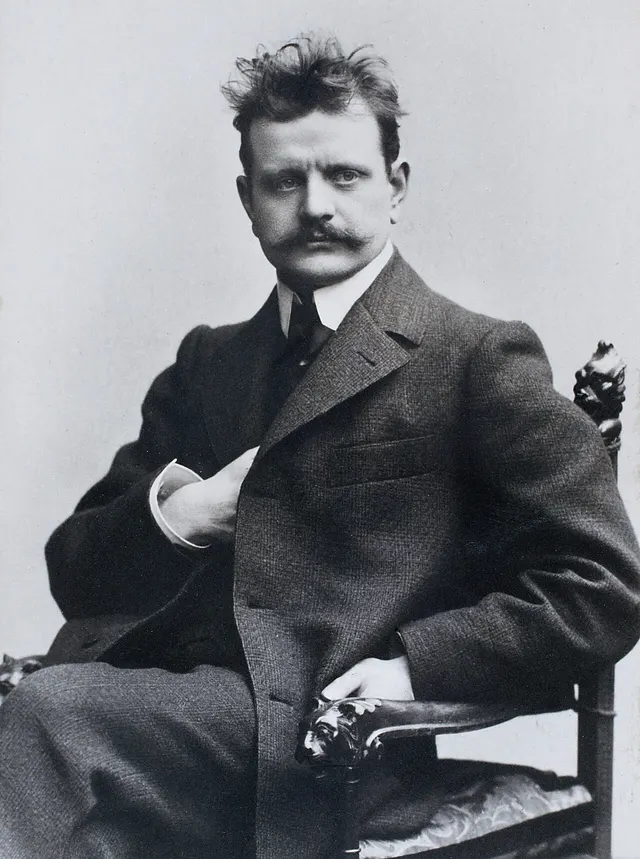
Jean Sibelius
Image creditPhotographerː Daniel Nyblin · Public domainResized and cropped for display.

Jean Sibelius

Finnish composer widely regarded as his country’s greatest, whose music helped shape Finnish national identity.

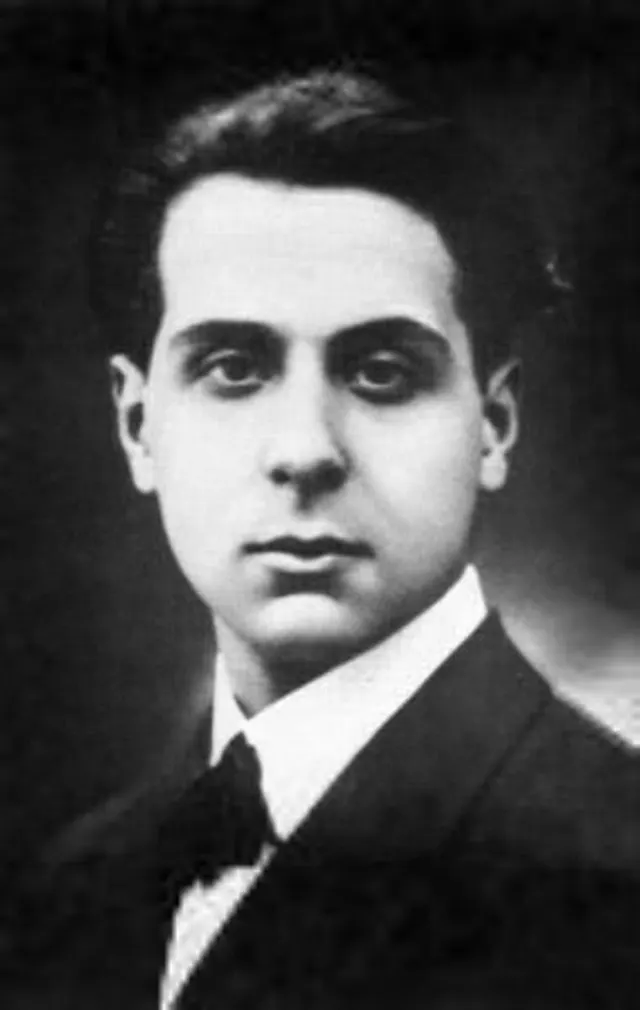
Giorgos Seferis
Image creditUnknown authorUnknown author · Public domainResized and cropped for display.

Giorgos Seferis

Greek poet and diplomat, one of the most important Greek poets of the twentieth century and a Nobel laureate.

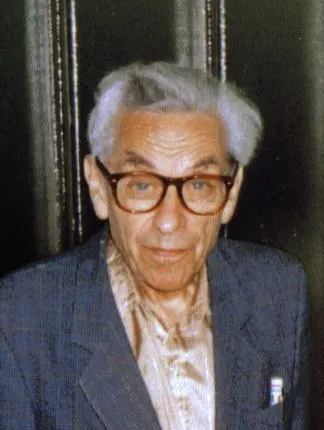
Paul Erdős
Image creditKmhkmh · CC BY 3.0Resized and cropped for display.

Paul Erdős

Hungarian mathematician, one of the most prolific of the twentieth century and a prolific source of conjectures.

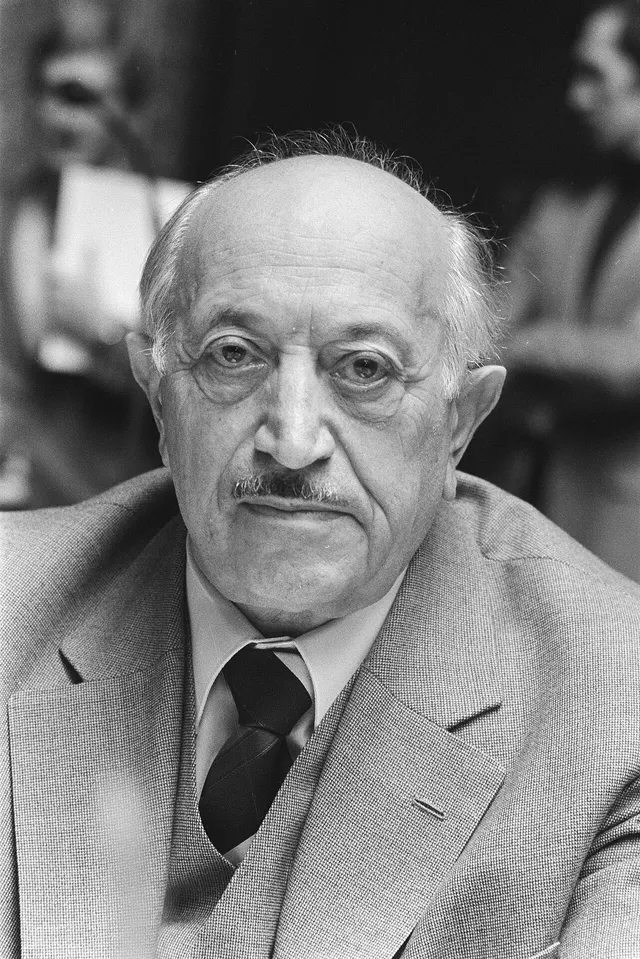
Simon Wiesenthal
Image creditRob Bogaerts for Anefo · CC0Resized and cropped for display.

Simon Wiesenthal

Austrian Holocaust survivor, writer and Nazi hunter.

☉
AROUND THE WORLD

Observances & Anniversaries

HISTORY & TIMELINE

Finished the highlights?

Follow 20 September chronologically, from the Middle Ages to the modern day, with 13 verified events and the sources behind them.

This day through time →