HISTORY & TIMELINE
20 September

A journey through
20 September in history

From the election of an antipope in 1378 to Nepal’s new constitution in 2015, 20 September has seen kingdoms, republics and nations redrawn, a president sworn in at midnight and a tennis match that changed minds. This timeline follows the date across more than six centuries.

II
THE MIDDLE AGES

Medieval History

Kingdoms, conflict, faith, power and the changing medieval world.

1378
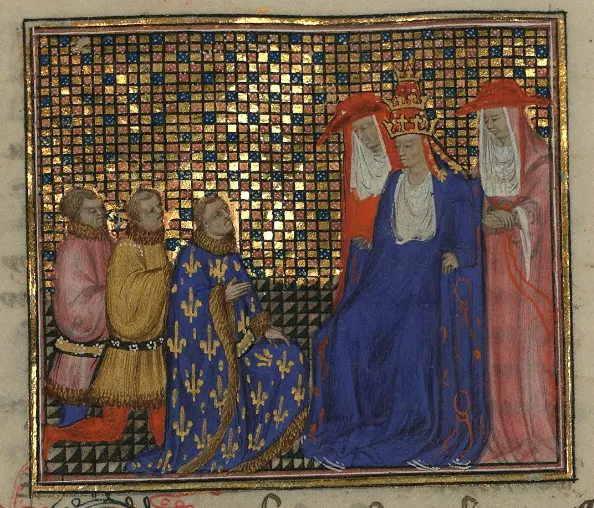
Clement VII receives the Duke of Anjou at Avignon, in a 15th-century manuscript.Clement VII receives the Duke of Anjou at Avignon, in a 15th-century manuscript.Image: Giac Master · Public domain
culture · Europe

The Western Schism begins

On 20 September 1378 at Fondi, the French cardinal Robert of Geneva was elected as Clement VII, beginning the Western Schism that split the Roman Church for about forty years. A group of cardinals had retired to Anagni after the election of Urban VI, arguing that it had been made under fear. Clement could not hold Italy and settled at Avignon, where he depended on the French court.

Source: Encyclopaedia Britannica: Clement (VII), antipope ↗
III
A CHANGING WORLD

Early Modern Era

Exploration, political change, scientific development and expanding global connections.

1519
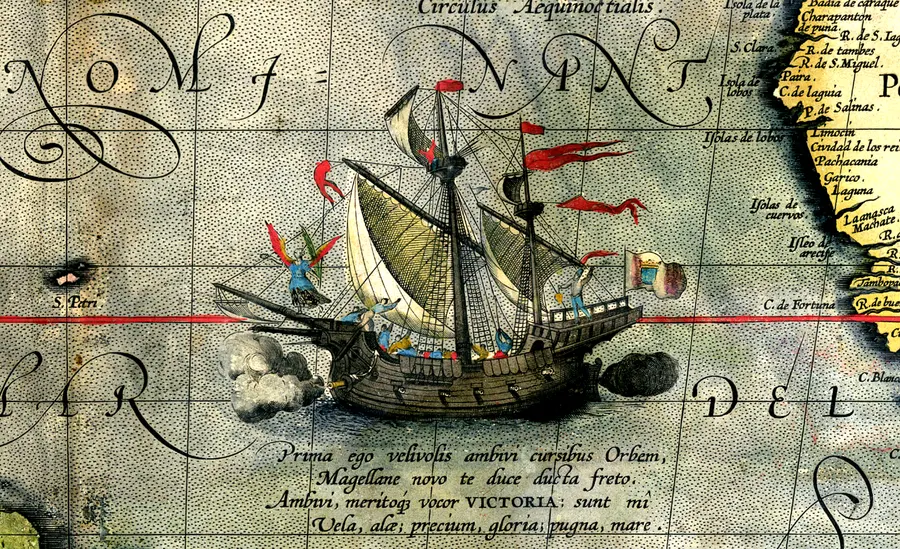
The Victoria, Magellan's ship, in a detail from a map by Abraham Ortelius.The Victoria, Magellan’s ship, in a detail from a map by Abraham Ortelius.Image: Abraham Ortelius · Public domain
world · Europe

Magellan sets sail

On 20 September 1519 Ferdinand Magellan’s fleet of five ships, carrying about 270 men, left Sanlúcar de Barrameda in Spain on an expedition to the Moluccas. It reached Tenerife on 26 September and set sail for Brazil on 3 October. Magellan was killed in what is now the Philippines, and only 22 of the original 270 men made it back to Europe. Yet the voyage, completed by the ship Victoria in 1522, was the first to sail around the world.

Source: Encyclopaedia Britannica: Ferdinand Magellan ↗
1792
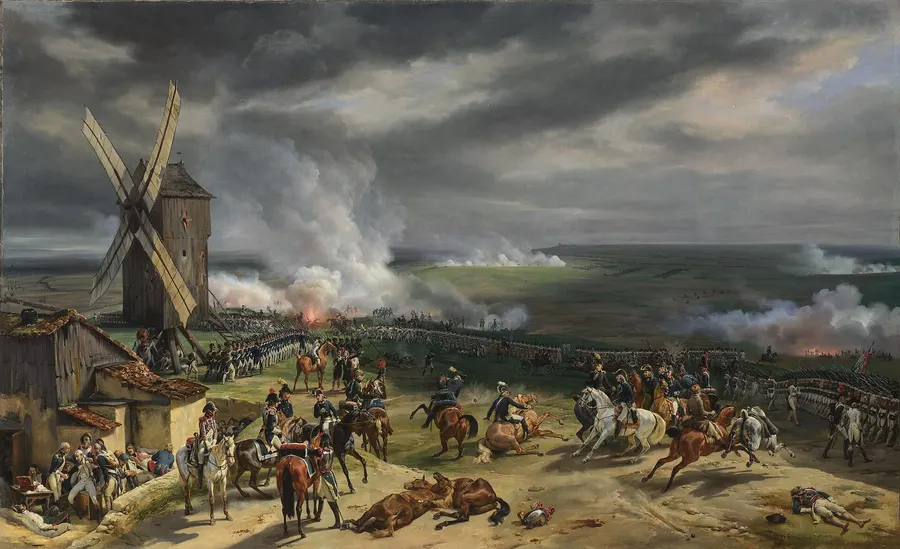
The Battle of Valmy, painted by Horace Vernet.The Battle of Valmy, painted by Horace Vernet.Image: Horace Vernet · Public domain
world · Europe

The French hold at Valmy

On 20 September 1792 French forces stood firm against a Prussian-led invading army near the village of Valmy. The battle was fought mostly as an artillery duel, with more than 20,000 cannon shots but fewer than 500 casualties, and when the Prussian infantry advanced the French held and the Duke of Brunswick withdrew. Little more than a skirmish, it halted the coalition’s invasion. The next day the National Convention abolished the monarchy and declared a republic, and the French Revolution carried on.

Source: Encyclopaedia Britannica: Battle of Valmy ↗
IV
THE NINETEENTH CENTURY

The 1800s

Industry, empire, invention, reform and a century of enormous transformation.

1835
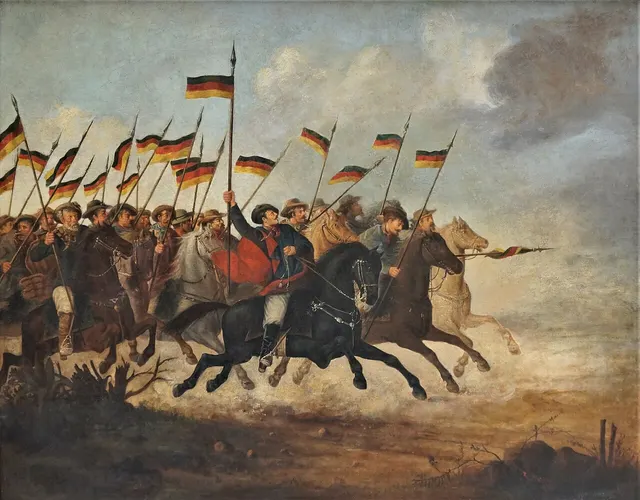
Farroupilha cavalry charging, painted by Guilherme Litran in 1893.Farroupilha cavalry charging, painted by Guilherme Litran in 1893.Image: Guilherme Litran · Public domain
world · Americas

The Ragamuffin War begins in southern Brazil

In the early hours of 20 September 1835 rebel forces led by Bento Gonçalves won a skirmish at the Azenha bridge and entered Porto Alegre, capital of the province of Rio Grande do Sul, forcing out its imperial president. It was the start of the Farroupilha Revolution, or Ragamuffin War, against the government of the Brazilian Empire. The rebels, dissatisfied with how the province was governed and demanding more say in choosing its leaders, went on to proclaim a separate republic. The war lasted ten years, the longest revolt the empire faced, and ended with the Treaty of Poncho Verde in 1845. Rio Grande do Sul still marks 20 September as Gaúcho Day.

Source: National Library of Brazil: 20 September 1835, the Farrapos War or Farroupilha Revolution ↗
1848
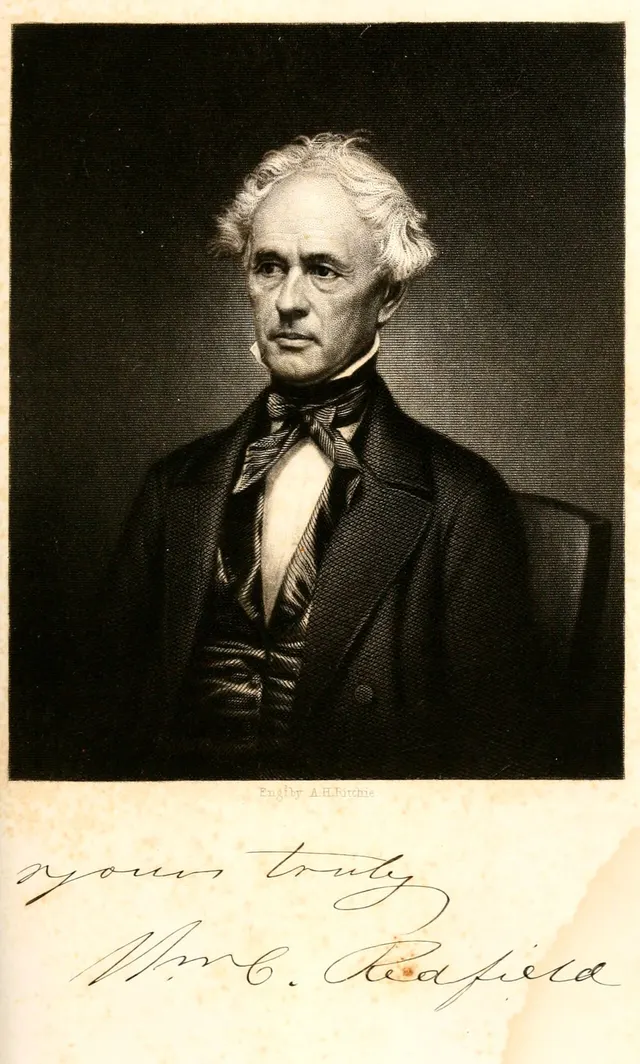
William C. Redfield, the AAAS's first president, in an engraving by A. H. Ritchie.William C. Redfield, the AAAS’s first president, in an engraving by A. H. Ritchie.Image: Engraved by A. H. Ritchie · Public domain
science · Americas

The American Association for the Advancement of Science is founded

At noon on 20 September 1848, members of the Association of American Geologists and Naturalists, meeting in the library of the Academy of Natural Sciences in Philadelphia, formally founded the American Association for the Advancement of Science. The meteorologist William Redfield was elected its first president. It was the first permanent organisation set up to promote science and engineering across all disciplines at a national level in the United States. The AAAS later became publisher of the journal Science and is now one of the world’s largest scientific societies.

Source: AAAS: Origins, 1848-1899 ↗
1854
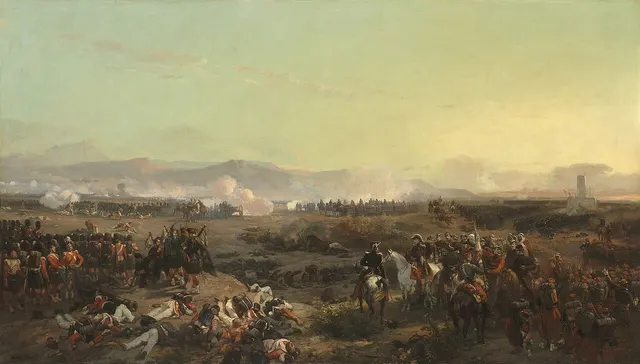
The Battle of the Alma, painted by Eugène Lami in 1855.The Battle of the Alma, painted by Eugène Lami in 1855.Image: Eugène Lami · Public domain
world · Europe

The Battle of the Alma

The Battle of the Alma, fought on 20 September 1854, was the first major engagement of the Crimean War. About 60,000 British, French and Turkish troops attacked some 37,000 Russians under Prince Menshikov, who held the heights above the Alma River. After hard fighting, with the brunt borne on the British side by the Scots Fusilier Guards, the hills were taken. The Russians lost about 5,700 men and retreated to Sevastopol, though the allies did not press their advantage.

Source: Encyclopaedia Britannica: Battle of Alma ↗
1870
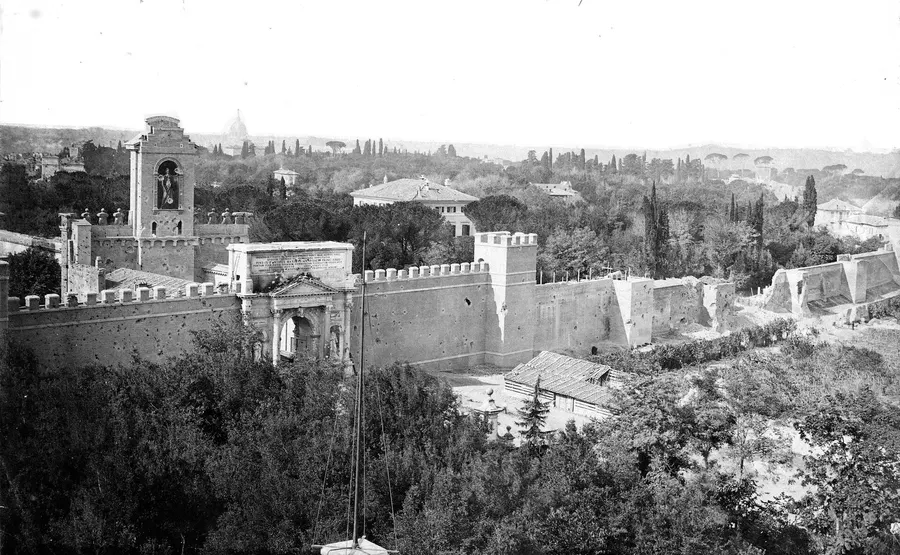
The breach in the Aurelian Walls at Porta Pia, Rome, 1870.The breach in the Aurelian Walls at Porta Pia, Rome, 1870.Image: pic: Ludovico Tuminello scan: Carlomorino · Public domain
politics · Europe

Italian troops enter Rome

On 20 September 1870 Italian troops breached the Aurelian Walls at Porta Pia and entered Rome after only token resistance from the papal army, completing the unification of Italy. The first cannon shots came at 5:15 am and the white flag went up at 10:10. Forty-nine Italian and 19 papal soldiers died. Pope Pius IX refused to accept the loss, declared himself a prisoner in the Vatican and his successors kept that stance until 1929. After a plebiscite in October, Rome became the capital of the united Italy.

Source: Encyclopaedia Britannica: Italy, the acquisition of Venetia and Rome ↗
1881
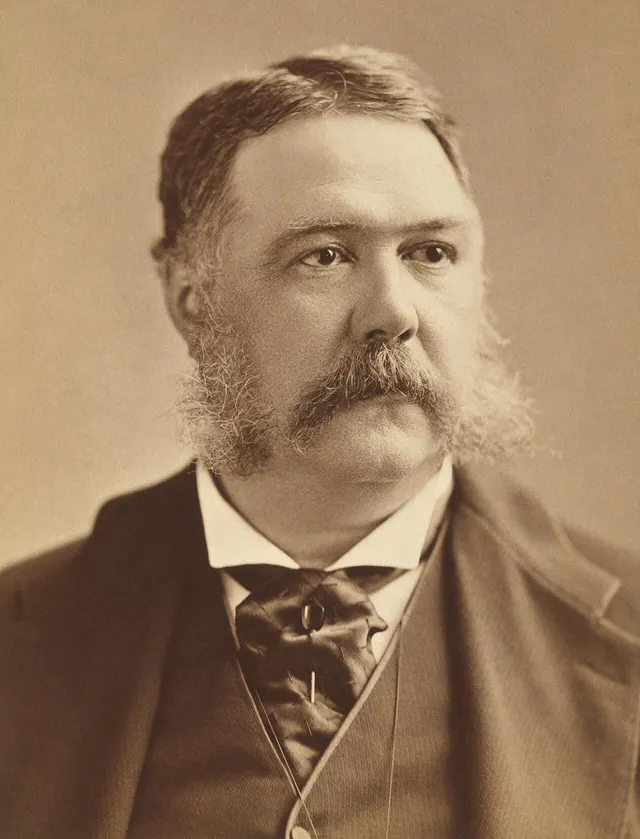
Chester A. Arthur, photographed by Abraham Bogardus.Chester A. Arthur, photographed by Abraham Bogardus.Image: Abraham Bogardus / Adam Cuerden · Public domain
politics · Americas

Chester Arthur is sworn in as president in the night

President James Garfield died late on 19 September 1881, eleven weeks after being shot by Charles Guiteau. In the early hours of 20 September Judge John R. Brady of the New York Supreme Court administered the presidential oath to Vice-President Chester A. Arthur at his home at 123 Lexington Avenue in New York City. A second, formal swearing-in followed in Washington on 22 September.

Source: Library of Congress: Judge Brady administering the presidential oath to Vice-President Arthur, at his residence in New York, September 20th ↗
V
THE TWENTIETH CENTURY

The 1900s

War and peace, technological leaps, social change, politics, sport and popular culture.

1932
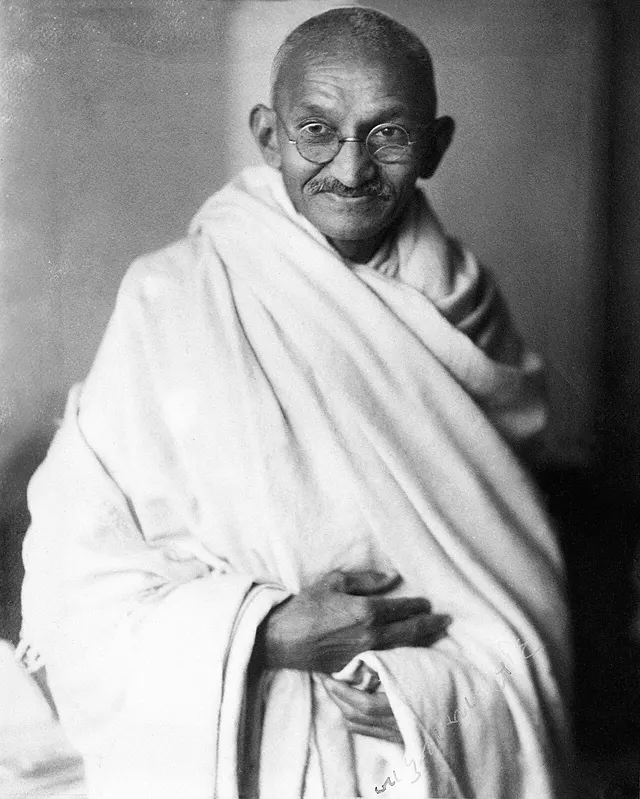
Mahatma Gandhi in 1931.Mahatma Gandhi in 1931.Image: Elliott & Fry · Public domain
politics · Asia

Gandhi begins a fast in Yerwada jail

On 20 September 1932, imprisoned in Yerwada jail in Poona (Pune), Mahatma Gandhi began a fast unto death against the British government’s plan to give the ‘depressed classes’, the Dalits, their own separate electorates. After days of negotiation, Hindu leaders and B. R. Ambedkar signed the Poona Pact on 24 September, dropping separate electorates but reserving more seats for Dalit candidates, and Gandhi ended his fast on 26 September.

Source: Gandhi Heritage Portal: Chronology of Gandhi’s life ↗
1946
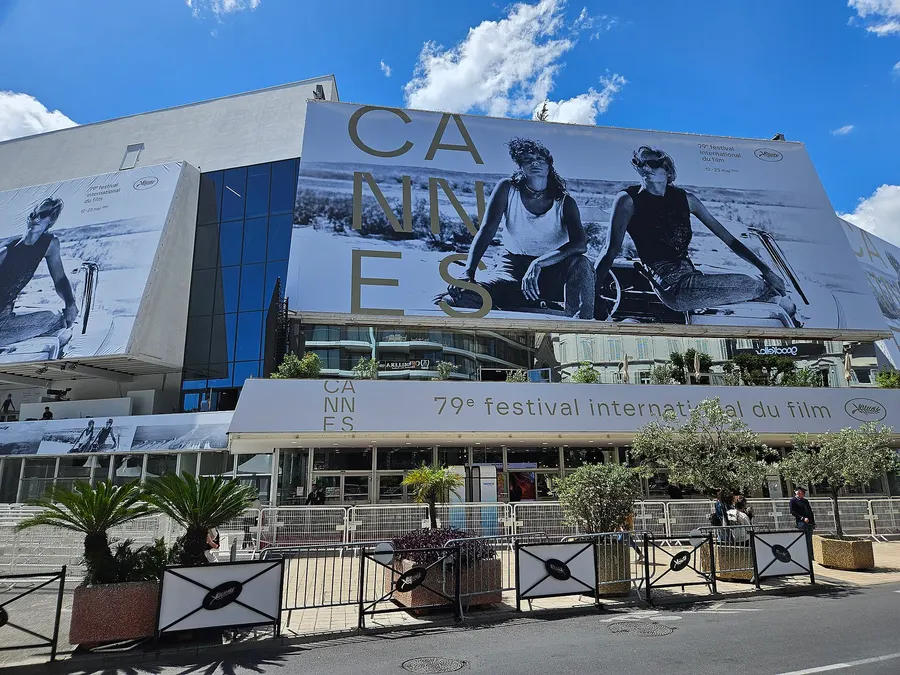
The Cannes Film Festival, 2026.The Cannes Film Festival, 2026.Image: Abxbay · CC0
culture · Europe

The first Cannes Film Festival opens

The first Cannes Film Festival began on 20 September 1946, seven years after the planned first edition was cancelled because of the war. It was held in the Casino, and opened in the gardens of the Grand Hôtel by the American singer Grace Moore. Nineteen countries took part, and the international jury was presided over by Georges Huisman. The festival’s own history recalls a relieved, almost intoxicated postwar mood and sunshine that lasted until mid-October. The Palais built for it came later, in 1949.

Source: Festival de Cannes: The history of the Festival ↗
1973
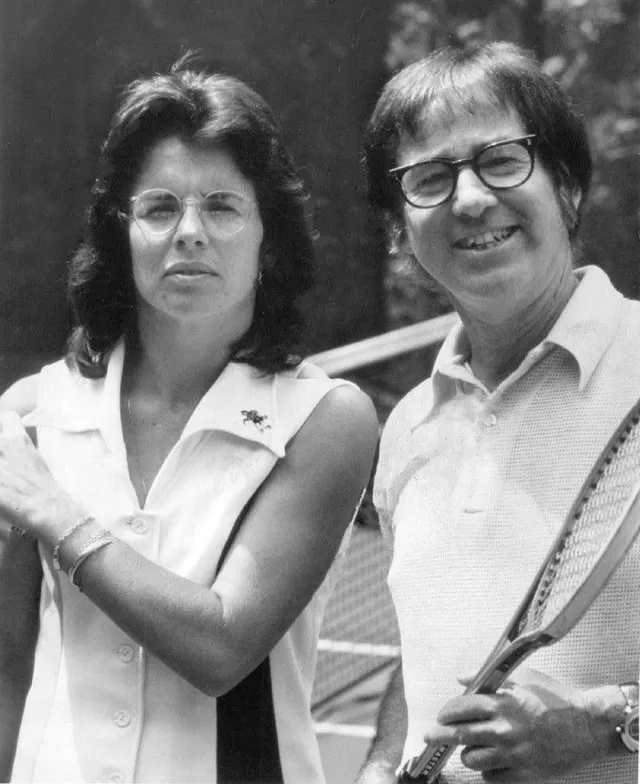
Billie Jean King and Bobby Riggs in a 1973 press photograph.Billie Jean King and Bobby Riggs in a 1973 press photograph.Image: Unknown authorUnknown author · Public domain
sport · Americas

Billie Jean King wins the Battle of the Sexes

On 20 September 1973, in front of more than 30,000 people at the Houston Astrodome, the women’s champion Billie Jean King beat the 55-year-old former men’s champion Bobby Riggs 6-4, 6-3, 6-3 in a tennis match billed as the Battle of the Sexes. Riggs had boasted that no woman could beat him. About 50 million people in the United States and some 90 million worldwide watched on television. King’s win became a landmark moment for women’s sport and for the women’s movement of the 1970s.

Source: Smithsonian American Women’s History Museum: Billie Jean King’s triumph in the Battle of the Sexes ↗
VI
2000 TO TODAY

Modern Day

The events of recent decades that have already become part of the historical record.

2015
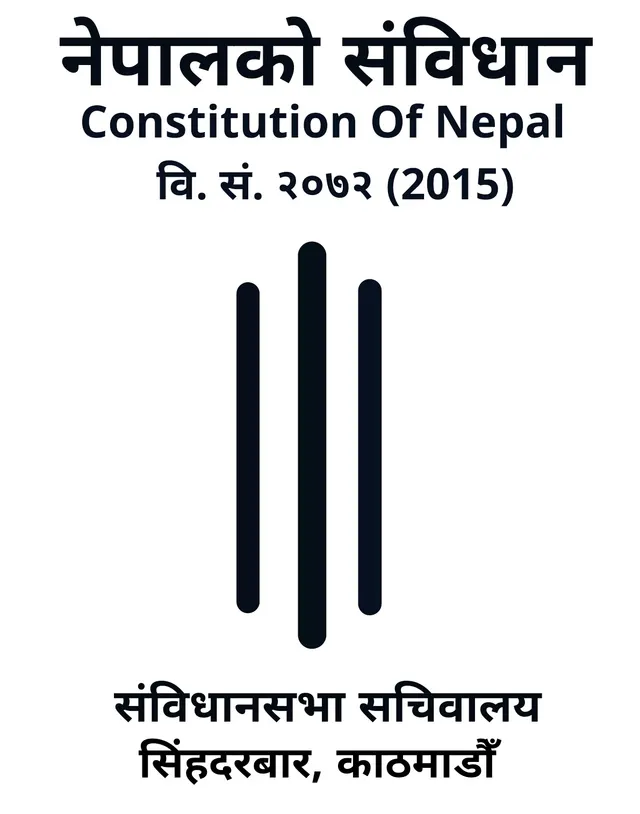
The cover of the Constitution of Nepal, 2015.The cover of the Constitution of Nepal, 2015.Image: Devraj poudel · CC BY-SA 4.0
politics · Asia

Nepal adopts a new constitution

On 20 September 2015 the President of Nepal promulgated the country’s new constitution, adopted by the Constituent Assembly after seven years of work by two successive assemblies; 537 of its 598 members signed it. The constitution made Nepal, a monarchy until 2008, a secular federal democratic republic. The country marks 20 September as Constitution Day.

Source: Ministry of Foreign Affairs of Nepal: Press release on promulgation of the constitution ↗
RESEARCH

Sources & Further Reading

Selected authoritative references supporting the events on this page.

Encyclopaedia Britannica: Clement (VII), antipope↗Encyclopaedia Britannica: Western Schism↗Encyclopaedia Britannica: Ferdinand Magellan↗National Geographic: The first voyage around the world↗Encyclopaedia Britannica: Battle of Valmy↗World History Encyclopedia: Battle of Valmy↗National Library of Brazil: 20 September 1835, the Farrapos War or Farroupilha Revolution↗Government of Rio Grande do Sul: 20 September parade marks the Farroupilha Revolution↗AAAS: Origins, 1848-1899↗Encyclopaedia Britannica: American Association for the Advancement of Science↗Encyclopaedia Britannica: Battle of Alma↗National Army Museum: The Battle of the Alma, 20 September 1854↗Encyclopaedia Britannica: Italy, the acquisition of Venetia and Rome↗Treccani: 20 settembre 1870, arrivano i bersaglieri↗Library of Congress: Judge Brady administering the presidential oath to Vice-President Arthur, at his residence in New York, September 20th↗Joint Congressional Committee on Inaugural Ceremonies (US Senate): 24th inaugural ceremonies↗Gandhi Heritage Portal: Chronology of Gandhi’s life↗Encyclopaedia Britannica: Poona Pact↗Festival de Cannes: The history of the Festival↗Festival de Cannes: In September 1946, the festivities begin↗Smithsonian American Women’s History Museum: Billie Jean King’s triumph in the Battle of the Sexes↗Encyclopaedia Britannica: Battle of the Sexes (tennis)↗United Nations Digital Library: Admission of the Socialist Republic of Viet Nam↗United Nations in Viet Nam: About the UN↗Ministry of Foreign Affairs of Nepal: Press release on promulgation of the constitution↗ConstitutionNet (International IDEA): Constitution of Nepal 2015, official English translation↗
WHY THESE MOMENTS?

Significance before volume

This page is not the longest possible list of events. It is a chronological journey through 20 September, where each entry is chosen for historical significance, human interest and reliability.

Facts are checked against authoritative museums, archives, universities and reference works. Where sources disagree, the page says so.

EXPLORED THE DEEPER STORY?

Return to the highlights of 20 September

Discover the lighter side of the date with famous birthdays, culture, firsts and lives remembered.

Explore This Day →