HISTORY & TIMELINE
21 September

A journey through
21 September in history

From the abolition of the French monarchy in 1792 to the Chi-Chi earthquake in 1999, 21 September has seen thrones fall, nations begin and stories published. This timeline follows the date across more than two centuries.

JUMP THROUGH TIME
III
A CHANGING WORLD

Early Modern Era

Exploration, political change, scientific development and expanding global connections.

1792
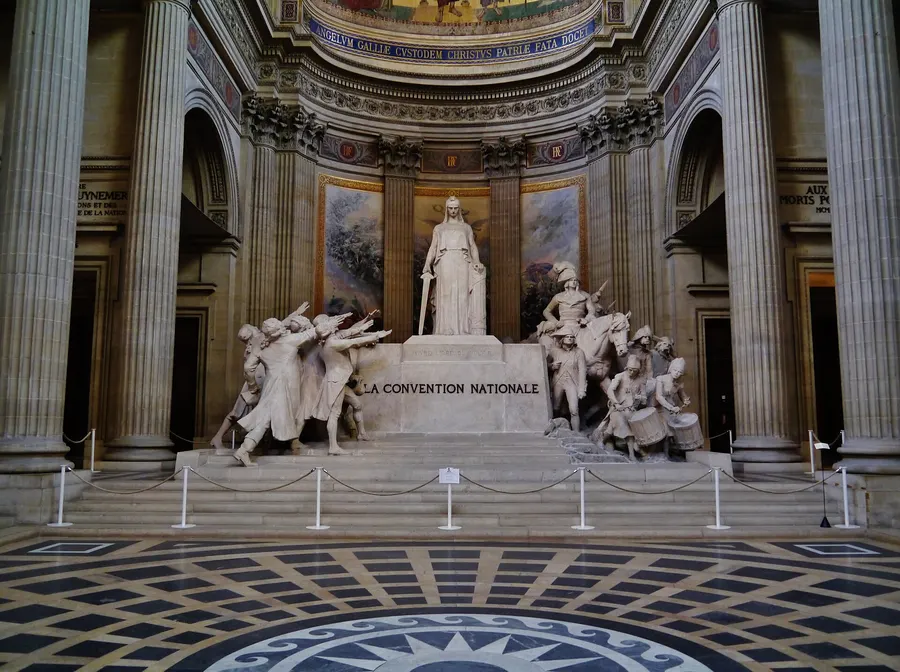
La Convention nationale, the monument to the National Convention in the Panthéon, Paris.La Convention nationale, the monument to the National Convention in the Panthéon, Paris.Image: Zairon · CC BY-SA 4.0
politics · Europe

France abolishes its monarchy

The National Convention, which had met on 20 September, the day of the victory at Valmy, formally abolished the monarchy on 21 September 1792 with the decree that ‘royalty is abolished in France’, and the republic was established on 22 September. It marked the start of the First French Republic.

Source: Encyclopaedia Britannica: National Convention ↗
IV
THE NINETEENTH CENTURY

The 1800s

Industry, empire, invention, reform and a century of enormous transformation.

1898
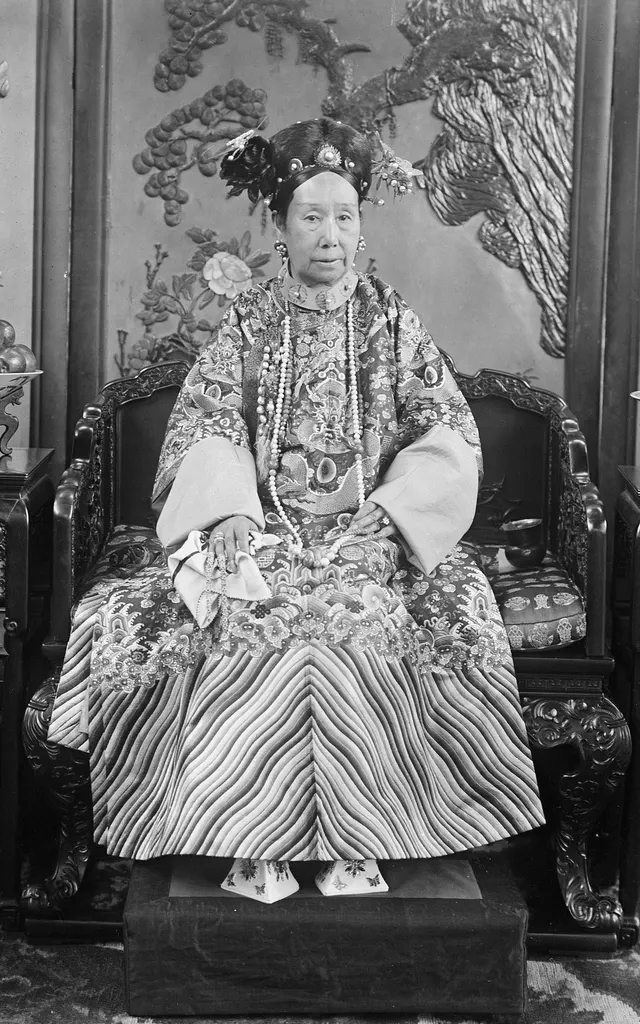
The Empress Dowager Cixi.The Empress Dowager Cixi.Image: John Yu Shuinling · Public domain
politics · Asia

Empress Dowager Cixi ends the Hundred Days’ Reform

On 21 September 1898 the Guangxu Emperor was detained and the Empress Dowager Cixi took over the government, ending the Hundred Days’ Reform. Since 11 June the emperor had issued more than 40 edicts to transform China, spurred by reformers such as Kang Youwei after the country’s defeat in the Sino-Japanese War. Conservatives were provoked when they learned of a reformist plot to remove Cixi. Most of the reforms were repealed and six reformers were executed, while Kang Youwei and Liang Qichao escaped.

Source: Encyclopaedia Britannica: Hundred Days of Reform ↗
V
THE TWENTIETH CENTURY

The 1900s

War and peace, technological leaps, social change, politics, sport and popular culture.

1937
culture · Europe

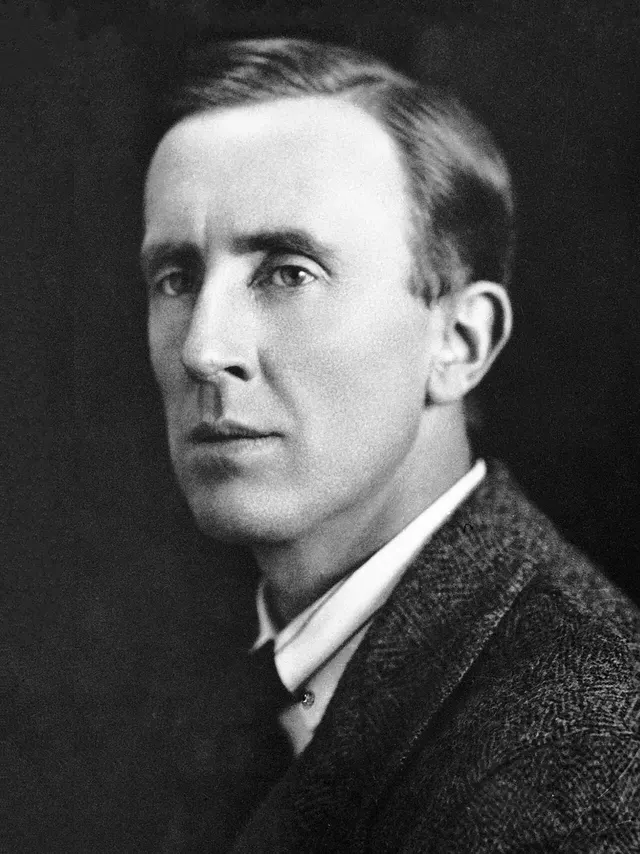
The Hobbit is published

J. R. R. Tolkien’s The Hobbit was published on 21 September 1937 by George Allen & Unwin, with Tolkien’s own illustrations, maps and dust-jacket design. The first print run was 1,500 copies. It sold out within three months and became a perennial children’s classic.

Source: The Tolkien Estate: The Hobbit ↗
1942
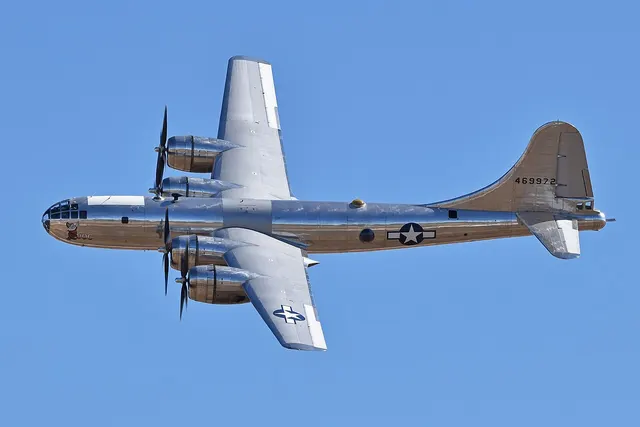
A Boeing B-29 Superfortress.A Boeing B-29 Superfortress.Image: Alan Wilson from Peterborough, Cambs, UK · CC BY-SA 2.0
science · Americas

The first XB-29 takes off

On 21 September 1942 the first XB-29 prototype, part of a top-secret Boeing project, took off from Boeing Field in Seattle with test pilot Eddie Allen at the controls. The B-29 Superfortress became the most sophisticated propeller-driven bomber of the Second World War and the first bomber to house its crew in pressurised compartments.

Source: National Museum of the US Air Force: Development of the Boeing B-29 ↗
1964
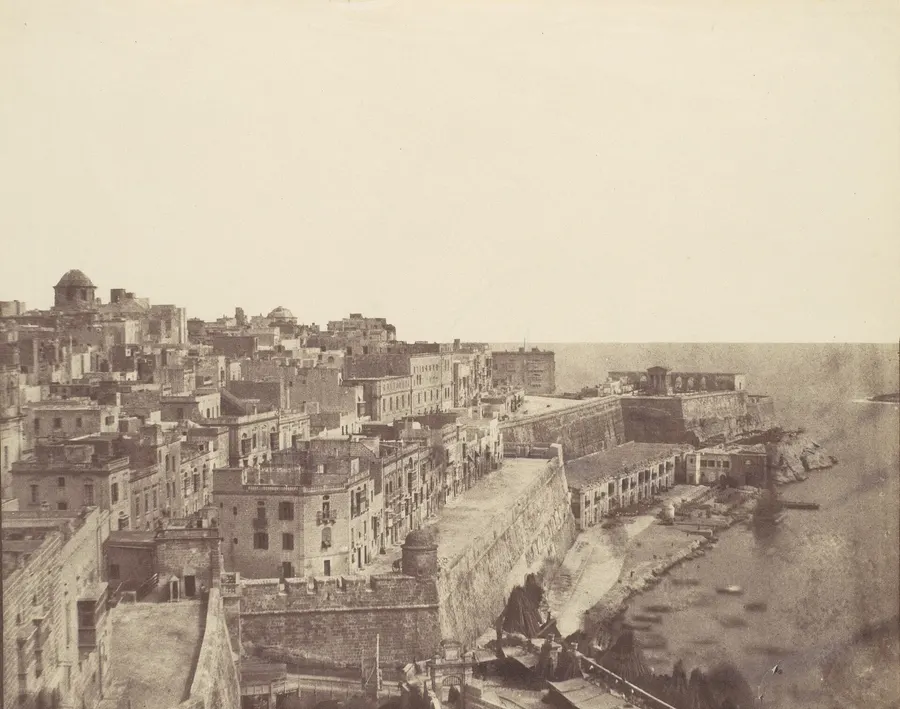
The harbor at Valletta, Malta, in a 19th-century work by Calvert Jones.The harbor at Valletta, Malta, in a 19th-century work by Calvert Jones.Image: Calvert Jones · CC0
politics · Europe

Malta becomes independent

Malta became independent from the United Kingdom on 21 September 1964 and remained in the Commonwealth. Prime Minister George Borg Olivier had prepared an independence constitution, which parliament endorsed and voters approved in a referendum in February 1964. Talks at the Malta Independence Conference in July 1963 had ended with the announcement that independence would follow. Malta later joined the Council of Europe.

Source: Encyclopaedia Britannica: Malta, modern history ↗
1981
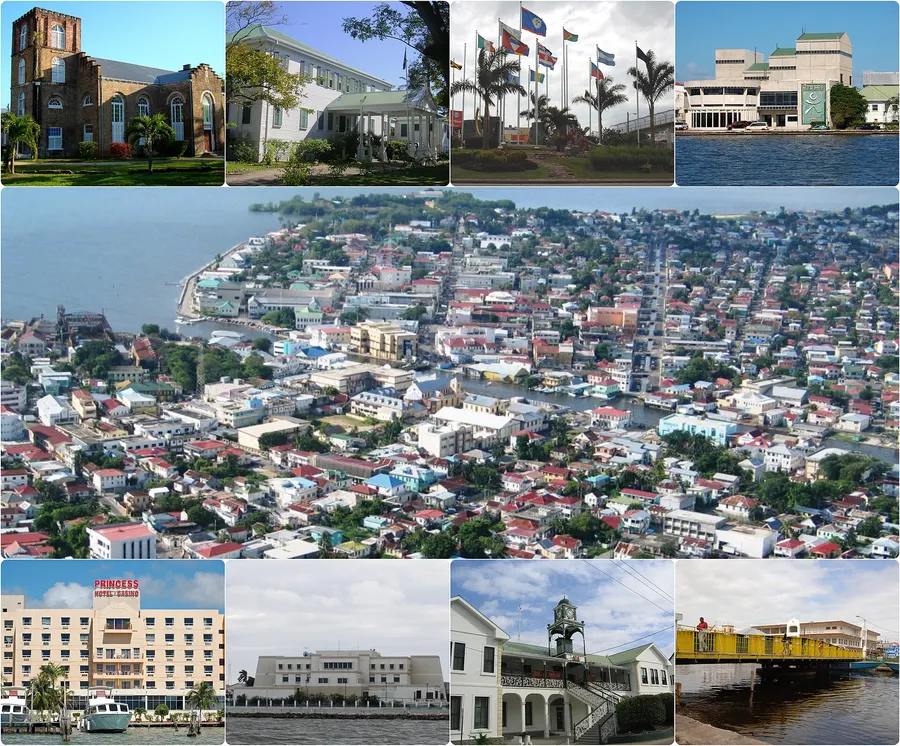
Belize City.Belize City.Image: Pgbk1987 · CC BY 3.0
politics · Americas

Belize gains full independence

Belize became fully independent from Britain on 21 September 1981, the last British colony on the American mainland. It had been known as British Honduras until 1973. Guatemalan hostility delayed independence for years, and Belize took its case for self-determination to the United Nations and the Non-Aligned Movement. Britain granted independence over Guatemala’s protest, with a British defence guarantee, and Belize was admitted to the UN.

Source: Encyclopaedia Britannica: Belize, independence ↗
1999
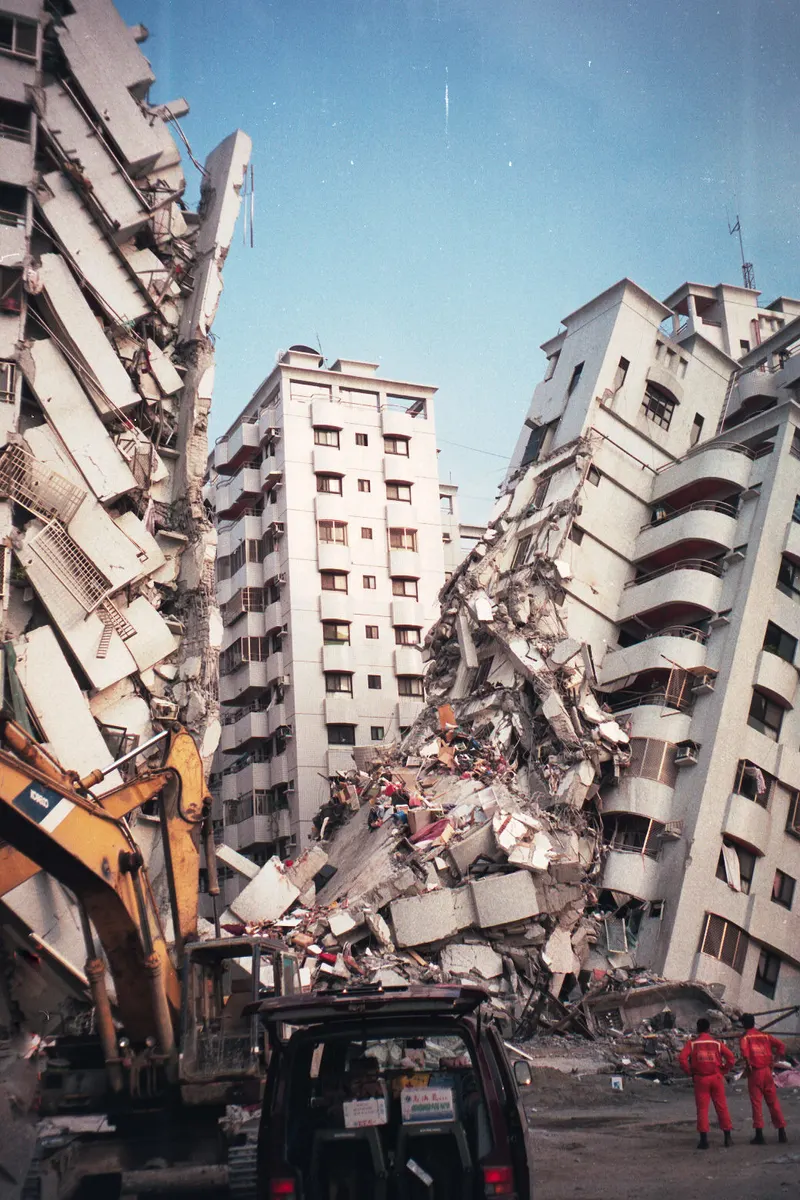
A South Korean rescue team responding to the 1999 earthquake in Taiwan.A South Korean rescue team responding to the 1999 earthquake in Taiwan.Image: 최광모 · CC BY-SA 4.0
world · Asia

The Chi-Chi earthquake strikes Taiwan

At 1:47 am local time on 21 September 1999 a magnitude 7.7 earthquake struck near the town of Chi-Chi in Nantou County, about 150 km south of Taipei. About 2,400 people died and some 10,000 were injured; thousands of houses collapsed and more than 100,000 people were made homeless. It was the largest earthquake on land in Taiwan in the 20th century.

Source: Encyclopaedia Britannica: Taiwan earthquake of 1999 ↗
WHY THESE MOMENTS?

Significance before volume

This page is not the longest possible list of events. It is a chronological journey through 21 September, where each entry is chosen for historical significance, human interest and reliability.

Facts are checked against authoritative museums, archives, universities and reference works. Where sources disagree, the page says so.

EXPLORED THE DEEPER STORY?

Return to the highlights of 21 September

Discover the lighter side of the date with famous birthdays, culture, firsts and lives remembered.

Explore This Day →