Explore 14 September

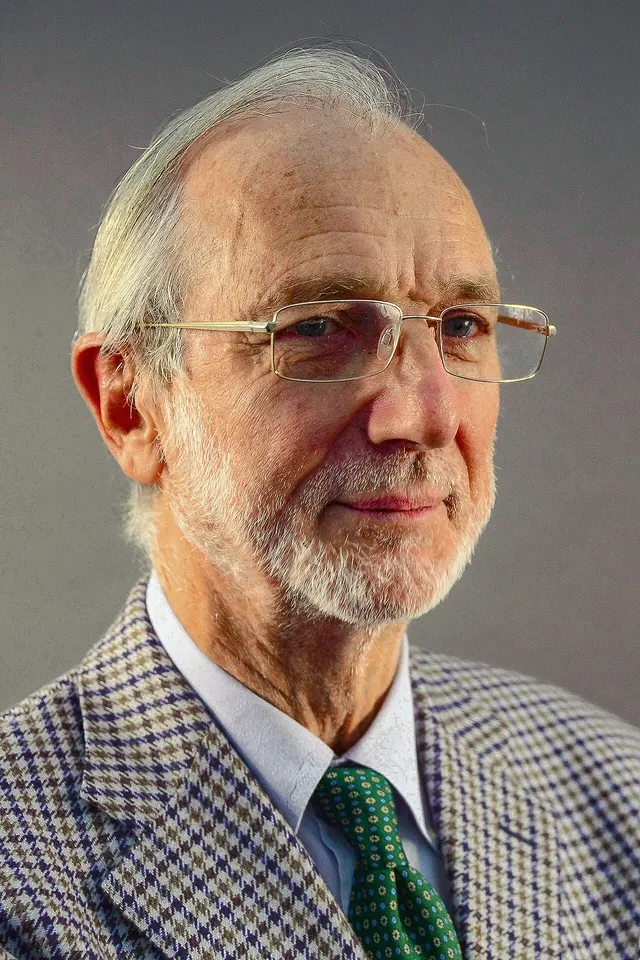
Explore 14 September: Francis Scott Key sees the flag still flying over Fort McHenry and writes the words of ‘The Star-Spangled Banner’, Napoleon rides into a deserted Moscow, five oil-producing countries found OPEC in Baghdad, General Scott’s army marches into Mexico City and two detectors in the United States feel a gravitational wave for the first time. Born today: Theodor Storm, Renzo Piano and Hicham El Guerrouj.

This day through time →17 verified events across 6 eras

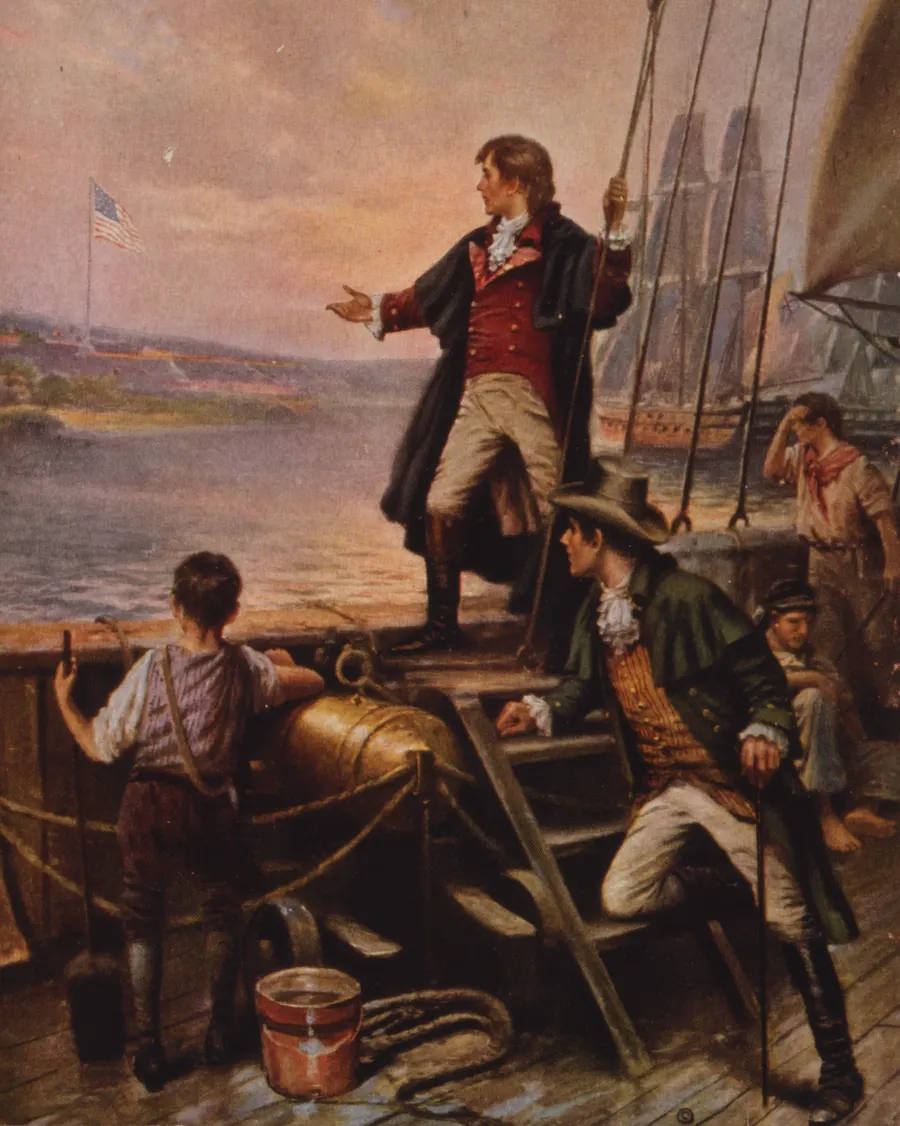
Francis Scott Key points towards the flag flying over Fort McHenry, in 'By Dawn's Early Light', a painting of 1912 by Edward Percy Moran
Francis Scott Key points towards the flag flying over Fort McHenry, in ‘By Dawn’s Early Light’, a painting of 1912 by Edward Percy Moran
Image creditEdward Percy Moran · Public domainResized and cropped for display.

Francis Scott Key sees the flag over Fort McHenry and writes ‘The Star-Spangled Banner’

In the summer of 1814, two years into its war with the United States, Britain sent an army and fleet into Chesapeake Bay. In August they burned the public buildings of Washington, and in September they turned on Baltimore, a rich port and a base for American privateers. The way in by water was guarded by Fort McHenry, and on the morning of 13 September British warships began to bombard it with shells and rockets. Francis Scott Key, a Washington lawyer, watched from a truce ship a few miles away: he had gone out to the fleet to ask for the release of an American doctor and was held there until the attack was over.

The bombardment went on for about 25 hours, through a night of rain. At dawn on 14 September 1814 the guns fell silent, and the garrison hauled up its great flag, 30 feet by 42, sewn the year before by the Baltimore flag-maker Mary Pickersgill. Seeing it, Key knew the fort had not surrendered, and he began to write verses on the back of a letter. They were printed within days as ‘Defence of Fort M’Henry’, to be sung to a popular English tune. The song became the national anthem of the United States in 1931, and the flag itself is kept at the Smithsonian in Washington.

Read the full storyHistory & Timeline →Source: Smithsonian National Museum of American History: The Star-Spangled Banner, a moment of triumph ↗
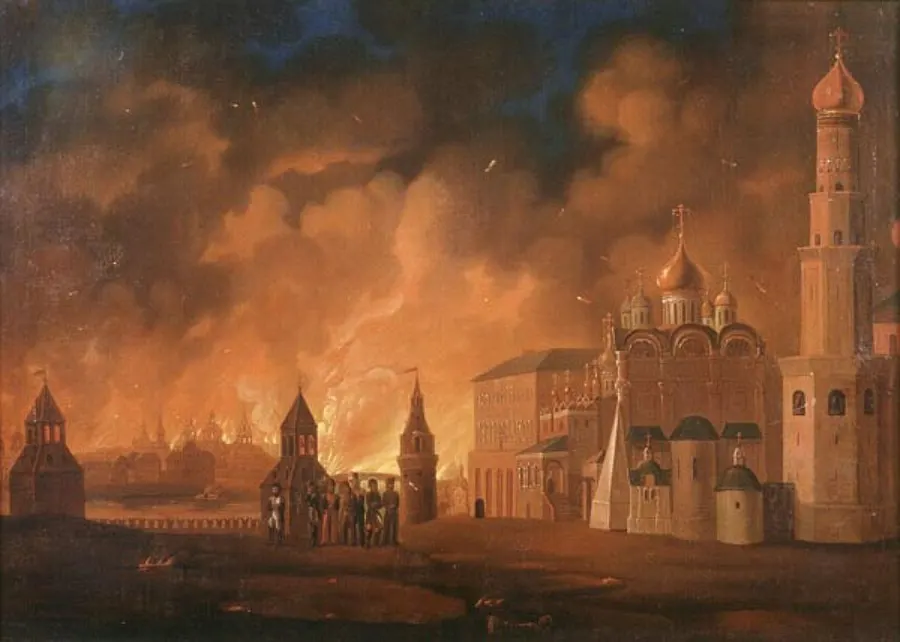
The fire of Moscow in September 1812, after Napoleon's army took the city, in a painting by A. Smirnov
The fire of Moscow in September 1812, after Napoleon’s army took the city, in a painting by A. Smirnov
Image creditA. Smirnov · Public domainResized and cropped for display.

Napoleon enters Moscow, and the city begins to burn

Napoleon invaded Russia in June 1812 with the largest army Europe had seen, expecting to force Tsar Alexander I to terms after one great battle. The Russians fell back for more than two months before standing at Borodino on 7 September, the bloodiest day of the Napoleonic Wars. Their army survived, and its commander, Marshal Kutuzov, chose to save it by giving up Moscow without another fight. Most of the city’s people, some 270,000, left with the troops.

On 14 September 1812 Napoleon’s advance guard marched into Moscow. He waited at the gates for a deputation to bring him the keys of the city; nobody came. That evening the first fires broke out, and over the next four days, fanned by high winds and with the fire engines removed on the governor’s orders, they destroyed about two-thirds of the mostly wooden city. Napoleon waited in the ruins for five weeks for a peace offer that never arrived, then began the retreat that destroyed his army.

Read the full storyHistory & Timeline →Source: Fondation Napoléon: The burning of Moscow, Napoleon’s trial by fire, 1812 ↗
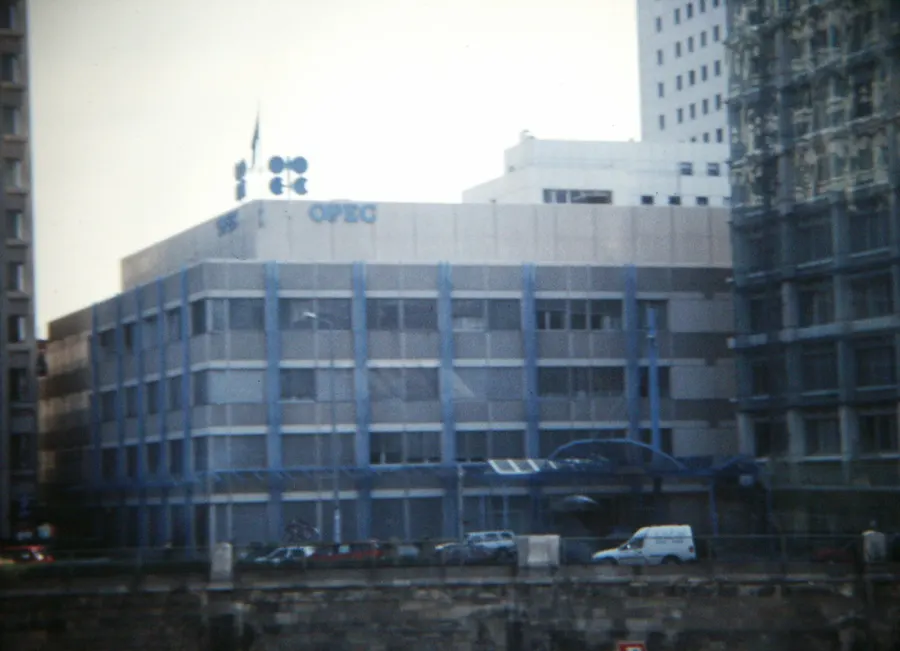
The headquarters of OPEC in Vienna, photographed in 2001
Image creditGary Todd · CC0Resized and cropped for display.

Five oil-producing countries found OPEC in Baghdad

In 1960 the world’s oil trade was run by a handful of large Western companies, which pumped the oil of the Middle East and Venezuela under concessions and set the ‘posted price’ on which the producing countries’ income was calculated. In 1959, and again in August 1960, the companies cut that price without consulting the governments concerned, taking a slice out of their national budgets at a stroke.

Venezuela’s oil minister, Juan Pablo Pérez Alfonzo, and his Saudi counterpart, Abdullah al-Tariki, had already been urging the producers to act together. From 10 to 14 September 1960 delegates from Iran, Iraq, Kuwait, Saudi Arabia and Venezuela met in Baghdad, and the conference ended with an agreement to create the Organization of the Petroleum Exporting Countries, to co-ordinate their oil policies and defend prices. Little noticed at first, OPEC set up its office in Geneva and moved to Vienna in 1965. Within a decade its members had taken control of their own oil, and in the 1970s its decisions shook the world economy.

Read the full storyHistory & Timeline →Source: OPEC: Brief history ↗
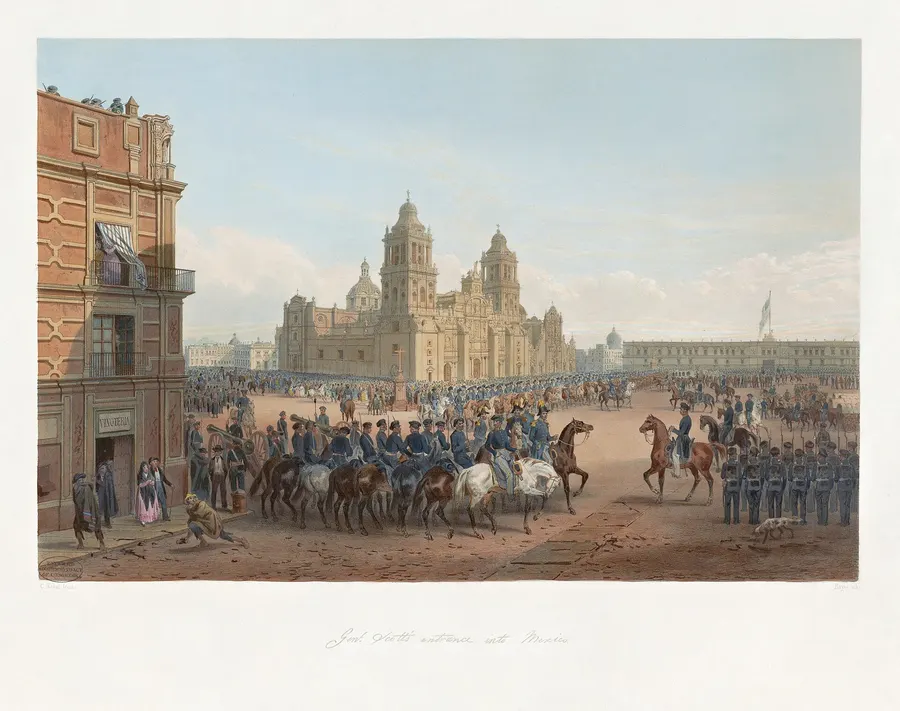
General Scott's entrance into Mexico City, a lithograph of 1851 after Carl Nebel showing American troops in the main square
General Scott’s entrance into Mexico City, a lithograph of 1851 after Carl Nebel showing American troops in the main square
Image creditAdolphe Jean-Baptiste Bayot / Carl Nebel / Adam Cuerden · Public domainResized and cropped for display.

General Scott’s army enters Mexico City

War between the United States and Mexico broke out in 1846, after the United States annexed Texas and the two countries disputed where its border lay. American armies occupied northern Mexico and California, but the Mexican government would not make peace. In March 1847 General Winfield Scott therefore landed an army at Veracruz, on the Gulf coast, and marched inland towards the capital along the route once taken by Cortés, winning at Cerro Gordo in April and at Contreras and Churubusco, on the edge of the city, in August.

After an armistice failed, Scott attacked again. On 13 September his troops stormed the hilltop castle of Chapultepec, defended among others by the young cadets of Mexico’s military academy, who are remembered in Mexico as the Niños Héroes, and fought their way to the city gates. On 14 September 1847 the Americans entered Mexico City and raised their flag over the National Palace on the great central square. The peace signed the following February cost Mexico about half its territory, from Texas to California.

Read the full storyHistory & Timeline →Source: Britannica: Winfield Scott ↗

♙
PEOPLE

Born Today

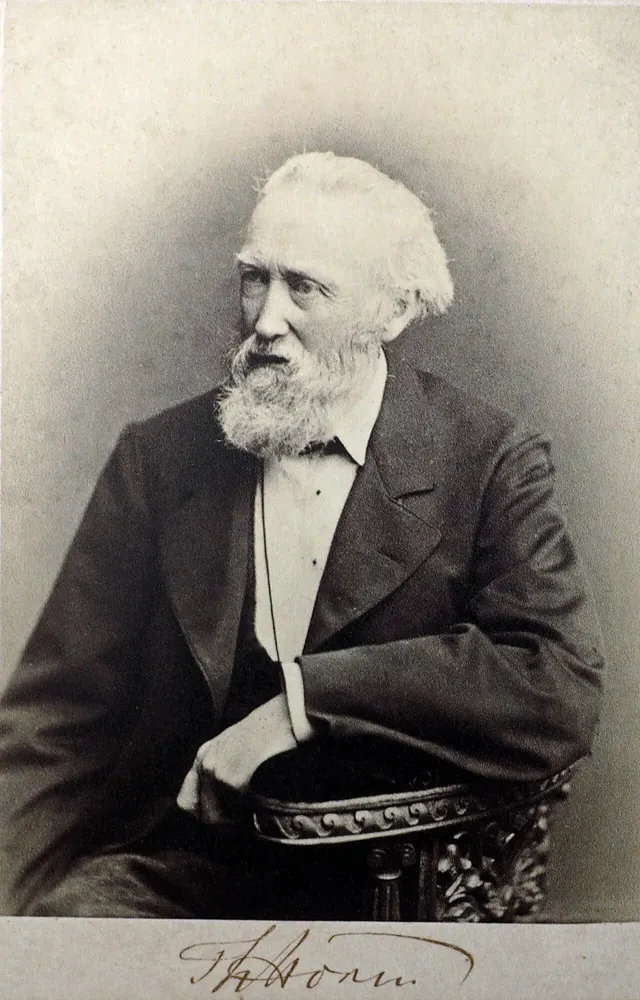
Theodor Storm
Image creditUnknown author · Public domainResized and cropped for display.

Theodor Storm

German writer from Husum on the North Sea coast, whose poems and stories include Immensee and The Rider on the White Horse.

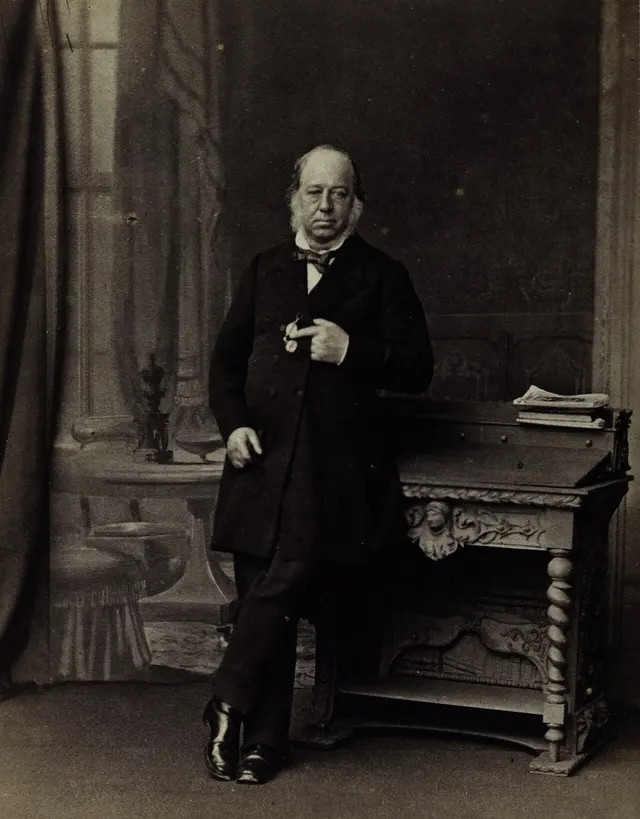
John Gould
Image creditUnknown author · CC BY 4.0Resized and cropped for display.

John Gould

English ornithologist and publisher of lavish bird books, who identified the finches Charles Darwin brought back from the Galápagos.

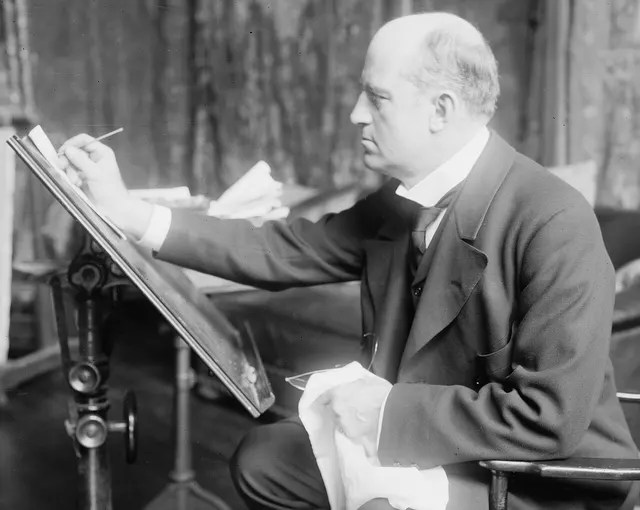
Jan Masaryk
Image creditUnknown author · Public domainResized and cropped for display.

Jan Masaryk

Czechoslovak diplomat and foreign minister, son of the country’s first president, found dead beneath his window after the Communist takeover of 1948.

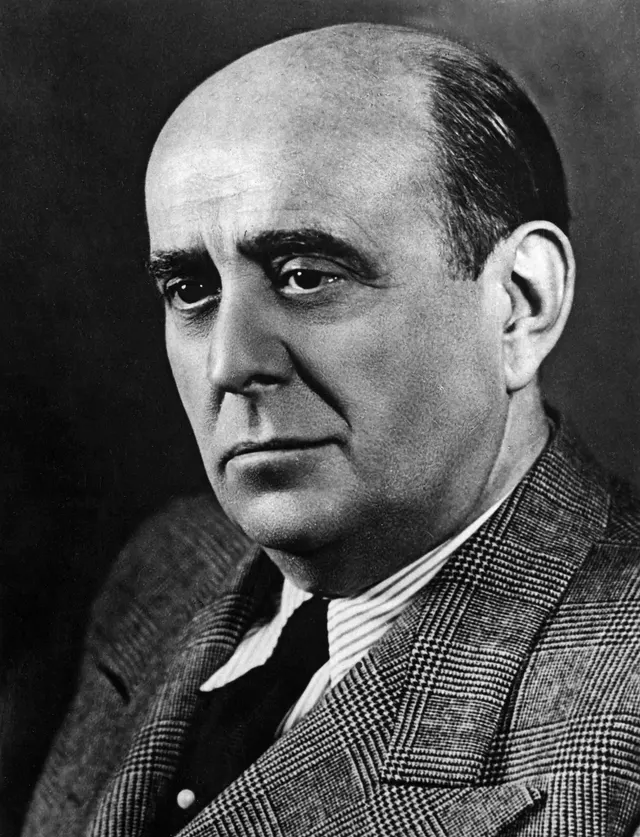
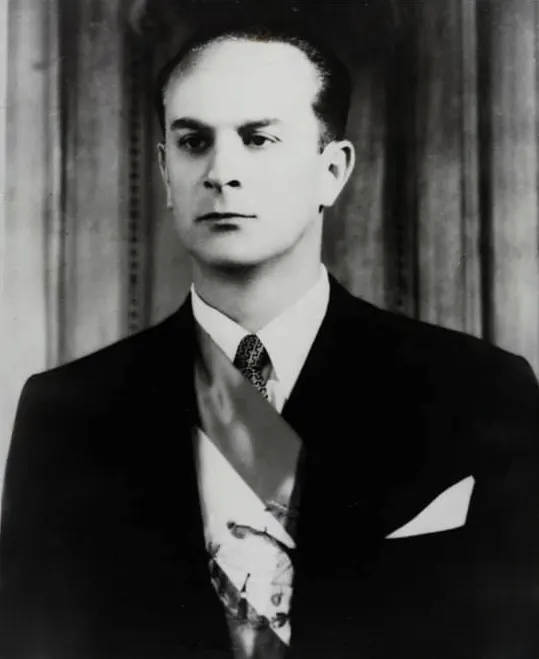
Jacobo Árbenz
Image creditGobierno de Guatemala · Public domainResized and cropped for display.

Jacobo Árbenz

President of Guatemala from 1951, whose land reform led to his overthrow in a coup backed by the United States in 1954.

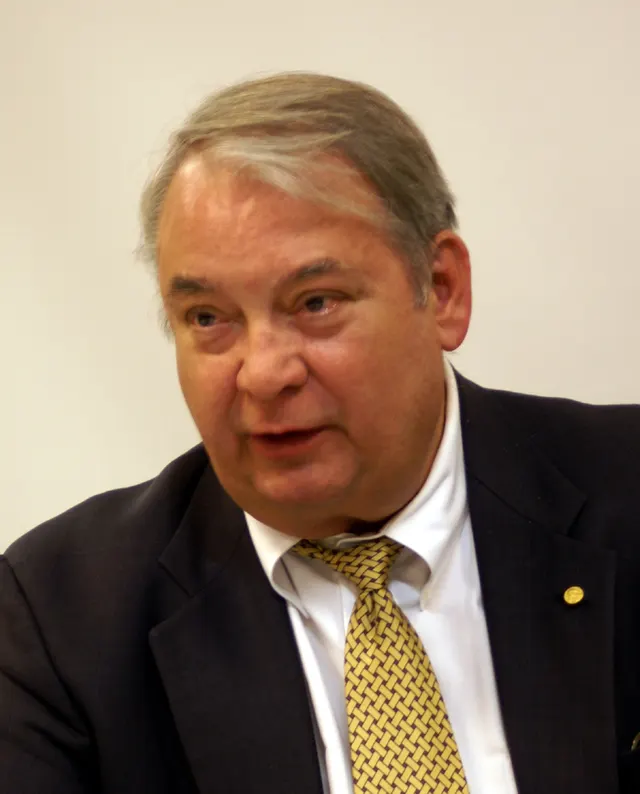
Ferid Murad
Image creditJeff Dahl · CC BY-SA 4.0Resized and cropped for display.

Ferid Murad

American pharmacologist who shared the 1998 Nobel Prize for showing that nitric oxide acts as a signal in the heart and blood vessels.

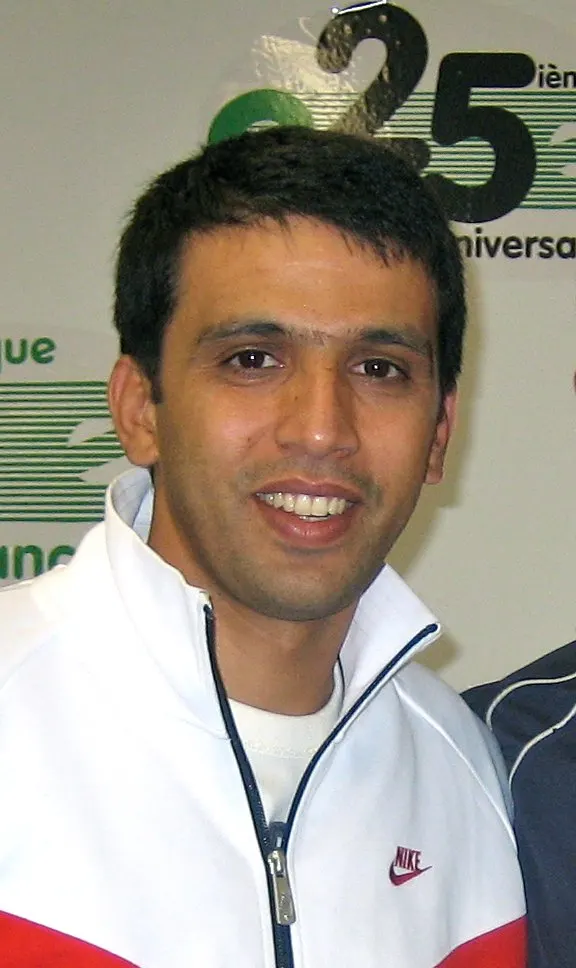
Hicham El Guerrouj
Image creditSebastien · CC BY-SA 2.0Resized and cropped for display.

Hicham El Guerrouj

Moroccan runner who set world records for the 1,500 metres and the mile and won both the 1,500 and 5,000 metres at the 2004 Olympics.

◉
IDEAS THAT CHANGED THINGS

Firsts, Science & Discoveries

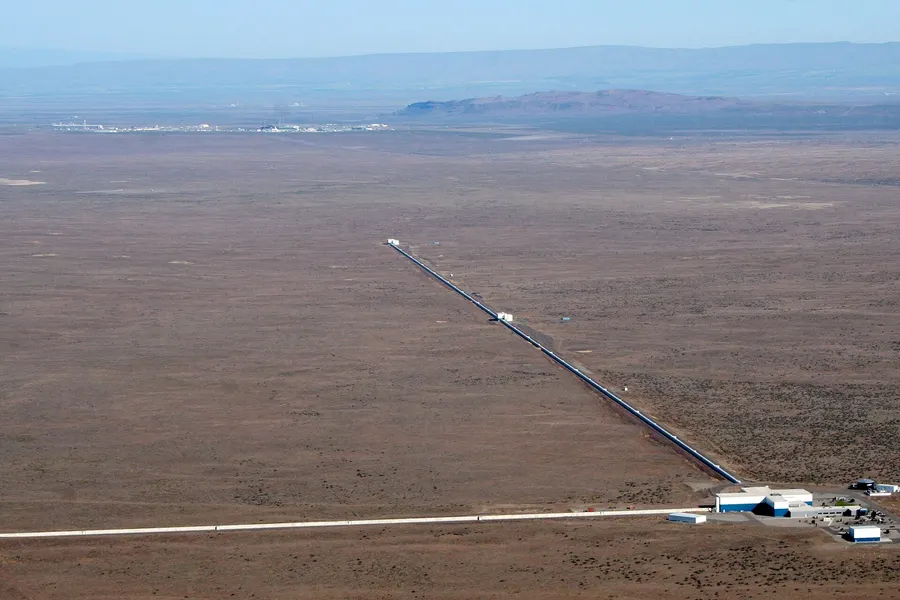
An aerial view of the LIGO observatory at Hanford in Washington state, with one of its two 4-kilometre arms stretching across the desert
Image creditLIGO Laboratory · Public domainResized and cropped for display.

A gravitational wave is detected for the first time

In 1916 Albert Einstein worked out from his general theory of relativity that violent events in the universe should send out ripples in space and time, travelling at the speed of light. He doubted they could ever be measured: by the time they reach the Earth they stretch and squeeze space by far less than the width of an atomic nucleus. From the 1970s physicists including Rainer Weiss, Kip Thorne and Ronald Drever designed a detector to catch them, using laser beams running along two arms 4 kilometres long. Two were built in the United States, at Livingston in Louisiana and Hanford in Washington state, and together they are known as LIGO.

On 14 September 2015, at 09:50 universal time, days before the newly upgraded detectors were due to begin their first official run, a signal lasting a fifth of a second passed through Livingston and, seven thousandths of a second later, through Hanford. It matched what theory predicted for two black holes, about 29 and 36 times the mass of the Sun, spiralling together and merging some 1.3 billion years ago. After months of checking, the discovery was announced in February 2016. It opened a new way of observing the universe, and Weiss, Thorne and Barry Barish received the Nobel Prize in Physics in 2017.

Read the full storyHistory & Timeline →Source: LIGO Laboratory, Caltech: Gravitational waves detected 100 years after Einstein’s prediction ↗
☆
SPORTING HISTORY

Sporting Moments

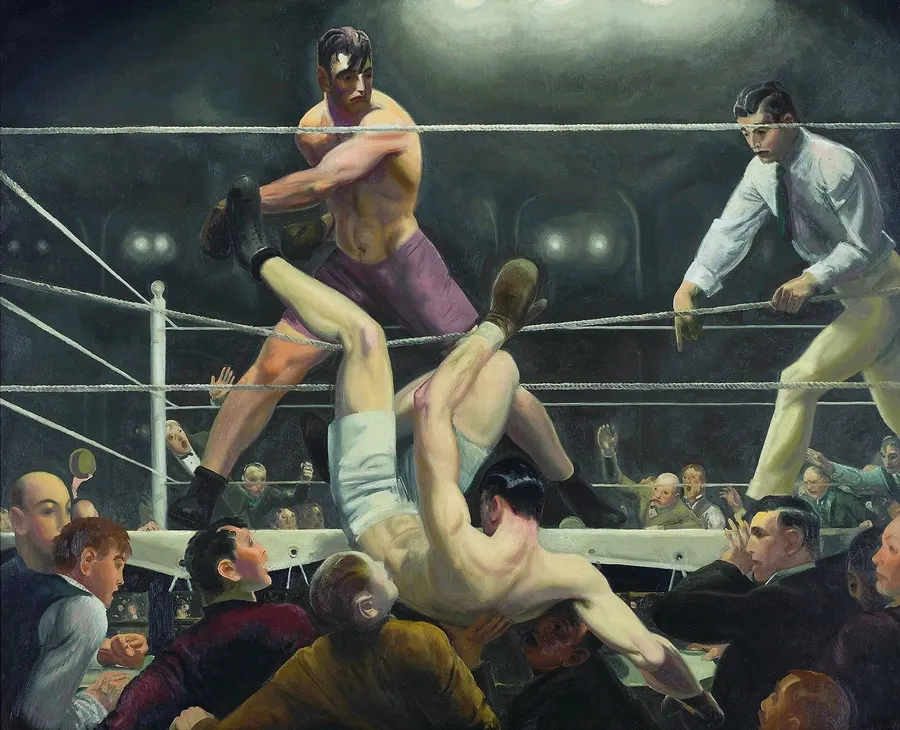
Dempsey and Firpo, painted in 1924 by George Bellows, who was at the ringside: Firpo knocks the champion through the ropes
Image creditGeorge Bellows · Public domainResized and cropped for display.

Jack Dempsey is knocked out of the ring, climbs back and beats Luis Firpo

Jack Dempsey, the world heavyweight champion since 1919, was the biggest draw in American sport, a ferocious puncher whose fights filled stadiums. In 1923 he agreed to defend his title against Luis Ángel Firpo of Argentina, a tall, heavy hitter nicknamed ‘the Wild Bull of the Pampas’ and the first Latin American to challenge for the heavyweight crown. About 80,000 people packed the Polo Grounds in New York on the night of 14 September 1923.

The fight lasted less than four minutes and was one of the wildest ever seen. Dempsey knocked Firpo down seven times in the first round, standing over him to hit him as he rose, as the rules then allowed. Then Firpo caught the champion on the jaw and sent him clean through the ropes on to the press tables. Helped back by the reporters, Dempsey beat the count, and early in the second round he knocked Firpo out. Firpo went home a national hero, and the painter George Bellows, who was at the ringside, turned the moment into one of the best-known pictures in American art.

Read the full storyHistory & Timeline →Source: Whitney Museum of American Art: George Bellows, Dempsey and Firpo, 1924 ↗
♫
MUSIC • FILM • BOOKS • CULTURE

Culture Stories

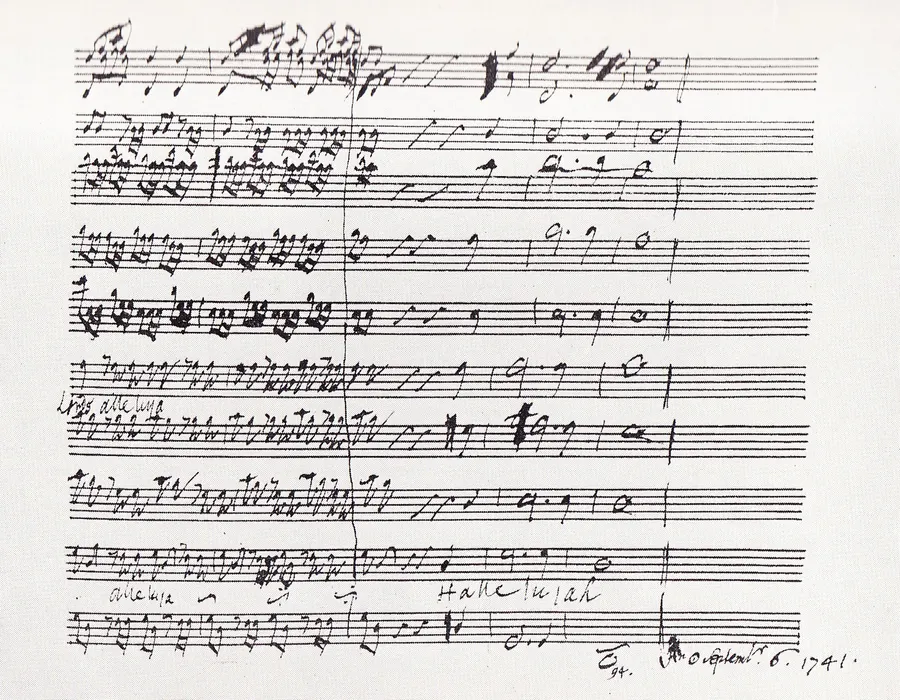
The closing bars of the 'Hallelujah' chorus in Handel's own handwriting, from the score of Messiah he wrote in 1741
The closing bars of the ‘Hallelujah’ chorus in Handel’s own handwriting, from the score of Messiah he wrote in 1741
Image creditGeorge Frideric Handel · Public domainResized and cropped for display.

Handel finishes Messiah after 24 days

By 1741 George Frideric Handel, the German-born composer who had made London his home, was in difficulties. The fashion for the Italian operas on which he had built his career had passed, and his last seasons had lost money. That summer his friend Charles Jennens sent him a text made up entirely of passages from the Bible, telling of the coming, death and resurrection of Christ, and an invitation arrived to give a season of concerts in Dublin.

Handel began to set Jennens’s words at his house in Brook Street on 22 August 1741 and, by the dates he wrote in the manuscript, finished the draft on 14 September, just 24 days later. The score, blotted and corrected in his rapid hand, is now in the British Library. Messiah was first performed in Dublin the following April, in aid of charity. London was slow to take to it, but annual performances for the Foundling Hospital from 1750 made it loved, and it has become one of the most often performed choral works ever written.

Read the full storyHistory & Timeline →Source: Handel Hendrix House: Learn about Handel ↗
✦
LIVES REMEMBERED

Remembered Today

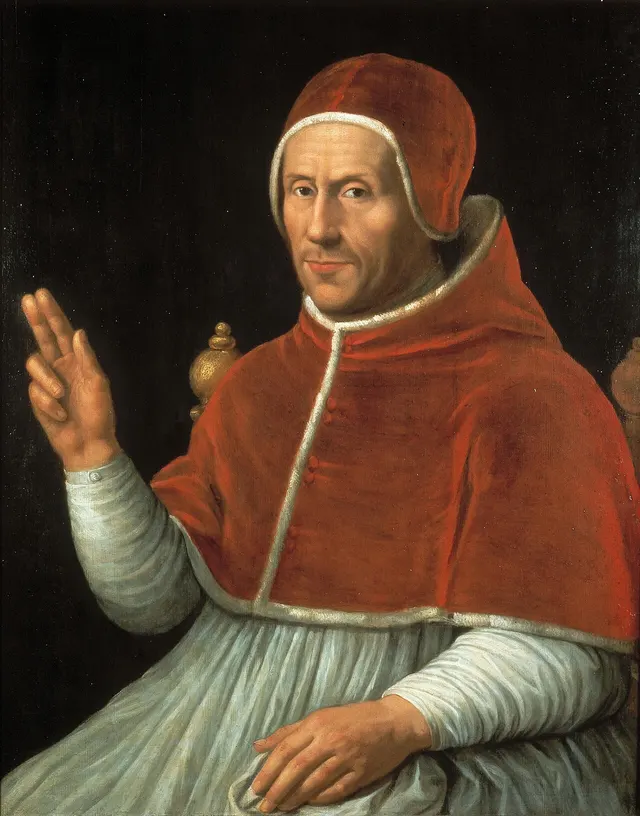
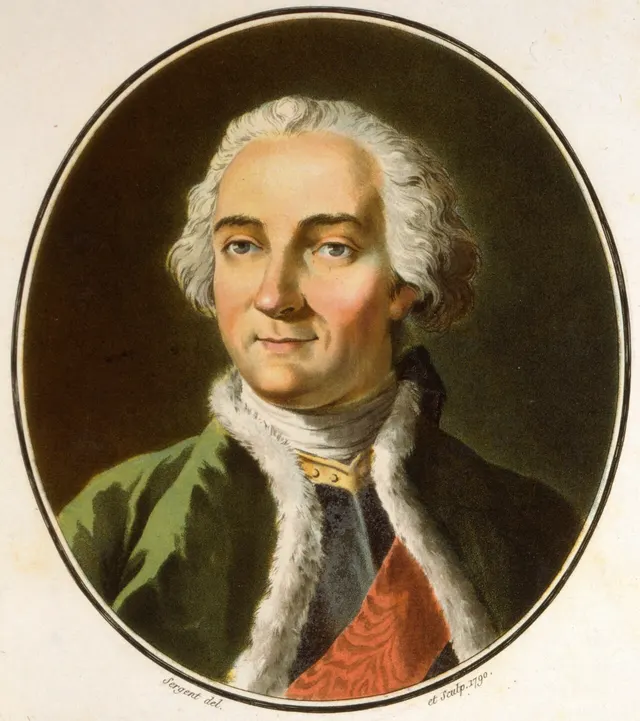
Pope Adrian VI
Image creditAfter Jan van Scorel · Public domainResized and cropped for display.

Pope Adrian VI

Scholar from Utrecht and tutor to the future Emperor Charles V, the only Dutch pope and the last from outside Italy until 1978.

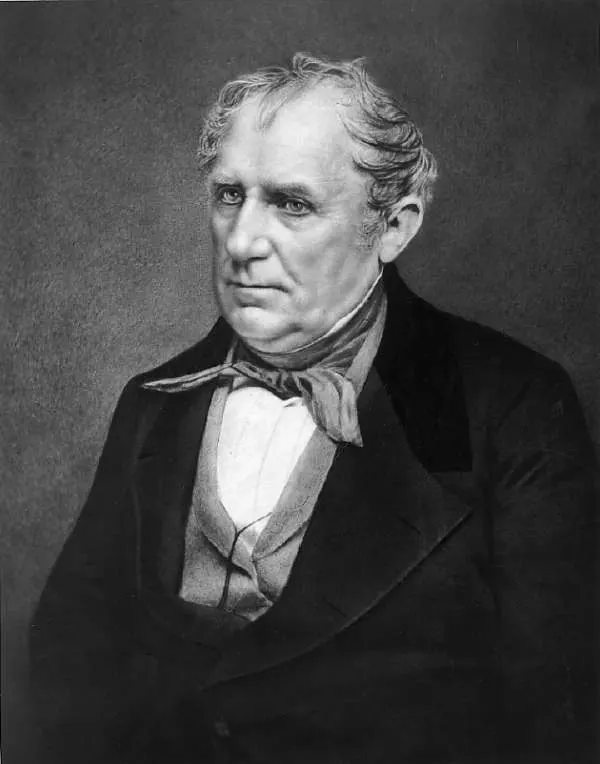
James Fenimore Cooper
Image creditMathew Benjamin Brady · Public domainResized and cropped for display.

James Fenimore Cooper

American novelist of the frontier and the sea, author of The Last of the Mohicans.

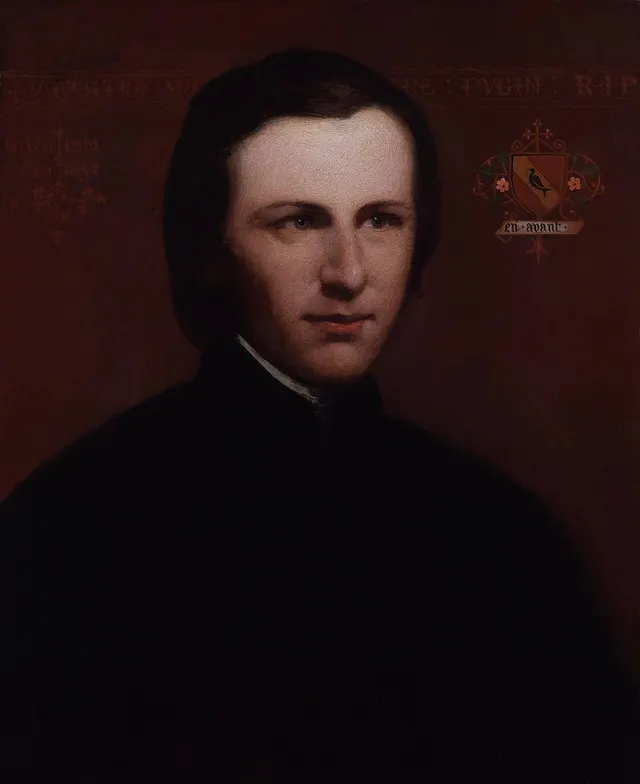
Augustus Pugin
Image creditUnidentified painter · Public domainResized and cropped for display.

Augustus Pugin

English architect and champion of the Gothic Revival, who designed the interiors of the Palace of Westminster and died aged 40.

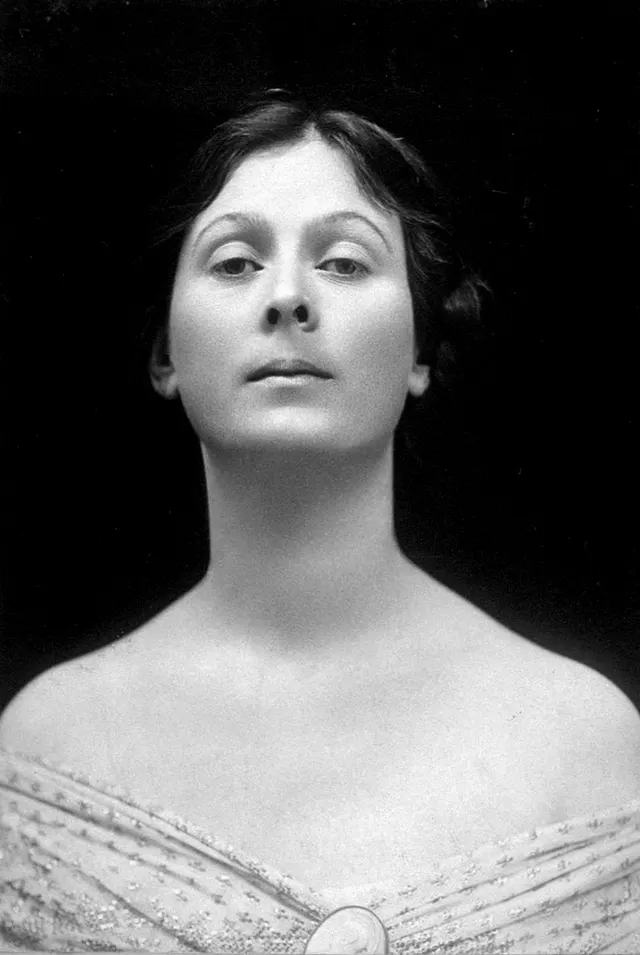
Isadora Duncan
Image creditDover Street Studios, London · Public domainResized and cropped for display.

Isadora Duncan

American-born pioneer of modern dance, who performed barefoot in flowing tunics and died in a motoring accident in Nice.

☉
AROUND THE WORLD

Observances & Anniversaries

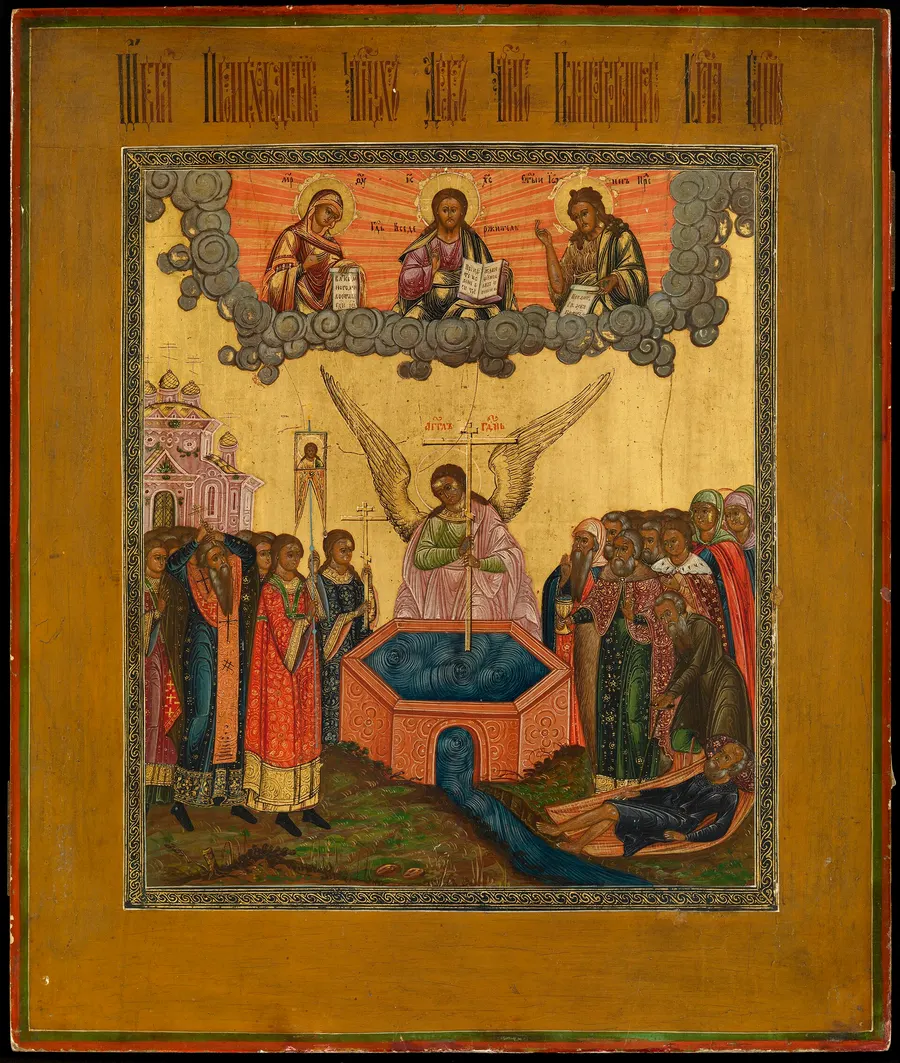
The Exaltation of the True Cross, a Russian icon painted at Palekh in the mid 19th century
Image creditAnonymous Russian icon painter · Public domainResized and cropped for display.

Feast of the Exaltation of the Holy Cross

On 14 September many Christian churches honour the cross on which Jesus was crucified. In the Eastern churches the feast goes back to the dedication of the Church of the Holy Sepulchre in Jerusalem in about 335, built by the emperor Constantine over the sites of the crucifixion and the tomb. According to tradition his mother, Helena, had found the cross itself there a few years earlier.

The Western Church took up the feast in the 7th century, after the emperor Heraclius recovered the relic of the cross from the Persians and returned it to Jerusalem. It is kept today by Roman Catholics, by the Orthodox, for whom it is one of the twelve great feasts of the year, and by Anglicans and Lutherans, who often call it Holy Cross Day.

Source: Britannica: Exaltation of the Holy Cross ↗
HISTORY & TIMELINE

Finished the highlights?

Follow 14 September chronologically, from the Middle Ages to the modern day, with 17 verified events and the sources behind them.

This day through time →