
HISTORY & TIMELINE
14 September

A journey through
14 September in history

The story of 14 September runs from the proclamation of Domitian as Roman emperor in the year 81 to the first detection of gravitational waves in 2015. In between come the accession of Harun al-Rashid, the day Handel finished Messiah, Napoleon’s entry into Moscow, the dawn over Fort McHenry, the Treaty of Adrianople, the fall of Mexico City, Nicaragua’s victory at San Jacinto, Theodore Roosevelt’s oath of office, the shooting of Stolypin, the proclamation of the Russian Republic, the Dempsey-Firpo fight, the founding of OPEC, Mobutu’s first seizure of power in the Congo, the knife attack on The Night Watch and the day three Pacific nations joined the United Nations.

I
EARLIEST RECORDS

Ancient & Early History

The earliest worthwhile records and events connected with this date.

81
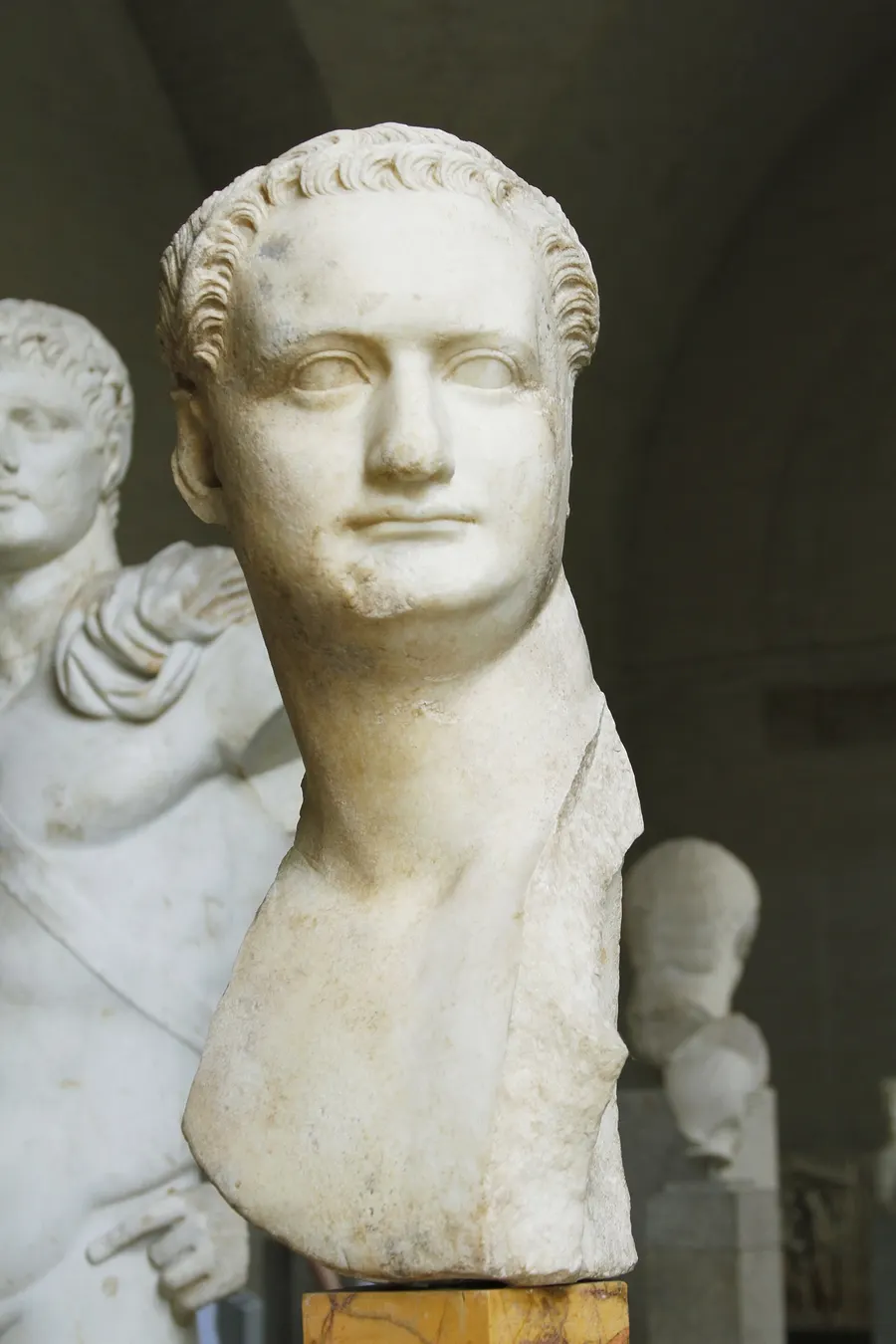
A marble bust of Domitian from the Capitoline Museums in Rome, photographed on loan at the Glyptothek in MunichA marble bust of Domitian from the Capitoline Museums in Rome, photographed on loan at the Glyptothek in MunichImage: José Luiz · CC BY-SA 4.0
politics · Europe

Domitian is proclaimed emperor of Rome

The emperor Titus died on 13 September 81 after a reign of only two years. His younger brother Domitian, who had been kept away from real power by both Titus and their father Vespasian, hurried to the camp of the Praetorian Guard in Rome and was hailed there as emperor; on 14 September the Senate confirmed him. Domitian ruled for fifteen years, strengthening the frontiers and the coinage and rebuilding much of Rome, but his harshness towards the Senate made him hated by the men who wrote the histories. He was murdered in a palace plot in 96, the last emperor of the Flavian family.

Source: Britannica: Domitian ↗
II
THE MIDDLE AGES

Medieval History

Kingdoms, conflict, faith, power and the changing medieval world.

786
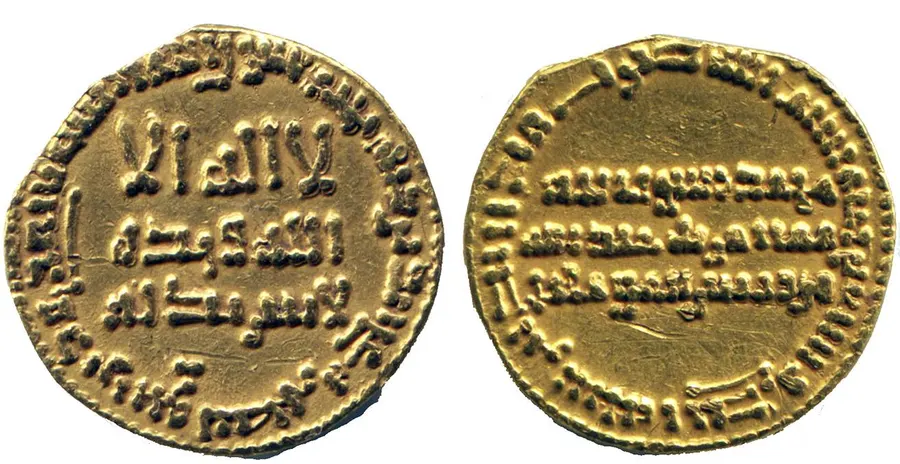
A gold dinar of Harun al-Rashid, struck in the year 171 of the Islamic calendar (787-788)A gold dinar of Harun al-Rashid, struck in the year 171 of the Islamic calendar (787-788)Image: Yevlem · CC BY-SA 4.0
politics · Middle East

Harun al-Rashid becomes caliph

The Abbasid caliph al-Hadi died suddenly in September 786, after little more than a year on the throne; rumour blamed his mother, al-Khayzuran, whose influence he had tried to curb. On 14 September his younger brother Harun, in his early twenties, succeeded him as Harun al-Rashid. He inherited an empire that stretched from North Africa to the borders of India, and for much of his 23-year reign left its government to the Barmakid family of ministers. His court at Baghdad became a byword for wealth and learning, and he lives on as the caliph of the tales of the Thousand and One Nights.

Source: Britannica: Hārūn al-Rashīd ↗
III
A CHANGING WORLD

Early Modern Era

Exploration, political change, scientific development and expanding global connections.

1741
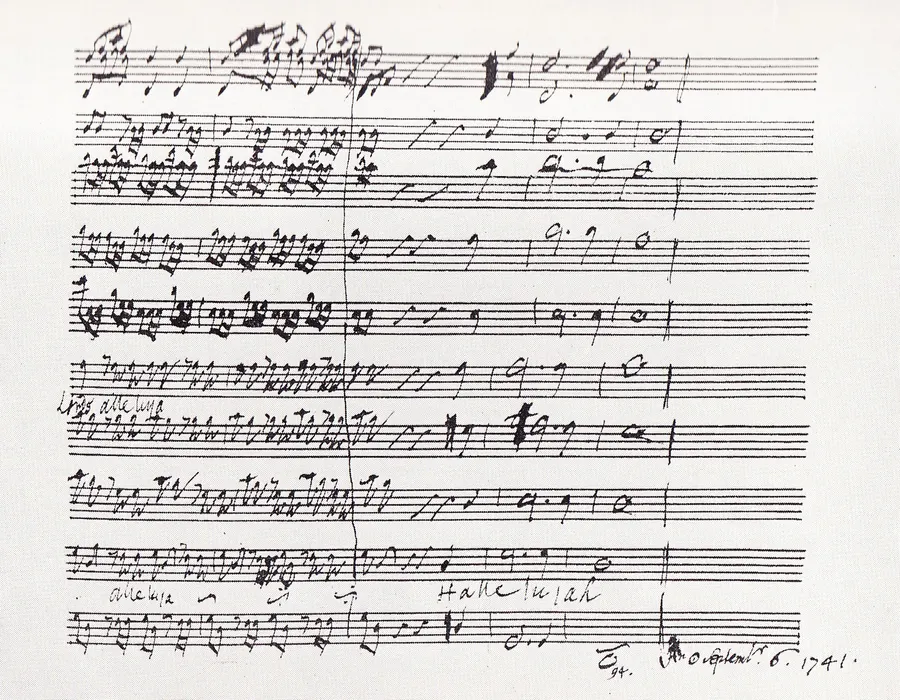
The closing bars of the 'Hallelujah' chorus in Handel's own handwriting, from the score of Messiah he wrote in 1741The closing bars of the ‘Hallelujah’ chorus in Handel’s own handwriting, from the score of Messiah he wrote in 1741Image: George Frideric Handel · Public domain
world · Europe

Handel finishes Messiah after 24 days

By 1741 George Frideric Handel, the German-born composer who had made London his home, was in difficulties. The fashion for the Italian operas on which he had built his career had passed, and his last seasons had lost money. That summer his friend Charles Jennens sent him a text made up entirely of passages from the Bible, telling of the coming, death and resurrection of Christ, and an invitation arrived to give a season of concerts in Dublin. Handel began to set Jennens’s words at his house in Brook Street on 22 August 1741 and, by the dates he wrote in the manuscript, finished the draft on 14 September, just 24 days later. The score, blotted and corrected in his rapid hand, is now in the British Library. Messiah was first performed in Dublin the following April, in aid of charity. London was slow to take to it, but annual performances for the Foundling Hospital from 1750 made it loved, and it has become one of the most often performed choral works ever written.

Source: Handel Hendrix House: Learn about Handel ↗
IV
THE NINETEENTH CENTURY

The 1800s

Industry, empire, invention, reform and a century of enormous transformation.

1812
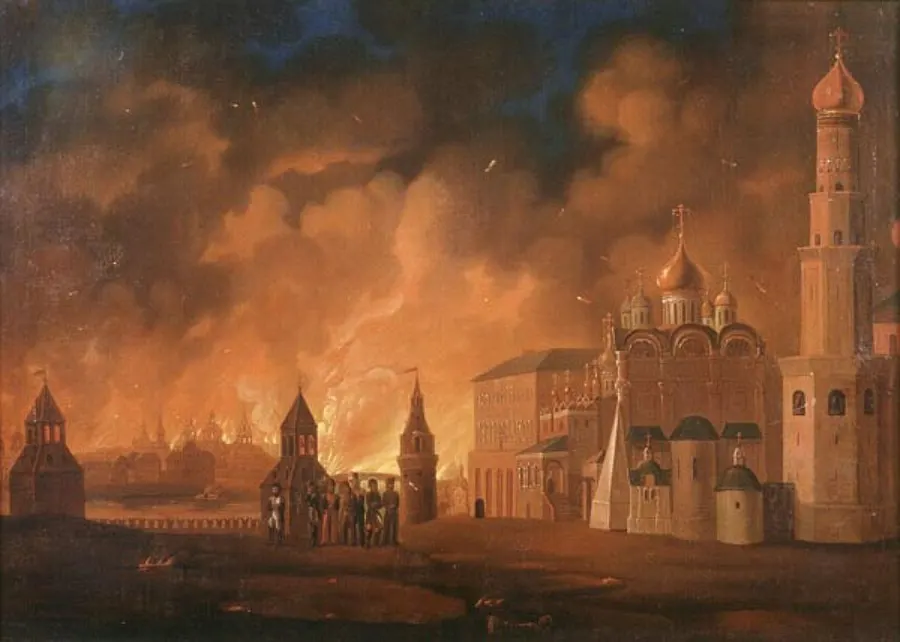
The fire of Moscow in September 1812, after Napoleon's army took the city, in a painting by A. SmirnovThe fire of Moscow in September 1812, after Napoleon’s army took the city, in a painting by A. SmirnovImage: A. Smirnov · Public domain
world · Europe

Napoleon enters Moscow, and the city begins to burn

Napoleon invaded Russia in June 1812 with the largest army Europe had seen, expecting to force Tsar Alexander I to terms after one great battle. The Russians fell back for more than two months before standing at Borodino on 7 September, the bloodiest day of the Napoleonic Wars. Their army survived, and its commander, Marshal Kutuzov, chose to save it by giving up Moscow without another fight. Most of the city’s people, some 270,000, left with the troops. On 14 September 1812 Napoleon’s advance guard marched into Moscow. He waited at the gates for a deputation to bring him the keys of the city; nobody came. That evening the first fires broke out, and over the next four days, fanned by high winds and with the fire engines removed on the governor’s orders, they destroyed about two-thirds of the mostly wooden city. Napoleon waited in the ruins for five weeks for a peace offer that never arrived, then began the retreat that destroyed his army.

Source: Fondation Napoléon: The burning of Moscow, Napoleon’s trial by fire, 1812 ↗
1814
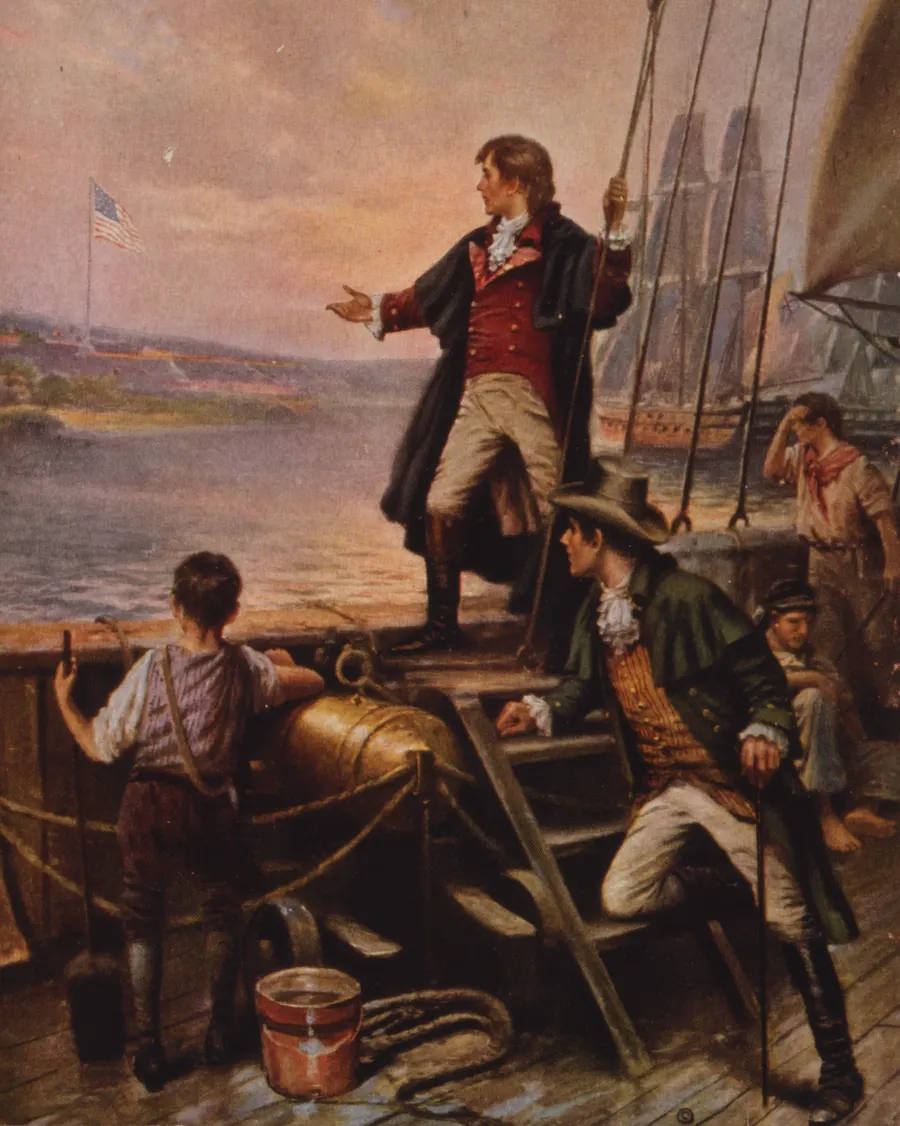
Francis Scott Key points towards the flag flying over Fort McHenry, in 'By Dawn's Early Light', a painting of 1912 by Edward Percy MoranFrancis Scott Key points towards the flag flying over Fort McHenry, in ‘By Dawn’s Early Light’, a painting of 1912 by Edward Percy MoranImage: Edward Percy Moran · Public domain
world · Americas

Francis Scott Key sees the flag over Fort McHenry and writes ‘The Star-Spangled Banner’

In the summer of 1814, two years into its war with the United States, Britain sent an army and fleet into Chesapeake Bay. In August they burned the public buildings of Washington, and in September they turned on Baltimore, a rich port and a base for American privateers. The way in by water was guarded by Fort McHenry, and on the morning of 13 September British warships began to bombard it with shells and rockets. Francis Scott Key, a Washington lawyer, watched from a truce ship a few miles away: he had gone out to the fleet to ask for the release of an American doctor and was held there until the attack was over. The bombardment went on for about 25 hours, through a night of rain. At dawn on 14 September 1814 the guns fell silent, and the garrison hauled up its great flag, 30 feet by 42, sewn the year before by the Baltimore flag-maker Mary Pickersgill. Seeing it, Key knew the fort had not surrendered, and he began to write verses on the back of a letter. They were printed within days as ‘Defence of Fort M’Henry’, to be sung to a popular English tune. The song became the national anthem of the United States in 1931, and the flag itself is kept at the Smithsonian in Washington.

Source: Smithsonian National Museum of American History: The Star-Spangled Banner, a moment of triumph ↗
1829
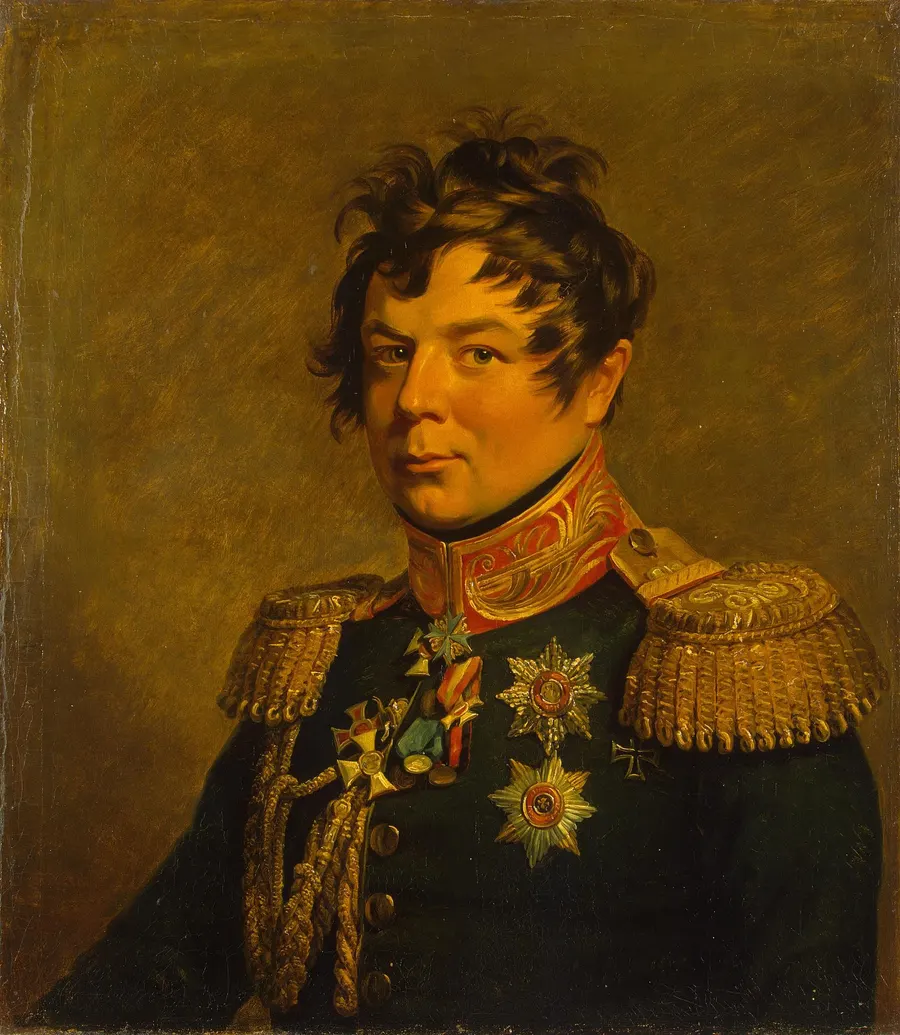
Hans Karl von Diebitsch, the Russian commander whose army took Adrianople, in a portrait by George Dawe in the HermitageHans Karl von Diebitsch, the Russian commander whose army took Adrianople, in a portrait by George Dawe in the HermitageImage: George Dawe · Public domain
world · Europe

The Treaty of Adrianople ends the Russo-Turkish War

Russia went to war with the Ottoman Empire in 1828, in part over the Greek struggle for independence. In the summer of 1829 a Russian army under General Diebitsch crossed the Balkan mountains and took Adrianople, today’s Edirne, within reach of Constantinople. The treaty signed there on 14 September 1829 gave Russia the mouth of the Danube and a stretch of the eastern Black Sea coast and opened the Straits to its merchant ships. The sultan also accepted self-rule for Serbia, for Moldavia and Wallachia, and for Greece, whose full independence followed in 1830.

Source: Britannica: Treaty of Edirne ↗
1847
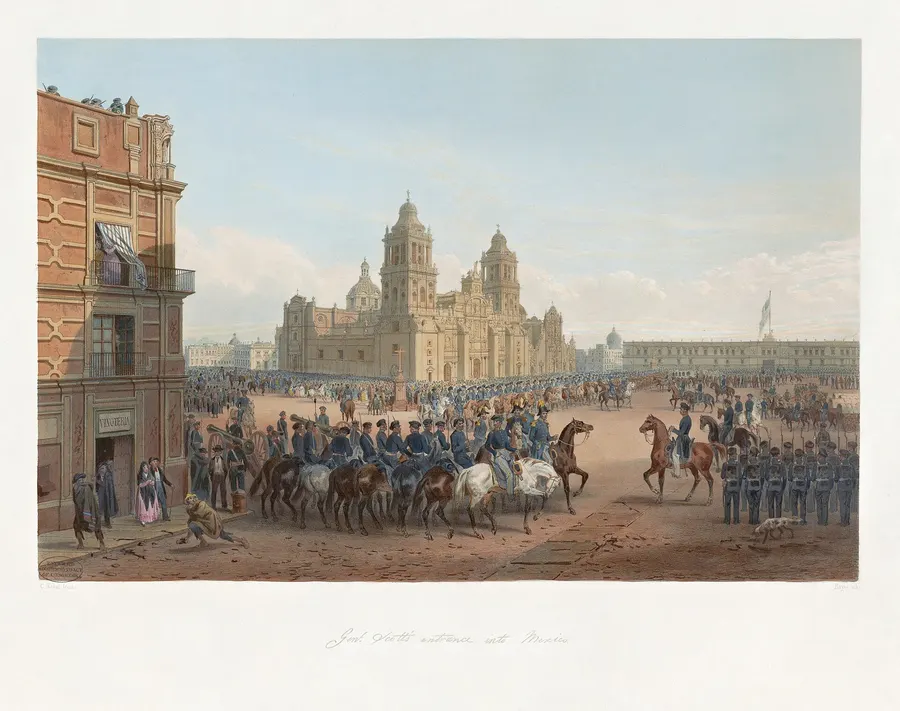
General Scott's entrance into Mexico City, a lithograph of 1851 after Carl Nebel showing American troops in the main squareGeneral Scott’s entrance into Mexico City, a lithograph of 1851 after Carl Nebel showing American troops in the main squareImage: Adolphe Jean-Baptiste Bayot / Carl Nebel / Adam Cuerden · Public domain
world · Americas

General Scott’s army enters Mexico City

War between the United States and Mexico broke out in 1846, after the United States annexed Texas and the two countries disputed where its border lay. American armies occupied northern Mexico and California, but the Mexican government would not make peace. In March 1847 General Winfield Scott therefore landed an army at Veracruz, on the Gulf coast, and marched inland towards the capital along the route once taken by Cortés, winning at Cerro Gordo in April and at Contreras and Churubusco, on the edge of the city, in August. After an armistice failed, Scott attacked again. On 13 September his troops stormed the hilltop castle of Chapultepec, defended among others by the young cadets of Mexico’s military academy, who are remembered in Mexico as the Niños Héroes, and fought their way to the city gates. On 14 September 1847 the Americans entered Mexico City and raised their flag over the National Palace on the great central square. The peace signed the following February cost Mexico about half its territory, from Texas to California.

Source: Britannica: Winfield Scott ↗
1856
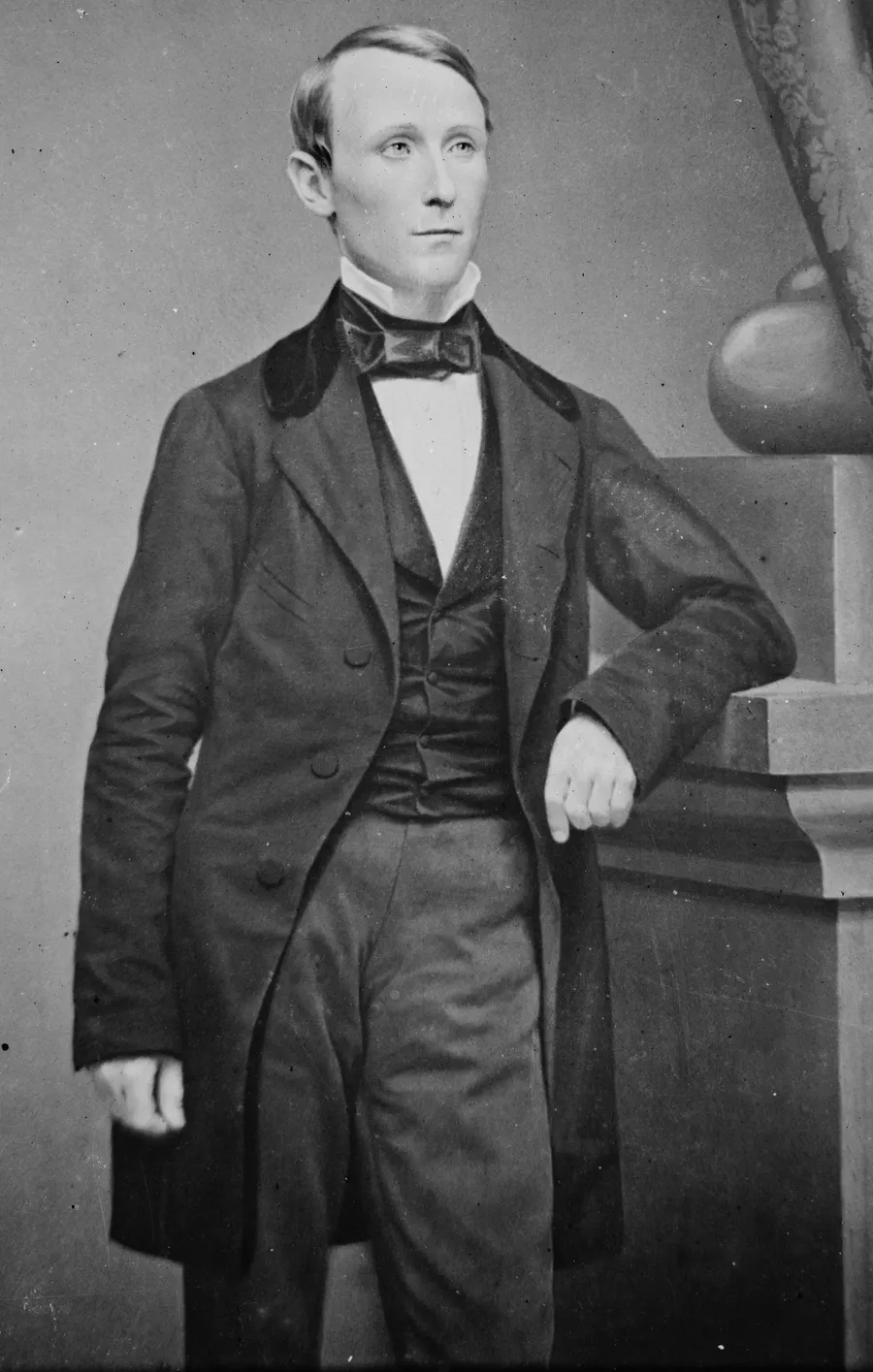
William Walker, the American filibuster whose men were beaten at San Jacinto, photographed by Mathew Brady between 1855 and 1860William Walker, the American filibuster whose men were beaten at San Jacinto, photographed by Mathew Brady between 1855 and 1860Image: Mathew Benjamin Brady · Public domain
world · Americas

Nicaraguans defeat William Walker’s men at San Jacinto

William Walker, an American adventurer, arrived in Nicaragua in 1855 with a band of armed followers, known as filibusters, to fight in a civil war, and within a year had made himself president. On 14 September 1856 a force of his men attacked the cattle ranch of San Jacinto, north-east of Managua, held by a smaller Nicaraguan detachment under Colonel José Dolores Estrada. The defenders drove them off; by tradition a sergeant, Andrés Castro, felled one attacker with a stone when his musket failed. Walker was driven from the country the following year. The day is a national holiday in Nicaragua, on the eve of Independence Day.

Source: Universidad de Costa Rica, Diálogos: Una teoría alternativa de la batalla de San Jacinto, 14 de septiembre de 1856 ↗
V
THE TWENTIETH CENTURY

The 1900s

War and peace, technological leaps, social change, politics, sport and popular culture.

1901
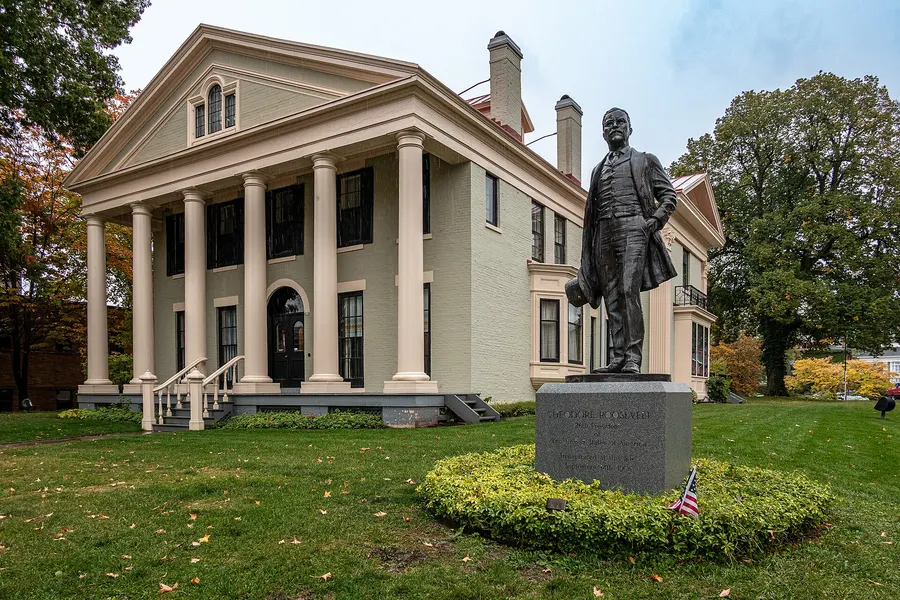
The Ansley Wilcox house in Buffalo, New York, where Roosevelt was sworn in, now the Theodore Roosevelt Inaugural National Historic Site, with a statue of him in frontThe Ansley Wilcox house in Buffalo, New York, where Roosevelt was sworn in, now the Theodore Roosevelt Inaugural National Historic Site, with a statue of him in frontImage: Kenneth C. Zirkel · CC BY 4.0
politics · Americas

Theodore Roosevelt becomes president of the United States

President William McKinley, shot at the Pan-American Exposition in Buffalo eight days earlier, seemed to be recovering, and Vice-President Theodore Roosevelt had gone to the Adirondack mountains. When McKinley’s condition suddenly worsened, Roosevelt set off through the night by wagon and train. McKinley died in the early hours of 14 September 1901, and that afternoon Roosevelt took the oath of office in the library of a friend’s house in Buffalo. At 42 he was, and remains, the youngest person to become president.

Source: US National Park Service: Theodore Roosevelt Inaugural Site, birthplace of the modern presidency ↗
1911
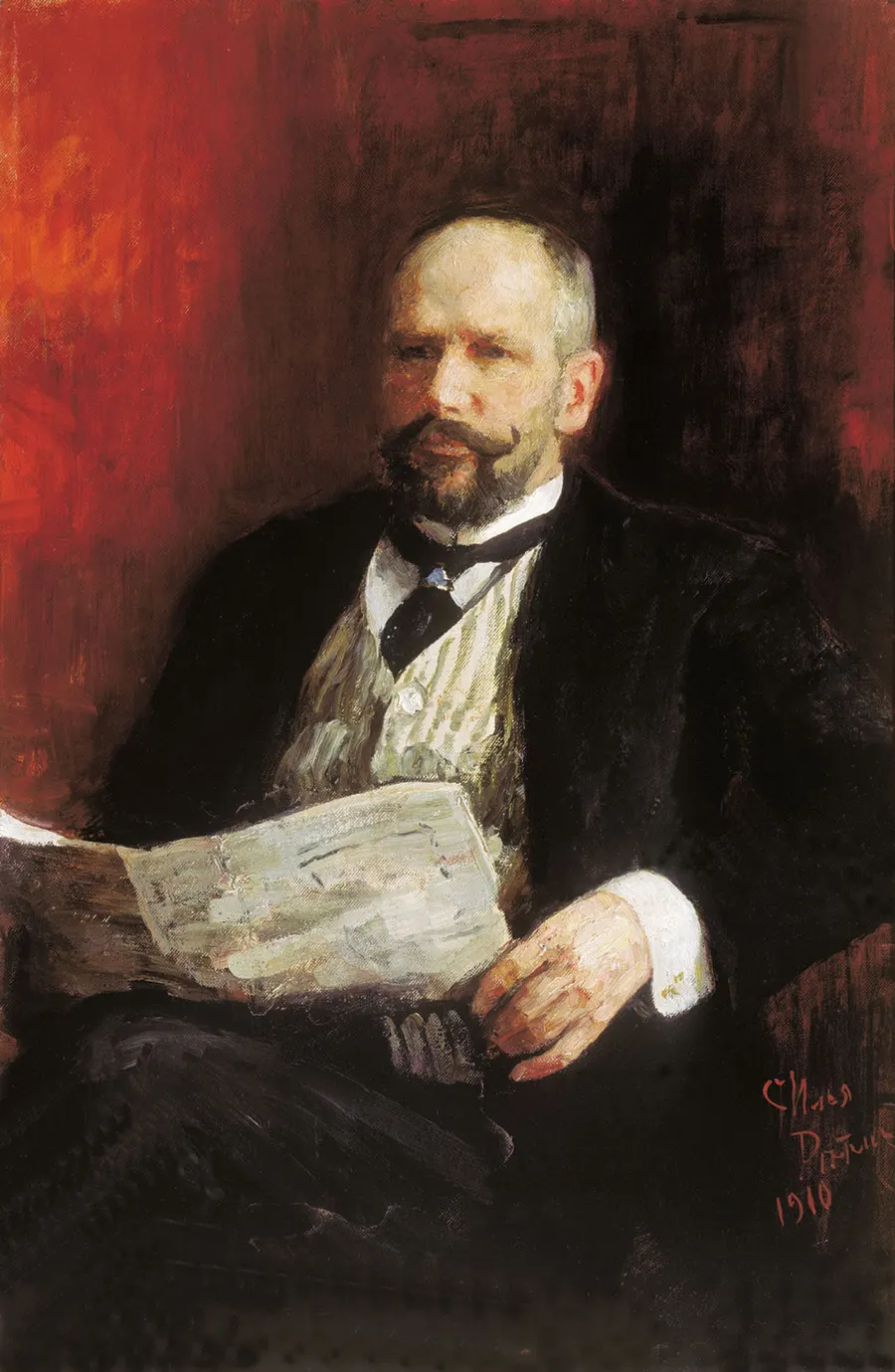
Pyotr Stolypin, prime minister of Russia, in a portrait by Ilya RepinPyotr Stolypin, prime minister of Russia, in a portrait by Ilya RepinImage: Ilya Repin · Public domain
politics · Europe

Russia’s prime minister Stolypin is shot at the Kiev opera

Pyotr Stolypin, prime minister of Russia since 1906, had put down the revolution of 1905 with great severity while pushing through land reforms meant to turn peasants into independent farmers loyal to the throne. On 14 September 1911 (1 September in the Russian calendar of the time) he attended a gala performance of Rimsky-Korsakov’s The Tale of Tsar Saltan in Kiev, in the presence of Tsar Nicholas II. During an interval Dmitry Bogrov, a revolutionary who was also a police informer, walked up and shot him twice. Stolypin died four days later, and his reforms were left unfinished.

Source: Presidential Library, St Petersburg: Assassination of P. A. Stolypin ↗
1917
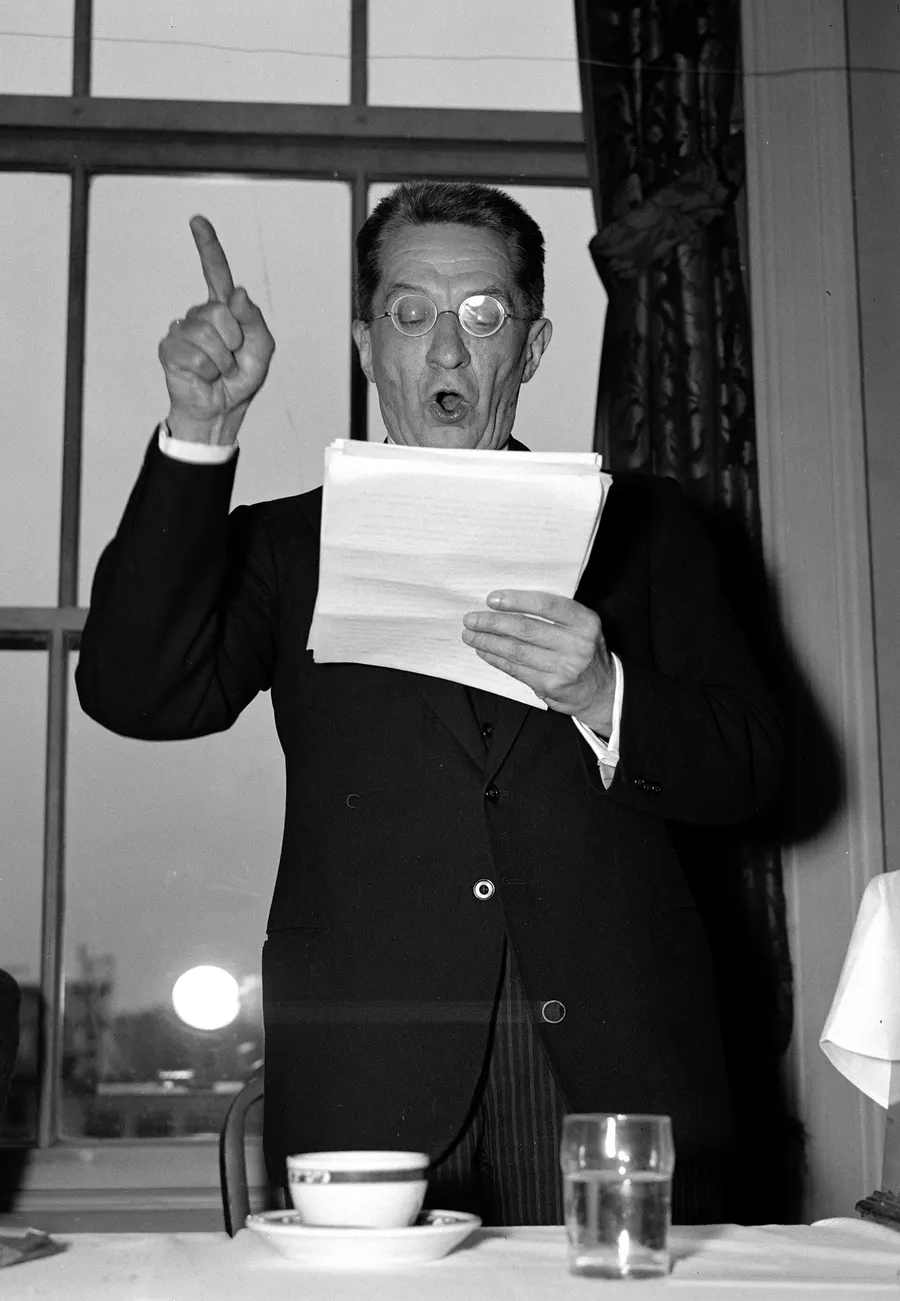
Alexander Kerensky, head of Russia's Provisional Government in 1917, photographed in Washington in later lifeAlexander Kerensky, head of Russia’s Provisional Government in 1917, photographed in Washington in later lifeImage: Harris & Ewing · Public domain
politics · Europe

Russia is proclaimed a republic

After Tsar Nicholas II abdicated in March 1917, Russia was run by a Provisional Government that left the question of monarchy or republic to a future constituent assembly. In early September its army commander, General Kornilov, marched on Petrograd and was stopped. To steady the country, the head of the government, Alexander Kerensky, signed a decree on 14 September 1917 (1 September in the old calendar) declaring Russia a republic, with power in the hands of a five-man Directory. It lasted less than two months: the Bolsheviks seized power in November.

Source: Presidential Library, St Petersburg: The Russian Republic proclaimed ↗
1923
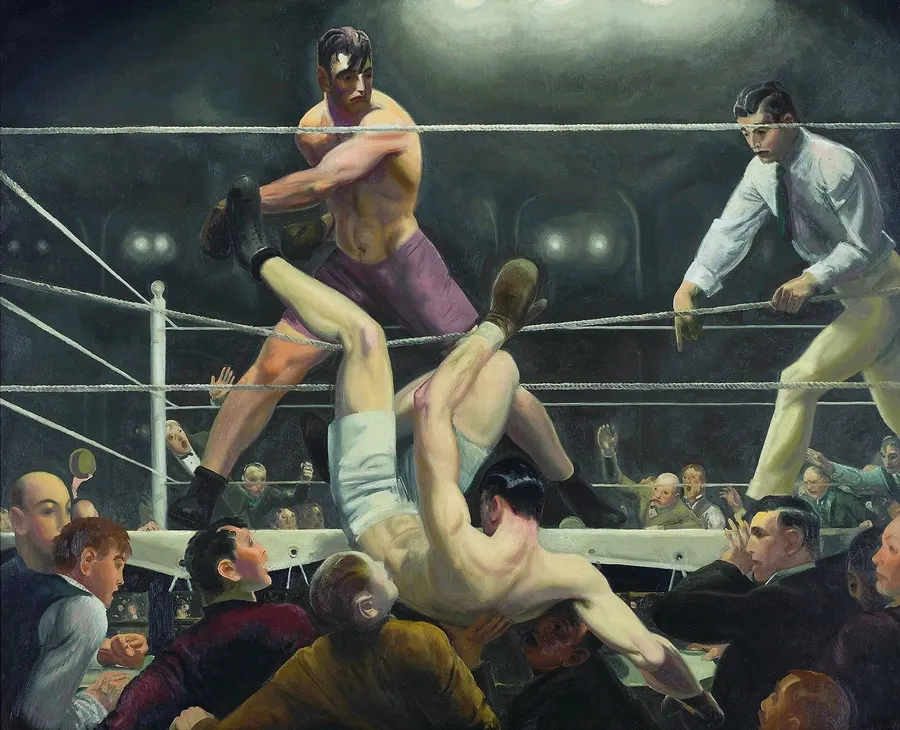
Dempsey and Firpo, painted in 1924 by George Bellows, who was at the ringside: Firpo knocks the champion through the ropesDempsey and Firpo, painted in 1924 by George Bellows, who was at the ringside: Firpo knocks the champion through the ropesImage: George Bellows · Public domain
sport · Americas

Jack Dempsey is knocked out of the ring, climbs back and beats Luis Firpo

Jack Dempsey, the world heavyweight champion since 1919, was the biggest draw in American sport, a ferocious puncher whose fights filled stadiums. In 1923 he agreed to defend his title against Luis Ángel Firpo of Argentina, a tall, heavy hitter nicknamed ‘the Wild Bull of the Pampas’ and the first Latin American to challenge for the heavyweight crown. About 80,000 people packed the Polo Grounds in New York on the night of 14 September 1923. The fight lasted less than four minutes and was one of the wildest ever seen. Dempsey knocked Firpo down seven times in the first round, standing over him to hit him as he rose, as the rules then allowed. Then Firpo caught the champion on the jaw and sent him clean through the ropes on to the press tables. Helped back by the reporters, Dempsey beat the count, and early in the second round he knocked Firpo out. Firpo went home a national hero, and the painter George Bellows, who was at the ringside, turned the moment into one of the best-known pictures in American art.

Source: Whitney Museum of American Art: George Bellows, Dempsey and Firpo, 1924 ↗
1960
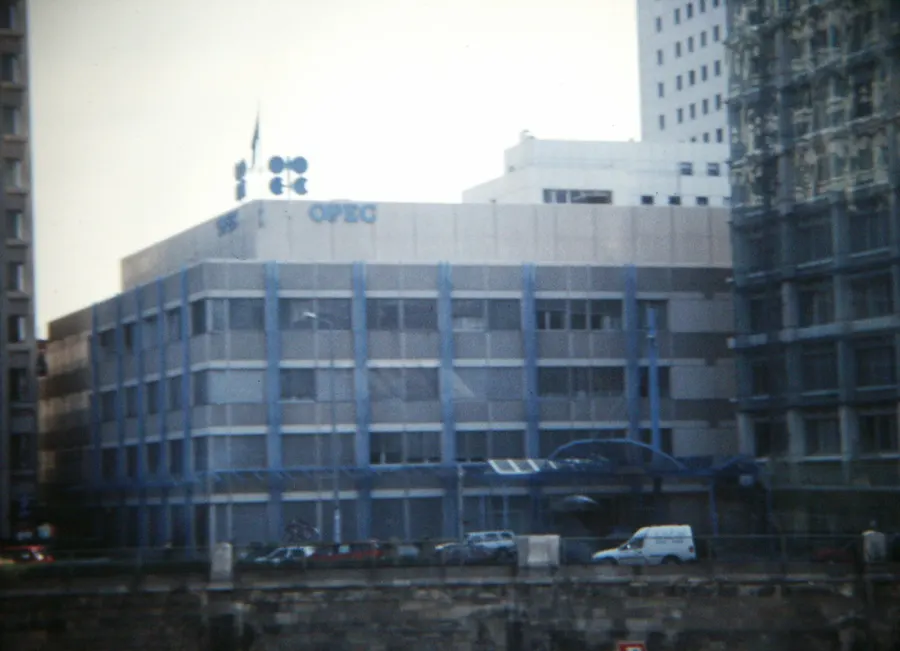
The headquarters of OPEC in Vienna, photographed in 2001The headquarters of OPEC in Vienna, photographed in 2001Image: Gary Todd · CC0
world · Middle East

Five oil-producing countries found OPEC in Baghdad

In 1960 the world’s oil trade was run by a handful of large Western companies, which pumped the oil of the Middle East and Venezuela under concessions and set the ‘posted price’ on which the producing countries’ income was calculated. In 1959, and again in August 1960, the companies cut that price without consulting the governments concerned, taking a slice out of their national budgets at a stroke. Venezuela’s oil minister, Juan Pablo Pérez Alfonzo, and his Saudi counterpart, Abdullah al-Tariki, had already been urging the producers to act together. From 10 to 14 September 1960 delegates from Iran, Iraq, Kuwait, Saudi Arabia and Venezuela met in Baghdad, and the conference ended with an agreement to create the Organization of the Petroleum Exporting Countries, to co-ordinate their oil policies and defend prices. Little noticed at first, OPEC set up its office in Geneva and moved to Vienna in 1965. Within a decade its members had taken control of their own oil, and in the 1970s its decisions shook the world economy.

Source: OPEC: Brief history ↗
1960
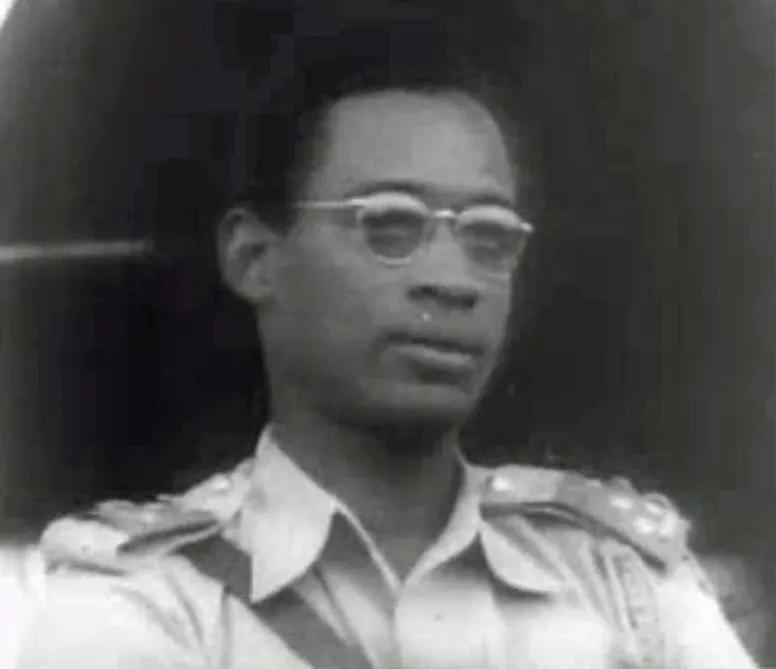
Colonel Joseph Mobutu in late 1960, in a still from a newsreelColonel Joseph Mobutu in late 1960, in a still from a newsreelImage: Universal Studios · CC0
politics · Africa

Colonel Mobutu takes power in the Congo for the first time

The Congo was barely ten weeks independent from Belgium when its president, Joseph Kasavubu, and its prime minister, Patrice Lumumba, each announced the dismissal of the other. On 14 September 1960 the army chief of staff, Colonel Joseph Mobutu, aged 29, declared that he was ‘neutralising’ both men and the parliament, and set up a college of young graduates to run the country; he also ordered Soviet-bloc diplomats to leave. Lumumba was placed under guard and killed the following January. Mobutu handed power back in 1961, but seized it again in 1965 and kept it for 32 years.

Source: US Office of the Historian: The Congo, decolonization, and the Cold War, 1960-1965 ↗
1975
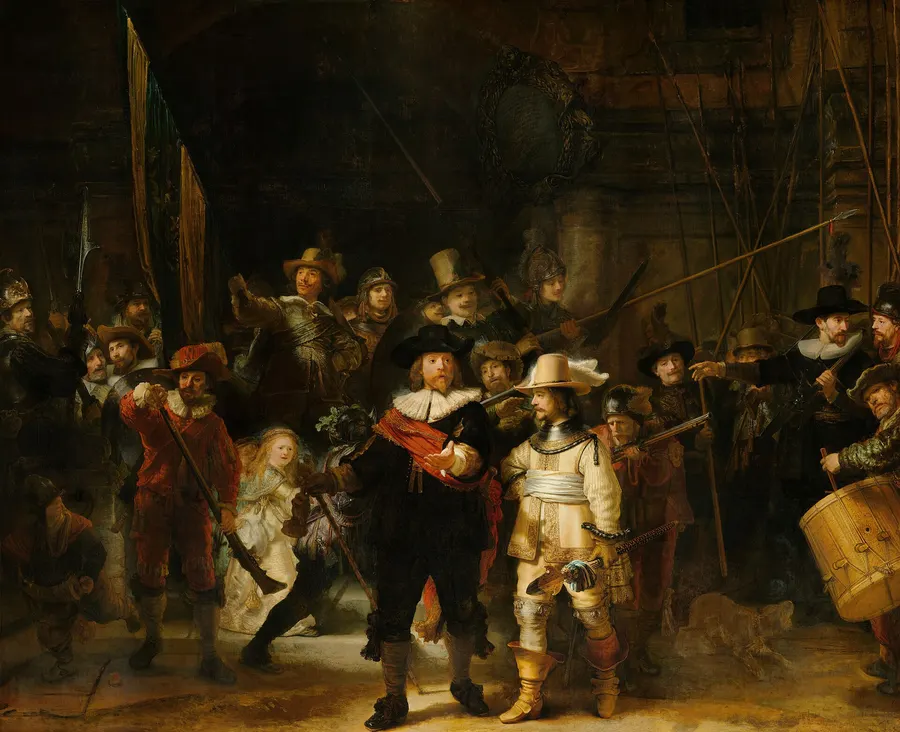
The Night Watch, painted by Rembrandt in 1642, in the Rijksmuseum in AmsterdamThe Night Watch, painted by Rembrandt in 1642, in the Rijksmuseum in AmsterdamImage: Rembrandt · Public domain
world · Europe

Rembrandt’s Night Watch is slashed with a knife

The Night Watch, Rembrandt’s huge group portrait of an Amsterdam militia company, painted in 1642, is the most famous picture in the Rijksmuseum. On the afternoon of Sunday 14 September 1975 a visitor attacked it with a bread knife before guards could stop him, leaving twelve cuts in the lower part of the canvas, some of them right through it. Restorers stitched the tears, fixed a new lining to the back of the canvas and retouched the damage, recording every step. The work took about eight months, and the painting went back on show in 1976.

Source: Rijksmuseum: How The Night Watch survived a knife attack ↗
1999
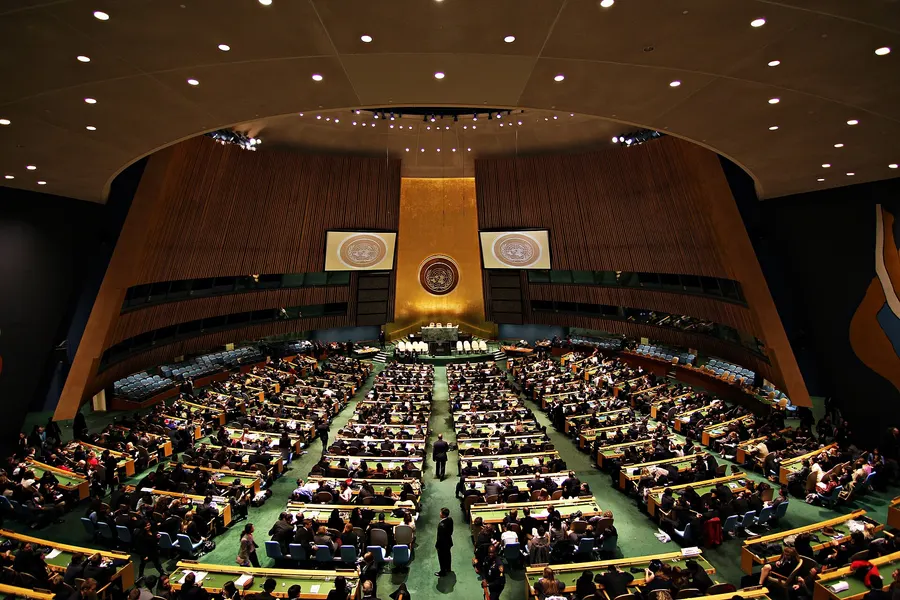
The General Assembly Hall at the United Nations headquarters in New YorkThe General Assembly Hall at the United Nations headquarters in New YorkImage: Basil D Soufi · CC BY-SA 3.0
politics · Oceania

Kiribati, Nauru and Tonga join the United Nations

On 14 September 1999, at the opening of its 54th session, the United Nations General Assembly admitted three Pacific island states: the Republic of Kiribati, the Republic of Nauru and the Kingdom of Tonga. They became the 186th, 187th and 188th members. Nauru, with about 10,000 people, had been independent since 1968, Tonga since 1970 and Kiribati since 1979,. Their admission brought the number of member states to 188, and a fourth Pacific island state, Tuvalu, followed a year later.

Source: United Nations press release: General Assembly begins fifty-fourth session ↗
VI
2000 TO TODAY

Modern Day

The events of recent decades that have already become part of the historical record.

2015
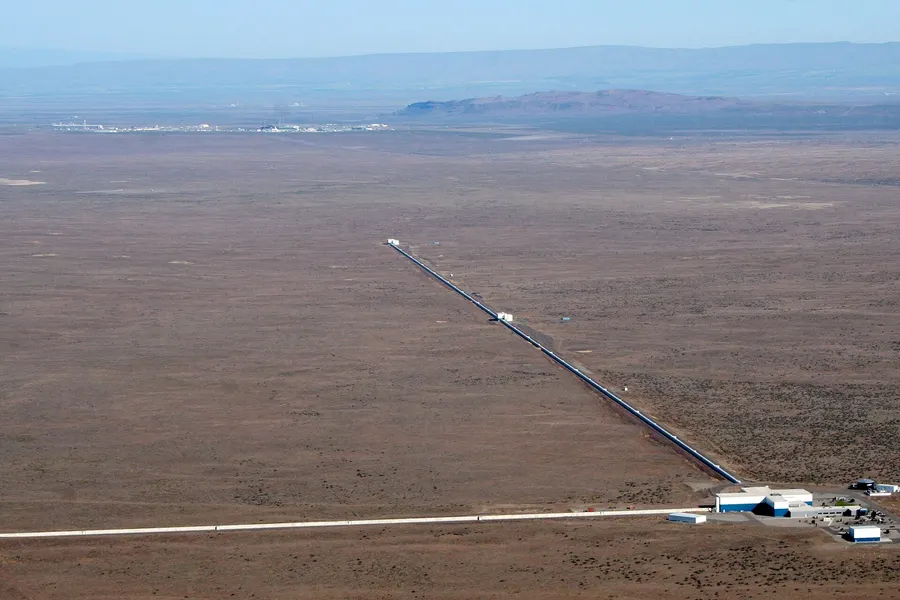
An aerial view of the LIGO observatory at Hanford in Washington state, with one of its two 4-kilometre arms stretching across the desertAn aerial view of the LIGO observatory at Hanford in Washington state, with one of its two 4-kilometre arms stretching across the desertImage: LIGO Laboratory · Public domain
science · Global

A gravitational wave is detected for the first time

In 1916 Albert Einstein worked out from his general theory of relativity that violent events in the universe should send out ripples in space and time, travelling at the speed of light. He doubted they could ever be measured: by the time they reach the Earth they stretch and squeeze space by far less than the width of an atomic nucleus. From the 1970s physicists including Rainer Weiss, Kip Thorne and Ronald Drever designed a detector to catch them, using laser beams running along two arms 4 kilometres long. Two were built in the United States, at Livingston in Louisiana and Hanford in Washington state, and together they are known as LIGO. On 14 September 2015, at 09:50 universal time, days before the newly upgraded detectors were due to begin their first official run, a signal lasting a fifth of a second passed through Livingston and, seven thousandths of a second later, through Hanford. It matched what theory predicted for two black holes, about 29 and 36 times the mass of the Sun, spiralling together and merging some 1.3 billion years ago. After months of checking, the discovery was announced in February 2016. It opened a new way of observing the universe, and Weiss, Thorne and Barry Barish received the Nobel Prize in Physics in 2017.

Source: LIGO Laboratory, Caltech: Gravitational waves detected 100 years after Einstein’s prediction ↗
RESEARCH

Sources & Further Reading

Selected authoritative references supporting the events on this page.

Britannica: Domitian↗World History Encyclopedia: Domitian↗Britannica: Hārūn al-Rashīd↗Encyclopaedia Iranica: Hārun al-Rašid↗Handel Hendrix House: Learn about Handel↗Smithsonian Magazine: The glorious history of Handel’s Messiah↗Fondation Napoléon: The burning of Moscow, Napoleon’s trial by fire, 1812↗Britannica: Napoleonic Wars, France and northern Europe, 1809-12↗Smithsonian National Museum of American History: The Star-Spangled Banner, a moment of triumph↗US National Park Service, Fort McHenry: Francis Scott Key↗Britannica: Treaty of Edirne↗Oxford Reference: Treaty of Adrianople↗Britannica: Winfield Scott↗Library of Congress: Genl. Scott’s grand entry into the city of Mexico, Sept. 14th, 1847↗Universidad de Costa Rica, Diálogos: Una teoría alternativa de la batalla de San Jacinto, 14 de septiembre de 1856↗Ministerio de Educación de Nicaragua: Los dos combates de San Jacinto↗US National Park Service: Theodore Roosevelt Inaugural Site, birthplace of the modern presidency↗Library of Congress: The new president takes the oath of office, the Wilcox home↗Presidential Library, St Petersburg: Assassination of P. A. Stolypin↗Britannica: Dmitry Bogrov↗Presidential Library, St Petersburg: The Russian Republic proclaimed↗Britannica: Aleksandr Kerensky↗Whitney Museum of American Art: George Bellows, Dempsey and Firpo, 1924↗Britannica: Dempsey and Firpo↗OPEC: Brief history↗Britannica: OPEC↗US Office of the Historian: The Congo, decolonization, and the Cold War, 1960-1965↗Britannica: Democratic Republic of the Congo, the Congo crisis↗Rijksmuseum: How The Night Watch survived a knife attack↗Smithsonian Magazine: The public is watching as conservators carefully restore a Rembrandt masterpiece↗United Nations press release: General Assembly begins fifty-fourth session↗United Nations: Growth in United Nations membership↗LIGO Laboratory, Caltech: Gravitational waves detected 100 years after Einstein’s prediction↗LIGO Scientific Collaboration: GW150914↗
WHY THESE MOMENTS?

Significance before volume

This page is not the longest possible list of events. It is a chronological journey through 14 September, where each entry is chosen for historical significance, human interest and reliability.

Facts are checked against authoritative museums, archives, universities and reference works. Where sources disagree, the page says so.

EXPLORED THE DEEPER STORY?

Return to the highlights of 14 September

Discover the lighter side of the date with famous birthdays, culture, firsts and lives remembered.

Explore This Day →