
1500
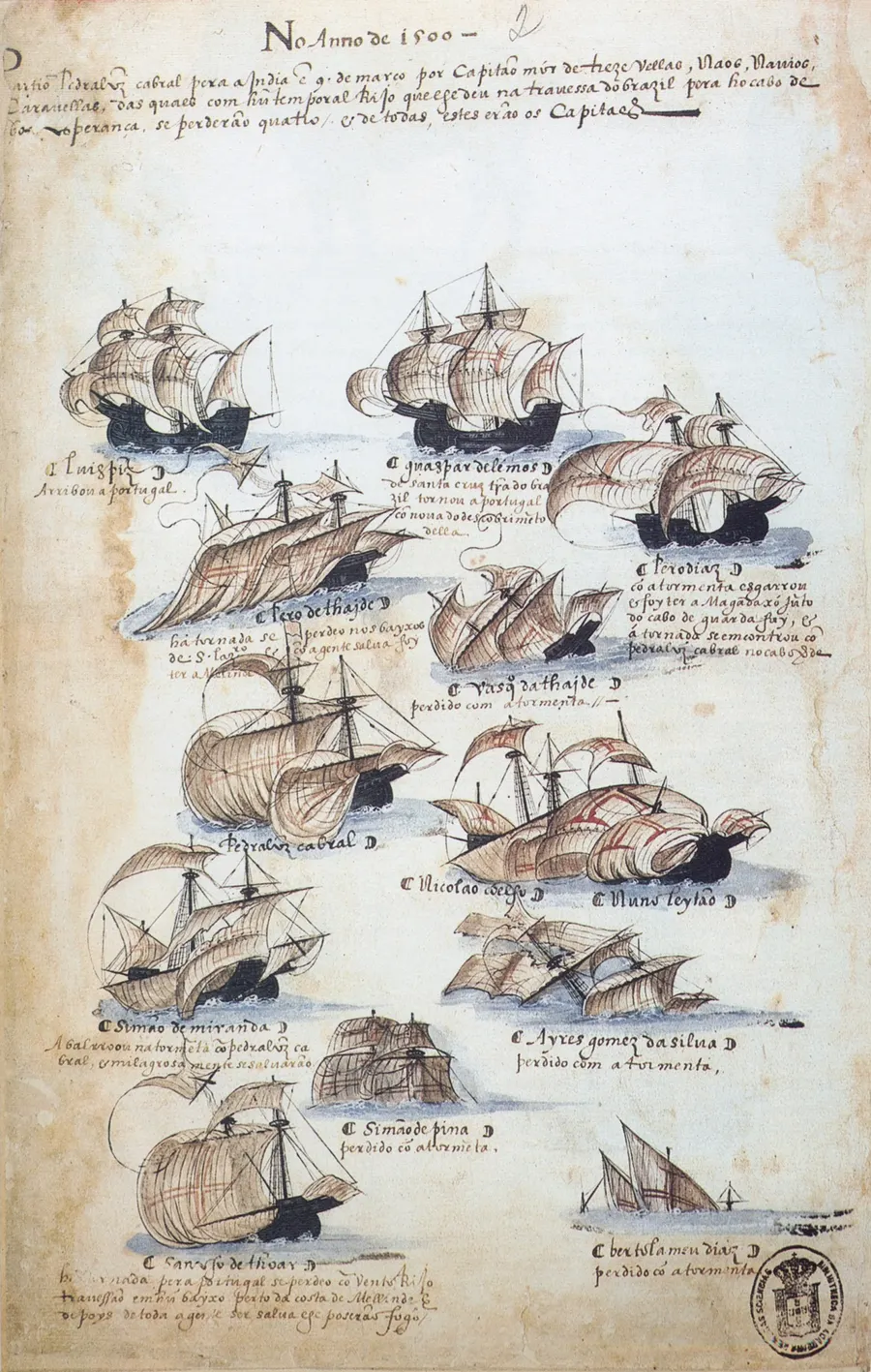 The ships of Cabral’s fleet of 1500, as drawn in the Livro das Armadas, a Portuguese record of the India fleets from about 1568Image: Unknown author · Public domain
world · Asia
Pedro Álvares Cabral’s fleet reaches Calicut
After Vasco da Gama found the sea route to India, King Manuel I of Portugal sent a much larger fleet of thirteen ships under Pedro Álvares Cabral to open trade with the spice markets of the Malabar coast. On the way the fleet sighted the coast of Brazil in April, and four ships were lost with all hands in a storm off the Cape of Good Hope. The surviving ships arrived at Calicut, today’s Kozhikode, on 13 September 1500. Cabral set up a trading post there, but it was attacked within months, and he bombarded the city before loading spices at Cochin and sailing home.
Source: Britannica: Pedro Álvares Cabral ↗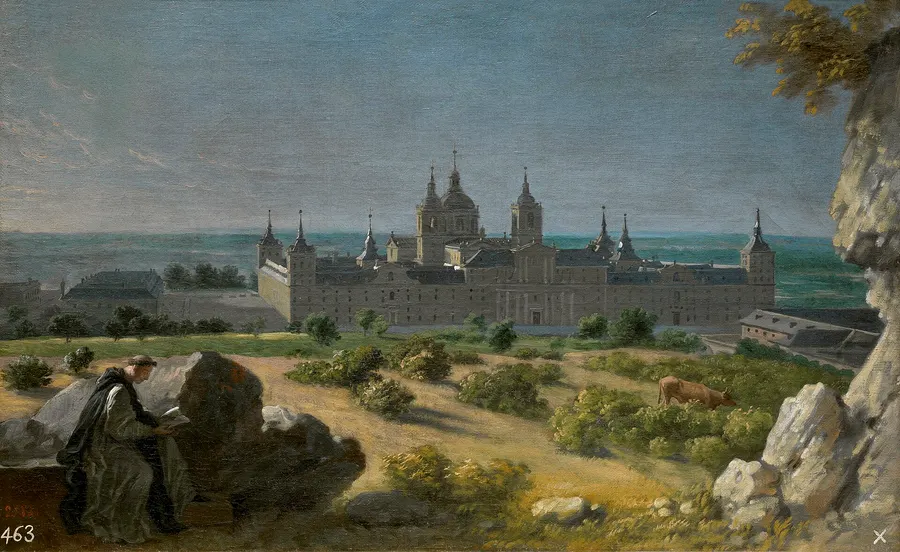 A general view of the monastery of El Escorial, painted by Michel-Ange Houasse in the early 18th centuryImage:
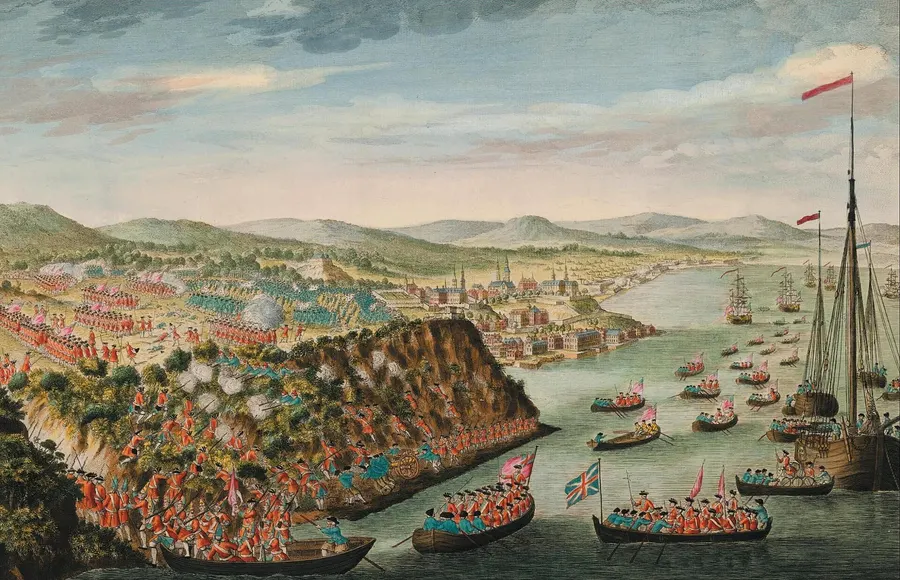 A view of the taking of Quebec, 13 September 1759: an engraving of 1797 based on a sketch by Hervey Smyth, General Wolfe’s aide-de-campImage:
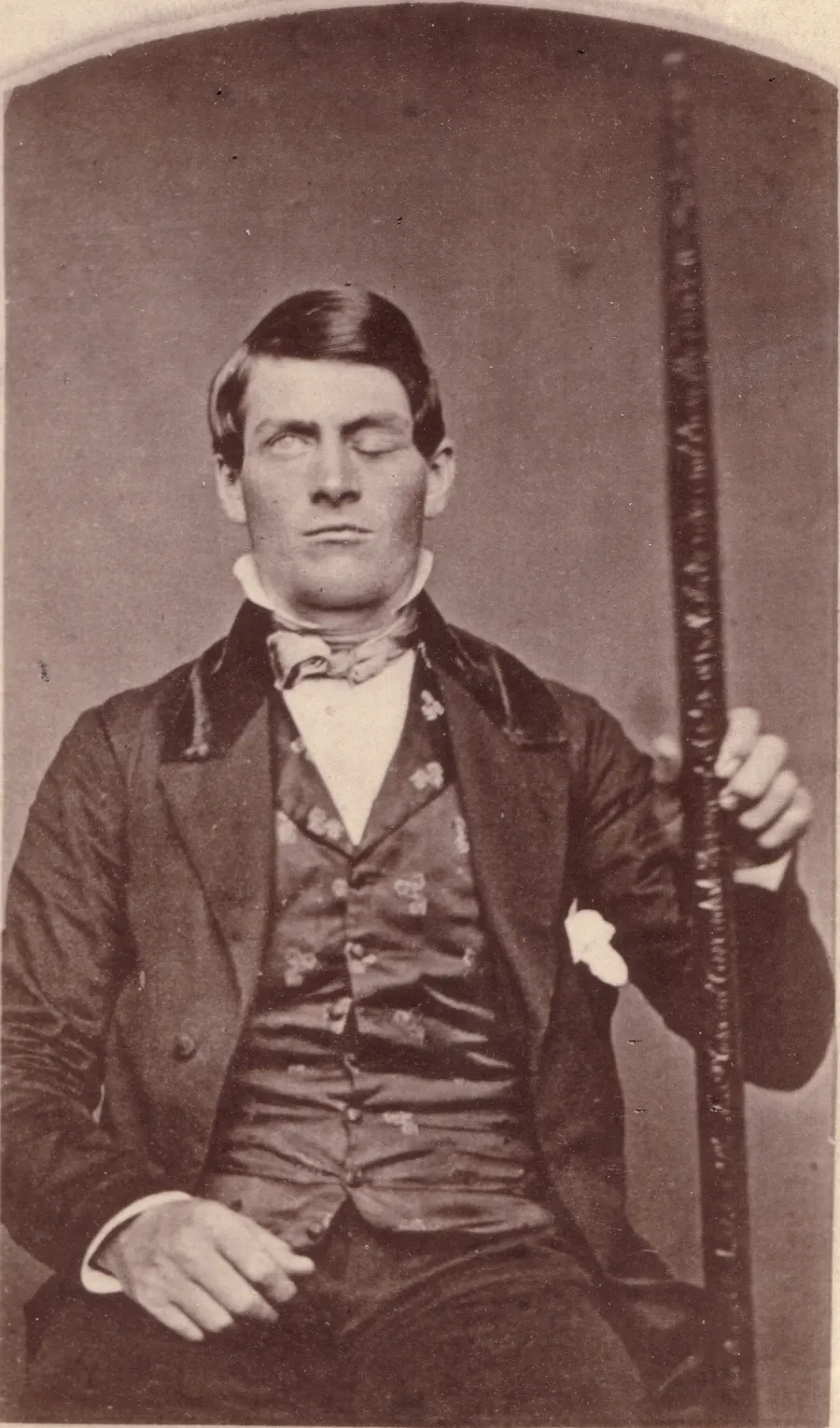 Phineas Gage, holding the tamping iron that injured him, in a cabinet-card portrait taken after his recoveryImage:
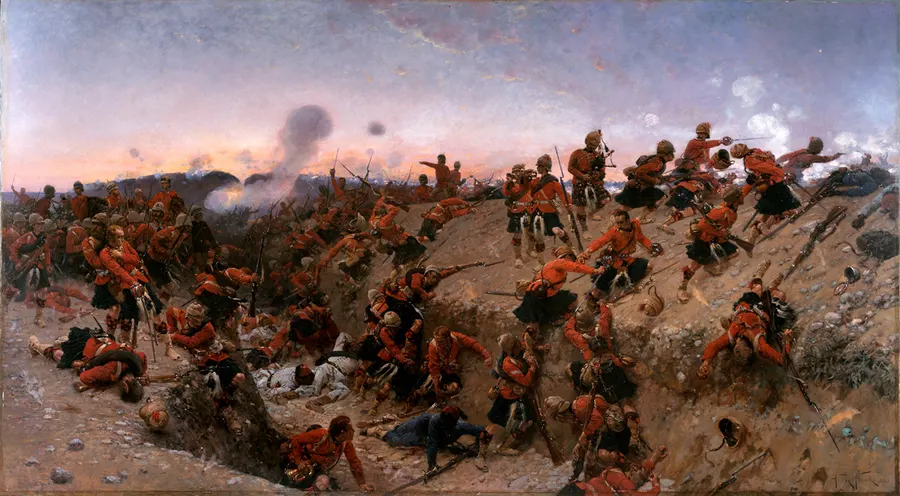 The Storming of Tel el Kebir, a painting by Alphonse de Neuville in National Museums ScotlandImage:
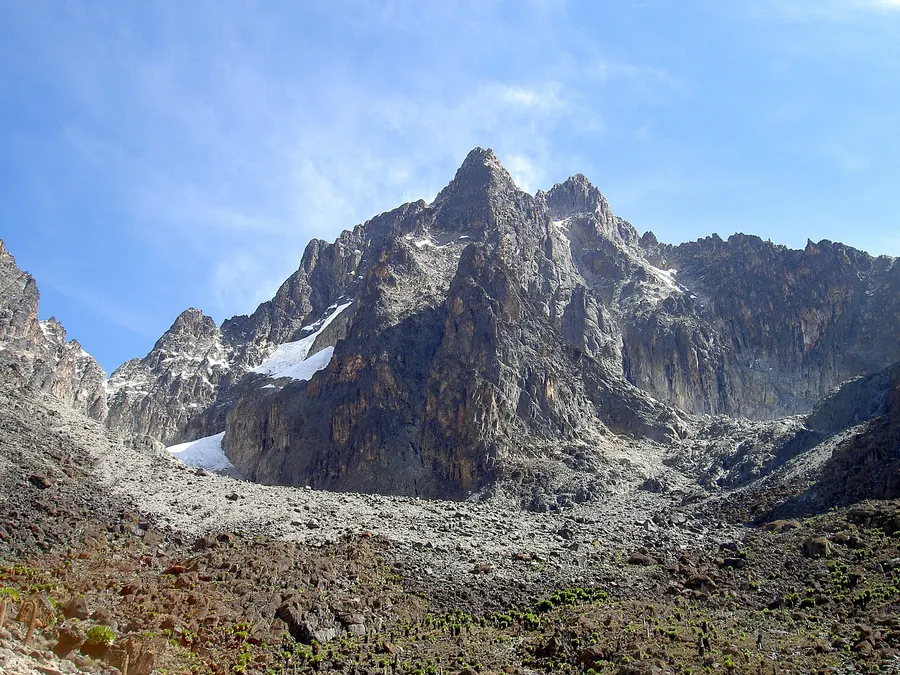 The twin summits of Mount Kenya, Batian and Nelion, with Point Slade in the foregroundImage:
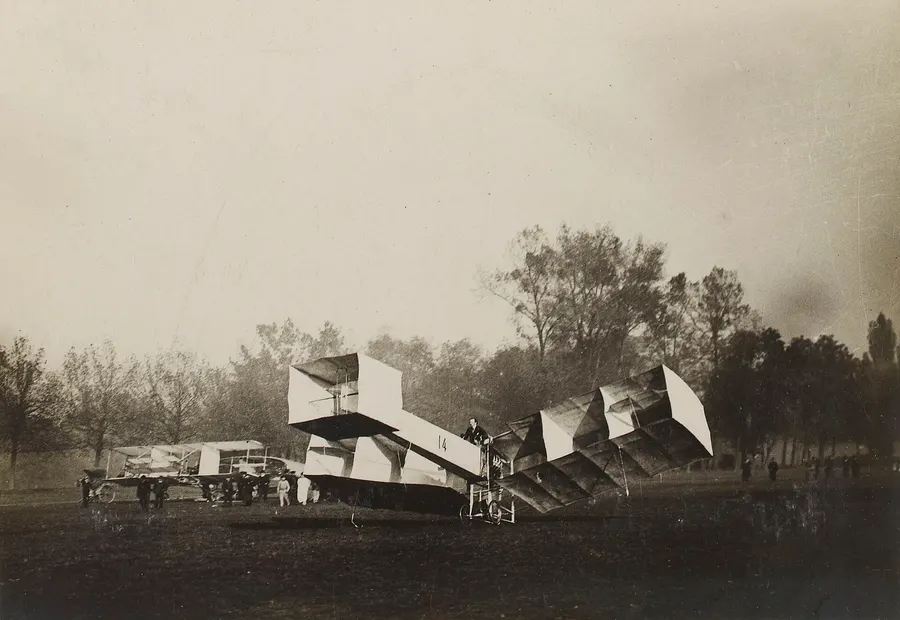 Alberto Santos-Dumont’s 14-bis at Bagatelle in 1906, with the Blériot IV in the backgroundImage:
 A thermometer at Furnace Creek in Death Valley, California, which now holds the world recordImage:
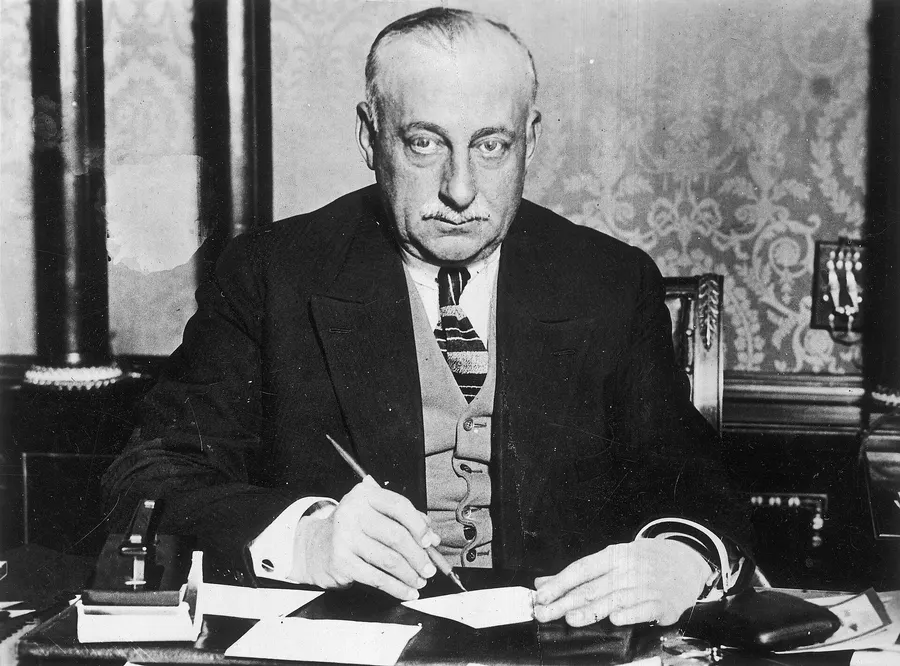 General Miguel Primo de Rivera, dictator of Spain from 1923 to 1930Image:
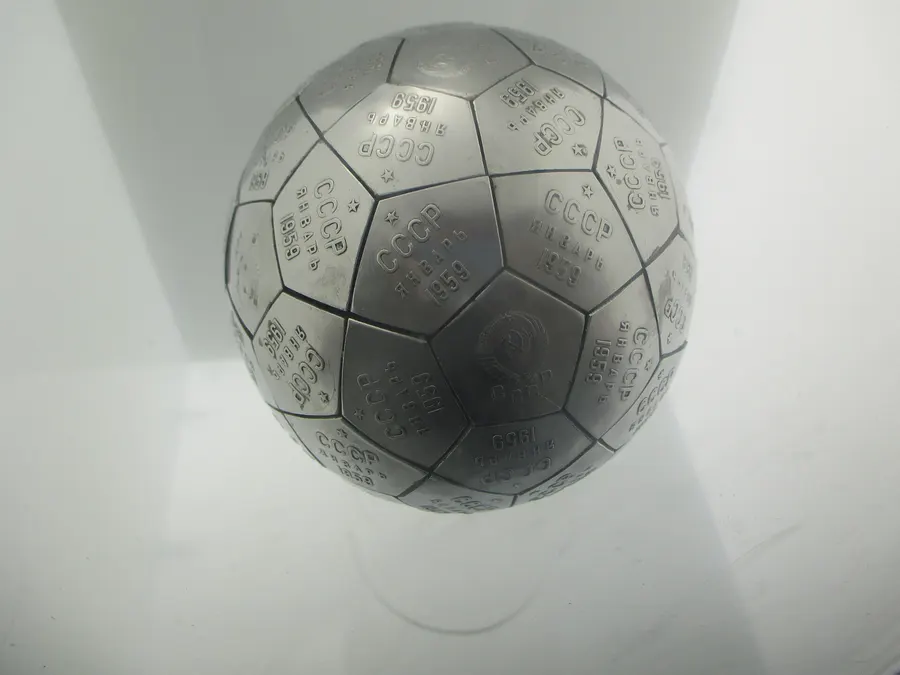 A copy of the Soviet pennant carried to the Moon by Luna 2, on display at the Kansas CosmosphereImage:
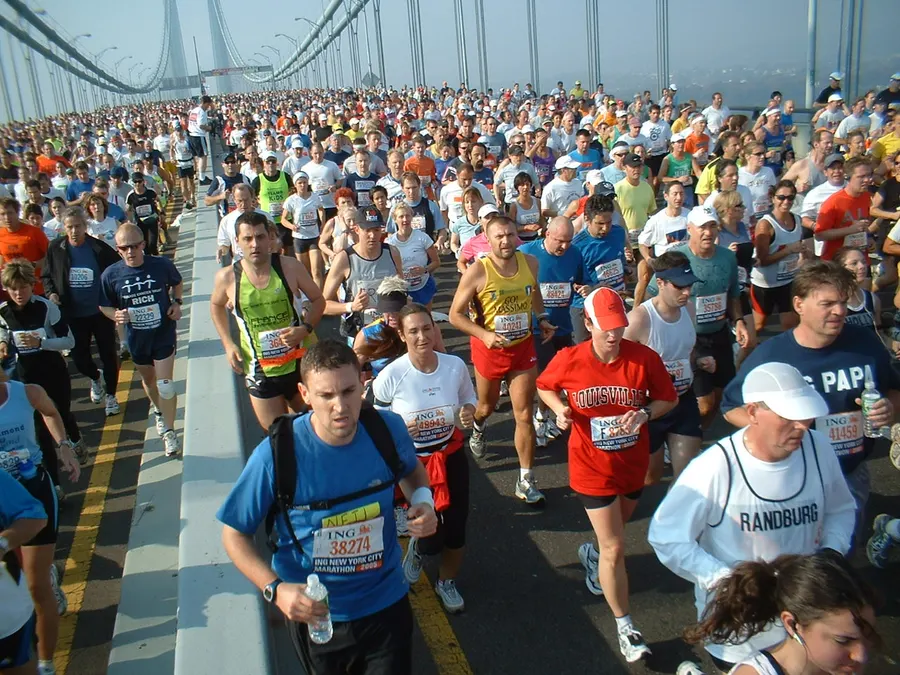 Runners crossing the Verrazzano-Narrows Bridge at the start of a modern New York City MarathonImage:
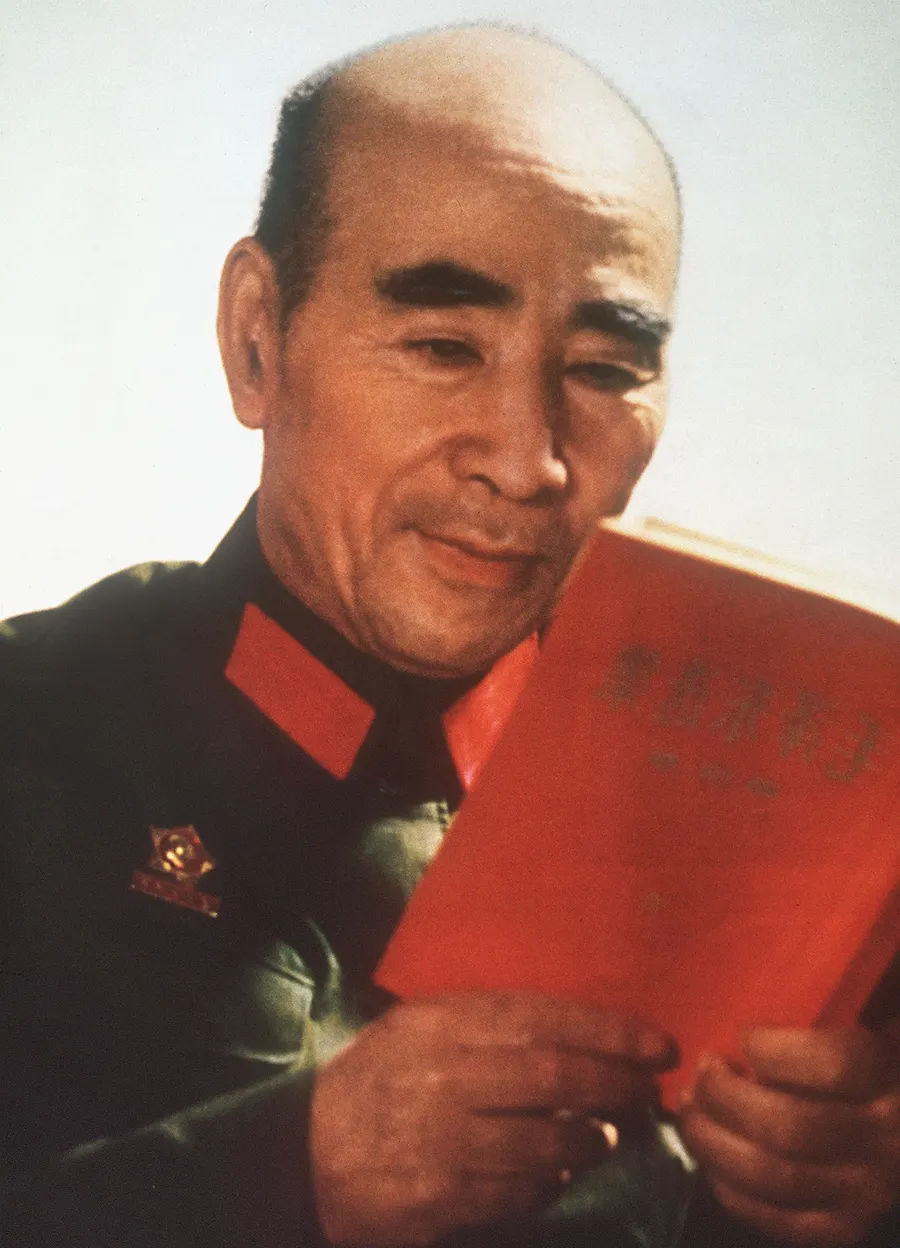 Lin Biao reading a copy of Mao Zedong’s ‘Little Red Book’ in Beijing in 1971Image:
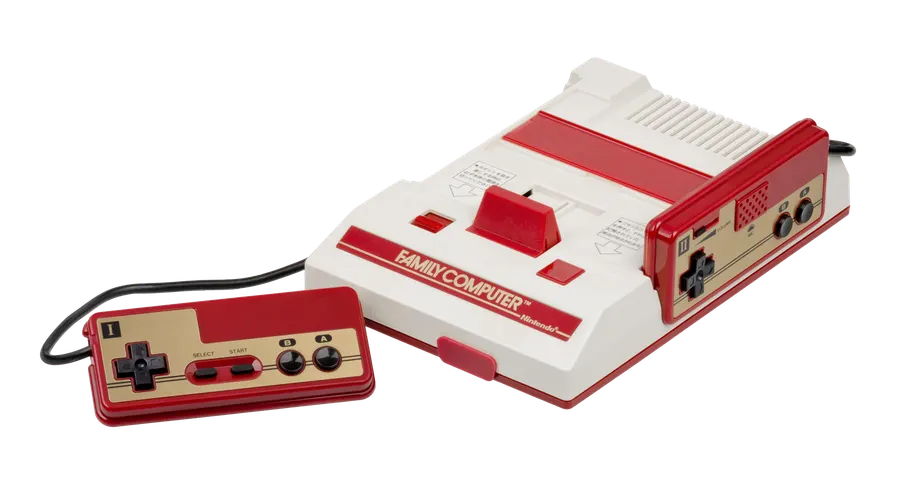 The Nintendo Famicom, or Family Computer, the home games console for which Super Mario Bros. was madeImage:
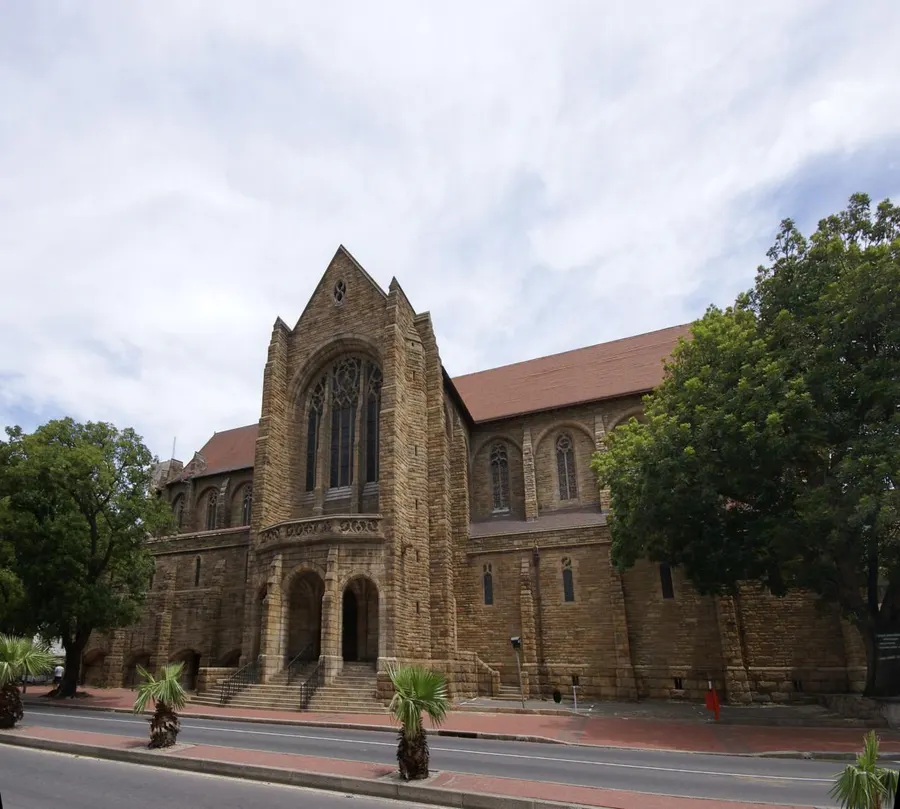 St George’s Cathedral in Cape Town, the cathedral of Archbishop Desmond TutuImage:
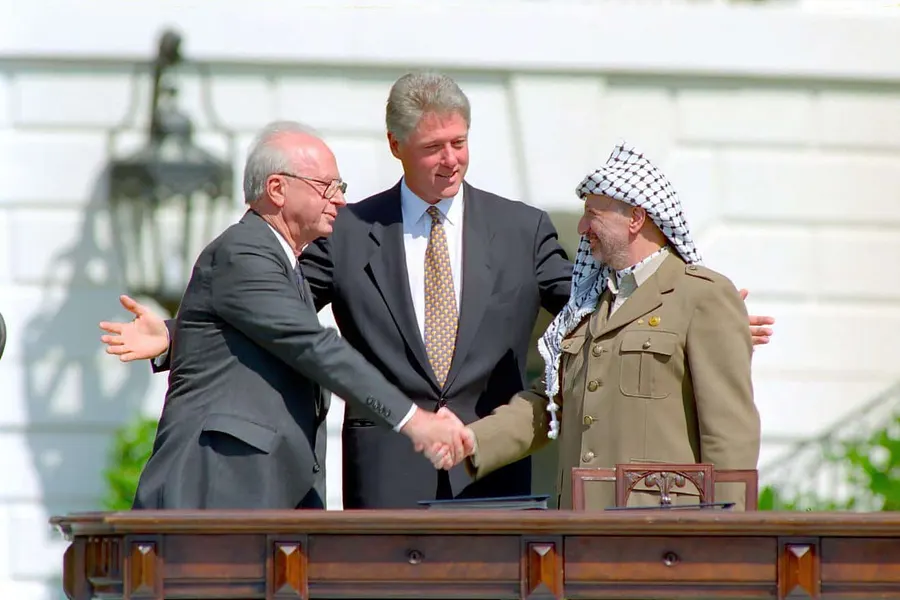 Yitzhak Rabin and Yasser Arafat shake hands, with Bill Clinton between them, on the White House lawn on 13 September 1993Image:
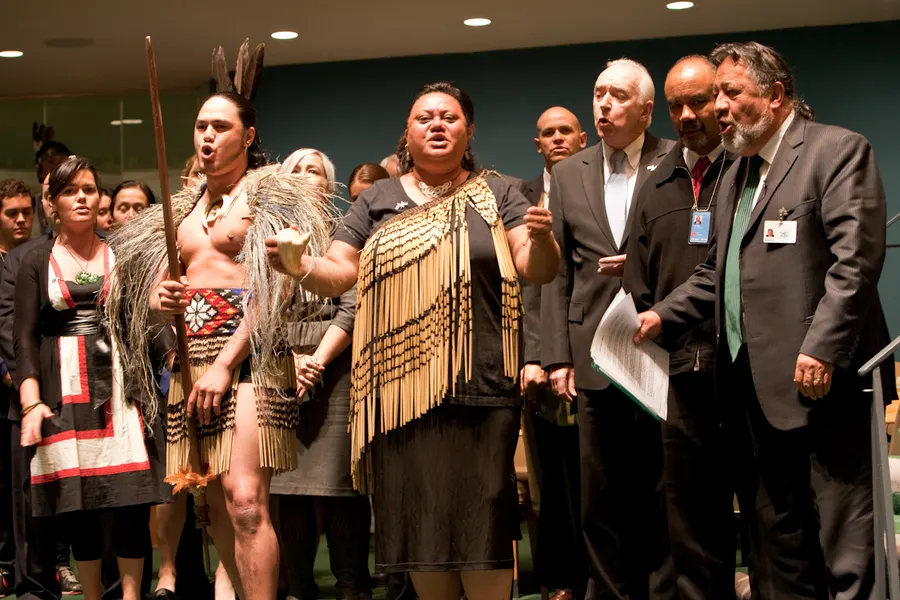 Members of a New Zealand delegation at the United Nations Permanent Forum on Indigenous Issues celebrate their country’s endorsement of the Declaration in 2010Image: