Explore 10 September

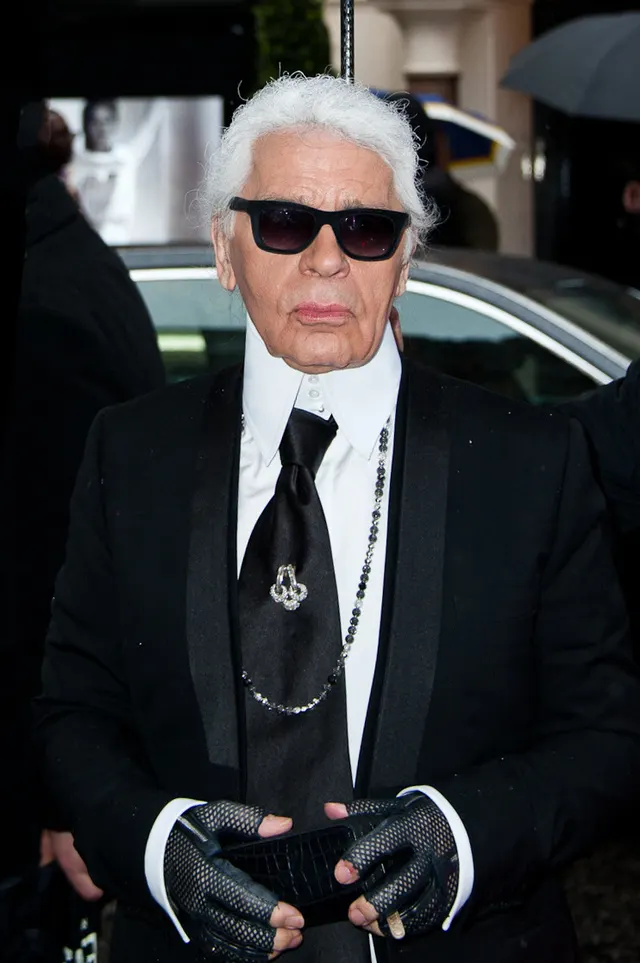
Explore 10 September: Oliver Hazard Perry wins the Battle of Lake Erie, Austria signs the Treaty of Saint-Germain, Gibraltar votes to stay British, Portugal recognises Guinea-Bissau’s independence, the first beam goes round the Large Hadron Collider and Abebe Bikila runs barefoot to Olympic gold. Born today: Elsa Schiaparelli, Arnold Palmer and Karl Lagerfeld.

This day through time →13 verified events across 5 eras

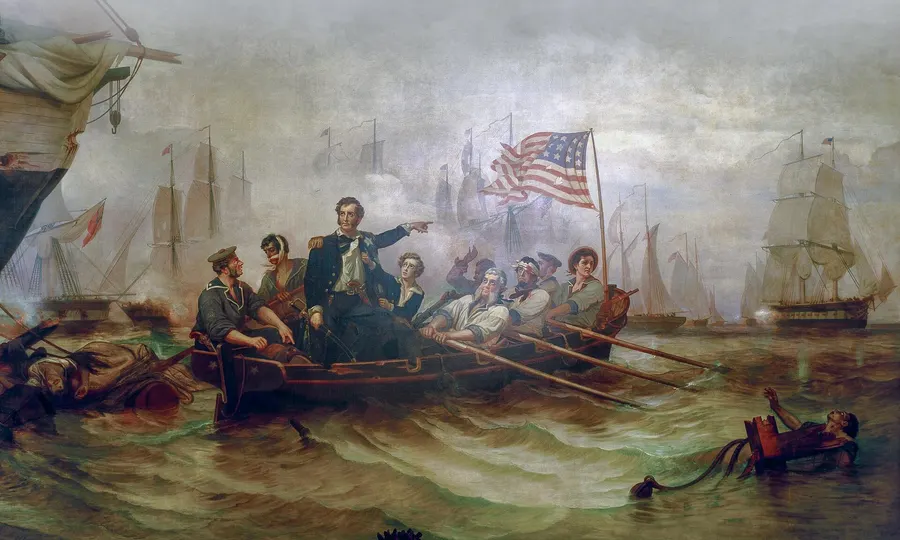
The Battle of Lake Erie, painted by William Henry Powell in 1865: Oliver Hazard Perry is rowed from the battered Lawrence to the Niagara
Image creditWilliam Henry Powell · Public domainResized and cropped for display.

Oliver Hazard Perry wins the Battle of Lake Erie

In the War of 1812 between the United States and Britain, control of the Great Lakes decided who could move troops and supplies along the frontier with Canada. The British held Lake Erie, and with it Detroit. Master Commandant Oliver Hazard Perry, aged 27, was sent to Erie, Pennsylvania, to build a squadron almost from nothing, and by late summer 1813 he had nine vessels ready to sail. His flagship, the brig Lawrence, flew a blue banner with the words ‘Don’t Give Up the Ship’.

On 10 September 1813 Perry’s squadron met six British ships under Commander Robert Barclay near Put-in-Bay at the western end of the lake. The Lawrence took the brunt of the British fire and was wrecked, with most of her crew killed or wounded. Perry had himself rowed to the almost untouched Niagara, sailed her back into the fight and forced the whole British squadron to surrender, something that had never happened before in the Royal Navy’s history. He reported to General William Henry Harrison: ‘We have met the enemy and they are ours.’ The victory let the Americans retake Detroit and push into Upper Canada.

Read the full storyHistory & Timeline →Source: Naval History and Heritage Command: 1813 on the Lakes, Lake Erie ↗
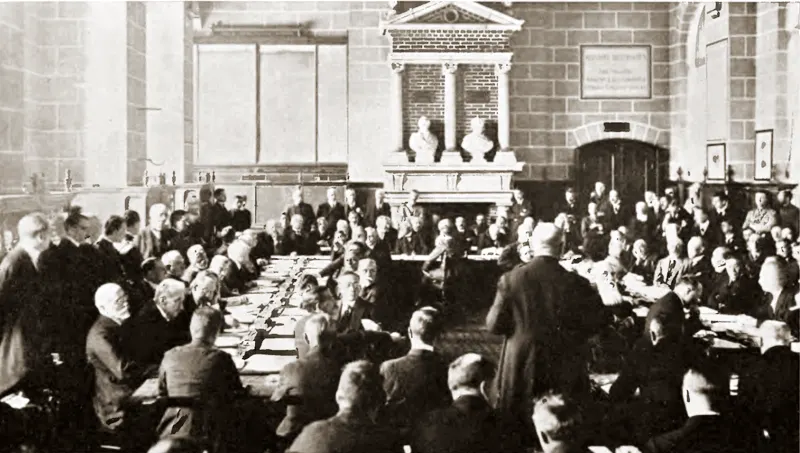
Karl Renner, head of the Austrian delegation, addresses the Allied delegates as the peace terms are handed over at Saint-Germain in 1919
Image creditUnknown author · Public domainResized and cropped for display.

Austria signs the Treaty of Saint-Germain

When the First World War ended in November 1918, the Habsburg empire fell apart. Czechoslovakia, Poland and the new kingdom of the Serbs, Croats and Slovenes broke away, Hungary went its own way, and the German-speaking heartland declared itself the Republic of German-Austria, hoping to join Germany. At the peace conference in Paris the Allies dealt with Austria separately, and its delegation, led by the chancellor Karl Renner, was summoned to the château at Saint-Germain-en-Laye, west of the city.

Renner signed the treaty there on 10 September 1919. Austria recognised the independence of the new states and gave up South Tyrol, Trentino, Trieste and Istria to Italy and other lands to its neighbours, leaving a small country of about six and a half million people. Union with Germany was forbidden without the consent of the League of Nations, the army was limited to 30,000 volunteers and the old imperial navy was shared out among the Allies. The country had to drop the name German-Austria and became simply the Republic of Austria. The treaty came into force in July 1920.

Read the full storyHistory & Timeline →Source: Britannica: Treaty of Saint-Germain ↗
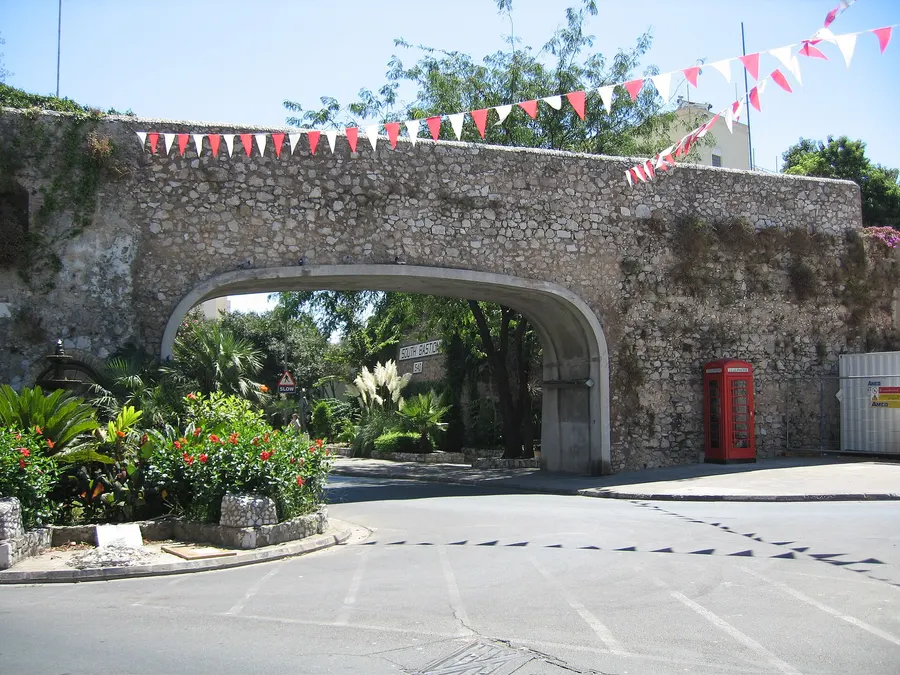
Referendum Gate in the Charles V Wall at Southport Gates, Gibraltar, named in memory of the 1967 sovereignty referendum
Image creditRalph · CC BY 2.0Resized and cropped for display.

Gibraltar votes to stay British

Britain had held Gibraltar, the rocky peninsula at the mouth of the Mediterranean, since 1704, and Spain had never stopped asking for it back. In the 1960s Francisco Franco’s government pressed its claim at the United Nations as a case of decolonisation, and tightened restrictions at the land frontier. The British government decided to let the people of Gibraltar themselves say where they wanted to belong.

On 10 September 1967 Gibraltarians were asked whether they wished to pass under Spanish sovereignty or to keep their link with Britain. Almost 96 per cent of voters took part, and the result was 12,138 votes for Britain and 44 for Spain. Spain did not accept the vote and in 1969 closed the frontier completely; it did not fully reopen until 1985. In Gibraltar the anniversary of the referendum is now celebrated every year as National Day, when the streets fill with red and white.

Read the full storyHistory & Timeline →Source: HM Government of Gibraltar: Gibraltar fact sheets ↗
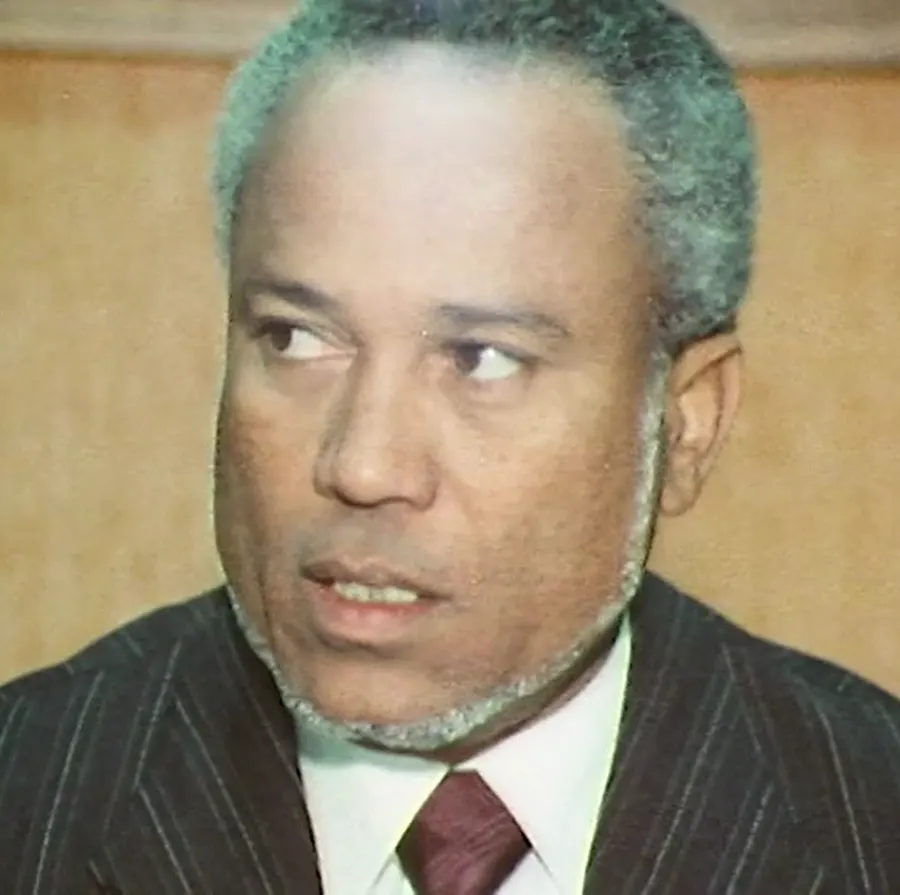
Luís Cabral, the first president of Guinea-Bissau, photographed in 1979
Image creditEC Audiovisual Center · CC BY 4.0Resized and cropped for display.

Portugal recognises the independence of Guinea-Bissau

From the early 1960s the PAIGC, the liberation movement founded by Amílcar Cabral, fought a guerrilla war against Portuguese rule in Guinea, a small colony on the west coast of Africa. By the early 1970s it controlled much of the countryside. Cabral was murdered in January 1973, but on 24 September that year the movement declared the independent Republic of Guinea-Bissau, with his half-brother Luís Cabral as president, and many countries recognised it. Portugal did not.

The long colonial wars in Africa helped bring down Portugal’s dictatorship in the Carnation Revolution of April 1974, and the new government in Lisbon opened talks with the liberation movements. On 10 September 1974 Portugal formally recognised Guinea-Bissau as an independent state, the first of its African colonies to be let go. Mozambique, Cape Verde, São Tomé and Príncipe and Angola followed to independence in 1975.

Read the full storyHistory & Timeline →Source: Britannica: Guinea-Bissau, independence ↗

♙
PEOPLE

Born Today

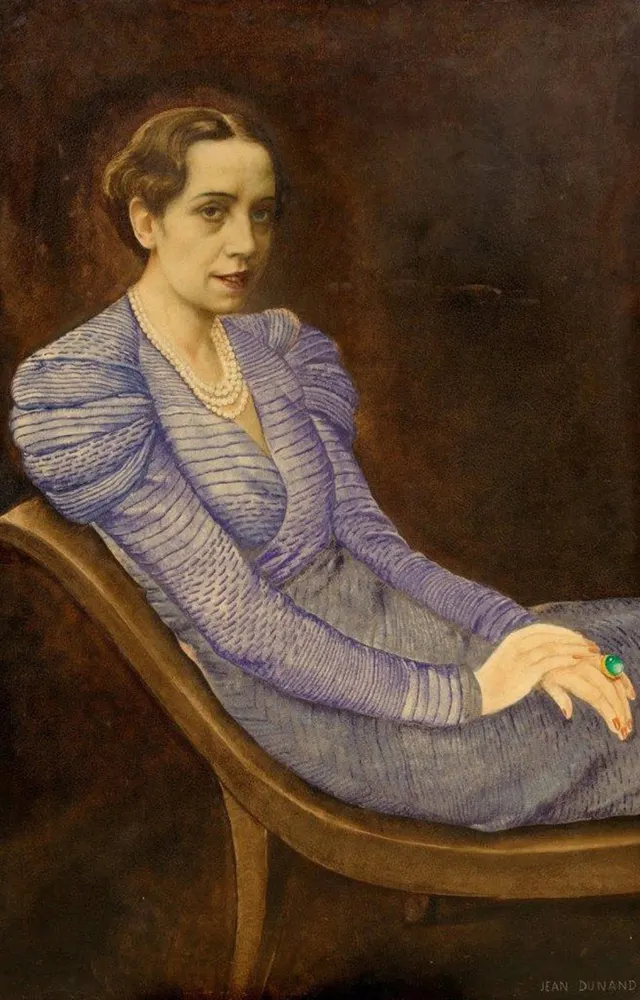
Elsa Schiaparelli
Image creditJean Dunand · Public domainResized and cropped for display.

Elsa Schiaparelli

Italian-born Paris couturier who worked with Salvador Dalí and other Surrealists and made ‘shocking pink’ her trademark.

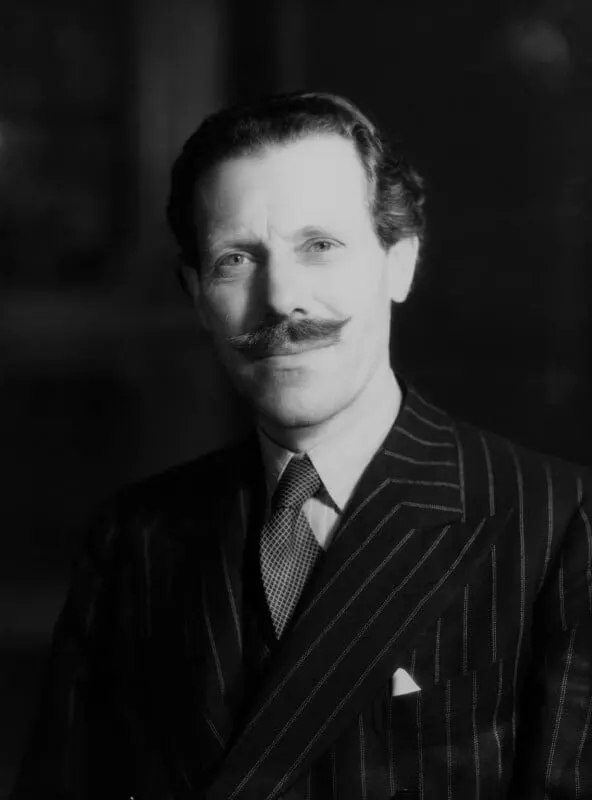
Mortimer Wheeler
Image creditBassano Ltd · Public domainResized and cropped for display.

Mortimer Wheeler

British archaeologist who excavated Maiden Castle and the cities of the Indus valley, and brought archaeology to television audiences.

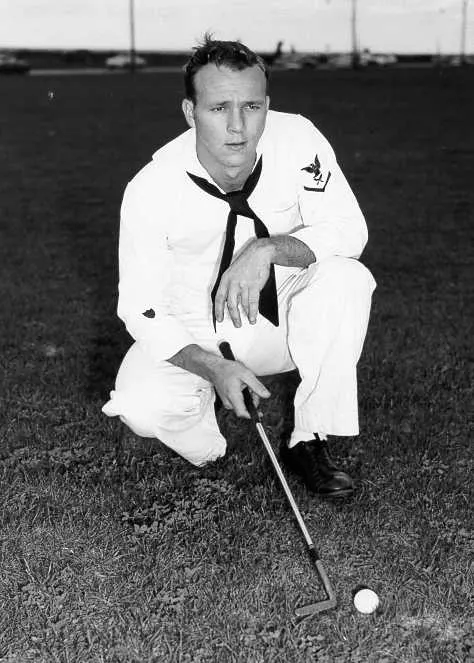
Arnold Palmer
Image creditU.S. Coast Guard · Public domainResized and cropped for display.

Arnold Palmer

American golfer who won seven major championships and, with his followers known as ‘Arnie’s Army’, helped make golf a television sport.

Stephen Jay Gould
Image creditEric Taylor · Public domainResized and cropped for display.

Stephen Jay Gould

American palaeontologist who proposed, with Niles Eldredge, the theory of punctuated equilibrium and wrote popular essays on evolution.

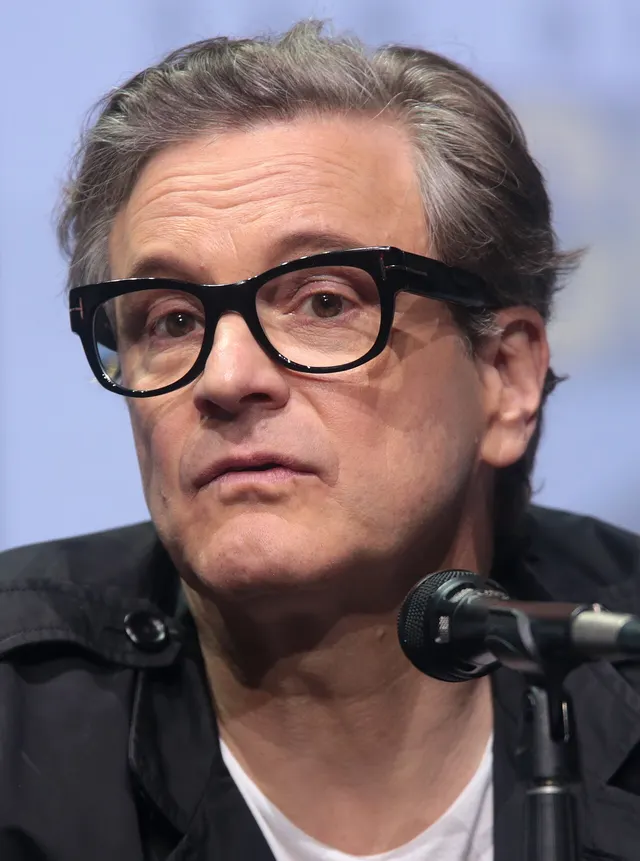
Colin Firth
Image creditGage Skidmore · CC BY-SA 2.0Resized and cropped for display.

Colin Firth

English actor who played Mr Darcy in the BBC’s Pride and Prejudice and won an Academy Award for The King’s Speech.

Jack Ma
Image creditFoundations World Economic Forum · CC BY 2.0Resized and cropped for display.

Jack Ma

Chinese former English teacher who co-founded the e-commerce company Alibaba in his flat in Hangzhou in 1999.

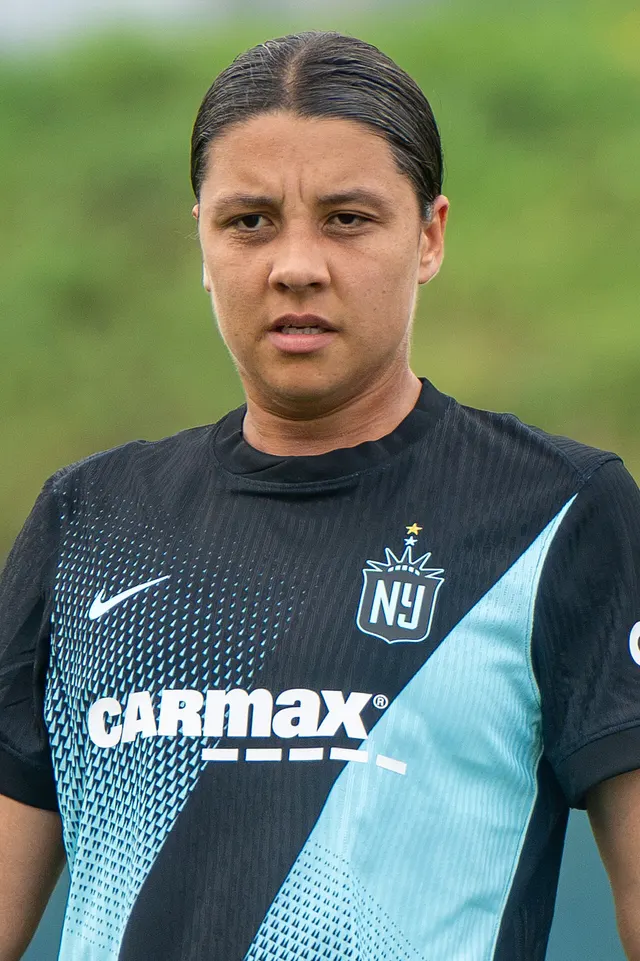
Sam Kerr
Image creditBryan Berlin · CC BY-SA 4.0Resized and cropped for display.

Sam Kerr

Australian footballer and national team captain, one of the most prolific goalscorers in the women’s game.

◉
IDEAS THAT CHANGED THINGS

Firsts, Science & Discoveries

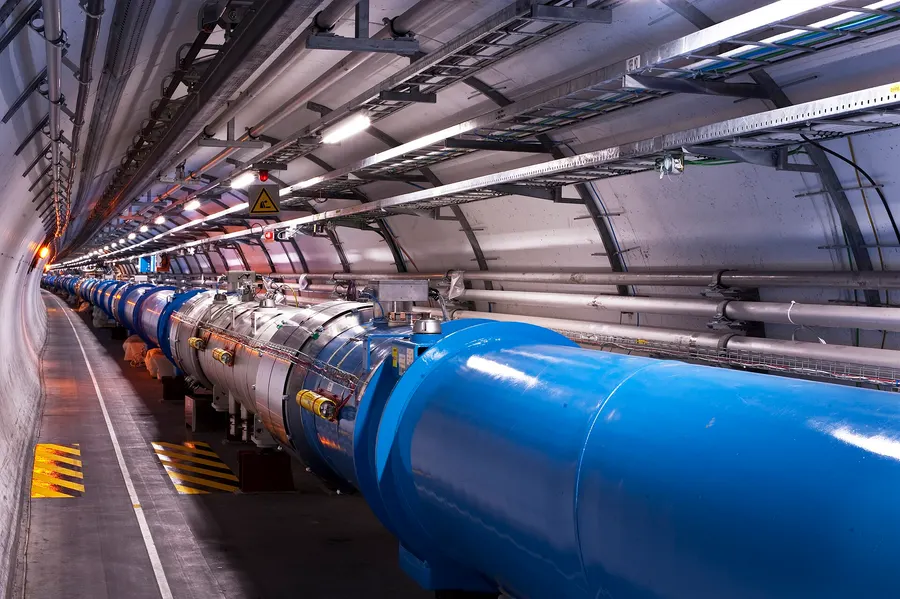
Magnets of the Large Hadron Collider in the tunnel of sector 3-4 at CERN, photographed in 2009
Image creditMaximilien Brice (CERN) · CC BY-SA 3.0Resized and cropped for display.

The first beam goes round the Large Hadron Collider

The Large Hadron Collider at CERN, the European laboratory for particle physics near Geneva, is a ring 27 kilometres round, buried about 100 metres under the French-Swiss border. More than a thousand superconducting magnets, cooled to colder than outer space, steer two beams of protons in opposite directions at almost the speed of light, so that they can be smashed together and the debris studied. It took more than two decades to plan and build.

On the morning of 10 September 2008, watched live by scientists and television audiences around the world, engineers injected the first beam at 9.30. At 10.28 it had been guided all the way round the ring, to cheers in the control room. Nine days later a faulty electrical connection between two magnets caused serious damage, and repairs took more than a year. Once running, the machine did what it was built for: in July 2012 CERN announced the discovery of the Higgs boson.

Read the full storyHistory & Timeline →Source: CERN: First beam in the LHC, accelerating science ↗
☆
SPORTING HISTORY

Sporting Moments

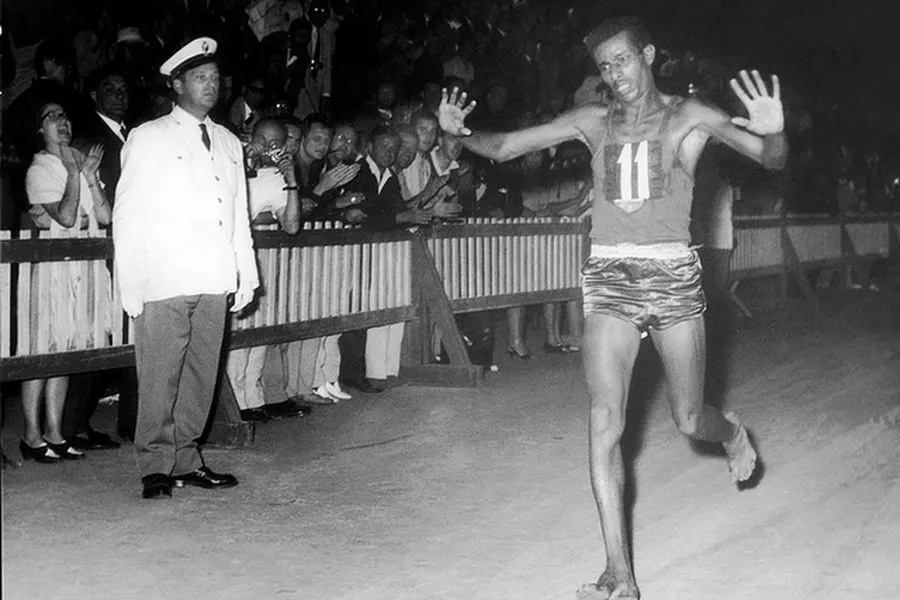
Abebe Bikila, barefoot, raises his arms as he finishes the Olympic marathon in Rome on the evening of 10 September 1960
Image creditUnknown author · Public domainResized and cropped for display.

Abebe Bikila runs barefoot to Olympic marathon gold

Abebe Bikila was a soldier in the Imperial Bodyguard of Emperor Haile Selassie of Ethiopia, almost unknown outside his country when he was picked for the 1960 Olympic Games in Rome. In the days before the race the shoes he had were worn out, and the new pair he was given hurt his feet, so he decided to run as he had trained: barefoot.

The marathon started late in the afternoon of 10 September 1960 to avoid the heat and finished after dark, with soldiers holding torches along the Appian Way. Bikila ran with Rhadi Ben Abdesselam of Morocco until the last kilometre, then pulled away near the Piazza di Porta Capena to finish under the Arch of Constantine in a world best time of 2 hours 15 minutes 16 seconds. He was the first athlete from sub-Saharan Africa to win an Olympic gold medal. Four years later, in shoes, he won the marathon again in Tokyo.

Read the full storyHistory & Timeline →Source: World Athletics: Remembering Bikila’s 1960 Olympic marathon victory on its 60th anniversary ↗
♫
MUSIC • FILM • BOOKS • CULTURE

Culture Stories

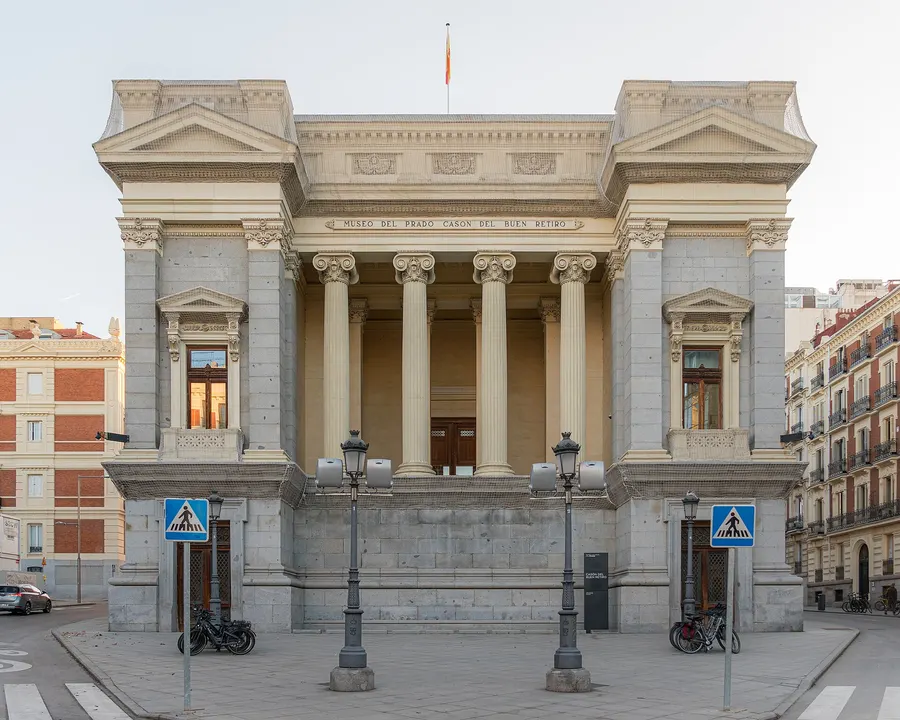
The west front of the Casón del Buen Retiro in Madrid, where Guernica was shown from 1981 to 1992
Image creditFernando · CC BY-SA 4.0Resized and cropped for display.

Picasso’s Guernica comes home to Spain

Pablo Picasso painted Guernica in 1937 for the Spanish Republic’s pavilion at the Paris World Fair, in response to the bombing of the Basque town during the Spanish Civil War. After the Republic’s defeat the huge black, white and grey canvas went on tour and from 1939 stayed at the Museum of Modern Art in New York. Picasso insisted that it should go to Spain only when the country was a democracy again. He died in 1973 and Franco in 1975, and long, discreet negotiations followed.

On 10 September 1981 the painting landed at Madrid’s Barajas airport from New York, together with Picasso’s sketches and studies for it. It was installed behind bulletproof glass in the Casón del Buen Retiro, part of the Prado, and opened to the public the next month. Coming just six years after Franco’s death, its return was seen as a symbol of Spain’s new democracy. In 1992 it moved to the Museo Nacional Centro de Arte Reina Sofía, where it hangs today.

Read the full storyHistory & Timeline →Source: Museo Reina Sofía, Rethinking Guernica: The return of the last exile ↗
✦
LIVES REMEMBERED

Remembered Today

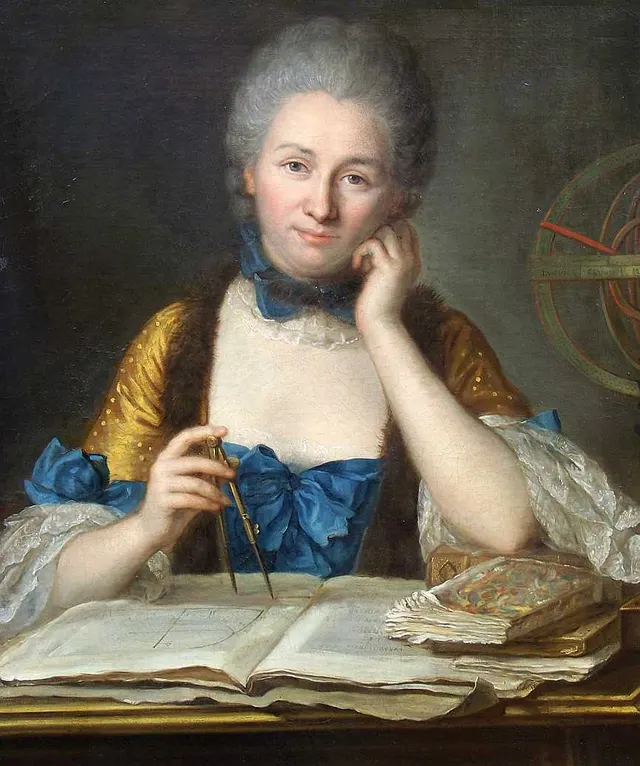
Émilie du Châtelet
Image creditMaurice Quentin de La Tour · Public domainResized and cropped for display.

Émilie du Châtelet

French mathematician and physicist whose translation of Newton’s Principia, with her own commentary, remained the standard French version for two centuries.

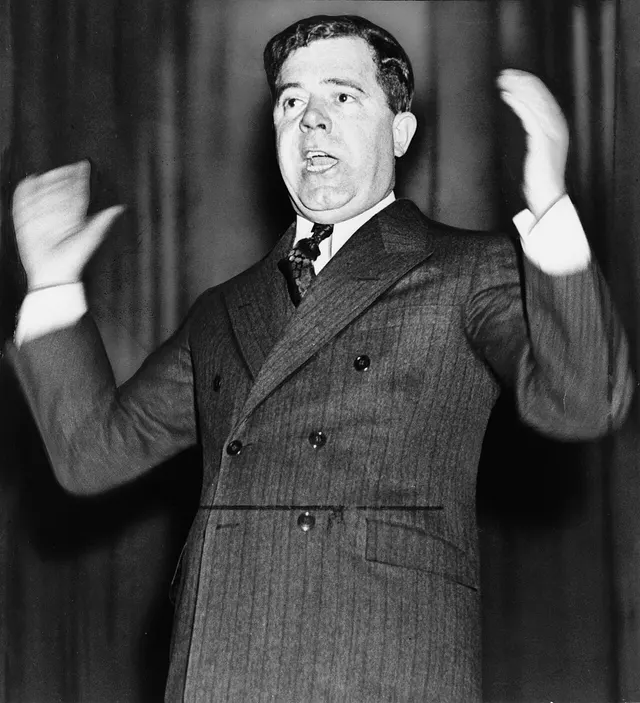
Huey Long
Image creditUncredited news photographer. · Public domainResized and cropped for display.

Huey Long

Louisiana governor and senator known as ‘the Kingfish’, whose ‘Share Our Wealth’ plan won him millions of followers; he was shot in the state capitol.

Dalton Trumbo
Image creditLos Angeles Times · CC BY 4.0Resized and cropped for display.

Dalton Trumbo

American screenwriter blacklisted by Hollywood as one of the ‘Hollywood Ten’, who won Oscars under other names and wrote Spartacus.

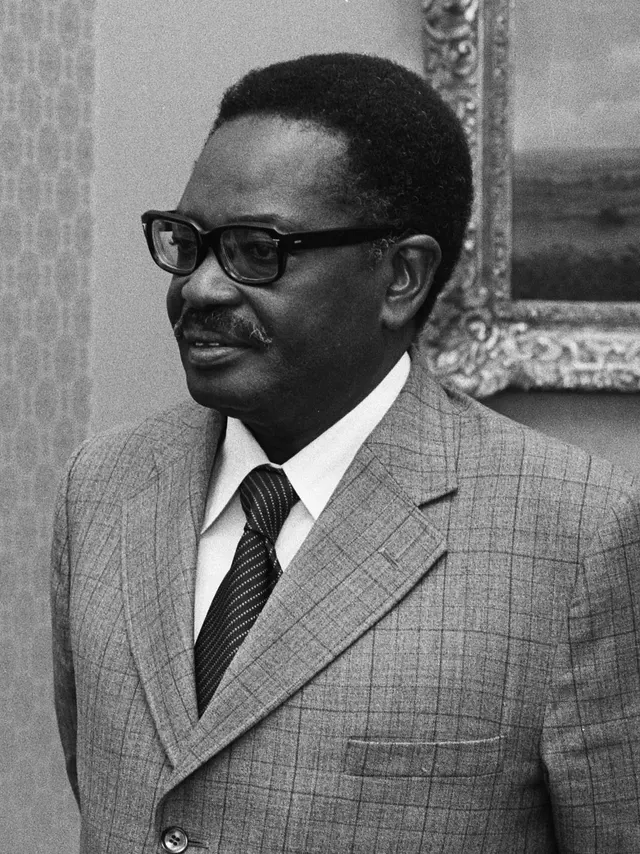
Agostinho Neto
Image creditRob Mieremet / Anefo · CC0Resized and cropped for display.

Agostinho Neto

Angolan poet and doctor who led the MPLA in the war against Portuguese rule and became his country’s first president in 1975.

☉
AROUND THE WORLD

Observances & Anniversaries

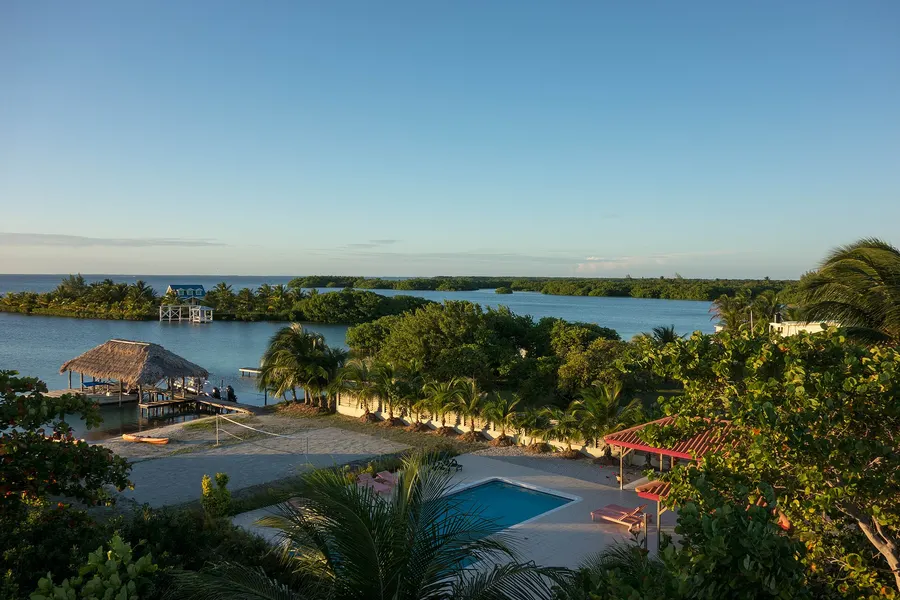
St. George's Caye, a small island off the coast of Belize, in 2012
St. George’s Caye, a small island off the coast of Belize, in 2012
Image creditKent Wang · CC BY-SA 2.0Resized and cropped for display.

Saint George’s Caye Day, Belize

Belize marks 10 September as a public holiday in memory of the Battle of St. George’s Caye in 1798. For a week a Spanish fleet tried to capture the settlement on the Bay of Honduras, and on 10 September it was driven off by the Baymen, the British settlers, and the enslaved Africans who fought alongside them. The victory ended Spain’s attempts to take the territory, which became British Honduras and, in 1981, independent Belize.

The day was declared a public holiday in 1898, on the battle’s hundredth anniversary. It opens a month of ‘September Celebrations’ with parades and festivities that run until Independence Day on 21 September.

Source: Belize Tourism Board: Battle of St. George’s Caye Day ↗
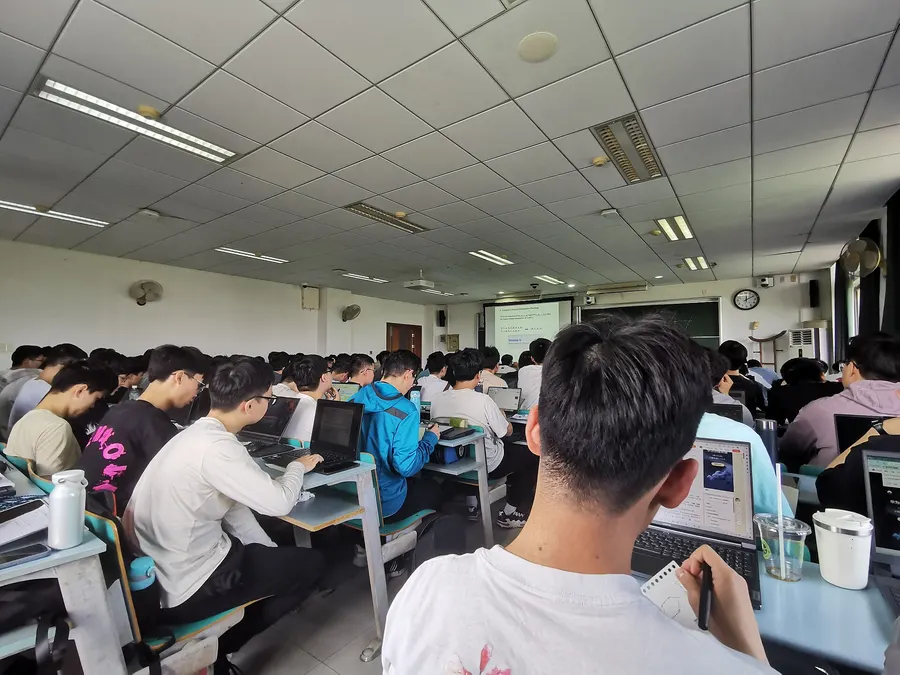
Students in a class at Zhejiang University's Zijingang campus in Hangzhou, 2024
Students in a class at Zhejiang University’s Zijingang campus in Hangzhou, 2024
Image creditFélix An · CC BY 4.0Resized and cropped for display.

Teachers’ Day, China

In January 1985 China’s national legislature, the Standing Committee of the National People’s Congress, approved a proposal from the State Council to set aside 10 September every year as Teachers’ Day, to honour the work of teachers. The first was held that September.

The Teachers Law of 1993 confirmed the date. Schools and universities hold ceremonies, pupils give their teachers cards and flowers, and outstanding teachers receive national awards.

Source: Ministry of Education of the People’s Republic of China: Teacher’s Day in China ↗
HISTORY & TIMELINE

Finished the highlights?

Follow 10 September chronologically, from the Middle Ages to the modern day, with 13 verified events and the sources behind them.

This day through time →