
HISTORY & TIMELINE
10 September

A journey through
10 September in history

The story of 10 September runs from the murder of John the Fearless on the bridge at Montereau in 1419 to the unveiling of Homo naledi in South Africa in 2015. In between come the Great Martyrdom of Nagasaki, the Battle of Lake Erie, Elias Howe’s sewing-machine patent, the Treaty of Saint-Germain, Canada’s own declaration of war in 1939, Abebe Bikila’s barefoot marathon in Rome, the Gibraltar referendum, Portugal’s recognition of Guinea-Bissau, the return of Picasso’s Guernica to Spain, Alec Jeffreys’s discovery of the DNA fingerprint and the first beam in the Large Hadron Collider.

II
THE MIDDLE AGES

Medieval History

Kingdoms, conflict, faith, power and the changing medieval world.

1419
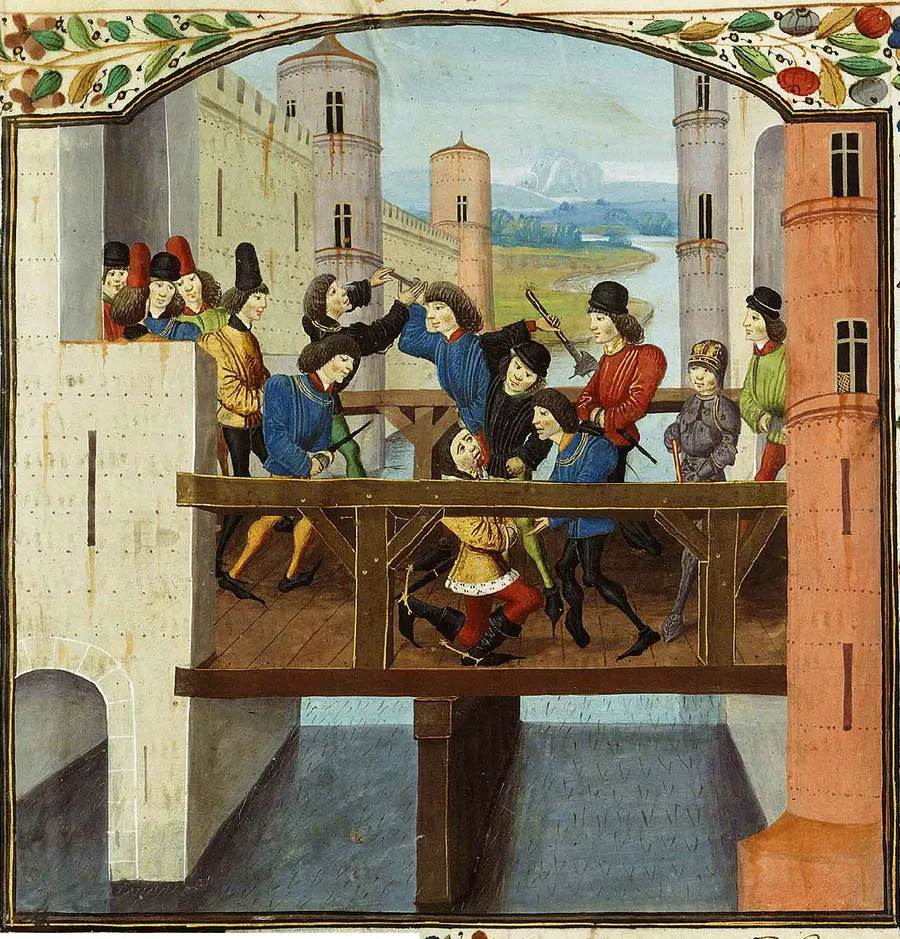
The killing of John the Fearless on the bridge at Montereau, an illumination from a copy of Monstrelet's chronicle made in Bruges about 1470-1480The killing of John the Fearless on the bridge at Montereau, an illumination from a copy of Monstrelet’s chronicle made in Bruges about 1470-1480Image: Louis de Gruuthuse · Public domain
politics · Europe

John the Fearless, Duke of Burgundy, is killed on the bridge at Montereau

France in the 1410s was torn between two factions, the Burgundians led by Duke John the Fearless and the Armagnacs, while Henry V of England conquered Normandy. In 1419 John agreed to meet the dauphin Charles, the heir to the throne, to seek a truce. On 10 September 1419 the two men met on the bridge at Montereau, south-east of Paris, each with ten companions, and John was struck down and killed by the dauphin’s followers. His son Philip the Good allied himself with the English to avenge him, which opened the way for the Treaty of Troyes in 1420 that made Henry V heir to France.

Source: Britannica: John, duke of Burgundy ↗
III
A CHANGING WORLD

Early Modern Era

Exploration, political change, scientific development and expanding global connections.

1622
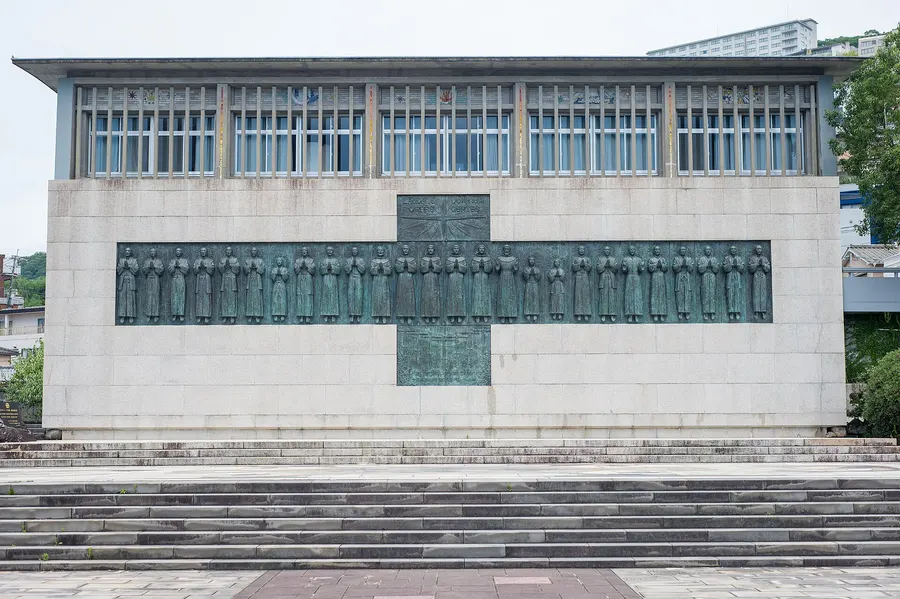
The memorial to the Twenty-Six Martyrs on Nishizaka Hill in Nagasaki, the hill where the executions of 1622 also took placeThe memorial to the Twenty-Six Martyrs on Nishizaka Hill in Nagasaki, the hill where the executions of 1622 also took placeImage: BigCheddah · CC BY-SA 4.0
culture · Asia

The Great Martyrdom of Nagasaki

Japan’s Tokugawa shoguns banned Christianity in 1614 and hunted down the missionaries and Japanese believers who remained. On 10 September 1622, on Nishizaka Hill outside Nagasaki, more than fifty Christians were put to death in a single day: priests and brothers of the Jesuit, Dominican and Franciscan orders were burned at the stake, and many lay believers, among them women and children, were beheaded. Among the dead were the Italian Jesuit Carlo Spinola and Sebastian Kimura, the first Japanese to be ordained a Catholic priest. Accounts give slightly different numbers. The victims were later beatified by the Catholic Church.

Source: Catholic Encyclopedia (New Advent): Japanese Martyrs ↗
IV
THE NINETEENTH CENTURY

The 1800s

Industry, empire, invention, reform and a century of enormous transformation.

1813
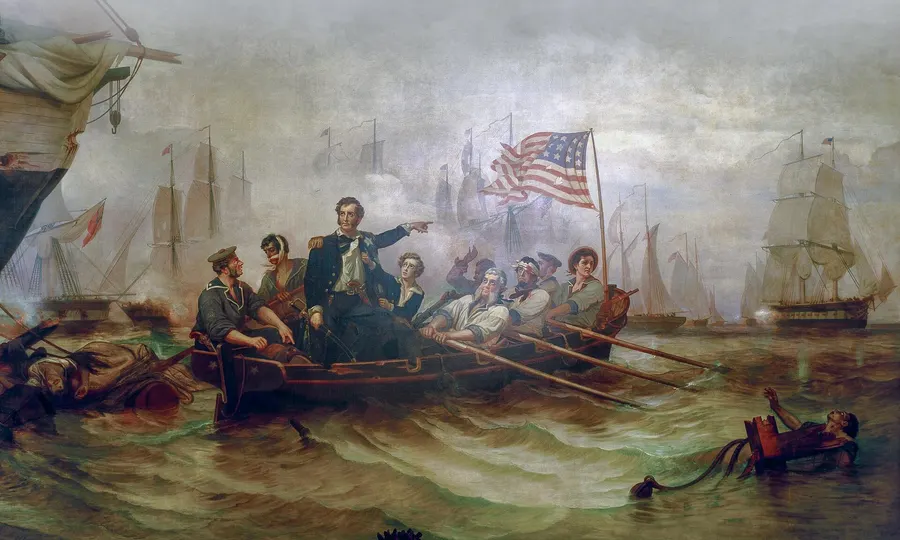
The Battle of Lake Erie, painted by William Henry Powell in 1865: Oliver Hazard Perry is rowed from the battered Lawrence to the NiagaraThe Battle of Lake Erie, painted by William Henry Powell in 1865: Oliver Hazard Perry is rowed from the battered Lawrence to the NiagaraImage: William Henry Powell · Public domain
world · Americas

Oliver Hazard Perry wins the Battle of Lake Erie

In the War of 1812 between the United States and Britain, control of the Great Lakes decided who could move troops and supplies along the frontier with Canada. The British held Lake Erie, and with it Detroit. Master Commandant Oliver Hazard Perry, aged 27, was sent to Erie, Pennsylvania, to build a squadron almost from nothing, and by late summer 1813 he had nine vessels ready to sail. His flagship, the brig Lawrence, flew a blue banner with the words ‘Don’t Give Up the Ship’. On 10 September 1813 Perry’s squadron met six British ships under Commander Robert Barclay near Put-in-Bay at the western end of the lake. The Lawrence took the brunt of the British fire and was wrecked, with most of her crew killed or wounded. Perry had himself rowed to the almost untouched Niagara, sailed her back into the fight and forced the whole British squadron to surrender, something that had never happened before in the Royal Navy’s history. He reported to General William Henry Harrison: ‘We have met the enemy and they are ours.’ The victory let the Americans retake Detroit and push into Upper Canada.

Source: Naval History and Heritage Command: 1813 on the Lakes, Lake Erie ↗
1846
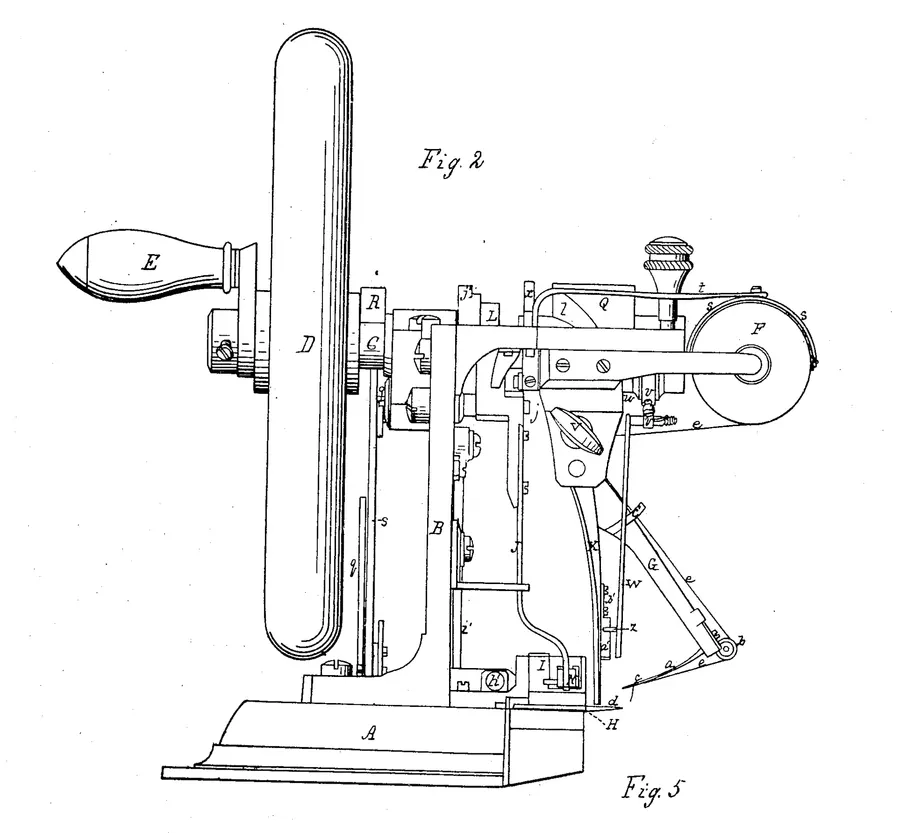
Side view of Elias Howe's sewing machine from the drawings of US patent 4,750, issued on 10 September 1846Side view of Elias Howe’s sewing machine from the drawings of US patent 4,750, issued on 10 September 1846Image: Elias Howe · Public domain
world · Americas

Elias Howe patents his sewing machine

Elias Howe, a machinist from Massachusetts, spent years trying to make a machine that could sew. His answer used a curved needle with the eye near the point, carried on a swinging arm, and a shuttle that passed a second thread through each loop to lock the stitch. On 10 September 1846 he was granted United States patent number 4,750. Few people bought his machine at first, and while he was in England others began making machines that copied his idea. After years of lawsuits his rights were upheld in 1854, and until the patent ran out in 1867 he earned a royalty on almost every sewing machine made in America.

Source: Smithsonian National Museum of American History: 1846 Elias Howe Jr.’s sewing machine patent model ↗
V
THE TWENTIETH CENTURY

The 1900s

War and peace, technological leaps, social change, politics, sport and popular culture.

1919
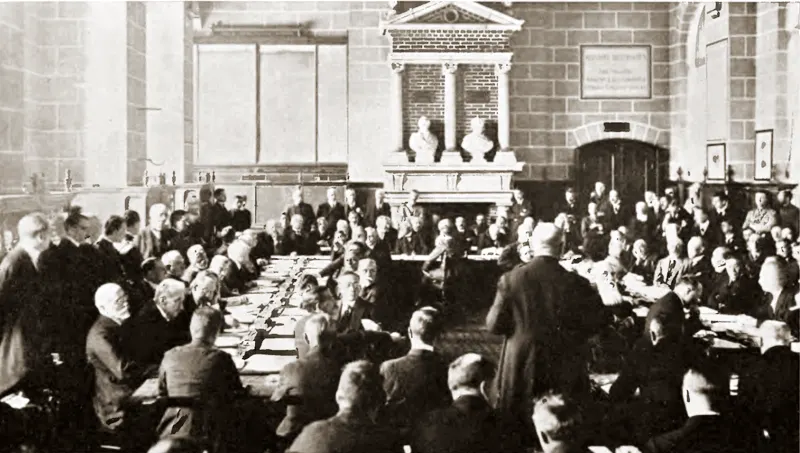
Karl Renner, head of the Austrian delegation, addresses the Allied delegates as the peace terms are handed over at Saint-Germain in 1919Karl Renner, head of the Austrian delegation, addresses the Allied delegates as the peace terms are handed over at Saint-Germain in 1919Image: Unknown author · Public domain
world · Europe

Austria signs the Treaty of Saint-Germain

When the First World War ended in November 1918, the Habsburg empire fell apart. Czechoslovakia, Poland and the new kingdom of the Serbs, Croats and Slovenes broke away, Hungary went its own way, and the German-speaking heartland declared itself the Republic of German-Austria, hoping to join Germany. At the peace conference in Paris the Allies dealt with Austria separately, and its delegation, led by the chancellor Karl Renner, was summoned to the château at Saint-Germain-en-Laye, west of the city. Renner signed the treaty there on 10 September 1919. Austria recognised the independence of the new states and gave up South Tyrol, Trentino, Trieste and Istria to Italy and other lands to its neighbours, leaving a small country of about six and a half million people. Union with Germany was forbidden without the consent of the League of Nations, the army was limited to 30,000 volunteers and the old imperial navy was shared out among the Allies. The country had to drop the name German-Austria and became simply the Republic of Austria. The treaty came into force in July 1920.

Source: Britannica: Treaty of Saint-Germain ↗
1939
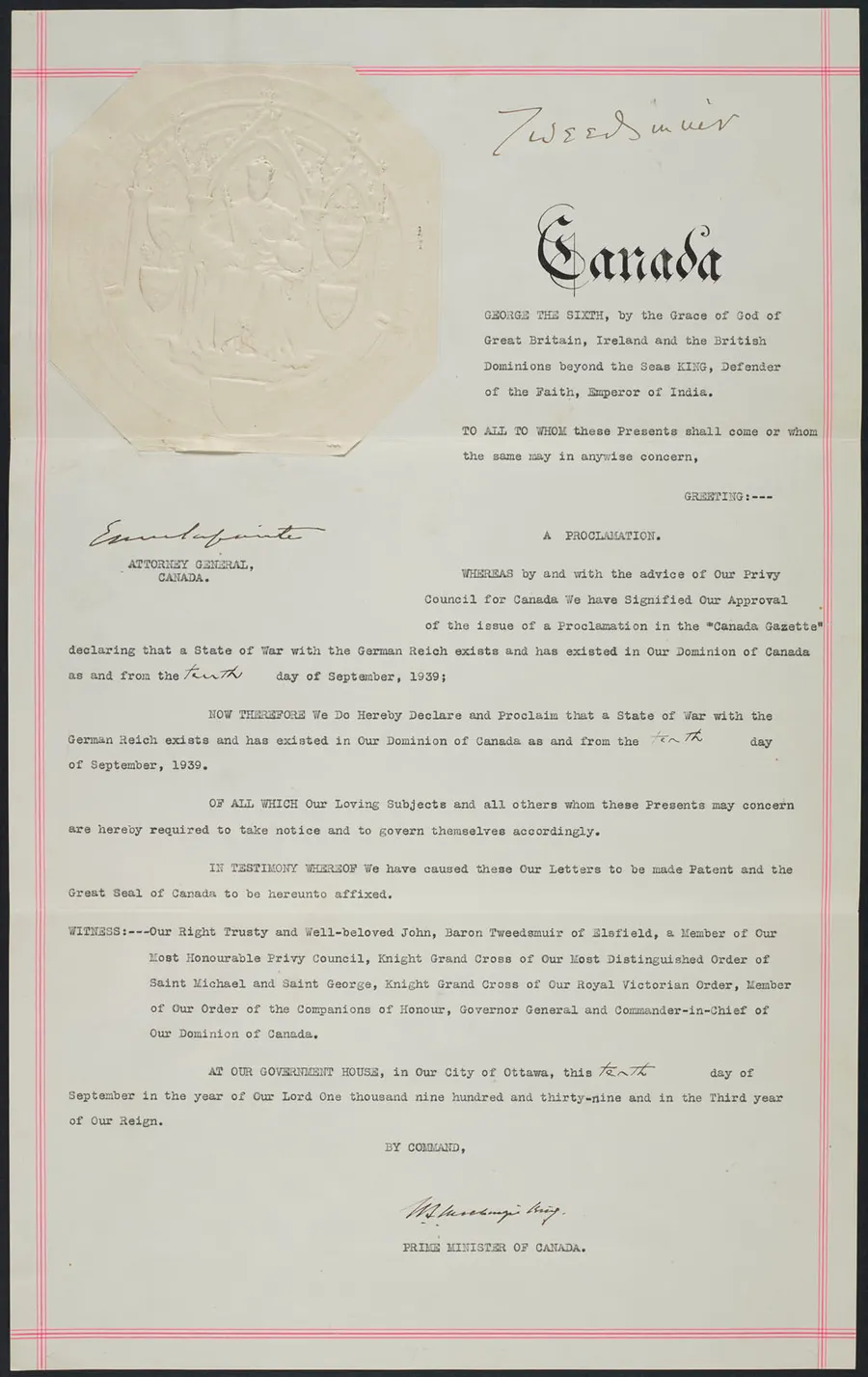
Canada's declaration of war on Germany of 10 September 1939, with the Great Seal attached, in Library and Archives CanadaCanada’s declaration of war on Germany of 10 September 1939, with the Great Seal attached, in Library and Archives CanadaImage: Unknown · Public domain
world · Americas

Canada declares war on Germany in its own right

In 1914 Canada had been at war the moment Britain was. By 1939 it was a self-governing dominion, and when Britain declared war on Germany on 3 September, Prime Minister William Lyon Mackenzie King said that Canada’s Parliament would decide. Parliament met in special session on 7 September and approved going to war, and on 10 September 1939 King George VI declared war on Germany in the name of Canada. It was the first time Canada had made its own declaration of war. More than a million Canadians served in the armed forces before the war ended.

Source: Veterans Affairs Canada: Chronology of the Second World War ↗
1960
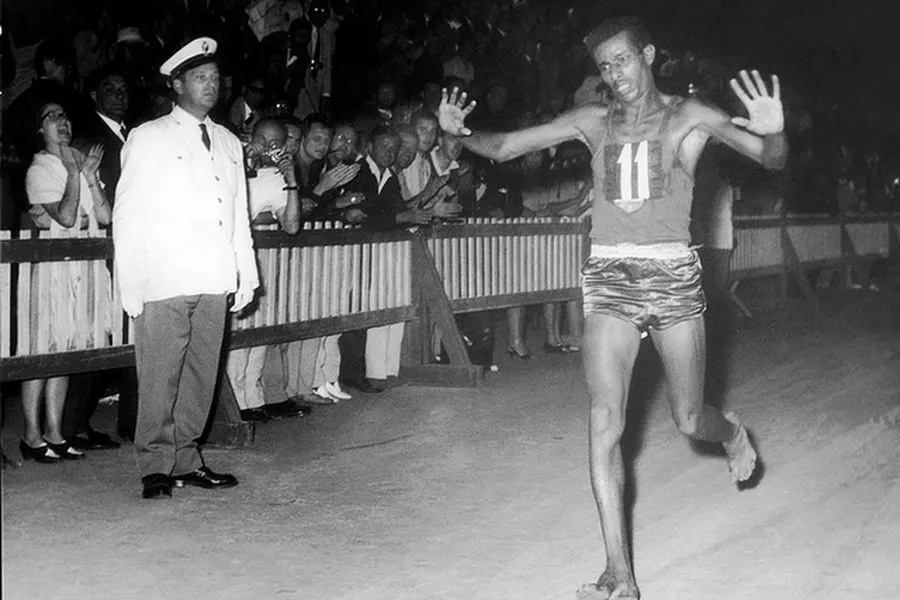
Abebe Bikila, barefoot, raises his arms as he finishes the Olympic marathon in Rome on the evening of 10 September 1960Abebe Bikila, barefoot, raises his arms as he finishes the Olympic marathon in Rome on the evening of 10 September 1960Image: Unknown author · Public domain
sport · Africa

Abebe Bikila runs barefoot to Olympic marathon gold

Abebe Bikila was a soldier in the Imperial Bodyguard of Emperor Haile Selassie of Ethiopia, almost unknown outside his country when he was picked for the 1960 Olympic Games in Rome. In the days before the race the shoes he had were worn out, and the new pair he was given hurt his feet, so he decided to run as he had trained: barefoot. The marathon started late in the afternoon of 10 September 1960 to avoid the heat and finished after dark, with soldiers holding torches along the Appian Way. Bikila ran with Rhadi Ben Abdesselam of Morocco until the last kilometre, then pulled away near the Piazza di Porta Capena to finish under the Arch of Constantine in a world best time of 2 hours 15 minutes 16 seconds. He was the first athlete from sub-Saharan Africa to win an Olympic gold medal. Four years later, in shoes, he won the marathon again in Tokyo.

Source: World Athletics: Remembering Bikila’s 1960 Olympic marathon victory on its 60th anniversary ↗
1967
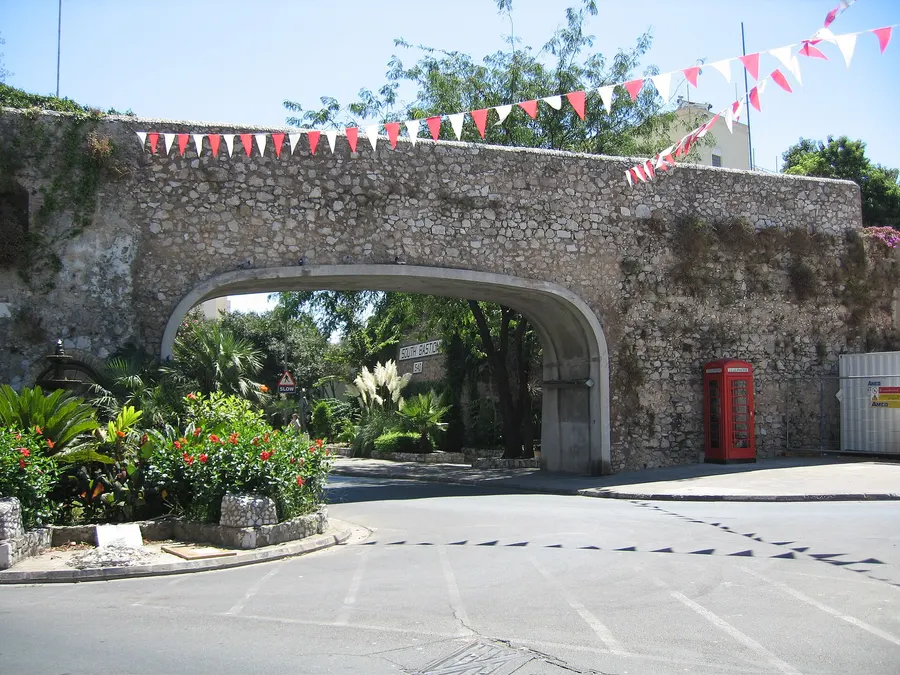
Referendum Gate in the Charles V Wall at Southport Gates, Gibraltar, named in memory of the 1967 sovereignty referendumReferendum Gate in the Charles V Wall at Southport Gates, Gibraltar, named in memory of the 1967 sovereignty referendumImage: Ralph · CC BY 2.0
politics · Europe

Gibraltar votes to stay British

Britain had held Gibraltar, the rocky peninsula at the mouth of the Mediterranean, since 1704, and Spain had never stopped asking for it back. In the 1960s Francisco Franco’s government pressed its claim at the United Nations as a case of decolonisation, and tightened restrictions at the land frontier. The British government decided to let the people of Gibraltar themselves say where they wanted to belong. On 10 September 1967 Gibraltarians were asked whether they wished to pass under Spanish sovereignty or to keep their link with Britain. Almost 96 per cent of voters took part, and the result was 12,138 votes for Britain and 44 for Spain. Spain did not accept the vote and in 1969 closed the frontier completely; it did not fully reopen until 1985. In Gibraltar the anniversary of the referendum is now celebrated every year as National Day, when the streets fill with red and white.

Source: HM Government of Gibraltar: Gibraltar fact sheets ↗
1974
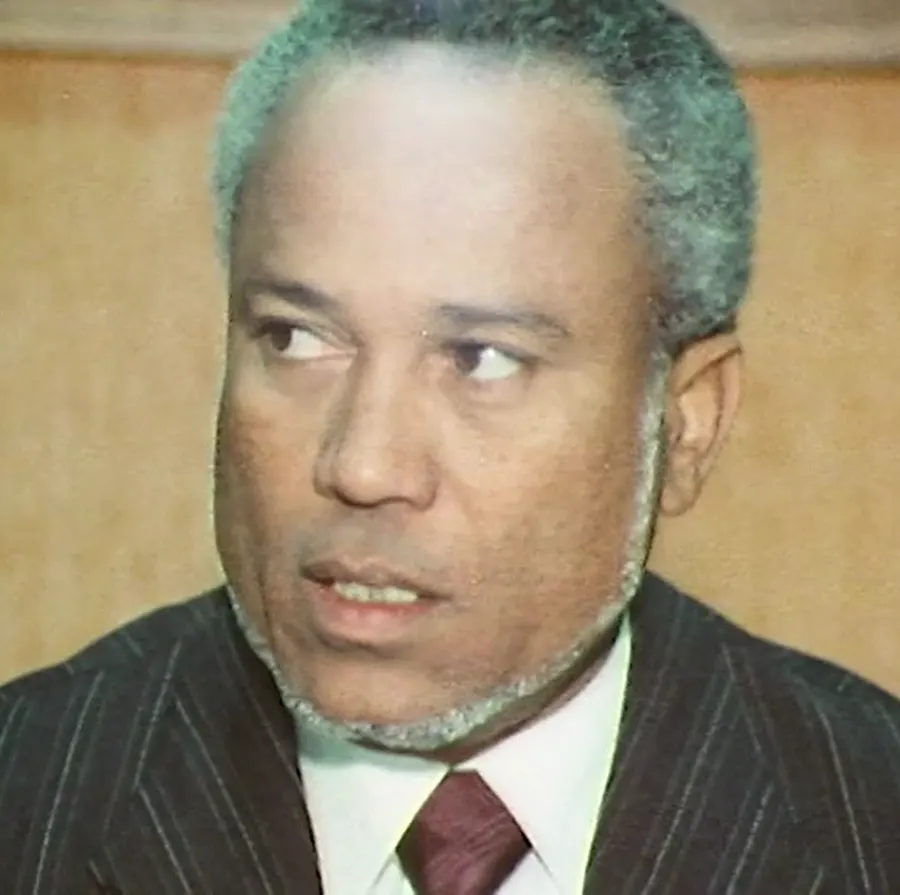
Luís Cabral, the first president of Guinea-Bissau, photographed in 1979Luís Cabral, the first president of Guinea-Bissau, photographed in 1979Image: EC Audiovisual Center · CC BY 4.0
world · Africa

Portugal recognises the independence of Guinea-Bissau

From the early 1960s the PAIGC, the liberation movement founded by Amílcar Cabral, fought a guerrilla war against Portuguese rule in Guinea, a small colony on the west coast of Africa. By the early 1970s it controlled much of the countryside. Cabral was murdered in January 1973, but on 24 September that year the movement declared the independent Republic of Guinea-Bissau, with his half-brother Luís Cabral as president, and many countries recognised it. Portugal did not. The long colonial wars in Africa helped bring down Portugal’s dictatorship in the Carnation Revolution of April 1974, and the new government in Lisbon opened talks with the liberation movements. On 10 September 1974 Portugal formally recognised Guinea-Bissau as an independent state, the first of its African colonies to be let go. Mozambique, Cape Verde, São Tomé and Príncipe and Angola followed to independence in 1975.

Source: Britannica: Guinea-Bissau, independence ↗
1981
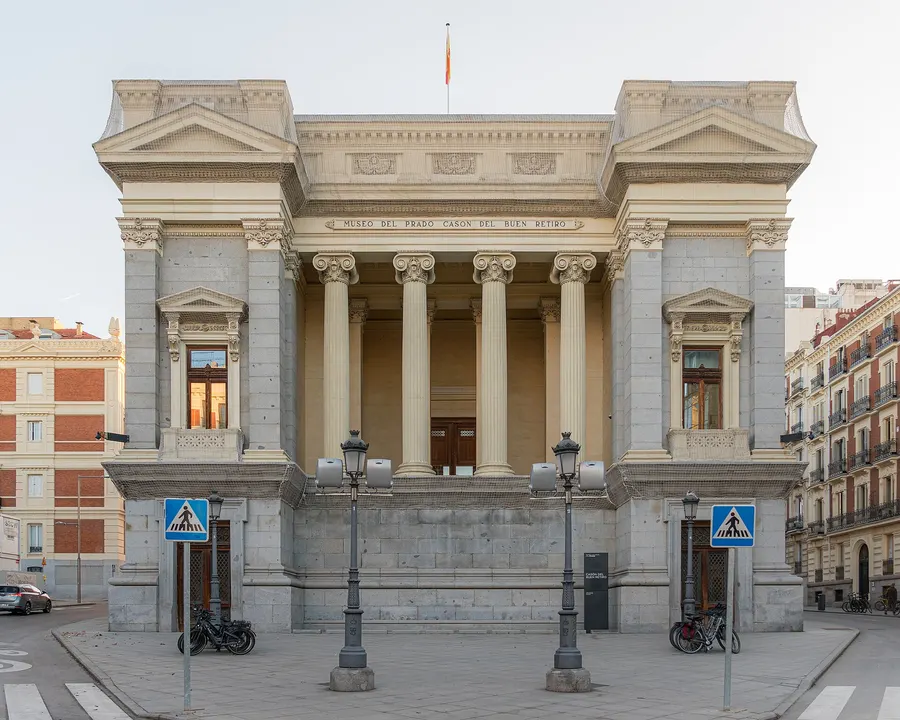
The west front of the Casón del Buen Retiro in Madrid, where Guernica was shown from 1981 to 1992The west front of the Casón del Buen Retiro in Madrid, where Guernica was shown from 1981 to 1992Image: Fernando · CC BY-SA 4.0
culture · Europe

Picasso’s Guernica comes home to Spain

Pablo Picasso painted Guernica in 1937 for the Spanish Republic’s pavilion at the Paris World Fair, in response to the bombing of the Basque town during the Spanish Civil War. After the Republic’s defeat the huge black, white and grey canvas went on tour and from 1939 stayed at the Museum of Modern Art in New York. Picasso insisted that it should go to Spain only when the country was a democracy again. He died in 1973 and Franco in 1975, and long, discreet negotiations followed. On 10 September 1981 the painting landed at Madrid’s Barajas airport from New York, together with Picasso’s sketches and studies for it. It was installed behind bulletproof glass in the Casón del Buen Retiro, part of the Prado, and opened to the public the next month. Coming just six years after Franco’s death, its return was seen as a symbol of Spain’s new democracy. In 1992 it moved to the Museo Nacional Centro de Arte Reina Sofía, where it hangs today.

Source: Museo Reina Sofía, Rethinking Guernica: The return of the last exile ↗
1984
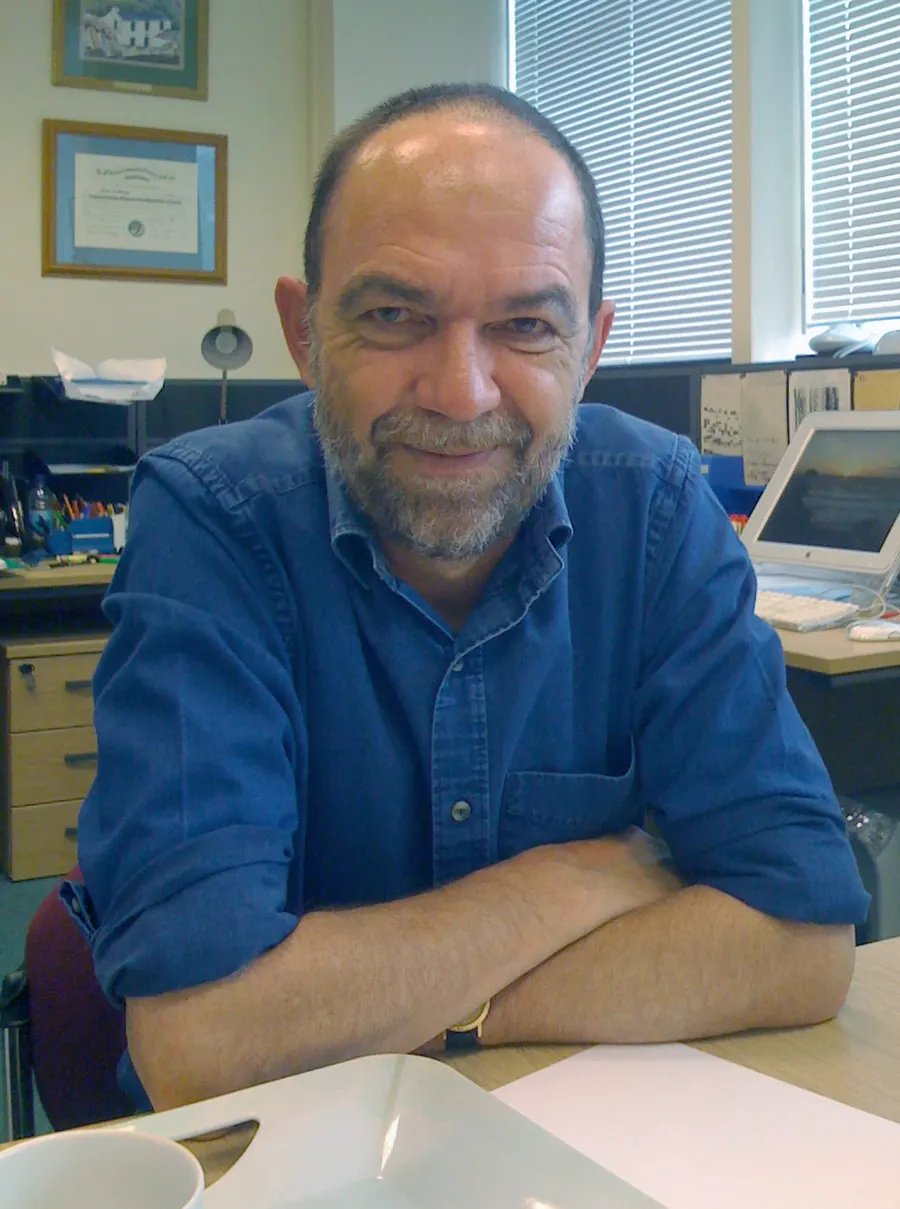
Sir Alec Jeffreys, photographed in 2009Sir Alec Jeffreys, photographed in 2009Image: Jane Gitschier · CC BY 2.5
science · Europe

Alec Jeffreys discovers the DNA fingerprint

Alec Jeffreys, a geneticist at the University of Leicester, was studying how DNA varies between people. At 9.05 in the morning on Monday 10 September 1984 he looked at an X-ray film showing DNA from his technician and her parents and saw a pattern of bands that differed from person to person but showed clear family likenesses. He realised at once that it could identify individuals and their relatives. The method was used in an immigration case and paternity cases from 1985, and in 1986-87 in Leicestershire it first cleared an innocent suspect and then convicted a murderer, changing criminal investigation around the world.

Source: University of Leicester: Celebrating 35 years of DNA fingerprinting ↗
VI
2000 TO TODAY

Modern Day

The events of recent decades that have already become part of the historical record.

2008
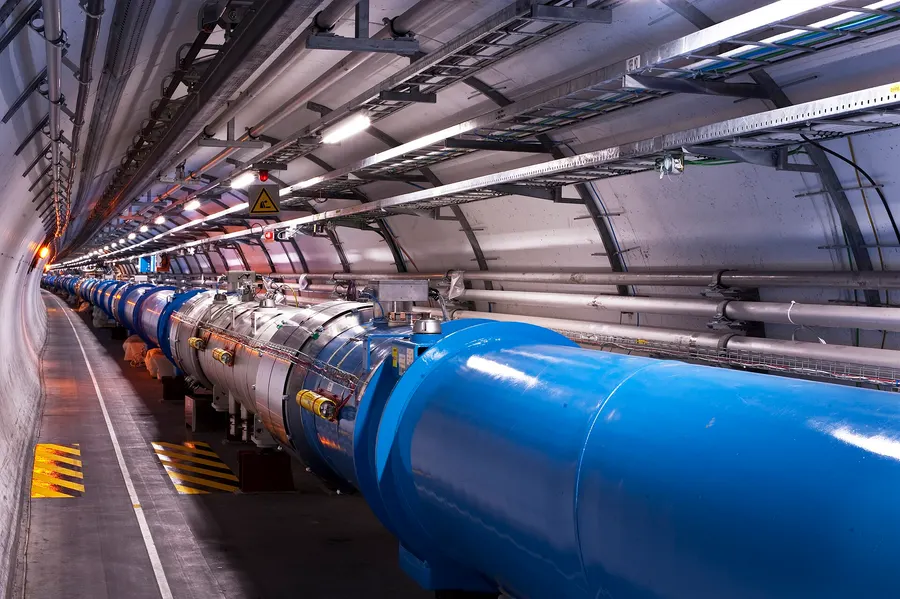
Magnets of the Large Hadron Collider in the tunnel of sector 3-4 at CERN, photographed in 2009Magnets of the Large Hadron Collider in the tunnel of sector 3-4 at CERN, photographed in 2009Image: Maximilien Brice (CERN) · CC BY-SA 3.0
science · Europe

The first beam goes round the Large Hadron Collider

The Large Hadron Collider at CERN, the European laboratory for particle physics near Geneva, is a ring 27 kilometres round, buried about 100 metres under the French-Swiss border. More than a thousand superconducting magnets, cooled to colder than outer space, steer two beams of protons in opposite directions at almost the speed of light, so that they can be smashed together and the debris studied. It took more than two decades to plan and build. On the morning of 10 September 2008, watched live by scientists and television audiences around the world, engineers injected the first beam at 9.30. At 10.28 it had been guided all the way round the ring, to cheers in the control room. Nine days later a faulty electrical connection between two magnets caused serious damage, and repairs took more than a year. Once running, the machine did what it was built for: in July 2012 CERN announced the discovery of the Higgs boson.

Source: CERN: First beam in the LHC, accelerating science ↗
2015
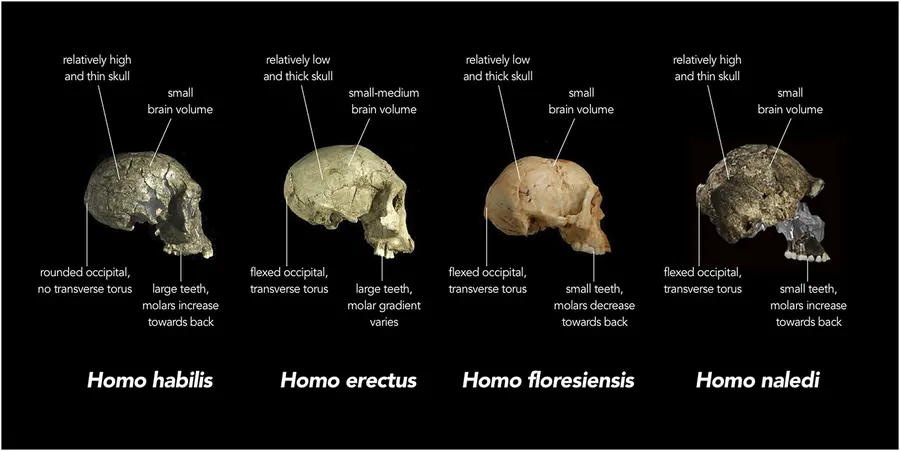
Replica skulls of Homo habilis, early Homo erectus and Homo floresiensis compared with fossil skull pieces of Homo nalediReplica skulls of Homo habilis, early Homo erectus and Homo floresiensis compared with fossil skull pieces of Homo nalediImage: Chris Stringer, Natural History Museum · CC BY 4.0
science · Africa

Scientists unveil Homo naledi, a new human relative

In 2013 cavers exploring the Rising Star cave system near Johannesburg squeezed through a narrow chute into a deep chamber and found it scattered with bones. A team led by Lee Berger of the University of the Witwatersrand recovered more than 1,500 fossil pieces from at least fifteen individuals, the largest find of a single early human species in Africa. On 10 September 2015, at the Maropeng centre in the Cradle of Humankind, they announced a new species, Homo naledi, with a small brain but hands and feet much like ours. Later dating showed it lived between about 236,000 and 335,000 years ago.

Source: University of the Witwatersrand: Meet Homo naledi, a new species of human relative ↗
RESEARCH

Sources & Further Reading

Selected authoritative references supporting the events on this page.

Britannica: John, duke of Burgundy↗Britannica: Philip III, duke of Burgundy↗Catholic Encyclopedia (New Advent): Japanese Martyrs↗The Society of Jesus: Blessed Carlo Spinola↗Naval History and Heritage Command: 1813 on the Lakes, Lake Erie↗National Park Service: ‘We have met the enemy and they are ours’↗Britannica: Oliver Hazard Perry↗Smithsonian National Museum of American History: 1846 Elias Howe Jr.’s sewing machine patent model↗Britannica: Elias Howe↗Britannica: Treaty of Saint-Germain↗1914-1918-online, International Encyclopedia of the First World War: Saint-Germain, Treaty of↗Veterans Affairs Canada: Chronology of the Second World War↗Canadian War Museum: Democracy at War, Parliament↗World Athletics: Remembering Bikila’s 1960 Olympic marathon victory on its 60th anniversary↗Olympics.com: This week in Olympic history, Abebe Bikila wins men’s marathon barefoot↗HM Government of Gibraltar: Gibraltar fact sheets↗Britannica: Gibraltar, government and society↗Britannica: Guinea-Bissau, independence↗South African History Online: Guinea-Bissau is granted independence↗Museo Reina Sofía, Rethinking Guernica: The return of the last exile↗Museo Reina Sofía, Rethinking Guernica: Casón del Buen Retiro, Museo del Prado↗Museo del Prado: Guernica, a boost for the Casón↗University of Leicester: Celebrating 35 years of DNA fingerprinting↗University of Leicester: Celebrating 40 years of DNA fingerprinting↗Britannica: DNA fingerprinting↗CERN: First beam in the LHC, accelerating science↗CERN: Higgs10, Big Bang Day↗CERN: The Large Hadron Collider↗University of the Witwatersrand: Meet Homo naledi, a new species of human relative↗Smithsonian Human Origins Program: Welcome to a new member of our family tree↗Natural History Museum: Homo naledi, your recently discovered human relative↗
WHY THESE MOMENTS?

Significance before volume

This page is not the longest possible list of events. It is a chronological journey through 10 September, where each entry is chosen for historical significance, human interest and reliability.

Facts are checked against authoritative museums, archives, universities and reference works. Where sources disagree, the page says so.

EXPLORED THE DEEPER STORY?

Return to the highlights of 10 September

Discover the lighter side of the date with famous birthdays, culture, firsts and lives remembered.

Explore This Day →
← PREVIOUS DAY9 September
HISTORY & TIMELINE10 September
NEXT DAY →11 September