
HISTORY & TIMELINE
11 September

A journey through
11 September in history

The story of 11 September runs from the Scottish victory at Stirling Bridge in 1297 to the attacks of 2001. In between come Prince Eugene’s victory over the Ottomans at Zenta, the fall of Barcelona in 1714, the Battle of Brandywine, the theft of the French crown jewels, Vivekananda’s address in Chicago, the satyagraha oath in Johannesburg, the liberation of the Batu Lintang camp in Borneo, Hungary’s opening of its border to East Germans, the first trains on San Francisco’s BART, the military coup in Chile, Pete Rose’s record-breaking hit, Scotland’s devolution referendum and Mars Global Surveyor’s arrival at Mars.

II
THE MIDDLE AGES

Medieval History

Kingdoms, conflict, faith, power and the changing medieval world.

1297
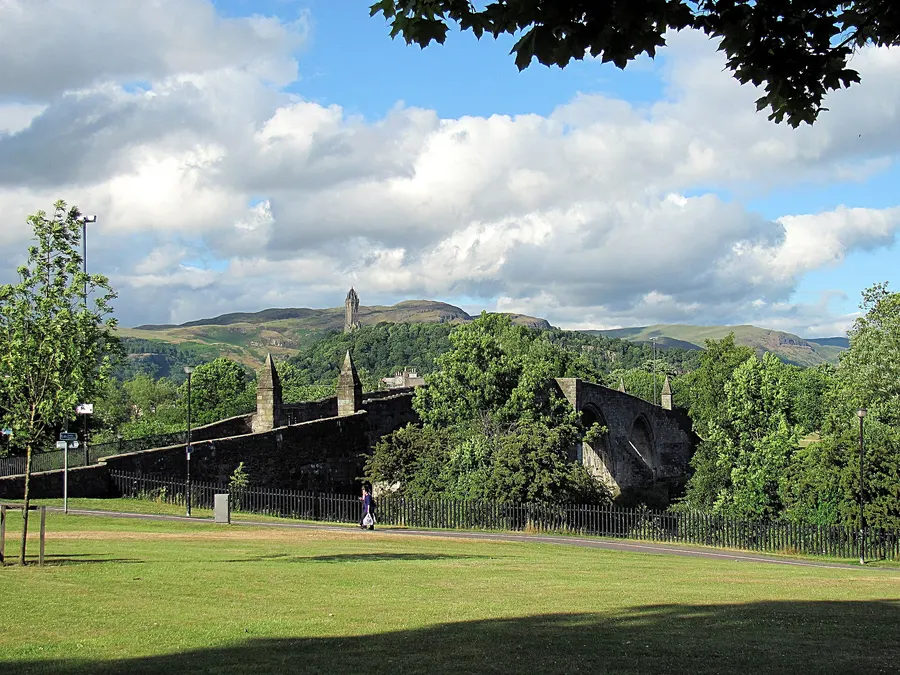
The old stone bridge over the River Forth at Stirling, with the Wallace Monument on the hill behind; the wooden bridge of 1297 stood close to this spotThe old stone bridge over the River Forth at Stirling, with the Wallace Monument on the hill behind; the wooden bridge of 1297 stood close to this spotImage: Janfrie1988 · Public domain
world · Europe

William Wallace and Andrew Moray beat the English at Stirling Bridge

In 1296 Edward I of England invaded Scotland, deposed its king, John Balliol, and carried off the Stone of Destiny on which Scottish kings were crowned. Within a year risings had broken out across the country. In the south-west William Wallace, a younger son of a minor landowner, led one; in the north Andrew Moray, heir to a powerful family, led another. By the late summer of 1297 they had joined forces and held the line of the River Forth near Stirling, the gateway to the north. On 11 September 1297 an English army under the Earl of Surrey began to cross the Forth by a narrow wooden bridge, so narrow that only two horsemen could ride over side by side. Wallace and Moray waited on the high ground until about half the English were across, then charged down and seized the end of the bridge. Those who had crossed were cut off and many were killed or drowned in the river, and the rest of the army fell back. Moray died of his wounds within weeks, while Wallace was knighted and made Guardian of Scotland.

Source: Britannica: Battle of Stirling Bridge ↗
III
A CHANGING WORLD

Early Modern Era

Exploration, political change, scientific development and expanding global connections.

1697
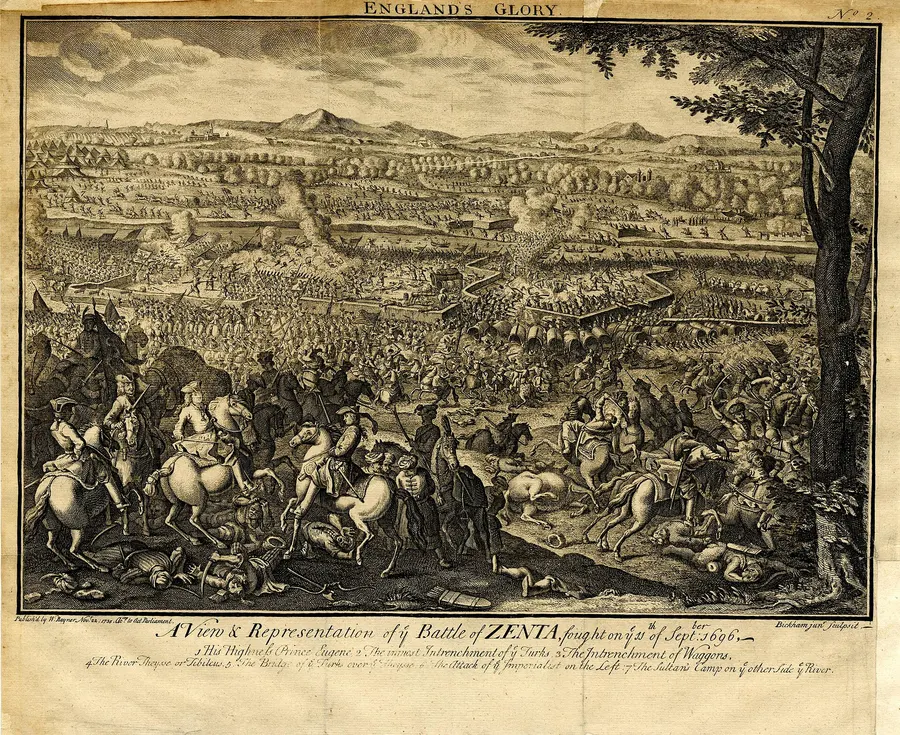
An 18th-century English print by George Bickham the Younger showing the Battle of ZentaAn 18th-century English print by George Bickham the Younger showing the Battle of ZentaImage: George Bickham the Younger · Public domain
world · Europe

Prince Eugene routs the Ottoman army at Zenta

On 11 September 1697 the Habsburg army under Prince Eugene of Savoy caught the Ottoman army of Sultan Mustafa II as it was crossing the River Tisza at Zenta, now Senta in Serbia. Attacking late in the day, while the Ottoman forces were split on either side of the river, the Austrians won a crushing victory; the grand vizier was killed and the sultan’s baggage and treasury were taken. The defeat forced the Ottomans to make peace at Karlowitz in 1699, giving up most of Hungary and Transylvania.

Source: Britannica: Battle of Zenta ↗
1714
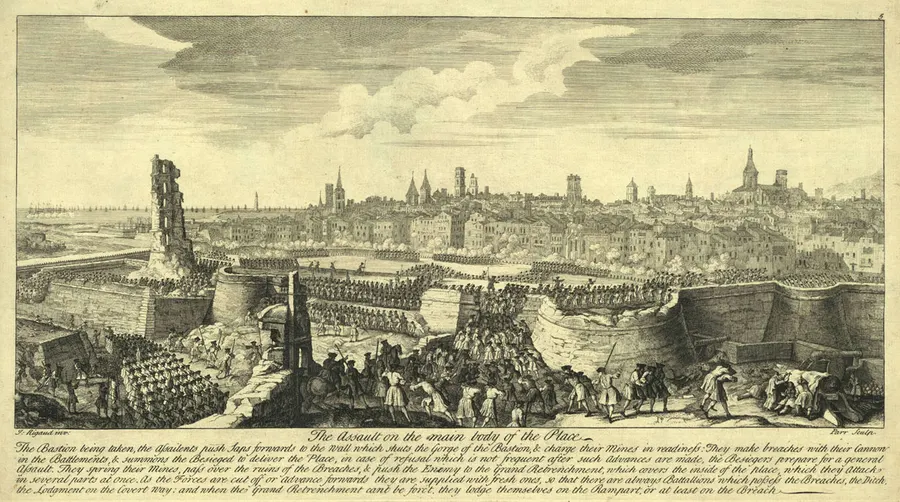
The general assault on Barcelona on 11 September 1714, an engraving after Jacques RigaudThe general assault on Barcelona on 11 September 1714, an engraving after Jacques RigaudImage: Jacques Rigaud (1680–1754) / Parr / Bowles · Public domain
world · Europe

Barcelona falls after a fourteen-month siege

In the War of the Spanish Succession Catalonia had backed the Habsburg claimant, Archduke Charles, against the Bourbon Philip V. When Britain and Austria made peace, Barcelona fought on alone. Besieged from July 1713 by a Franco-Spanish army under the Duke of Berwick, the city refused repeated calls to surrender, and on 11 September 1714 the final assault broke through its walls. Under the Nueva Planta decrees that followed, Catalonia lost its own parliament, laws and institutions.

Source: Generalitat de Catalunya: Do we commemorate a defeat? ↗
1777
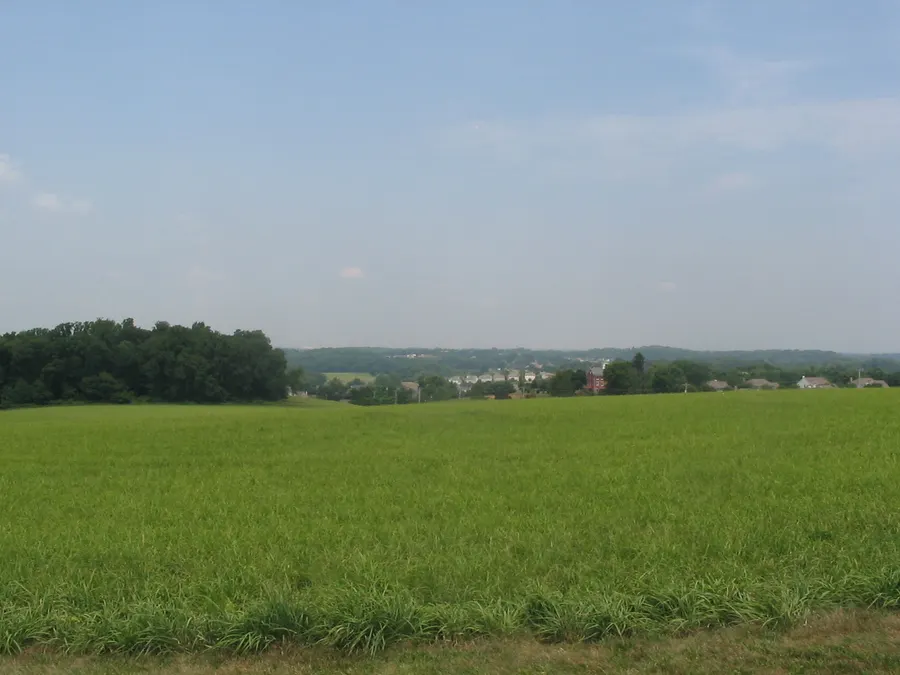
Fields at the Brandywine Battlefield in Chadds Ford, Pennsylvania, photographed in 2008Fields at the Brandywine Battlefield in Chadds Ford, Pennsylvania, photographed in 2008Image: AlbertHerring at en.wikipedia · CC BY 3.0
world · Americas

Washington is outflanked at Brandywine

On 11 September 1777 George Washington’s army of about 16,000 men stood along Brandywine Creek in Pennsylvania to block the British advance on Philadelphia, then the American capital. Sir William Howe sent part of his army on a long march round to unguarded fords and fell on Washington’s right flank. The Americans were driven back but withdrew in order; the young Marquis de Lafayette was wounded in the leg while rallying troops. The British entered Philadelphia two weeks later.

Source: American Battlefield Trust: Brandywine ↗
1792
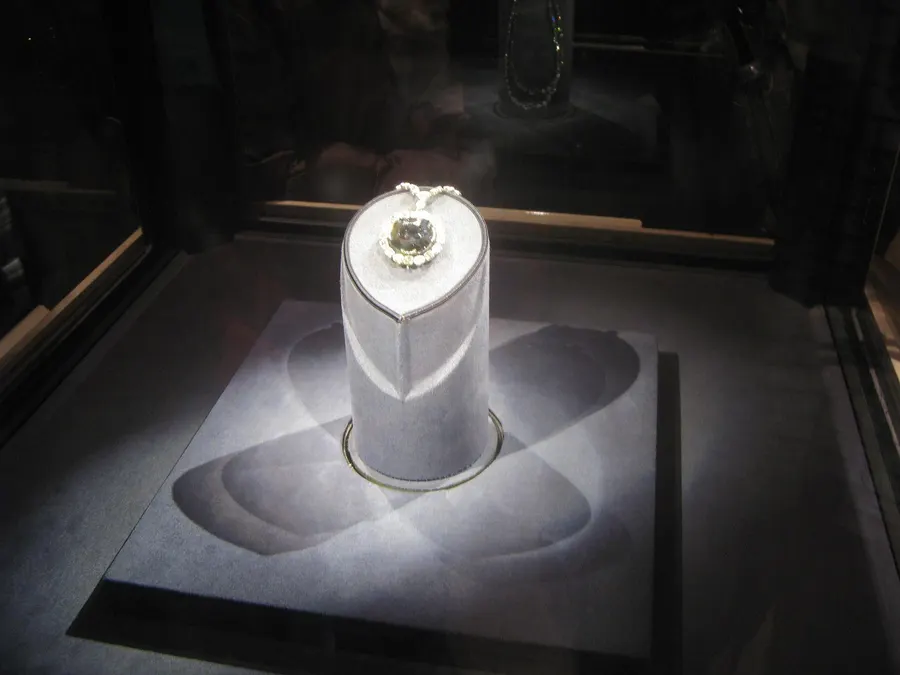
The Hope Diamond at the Smithsonian's National Museum of Natural History in WashingtonThe Hope Diamond at the Smithsonian’s National Museum of Natural History in WashingtonImage: Moskey71 at English Wikipedia · Public domain
culture · Europe

Thieves begin to strip the French crown jewels

During the French Revolution the crown jewels were kept in the Garde-Meuble, the royal storehouse on what is now the Place de la Concorde in Paris. On the night of 11 September 1792 thieves climbed in through an unbarred first-floor window and made off with part of the treasure, and with the door seal unbroken nobody noticed. They came back night after night until a patrol caught them about a week later. Among the stones lost was the great French Blue diamond, which is believed to have been recut into the Hope Diamond.

Source: Smithsonian National Museum of Natural History: History of the Hope Diamond ↗
IV
THE NINETEENTH CENTURY

The 1800s

Industry, empire, invention, reform and a century of enormous transformation.

1893
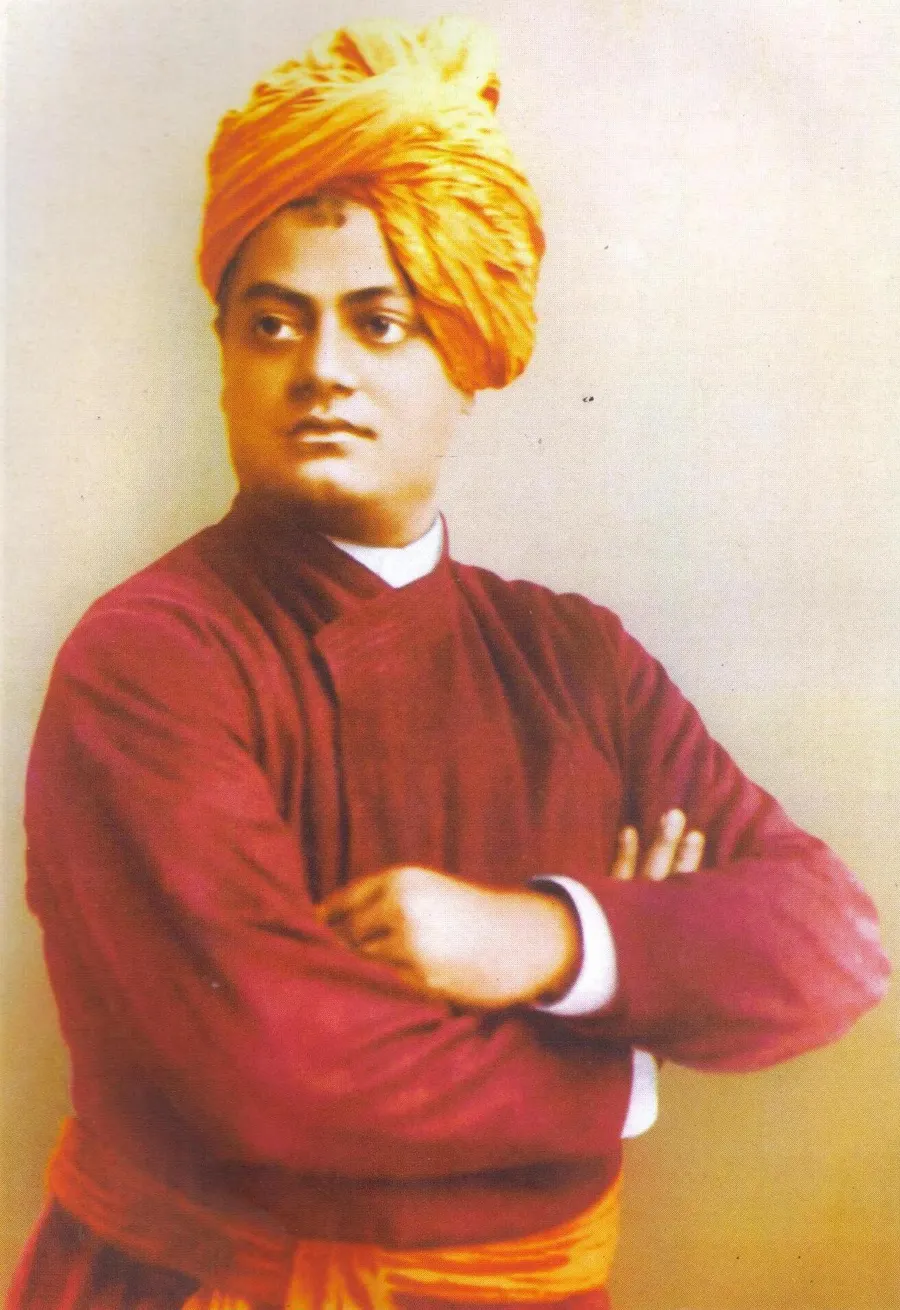
Swami Vivekananda photographed by Thomas Harrison in Chicago in September 1893Swami Vivekananda photographed by Thomas Harrison in Chicago in September 1893Image: Thomas Harrison · Public domain
culture · Americas

Swami Vivekananda greets the Parliament of Religions: ‘Sisters and brothers of America’

In 1893 Chicago hosted the World’s Columbian Exposition, a great fair marking 400 years since Columbus reached the Americas. Alongside it the organisers held a series of congresses, the most ambitious of which was the World’s Parliament of Religions, the first attempt to bring together representatives of the world’s faiths in one hall. It opened on 11 September 1893 in the new building on Michigan Avenue that is now the Art Institute of Chicago. Among the speakers was Swami Vivekananda, a 30-year-old Hindu monk from Calcutta and a disciple of the mystic Ramakrishna, who had come almost unknown and without formal credentials. When he began with the words ‘Sisters and brothers of America’, the audience of several thousand rose to applaud him. In his short address he spoke of tolerance and hoped that the bell that had opened the Parliament would sound the death-knell of fanaticism. He became one of its best-known speakers, and his tours afterwards introduced Hindu philosophy and yoga to many in the West.

Source: Art Institute of Chicago: Swami Vivekananda and his 1893 speech ↗
V
THE TWENTIETH CENTURY

The 1900s

War and peace, technological leaps, social change, politics, sport and popular culture.

1906
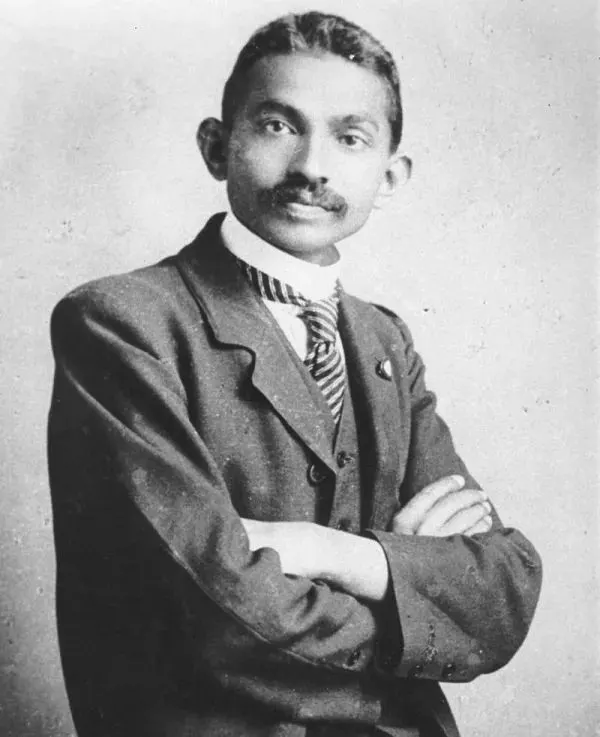
Mohandas Gandhi as a lawyer in South Africa in 1906Mohandas Gandhi as a lawyer in South Africa in 1906Image: Unknown author · Public domain
world · Africa

Gandhi’s supporters vow in Johannesburg to defy the ‘Black Act’

Mohandas Gandhi had gone to South Africa in 1893 as a young lawyer and stayed to lead the Indian community against the laws that discriminated against them. In August 1906 the government of the Transvaal published a draft ordinance requiring every Indian man, woman and child over eight to register with the authorities, give their fingerprints and carry a certificate at all times. Indians called it the Black Act. On 11 September 1906 about 3,000 Indians, joined by Chinese residents, packed the Empire Theatre in Johannesburg. One by one the speakers declared that they would not obey the law, whatever the punishment, and the meeting swore a solemn oath before God to resist it peacefully. It was the start of an eight-year campaign of non-violent defiance, with marches, strikes and thousands of arrests, that came to be called satyagraha, ‘truth-force’. Gandhi took its methods back to India in 1915.

Source: South African History Online: Mass meeting at the Empire Theatre, Johannesburg, 1906 ↗
1945
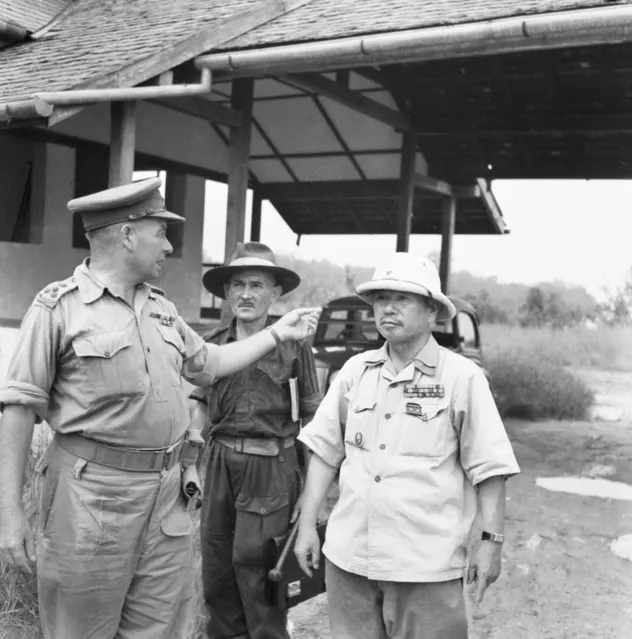
Brigadier Thomas Eastick, commanding Kuching Force, gives instructions at Kuching, Sarawak, on 11 September 1945Brigadier Thomas Eastick, commanding Kuching Force, gives instructions at Kuching, Sarawak, on 11 September 1945Image: not stated · Public domain
world · Asia

Australian troops free the prisoners of Batu Lintang camp in Borneo

Batu Lintang, outside Kuching in Sarawak, was a Japanese prison camp holding Allied prisoners of war and civilian internees, among them women and children. Hunger, disease and forced labour killed many. On 11 September 1945, almost a month after Japan’s surrender, troops of the Australian 9th Division under Brigadier Thomas Eastick arrived and freed about 2,000 survivors.

Source: Australian Department of Veterans’ Affairs: Batu Lintang Internment Camp Monument ↗
1972
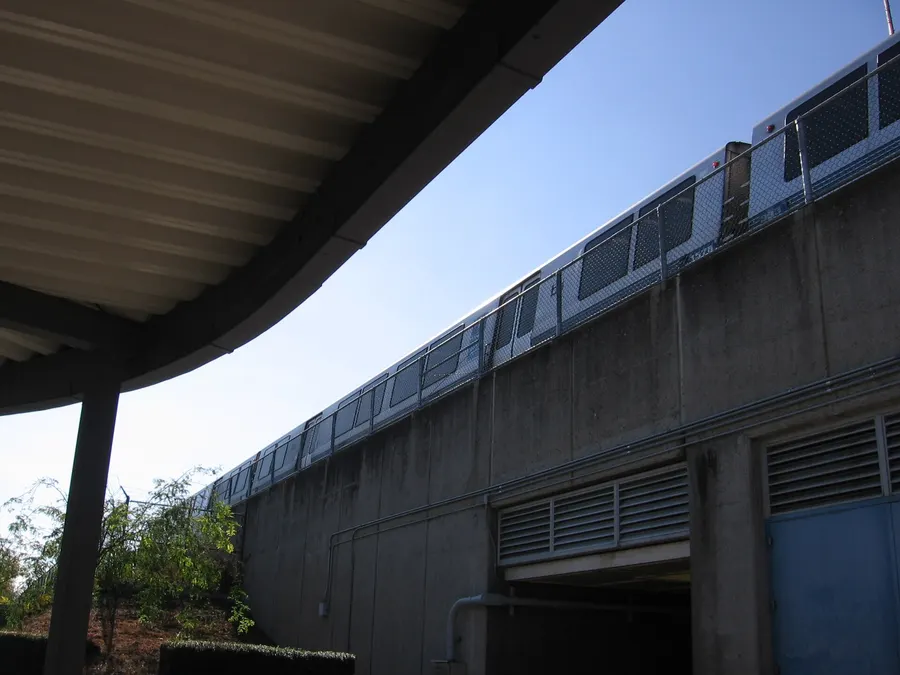
Fremont BART station, one of the stations that opened on 11 September 1972, during the system's 40th-anniversary celebrations in 2012Fremont BART station, one of the stations that opened on 11 September 1972, during the system’s 40th-anniversary celebrations in 2012Image: Pedro Xing · CC0
world · Americas

San Francisco’s BART trains carry their first passengers

On 11 September 1972 the Bay Area Rapid Transit system opened its first 28 miles of line, between Fremont and MacArthur in Oakland, with ribbon-cuttings at every station. More than 15,000 people rode on the first day. It was the first new regional rail transit system built in the United States for more than 60 years, and its computer-controlled trains and tunnel under San Francisco Bay, opened in 1974, made it a model for later systems.

Source: BART: 50 years of service, a look back at BART’s electric opening day ↗
1973
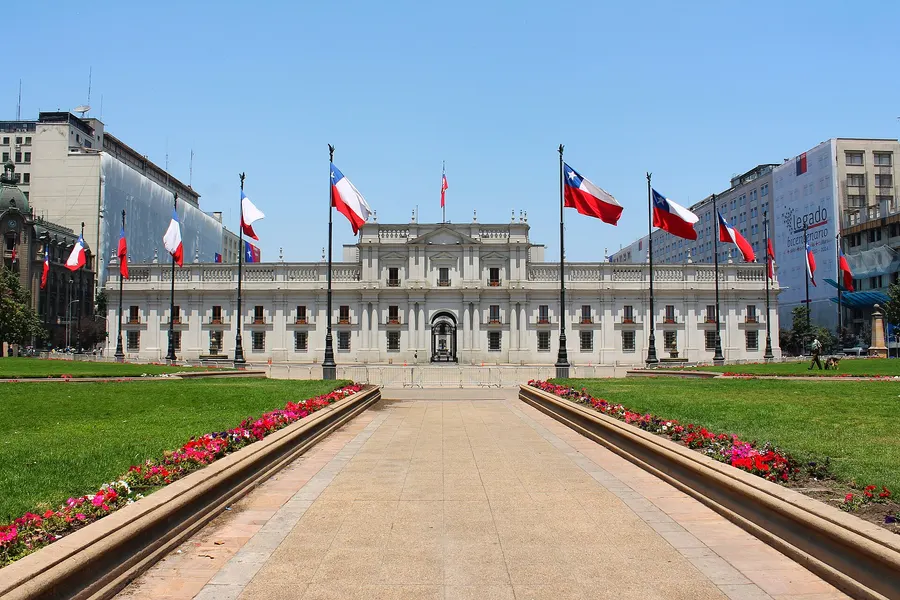
La Moneda, the presidential palace in Santiago, photographed in 2013La Moneda, the presidential palace in Santiago, photographed in 2013Image: Miguel hernandez · CC BY-SA 2.0
politics · Americas

A military coup overthrows Chile’s government

On 11 September 1973 Chile’s armed forces rose against the elected socialist president, Salvador Allende. Air force jets bombed La Moneda, the presidential palace in Santiago, and Allende, who refused to resign, died inside it as troops took the building. A junta led by General Augusto Pinochet took power and ruled until 1990; tens of thousands of opponents were imprisoned and tortured and thousands were killed or disappeared.

Source: Britannica: Chile, the military dictatorship from 1973 ↗
1985
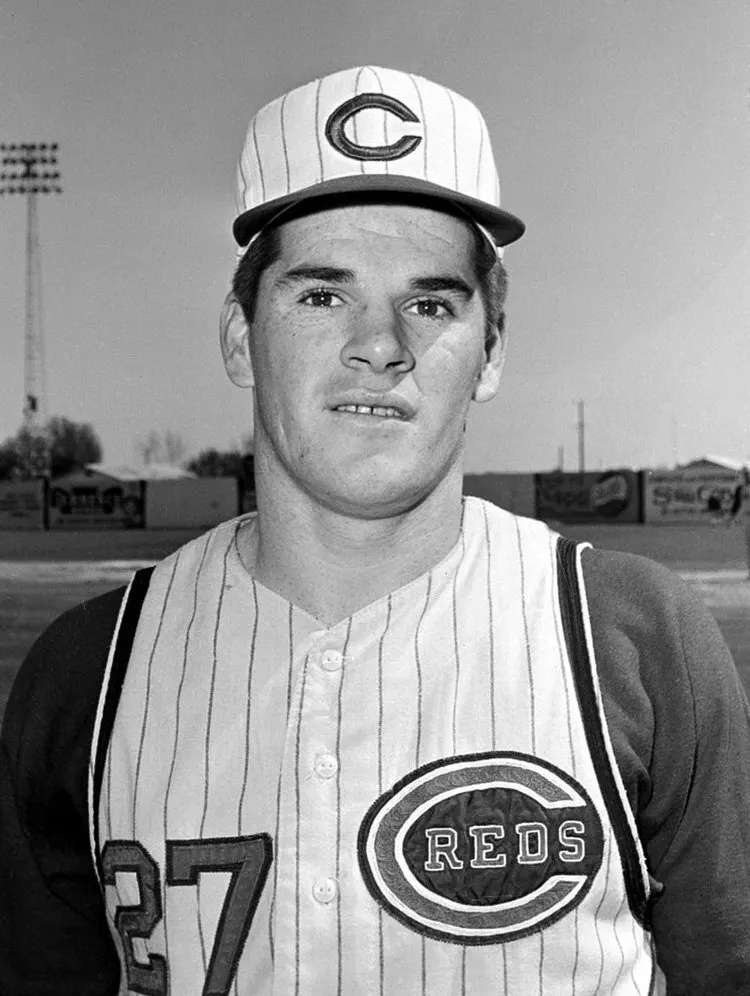
Pete Rose of the Cincinnati Reds in 1963, his first season in the major leaguesPete Rose of the Cincinnati Reds in 1963, his first season in the major leaguesImage: Unknown author · Public domain
sport · Americas

Pete Rose passes Ty Cobb with his 4,192nd hit

Pete Rose grew up in Cincinnati and joined his home-town Reds in 1963, when he was named the National League’s rookie of the year. Nicknamed ‘Charlie Hustle’ for running to first base even after a walk, he became the heart of the ‘Big Red Machine’ that won the World Series in 1975 and 1976. Ty Cobb’s record of 4,191 career hits, set in 1928, had long been thought unbreakable. On 11 September 1985, by then the Reds’ player-manager, Rose singled to left-centre field off the San Diego pitcher Eric Show in the first inning at Riverfront Stadium. It was his 4,192nd hit, and the crowd of more than 47,000 cheered for some seven minutes. Later research found that one of Cobb’s games had been counted twice, so Rose may in fact have passed him three days earlier at Wrigley Field. Rose finished with 4,256 hits, still the record, though in 1989 he was banned from baseball for betting on games.

Source: MLB: Pete Rose’s top career moments ↗
1989
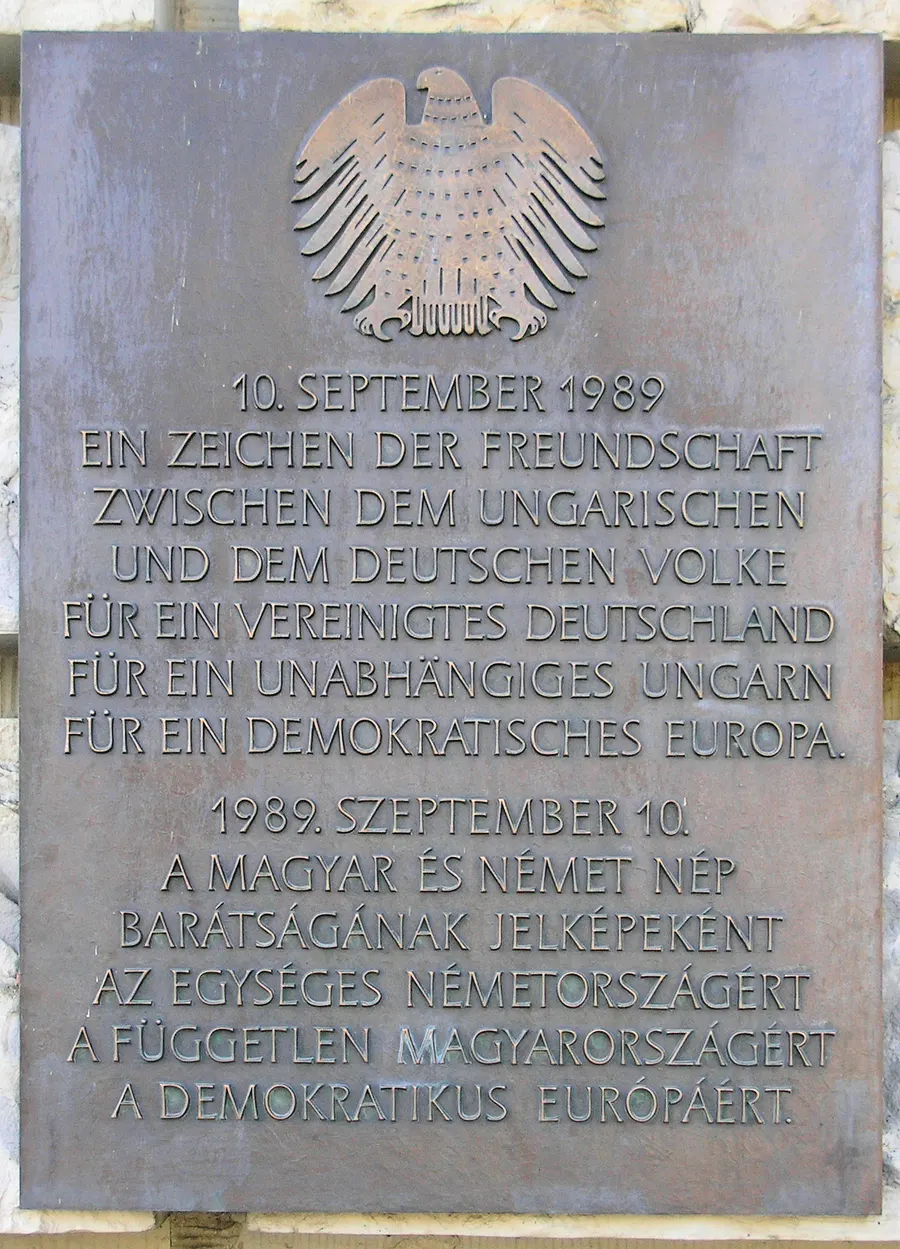
A memorial plaque on Paul-Löbe-Allee in Berlin commemorating Hungary's opening of its border in 1989A memorial plaque on Paul-Löbe-Allee in Berlin commemorating Hungary’s opening of its border in 1989Image: OTFW, Berlin · CC BY-SA 3.0
politics · Europe

Hungary lets East Germans leave for the West

Through the summer of 1989 thousands of East Germans gathered in Hungary hoping to escape to the West. On the evening of 10 September the Hungarian government announced that from midnight they were free to cross into Austria, and in the first hours of 11 September the cars began to roll over the border. Tens of thousands left within weeks, a flood that helped bring down the Berlin Wall two months later.

Source: Chronik der Mauer (Federal Agency for Civic Education): Chronicle of the Berlin Wall, September 1989 ↗
1997
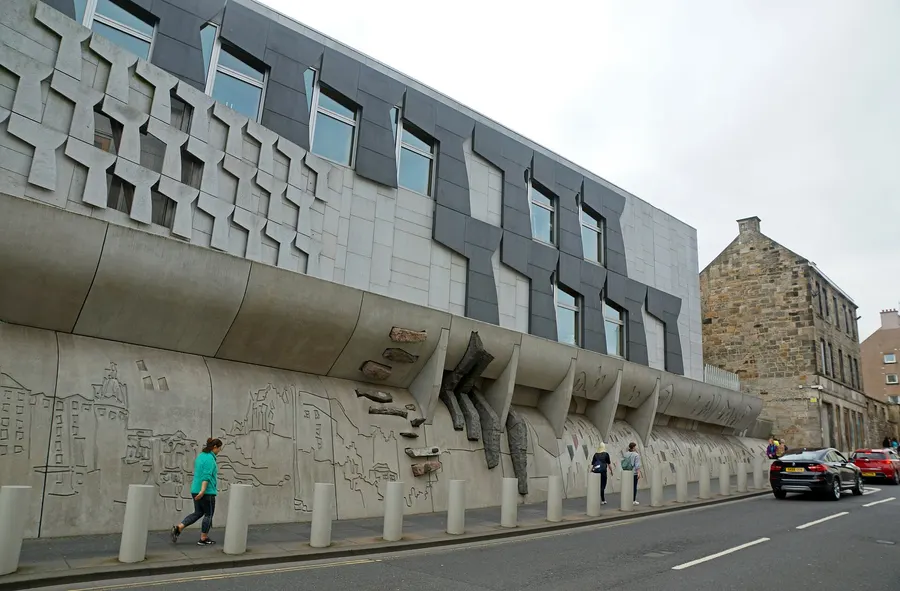
The Scottish Parliament building at Holyrood in Edinburgh, opened in 2004The Scottish Parliament building at Holyrood in Edinburgh, opened in 2004Image: Allie_Caulfield · CC BY 2.0
politics · Europe

Scotland votes for a parliament of its own

Scotland had kept its own law, church and schools after its union with England in 1707, but it had no parliament of its own. A referendum on a Scottish assembly in 1979 won a narrow majority but failed a rule requiring 40 per cent of the whole electorate to vote yes. In 1997 the new Labour government of Tony Blair, elected in May, promised to try again and set out its plans for a parliament in Edinburgh. On 11 September 1997, exactly 700 years after Stirling Bridge, Scottish voters answered two questions. 74.3 per cent of those who voted backed a Scottish parliament, and 63.5 per cent agreed that it should be able to vary income tax, on a turnout of about 60 per cent. The Scotland Act followed in 1998, the first members were elected in May 1999 and the parliament met on 12 May that year. Since 2004 it has sat in its own building at Holyrood, at the foot of Edinburgh’s Royal Mile.

Source: Scottish Parliament: The path to devolution ↗
1997
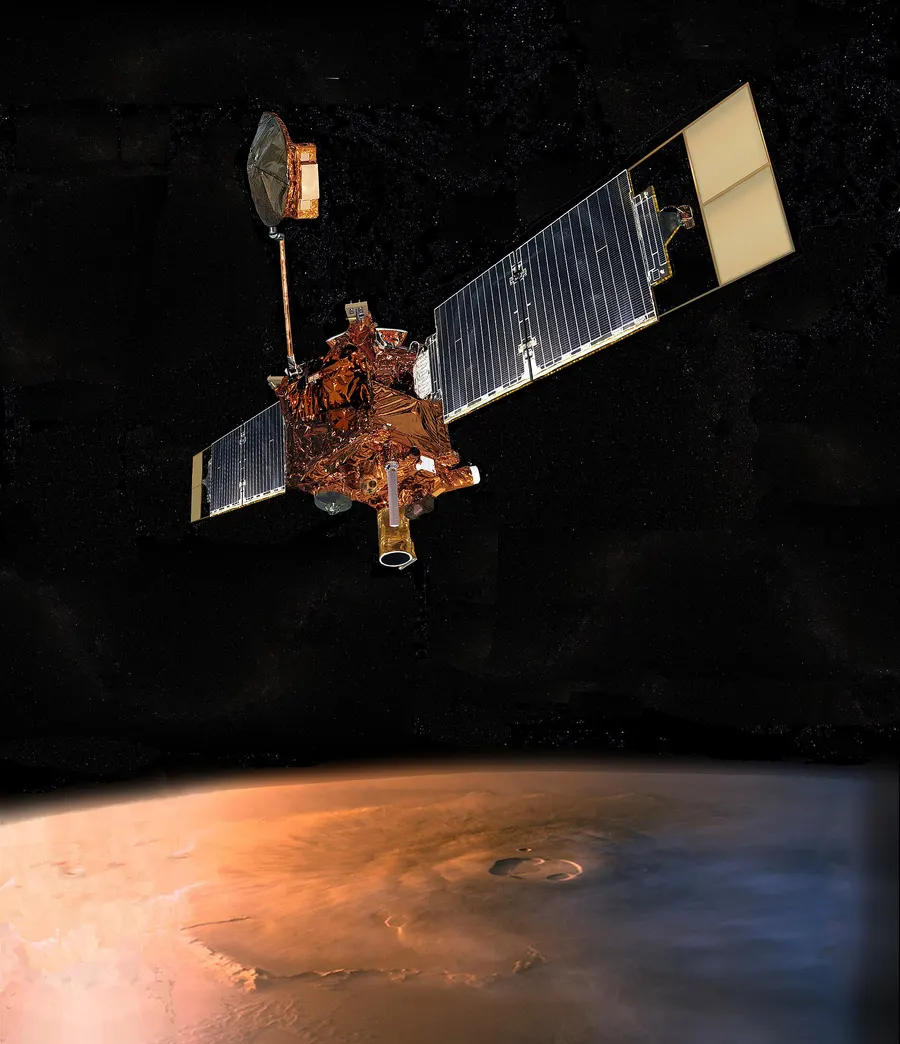
An artist's impression of NASA's Mars Global Surveyor in orbit above MarsAn artist’s impression of NASA’s Mars Global Surveyor in orbit above MarsImage: NASA/JPL-Caltech/Corby Waste · Public domain
world · Global

Mars Global Surveyor goes into orbit around Mars

In 1993 NASA lost contact with its Mars Observer spacecraft just days before it reached the planet. Mars Global Surveyor was built to carry out much of the same work more cheaply, using spare instruments from the lost craft. It was launched from Cape Canaveral on 7 November 1996 and spent ten months crossing to Mars. On the evening of 11 September 1997, American time (early on 12 September by universal time), it fired its main engine for about 22 minutes and was captured into a long, looping orbit. Over the next year and a half it used the drag of the thin Martian air to lower itself into a low circular orbit over the poles. From 1999 to 2006 it mapped the whole planet, measuring its heights with a laser and photographing gullies, layered rocks and ancient deltas that suggested water had once flowed on the surface. It worked for nine years, far longer than planned.

Source: NASA: Mars Global Surveyor arrival press kit ↗
VI
2000 TO TODAY

Modern Day

The events of recent decades that have already become part of the historical record.

2001
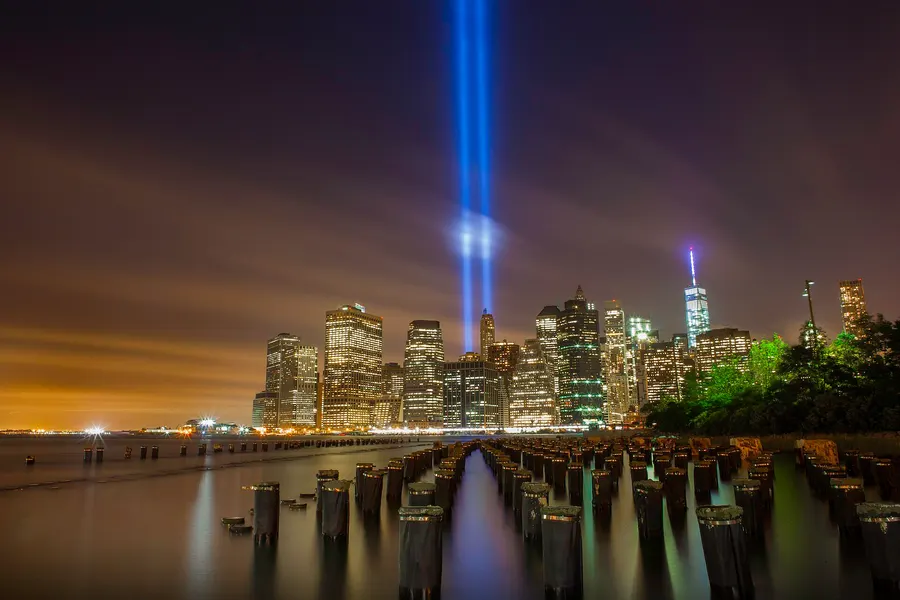
The Tribute in Light, twin beams shone into the sky over Lower Manhattan each year in memory of those killed on 11 September 2001, photographed in 2014The Tribute in Light, twin beams shone into the sky over Lower Manhattan each year in memory of those killed on 11 September 2001, photographed in 2014Image: Anthony Quintano · CC BY 2.0
world · Americas

The 11 September attacks and the nearly 3,000 people they killed

On the morning of 11 September 2001, nineteen men from the terrorist network al-Qaeda hijacked four passenger aircraft flying out of airports in the eastern United States. Two were flown into the twin towers of the World Trade Center in New York, which collapsed within two hours. A third struck the Pentagon, outside Washington. The passengers and crew of the fourth, United Flight 93, learned what had happened and fought back, and the plane came down in a field near Shanksville, Pennsylvania. In all 2,977 people were killed, from more than 90 countries: 2,753 in New York, 184 at the Pentagon and 40 aboard Flight 93. Among them were 441 firefighters, police officers and other first responders. Today a memorial with two great reflecting pools stands in the footprints of the towers in New York, where the names of the dead are inscribed in bronze, and every year on the anniversary their names are read aloud.

Source: 9/11 Memorial & Museum: 9/11 FAQs ↗
RESEARCH

Sources & Further Reading

Selected authoritative references supporting the events on this page.

Britannica: Battle of Stirling Bridge↗Historic Environment Scotland: Battle of Stirling Bridge (BTL28)↗Britannica: Battle of Zenta↗Kunsthistorisches Museum Vienna: The Battle of Zenta (1697)↗Generalitat de Catalunya: Do we commemorate a defeat?↗Barcelona City Council, Montjuïc Castle: The fortress in the 18th century↗American Battlefield Trust: Brandywine↗George Washington’s Mount Vernon: The Battle of Brandywine↗Smithsonian National Museum of Natural History: History of the Hope Diamond↗Britannica: French Blue↗Art Institute of Chicago: Swami Vivekananda and his 1893 speech↗Parliament of the World’s Religions: Swami Vivekananda on the world stage↗Belur Math: Swami Vivekananda’s speeches at the World’s Parliament of Religions↗South African History Online: Mass meeting at the Empire Theatre, Johannesburg, 1906↗mkgandhi.org: Satyagraha in South Africa, The advent of satyagraha↗Britannica: Mahatma Gandhi, resistance and results↗Australian Department of Veterans’ Affairs: Batu Lintang Internment Camp Monument↗Australian War Memorial: Eastick, Thomas Charles↗BART: 50 years of service, a look back at BART’s electric opening day↗Britannica: Bay Area Rapid Transit↗Britannica: Chile, the military dictatorship from 1973↗Memoria Chilena, Biblioteca Nacional de Chile: Golpe de Estado del 11 de septiembre de 1973↗US Office of the Historian: Allende and Chile, 1970-1973↗MLB: Pete Rose’s top career moments↗SABR: Sept. 8, 1985, the day Pete Rose really broke Ty Cobb’s record↗Britannica: Pete Rose↗Chronik der Mauer (Federal Agency for Civic Education): Chronicle of the Berlin Wall, September 1989↗Britannica: History of Germany, the reunification of Germany↗Scottish Parliament: The path to devolution↗House of Commons Library: Devolution in Scotland↗NASA: Mars Global Surveyor arrival press kit↗NASA Space Science Data Coordinated Archive: Mars Global Surveyor↗Britannica: Mars Global Surveyor↗9/11 Memorial & Museum: 9/11 FAQs↗FBI History: 9/11 Investigation↗9/11 Memorial & Museum: The Memorial↗
WHY THESE MOMENTS?

Significance before volume

This page is not the longest possible list of events. It is a chronological journey through 11 September, where each entry is chosen for historical significance, human interest and reliability.

Facts are checked against authoritative museums, archives, universities and reference works. Where sources disagree, the page says so.

EXPLORED THE DEEPER STORY?

Return to the highlights of 11 September

Discover the lighter side of the date with famous birthdays, culture, firsts and lives remembered.

Explore This Day →