
HISTORY & TIMELINE
1 November

A journey through
1 November in history

From the unveiling of the Sistine Chapel ceiling in 1512 to the birth of the European Union in 1993, 1 November has brought masterpieces, disasters and new beginnings. This timeline follows the date across almost five centuries.

JUMP THROUGH TIME
III
A CHANGING WORLD

Early Modern Era

Exploration, political change, scientific development and expanding global connections.

1512
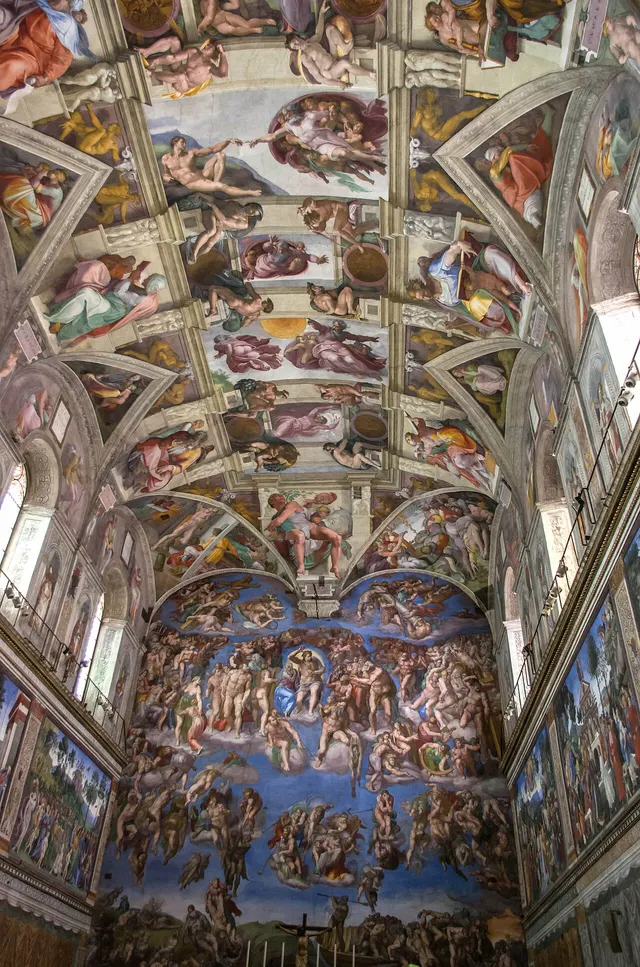
Michelangelo's ceiling of the Sistine Chapel.Michelangelo’s ceiling of the Sistine Chapel.Image: Antoine Taveneaux · CC BY-SA 3.0
culture · Europe

The Sistine Chapel ceiling is unveiled

Pope Julius II commissioned Michelangelo to paint the ceiling of the Sistine Chapel in 1508. The work was finished by the end of October 1512, and on 1 November, the feast of All Saints, the Pope celebrated Mass in the chapel beneath it. Michelangelo, who thought of himself as a sculptor rather than a painter, filled the vault with scenes from Genesis, among them the Creation of Adam, surrounded by prophets, sibyls and the ancestors of Christ. He returned more than twenty years later to paint the Last Judgement on the altar wall.

Source: Vatican Museums: the Sistine Chapel ceiling ↗
1611
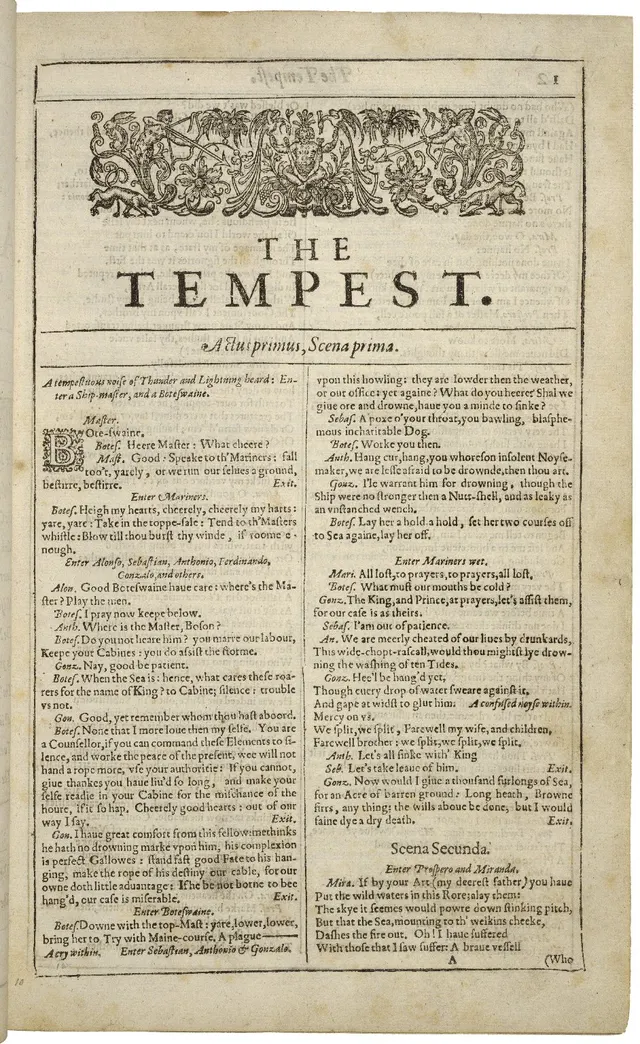
The first page of The Tempest in the First Folio of 1623.The first page of The Tempest in the First Folio of 1623.Image: William Shakespeare, Isaac Jaggard and Edward Blount (printers) · CC BY-SA 4.0
culture · Europe

The Tempest is performed at court

The first recorded performance of Shakespeare’s The Tempest took place before King James I at Whitehall Palace on 1 November 1611, a date recorded under the Julian calendar then used in England. It is listed in the Revels Accounts, the records of the court’s entertainments. The play, one of the last Shakespeare wrote alone, was printed for the first time in the First Folio of 1623.

Source: Royal Shakespeare Company: The Tempest, stage history ↗
1755
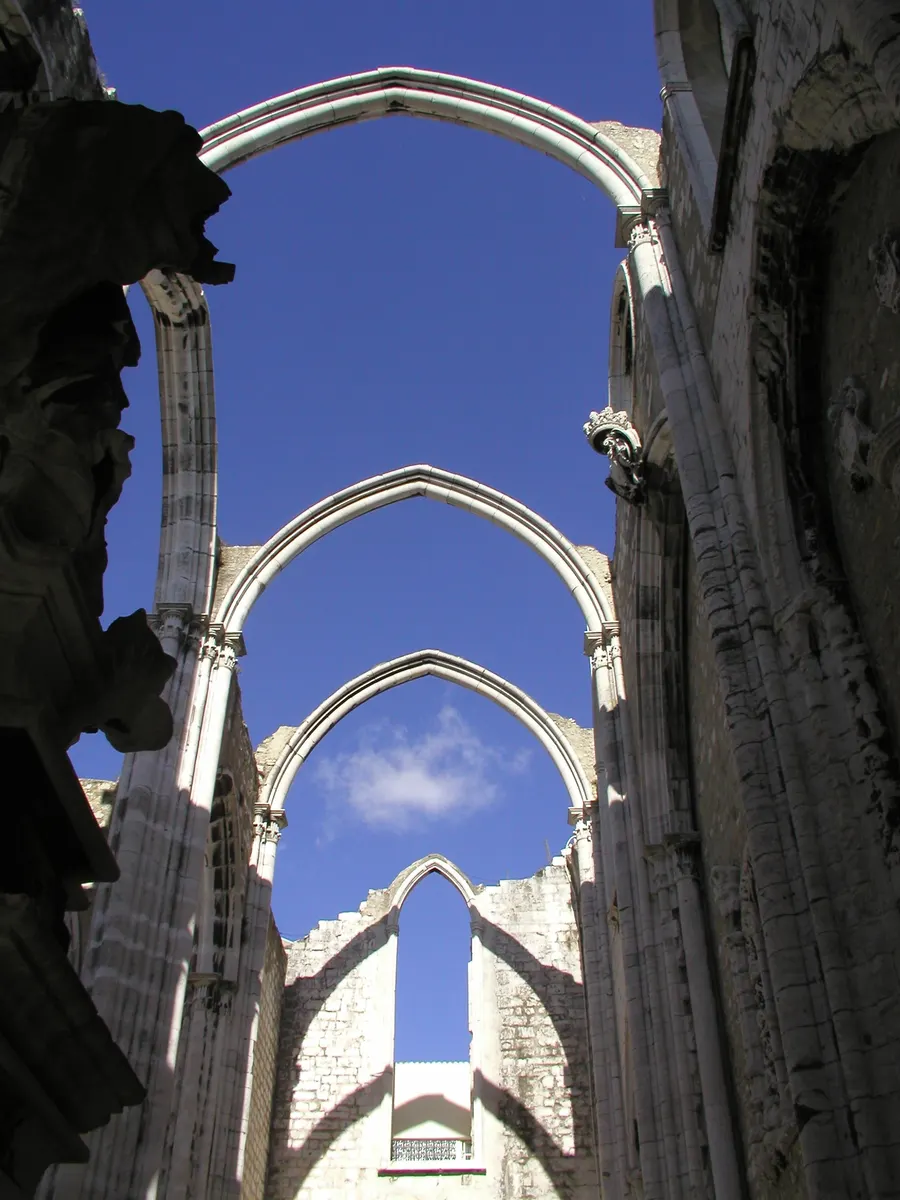
The ruins of the Convento do Carmo in Lisbon, left unroofed since the earthquake.The ruins of the Convento do Carmo in Lisbon, left unroofed since the earthquake.Image: Chris Adams · CC BY-SA 3.0
world · Europe

The great Lisbon earthquake

On the morning of 1 November 1755, All Saints’ Day, a great earthquake struck Lisbon while much of the city was at Mass. Churches collapsed on their congregations, a tsunami swept the waterfront where survivors had gathered, and fires then burned for days. The earthquake is thought to have been of magnitude 8.5 or more, the most destructive in European history. About 30,000 people are thought to have died in Lisbon, and some estimates are twice that. The waves were felt as far away as the Caribbean. The disaster shook the thinkers of the Enlightenment, and the rebuilding of the city’s centre under the Marquis of Pombal gave Lisbon the grid of streets it has today.

Source: Encyclopaedia Britannica: Lisbon earthquake of 1755 ↗
IV
THE NINETEENTH CENTURY

The 1800s

Industry, empire, invention, reform and a century of enormous transformation.

1800
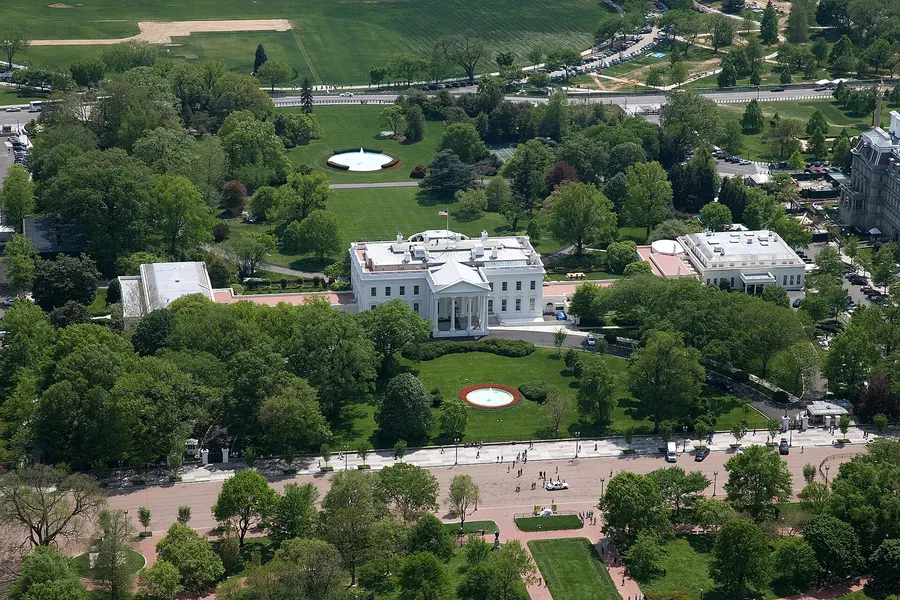
The White House today, from the air.The White House today, from the air.Image: Carol M. Highsmith · Public domain
politics · Americas

John Adams moves into the White House

President John Adams arrived in Washington on 1 November 1800 and became the first president to live in the President’s House, now the White House. The building was unfinished, but a handful of rooms were ready, and Adams judged it habitable. The next day he wrote to his wife Abigail hoping that none but honest and wise men would ever rule under its roof.

Source: White House Historical Association: John and Abigail Adams, a tradition begins ↗
1897
The Juventus first team in the 1899 season.The Juventus first team in the 1899 season.Image: Unknown authorUnknown author · Public domain
sport · Europe

Juventus is founded in Turin

On 1 November 1897 a group of pupils from the Liceo Massimo d’Azeglio, a classical grammar school in Turin, founded a sports club. They called it Juventus, Latin for youth, because none of them was older than seventeen. The club won its first Italian championship in 1905 and went on to become the most successful in the history of Italian football.

Source: Juventus FC: the story of a legend ↗
V
THE TWENTIETH CENTURY

The 1900s

War and peace, technological leaps, social change, politics, sport and popular culture.

1911
Giulio Gavotti on a Farman biplane in Rome, 1910.Giulio Gavotti on a Farman biplane in Rome, 1910.Image: Unknown authorUnknown author · Public domain
world · Africa

The first bombs dropped from an aeroplane

On 1 November 1911, during Italy’s war with the Ottoman Empire in Libya, the Italian airman Giulio Gavotti leaned out of his Etrich Taube monoplane and dropped small grenades on Ottoman troops at the oases of Ain Zara and Taguira near Tripoli. It was the first bombing raid from an aeroplane. He had written to his father beforehand that he hoped to be the first to do it.

Source: Smithsonian Air & Space Magazine: The world’s first warplane ↗
1914
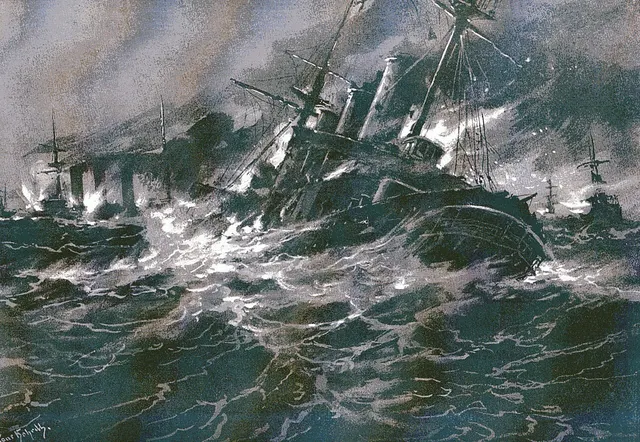
The Battle of Coronel, painted by Hans Bohrdt in 1915.The Battle of Coronel, painted by Hans Bohrdt in 1915.Image: Hans Bohrdt · Public domain
world · Americas

The Battle of Coronel

On 1 November 1914 a German squadron under Admiral Maximilian von Spee met a weaker British force off Coronel, on the coast of Chile. The armoured cruisers HMS Good Hope and HMS Monmouth were sunk with all hands, including Rear Admiral Christopher Cradock, while the Germans lost no ships. It was Britain’s worst naval defeat for more than a century; five weeks later Spee’s squadron was destroyed off the Falkland Islands.

Source: Encyclopaedia Britannica: Battle of Coronel ↗
1922
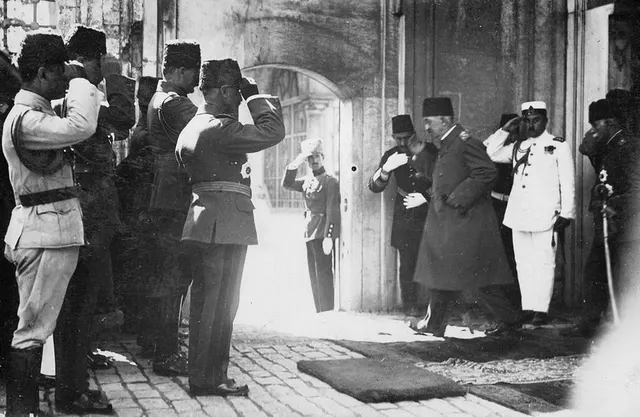
Mehmed VI, the last Ottoman sultan, leaves the Dolmabahçe Palace in Istanbul in 1922, shortly before his exile.Mehmed VI, the last Ottoman sultan, leaves the Dolmabahçe Palace in Istanbul in 1922, shortly before his exile.Image: Unknown authorUnknown author · Public domain
politics · Asia

The Ottoman sultanate is abolished

On 1 November 1922, at the urging of Mustafa Kemal, Turkey’s Grand National Assembly in Ankara voted to abolish the Ottoman sultanate, ending more than six centuries of rule by the house of Osman. Sixteen days later the last sultan, Mehmed VI, left Istanbul on a British warship for exile in Malta. His cousin Abdülmecid II was chosen as caliph, a religious office only, and within a year the Republic of Turkey was proclaimed.

Source: Encyclopaedia Britannica: Mehmed VI ↗
1952
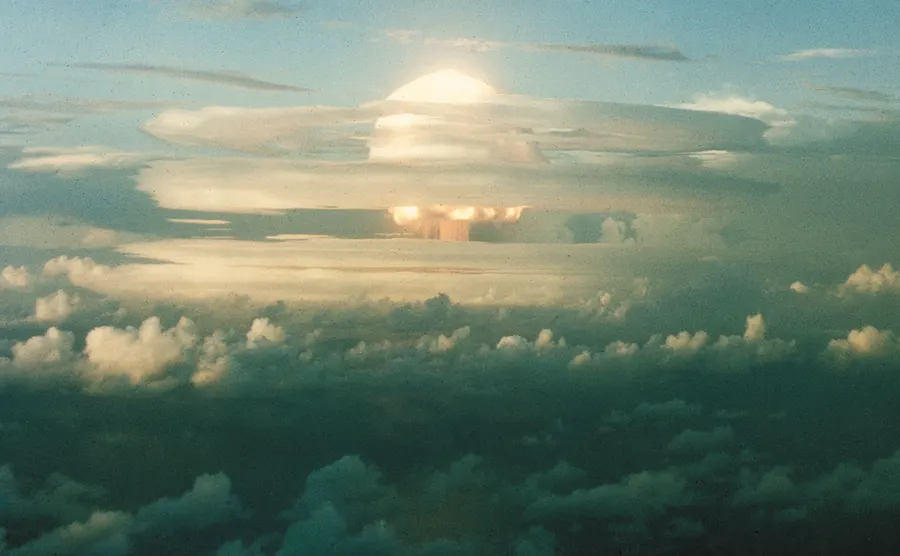
The Ivy Mike explosion on Enewetak Atoll, 1 November 1952 local time (31 October in the United States).The Ivy Mike explosion on Enewetak Atoll, 1 November 1952 local time (31 October in the United States).Image: Federal government of the United States · Public domain
science · Oceania

The first hydrogen bomb is tested

On 1 November 1952 the United States exploded the first thermonuclear device, code-named Mike, on the island of Elugelab in Enewetak Atoll in the Marshall Islands. It yielded 10.4 megatons, about 500 times the power of the bomb dropped on Nagasaki. The device weighed about 82 tons and needed a building-sized plant to keep its hydrogen fuel liquid, so it was not a usable weapon. Elugelab was vaporised, leaving a crater in the reef. The test was kept secret at first so that the Soviet Union could learn nothing from it.

Source: CTBTO Preparatory Commission: 1 November 1952, Ivy Mike ↗
1954
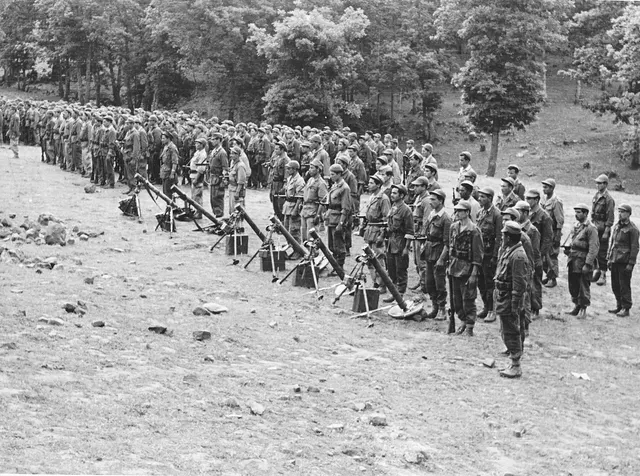
Soldiers of the National Liberation Army during the war, 1958.Soldiers of the National Liberation Army during the war, 1958.Image: Zdravko Pečar · CC BY-SA 4.0
world · Africa

Algeria’s war of independence begins

In the early hours of 1 November 1954 the newly formed National Liberation Front (FLN) launched about seventy attacks across Algeria, then ruled by France. Eight people were killed. The French called the night Toussaint rouge, Red All Saints’ Day. It was the start of a war that lasted almost eight years and cost hundreds of thousands of lives. A ceasefire was agreed at Évian in March 1962, and Algeria became independent that July. Algerians mark 1 November as the anniversary of their revolution.

Source: Encyclopaedia Britannica: Algerian War of Independence ↗
1981
The flag of Antigua and Barbuda, adopted in 1967.The flag of Antigua and Barbuda, adopted in 1967.Image: Original: Sir Reginald Samuel Vector: David Benbennick · Public domain
politics · Americas

Antigua and Barbuda becomes independent

Antigua and Barbuda became an independent state within the Commonwealth on 1 November 1981, with Vere Bird as its first prime minister. The islands had been a British colony and, from 1967, a self-governing associated state. The talks had been complicated by Barbuda, which felt held back by its larger neighbour and had pressed to separate. The new state joined the United Nations the same year.

Source: Encyclopaedia Britannica: Antigua and Barbuda, history ↗
1993
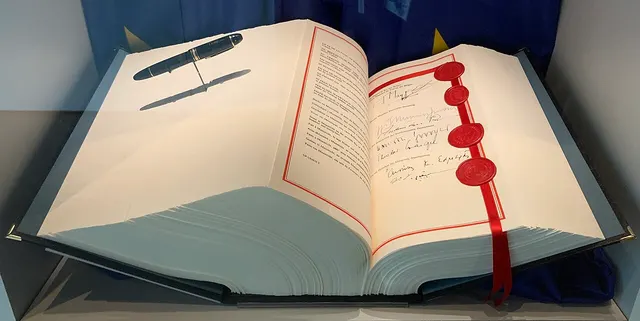
The signed text of the Treaty of Maastricht.The signed text of the Treaty of Maastricht.Image: User:Mateus2019 · CC BY 2.0 de
politics · Europe

The European Union comes into being

The Treaty on European Union, signed at Maastricht in the Netherlands in February 1992, came into force on 1 November 1993, and with it the European Union was formally established. The treaty made every citizen of a member state a citizen of the Union, set the path to a central bank and a single currency, the euro, and committed the members to common foreign and security policies and closer work on justice and home affairs.

Source: European Parliament: Maastricht Treaty ↗
RESEARCH

Sources & Further Reading

Selected authoritative references supporting the events on this page.

WHY THESE MOMENTS?

Significance before volume

This page is not the longest possible list of events. It is a chronological journey through 1 November, where each entry is chosen for historical significance, human interest and reliability.

Facts are checked against authoritative museums, archives, universities and reference works. Where sources disagree, the page says so.

EXPLORED THE DEEPER STORY?

Return to the highlights of 1 November

Discover the lighter side of the date with famous birthdays, culture, firsts and lives remembered.

Explore This Day →
← PREVIOUS DAY31 October
HISTORY & TIMELINE1 November
NEXT DAY →2 November