
1604
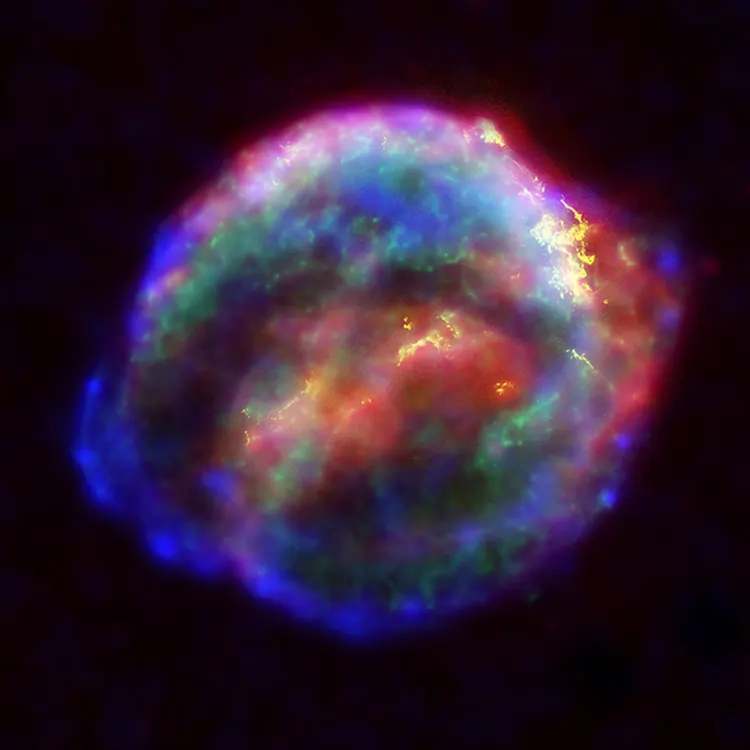 The remnant of the 1604 supernova, a composite of X-ray, optical and infrared images from the Chandra, Hubble and Spitzer observatories.Image: NASA/ESA/JHU/R.Sankrit & W.Blair · Public domain
science · Europe
A new star appears, and it was the last
On 9 October 1604 the Italian astronomer Lodovico delle Colombe saw a star in Ophiuchus that had not been there before. Johannes Kepler began watching it on 17 October and followed it for more than a year; because he published such careful observations in 1606, it carries his name. At its brightest it outshone Jupiter and could be seen in daylight for several weeks. Nobody had a telescope - it had not been invented - so it was watched by eye, in Europe, Korea, China and the Arab world. It remains the last supernova observed inside our own galaxy, and the last visible to the naked eye until 1987.
Source: NASA: 420 years ago, astronomer Johannes Kepler observes a supernova ↗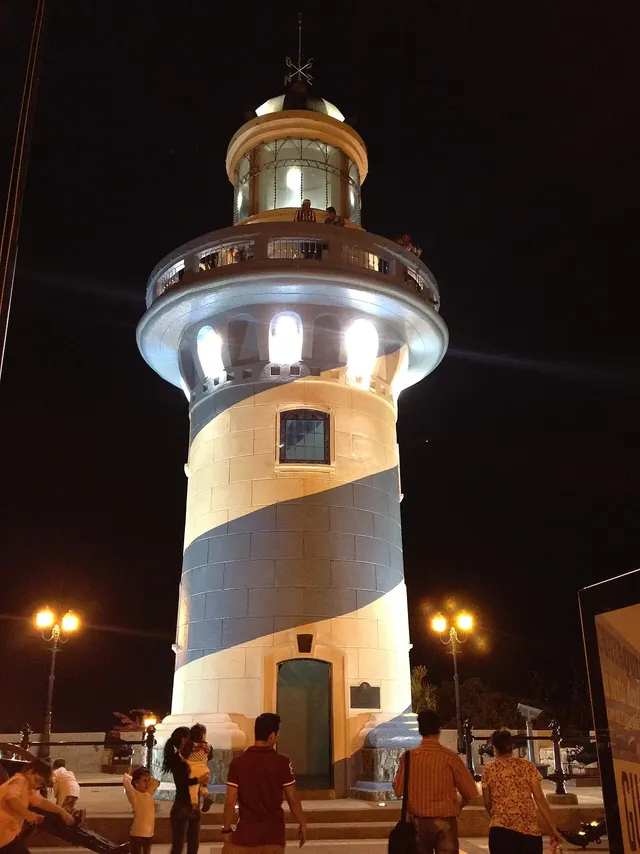 The lighthouse on Cerro Santa Ana, above the old quarter of Guayaquil.Image:
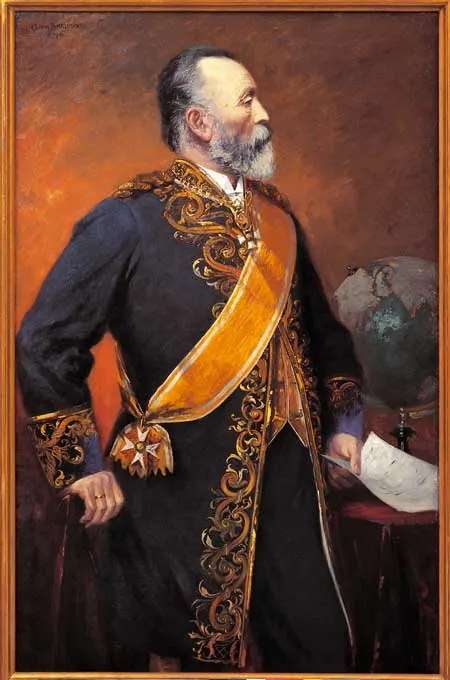 Heinrich von Stephan, the German postal official whose plan became the General Postal Union.Image:
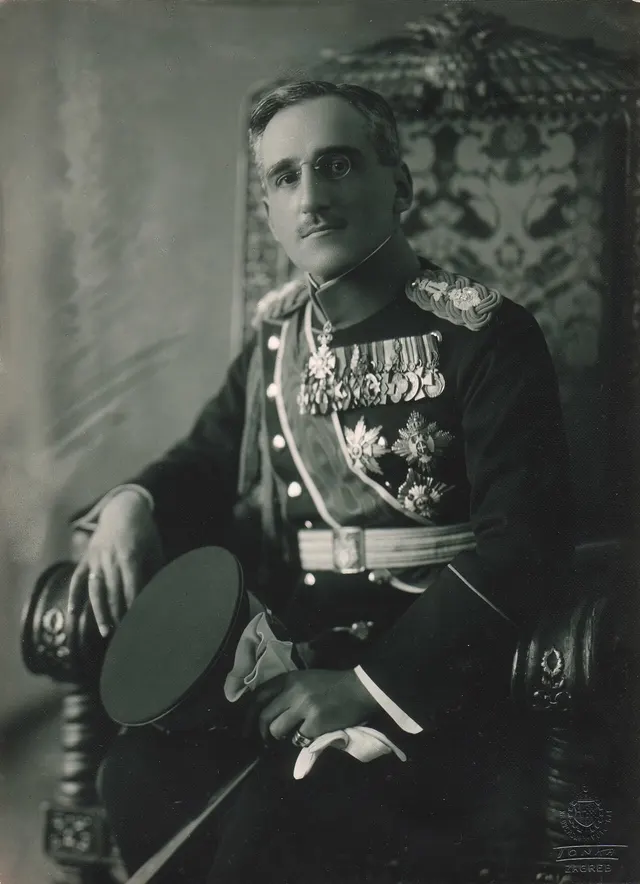 Alexander I, king of Yugoslavia from 1921 until 1934.Image:
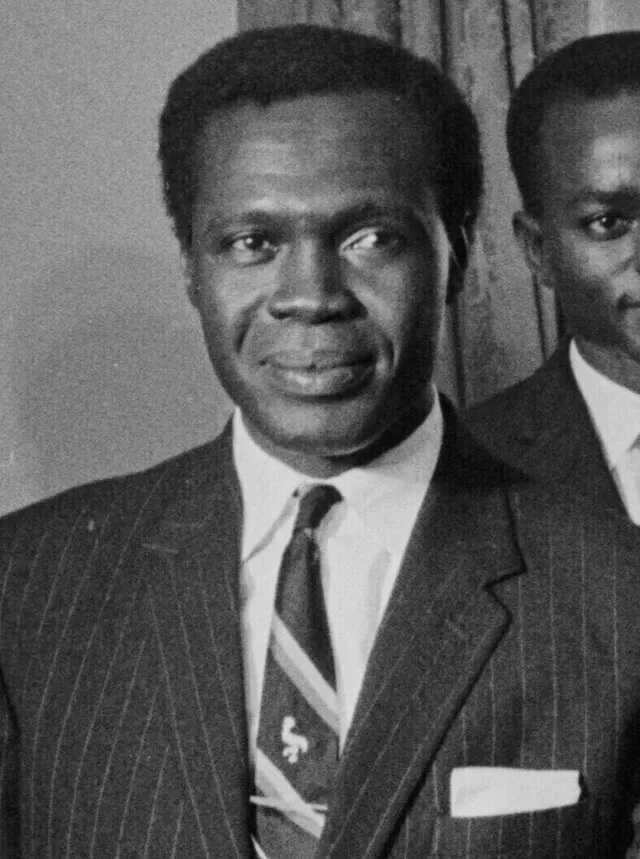 Milton Obote, who led Uganda to independence and became its first prime minister.Image:
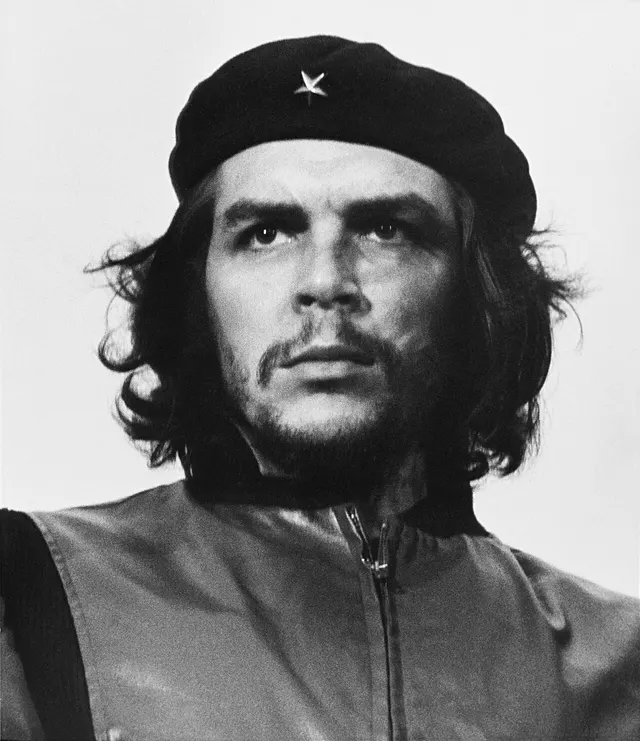 Alberto Korda’s 1960 photograph of Che Guevara, taken in Havana.Image:
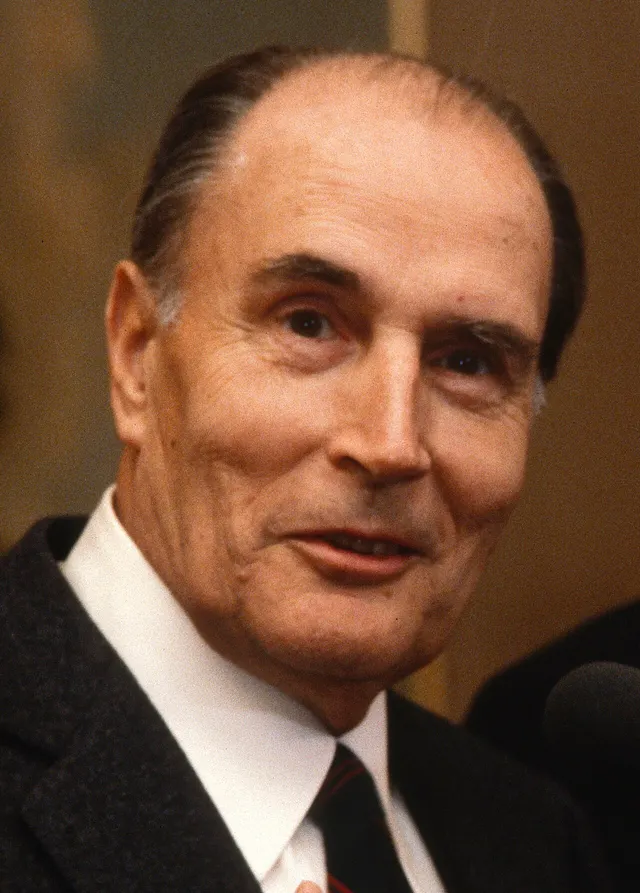 François Mitterrand, president of France from 1981 to 1995.Image:
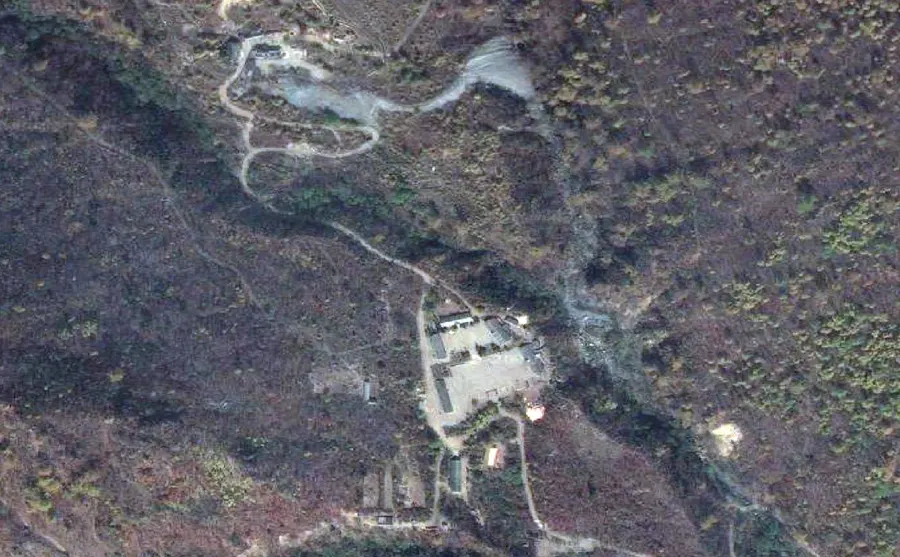 The Punggye-ri test site, from a United States Geological Survey record of the later 2013 test at the same place.Image: