HISTORY & TIMELINE
23 September

A journey through
23 September in history

From the Concordat of Worms in 1122 to the loss of the Mars Climate Orbiter in 1999, 23 September has seen popes and emperors settle a quarrel, battles on land and sea, pioneering flights and a planet discovered. This timeline follows the date across nine centuries.

JUMP THROUGH TIME
II
THE MIDDLE AGES

Medieval History

Kingdoms, conflict, faith, power and the changing medieval world.

1122
Worms Cathedral.Worms Cathedral.Image: Unknown · CC BY-SA 3.0
culture · Europe

The Concordat of Worms ends the Investiture Controversy

On 23 September 1122 Pope Callixtus II and Emperor Henry V agreed the Concordat of Worms, ending the Investiture Controversy, the long quarrel between the papacy and the German emperors that had run since 1076. Bishops and abbots would be freely elected, but the emperor could send a representative to the elections and invest the chosen men with temporal authority. The compromise drew a clearer line between spiritual and secular power.

Source: Encyclopaedia Britannica: Concordat of Worms ↗
III
A CHANGING WORLD

Early Modern Era

Exploration, political change, scientific development and expanding global connections.

1779
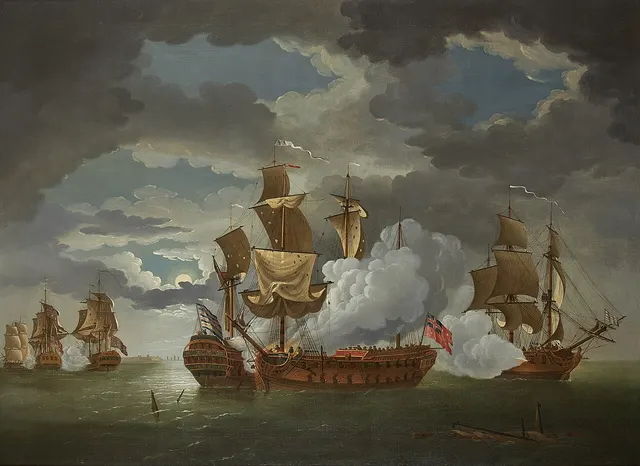
The action between Bonhomme Richard and Serapis, painted by Richard Paton in 1780.The action between Bonhomme Richard and Serapis, painted by Richard Paton in 1780.Image: Richard Paton · Public domain
world · Europe

John Paul Jones: ‘I have not yet begun to fight’

On the evening of 23 September 1779, off Flamborough Head on the Yorkshire coast, the American captain John Paul Jones in the Bonhomme Richard fought the British frigate Serapis, which was escorting a merchant convoy. After three and a half hours at close range, with some 300 casualties, the Serapis surrendered. Asked early in the fight whether he would strike his colours, Jones is said to have replied: ‘I have not yet begun to fight.’ His own ship sank two days later.

Source: Naval History and Heritage Command: Bonhomme Richard ↗
IV
THE NINETEENTH CENTURY

The 1800s

Industry, empire, invention, reform and a century of enormous transformation.

1803
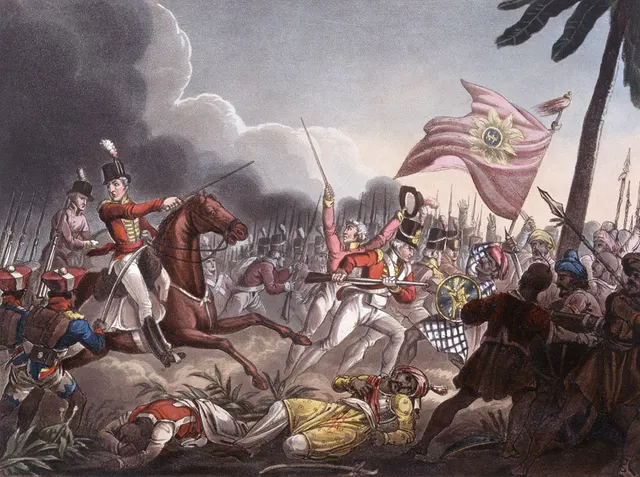
Arthur Wellesley at Assaye, in an 1815 aquatint by Joseph Constantine Stadler after William Heath.Arthur Wellesley at Assaye, in an 1815 aquatint by Joseph Constantine Stadler after William Heath.Image: Joseph Constantine Stadler / After William Heath · Public domain
world · Asia

Wellesley wins the Battle of Assaye

On 23 September 1803, during the Second Anglo-Maratha War, Major-General Arthur Wellesley led a British East India Company army of about 4,500 men, only 1,300 of them Europeans, against a Maratha force of more than 30,000 at Assaye in western India, and routed it after a desperate struggle. It was the first of Wellesley’s great victories, and years later, as Duke of Wellington and the victor of Waterloo, he still called it the best battle he ever fought. The win helped extend British power over central India.

Source: National Army Museum: Battle of Assaye, 23 September 1803 ↗
1806
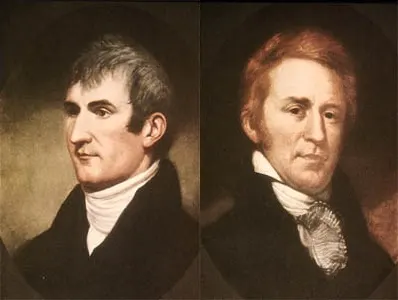
Meriwether Lewis and William Clark, painted by Charles Willson Peale.Meriwether Lewis and William Clark, painted by Charles Willson Peale.Image: Unknown · Public domain
world · Americas

Lewis and Clark return to St Louis

On 23 September 1806 the Corps of Discovery, led by Meriwether Lewis and William Clark, arrived back in St Louis, more than two years after setting out to cross the continent to the Pacific and nearly 8,000 miles later. They had been feared dead, and Clark wrote that the townspeople gave them ‘a harty welcom’. The expedition’s maps and records opened the American West to the young United States.

Source: National Park Service: Return home day for Lewis and Clark, September 23, 1806 ↗
1846
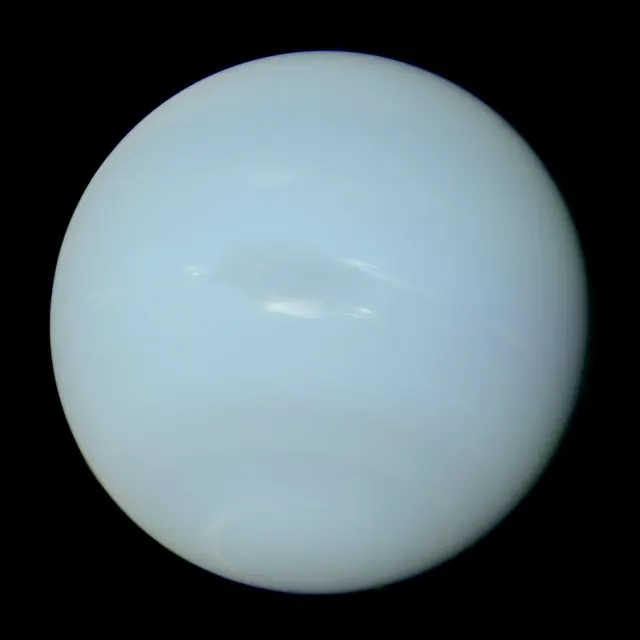
Neptune, photographed by Voyager 2.Neptune, photographed by Voyager 2.Image: NASA / Voyager 2 / PDS / OPUS / Ardenau4 · CC0
science · Europe

Astronomers find Neptune

On the night of 23-24 September 1846 Johann Gottfried Galle used the Fraunhofer telescope at the Berlin Observatory to find Neptune, within one degree of the position calculated by Urbain Le Verrier. The search took about an hour. Le Verrier in Paris and John Couch Adams in Cambridge had independently worked out the planet’s position from irregularities in the orbit of Uranus. Galle and Heinrich d’Arrest were the first to identify it, though credit for the discovery went to Adams and Le Verrier.

Source: NASA: Astronomers discover Neptune, the eighth planet ↗
1868
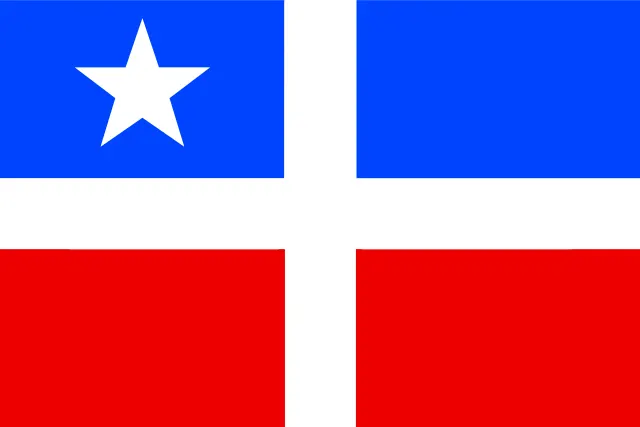
The flag associated with the Lares uprising of 1868.The flag associated with the Lares uprising of 1868.Image: Original: Public Domain Vector: Tektonson · Public domain
politics · Americas

Puerto Rico rises against Spain at Lares

On the night of 23 September 1868 between four and six hundred rebels, gathered at the estate of Manuel Rojas outside the mountain town of Lares, marched on the town and seized it, proclaiming a Republic of Puerto Rico. The plot, led from exile by Ramón Emeterio Betances and Segundo Ruiz Belvis, had been brought forward after Spanish authorities discovered it. The rebels called for independence, the end of slavery and freedom of the press and trade, and freed the enslaved people who joined them. Spanish troops crushed the rising within days, but the Grito de Lares, ‘the Cry of Lares’, came to be seen as the start of Puerto Rico’s struggle for independence.

Source: Library of Congress: The Grito de Lares, the rebellion of 1868 ↗
V
THE TWENTIETH CENTURY

The 1900s

War and peace, technological leaps, social change, politics, sport and popular culture.

1910
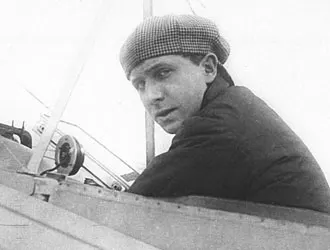
Jorge Chávez in the cockpit of his aircraft.Jorge Chávez in the cockpit of his aircraft.Image: Unknown authorUnknown author · Public domain
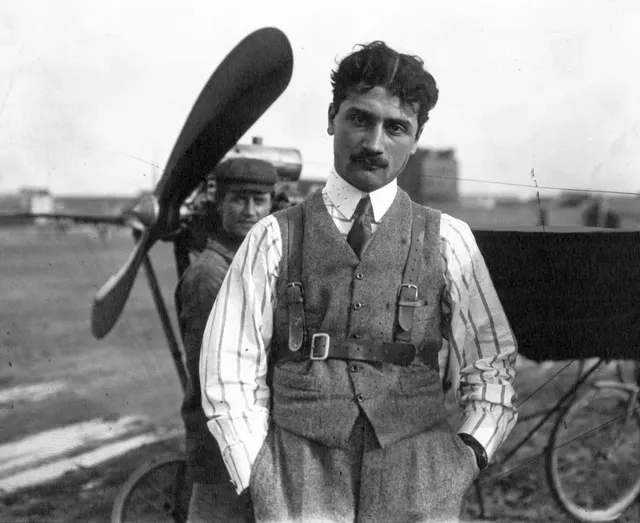
science · Europe

Jorge Chávez makes the first flight over the Alps

On 23 September 1910 the Peruvian aviator Jorge Chávez, just 23 years old, flew from Brig in Switzerland over the Simplon Pass to Domodossola in Italy, the first flight across the Alps. The crossing took about 51 minutes, but his aircraft crashed as he came in to land, and he died of his injuries four days later. Lima’s international airport is named after him.

Source: Smithsonian National Air and Space Museum: Four history-making Latinos you should know ↗
1913
science · Europe

Roland Garros flies across the Mediterranean

At 5.47 am on 23 September 1913 the French aviator Roland Garros took off from Saint-Raphaël on the Riviera in a Morane-Saulnier monoplane and headed south over the open sea. Nearly eight hours later he landed at Bizerte in Tunisia, having flown about 780 km and survived two engine problems on the way. It was the first non-stop flight across the Mediterranean. Garros was killed in air combat in October 1918, and the Paris stadium that hosts the French Open tennis tournament bears his name.

Source: Bibliothèque nationale de France (Gallica): Monument at Fréjus to the first crossing of the Mediterranean by Roland Garros, 23 September 1913 ↗
1918
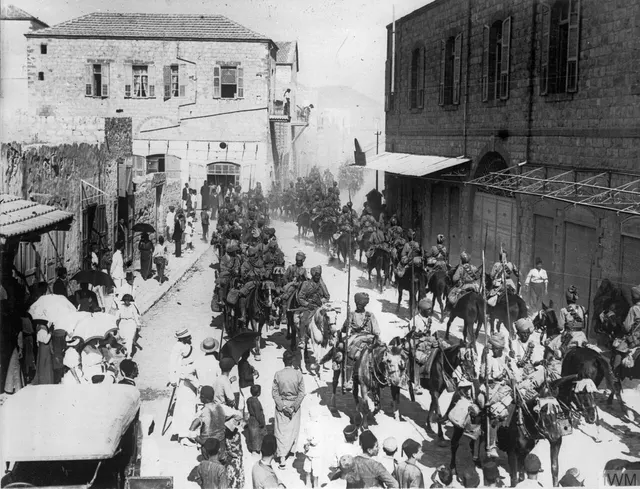
Troops in the streets of Haifa after the battle, 1918.Troops in the streets of Haifa after the battle, 1918.Image: Unknown authorUnknown author Original uploader was Jim Sweeney at en.wikipedia · Public domain
world · Asia

Indian cavalry capture Haifa

On 23 September 1918, in the final British offensive in Palestine, the Jodhpur and Mysore Lancers of the Indian Army’s Imperial Service Cavalry charged Ottoman and German positions and captured the port of Haifa. Major Dalpat Singh Shekhawat of the Jodhpur Lancers was killed leading the attack and was awarded the Military Cross. India’s army marks 23 September as Haifa Day.

Source: Commonwealth War Graves Commission: Haifa Indian Cemetery ↗
1932
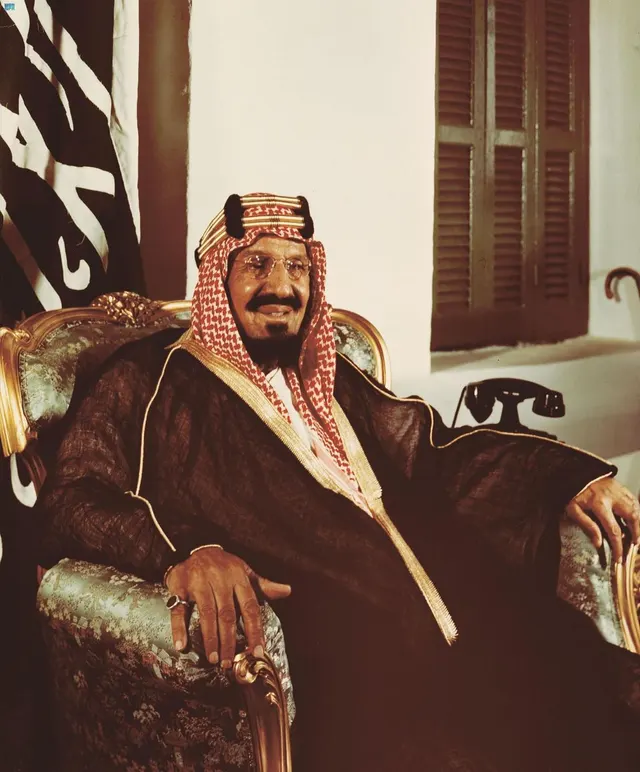
Ibn Saud, founder of the Kingdom of Saudi Arabia.Ibn Saud, founder of the Kingdom of Saudi Arabia.Image: Saudi Press Agency · Public domain
politics · Middle East

The Kingdom of Saudi Arabia is proclaimed

On 23 September 1932 a royal decree unified Ibn Saud’s domains of the Hejaz and Najd, administered as two separate units since 1927, under the name Kingdom of Saudi Arabia. The name underlined the central role of the royal family in the kingdom’s creation, and the new state was recognised as an independent country from the day it was established. The date is now Saudi National Day.

Source: Encyclopaedia Britannica: Saudi Arabia, the Kingdom of Saudi Arabia ↗
1952
politics · Americas

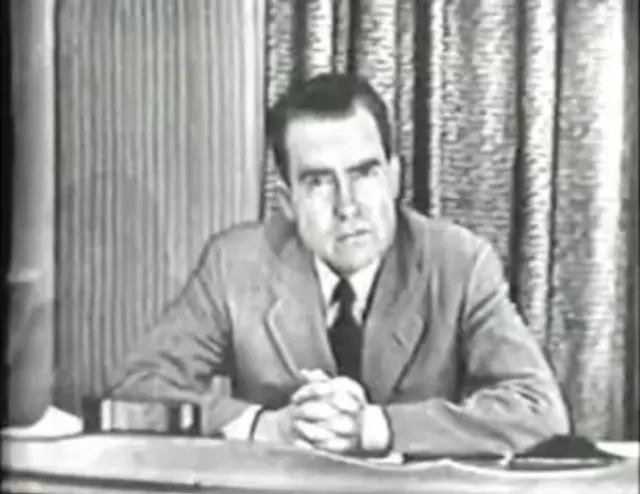
Richard Nixon’s Checkers speech

On 23 September 1952 Richard Nixon, Eisenhower’s running mate, went on national television to answer charges that he kept a secret political fund. He detailed his family’s finances and admitted accepting one gift, a cocker spaniel his six-year-old daughter Tricia had named Checkers: ‘we are going to keep it’. The public response was overwhelmingly supportive, and Eisenhower kept him on the ticket.

Source: Miller Center (University of Virginia): September 23, 1952, Checkers speech ↗
1999
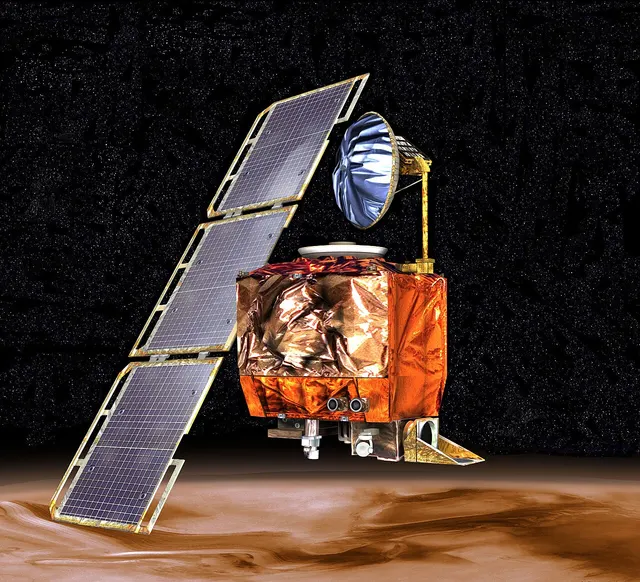
NASA's Mars Climate Orbiter.NASA’s Mars Climate Orbiter.Image: NASA/JPL/Corby Waste · Public domain
science · Americas

NASA loses the Mars Climate Orbiter

Contact with NASA’s Mars Climate Orbiter was lost on 23 September 1999, nine months after launch, as it was preparing to enter orbit at Mars. An investigation found a navigation error: ground software produced thruster data in English units while the spacecraft’s software expected metric units. The error sent it too close to Mars, at about 57 km altitude instead of the intended 140-150 km, and it burned up in the atmosphere.

Source: NASA Jet Propulsion Laboratory: Mars Climate Orbiter team finds likely cause of loss ↗
RESEARCH

Sources & Further Reading

Selected authoritative references supporting the events on this page.

Encyclopaedia Britannica: Concordat of Worms↗World History Encyclopedia: Investiture Controversy↗Naval History and Heritage Command: Bonhomme Richard↗Encyclopaedia Britannica: Engagement between Bonhomme Richard and Serapis↗National Army Museum: Battle of Assaye, 23 September 1803↗Encyclopaedia Britannica: Battle of Assaye↗National Park Service: Return home day for Lewis and Clark, September 23, 1806↗Thomas Jefferson’s Monticello: Return of Lewis and Clark↗NASA: Astronomers discover Neptune, the eighth planet↗Encyclopaedia Britannica: Neptune’s discovery↗Library of Congress: The Grito de Lares, the rebellion of 1868↗Encyclopaedia Britannica: Grito de Lares↗Smithsonian National Air and Space Museum: Four history-making Latinos you should know↗TVPerú (Peruvian state broadcaster): The story of Jorge Chávez Dartnell↗Bibliothèque nationale de France (Gallica): Monument at Fréjus to the first crossing of the Mediterranean by Roland Garros, 23 September 1913↗Roland-Garros (French Tennis Federation): A trailblazer for aviation and a war hero↗Commonwealth War Graves Commission: Haifa Indian Cemetery↗Press Information Bureau, Government of India: Centenary of the Battle of Haifa celebrated↗Encyclopaedia Britannica: Saudi Arabia, the Kingdom of Saudi Arabia↗Royal Embassy of Saudi Arabia: National Day↗Miller Center (University of Virginia): September 23, 1952, Checkers speech↗Encyclopaedia Britannica: Checkers speech↗NASA Jet Propulsion Laboratory: Mars Climate Orbiter team finds likely cause of loss↗NASA Science: Mars Climate Orbiter↗
WHY THESE MOMENTS?

Significance before volume

This page is not the longest possible list of events. It is a chronological journey through 23 September, where each entry is chosen for historical significance, human interest and reliability.

Facts are checked against authoritative museums, archives, universities and reference works. Where sources disagree, the page says so.

EXPLORED THE DEEPER STORY?

Return to the highlights of 23 September

Discover the lighter side of the date with famous birthdays, culture, firsts and lives remembered.

Explore This Day →