
HISTORY & TIMELINE
3 November

A journey through
3 November in history

From the guillotining of the writer Olympe de Gouges in 1793 to a new president for the United States in 1992, 3 November has seen nations born, empires surrender and a dog sent into orbit. This timeline follows the date across two centuries.

JUMP THROUGH TIME
III
A CHANGING WORLD

Early Modern Era

Exploration, political change, scientific development and expanding global connections.

1793
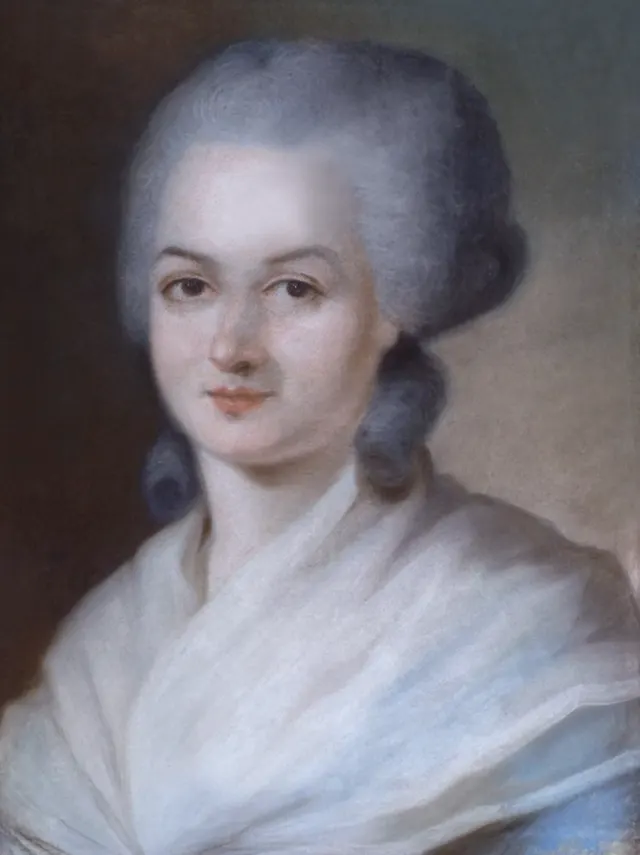
Olympe de Gouges in an eighteenth-century portrait.Olympe de Gouges in an eighteenth-century portrait.Image: Alexander Kucharsky · Public domain
politics · Europe

Olympe de Gouges is guillotined

The French playwright and campaigner Olympe de Gouges was executed by guillotine in Paris on 3 November 1793, during the Terror. In 1791 she had published a Declaration of the Rights of Woman and of the Female Citizen, answering the revolution’s Declaration of the Rights of Man, After the fall of the Girondins, whom she had supported, she was arrested, tried for treason and condemned.

Source: Encyclopaedia Britannica: Olympe de Gouges ↗
V
THE TWENTIETH CENTURY

The 1900s

War and peace, technological leaps, social change, politics, sport and popular culture.

1903
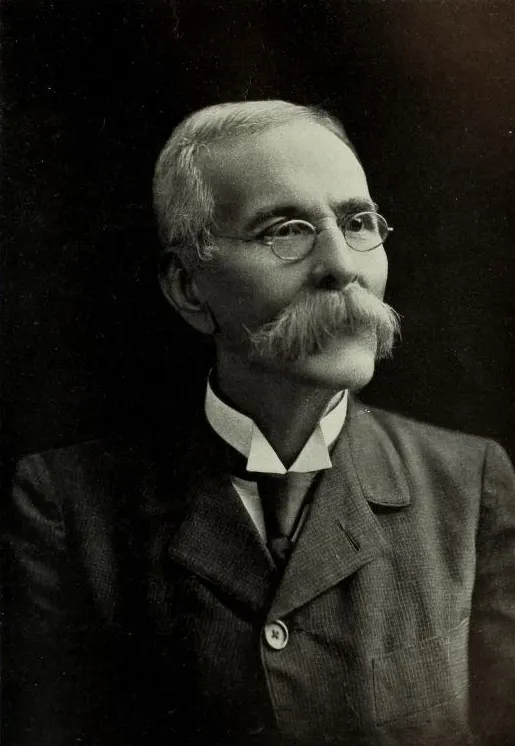
Manuel Amador Guerrero, who led the independence movement and became Panama's first president.Manuel Amador Guerrero, who led the independence movement and became Panama’s first president.Image: Scherer · Public domain
politics · Americas

Panama breaks away from Colombia

On 3 November 1903 Panamanians rose against Colombian rule, declared the isthmus an independent republic and set up a provisional government. Colombian troops could not reach them overland through the jungle of the Darién, and American warships stood off Panama City and Colón. The revolt followed the Colombian Senate’s rejection of a treaty that would have let the United States build a canal across the isthmus. Washington recognised Panama within days, and a treaty signed on 18 November gave the United States the right to build the Panama Canal.

Source: US Department of State, Office of the Historian: Panama ↗
1918
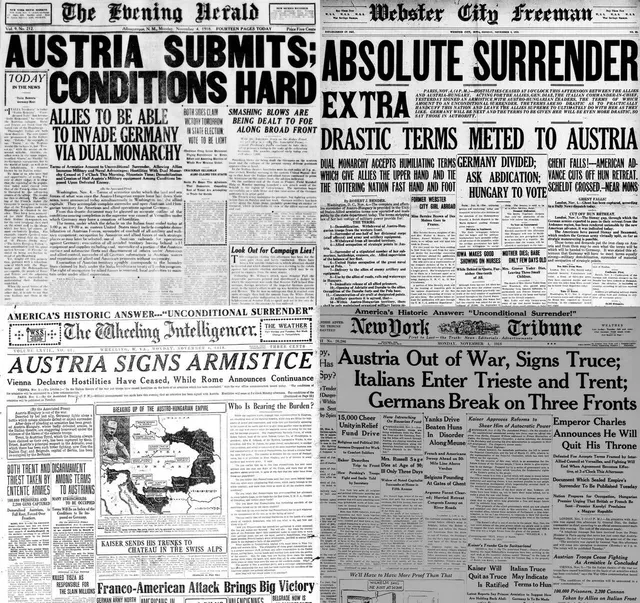
American newspapers of 4 November 1918 report the surrender of Austria-Hungary.American newspapers of 4 November 1918 report the surrender of Austria-Hungary.Image: The Evening Herald. Nov 4 1918 Tribune. Nov 4 1918 Webster City Freeman. Nov 4 1918 The Wheeling Intelligencer. Nov 4 1918 · Public domain
world · Europe

Austria-Hungary signs the Armistice of Villa Giusti

On 3 November 1918, at the Villa Giusti near Padua, representatives of Austria-Hungary signed an armistice with Italy and the Allies, to take effect the next day. It followed the Italian victory at Vittorio Veneto, where the Habsburg army had fallen apart. Austria-Hungary had to leave all the territory it had occupied since 1914 and withdraw from South Tyrol, Trieste, Istria and Dalmatia. Hundreds of thousands of its soldiers were taken prisoner, and the centuries-old empire broke up into new states.

Source: Encyclopaedia Britannica: Armistice of Villa Giusti ↗
1930
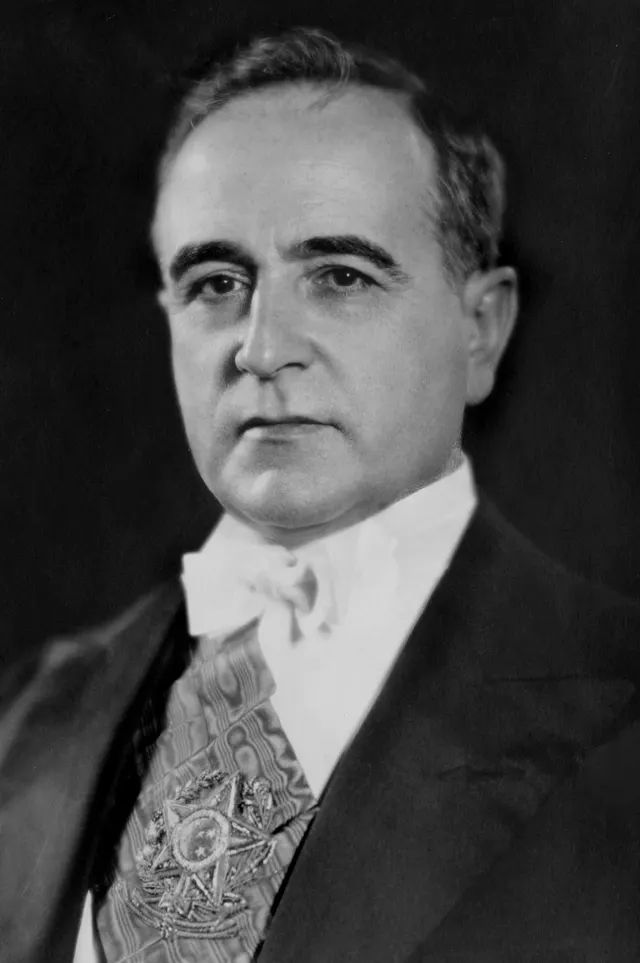
Getúlio Vargas in an official portrait of about 1930.Getúlio Vargas in an official portrait of about 1930.Image: Governo do Brasil · Public domain
politics · Americas

Getúlio Vargas takes power in Brazil

On 3 November 1930, a month after a revolt that overthrew President Washington Luís, Getúlio Vargas, the defeated candidate in that year’s election, took office in Rio de Janeiro as head of Brazil’s provisional government. He went on to rule for fifteen years, much of the time as a dictator, and returned as elected president in 1951.

Source: Fundação Getulio Vargas, CPDOC: the Revolution of 1930 ↗
1946
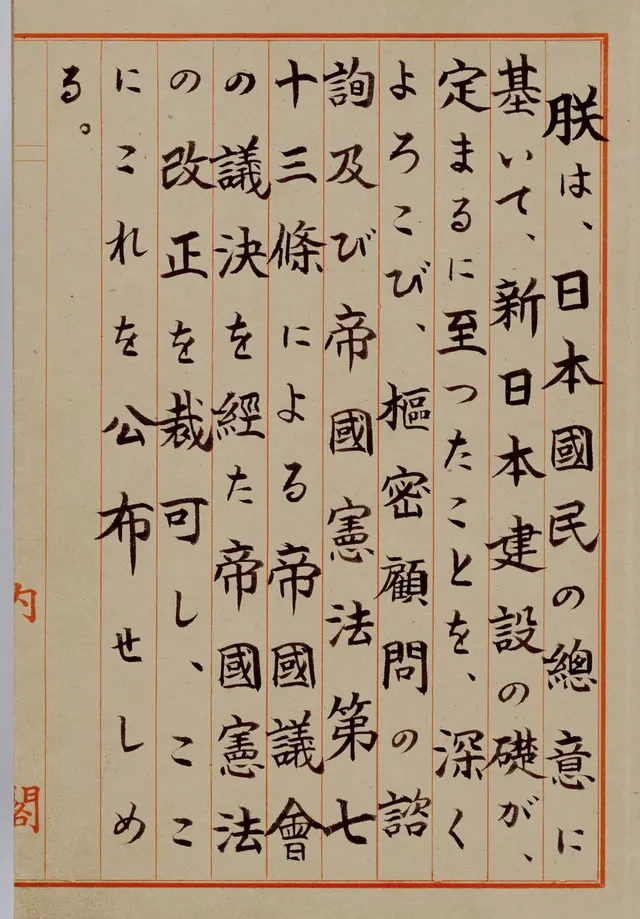
The original document of the Constitution of Japan, 1946.The original document of the Constitution of Japan, 1946.Image: Japanese government · Public domain
politics · Asia

Japan proclaims its post-war constitution

The Constitution of Japan was promulgated on 3 November 1946, after four months of debate in the Imperial Diet and approval by the Privy Council. The date was chosen with care: 3 November was the birthday of the Emperor Meiji. The constitution made the emperor a symbol of the state rather than its sovereign, placed power in the people, and renounced war. It came into force six months later, on 3 May 1947, and has never been amended.

Source: National Diet Library: Birth of the Constitution of Japan, the Constitution of Japan, 3 November 1946 ↗
1954
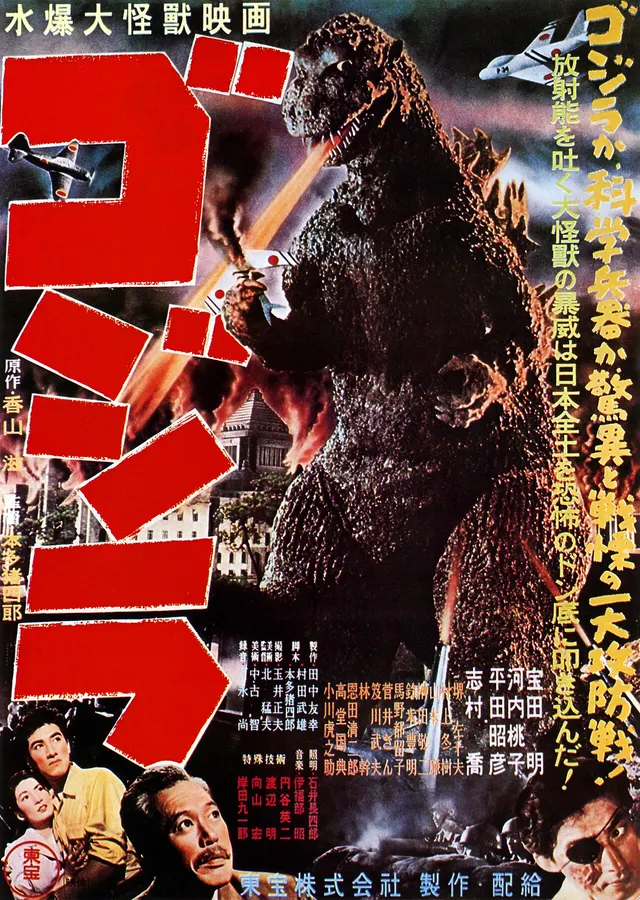
The Japanese poster for Godzilla, 1954.The Japanese poster for Godzilla, 1954.Image: Toho Company Ltd. (東宝株式会社) · Public domain
culture · Asia

Godzilla opens in Japanese cinemas

Gojira, known in the West as Godzilla, opened in Japanese cinemas on 3 November 1954. It was directed by Ishirō Honda, with special effects by Eiji Tsuburaya, for the Toho studio. The film was made months after a Japanese tuna boat, the Daigo Fukuryū Maru, was showered with fallout from an American hydrogen-bomb test at Bikini Atoll, and its monster, woken by nuclear testing, carried the fears of a nation that had lived through Hiroshima and Nagasaki. It has been followed by more than thirty sequels.

Source: The Criterion Collection: Reign of Destruction, an essay on Godzilla (1954) ↗
1957
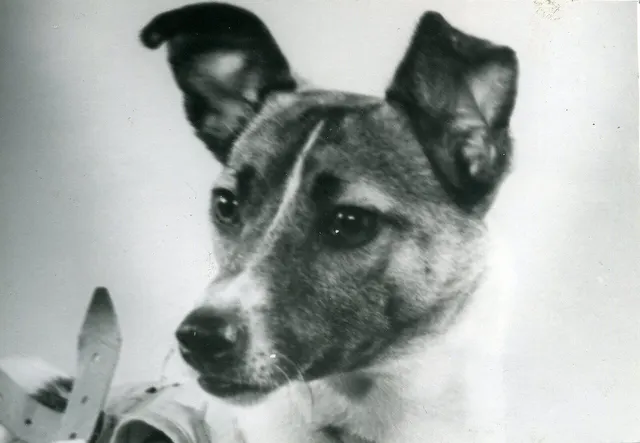
Laika before her flight, from the collection of the Museum of Cosmonautics in Moscow.Laika before her flight, from the collection of the Museum of Cosmonautics in Moscow.Image: Музей космонавтики / Главархив Москвы · CC BY 4.0
science · Europe

Laika becomes the first animal in orbit

On 3 November 1957, less than a month after Sputnik 1, the Soviet Union launched Sputnik 2. In a sealed cabin inside it was Laika, a small part-Samoyed terrier found as a stray on the streets of Moscow, the first animal to orbit the Earth. There was no way of bringing her back. For decades Soviet accounts suggested she lived for several days, but in 1999 Russian sources confirmed that she had died within hours, on the fourth orbit, when the cabin overheated. The satellite burned up on re-entering the atmosphere in April 1958.

Source: NASA: 60 years ago, the first animal in orbit ↗
1961
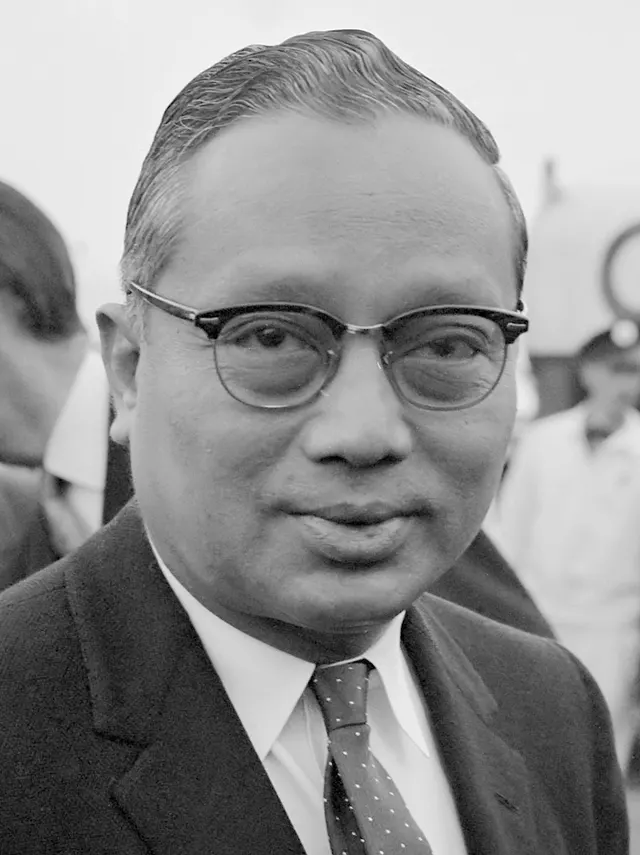
U Thant at a press conference at Schiphol airport, 1963.U Thant at a press conference at Schiphol airport, 1963.Image: Jack de Nijs for Anefo / Anefo · CC BY-SA 3.0 nl
politics · Asia

U Thant leads the United Nations

On 3 November 1961 the UN General Assembly, on the recommendation of the Security Council, unanimously appointed U Thant of Burma as acting Secretary-General, to complete the term of Dag Hammarskjöld, who had been killed in an air crash in Africa that September. The former teacher was the first Secretary-General from Asia. He was confirmed in the post in 1962 and served until 1971, through the Cuban Missile Crisis and the Vietnam War.

Source: United Nations Secretary-General: U Thant ↗
1973
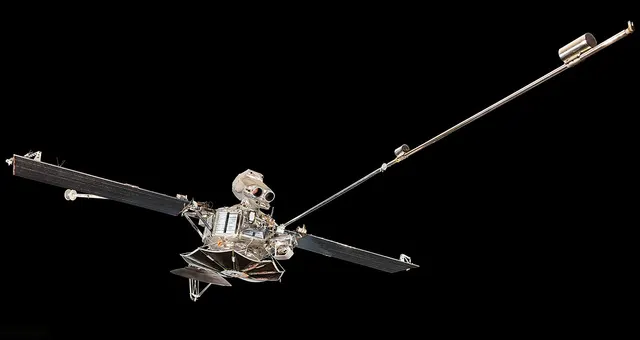
A Mariner 10 test spacecraft in the Smithsonian's National Air and Space Museum.A Mariner 10 test spacecraft in the Smithsonian’s National Air and Space Museum.Image: National Air and Space Museum · CC0
science · Global

Mariner 10 sets off for Venus and Mercury

NASA launched Mariner 10 from Florida on 3 November 1973. It was the first spacecraft to use the gravity of one planet to swing on to another: it flew past Venus in February 1974 and used the planet’s pull to reach Mercury the following month, becoming the first probe to visit it.

Source: NASA: Mariner 10, first mission to use an interplanetary gravity assist ↗
1978
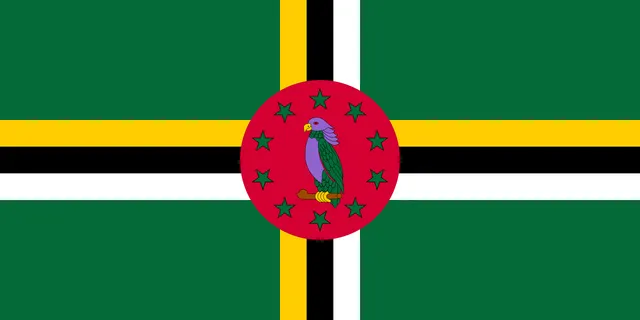
The flag of Dominica, adopted at independence in 1978.The flag of Dominica, adopted at independence in 1978.Image: Alwin Bully · Public domain
politics · Americas

Dominica becomes independent

The Caribbean island of Dominica became independent from Britain on 3 November 1978, with Patrick John as its first prime minister, having governed its own internal affairs since 1967. It remained a member of the Commonwealth. The date is kept as the country’s Independence Day.

Source: Encyclopaedia Britannica: Dominica, independence ↗
1992
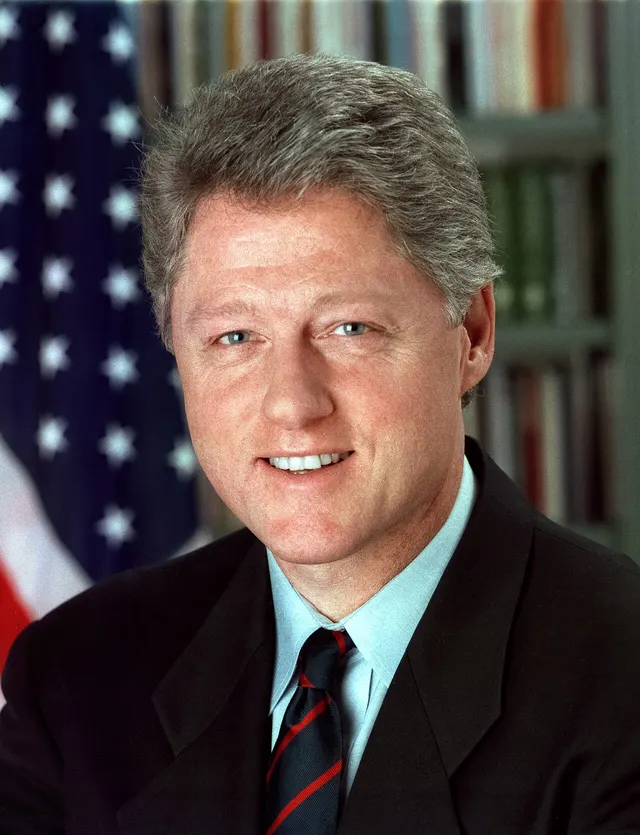
Bill Clinton's official White House portrait, 1993.Bill Clinton’s official White House portrait, 1993.Image: Bob McNeely, The White House[1] · Public domain
politics · Americas

Bill Clinton is elected president

In the American presidential election of 3 November 1992, the Democratic governor of Arkansas, Bill Clinton, defeated President George H. W. Bush, winning 43 per cent of the vote and 370 electoral votes. The independent Ross Perot took almost 19 per cent, the best result for a third candidate in eighty years.

Source: Encyclopaedia Britannica: United States presidential election of 1992 ↗
WHY THESE MOMENTS?

Significance before volume

This page is not the longest possible list of events. It is a chronological journey through 3 November, where each entry is chosen for historical significance, human interest and reliability.

Facts are checked against authoritative museums, archives, universities and reference works. Where sources disagree, the page says so.

EXPLORED THE DEEPER STORY?

Return to the highlights of 3 November

Discover the lighter side of the date with famous birthdays, culture, firsts and lives remembered.

Explore This Day →
← PREVIOUS DAY2 November
HISTORY & TIMELINE3 November
NEXT DAY →4 November