
HISTORY & TIMELINE
25 June

A journey through
25 June in history

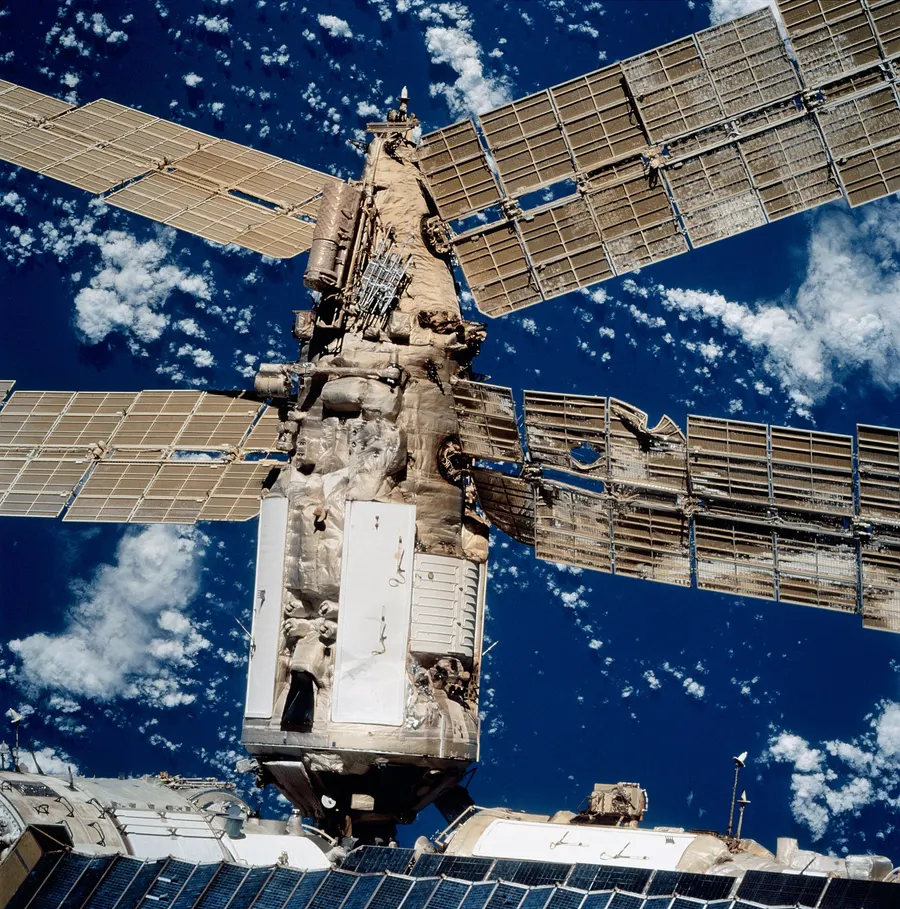
The story of 25 June runs from the reading of the Augsburg Confession before the emperor Charles V in 1530 to a collision in orbit that holed the Mir space station in 1997. In between come Virginia’s vote for the US Constitution, Custer’s last stand, the ballet that made Stravinsky famous, Ireland’s first president, the start of the Korean War, the birth of an independent Mozambique, an Emergency in India, the first rainbow flag, an Indian triumph at Lord’s and the day Slovenia and Croatia left Yugoslavia.

JUMP THROUGH TIME
III
A CHANGING WORLD

Early Modern Era

Exploration, political change, scientific development and expanding global connections.

1530
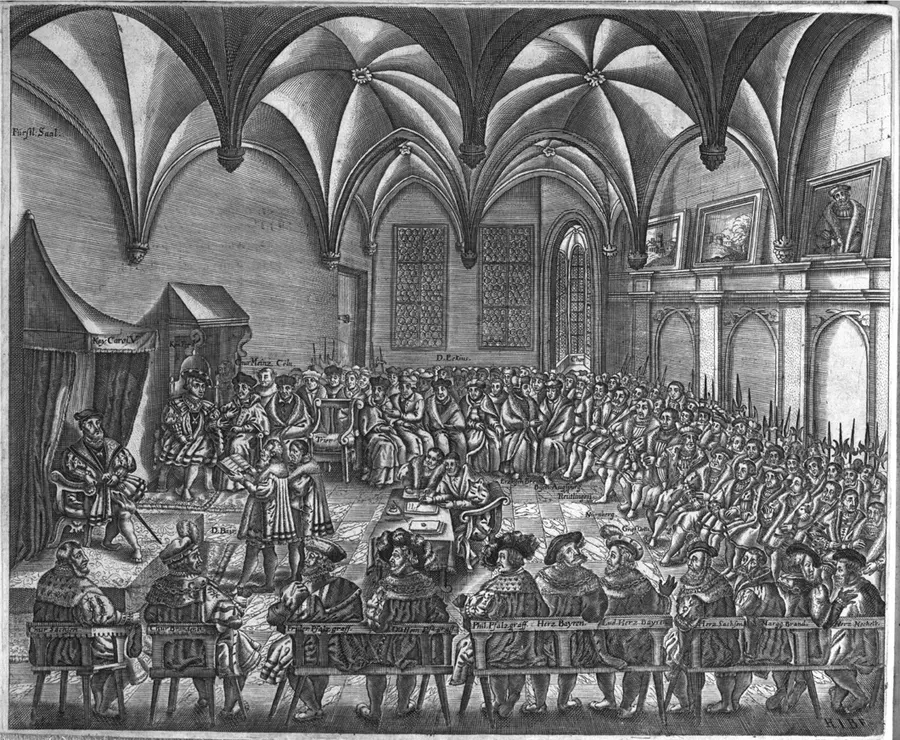
An old print of the Diet of Augsburg, showing the Augsburg Confession being read aloud before the emperor Charles VAn old print of the Diet of Augsburg, showing the Augsburg Confession being read aloud before the emperor Charles VImage: Unknown artist · Public domain
culture · Europe

Lutheran princes present the Augsburg Confession to Charles V

By 1530 Martin Luther’s challenge to the Roman Church had split the Holy Roman Empire. The emperor Charles V, who also ruled Spain and much of Italy, wanted the quarrel settled so that the empire could stand united against the Ottoman Turks, and he summoned the princes and cities to an imperial diet at Augsburg. The Lutherans were asked to set out what they believed. Luther himself was an outlaw and could not attend, so the task fell to his colleague Philipp Melanchthon, who drew on earlier Lutheran statements to write a careful, conciliatory confession in 28 articles. On 25 June 1530 the confession was presented to the emperor, in German and in Latin, by seven Lutheran princes and two free imperial cities. Catholic theologians answered it in August with a Confutation, and Charles refused to accept a further Lutheran reply, which Melanchthon expanded into his Apology of 1531. No reconciliation followed. But the Augsburg Confession became the founding statement of the Lutheran churches, and it is still their basic confession of faith today.

Source: Britannica: Augsburg Confession ↗
1788
James Madison, who led the supporters of the Constitution at the Virginia conventionJames Madison, who led the supporters of the Constitution at the Virginia conventionImage: John Vanderlyn · Public domain
politics · Americas

Virginia ratifies the US Constitution

Virginia was the largest and richest of the American states, and its convention at Richmond was one of the hardest-fought battles over the new Constitution. James Madison led its supporters against opponents such as Patrick Henry, who feared a powerful central government. On 25 June 1788 the delegates voted 89 to 79 to ratify, making Virginia the tenth state to do so, and proposed amendments to protect individual rights. The news was rushed by express rider to New York’s convention, which was still debating.

Source: Library of Virginia: Virginia ratifying convention journal, 25 June 1788 ↗
IV
THE NINETEENTH CENTURY

The 1800s

Industry, empire, invention, reform and a century of enormous transformation.

1876
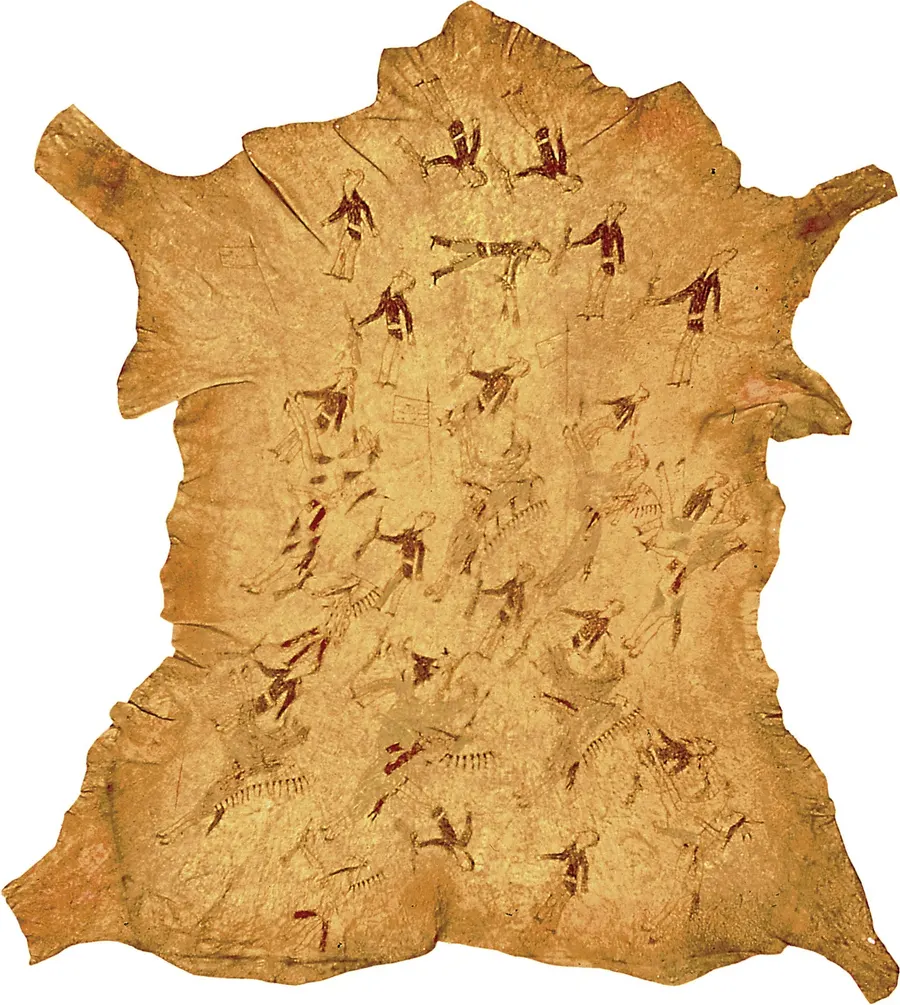
The Battle of the Little Bighorn painted on a bison hide by a Cheyenne artist, about 1878The Battle of the Little Bighorn painted on a bison hide by a Cheyenne artist, about 1878Image: Cheyenne artist · Public domain
world · Americas

Lakota and Cheyenne warriors defeat Custer at the Little Bighorn

The Fort Laramie treaty of 1868 promised the Lakota the Black Hills, land sacred to them, for their own use. But after an army expedition led by George Armstrong Custer found gold there in 1874, prospectors poured in and the United States broke the treaty. Lakota and Cheyenne bands who refused to move onto reservations gathered around the spiritual leader Sitting Bull, and in 1876 the army sent columns of troops to force them in. On 25 June 1876 Custer’s 7th Cavalry found a huge camp beside the Little Bighorn River in Montana Territory. Expecting the people to scatter, he split his regiment into three. Instead he faced perhaps 2,000 warriors, many armed with repeating rifles. Custer and the roughly 210 men who rode with him were cut off and killed, while the rest of the regiment held out on the hills to the south. It was the army’s worst defeat of the Plains wars, but a brief one for the victors: within a year most of the bands had been forced to surrender, and the Black Hills were taken.

Source: National Park Service: Story of the Battle, Little Bighorn Battlefield ↗
V
THE TWENTIETH CENTURY

The 1900s

War and peace, technological leaps, social change, politics, sport and popular culture.

1910
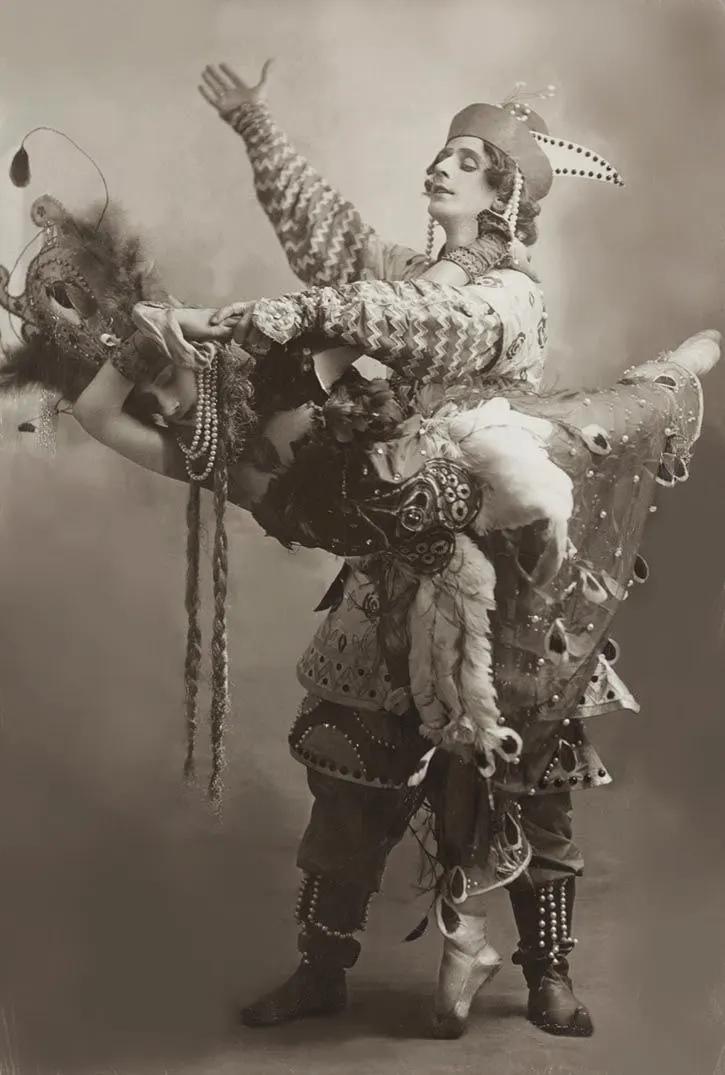
Tamara Karsavina as the Firebird and Michel Fokine as Ivan Tsarevich in the original 1910 productionTamara Karsavina as the Firebird and Michel Fokine as Ivan Tsarevich in the original 1910 productionImage: Unidentified photographer · Public domain
culture · Europe

Stravinsky’s The Firebird is first performed in Paris

Sergei Diaghilev’s Ballets Russes had taken Paris by storm in 1909 with its Russian dancers, designs and music. For the next season Diaghilev wanted a new ballet built on a Russian fairy tale, the magical Firebird who helps Prince Ivan defeat the sorcerer Kashchei. When better-known composers failed him, he turned to Igor Stravinsky, a young and little-known pupil of Rimsky-Korsakov. The Firebird opened at the Paris Opéra on 25 June 1910, with choreography by Michel Fokine, sets by Aleksandr Golovin and some costumes by Léon Bakst. Tamara Karsavina danced the Firebird. The glittering score was an immediate success and made Stravinsky’s name abroad overnight. Within three years he had written Petrushka and The Rite of Spring for the same company, and The Firebird remains one of the most performed ballet scores of the century.

Source: Britannica: The Firebird ↗
1938
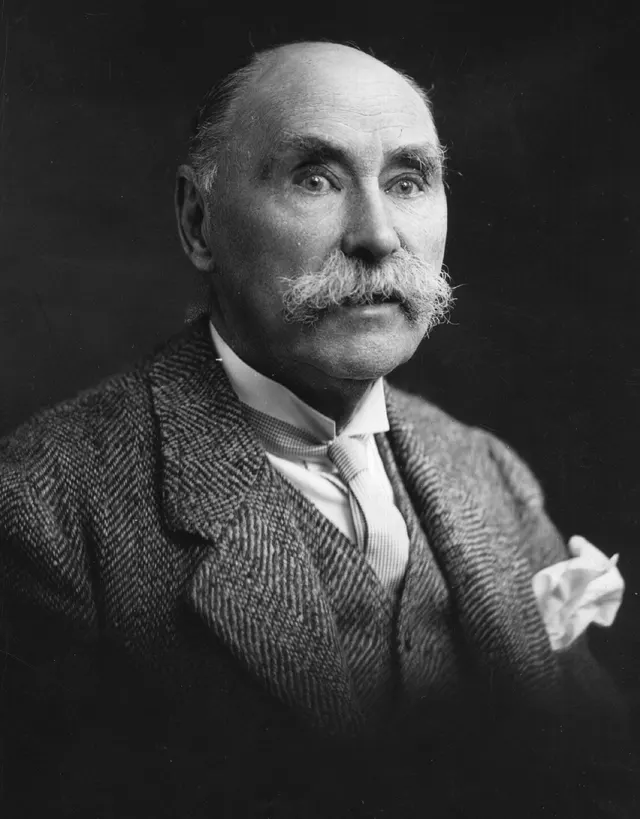
Douglas Hyde, first President of Ireland, around 1940Douglas Hyde, first President of Ireland, around 1940Image: Unknown author · Public domain
politics · Europe

Douglas Hyde becomes Ireland’s first president

Ireland’s constitution of 1937 created the office of president, and the parties agreed on a candidate who stood above politics: Douglas Hyde, a Protestant scholar of the Irish language who had co-founded the Gaelic League in 1893 and led it for more than twenty years. He was elected unopposed and took office on 25 June 1938, serving a single seven-year term.

Source: President of Ireland: Douglas Hyde ↗
1950
A US Army map of the North Korean invasion of the South, 25 to 28 June 1950A US Army map of the North Korean invasion of the South, 25 to 28 June 1950Image: Roy E. Appleman · Public domain
world · Asia

North Korea invades the South and the Korean War begins

At the end of the Second World War Korea, a Japanese colony since 1910, was divided along the 38th parallel of latitude, with Soviet forces in the north and American forces in the south. By 1948 two rival states had been set up, the communist Democratic People’s Republic in Pyongyang and the Republic of Korea in Seoul, each claiming the whole peninsula. In the early hours of 25 June 1950 the North Korean army crossed the parallel behind a heavy artillery barrage, with its main thrust aimed at Seoul. The attack took the South completely by surprise, and the capital fell within three days. The United Nations called on its members to help South Korea, and a US-led UN force was sent; later in the year China entered the war on the North’s side. The fighting ended in an armistice in July 1953 close to where it had begun, and no peace treaty has ever been signed.

Source: Britannica: Korean War ↗
1975
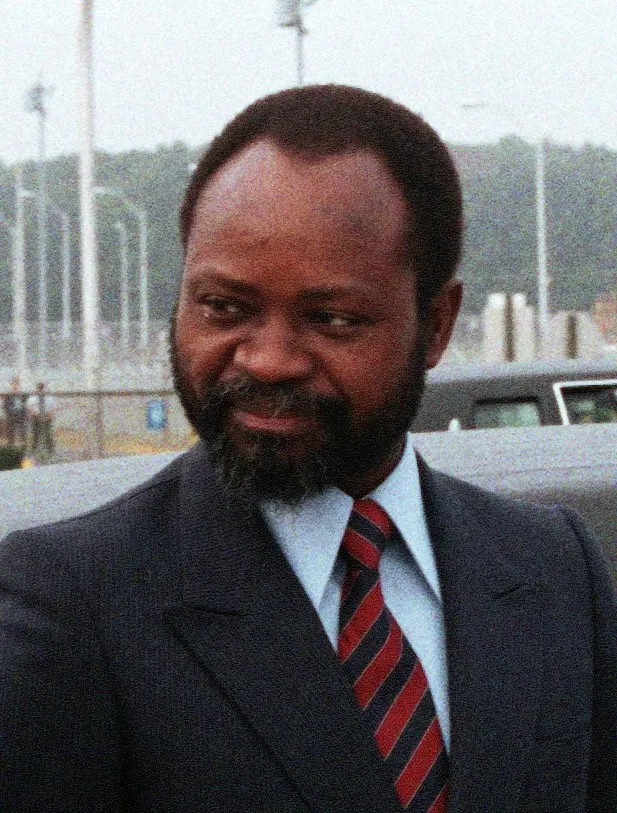
Samora Machel, who led Frelimo to power and became independent Mozambique's first presidentSamora Machel, who led Frelimo to power and became independent Mozambique’s first presidentImage: Department of Defense. American Forces Information Service. Defense Visual Information Center. 1994 · Public domain
politics · Africa

Mozambique becomes independent from Portugal

Portugal had ruled Mozambique for centuries, and in the 1960s, as most of Africa became free, its dictatorship refused to let go. Frelimo, the Mozambique Liberation Front, was formed under Eduardo Mondlane and began an armed struggle in 1964. After Mondlane was assassinated in 1969, Samora Machel, a former nurse who had become the movement’s military commander, took the lead in 1970. The breakthrough came in Lisbon. In April 1974 a military coup overthrew the Portuguese regime, and the new government moved to withdraw from Africa. Frelimo negotiated a ceasefire and its right to govern, and on 25 June 1975 Mozambique became independent, with Machel as its first president. It was set up as a one-party state and followed a Marxist course, nationalising much of the economy. Independence Day is still Mozambique’s national day.

Source: Britannica: Samora Machel ↗
1975
Indira Gandhi, Prime Minister of IndiaIndira Gandhi, Prime Minister of IndiaImage: Anefo · CC0
politics · Asia

A state of emergency is declared in India

In June 1975 the Allahabad High Court found Prime Minister Indira Gandhi guilty of electoral malpractice and voided her 1971 election. Instead of stepping down, she advised President Fakhruddin Ali Ahmed to declare a national emergency, which he did on 25 June 1975. For 21 months civil liberties were suspended, the press was censored and thousands of opponents were jailed. When elections were finally held in 1977, her Congress Party was heavily defeated.

Source: Britannica: The Emergency, India ↗
1978
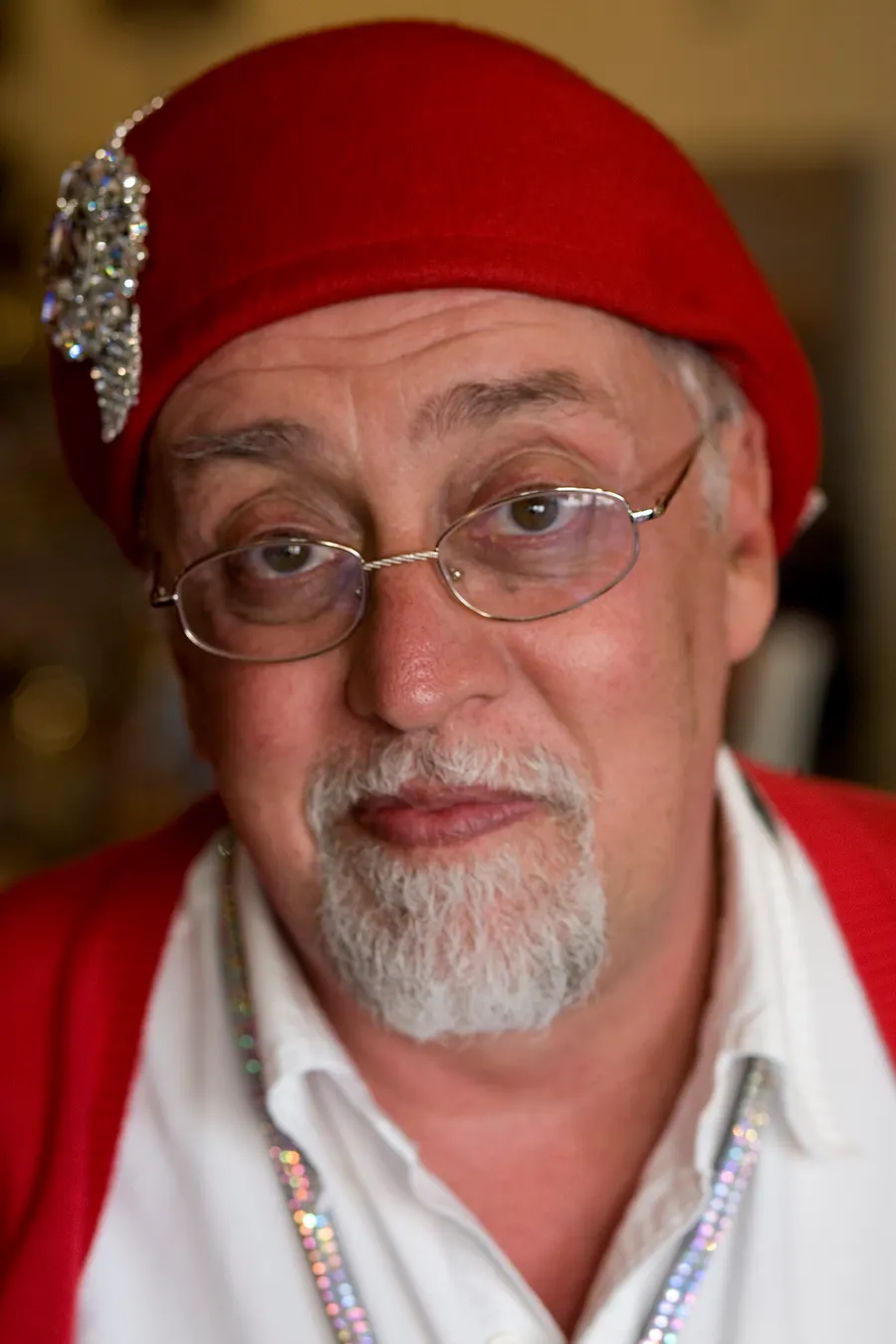
Gilbert Baker, designer of the rainbow flag, at San Francisco Pride in 2012Gilbert Baker, designer of the rainbow flag, at San Francisco Pride in 2012Image: Gareth Watkins · CC BY 3.0
culture · Americas

The rainbow flag flies for the first time

Encouraged by the city supervisor Harvey Milk and other activists to create a new symbol for the gay community, the artist Gilbert Baker designed a flag of eight coloured stripes, each with its own meaning, from hot pink for sex to violet for spirit. Some thirty volunteers hand-dyed and stitched the flags, which were first raised in San Francisco’s United Nations Plaza for the Gay Freedom Day parade on 25 June 1978. The rainbow flag, later simplified to six stripes, became a worldwide emblem of LGBT pride.

Source: GLBT Historical Society: Rainbow flag ↗
1983
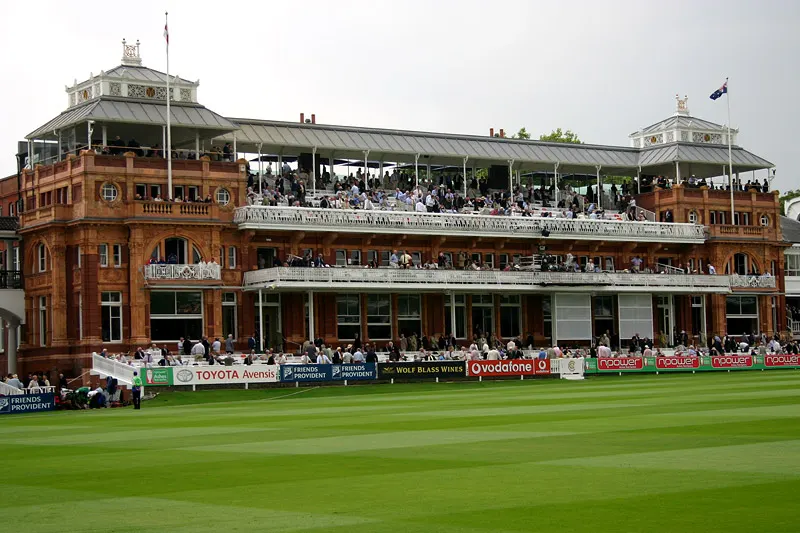
The Pavilion at Lord's Cricket Ground in London, where the 1983 World Cup final was playedThe Pavilion at Lord’s Cricket Ground in London, where the 1983 World Cup final was playedImage: Ben Marsh · CC BY-SA 2.5
sport · Asia

India beat the West Indies to win the Cricket World Cup

The West Indies had won the first two Cricket World Cups, in 1975 and 1979, and arrived at Lord’s for the 1983 final as clear favourites. India, captained by Kapil Dev, had won only one match at the previous two tournaments. Batting first in the 60-over game, they were bowled out for 183, with Kris Srikkanth top-scoring on 38. Then India’s medium-pace bowlers took over. Kapil Dev ran back to take a crucial catch to dismiss Viv Richards, and Madan Lal and Mohinder Amarnath each took three wickets. When Amarnath trapped Michael Holding leg before, the West Indies were all out for 140 and India had won by 43 runs. Amarnath was named man of the match. The victory on 25 June 1983 transformed the game in India, which in time became the powerhouse of world cricket.

Source: ICC: On this day, India win the 1983 World Cup ↗
1991
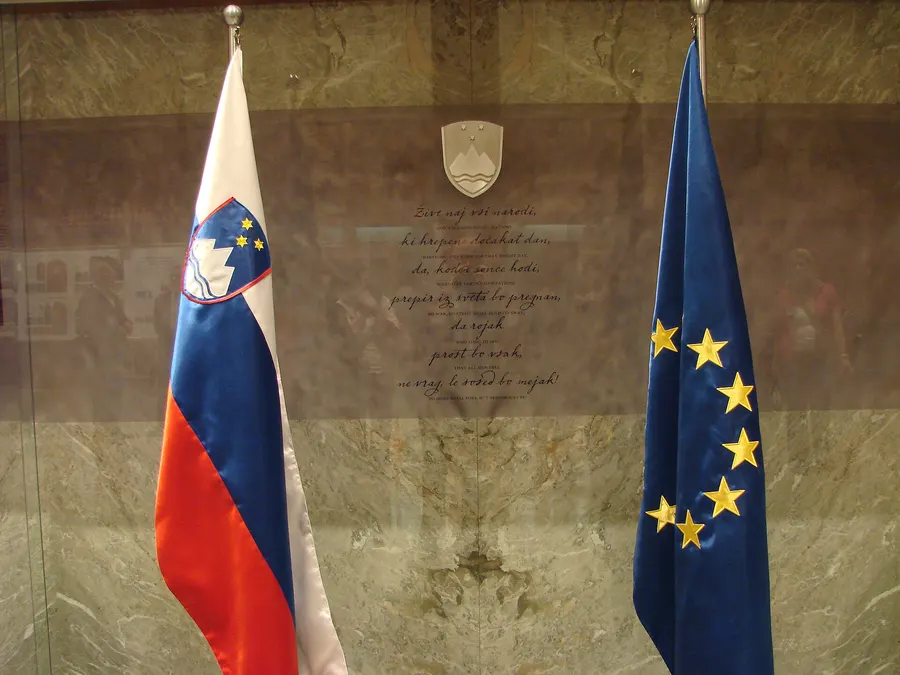
The flags of Slovenia and the European Union inside Slovenia's National Assembly building in LjubljanaThe flags of Slovenia and the European Union inside Slovenia’s National Assembly building in LjubljanaImage: MZaplotnik · CC BY-SA 3.0
politics · Europe

Slovenia and Croatia declare their independence from Yugoslavia

After the death of Tito in 1980, the six republics of communist Yugoslavia drifted apart. In 1990 Slovenia and Croatia held their first free elections, and their new governments proposed turning the federation into a looser confederation of sovereign states. Serbia, led by the nationalist Slobodan Milošević, rejected the idea. On 25 June 1991 the parliaments in Ljubljana and Zagreb declared Slovenia and Croatia independent. Two days later the Yugoslav People’s Army attacked Slovene border posts, but Slovenia’s defence forces held their ground in what became known as the Ten-Day War, and the army soon withdrew. Croatia’s path was far bloodier, with a war against Serb forces that lasted until 1995. Germany’s early recognition of both states was followed by the rest of Western Europe in January 1992, and the break-up of Yugoslavia had begun.

Source: Britannica: Slovenia since 1918 ↗
1997
The Mir space station seen from the space shuttle Atlantis in September 1997, with the Spektr module's damaged solar panelsThe Mir space station seen from the space shuttle Atlantis in September 1997, with the Spektr module’s damaged solar panelsImage: NASA · Public domain
science · Global

A cargo ship crashes into the Mir space station

In 1997 the Russian space station Mir was more than ten years old and hosted a rotating series of American astronauts alongside Russian crews. On 25 June the cosmonauts Vasily Tsibliyev and Aleksandr Lazutkin, with the NASA astronaut Michael Foale, were testing a manual docking system with an uncrewed Progress supply ship, which Tsibliyev steered by remote control. The Progress came in too fast. It struck a solar panel and then hit the Spektr science module, puncturing its hull, and the air began to leak out. The crew had seconds to act: they cut through cables running through the hatchway and sealed Spektr off from the rest of the station, saving Mir but losing the module that held Foale’s sleeping quarters and much of his laboratory. The station lost much of its power, and the accident became a textbook case study in spaceflight safety.

Source: NASA Safety Center: Spektr of failure, Mir-Progress collision ↗
WHY THESE MOMENTS?

Significance before volume

This page is not the longest possible list of events. It is a chronological journey through 25 June, where each entry is chosen for historical significance, human interest and reliability.

Facts are checked against authoritative museums, archives, universities and reference works. Where sources disagree, the page says so.

EXPLORED THE DEEPER STORY?

Return to the highlights of 25 June

Discover the lighter side of the date with famous birthdays, culture, firsts and lives remembered.

Explore This Day →
← PREVIOUS DAY24 June
HISTORY & TIMELINE25 June
NEXT DAY →26 June