
HISTORY & TIMELINE
7 September

A journey through
7 September in history

The story of 7 September runs from Richard the Lionheart’s victory at Arsuf in 1191 to Desmond Tutu becoming Archbishop of Cape Town in 1986. In between come the seizure of Pope Boniface VIII at Anagni, the relief of Turin, Brazil’s cry of independence, the Battle of Borodino, Garibaldi’s entry into Naples, the Boxer Protocol, the arrest of Guillaume Apollinaire in the Mona Lisa affair, the founding of the forerunner of Interpol, Philo Farnsworth’s first electronic television picture, the death of the last known thylacine, the first night of the Blitz, the opening of the Pro Football Hall of Fame and the signing of the Panama Canal treaties.

JUMP THROUGH TIME
II
THE MIDDLE AGES

Medieval History

Kingdoms, conflict, faith, power and the changing medieval world.

1191
The Battle of Arsuf as imagined by the French painter Éloi Firmin Féron in the 19th centuryThe Battle of Arsuf as imagined by the French painter Éloi Firmin Féron in the 19th centuryImage: Éloi Firmin Féron · Public domain
world · Middle East

Richard the Lionheart defeats Saladin at Arsuf

In 1187 Saladin, sultan of Egypt and Syria, destroyed the army of the crusader kingdom of Jerusalem and took the holy city. The Third Crusade set out to win it back, and in July 1191 the crusaders, led by King Richard I of England, captured the port of Acre after a two-year siege. Richard then marched his army south along the coast towards Jaffa, the nearest port to Jerusalem, with his fleet alongside and his infantry shielding the knights from constant attacks by Saladin’s mounted archers. On 7 September 1191, on the plain north of Arsuf, Saladin threw his whole army against the marching column, hoping to provoke the crusader knights into a disorderly charge. Richard held them back until the moment was right, though some of the Hospitallers broke ranks first, and the charge that followed scattered Saladin’s army. It was the only great pitched battle between the two leaders. Richard went on to take Jaffa, but he never reached Jerusalem, and a year later the two men agreed a truce.

Source: Britannica: Richard I, king of England ↗
1303
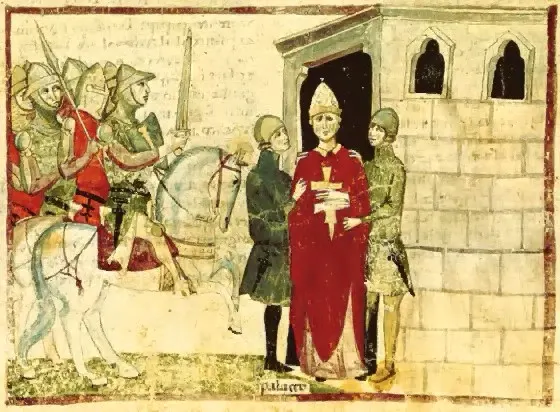
The capture of Boniface VIII at Anagni, an illustration from a 14th-century manuscript of Giovanni Villani's Nuova CronicaThe capture of Boniface VIII at Anagni, an illustration from a 14th-century manuscript of Giovanni Villani’s Nuova CronicaImage: Giovanni Villani · Public domain
culture · Europe

French agents seize Pope Boniface VIII at Anagni

Pope Boniface VIII and King Philip IV of France had quarrelled for years over the king’s right to tax the clergy and over the pope’s claim to authority above kings. In 1303 Boniface prepared to excommunicate Philip. Before he could do so, Philip’s minister Guillaume de Nogaret and Sciarra Colonna, from a Roman family that hated the pope, burst into the papal palace at Anagni, south of Rome, on 7 September 1303 and took him prisoner. The townspeople freed him two days later, but the old pope died in Rome within weeks. The outrage marked the decline of papal power over kings, and within a few years the popes moved to Avignon under French influence.

Source: Britannica: Guillaume de Nogaret ↗
III
A CHANGING WORLD

Early Modern Era

Exploration, political change, scientific development and expanding global connections.

1706
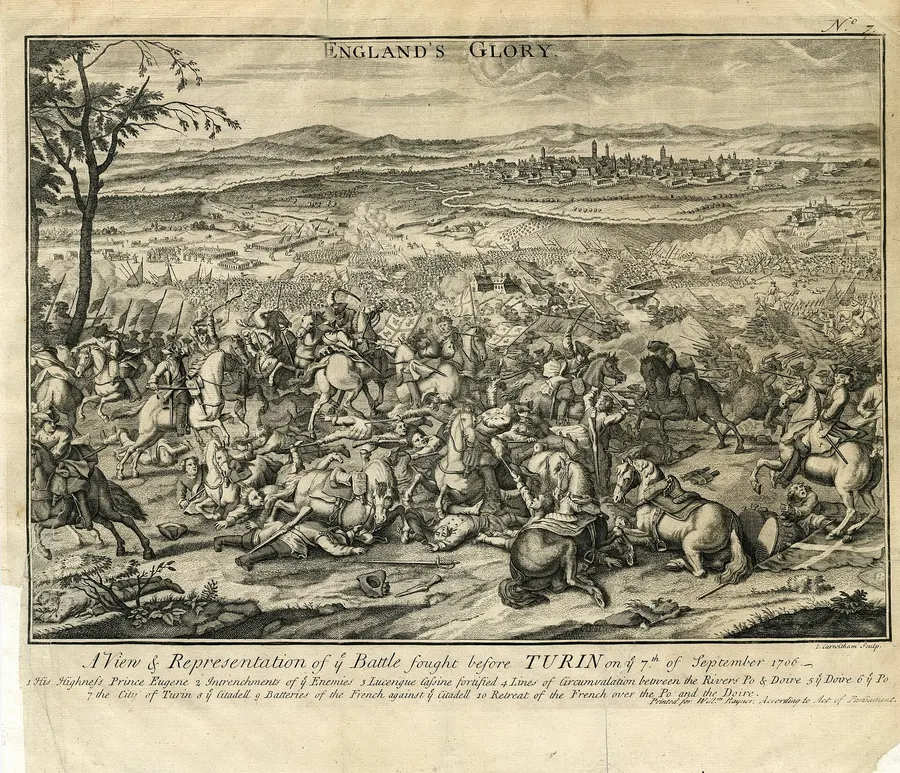
A View and Representation of the Battle fought before Turin on the 7th of September 1706, an 18th-century printA View and Representation of the Battle fought before Turin on the 7th of September 1706, an 18th-century printImage: John Carwitham · Public domain
world · Europe

Prince Eugene and Victor Amadeus relieve the siege of Turin

During the War of the Spanish Succession a French army besieged Turin, capital of the Duke of Savoy, Victor Amadeus II, from May 1706. His cousin Prince Eugene of Savoy, commanding the Austrian emperor’s army, marched across northern Italy to join him, and on 7 September 1706 their combined forces attacked the French lines outside the city. The French army broke and fled towards the Alps, abandoning its guns. The victory drove the French out of Italy, and at the peace of 1713 Victor Amadeus was rewarded with Sicily and the title of king.

Source: Britannica: Victor Amadeus II ↗
IV
THE NINETEENTH CENTURY

The 1800s

Industry, empire, invention, reform and a century of enormous transformation.

1812
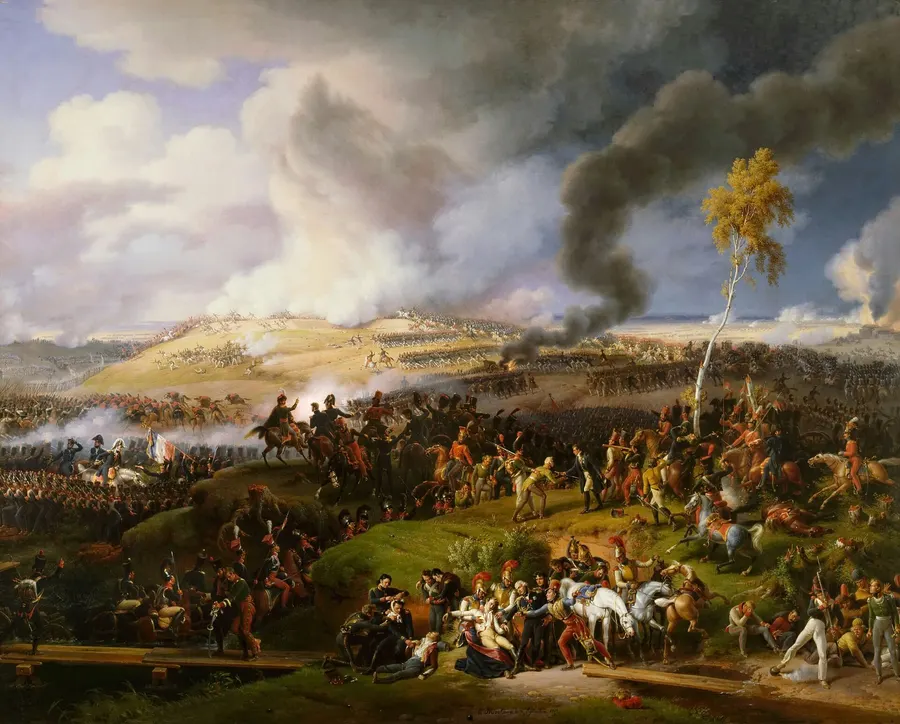
The Battle of Borodino (the Moskva), 7 September 1812, painted by Louis-François Lejeune, a French officer who fought thereThe Battle of Borodino (the Moskva), 7 September 1812, painted by Louis-François Lejeune, a French officer who fought thereImage: Louis Lejeune · Public domain
world · Europe

Napoleon and Kutuzov fight at Borodino

In June 1812 Napoleon led the largest army Europe had ever seen across the river Neman into Russia. The Russian armies fell back, burning crops and villages as they went, and for weeks Napoleon could not force the decisive battle he wanted. Under pressure to make a stand before Moscow, the veteran general Mikhail Kutuzov dug in near the village of Borodino, about 110 kilometres west of the city. The battle was fought on 7 September 1812 (26 August in the Russian calendar of the time). Some 130,000 French and allied troops attacked about 120,000 Russians in a series of frontal assaults on earthworks such as the Raevsky redoubt, under fire from more than a thousand guns. By evening the Russians had been pushed back but not broken, and Napoleon had refused to send in his Imperial Guard. Estimates vary, but Britannica gives about 45,000 Russian and 30,000 French casualties in a single day. Kutuzov withdrew, and a week later Napoleon entered an almost empty Moscow, but the Russian army survived to drive him out of the country that winter.

Source: Britannica: Battle of Borodino ↗
1822
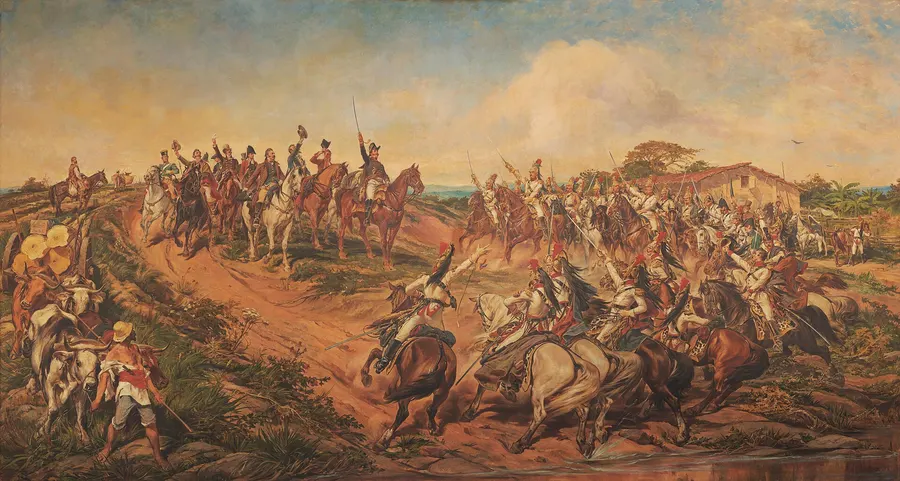
Independence or Death, Pedro Américo's painting of 1888 showing Prince Pedro raising his sword beside the Ipiranga stream, now in the Museu Paulista in São PauloIndependence or Death, Pedro Américo’s painting of 1888 showing Prince Pedro raising his sword beside the Ipiranga stream, now in the Museu Paulista in São PauloImage: Pedro Américo · Public domain
politics · Americas

Prince Pedro declares Brazil independent by the Ipiranga stream

When Napoleon’s armies invaded Portugal in 1807, the Portuguese royal family fled to Brazil, and Rio de Janeiro became the capital of the empire. King João VI went home in 1821, leaving his son Pedro to govern Brazil as prince regent. The Portuguese parliament, the Cortes, then set out to reduce Brazil to a colony again and ordered Pedro back to Lisbon. In January 1822 he refused, declaring that he would stay, and Brazilian leaders such as José Bonifácio de Andrada urged him to go further. On 7 September 1822 Pedro was riding back to São Paulo from the port of Santos when messengers caught up with him by the Ipiranga stream with letters from Lisbon and from Rio. The Cortes had annulled his decisions and was sending troops. According to the accounts of those with him, he tore the Portuguese emblem from his uniform and declared ‘Independence or death!’ Within weeks he was acclaimed Emperor Pedro I, and after fighting with Portuguese garrisons in the north, Brazil became the only independent monarchy in the Americas. The day is Brazil’s national holiday.

Source: Britannica: Brazil, Independence ↗
1860
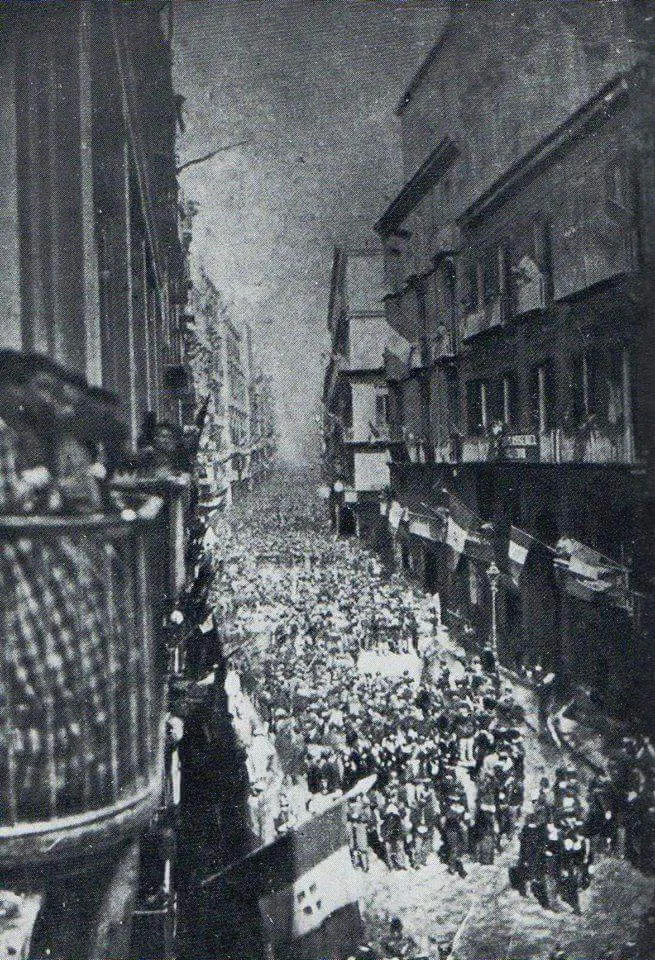
Crowds greet Garibaldi in Via Toledo, Naples, on 7 September 1860Crowds greet Garibaldi in Via Toledo, Naples, on 7 September 1860Image: Unknown author · Public domain
politics · Europe

Garibaldi enters Naples

In May 1860 Giuseppe Garibaldi landed in Sicily with about a thousand volunteers to overthrow the Bourbon Kingdom of the Two Sicilies. He conquered the island, crossed to the mainland in August and marched north as the Bourbon army melted away. King Francis II left Naples, and on 7 September 1860 Garibaldi entered the city and was welcomed by cheering crowds. He ruled the south as dictator for some weeks, then handed his conquests to King Victor Emmanuel II, and a plebiscite in October joined them to the new Kingdom of Italy.

Source: Britannica: Expedition of the Thousand ↗
V
THE TWENTIETH CENTURY

The 1900s

War and peace, technological leaps, social change, politics, sport and popular culture.

1901
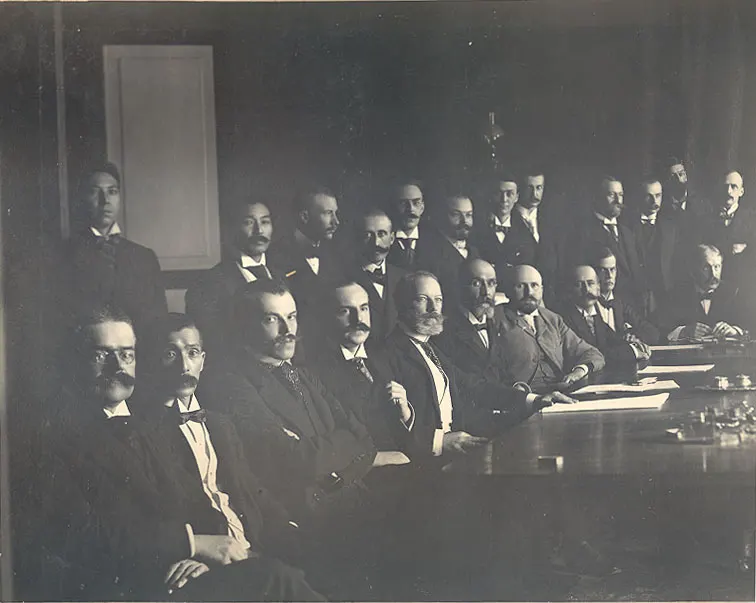
Envoys of the foreign powers at the signing of the Boxer Protocol in Beijing, 1901Envoys of the foreign powers at the signing of the Boxer Protocol in Beijing, 1901Image: Unknown author · Public domain
politics · Asia

The Boxer Protocol is signed in Beijing

In 1899 and 1900 the Boxers, a secret society that blamed foreigners and Christian missionaries for China’s troubles, attacked missionaries, Chinese Christians and railways across the north of the country. With the backing of the Empress Dowager Cixi, imperial troops joined them in besieging the foreign legations in Beijing for 55 days, until an international force of eight nations relieved the city in August 1900 and the court fled west. The settlement was signed in Beijing on 7 September 1901 by China and eleven foreign powers. China agreed to pay an indemnity of 450 million taels of silver over 39 years, to execute or punish officials who had supported the Boxers, to destroy the forts between Beijing and the sea and to allow foreign troops to guard the legation quarter. The humiliating terms weakened the Qing dynasty further, and it fell ten years later.

Source: Britannica: Boxer Protocol ↗
1911
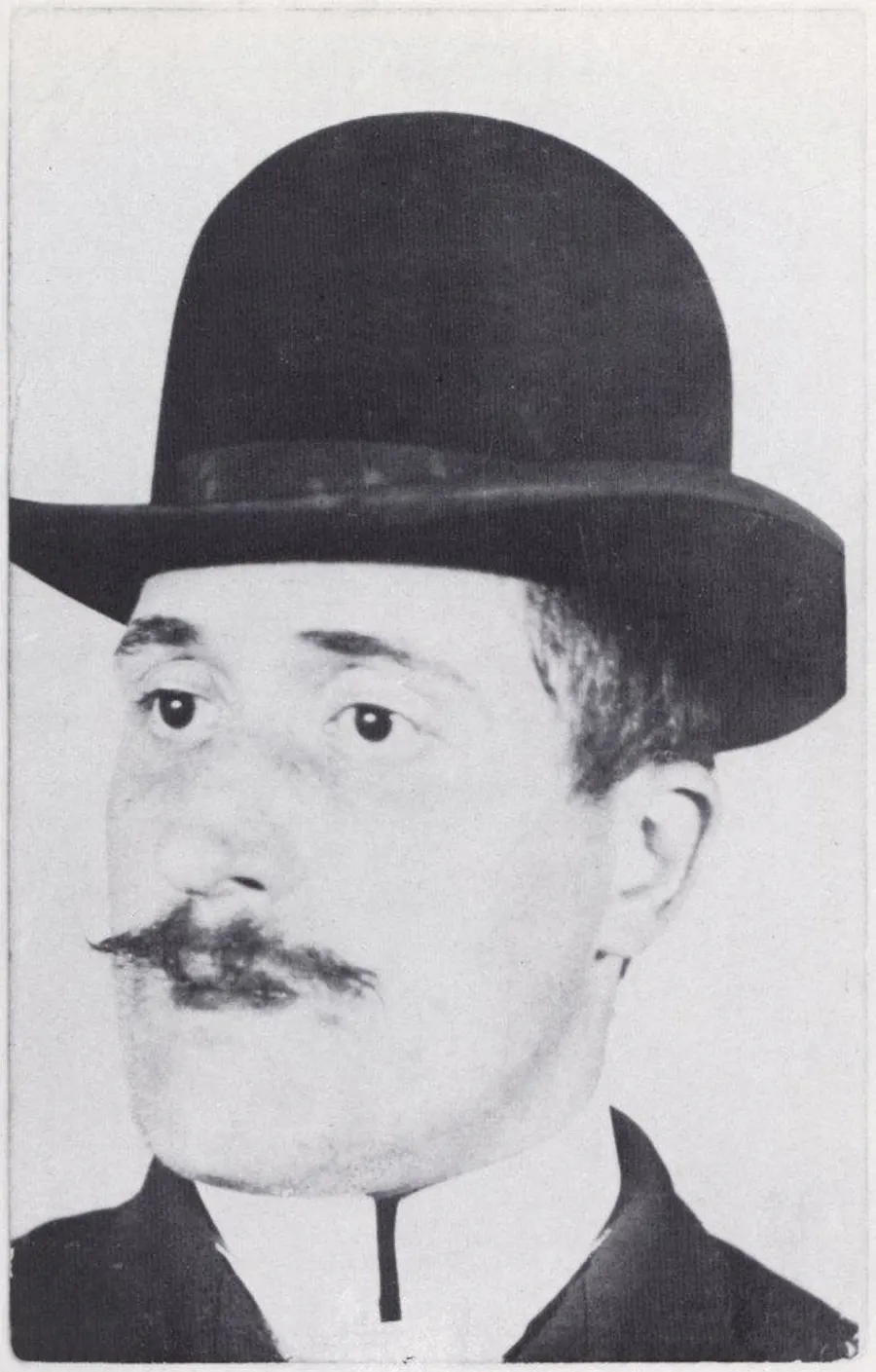
Guillaume Apollinaire photographed in Cologne in 1902Guillaume Apollinaire photographed in Cologne in 1902Image: Unknown author · Public domain
culture · Europe

The poet Apollinaire is arrested over the theft of the Mona Lisa

On 21 August 1911 the Mona Lisa vanished from the Louvre, and the Paris police were under great pressure to find it. A few days later a newspaper published the story of a man who boasted that he had walked out of the museum with small ancient statues. He was Géry Pieret, a Belgian adventurer who had worked as secretary to the poet and art critic Guillaume Apollinaire, and two of the stolen Iberian heads had ended up with Apollinaire’s friend Pablo Picasso. Alarmed, the two returned the statues, but on 7 September 1911 Apollinaire was arrested on suspicion of being involved in the theft of the Mona Lisa and held in the prison of La Santé. Picasso was questioned too. Apollinaire was released after about a week, and nothing linked either man to the painting, which had been taken by a former Louvre worker, Vincenzo Peruggia, and was found in Florence in 1913. Apollinaire, then one of the leading voices of the Paris avant-garde, felt humiliated by the episode for the rest of his life.

Source: Musée du Louvre: Who stole the Mona Lisa? (education booklet) ↗
1923
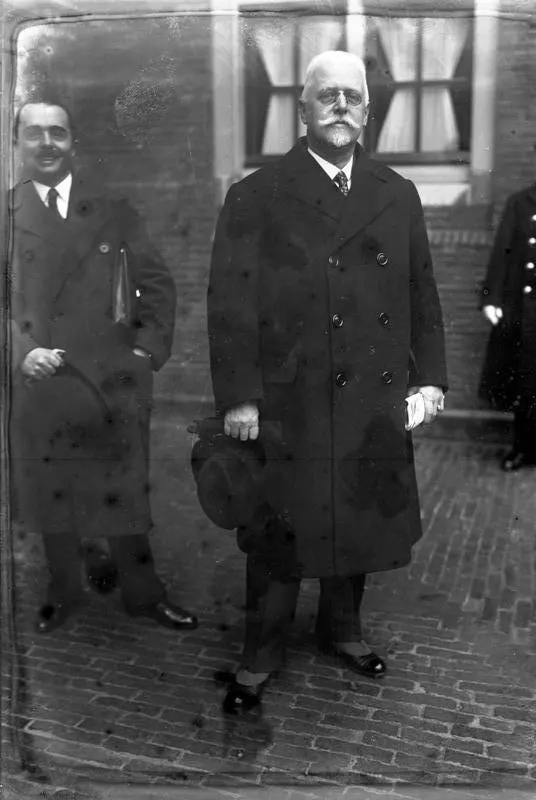
Johannes Schober, president of the Vienna police and first president of the International Criminal Police CommissionJohannes Schober, president of the Vienna police and first president of the International Criminal Police CommissionImage: Unknown author · CC BY-SA 3.0 de
politics · Europe

Police chiefs meeting in Vienna create the forerunner of Interpol

Johannes Schober, president of the Vienna police, invited police officials from around Europe and beyond to an International Criminal Police Congress in his city in September 1923. On 7 September the delegates, from about 20 countries, agreed to set up the International Criminal Police Commission to help police forces in different countries work together against crime that crossed borders. It was based in Vienna with Schober as its first president. After the Second World War it moved to France, and in 1956 it became the International Criminal Police Organization, Interpol.

Source: INTERPOL: 1923, how our history started ↗
1927
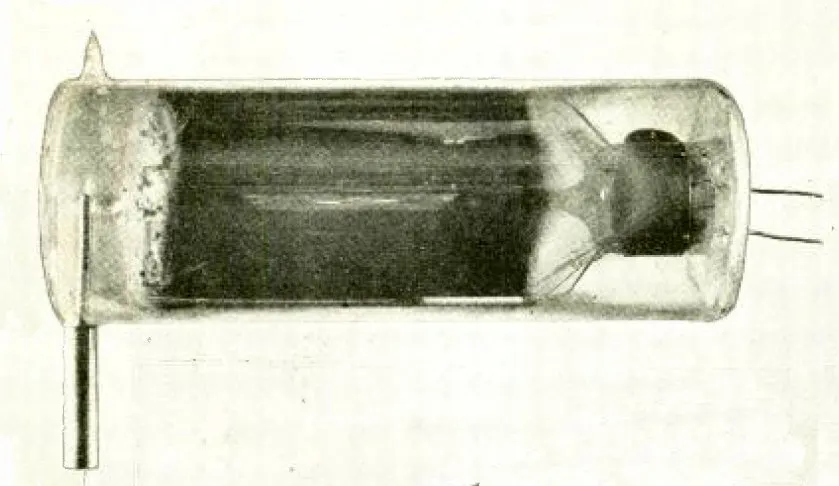
An early experimental image dissector camera tube designed by Philo Farnsworth, about 1930An early experimental image dissector camera tube designed by Philo Farnsworth, about 1930Image: Philo T. Farnsworth · Public domain
science · Americas

Philo Farnsworth transmits his first electronic television picture

Philo Farnsworth was a farm boy from Idaho who, as a teenager, worked out how a picture might be scanned line by line with a beam of electrons rather than spinning discs. By 1927 he had a small laboratory in San Francisco and had built a camera tube he called the image dissector. On 7 September 1927 he and his team transmitted the image of a single straight line from the camera to a receiver in the next room: the first picture sent by an all-electronic television system. He gave a demonstration to the press the following year, and electronic scanning of the kind he pioneered replaced the mechanical systems.

Source: Utah Division of State History: Philo T. Farnsworth’s invention ↗
1936
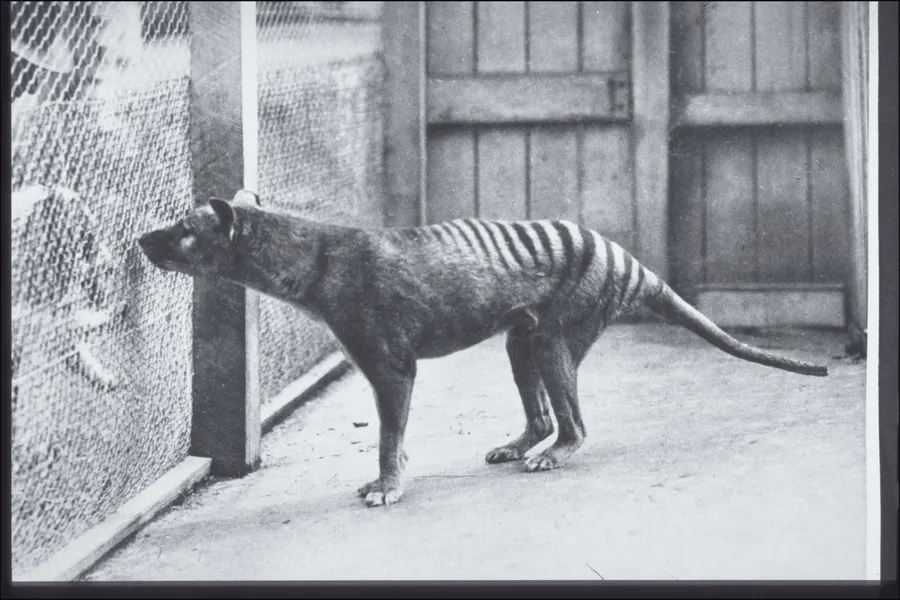
A thylacine at Hobart Zoo, Tasmania, on a postcard of about 1928A thylacine at Hobart Zoo, Tasmania, on a postcard of about 1928Image: Harry Burrell · Public domain
science · Oceania

The last known thylacine dies in Hobart

The thylacine, often called the Tasmanian tiger for the stripes across its back, was the largest meat-eating marsupial of modern times, a dog-like hunter that carried its young in a pouch. It had died out on the Australian mainland thousands of years ago but survived in Tasmania. After European settlement, farmers blamed it for killing sheep, and from 1888 the Tasmanian government paid a bounty for every one killed; more than 2,000 were claimed. By the 1930s none had been caught in the wild for years. The last known thylacine lived at Beaumaris Zoo in Hobart, where it was filmed in 1933. It died there on 7 September 1936, reportedly after being locked out of its shelter on a cold night, just two months after the species was finally given legal protection. It is often called Benjamin, though the National Museum of Australia notes that its name and even its sex are uncertain. The thylacine was formally declared extinct in the 1980s, and 7 September is now marked in Australia as National Threatened Species Day.

Source: National Museum of Australia: Extinction of thylacine ↗
1940
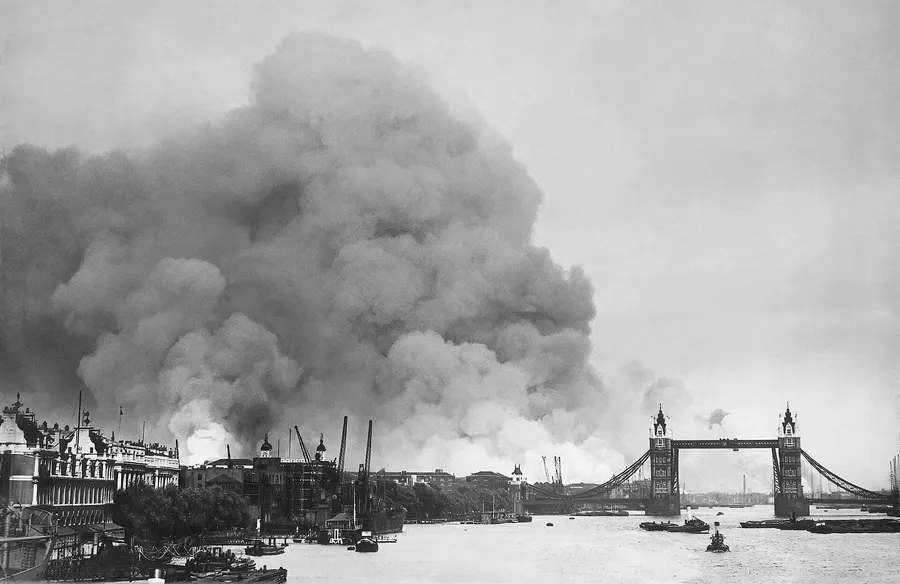
Smoke rises over the London docks after an air raid during the Blitz, seen along the River ThamesSmoke rises over the London docks after an air raid during the Blitz, seen along the River ThamesImage: New York Times Paris Bureau Collection. · Public domain
world · Europe

The Blitz begins with a mass raid on London

Through the summer of 1940 the German air force fought the RAF for control of the skies over southern England, attacking airfields and radar stations in preparation for an invasion. In early September Hitler and Göring changed course and ordered a direct assault on London, partly in reprisal for British raids on Berlin and partly in the hope of breaking Britain’s will to fight. Late on the afternoon of Saturday 7 September 1940, around 350 bombers with some 600 fighters as escort flew up the Thames estuary. They set the docks, Woolwich Arsenal and the warehouses and crowded streets of the East End ablaze, and a second wave kept bombing by the light of the fires until the early morning. About 430 Londoners were killed and some 1,600 badly injured on what became known as Black Saturday. London was bombed on 57 consecutive nights that followed, and the Blitz went on to strike cities across Britain until May 1941, killing more than 40,000 civilians.

Source: Imperial War Museums: The Blitz around Britain ↗
1963
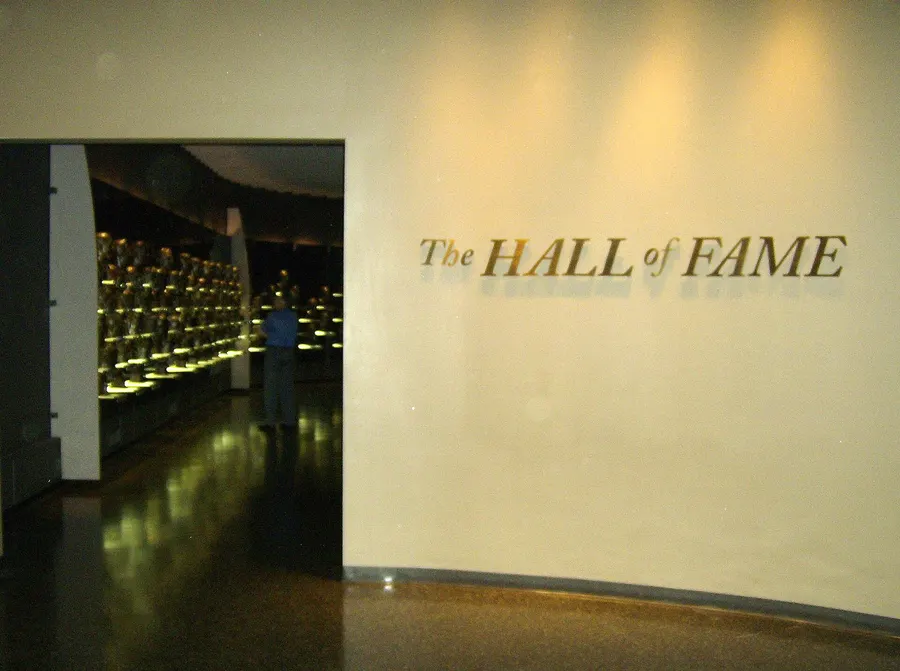
The entrance to the gallery of inductees' bronze busts in the Pro Football Hall of Fame in Canton, OhioThe entrance to the gallery of inductees’ bronze busts in the Pro Football Hall of Fame in Canton, OhioImage: Mike Russell · CC BY 3.0
sport · Americas

The Pro Football Hall of Fame opens in Canton, Ohio

Professional American football had its roots in the industrial towns of Ohio, and the league that became the National Football League was founded at a car showroom in Canton in 1920. In 1961 Canton’s leaders proposed their city as the home for a hall of fame for the professional game. The league agreed, the city gave land and local people raised the money to build it. The Pro Football Hall of Fame opened to the public on 7 September 1963, when its first class of 17 members was enshrined. They included the Chicago Bears founder George Halas, the running backs Red Grange and Bronko Nagurski, the receiver Don Hutson and Jim Thorpe, the Olympic champion who had been the league’s first president. The hall has been enlarged several times and holds a bronze bust of every member, enshrined each summer in front of large crowds.

Source: Pro Football Hall of Fame: 1963, the Pro Football Hall of Fame opens ↗
1977
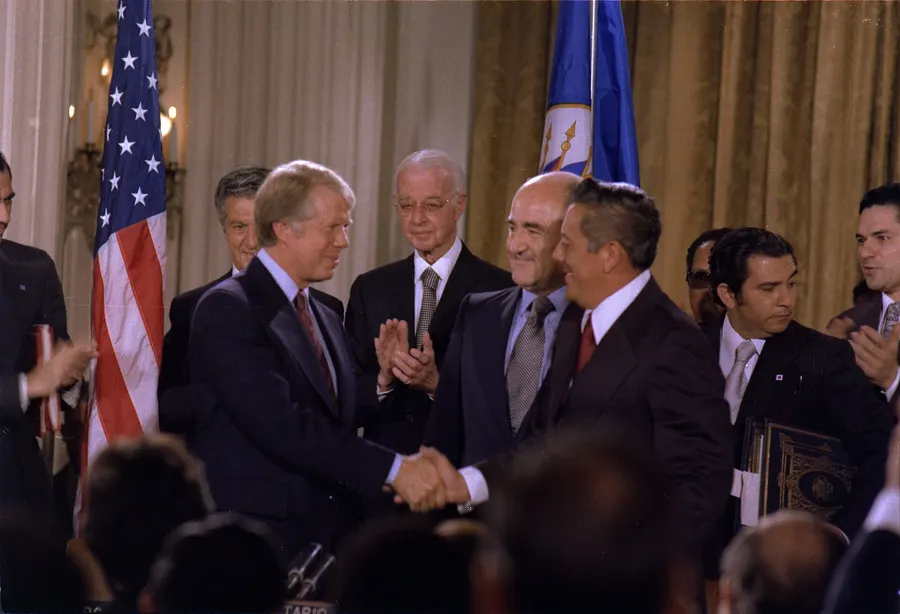
Jimmy Carter and General Omar Torrijos shake hands after signing the Panama Canal Treaty in Washington, 7 September 1977Jimmy Carter and General Omar Torrijos shake hands after signing the Panama Canal Treaty in Washington, 7 September 1977Image: White House photo · Public domain
politics · Americas

The United States and Panama sign the Panama Canal treaties

Since 1903 the United States had controlled the Panama Canal and a strip of land on either side, the Canal Zone, which cut Panama in two and caused growing resentment, including deadly riots in 1964. After years of negotiation, President Jimmy Carter and Panama’s leader General Omar Torrijos signed two treaties at the headquarters of the Organization of American States in Washington on 7 September 1977. One guaranteed the canal’s permanent neutrality; the other ended the Canal Zone and promised to hand the canal itself to Panama, which took full control on 31 December 1999.

Source: US Office of the Historian: The Panama Canal and the Torrijos-Carter Treaties ↗
1986
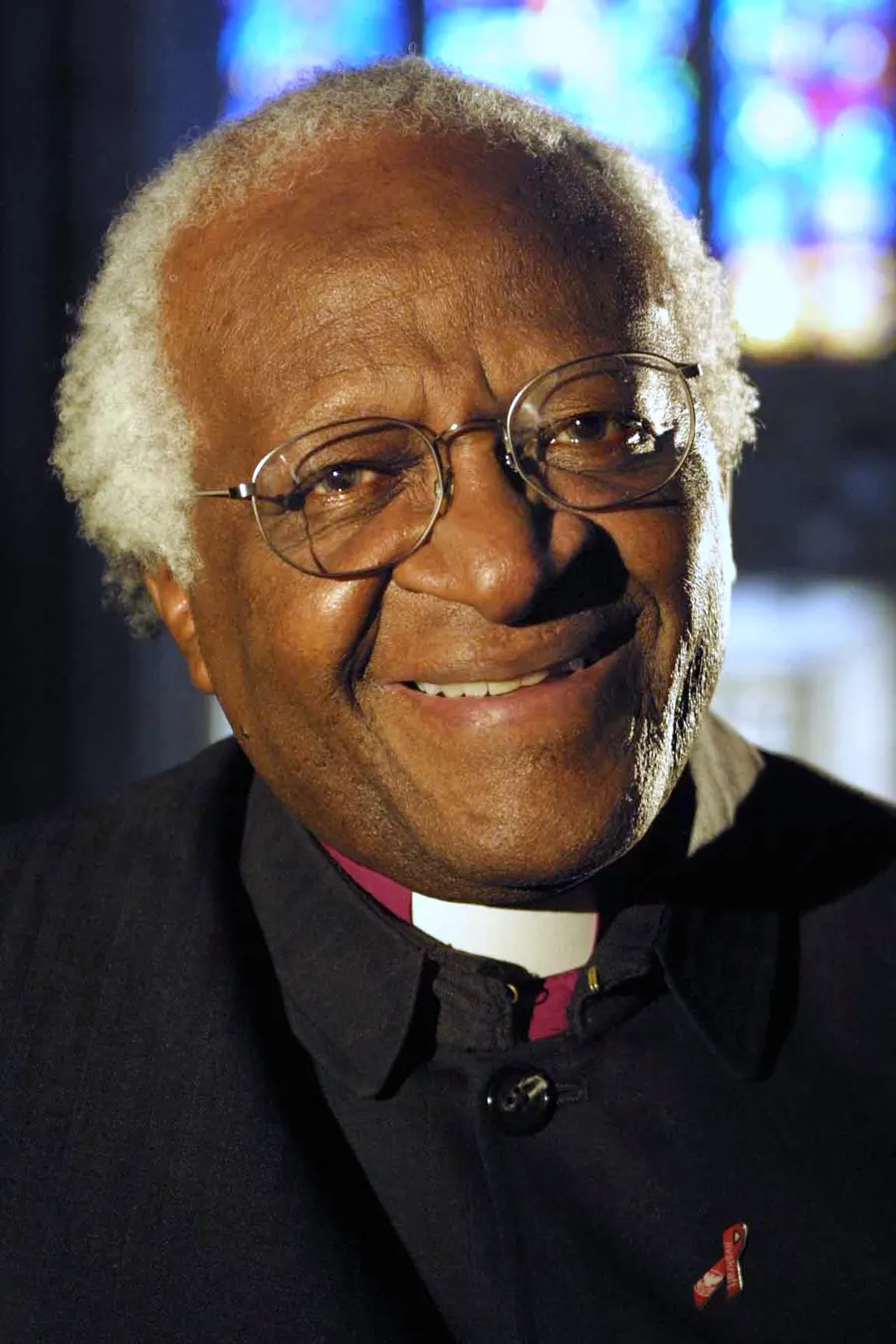
Archbishop Desmond TutuArchbishop Desmond TutuImage: Benny Gool · Public domain
culture · Africa

Desmond Tutu becomes Archbishop of Cape Town

Desmond Tutu, a former teacher who became a priest, had won the Nobel Peace Prize in 1984 for his peaceful campaign against apartheid. In April 1986 the Anglican church elected him Archbishop of Cape Town, and on 7 September 1986 he was enthroned in Cape Town, the first Black African to lead the Anglican Church in southern Africa. Thousands joined the celebration at a stadium in Goodwood. From his new pulpit he went on pressing for sanctions against the apartheid government and, after it ended, chaired the Truth and Reconciliation Commission.

Source: South African History Online: Desmond Tutu is ordained as Archbishop of Cape Town ↗
RESEARCH

Sources & Further Reading

Selected authoritative references supporting the events on this page.

Britannica: Richard I, king of England↗Britannica: Third Crusade↗World History Encyclopedia: Third Crusade↗Britannica: Guillaume de Nogaret↗Britannica: Sciarra Colonna↗Treccani: Colonna, Sciarra (Dizionario di Storia)↗Britannica: Victor Amadeus II↗Britannica: Eugene of Savoy↗MuseoTorino: the 1706 siege↗Britannica: Battle of Borodino↗Fondation Napoléon: The Battle of Borodino, Napoleon against Kutuzov↗Britannica: Brazil, Independence↗Anais do Museu Paulista (University of São Paulo): The Independence Site in Ipiranga↗Government of Brazil: The bicentenary of independence↗Britannica: Expedition of the Thousand↗Britannica: Giuseppe Garibaldi↗Britannica: Boxer Protocol↗US Naval History and Heritage Command: The Boxer Rebellion, bluejackets and marines in China, 1900-1901↗US Office of the Historian: Secretary of State John Hay and the Open Door in China, 1899-1900↗Musée du Louvre: Who stole the Mona Lisa? (education booklet)↗Smithsonian Magazine: Stolen, how the Mona Lisa became the world’s most famous painting↗INTERPOL: 1923, how our history started↗Britannica: Police, international police organizations↗Utah Division of State History: Philo T. Farnsworth’s invention↗Engineering and Technology History Wiki (IEEE): Philo T. Farnsworth↗National Museum of Australia: Extinction of thylacine↗Britannica: Thylacine↗Imperial War Museums: The Blitz around Britain↗RAF Museum: The Blitz↗Pro Football Hall of Fame: 1963, the Pro Football Hall of Fame opens↗Britannica: Pro Football Hall of Fame↗Ohio History Central: Pro Football Hall of Fame↗US Office of the Historian: The Panama Canal and the Torrijos-Carter Treaties↗Jimmy Carter Presidential Library: Panama Canal treaties, background information↗South African History Online: Desmond Tutu is ordained as Archbishop of Cape Town↗Britannica: Desmond Tutu↗
WHY THESE MOMENTS?

Significance before volume

This page is not the longest possible list of events. It is a chronological journey through 7 September, where each entry is chosen for historical significance, human interest and reliability.

Facts are checked against authoritative museums, archives, universities and reference works. Where sources disagree, the page says so.

EXPLORED THE DEEPER STORY?

Return to the highlights of 7 September

Discover the lighter side of the date with famous birthdays, culture, firsts and lives remembered.

Explore This Day →