
1556
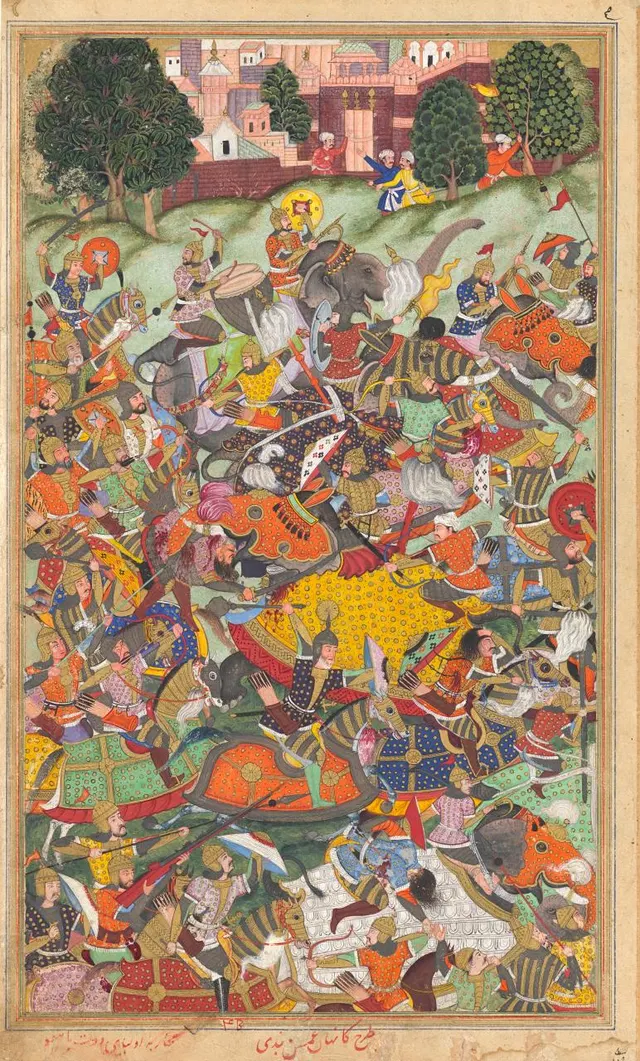 The defeat of Hemu at Panipat, painted by Kankar for the Akbarnama in the 1590s.Image: Kankar · Public domain
world · Asia
The Second Battle of Panipat
On 5 November 1556 (Julian calendar), on the plain of Panipat north of Delhi, the army of the thirteen-year-old Mughal emperor Akbar, led by his regent Bairam Khan, met the much larger army of Hemu, the Hindu ruler who had taken Delhi only weeks before and been crowned as Samrat Hem Chandra Vikramaditya. Hemu had some 30,000 cavalry and hundreds of war elephants. The battle turned when Hemu was struck in the eye by an arrow and his troops broke. He was captured and beheaded. Akbar went on to take Delhi and Agra and to rule for nearly fifty years, laying the foundations of the Mughal Empire at its height.
Source: Encyclopaedia Britannica: Second Battle of Panipat ↗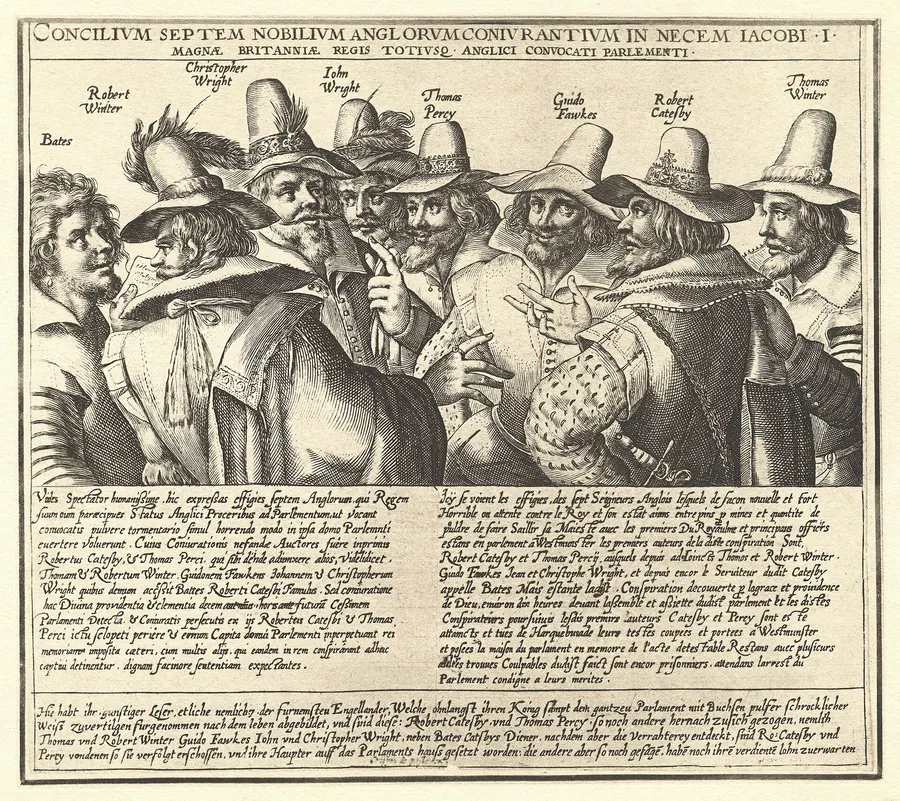 Eight of the Gunpowder Plot conspirators, Guy Fawkes among them, in an engraving of 1605.Image:
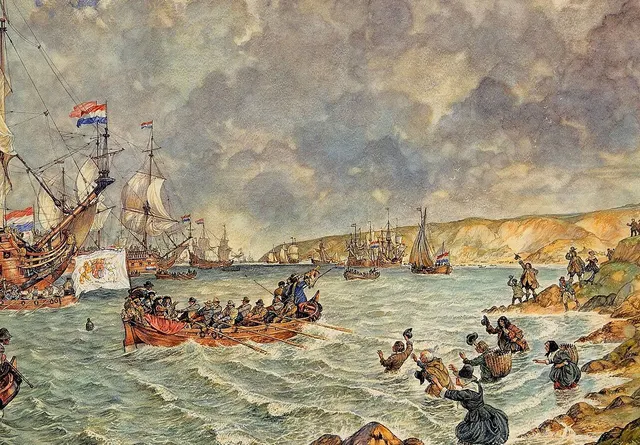 William of Orange and his army land at Brixham, in a later painting by Johan Herman Isings.Image:
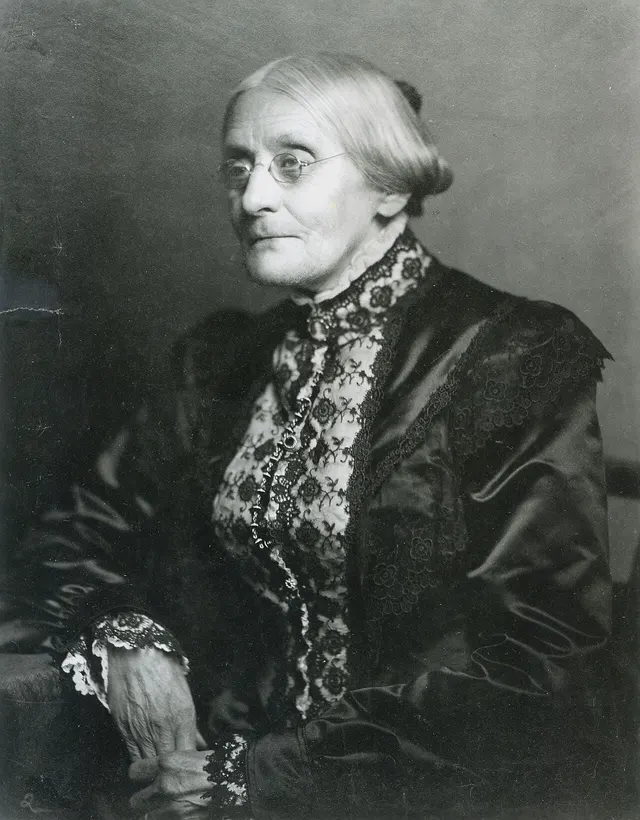 Susan B. Anthony, photographed about 1890.Image:
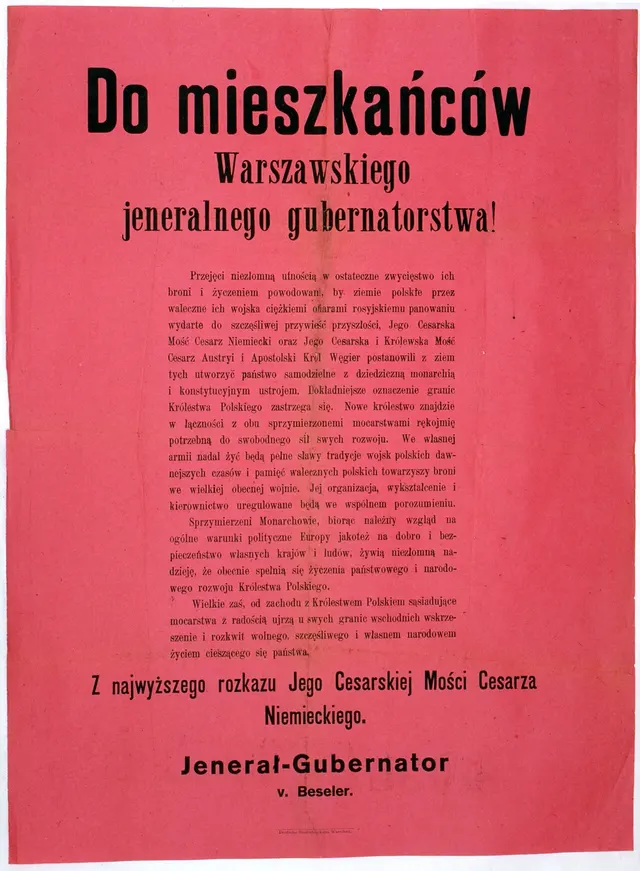 The proclamation of the Act of 5 November, 1916.Image:
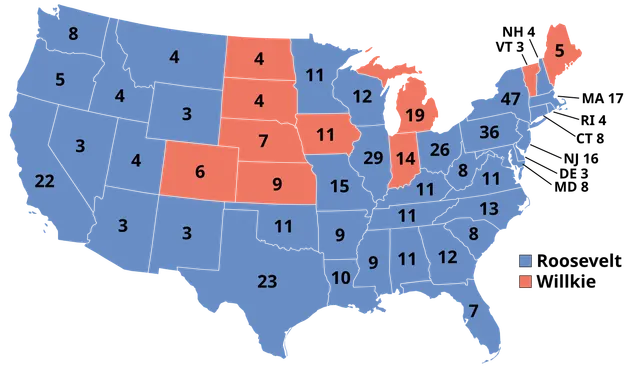 The Electoral College map of the 1940 election.Image:
 The front of the Vienna State Opera today.Image:
 The T-Mobile G1, also sold as the HTC Dream, the first phone to run Android, in 2008.Image: