HISTORY & TIMELINE
22 November

A journey through
22 November in history

From Vasco da Gama’s passage round Africa in 1497 to Margaret Thatcher’s decision to step down in 1990, 22 November has seen voyages of discovery, the fall of leaders and the opening of the first Olympic Games in the southern hemisphere. This timeline follows the date across five centuries.

JUMP THROUGH TIME
II
THE MIDDLE AGES

Medieval History

Kingdoms, conflict, faith, power and the changing medieval world.

1497
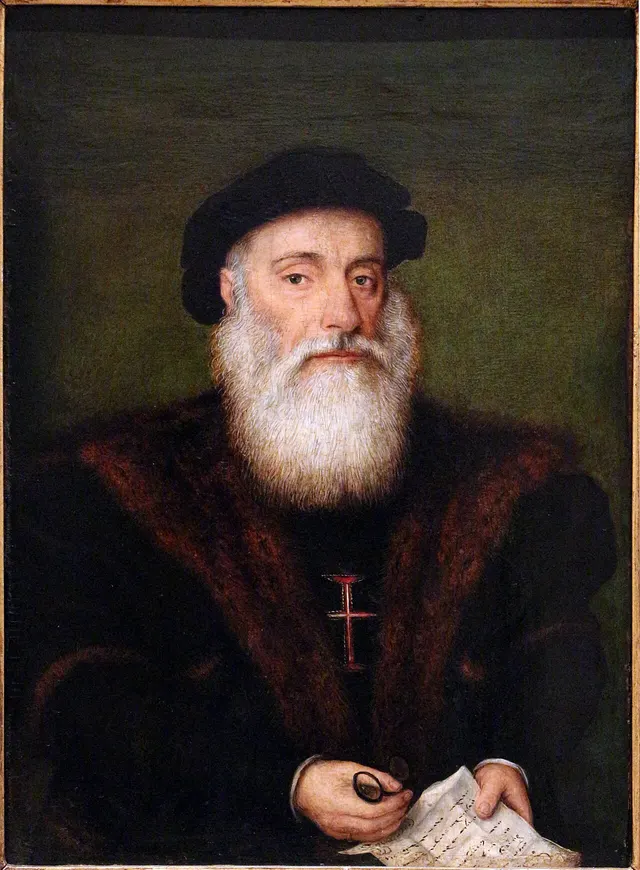
Vasco da Gama, in an anonymous portrait of about 1525.Vasco da Gama, in an anonymous portrait of about 1525.Image: Sailko · CC BY 3.0
world · Africa

Vasco da Gama rounds the Cape of Good Hope

Vasco da Gama left Lisbon on 8 July 1497 with four ships, charged by King Manuel I with finding a sea route to India. After months in the open Atlantic, contrary winds and currents held the fleet back off southern Africa, and it was not until 22 November 1497 that they rounded the Cape of Good Hope. Sailing on up the east coast of Africa, where they traded and took on a pilot, the Portuguese reached India in May 1498. Da Gama’s voyage opened a direct sea route between Europe and Asia and the beginning of Portugal’s empire in the Indian Ocean.

Source: Encyclopaedia Britannica: Vasco da Gama ↗
III
A CHANGING WORLD

Early Modern Era

Exploration, political change, scientific development and expanding global connections.

1718
world · Americas

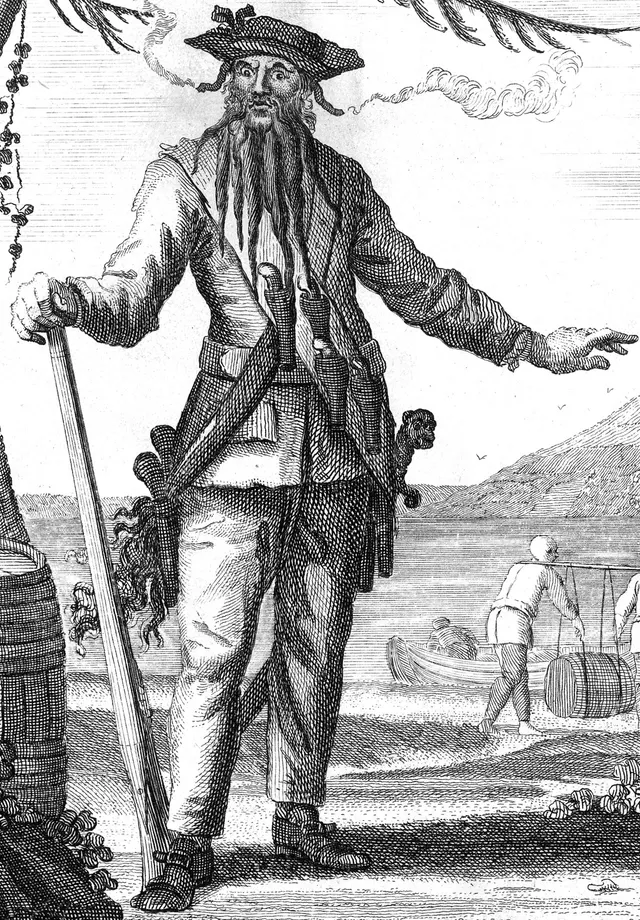
Blackbeard is killed off Ocracoke

Lieutenant Robert Maynard of the Royal Navy, sent by the governor of Virginia, found the pirate Edward Teach, known as Blackbeard, in Ocracoke Inlet on the coast of North Carolina. In a fierce fight at dawn on 22 November 1718 Blackbeard was killed after receiving five pistol shots and some twenty sword wounds. Maynard hung his head from the bowsprit of his sloop as proof.

Source: Queen Anne’s Revenge Project (North Carolina Department of Natural and Cultural Resources): Blackbeard’s story ↗
V
THE TWENTIETH CENTURY

The 1900s

War and peace, technological leaps, social change, politics, sport and popular culture.

1956
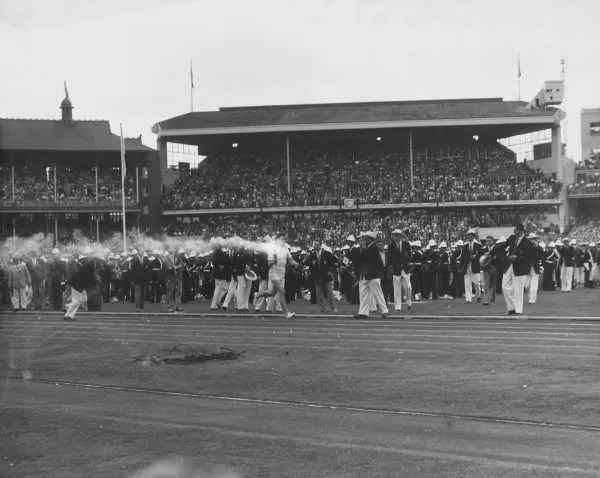
Ron Clarke carries the Olympic torch into the Melbourne Cricket Ground at the opening ceremony, 22 November 1956.Ron Clarke carries the Olympic torch into the Melbourne Cricket Ground at the opening ceremony, 22 November 1956.Image: John R. Morrison · Public domain
sport · Oceania

Melbourne opens the first southern-hemisphere Olympics

The Duke of Edinburgh opened the Games of the XVI Olympiad before a capacity crowd of about 103,000 at the Melbourne Cricket Ground on 22 November 1956, the first Olympic Games held in the southern hemisphere. The young distance runner Ron Clarke lit the cauldron, singed by the sparking torch. The Games ran until 8 December.

Source: Melbourne Cricket Ground: Top 10 MCG moments at the 1956 Olympic Games ↗
1963
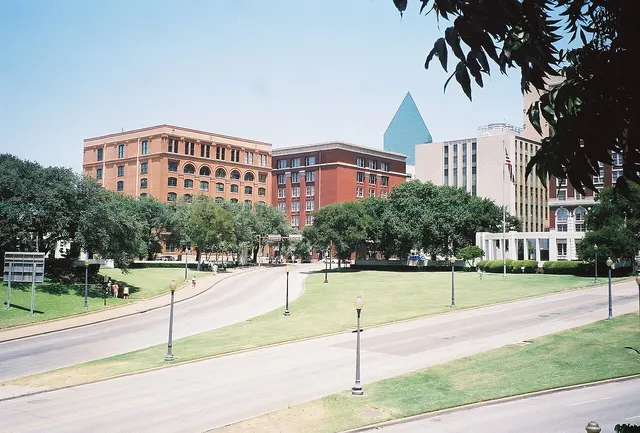
Dealey Plaza in Dallas, with the former Texas School Book Depository on the left, photographed in 2003.Dealey Plaza in Dallas, with the former Texas School Book Depository on the left, photographed in 2003.Image: Brodie319 · Public domain
politics · Americas

President Kennedy is assassinated in Dallas

At 12.30 on 22 November 1963, as his open car passed through Dealey Plaza in Dallas, Texas, President John F. Kennedy was hit by shots fired from a sixth-floor window of the Texas School Book Depository. Governor John Connally of Texas was badly wounded. Kennedy was declared dead at Parkland Memorial Hospital half an hour later. Vice-President Lyndon Johnson was sworn in as president aboard Air Force One that afternoon. The accused gunman, Lee Harvey Oswald, was himself shot dead two days later before he could stand trial. The Warren Commission concluded in 1964 that Oswald had acted alone.

Source: John F. Kennedy Presidential Library: November 22, 1963, death of the President ↗
1967
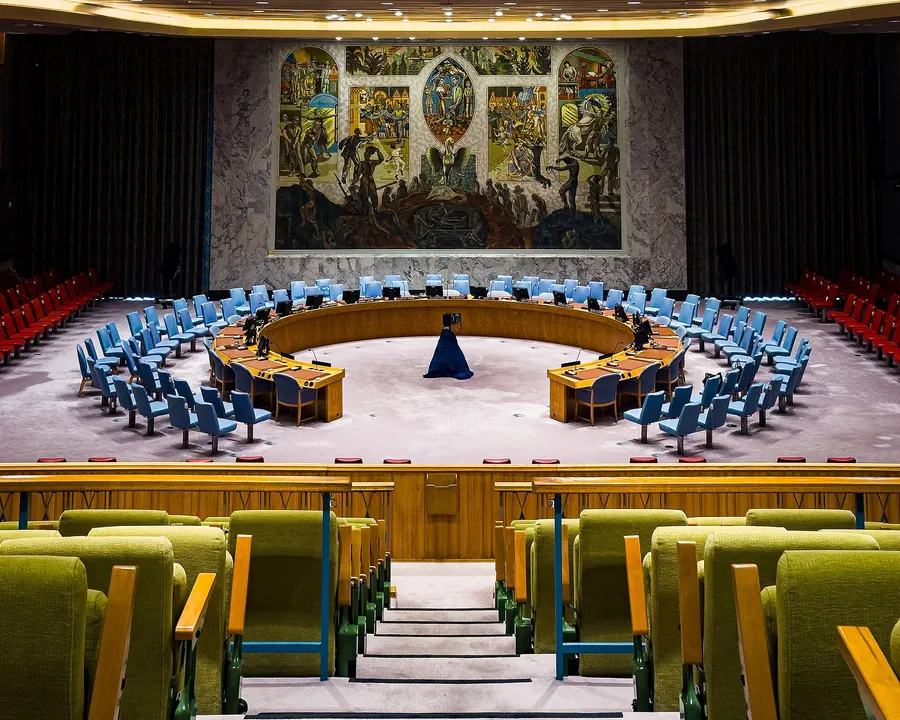
The UN Security Council chamber in New York.The UN Security Council chamber in New York.Image: Jdforrester · CC BY 4.0
politics · Asia

The UN sets out ‘land for peace’

Five months after the Six-Day War, the UN Security Council unanimously adopted Resolution 242 on 22 November 1967. It called for the withdrawal of Israeli forces from territories occupied in the recent conflict, and for every state in the region to be able to live in peace within secure and recognised boundaries. Its principle of ‘land for peace’ became the basis of later negotiations between Israel and its neighbours, although the Palestine Liberation Organization rejected it until 1988 because it did not mention the Palestinians by name.

Source: United Nations: Security Council Resolution 242 (1967) ↗
1975
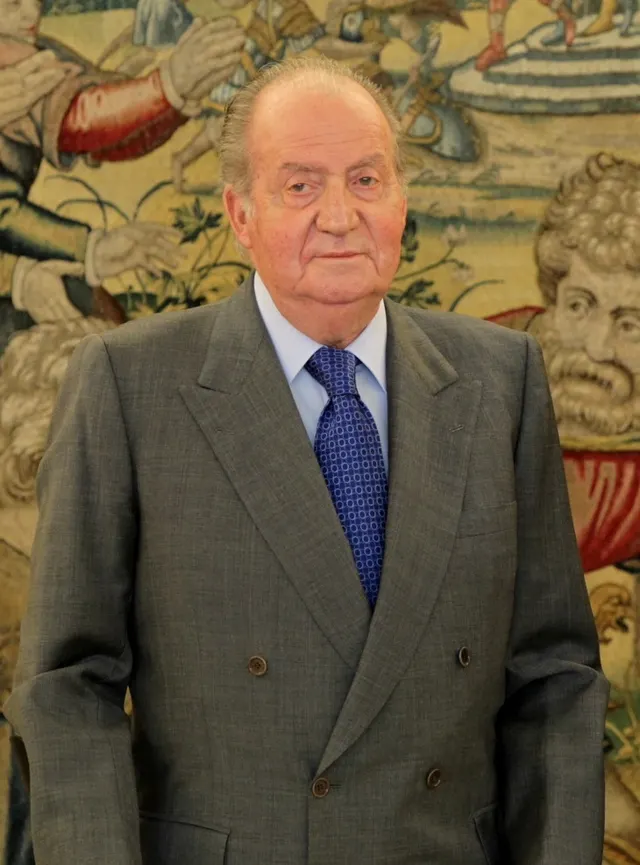
King Juan Carlos I in 2013.King Juan Carlos I in 2013.Image: Irekia · CC BY 2.0
politics · Europe

Juan Carlos becomes King of Spain

Two days after the death of the dictator Francisco Franco, Juan Carlos de Borbón was proclaimed King of Spain before the Cortes in Madrid on 22 November 1975. Franco had named him as his successor in 1969, expecting him to continue the regime. Instead the new king backed a rapid move to democracy. He appointed the reformer Adolfo Suárez as prime minister in 1976, political parties were legalised, free elections followed in 1977, and a democratic constitution was approved in 1978. He reigned until he abdicated in favour of his son Felipe in 2014.

Source: Encyclopaedia Britannica: Juan Carlos ↗
1990
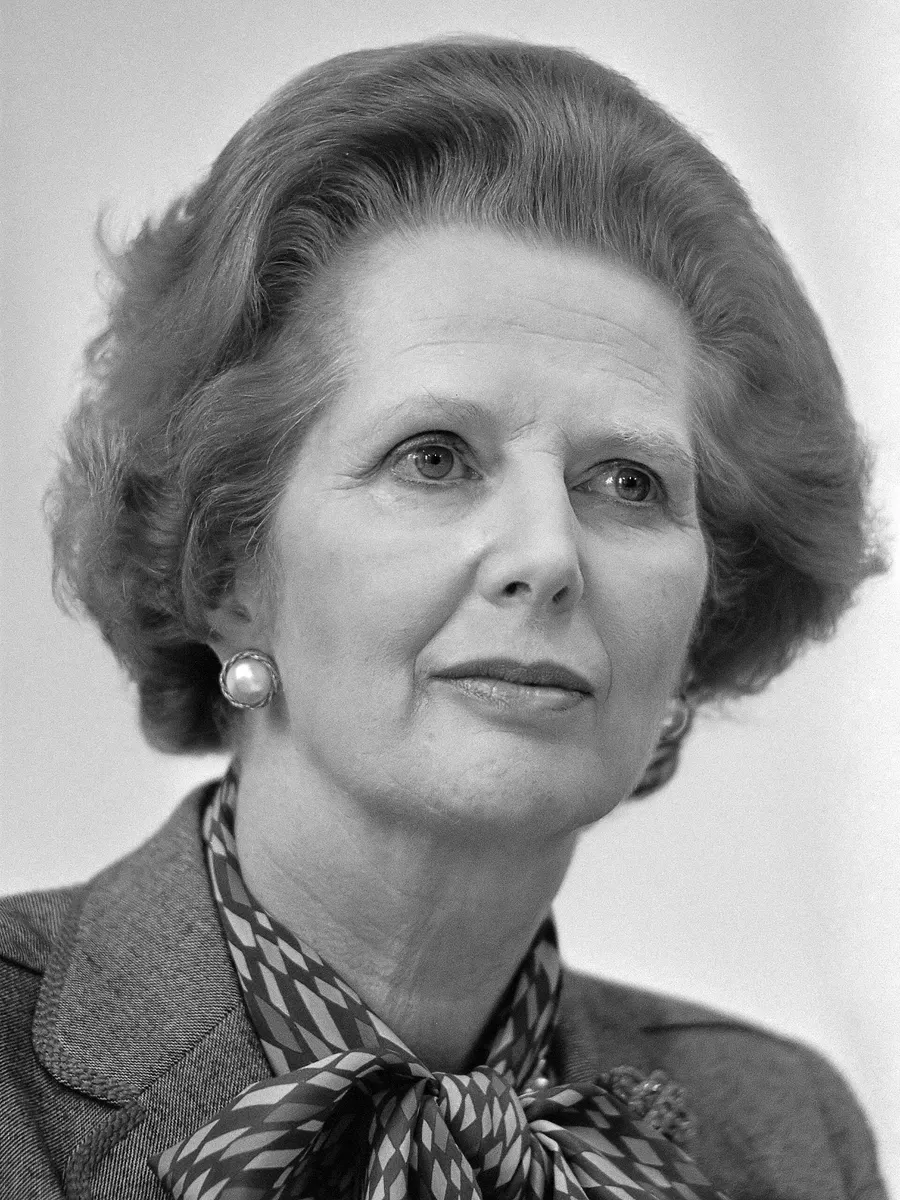
Margaret Thatcher in 1983.Margaret Thatcher in 1983.Image: Rob Bogaerts · CC0
politics · Europe

Margaret Thatcher decides to step down

After failing to win outright in the first ballot of a challenge to her leadership of the Conservative Party, and after cabinet colleagues told her she could not win, Margaret Thatcher announced on the morning of 22 November 1990 that she would not stand in the second ballot and would resign as prime minister once a new leader was chosen. Britain’s first woman prime minister had held office for eleven and a half years. John Major succeeded her six days later.

Source: Margaret Thatcher Foundation: Written statement announcing decision to resign as Prime Minister ↗
WHY THESE MOMENTS?

Significance before volume

This page is not the longest possible list of events. It is a chronological journey through 22 November, where each entry is chosen for historical significance, human interest and reliability.

Facts are checked against authoritative museums, archives, universities and reference works. Where sources disagree, the page says so.

EXPLORED THE DEEPER STORY?

Return to the highlights of 22 November

Discover the lighter side of the date with famous birthdays, culture, firsts and lives remembered.

Explore This Day →