HISTORY & TIMELINE
23 November

A journey through
23 November in history

From the hanging of a pretender to the English throne in 1499 to Liberia’s election result in 2005, 23 November has seen revolutions, new members at the United Nations and a new idea of the size of the universe. This timeline follows the date across five centuries.

JUMP THROUGH TIME
II
THE MIDDLE AGES

Medieval History

Kingdoms, conflict, faith, power and the changing medieval world.

1499
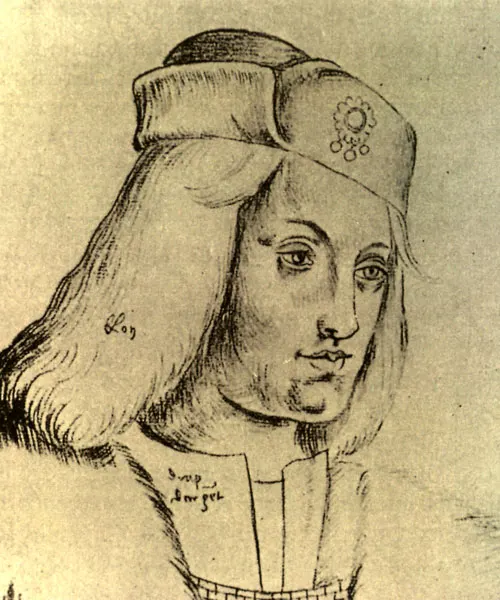
Perkin Warbeck, in a sixteenth-century drawing attributed to Jacques Le Boucq.Perkin Warbeck, in a sixteenth-century drawing attributed to Jacques Le Boucq.Image: Jacques Le Boucq · Public domain
world · Europe

Perkin Warbeck, pretender to the English throne, is hanged

For most of the 1490s a young man from Tournai, Perkin Warbeck, claimed to be Richard, Duke of York, the younger of the two ‘princes in the Tower’, and so the rightful king of England. Backed at times by the rulers of Burgundy and Scotland, he became a serious threat to the first Tudor king, Henry VII. After a failed rising in Cornwall in 1497 Warbeck was captured and confessed his true identity. Held at court and then in the Tower of London, he was accused of plotting to escape, and on 23 November 1499 he was hanged at Tyburn.

Source: Encyclopaedia Britannica: Perkin Warbeck ↗
V
THE TWENTIETH CENTURY

The 1900s

War and peace, technological leaps, social change, politics, sport and popular culture.

1924
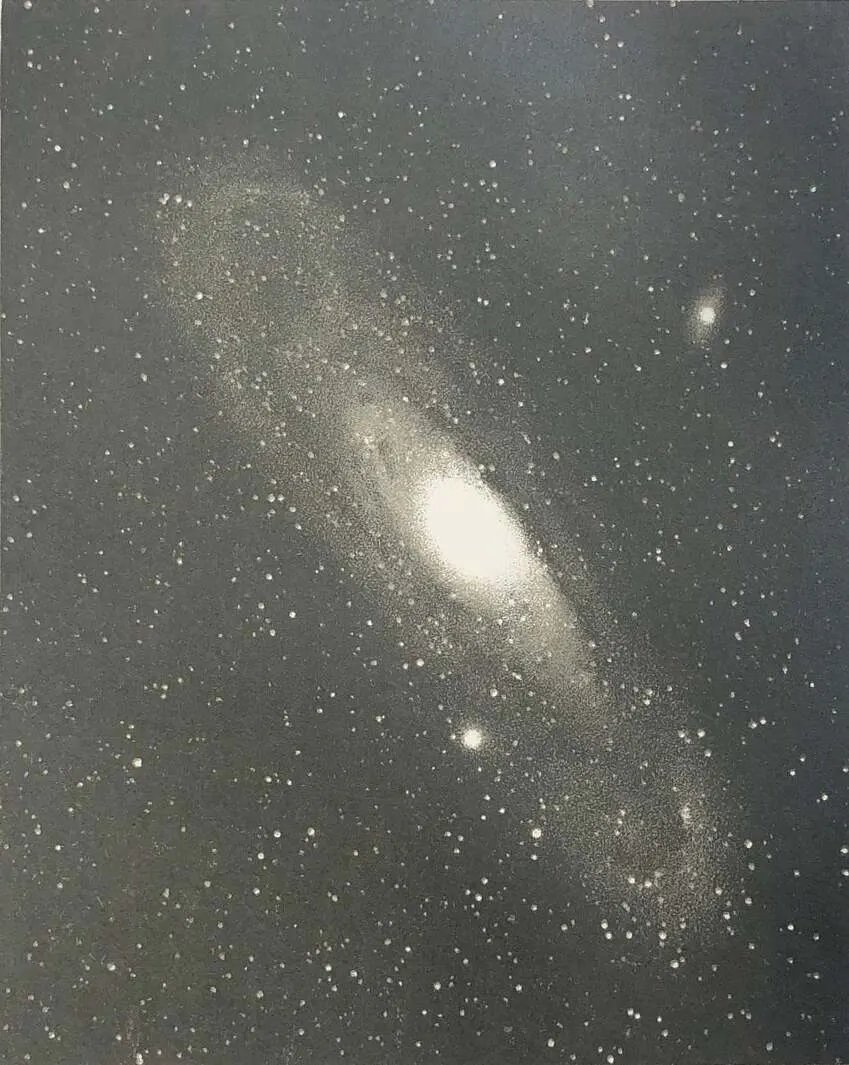
The Andromeda 'nebula', photographed by Isaac Roberts in 1888 and printed in 1891.The Andromeda ‘nebula’, photographed by Isaac Roberts in 1888 and printed in 1891.Image: Isaac Roberts · Public domain
science · Americas

News breaks that Andromeda is a galaxy beyond our own

Astronomers had long argued over whether the faint spiral ‘nebulae’ were clouds inside the Milky Way or separate star systems. Working at Mount Wilson in California, Edwin Hubble found Cepheid variable stars, whose brightness reveals their distance, in the Andromeda nebula. His result, that Andromeda lies far outside the Milky Way, was first reported by the New York Times on 23 November 1924, and his paper was read to the American Astronomical Society on 1 January 1925. The universe turned out to contain countless galaxies.

Source: ESA/Hubble: The star that changed the universe ↗
1936
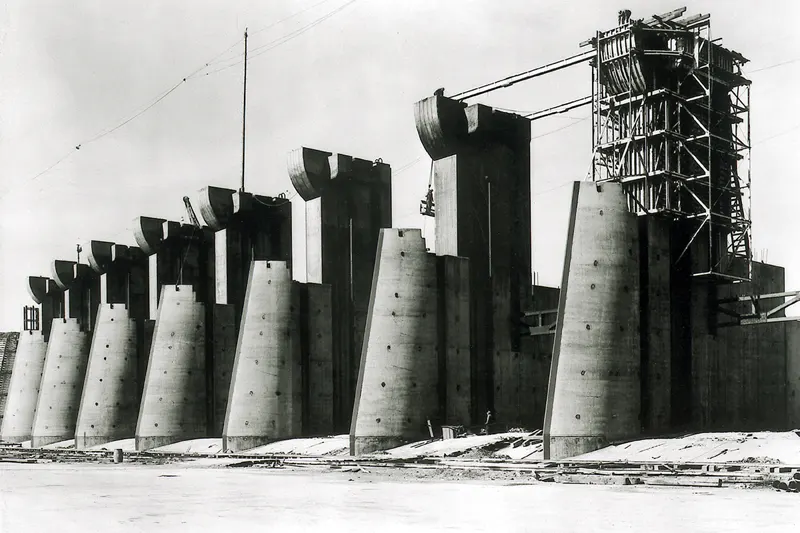
Building the spillway of Fort Peck Dam in Montana, the subject of Life's first cover.Building the spillway of Fort Peck Dam in Montana, the subject of Life’s first cover.Image: US Army Corps of Engineers, Photographed by Robert Etzel. · Public domain
culture · Americas

The first issue of Life magazine

Henry Luce, publisher of Time, launched Life as a weekly picture magazine with an issue dated 23 November 1936. Its cover was Margaret Bourke-White’s photograph of the concrete spillway of the Fort Peck Dam in Montana, then being built, with tiny figures giving the scale. Bourke-White was one of Life’s first four staff photographers, and the magazine went on to shape photojournalism for decades.

Source: The Metropolitan Museum of Art: Margaret Bourke-White, Fort Peck Dam, Montana ↗
1940
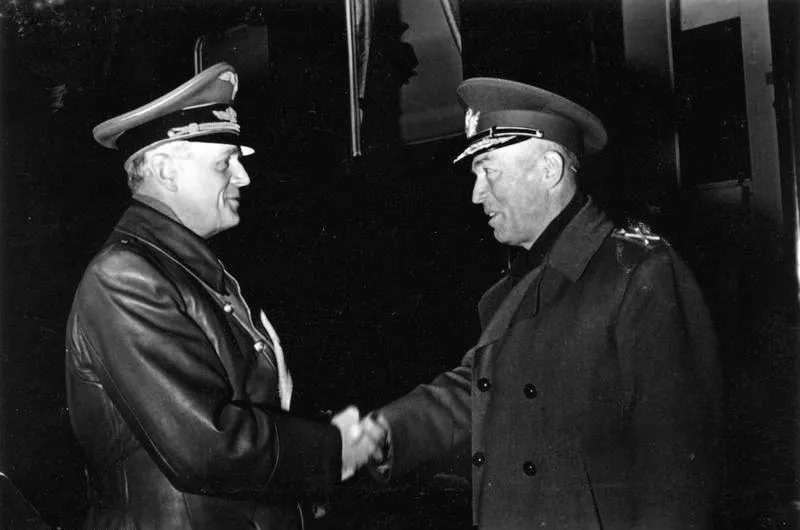
Ion Antonescu (right) greeted by the German foreign minister Joachim von Ribbentrop, January 1943.Ion Antonescu (right) greeted by the German foreign minister Joachim von Ribbentrop, January 1943.Image: Laux · CC BY-SA 3.0 de
world · Europe

Romania joins the Axis

In Berlin, in Hitler’s presence, Romania’s leader Ion Antonescu signed a protocol on 23 November 1940 by which Romania joined the Tripartite Pact of Germany, Italy and Japan. Romanian troops took part in the German invasion of the Soviet Union the following June.

Source: Encyclopaedia Britannica: Tripartite Pact ↗
1946
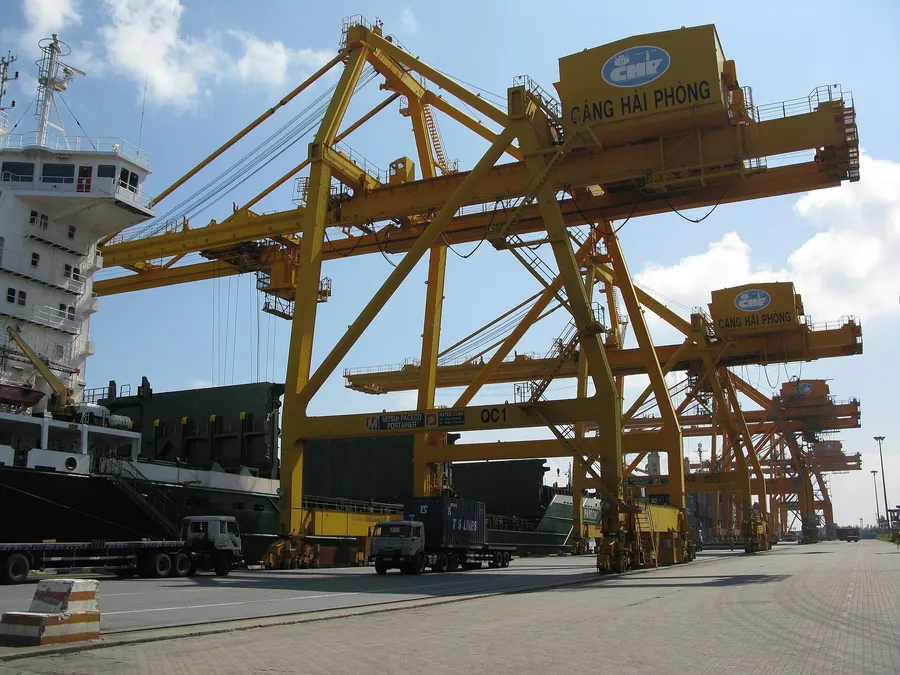
The container port of Haiphong, Vietnam, in 2010.The container port of Haiphong, Vietnam, in 2010.Image: Phó Nháy · Public domain
world · Asia

French warships shell Haiphong

After clashes between French troops and the Viet Minh over control of the port of Haiphong in northern Vietnam, French warships bombarded the city on 23 November 1946, killing thousands of Vietnamese civilians. Talks between France and Ho Chi Minh’s government collapsed, and full war broke out in Hanoi the next month: the First Indochina War.

Source: Encyclopaedia Britannica: First Indochina War ↗
1955
politics · Oceania

The Cocos (Keeling) Islands pass to Australia

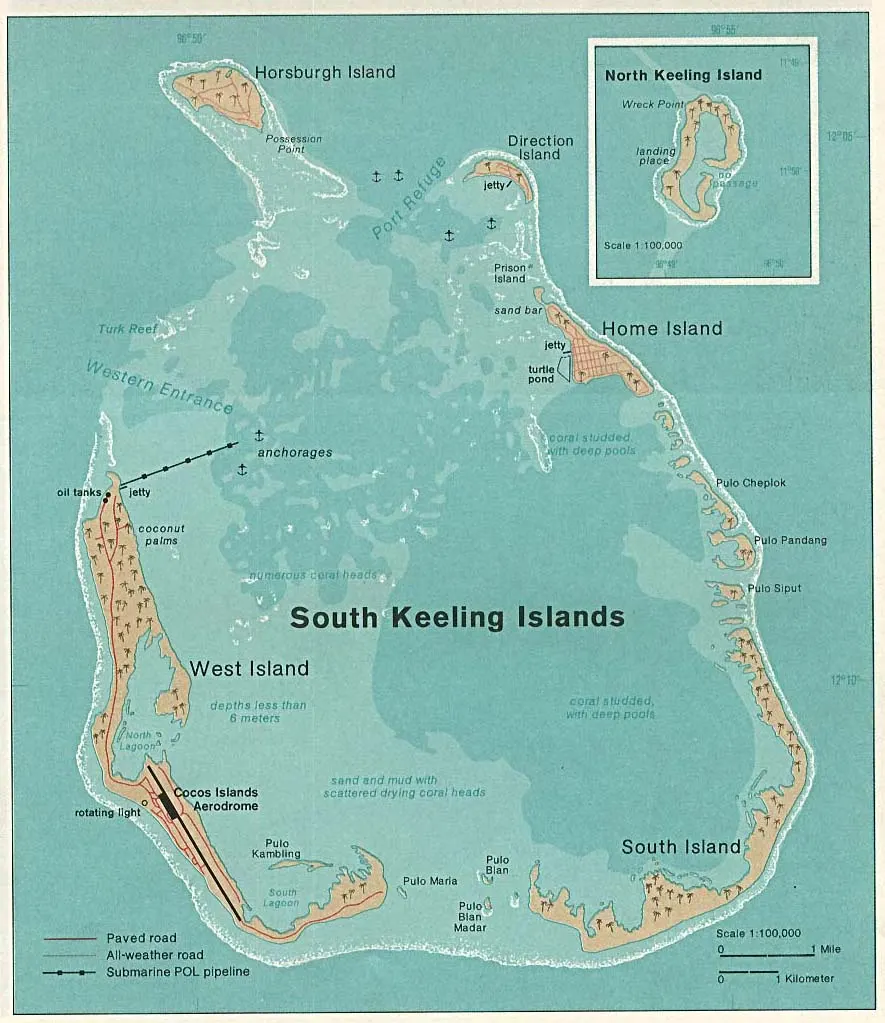
The Cocos (Keeling) Islands, a ring of coral atolls in the Indian Ocean long run from Ceylon and then Singapore, became an Australian territory on 23 November 1955 under the Cocos (Keeling) Islands Act.

Source: National Archives of Australia: The Cocos (Keeling) Islands (fact sheet) ↗
1963
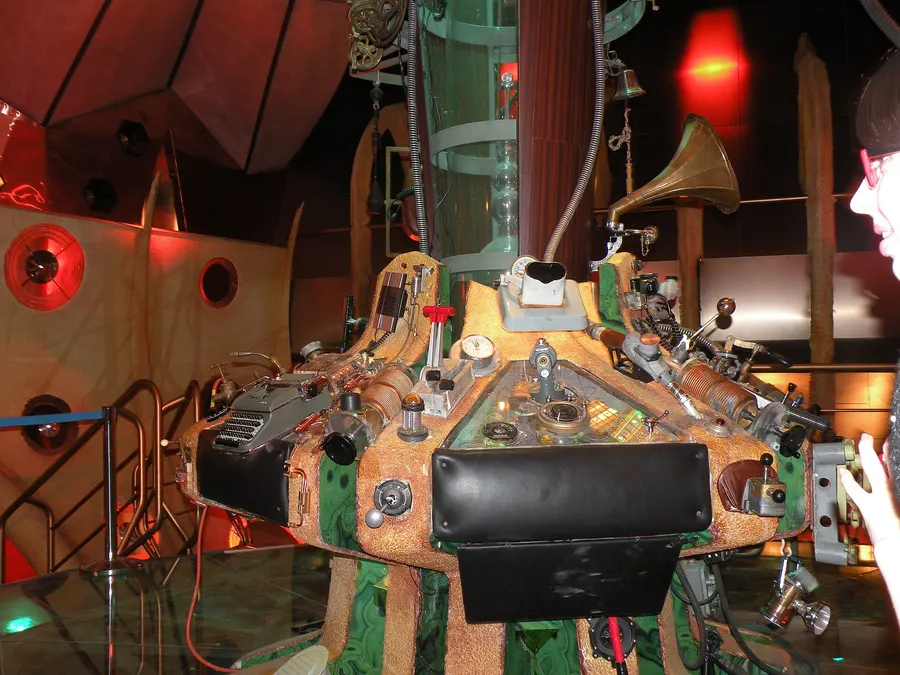
A TARDIS control console on show at the Doctor Who Experience in London, 2012.A TARDIS control console on show at the Doctor Who Experience in London, 2012.Image: Lindsay Adams-Riley · CC BY 2.0
culture · Europe

Doctor Who is broadcast for the first time

BBC Television broadcast ‘An Unearthly Child’, the first episode of Doctor Who, on 23 November 1963. Directed by Waris Hussein, it starred William Hartnell as a mysterious traveller in time and space whose ship, the TARDIS, looks like a London police box. Meant partly as an educational series for family viewers, it became one of the longest-running science-fiction programmes in the world, helped by the idea that the Doctor can change into a new actor.

Source: BFI: The 50 best Doctor Who moments ↗
1971
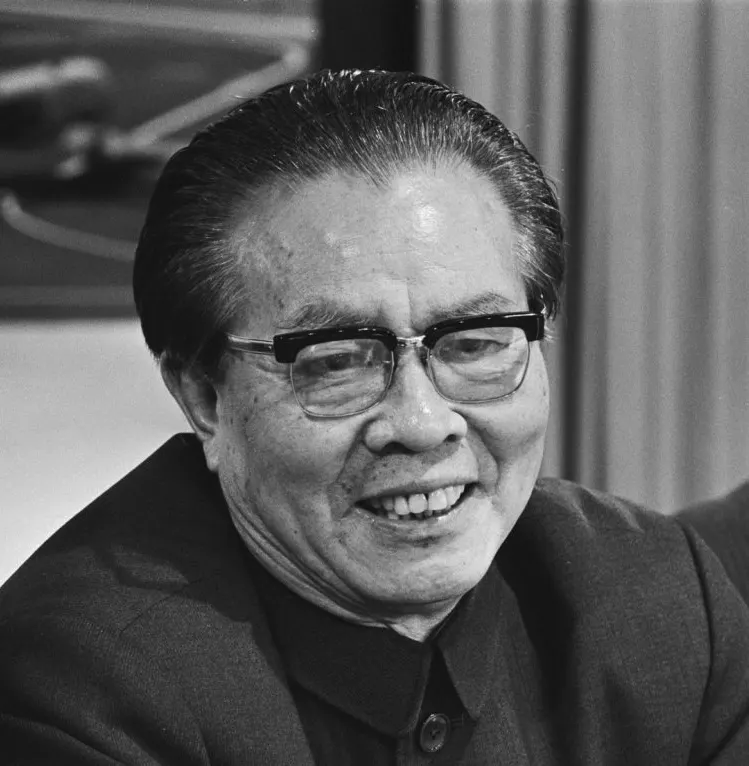
Huang Hua, China's first permanent representative to the United Nations, in 1978.Huang Hua, China’s first permanent representative to the United Nations, in 1978.Image: Suyk, Koen / Anefo · CC0
politics · Asia

The People’s Republic of China takes its seat on the Security Council

On 25 October 1971 the UN General Assembly voted that the government in Beijing, not the Republic of China on Taiwan, was the only lawful representative of China at the United Nations, including in China’s permanent seat on the Security Council. Four weeks later, on 23 November 1971, representatives of the People’s Republic of China took part in a meeting of the Security Council for the first time, led by Huang Hua, the country’s first permanent representative. China has held the seat, with its veto, ever since.

Source: United Nations Dag Hammarskjöld Library: The 1971 resolution on the representation of China ↗
1980
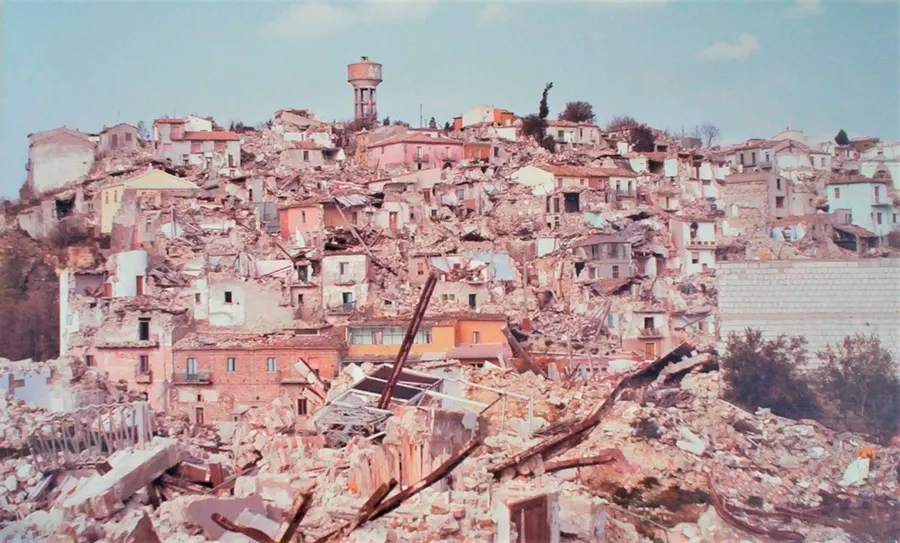
Collapsed buildings in Conza della Campania after the 1980 earthquake.Collapsed buildings in Conza della Campania after the 1980 earthquake.Image: Pro Loco Compsa · CC BY-SA 4.0
world · Europe

The Irpinia earthquake strikes southern Italy

On the evening of 23 November 1980 an earthquake of magnitude 6.9 struck Campania and Basilicata in southern Italy. About 2,700 people died, many thousands were injured and hundreds of thousands were left homeless; whole hill towns were destroyed. The slow relief effort led Italy to create its national civil protection service.

Source: Italian Civil Protection Department: The Irpinia earthquake ↗
VI
2000 TO TODAY

Modern Day

The events of recent decades that have already become part of the historical record.

2003
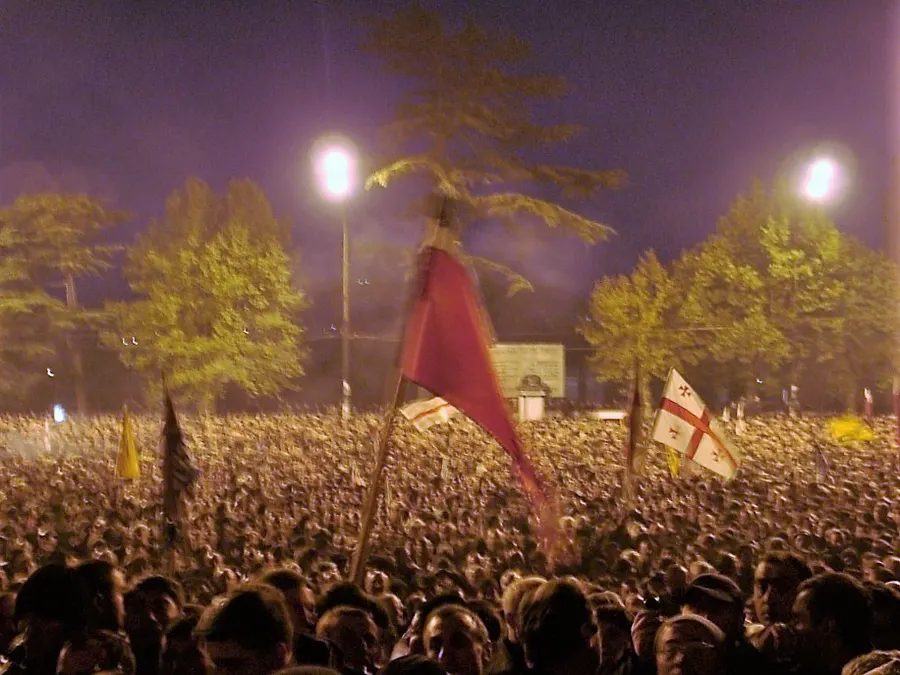
Crowds in Tbilisi during the Rose Revolution, photographed on 23 November 2003.Crowds in Tbilisi during the Rose Revolution, photographed on 23 November 2003.Image: Zaraza · CC BY-SA 3.0
politics · Asia

Georgia’s Rose Revolution topples Shevardnadze

Parliamentary elections in Georgia on 2 November 2003 were widely judged to have been rigged, and for three weeks tens of thousands of protesters filled the streets of Tbilisi. On 22 November opposition supporters led by Mikheil Saakashvili burst into the new parliament carrying roses as President Eduard Shevardnadze was addressing it. The next day, 23 November 2003, Shevardnadze, the former Soviet foreign minister who had led Georgia for most of the decade since independence, resigned without bloodshed. Saakashvili was elected president in January 2004. The peaceful change of power became a model for protest movements elsewhere in the former Soviet Union.

Source: Encyclopaedia Britannica: Eduard Shevardnadze ↗
2005
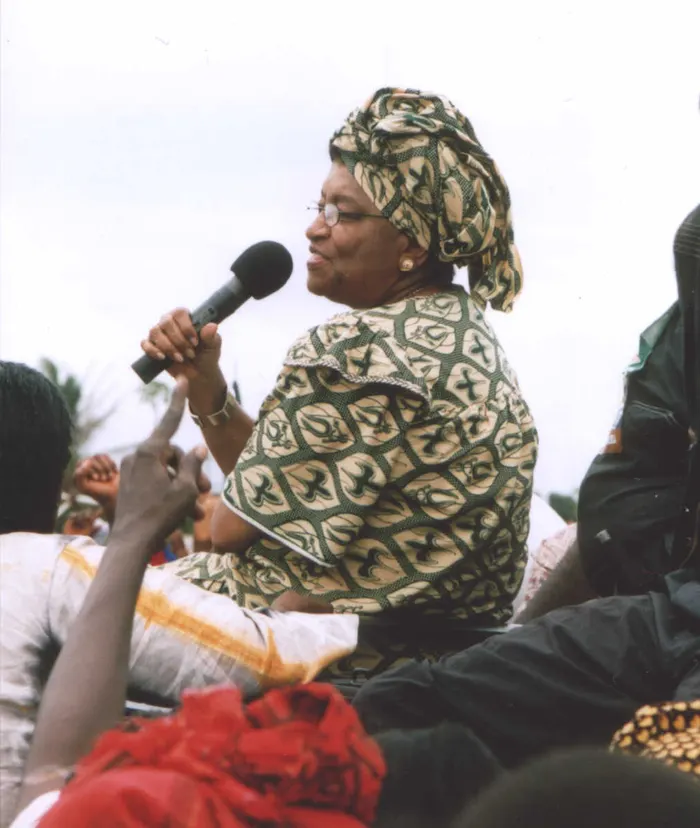
Ellen Johnson Sirleaf campaigning in Monrovia, Liberia, in 2005.Ellen Johnson Sirleaf campaigning in Monrovia, Liberia, in 2005.Image: Uwe.Kerkow · CC BY-SA 3.0
politics · Africa

Liberia elects Africa’s first woman president

Two years after the end of a long civil war, Liberians voted in a presidential runoff on 8 November 2005 between the economist Ellen Johnson Sirleaf and the former footballer George Weah. On 23 November the National Elections Commission announced the official result: Johnson Sirleaf had won with 59.4 per cent of the vote. She became the first woman elected as head of state of an African country, and was sworn in on 16 January 2006. She served two terms, until 2018, and shared the Nobel Peace Prize in 2011 for her work for women’s rights and peace.

Source: United Nations Secretary-General: Statement on the Liberian presidential election results, 23 November 2005 ↗
RESEARCH

Sources & Further Reading

Selected authoritative references supporting the events on this page.

WHY THESE MOMENTS?

Significance before volume

This page is not the longest possible list of events. It is a chronological journey through 23 November, where each entry is chosen for historical significance, human interest and reliability.

Facts are checked against authoritative museums, archives, universities and reference works. Where sources disagree, the page says so.

EXPLORED THE DEEPER STORY?

Return to the highlights of 23 November

Discover the lighter side of the date with famous birthdays, culture, firsts and lives remembered.

Explore This Day →