HISTORY & TIMELINE
21 November

A journey through
21 November in history

From the first people to fly in 1783 to the end of Robert Mugabe’s rule in 2017, 21 November has seen new states join a union, great ships lost and long wars brought to an end. This timeline follows the date across more than two centuries.

JUMP THROUGH TIME
III
A CHANGING WORLD

Early Modern Era

Exploration, political change, scientific development and expanding global connections.

1783
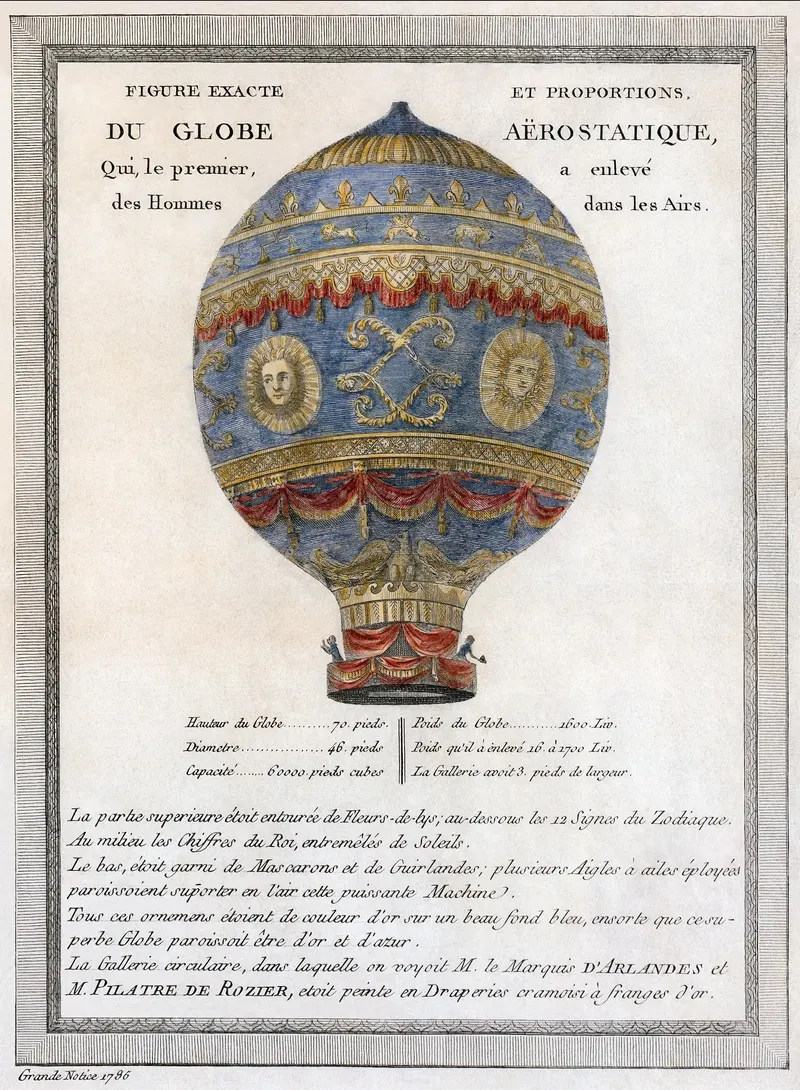
The Montgolfier balloon that first carried people through the air, in a French print of 1786.The Montgolfier balloon that first carried people through the air, in a French print of 1786.Image: Unknown authorUnknown author · Public domain
science · Europe

The first people fly

On 21 November 1783 Jean-François Pilâtre de Rozier and the Marquis d’Arlandes rose from the grounds of the Château de la Muette on the edge of Paris in a hot-air balloon built by the Montgolfier brothers. It was the first time people had flown free, untethered to the ground. Feeding a fire of straw and wool to keep the air hot, they drifted across Paris for about 25 minutes and came down about nine kilometres away.

Source: Smithsonian National Air and Space Museum: Sending humans aloft ↗
1789
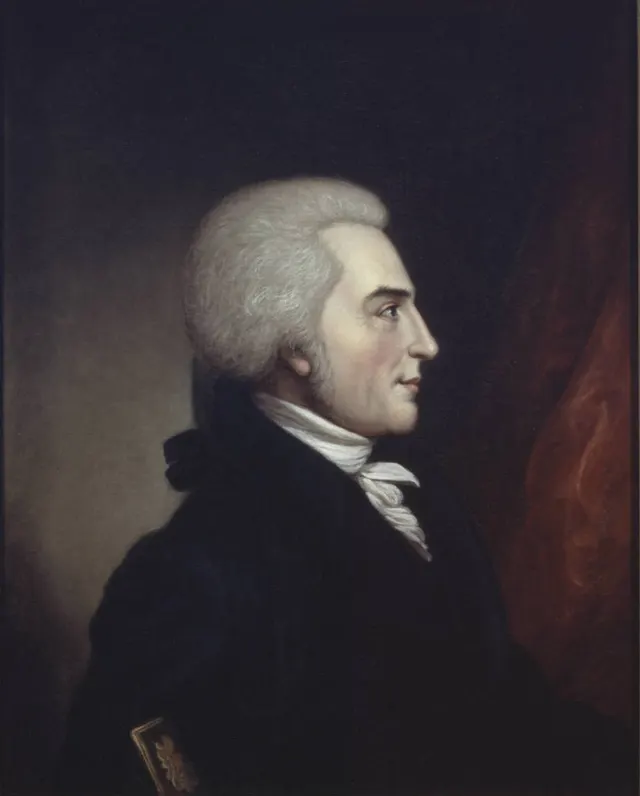
William R. Davie, who put the question of ratification to the Fayetteville convention, painted by Charles Willson Peale.William R. Davie, who put the question of ratification to the Fayetteville convention, painted by Charles Willson Peale.Image: Charles Willson Peale · Public domain
politics · Americas

North Carolina ratifies the Constitution

North Carolina had refused to decide on the new US Constitution in 1788. At a second convention in Fayetteville, William R. Davie put the question on 21 November 1789 and delegates voted to ratify by 194 votes to 77, after Congress had proposed the amendments that became the Bill of Rights. North Carolina became the twelfth state; only Rhode Island was still outside the Union.

Source: NCpedia (State Library of North Carolina): Convention of 1789 ↗
V
THE TWENTIETH CENTURY

The 1900s

War and peace, technological leaps, social change, politics, sport and popular culture.

1916
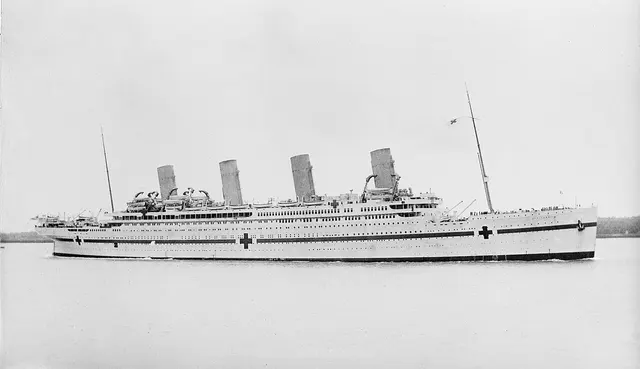
HMHS Britannic in her hospital-ship colours, 1915-16.HMHS Britannic in her hospital-ship colours, 1915-16.Image: Allan C. Green · Public domain
world · Europe

HMHS Britannic sinks in the Aegean

Britannic, the larger sister ship of the Titanic, was serving as a hospital ship when an explosion, probably from a German mine, tore into her near the Greek island of Kea on 21 November 1916. She sank in about 55 minutes, but most of those aboard were saved: about 30 people died and more than 1,000 survived.

Source: Encyclopaedia Britannica: Britannic ↗
1920
world · Europe

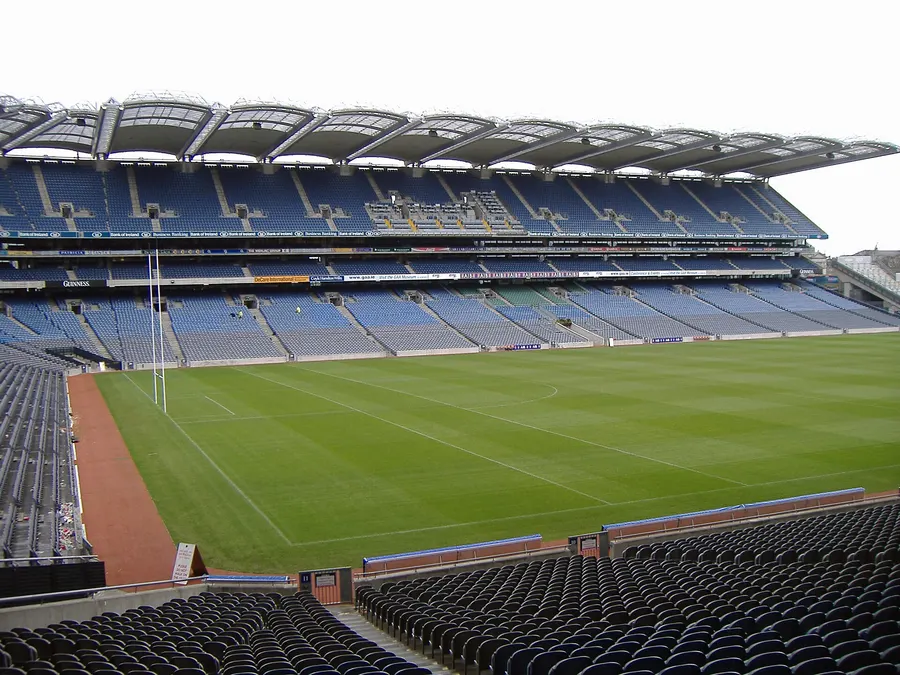
Bloody Sunday in Dublin

On the morning of Sunday 21 November 1920, during the Irish War of Independence, the IRA killed British intelligence officers and others in Dublin. That afternoon police and soldiers surrounded Croke Park, where Dublin were playing Tipperary at Gaelic football, and opened fire into the crowd. The shooting lasted about 90 seconds; fourteen people died at the ground, including the Tipperary player Michael Hogan, after whom a stand at Croke Park is now named. The day is seen as a turning point in the war.

Source: GAA: Remembering Bloody Sunday at Croke Park ↗
1922
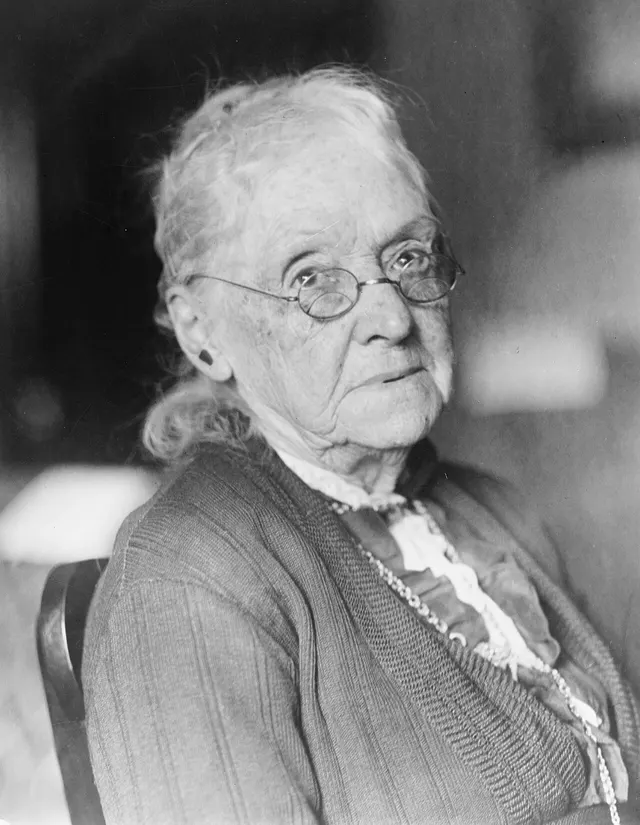
Rebecca Latimer Felton, briefly United States senator for Georgia.Rebecca Latimer Felton, briefly United States senator for Georgia.Image: National Photo Company Collection. · Public domain
politics · Americas

The first woman takes a seat in the US Senate

Rebecca Latimer Felton, an 87-year-old writer and campaigner from Georgia, had been appointed to fill a vacant Senate seat in October 1922. She took the oath of office on 21 November 1922, the first woman to serve in the United States Senate. She answered one roll call and made one speech before handing the seat to her elected successor the next day.

Source: United States Senate: Rebecca Latimer Felton, a featured biography ↗
1964
The Verrazzano-Narrows Bridge from the air, 2003.The Verrazzano-Narrows Bridge from the air, 2003.Image: Photo: Andreas Praefcke · Public domain
science · Americas

The Verrazzano-Narrows Bridge opens

Linking Brooklyn and Staten Island across the entrance to New York Harbor, the Verrazzano-Narrows Bridge designed by Othmar Ammann opened to traffic on 21 November 1964. Its main span of 4,260 feet was then the longest of any suspension bridge in the world, a record it held until the Humber Bridge opened in England in 1981.

Source: MTA: Verrazzano-Narrows Bridge ↗
1969
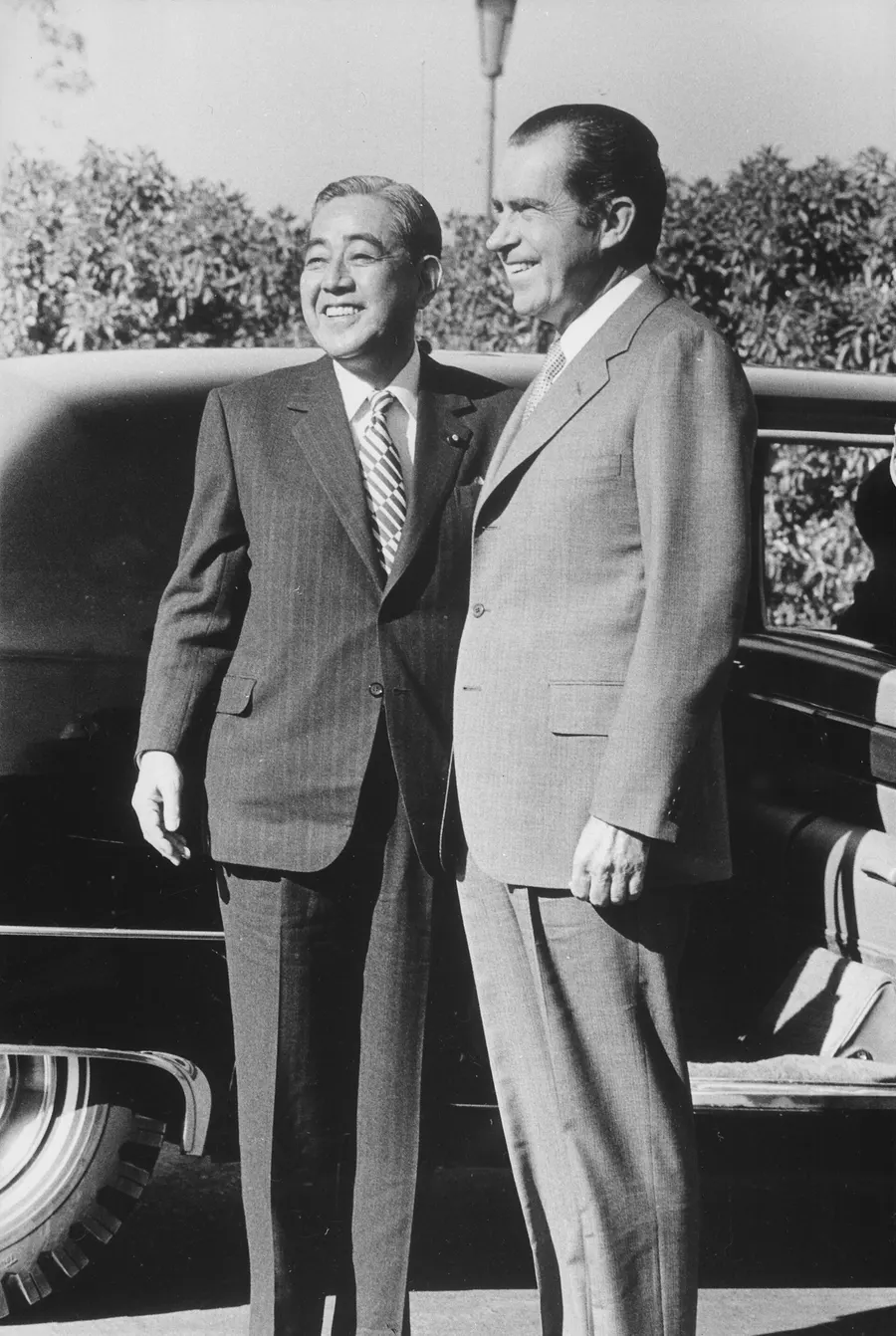
Richard Nixon and Eisaku Satō at San Clemente, California, in January 1972.Richard Nixon and Eisaku Satō at San Clemente, California, in January 1972.Image: Bob Moore · Public domain
politics · Asia

The United States agrees to return Okinawa

Okinawa had been under American administration since the end of the Second World War, home to major US military bases. After three days of talks in Washington, President Richard Nixon and the Japanese prime minister Eisaku Satō issued a joint statement on 21 November 1969 agreeing that administrative rights over Okinawa would be returned to Japan. They aimed to complete the handover during 1972 without weakening security in the Far East. A reversion agreement was signed in June 1971, and Okinawa returned to Japanese rule on 15 May 1972, although many American bases remained.

Source: The American Presidency Project: Joint statement following discussions with Prime Minister Sato of Japan ↗
1995
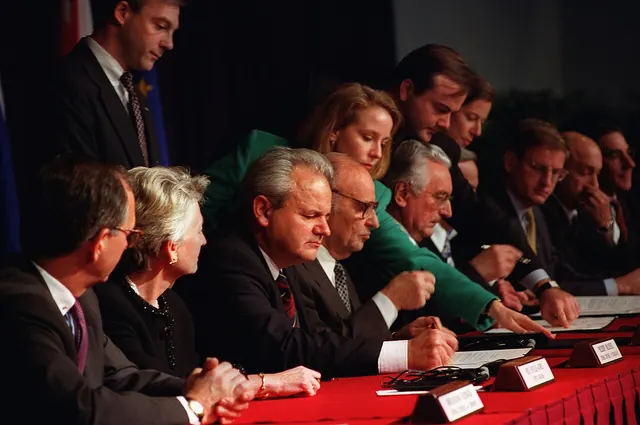
Slobodan Milošević, Alija Izetbegović and Franjo Tuđman initial the Dayton agreement, 21 November 1995.Slobodan Milošević, Alija Izetbegović and Franjo Tuđman initial the Dayton agreement, 21 November 1995.Image: U.S. Air Force/Staff Sgt. Brian Schlumbohm · Public domain
politics · Europe

The Dayton talks end the war in Bosnia

For three weeks the presidents of Bosnia and Herzegovina, Croatia and Serbia, Alija Izetbegović, Franjo Tuđman and Slobodan Milošević, negotiated at the Wright-Patterson Air Force Base near Dayton, Ohio, a site chosen to keep them away from the press. On 21 November 1995 they initialled a peace agreement. Formally signed in Paris on 14 December, it ended three and a half years of war in Bosnia. The country was kept as a single state made up of two entities, a Bosniak-Croat federation and a Bosnian Serb republic, with Sarajevo as its undivided capital.

Source: National Museum of American Diplomacy: November 1995, the Dayton Accords ↗
VI
2000 TO TODAY

Modern Day

The events of recent decades that have already become part of the historical record.

2017
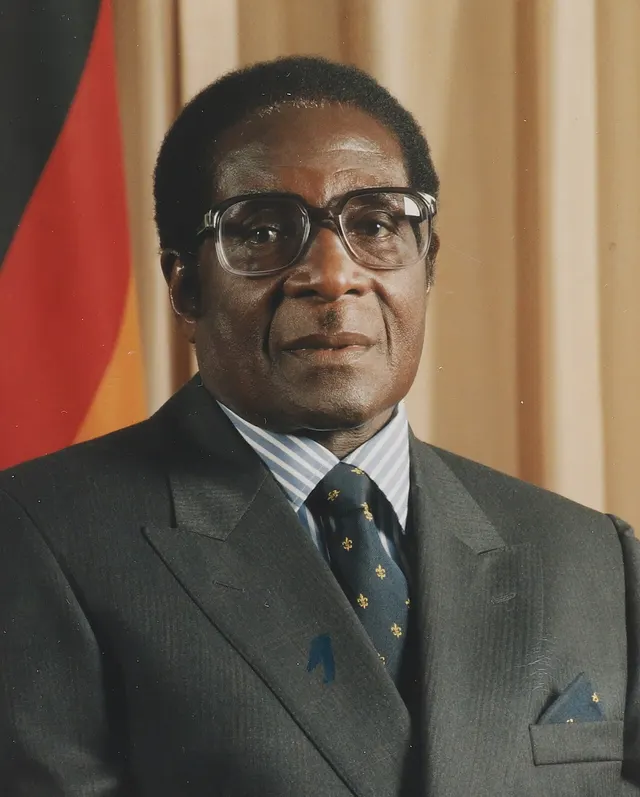
Robert Mugabe's official portrait as president of Zimbabwe.Robert Mugabe’s official portrait as president of Zimbabwe.Image: Government of Zimbabwe, taken by Joseph Nyadzayo as Presidential Photographer · Public domain
politics · Africa

Robert Mugabe resigns after 37 years

Robert Mugabe had led Zimbabwe since independence in 1980, first as prime minister and then as president. In mid-November 2017, after he dismissed his vice-president Emmerson Mnangagwa, the army took control and placed the 93-year-old leader under house arrest, and his own party, ZANU-PF, removed him as its leader. On 21 November 2017, as parliament began proceedings to impeach him, Mugabe sent a letter resigning with immediate effect. Crowds celebrated in the streets of Harare, and Mnangagwa was sworn in as president three days later.

Source: Encyclopaedia Britannica: Robert Mugabe, succession controversy ↗
WHY THESE MOMENTS?

Significance before volume

This page is not the longest possible list of events. It is a chronological journey through 21 November, where each entry is chosen for historical significance, human interest and reliability.

Facts are checked against authoritative museums, archives, universities and reference works. Where sources disagree, the page says so.

EXPLORED THE DEEPER STORY?

Return to the highlights of 21 November

Discover the lighter side of the date with famous birthdays, culture, firsts and lives remembered.

Explore This Day →