HISTORY & TIMELINE
19 November

A journey through
19 November in history

From Columbus’s arrival in Puerto Rico in 1493 to the first Reagan-Gorbachev summit in 1985, 19 November has brought famous words, turning points in war and bold steps towards peace. This timeline follows the date across five centuries.

JUMP THROUGH TIME
II
THE MIDDLE AGES

Medieval History

Kingdoms, conflict, faith, power and the changing medieval world.

1493
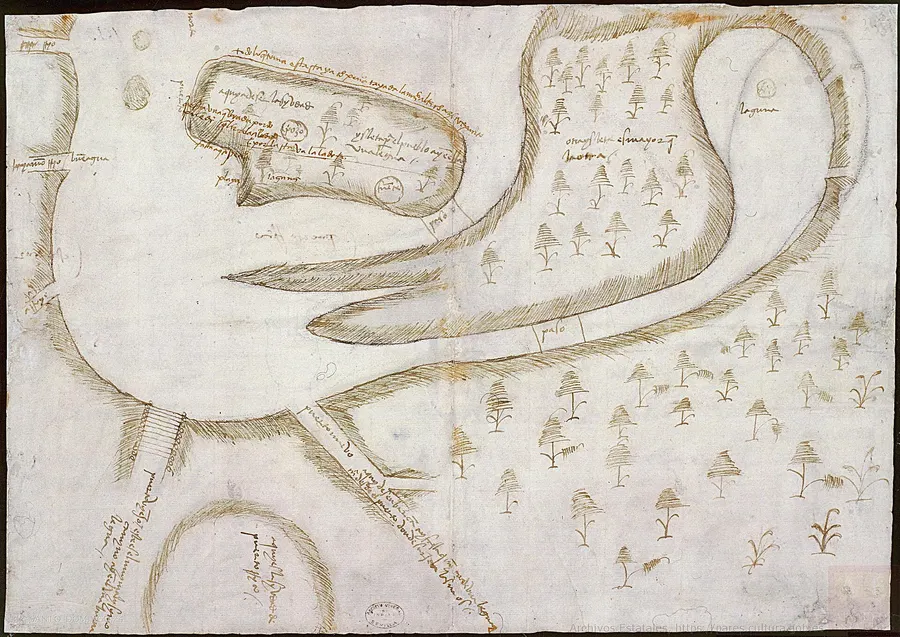
A sketch of San Juan Bay in Puerto Rico drawn by Rodrigo de Figueroa in 1519.A sketch of San Juan Bay in Puerto Rico drawn by Rodrigo de Figueroa in 1519.Image: Rodrigo de Figueroa · Public domain
world · Americas

Columbus reaches Puerto Rico

On his second voyage across the Atlantic, with a fleet of at least 17 ships, Christopher Columbus arrived at an island on 19 November 1493 which he named San Juan Bautista. Its Taíno inhabitants, perhaps 20,000 to 50,000 people, called it Borikén. Spanish settlement began in 1508, and the island later took the name of its main harbour, Puerto Rico.

Source: Encyclopaedia Britannica: Christopher Columbus, the second and third voyages ↗
III
A CHANGING WORLD

Early Modern Era

Exploration, political change, scientific development and expanding global connections.

1794
A pamphlet printing the text of Jay's Treaty, Philadelphia, 1795.A pamphlet printing the text of Jay’s Treaty, Philadelphia, 1795.Image: Unknown · Public domain
politics · Americas

Jay’s Treaty is signed in London

To avert a new war with Britain, the American envoy John Jay and the British foreign secretary Lord Grenville signed a Treaty of Amity, Commerce and Navigation in London on 19 November 1794. Britain agreed to leave its forts in the American Northwest and opened some trade to the United States. The treaty was deeply unpopular in America, but it kept the peace.

Source: US Office of the Historian: John Jay’s Treaty, 1794-95 ↗
IV
THE NINETEENTH CENTURY

The 1800s

Industry, empire, invention, reform and a century of enormous transformation.

1816
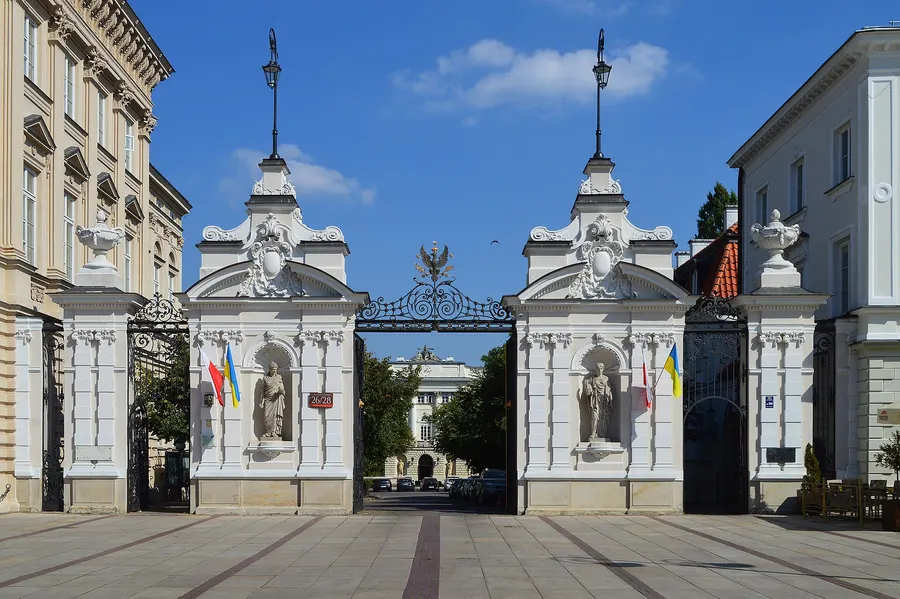
The main gate of the University of Warsaw on Krakowskie Przedmieście, 2023.The main gate of the University of Warsaw on Krakowskie Przedmieście, 2023.Image: Scotch Mist · CC BY-SA 4.0
culture · Europe

The University of Warsaw is founded

On 19 November 1816 Alexander I, Russian tsar and king of the Congress Kingdom of Poland, signed the act that created the Royal University of Warsaw, which opened in May 1818. Closed by the Russian authorities after the uprising of 1830-31 and again at other times, it survived to become Poland’s largest university.

Source: University of Warsaw: History ↗
1863
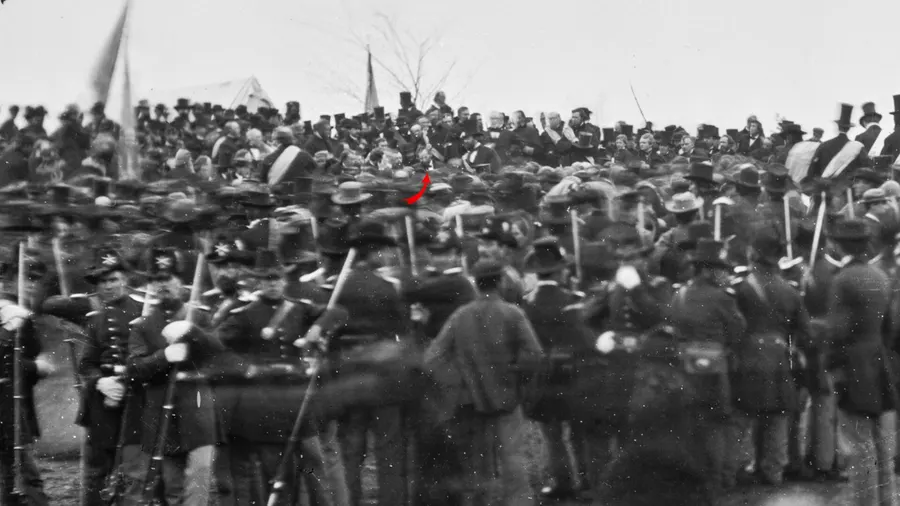
A crowd of citizens and soldiers with Lincoln at Gettysburg, from the Mathew Brady collection.A crowd of citizens and soldiers with Lincoln at Gettysburg, from the Mathew Brady collection.Image: Mathew Benjamin Brady · Public domain
politics · Americas

Lincoln gives the Gettysburg Address

Four and a half months after the Battle of Gettysburg, a cemetery for the Union dead was dedicated on the battlefield in Pennsylvania on 19 November 1863. The main speaker, the orator Edward Everett, spoke for two hours. President Abraham Lincoln had been asked only for ‘a few appropriate remarks’. Lincoln spoke for about two minutes. In ten sentences he honoured the soldiers who had died and called on the living to ensure ‘a new birth of freedom’ and that government of the people, by the people, for the people, should not perish from the earth. It became one of the most famous speeches in the English language.

Source: Library of Congress: The Gettysburg Address, exhibition items ↗
V
THE TWENTIETH CENTURY

The 1900s

War and peace, technological leaps, social change, politics, sport and popular culture.

1941
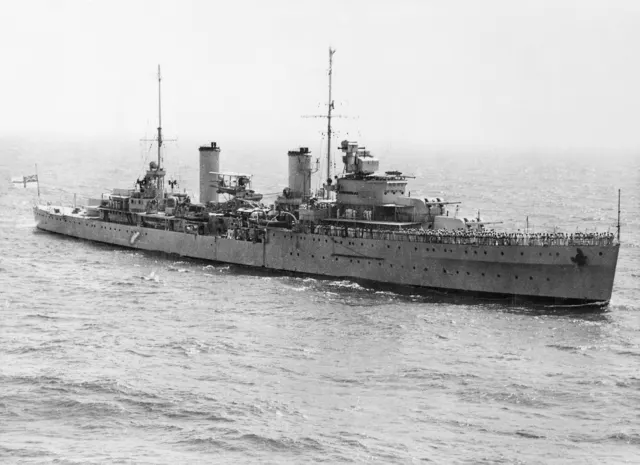
HMAS Sydney at sea in 1940.HMAS Sydney at sea in 1940.Image: Fox photos · Public domain
world · Oceania

HMAS Sydney is lost with all hands

Off the coast of Western Australia on 19 November 1941, the cruiser HMAS Sydney approached a merchant ship that was in fact the disguised German raider Kormoran. At close range the raider opened fire with guns and torpedoes. Both ships sank. Most of Kormoran’s crew survived, but all 645 men aboard Sydney were lost, Australia’s worst naval disaster. The two wrecks were found in 2008.

Source: Australian War Memorial: HMAS Sydney II and the Kormoran ↗
1942
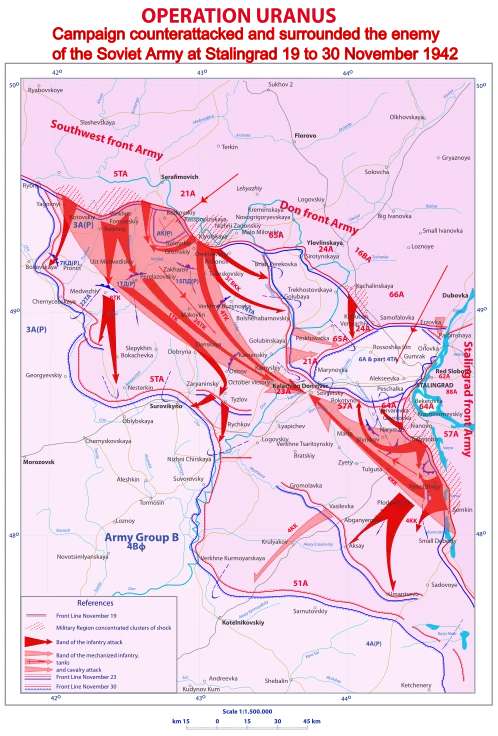
A map of Operation Uranus, the Soviet encirclement at Stalingrad, 19-30 November 1942.A map of Operation Uranus, the Soviet encirclement at Stalingrad, 19-30 November 1942.Image: Lưu Ly · CC BY 3.0
world · Europe

The Red Army strikes back at Stalingrad

For three months the German Sixth Army had fought its way into Stalingrad on the Volga. On 19 November 1942 the Soviet Union launched Operation Uranus, planned by Georgy Zhukov, Aleksandr Vasilevsky and Nikolay Voronov: two great thrusts north and south of the city aimed at the weaker Axis troops guarding the German flanks. The Germans were taken completely by surprise. Within four days the pincers met and the Sixth Army was encircled. The Sixth Army surrendered at the end of January 1943, and Stalingrad became the turning point of the war in the east.

Source: Encyclopaedia Britannica: Operation Uranus ↗
1946
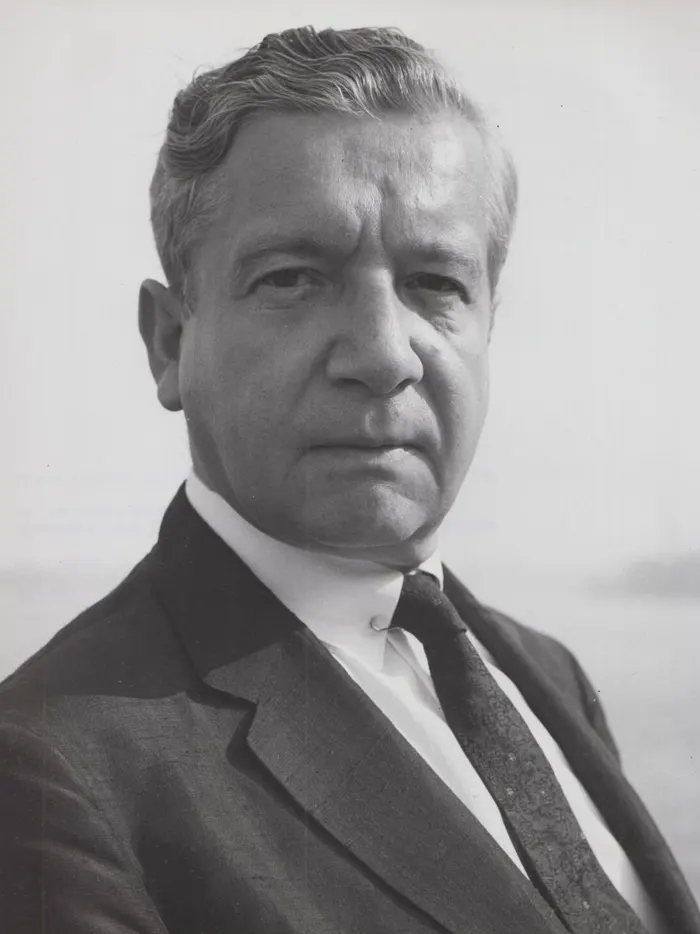
Thor Thors, who represented Iceland at the admission ceremony, photographed at the UN in 1960.Thor Thors, who represented Iceland at the admission ceremony, photographed at the UN in 1960.Image: United Nations · Public domain
politics · Global

Afghanistan, Iceland and Sweden join the United Nations

Afghanistan, Iceland and Sweden took their seats in the UN General Assembly on 19 November 1946, the first countries to join the organisation after its 51 founding members. Their representatives addressed the Assembly at the admission ceremony, ten days after it had voted to admit them.

Source: United Nations: Member States and dates of admission ↗
1969
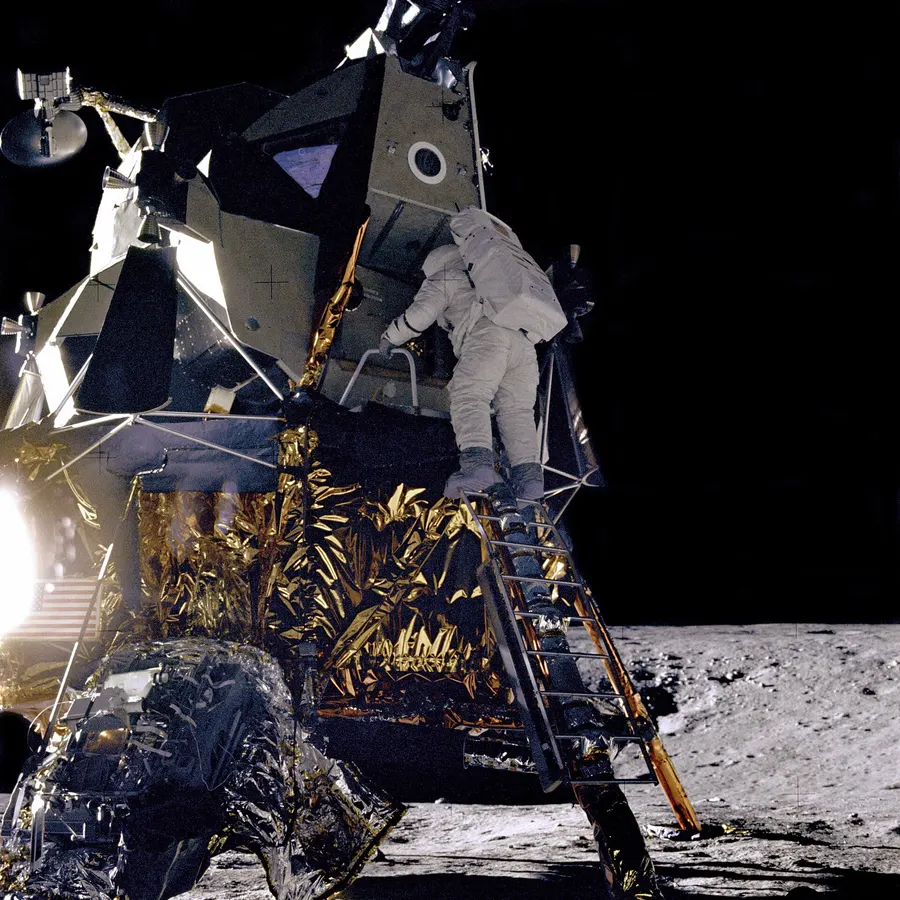
Alan Bean climbs down from the lunar module Intrepid, 19 November 1969, photographed by Pete Conrad.Alan Bean climbs down from the lunar module Intrepid, 19 November 1969, photographed by Pete Conrad.Image: NASA Charles Pete Conrad · Public domain
science · Americas

Apollo 12 makes a pinpoint landing on the Moon

Four months after the first Moon landing, Apollo 12’s lunar module Intrepid touched down in the Ocean of Storms on 19 November 1969. Pete Conrad and Alan Bean became the third and fourth people to walk on the Moon while Richard Gordon orbited overhead. Conrad steered Intrepid down within walking distance of Surveyor 3, an unmanned probe that had landed in 1967, proving that crews could land precisely where they chose. On two moonwalks the astronauts set up experiments, collected rocks and brought parts of Surveyor back to Earth for study.

Source: NASA: 55 years ago, Apollo 12 makes a pinpoint landing on the Moon ↗
1977
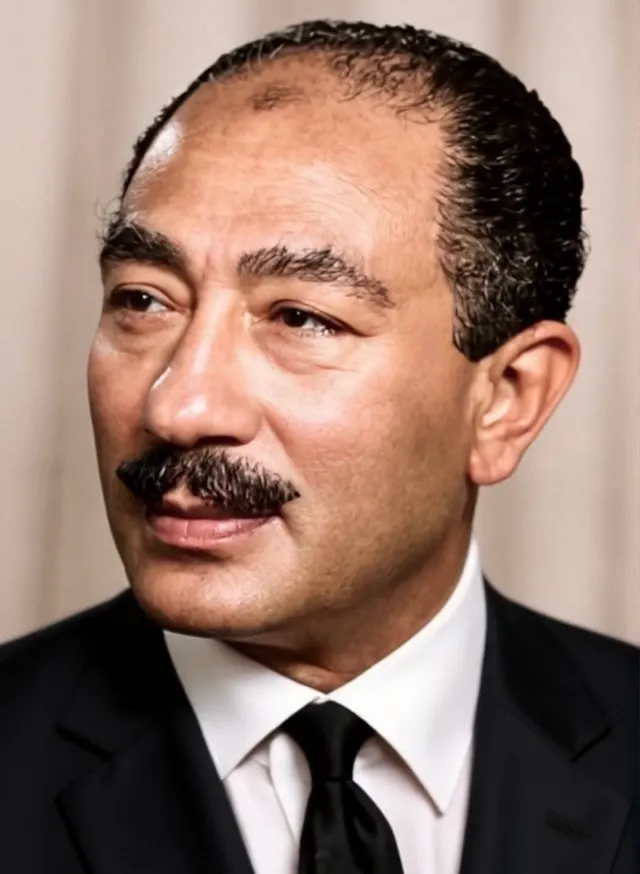
Anwar Sadat, president of Egypt.Anwar Sadat, president of Egypt.Image: Government · Public domain
politics · Asia

Sadat flies to Israel

On the evening of 19 November 1977 President Anwar Sadat of Egypt landed at Ben Gurion Airport, the first Arab head of state to visit Israel since its founding in 1948. He was welcomed by Prime Minister Menachem Begin, President Ephraim Katzir and the former prime minister Golda Meir. The next day, in Arabic, Sadat addressed the Knesset in Jerusalem, calling for peace, Israel’s withdrawal from the land it had occupied in 1967 and a homeland for the Palestinians. His journey led to the Camp David Accords of 1978 and the Egypt-Israel peace treaty of March 1979.

Source: US Office of the Historian: Foreign Relations of the United States, 1977-1980, Arab-Israeli dispute ↗
1985
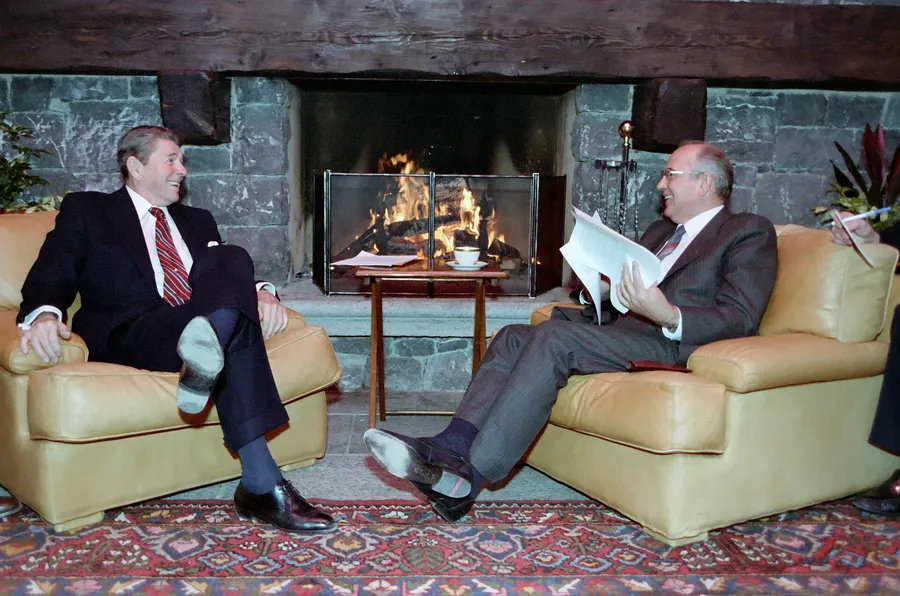
Ronald Reagan and Mikhail Gorbachev by the fireside in Geneva, 19 November 1985.Ronald Reagan and Mikhail Gorbachev by the fireside in Geneva, 19 November 1985.Image: President (1981-1989 : Reagan). White House Photographic Office. 1981-1989 · Public domain
politics · Europe

Reagan and Gorbachev meet in Geneva

President Ronald Reagan and the new Soviet leader Mikhail Gorbachev met for the first time in Geneva on 19 November 1985. Over three days they talked privately, sometimes by a fireside, about the mistrust of the past, nuclear weapons, human rights and Afghanistan. No arms treaty was signed, but their joint statement declared that a nuclear war cannot be won and must never be fought. The personal trust they built led to further summits and to the treaty of 1987 that abolished a whole class of nuclear missiles.

Source: Ronald Reagan Presidential Library: Geneva Summit, November 1985 ↗
WHY THESE MOMENTS?

Significance before volume

This page is not the longest possible list of events. It is a chronological journey through 19 November, where each entry is chosen for historical significance, human interest and reliability.

Facts are checked against authoritative museums, archives, universities and reference works. Where sources disagree, the page says so.

EXPLORED THE DEEPER STORY?

Return to the highlights of 19 November

Discover the lighter side of the date with famous birthdays, culture, firsts and lives remembered.

Explore This Day →