
1532
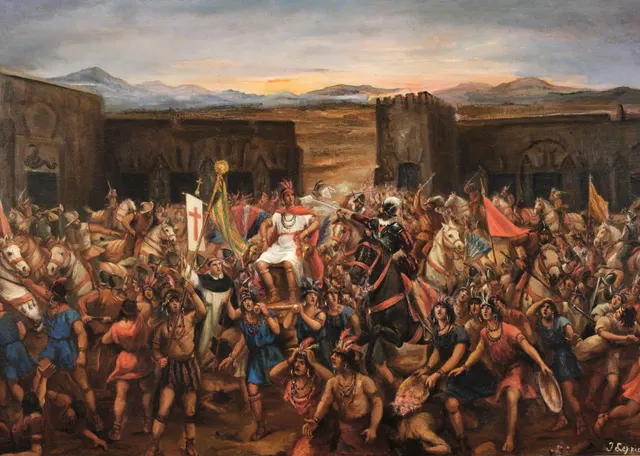 The Capture of Atahualpa, painted by Juan Lepiani in the 1920s.Image:
world · Americas
Pizarro seizes the Inca emperor at Cajamarca
Francisco Pizarro’s small Spanish force, fewer than 200 men, reached the town of Cajamarca in the northern Andes in November 1532, where the Inca ruler Atahualpa was camped with a vast army. On 16 November Atahualpa entered the town square with thousands of unarmed attendants to meet the strangers. When he rejected a friar’s demand that he accept Christianity and the rule of the Spanish king, Pizarro gave the signal. With guns, cannon and horses the Spaniards killed thousands of Atahualpa’s followers and took him prisoner. The Inca emperor was executed the following year, and the capture opened the way to the Spanish conquest of the Inca Empire.
Source: Encyclopaedia Britannica: Battle of Cajamarca (1532) ↗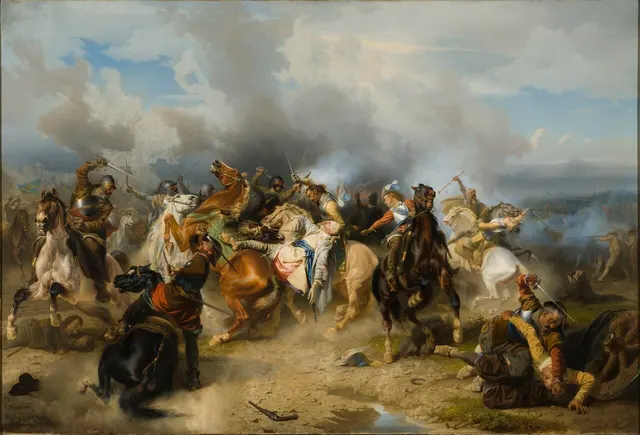 The death of King Gustav II Adolf at Lützen, painted by Carl Wahlbom in 1855.Image:
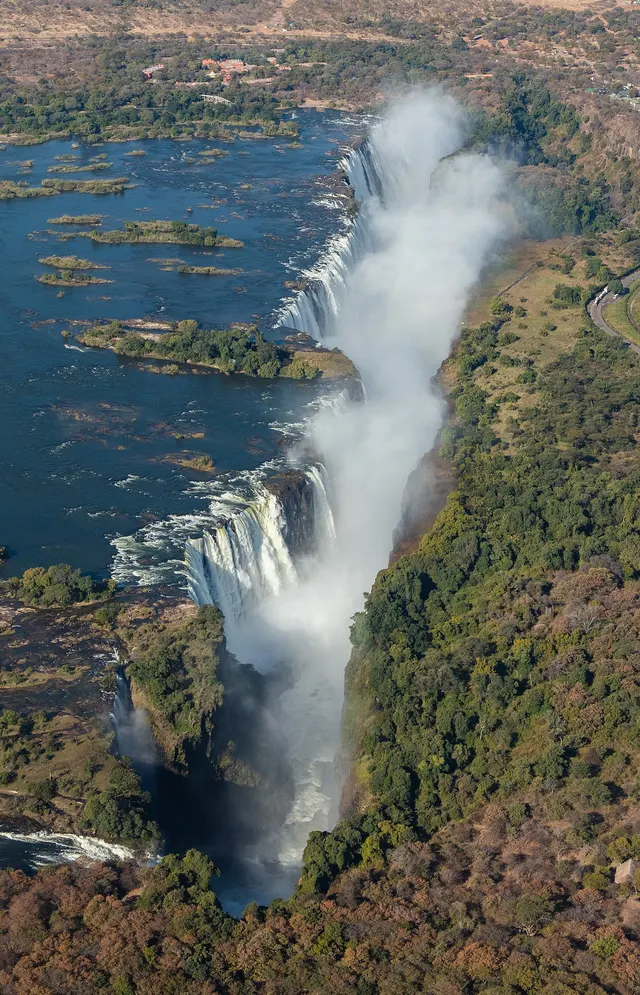 The Victoria Falls on the Zambezi, between Zambia and Zimbabwe, seen from the air in 2018.Image:
 Louis Riel, in an engraving made from a photograph.Image:
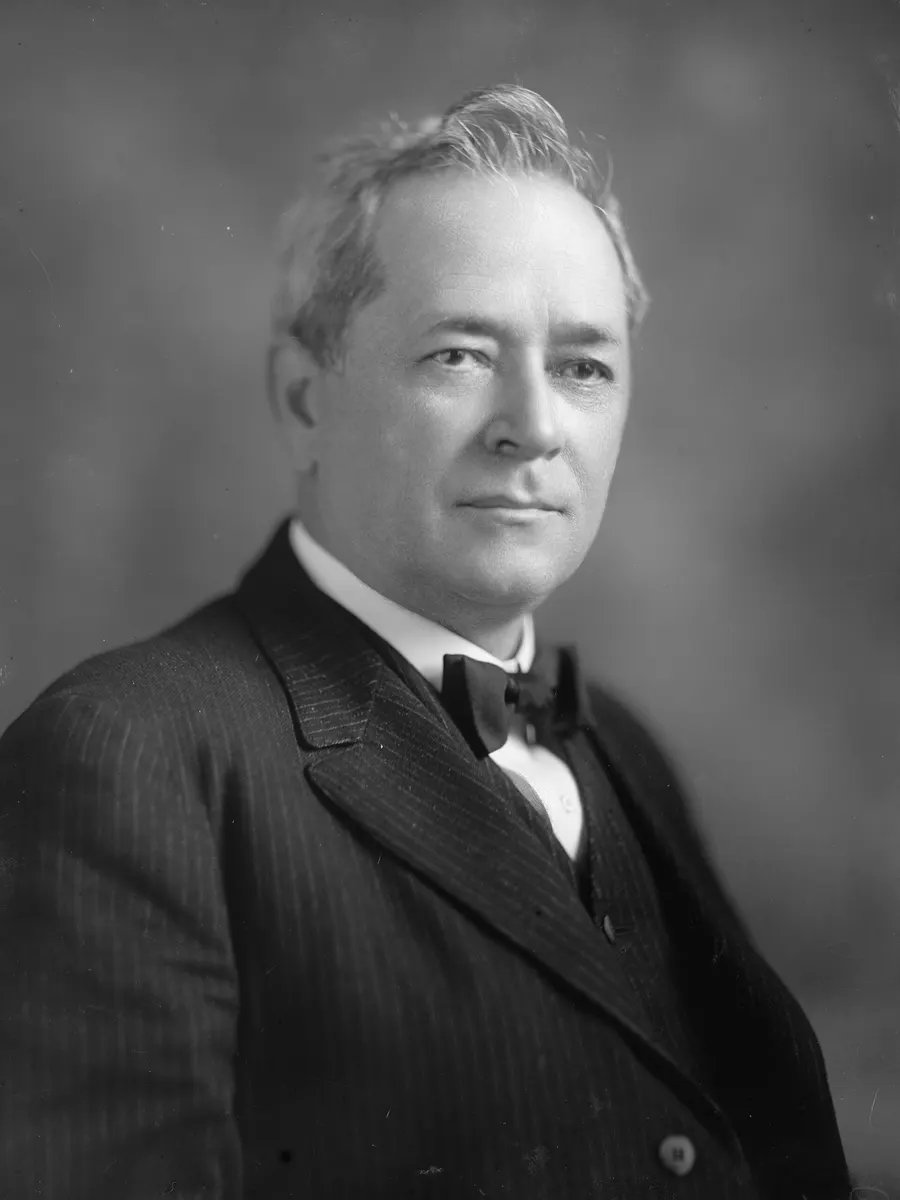 Charles N. Haskell, Oklahoma’s first governor.Image:
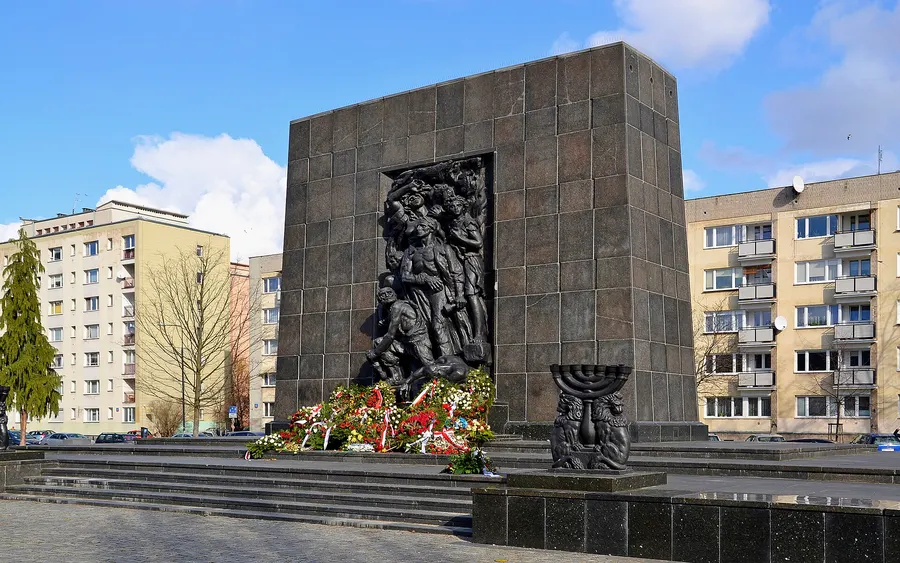 The Monument to the Ghetto Heroes in Warsaw, photographed in 2016.Image:
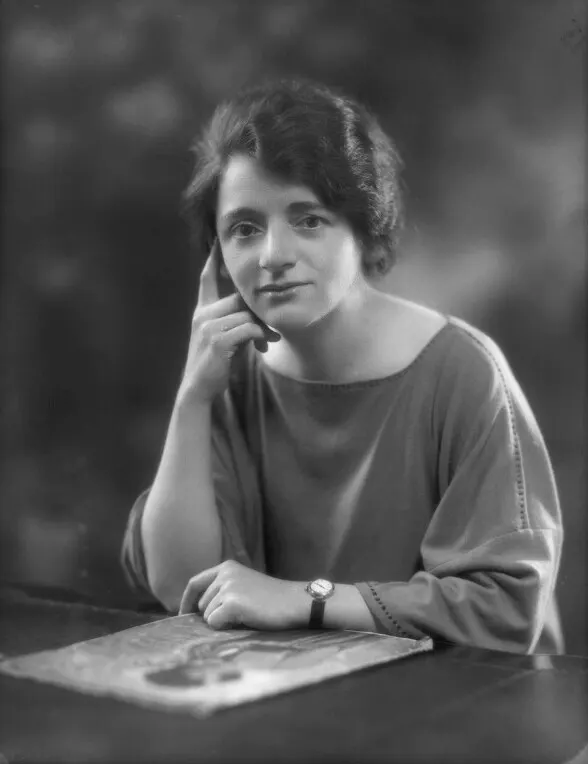 Ellen Wilkinson, the British education minister who presided over the conference.Image:
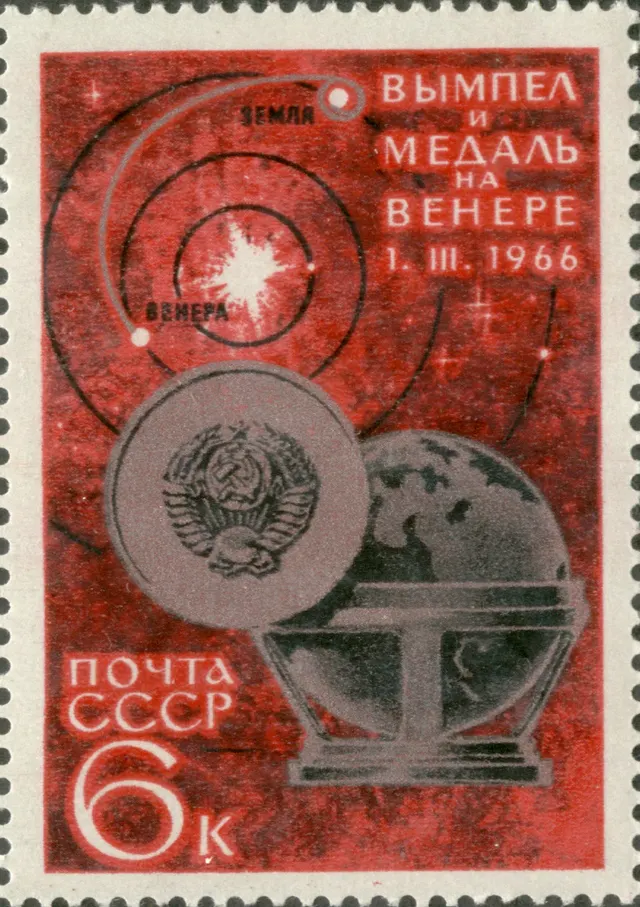 A Soviet stamp of 1966 marking Venera 3’s arrival at Venus.Image:
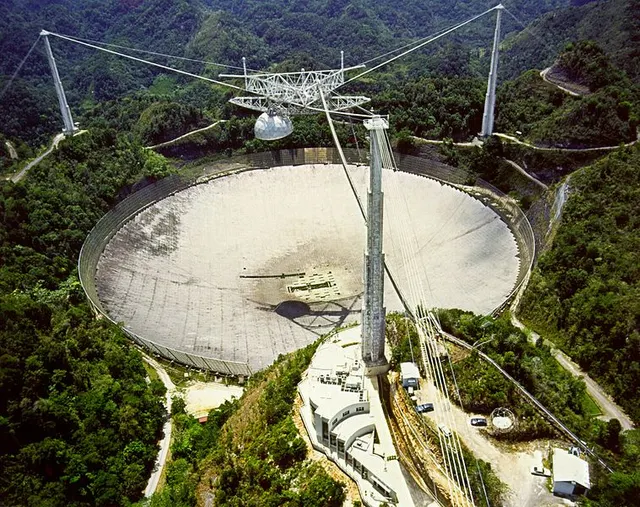 The Arecibo radio telescope in Puerto Rico, seen from the air in 2012.Image:
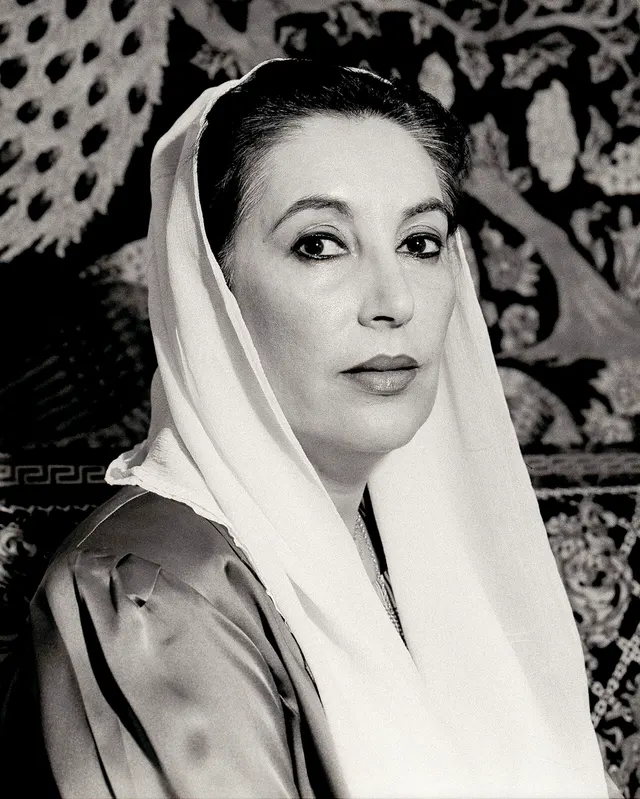 Benazir Bhutto in Dubai, 2006.Image: