
HISTORY & TIMELINE
20 January

A journey through
20 January in history

The twentieth day of the year has seen a Polish duke crowned king in Kraków, Britain make peace with France and Spain after the American war, Chile break the Peru-Bolivian Confederation at Yungay, Soviet troops fire on Baku and a people’s uprising in Manila remove a president. This timeline follows 20 January from the thirteenth century to the twenty-first.

II
THE MIDDLE AGES

Medieval History

Kingdoms, conflict, faith, power and the changing medieval world.

1265
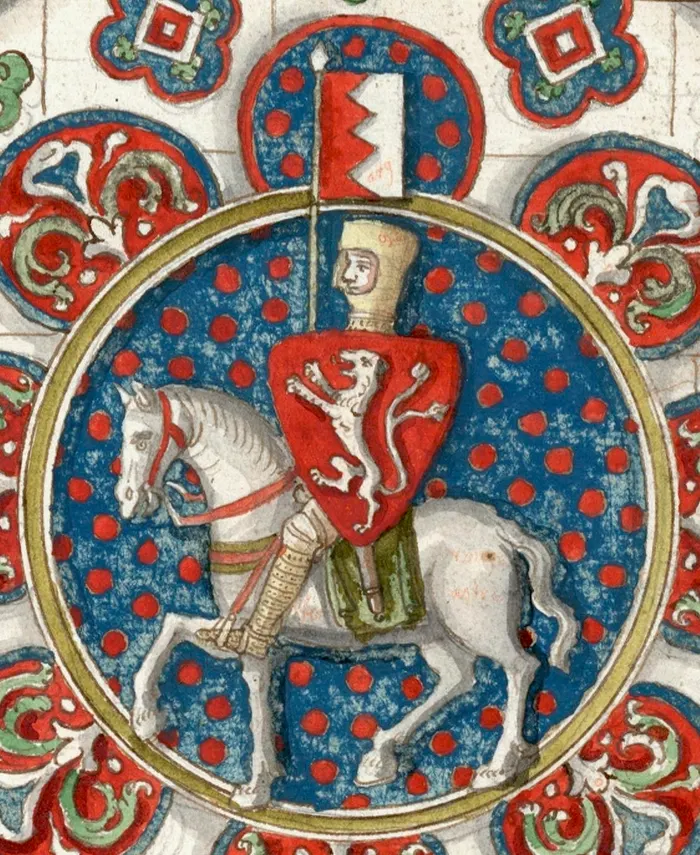
Simon de Montfort on horseback, from a drawing of a thirteenth-century stained-glass window in Chartres Cathedral.Simon de Montfort on horseback, from a drawing of a thirteenth-century stained-glass window in Chartres Cathedral.Image: Unknown authorUnknown author · Public domain
politics · Europe

Simon de Montfort’s parliament brings the towns to Westminster

In 1264 Simon de Montfort, Earl of Leicester, led the barons who rebelled against Henry III, defeated the king at Lewes and took him prisoner. To win wider support for his government, Montfort summoned a parliament to Westminster. It met on 20 January 1265. Alongside the bishops and barons came two knights from each county and, for the first time, two citizens or burgesses from each of the chosen towns, gathered to discuss the affairs of the realm and not simply to agree to taxes. Montfort was killed at Evesham that August, but the idea of calling the commons to parliament survived and grew into the House of Commons.

Source: UK Parliament: Simon de Montfort’s parliament ↗
1320
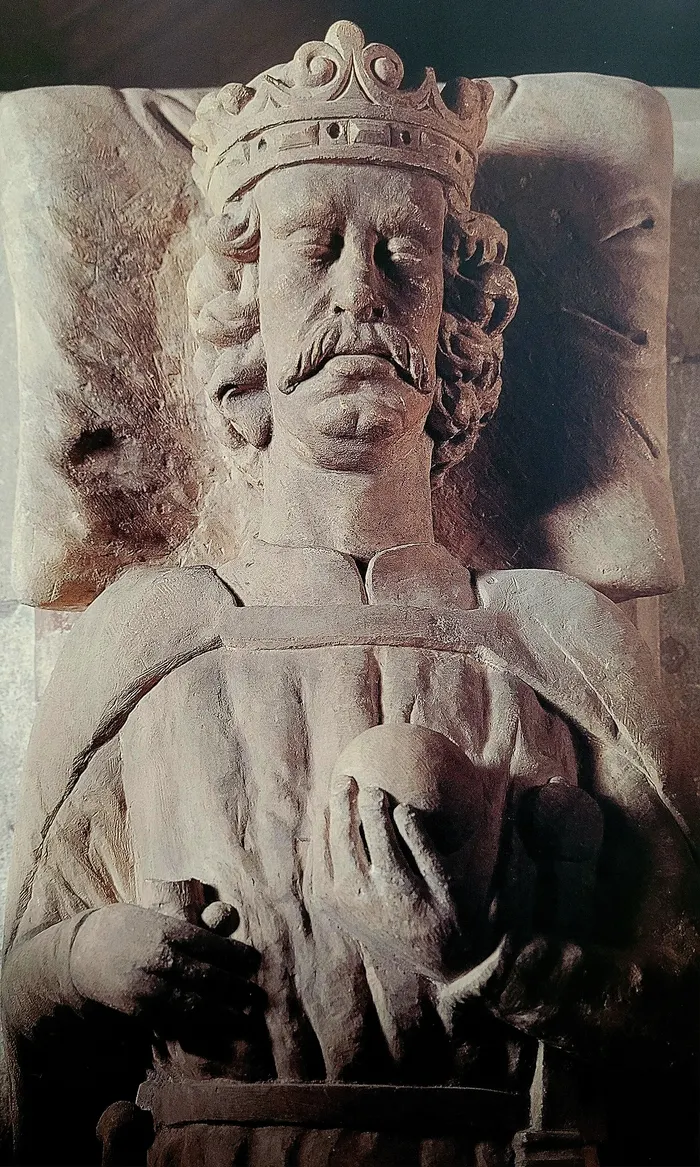
The figure of King Wladyslaw Lokietek on his tomb in Wawel Cathedral, Kraków.The figure of King Wladyslaw Lokietek on his tomb in Wawel Cathedral, Kraków.Image: Bornholm · CC BY-SA 4.0
politics · Europe

Wladyslaw the Short is crowned king of a reunited Poland

For almost two centuries Poland had been split among rival dukes. Wladyslaw I, called Lokietek, ‘the Short’, fought for decades to reunite it, and on 20 January 1320 he was crowned king in Wawel Cathedral in Kraków, breaking with the old custom of crowning at Gniezno. Polish kings were crowned in Kraków from then on.

Source: Encyclopaedia Britannica: Wladyslaw I ↗
III
A CHANGING WORLD

Early Modern Era

Exploration, political change, scientific development and expanding global connections.

1783
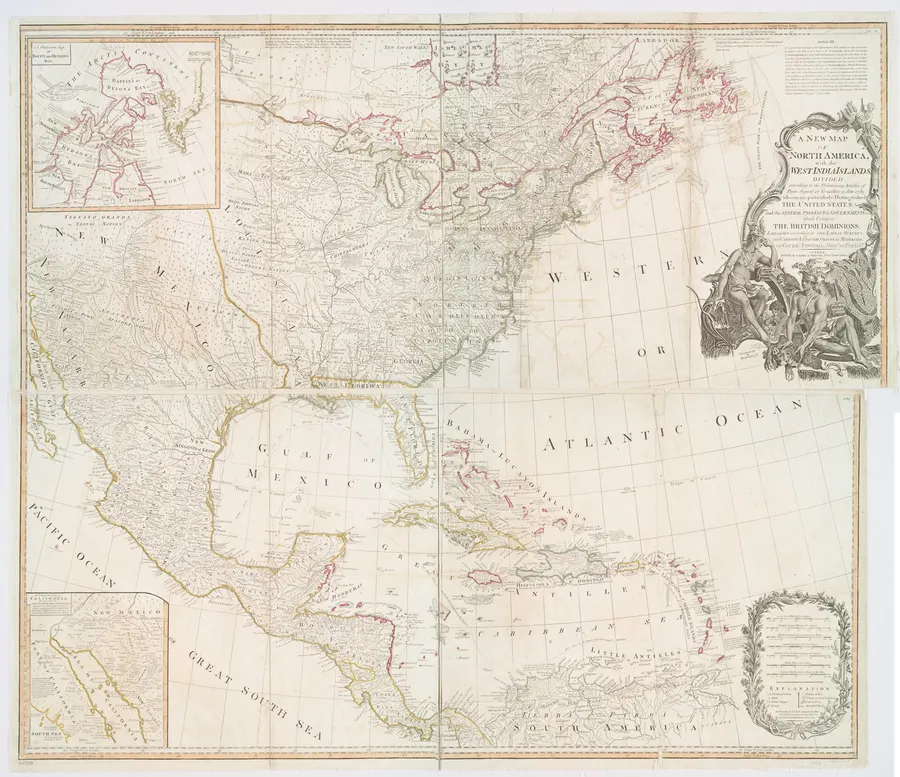
A map of North America and the West Indies 'divided according to the preliminary articles of peace, signed at Versailles, 20 Jan. 1783', published in London by Laurie and Whittle.A map of North America and the West Indies ‘divided according to the preliminary articles of peace, signed at Versailles, 20 Jan. 1783’, published in London by Laurie and Whittle.Image: Pownall, Thomas, 1722-1805 -- CompilerRobert Laurie and James Whittle -- Publisher · CC0
politics · Global

Britain agrees peace terms with France and Spain

France and Spain had joined the American colonists’ war against Britain. On 20 January 1783 Britain signed preliminary articles of peace with both at Versailles, ending the fighting; the definitive treaties, together with the Treaty of Paris with the United States, followed on 3 September. Mapmakers were quick to publish the new boundaries.

Source: Encyclopaedia Britannica: Peace of Paris (1783) ↗
IV
THE NINETEENTH CENTURY

The 1800s

Industry, empire, invention, reform and a century of enormous transformation.

1839
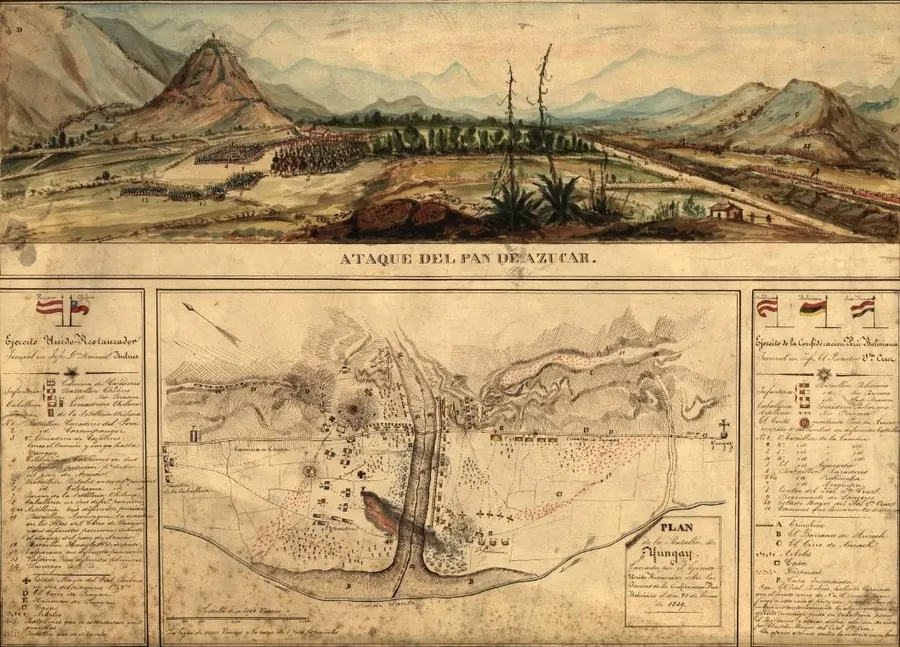
The attack on the Pan de Azúcar hill at Yungay, with a plan of the battle below; a print by Charles Wood Taylor from about 1839.The attack on the Pan de Azúcar hill at Yungay, with a plan of the battle below; a print by Charles Wood Taylor from about 1839.Image: Charles Clotsworthy Wood Taylor · Public domain
world · Americas

Chile breaks the Peru-Bolivian Confederation at Yungay

In 1836 the Bolivian president Andrés de Santa Cruz joined Peru and Bolivia in a confederation that alarmed its neighbours. A Chilean army with Peruvian allies under General Manuel Bulnes defeated the confederation’s forces at Yungay, in the Peruvian Andes, on 20 January 1839. The confederation collapsed and Santa Cruz went into exile.

Source: Encyclopaedia Britannica: Battle of Yungay ↗
1841
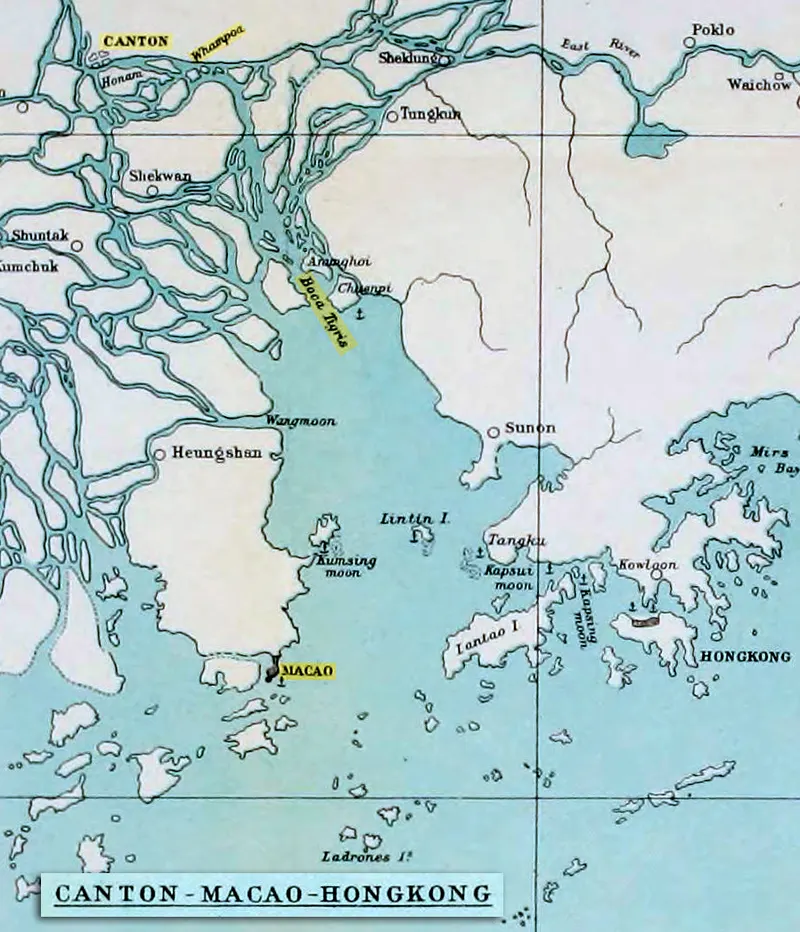
The Pearl River delta, from Canton down past the Bocca Tigris to Macao and Hong Kong, in a map published in 1910.The Pearl River delta, from Canton down past the Bocca Tigris to Macao and Hong Kong, in a map published in 1910.Image: W. & A. K. Johnston Limited · Public domain
politics · Asia

Britain’s envoy agrees terms that give it Hong Kong Island

The First Opium War began when China tried to stop British merchants smuggling opium into Canton. After British warships destroyed the forts guarding the river, the British envoy Charles Elliot and the Chinese commissioner Qishan negotiated at Chuenpi, near the mouth of the Pearl River. On 20 January 1841 Elliot announced the terms: among them, Hong Kong Island was to be ceded to Britain. Neither government accepted the deal. Qishan was sent to Beijing in chains, and in London Lord Palmerston dismissed Hong Kong as ‘a barren island with hardly a house upon it’. But British sailors raised the flag there on 26 January, and the Treaty of Nanjing confirmed the cession the following year.

Source: Hong Kong Government Yearbook: history ↗
V
THE TWENTIETH CENTURY

The 1900s

War and peace, technological leaps, social change, politics, sport and popular culture.

1942
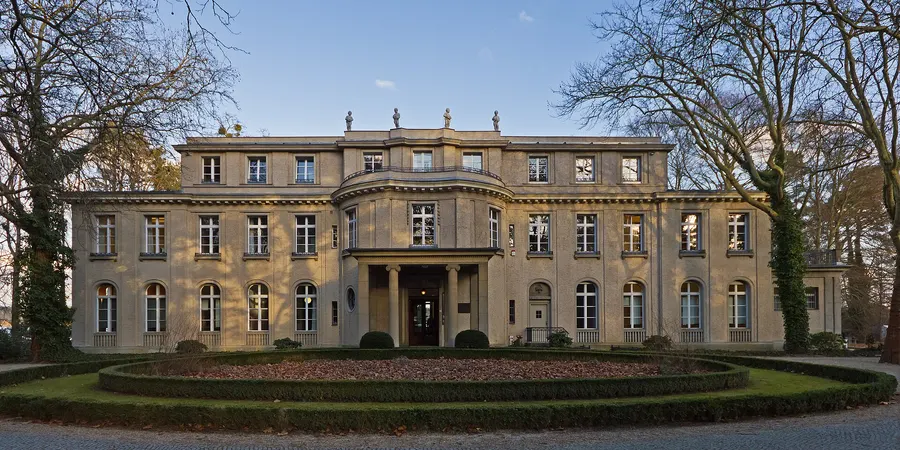
The villa at Wannsee in Berlin where the conference was held, now a memorial and education centre.The villa at Wannsee in Berlin where the conference was held, now a memorial and education centre.Image: A.Savin · CC BY-SA 3.0
world · Europe

Nazi officials meet at Wannsee to coordinate the murder of Europe’s Jews

By the start of 1942 German killing squads had already murdered hundreds of thousands of Jews in the occupied Soviet Union. On 20 January Reinhard Heydrich, head of the Nazi security police, called fifteen senior officials from the SS, the Nazi party and government ministries to a villa at Wannsee in Berlin. They did not debate whether to kill Europe’s Jews; that decision had already been taken. They met to coordinate it across the ministries whose cooperation was needed. The minutes, which survived the war, list eleven million Jews across Europe as targets. In the extermination camps that followed, about 1.7 million Jews were murdered in 1942 and 1943 alone.

Source: United States Holocaust Memorial Museum: Wannsee Conference and the ‘Final Solution’ ↗
1961
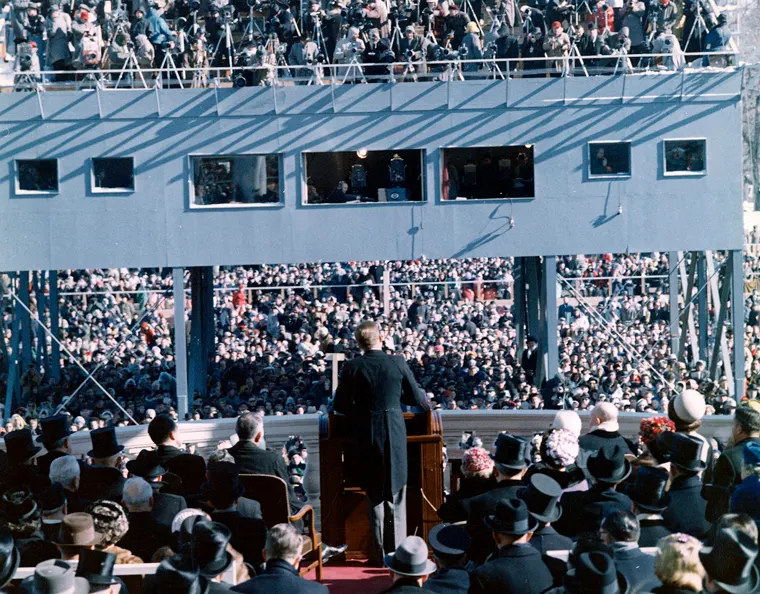
John F. Kennedy delivers his inaugural address at the Capitol in Washington, 20 January 1961.John F. Kennedy delivers his inaugural address at the Capitol in Washington, 20 January 1961.Image: United States Army Signal Corps photograph in the John F. Kennedy Presidential Library and Museum, Boston. · Public domain
politics · Americas

John F. Kennedy: ‘Ask not what your country can do for you’

At 43, John F. Kennedy was the youngest man ever elected president of the United States. He was sworn in on the east front of the Capitol on 20 January 1961, in bitter cold after a heavy snowfall the night before. His inaugural address, which he had drafted and cut again and again with his aide Ted Sorensen, lasted about fourteen minutes and spoke mostly to the rest of the world, promising to ‘pay any price’ for liberty in the Cold War. Its most famous line was addressed at home: ‘Ask not what your country can do for you, ask what you can do for your country.’

Source: John F. Kennedy Presidential Library: inaugural address ↗
1990
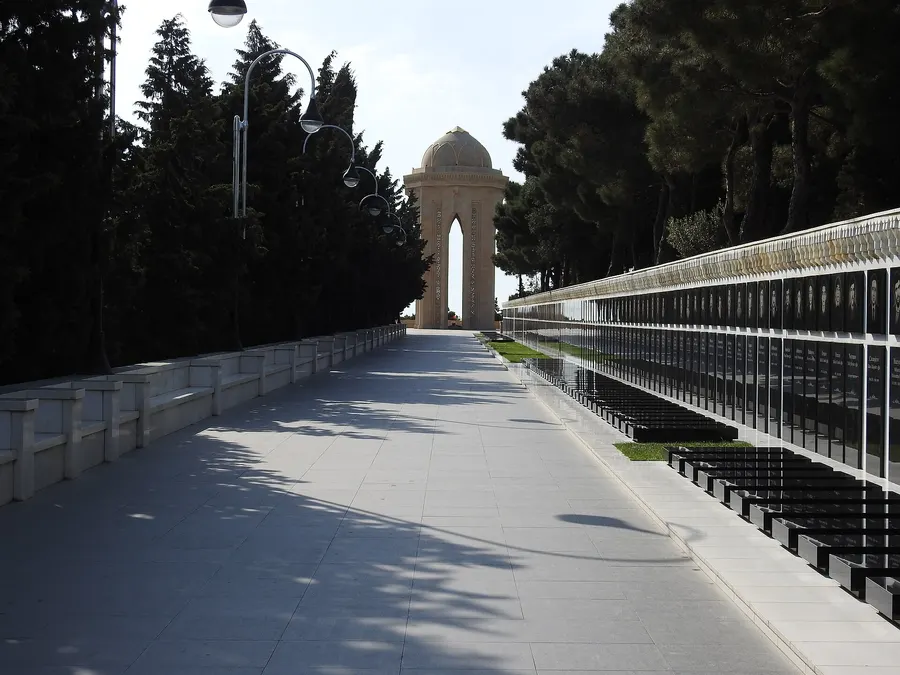
The Alley of Martyrs in Baku, where victims of Black January are buried, with its eternal-flame memorial.The Alley of Martyrs in Baku, where victims of Black January are buried, with its eternal-flame memorial.Image: shankar s. from Dubai, united arab emirates · CC BY 2.0
politics · Asia

Soviet troops storm Baku: ‘Black January’

As the Soviet Union weakened, Azerbaijan was gripped by conflict with Armenia over Nagorno-Karabakh and by a growing independence movement. On the night of 19 to 20 January 1990 Soviet troops forced their way into Baku to crush the protests, firing on crowds and buildings. More than a hundred civilians were killed. Azerbaijan remembers 20 January as a day of national mourning.

Source: Human Rights Watch: conflict in the Soviet Union, Black January in Azerbaijan (1991) ↗
VI
2000 TO TODAY

Modern Day

The events of recent decades that have already become part of the historical record.

2001
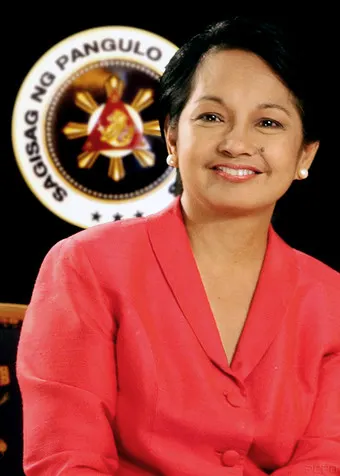
Gloria Macapagal Arroyo in her official portrait as president of the Philippines.Gloria Macapagal Arroyo in her official portrait as president of the Philippines.Image: Unknown authorUnknown author · Public domain
politics · Asia

A people’s uprising in Manila removes President Estrada

Joseph Estrada, a former film star, was impeached in 2000 on charges of corruption. When his allies in the Senate blocked evidence at his trial, huge crowds gathered on EDSA, the Manila avenue of the 1986 People Power revolution. Four days of protest ended on 20 January 2001, when Estrada left the presidential palace and his vice-president, Gloria Macapagal Arroyo, was sworn in.

Source: Encyclopaedia Britannica: Joseph Estrada ↗
WHY THESE MOMENTS?

Significance before volume

This page is not the longest possible list of events. It is a chronological journey through 20 January, where each entry is chosen for historical significance, human interest and reliability.

Facts are checked against authoritative museums, archives, universities and reference works. Where sources disagree, the page says so.

EXPLORED THE DEEPER STORY?

Return to the highlights of 20 January

Discover the lighter side of the date with famous birthdays, culture, firsts and lives remembered.

Explore This Day →
← PREVIOUS DAY19 January
HISTORY & TIMELINE20 January
NEXT DAY →21 January