
HISTORY & TIMELINE
12 February

A journey through
12 February in history

The twelfth day of February has seen a spacecraft land on an asteroid, George Gershwin premiere Rhapsody in Blue and a former head of state go on trial for war crimes. This timeline follows 12 February from the sixteenth century to the twenty-first.

III
A CHANGING WORLD

Early Modern Era

Exploration, political change, scientific development and expanding global connections.

1541
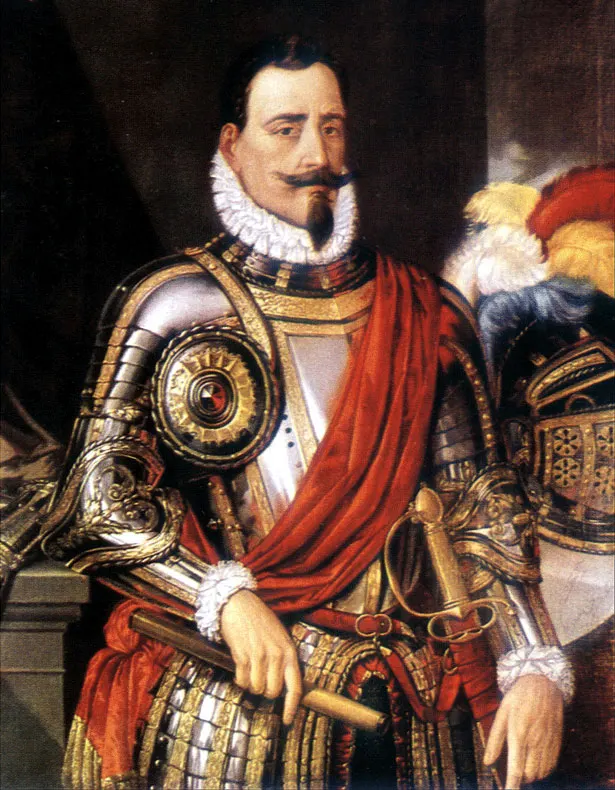
Pedro de Valdivia in armour, a portrait of 1854 given by Queen Isabella II of Spain to the city of Santiago.Pedro de Valdivia in armour, a portrait of 1854 given by Queen Isabella II of Spain to the city of Santiago.Image: Federico de Madrazo y Kuntz · Public domain
world · Americas

Pedro de Valdivia founds Santiago

The Spanish conquistador Pedro de Valdivia, a veteran of the conquest of Peru, set out south in 1540 with a small band of Spaniards and many Indigenous auxiliaries, crossing the Atacama Desert to reach the fertile central valley of Chile. On 12 February 1541 he founded the city of Santiago del Nuevo Extremo beside the Mapocho River, at the foot of the hill the local people called Huelén, now Santa Lucía. It was laid out on a grid of square blocks around a main square. Within months a Mapuche-led attack burned much of the new town, but it was rebuilt and became the base for the Spanish conquest of Chile, and today it is the country’s capital.

Source: Memoria Chilena, National Library of Chile: the founding of Santiago ↗
IV
THE NINETEENTH CENTURY

The 1800s

Industry, empire, invention, reform and a century of enormous transformation.

1817
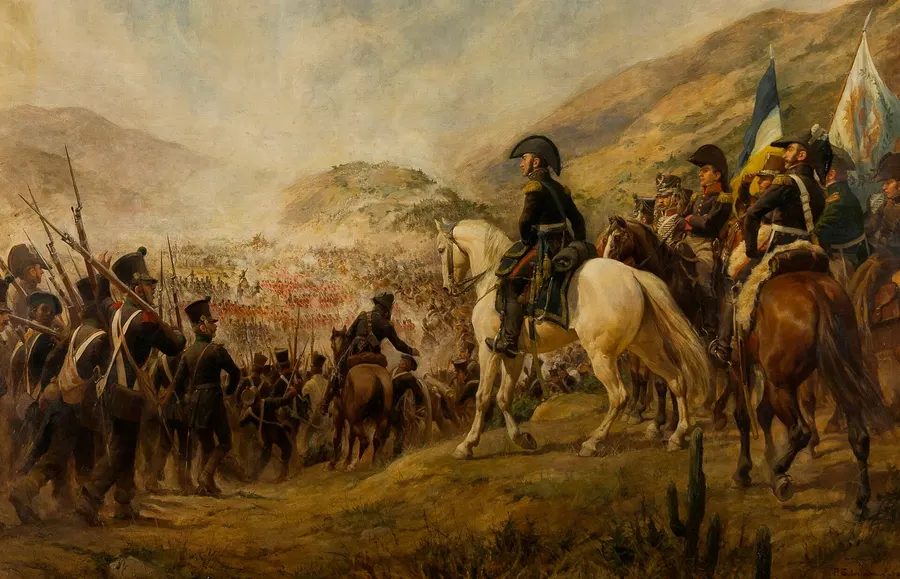
The Chilean and Argentine army on its way to the Battle of Chacabuco, led by José de San Martín, painted by Pedro Subercaseaux in 1908.The Chilean and Argentine army on its way to the Battle of Chacabuco, led by José de San Martín, painted by Pedro Subercaseaux in 1908.Image: Pedro Subercaseaux · Public domain
world · Americas

San Martín’s army crosses the Andes and wins at Chacabuco

In 1814 Spanish royalist forces had crushed Chile’s first bid for independence. Across the Andes in Mendoza, the Argentine general José de San Martín trained an Army of the Andes, joined by Chilean exiles under Bernardo O’Higgins. In January 1817 about 5,000 men crossed the mountains by high passes in a gruelling march of three weeks. On 12 February they met the royalists at Chacabuco, north of Santiago. O’Higgins’s troops were driven back at first, but a cavalry charge ordered by San Martín broke the Spanish line. The patriots entered Santiago days later, O’Higgins became Chile’s supreme director, and a year later, on 12 February 1818, Chile formally declared its independence.

Source: Encyclopaedia Britannica: Battle of Chacabuco ↗
1832
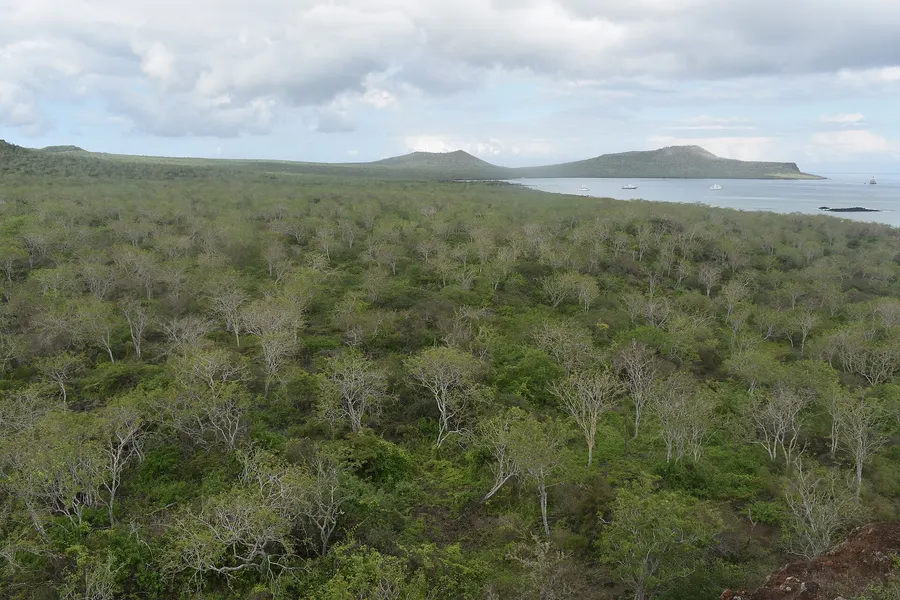
Post Office Bay on Floreana Island, seen from the Baroness's Lookout, in April 2026.Post Office Bay on Floreana Island, seen from the Baroness’s Lookout, in April 2026.Image: Andrew Katsis · CC BY 4.0
politics · Americas

Ecuador claims the Galápagos Islands

Two years after Ecuador broke away from Gran Colombia, its president, Juan José Flores, decreed on 12 February 1832 that the Galápagos Islands belonged to the new republic. Colonel Ignacio Hernández took formal possession on the island then called Charles, renamed Floreana after the president. Three years later Charles Darwin arrived on HMS Beagle, and what he saw there helped to shape his theory of evolution.

Source: Galápagos Conservancy: commemorating the Galápagos Islands as Ecuadorian territory ↗
V
THE TWENTIETH CENTURY

The 1900s

War and peace, technological leaps, social change, politics, sport and popular culture.

1909
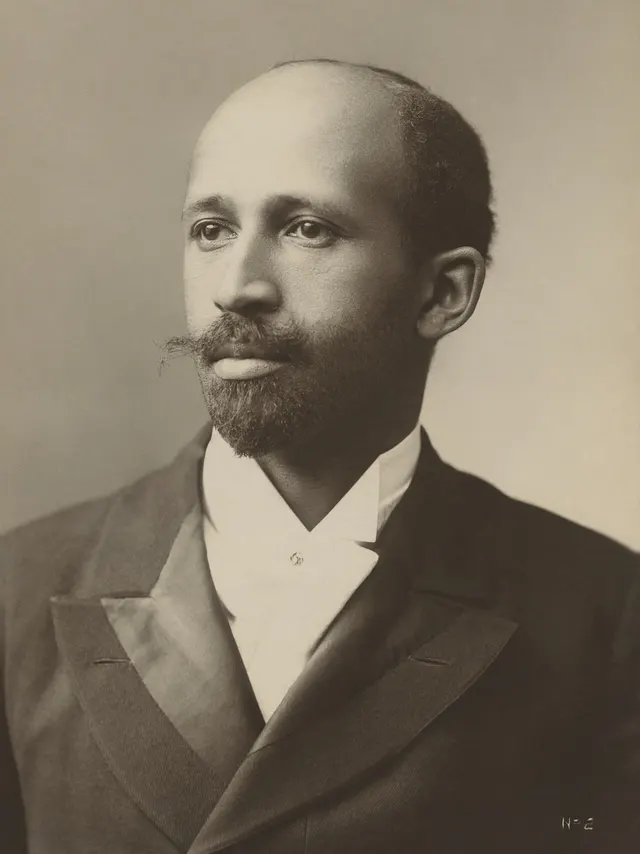
W. E. B. Du Bois, a founder of the NAACP and editor of its magazine, The Crisis, photographed by James E. Purdy in 1907.W. E. B. Du Bois, a founder of the NAACP and editor of its magazine, The Crisis, photographed by James E. Purdy in 1907.Image: James E. Purdy / Adam Cuerden · Public domain
world · Americas

A call for racial justice leads to the founding of the NAACP

Shocked by lynchings and race riots, including one in Lincoln’s home town of Springfield, Illinois, in 1908, a group of Black and white campaigners issued a ‘call’ for a national conference on 12 February 1909, the hundredth anniversary of Lincoln’s birth. Its signers included W. E. B. Du Bois, Ida B. Wells-Barnett and Mary White Ovington. The conference met that summer, and the National Association for the Advancement of Colored People, which counts 12 February 1909 as its founding day, took its name in 1910.

Source: NAACP: our history ↗
1912
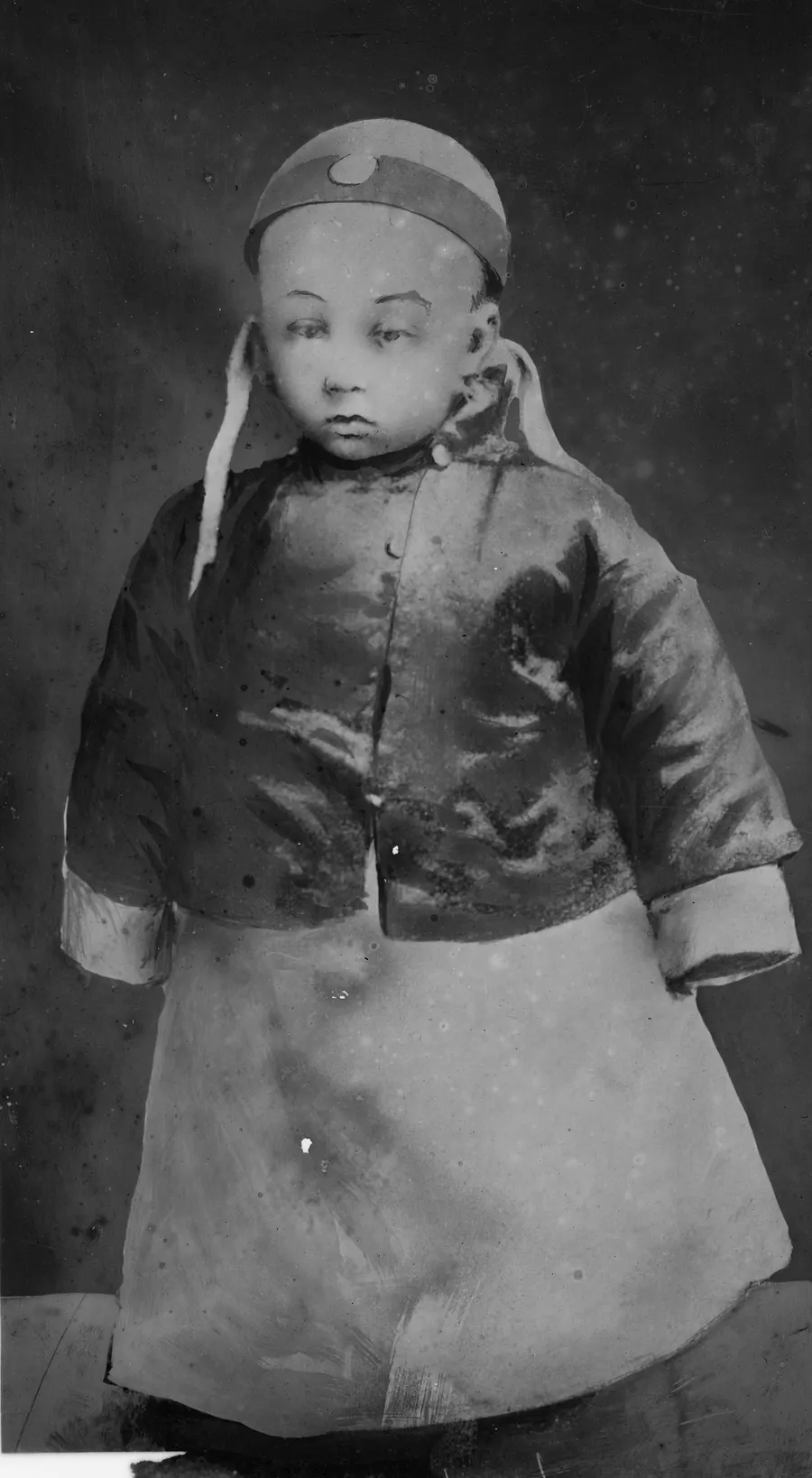
Puyi, the Xuantong Emperor, as a small child, in a Bain News Service photograph (Library of Congress).Puyi, the Xuantong Emperor, as a small child, in a Bain News Service photograph (Library of Congress).Image: Bain News Service, publisher · Public domain
politics · Asia

China’s last emperor gives up the throne

Puyi was not yet three when he became emperor of China in 1908, and the Qing dynasty that had ruled since 1644 was already weakened by foreign wars, rebellion and failed reforms. In October 1911 an army mutiny at Wuchang set off a revolution, and province after province declared against the Qing. The court turned to the general Yuan Shikai, who negotiated with the revolutionaries instead of crushing them. On 12 February 1912 an edict issued in the six-year-old emperor’s name gave up the throne and handed sovereignty to the people. More than two thousand years of imperial rule in China ended, and Yuan became president of the new Republic of China. Puyi was allowed to go on living in the Forbidden City until 1924.

Source: Encyclopaedia Britannica: Puyi ↗
1924
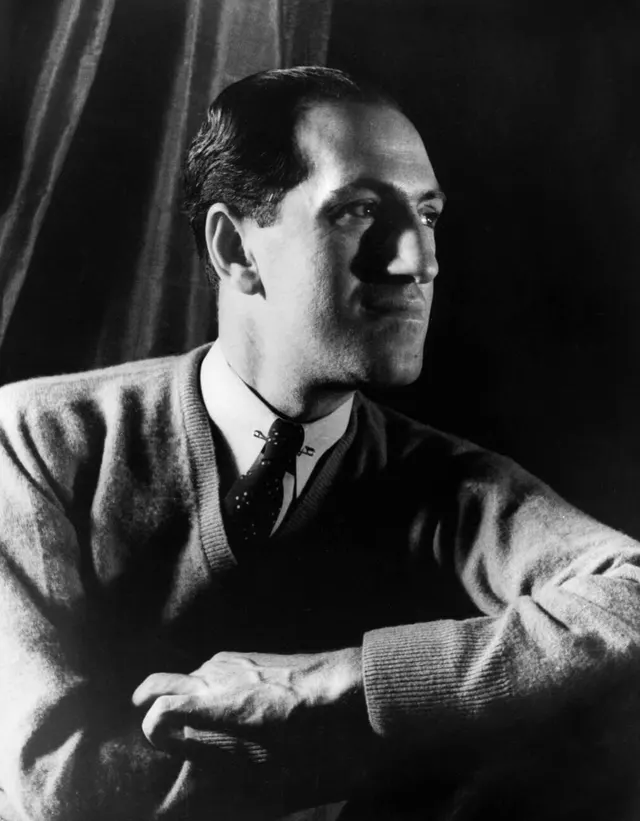
George Gershwin, photographed in 1937 (Library of Congress).George Gershwin, photographed in 1937 (Library of Congress).Image: Carl Van Vechten · Public domain
culture · Americas

George Gershwin plays Rhapsody in Blue for the first time

The bandleader Paul Whiteman planned a concert in New York to show that jazz belonged in the concert hall, and he asked the 25-year-old George Gershwin for a new piece. Gershwin wrote it in a few weeks, and Whiteman’s arranger Ferde Grofé orchestrated it. On the afternoon of 12 February 1924, at a concert billed as ‘An Experiment in Modern Music’ in the Aeolian Hall, Gershwin played the piano part himself, partly improvising. The work opens with a famous rising clarinet glissando, and its blend of jazz and classical music made it one of the best-known American compositions of the century.

Source: Library of Congress, Songs of America: Rhapsody in Blue ↗
1961
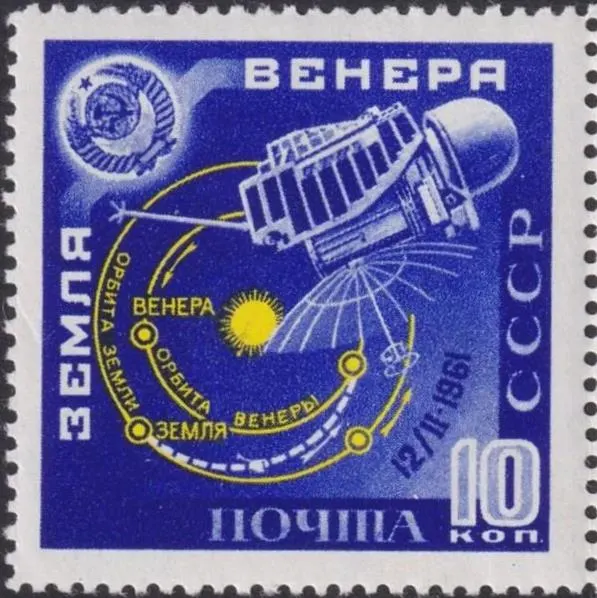
A Soviet stamp of 1961 marking the launch of the Venus probe on 12 February 1961, showing the craft and its path from Earth to Venus.A Soviet stamp of 1961 marking the launch of the Venus probe on 12 February 1961, showing the craft and its path from Earth to Venus.Image: Post of the Soviet Union. · Public domain
science · Europe

The Soviet Union launches the first probe towards Venus

On 12 February 1961 the Soviet Union launched Venera 1 from Baikonur. It became the first spacecraft sent on a course to another planet. Seven days later, about two million kilometres from Earth, contact was lost, probably because of a failure in the craft’s systems. Venera 1 is thought to have passed Venus at a distance of about 100,000 kilometres without sending back any data. The Soviet Venera programme went on to land the first probes on Venus in the 1970s.

Source: NASA Space Science Data Coordinated Archive: Venera 1 ↗
1974
Aleksandr Solzhenitsyn at Heinrich Böll's house in West Germany, days after his expulsion, February 1974.Aleksandr Solzhenitsyn at Heinrich Böll’s house in West Germany, days after his expulsion, February 1974.Image: Bert Verhoeff for Anefo · CC0
politics · Europe

The Soviet Union arrests Aleksandr Solzhenitsyn

Aleksandr Solzhenitsyn spent eight years in Soviet labour camps for criticising Stalin in a private letter. His short novel One Day in the Life of Ivan Denisovich, published in 1962, was the first open account of the camps, and he won the Nobel Prize in Literature in 1970, but his later books could only be published abroad. In December 1973 the first volume of The Gulag Archipelago, his history of the Soviet camp system, appeared in Paris. On 12 February 1974 he was arrested at his Moscow flat and charged with treason, and the next day he was stripped of his citizenship and put on a plane to West Germany. He lived in exile, mostly in the United States, until he returned to Russia in 1994.

Source: Aleksandr Solzhenitsyn Center: timeline ↗
1994
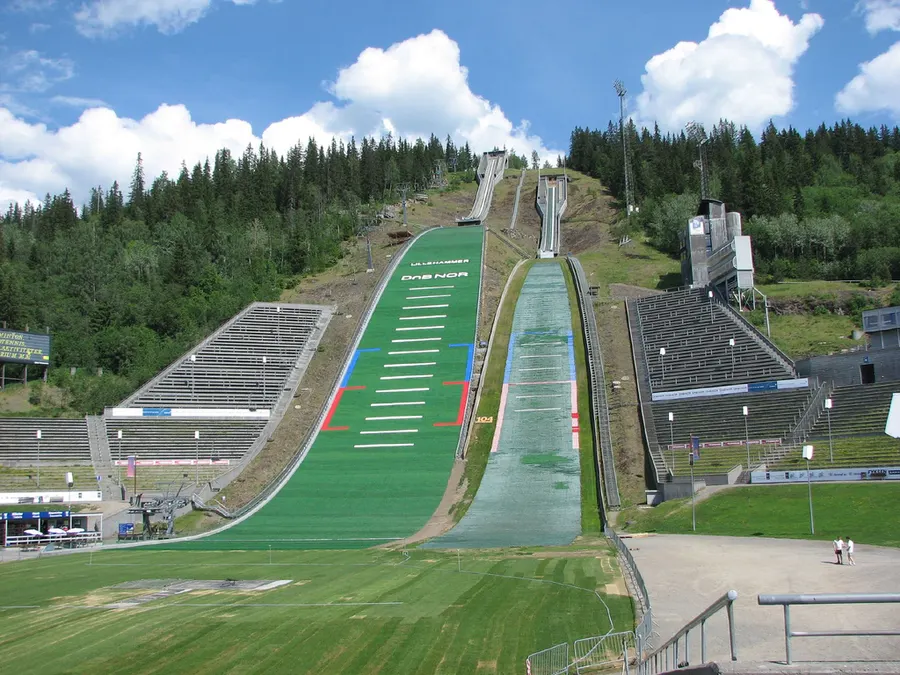
The Lysgårdsbakken ski jumps at Lillehammer, where the opening ceremony was held, in summer 2007.The Lysgårdsbakken ski jumps at Lillehammer, where the opening ceremony was held, in summer 2007.Image: Gorik Francois from Zoutleeuw, Belgium · CC BY-SA 2.0
sport · Europe

The Winter Olympics open in Lillehammer

The small Norwegian town of Lillehammer was chosen to host the Winter Olympics of 1994, the first to be held two years after the Summer Games instead of in the same year. On 12 February 1994 King Harald V declared the Games open at the foot of the Lysgårdsbakken ski jumps, in a ceremony that mixed Norwegian folklore with modern staging. Crowds of Norwegians lined the cross-country trails, and the Games were widely praised for their friendly atmosphere and their care for the environment.

Source: Olympics.com: Lillehammer 1994 ↗
VI
2000 TO TODAY

Modern Day

The events of recent decades that have already become part of the historical record.

2001
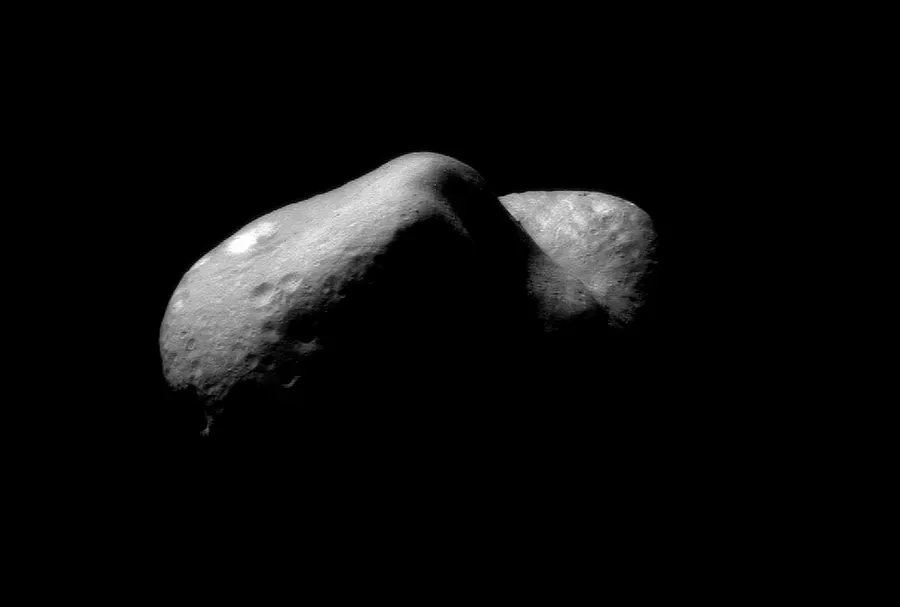
The asteroid Eros, photographed by NEAR Shoemaker from orbit.The asteroid Eros, photographed by NEAR Shoemaker from orbit.Image: NASA/NEAR Project (JHU/APL). · Public domain
science · Global

A spacecraft lands on an asteroid for the first time

NASA’s NEAR Shoemaker spacecraft, built by the Johns Hopkins University Applied Physics Laboratory, went into orbit around the asteroid Eros in February 2000 and spent a year mapping it. Eros is about 33 kilometres long and shaped something like a peanut. The craft was never designed to land, but at the end of its mission controllers steered it down to the surface. On 12 February 2001 it touched down gently, sending back close-up pictures during its descent, and to everyone’s surprise it kept working on the surface for about two more weeks. It was the first spacecraft ever to land on an asteroid.

Source: NASA Science: NEAR Shoemaker ↗
2002
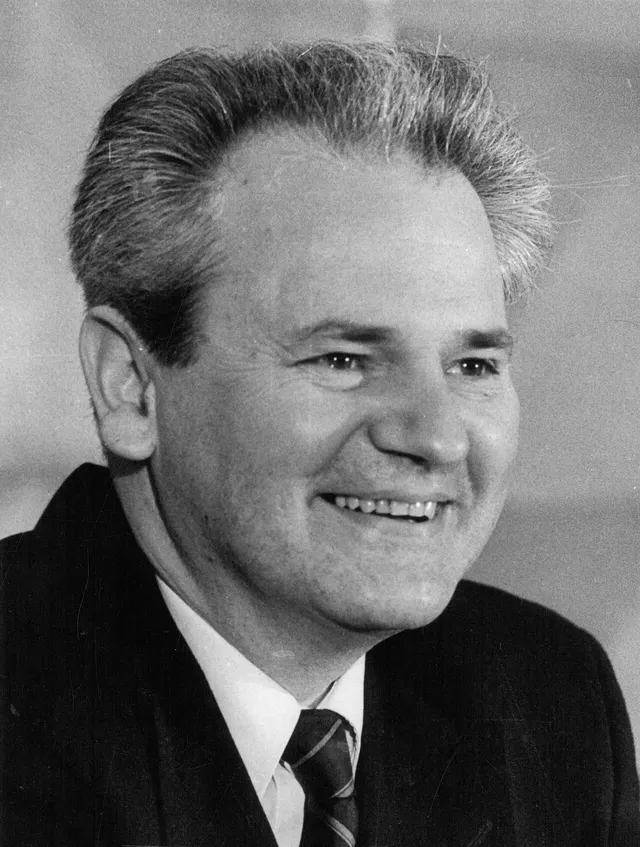
Slobodan Milošević, photographed by Stevan Kragujević in 1988.Slobodan Milošević, photographed by Stevan Kragujević in 1988.Image: Stevan Kragujević · CC BY-SA 3.0
politics · Europe

Slobodan Milošević goes on trial for war crimes in The Hague

On 12 February 2002 the trial of Slobodan Milošević, the former president of Serbia and Yugoslavia, opened at the United Nations International Criminal Tribunal for the former Yugoslavia, with the prosecutor Carla Del Ponte’s opening statement. He faced charges of war crimes, crimes against humanity and genocide in Kosovo, Croatia and Bosnia. He was the first former head of state to be tried by an international war crimes court, but he died in custody in 2006 before a verdict was reached.

Source: International Criminal Tribunal for the former Yugoslavia: Slobodan Milošević trial, the prosecution’s case ↗
WHY THESE MOMENTS?

Significance before volume

This page is not the longest possible list of events. It is a chronological journey through 12 February, where each entry is chosen for historical significance, human interest and reliability.

Facts are checked against authoritative museums, archives, universities and reference works. Where sources disagree, the page says so.

EXPLORED THE DEEPER STORY?

Return to the highlights of 12 February

Discover the lighter side of the date with famous birthdays, culture, firsts and lives remembered.

Explore This Day →