
HISTORY & TIMELINE
9 December

A journey through
9 December in history

From a Byzantine general marching into Italy to the day the world agreed to call genocide a crime, 9 December has carried decisions that outlasted the people who made them. This timeline follows the date across the centuries.

JUMP THROUGH TIME
IV
THE NINETEENTH CENTURY

The 1800s

Industry, empire, invention, reform and a century of enormous transformation.

1824
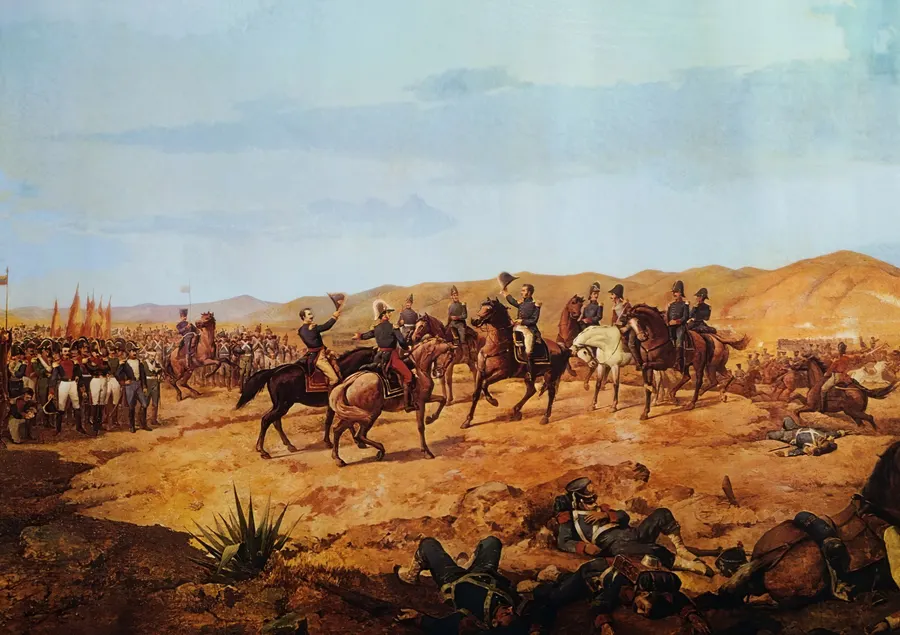
The Battle of Ayacucho, painted by the Venezuelan artist Martín Tovar y Tovar.The Battle of Ayacucho, painted by the Venezuelan artist Martín Tovar y Tovar.Image: Martín Tovar y Tovar · Public domain
world · Americas

Ayacucho ends Spanish rule in South America

On 9 December 1824 a republican army under Antonio José de Sucre, Simón Bolívar’s ablest lieutenant, destroyed the royalist forces of the viceroy José de la Serna on the plain of Quinua, high in the Peruvian Andes. Roughly 6,000 men — Venezuelans, Colombians, Argentines, Chileans and Peruvians — faced an army half as large again, with far more artillery. A cavalry charge led by the Colombian José María Córdova broke the royalist line, and the viceroy signed a capitulation the same day. The victory secured the independence of Peru and, with it, the end of Spanish power on the South American mainland.

Source: Encyclopaedia Britannica: Battle of Ayacucho ↗
1835
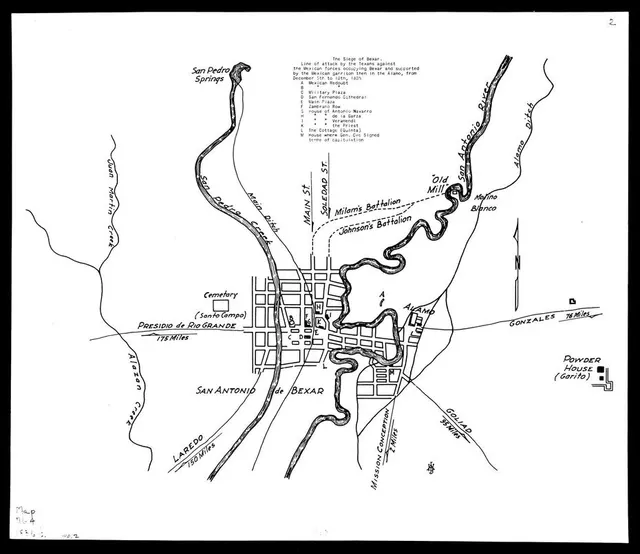
A map of San Antonio de Béxar and the surrounding country at the time of the Texas Revolution.A map of San Antonio de Béxar and the surrounding country at the time of the Texas Revolution.Image: Andrew Jackson Houston (died 1941) · Public domain
world · Americas

Cos asks for terms at Béxar

After weeks of siege and five days of house-to-house fighting in San Antonio de Béxar, General Martín Perfecto de Cos asked the Texan volunteers for surrender terms on the morning of 9 December 1835. Their commander Benjamin Milam had been killed by a sniper two days earlier. Edward Burleson took the Mexican army’s weapons and equipment but let Cos march his men south, because neither side could feed prisoners; the capitulation was signed on 11 December. The withdrawal left San Antonio, and with it the whole of Texas, in Texan hands until Santa Anna returned in the new year.

Source: Texas State Historical Association: Bexar, Siege of ↗
1872
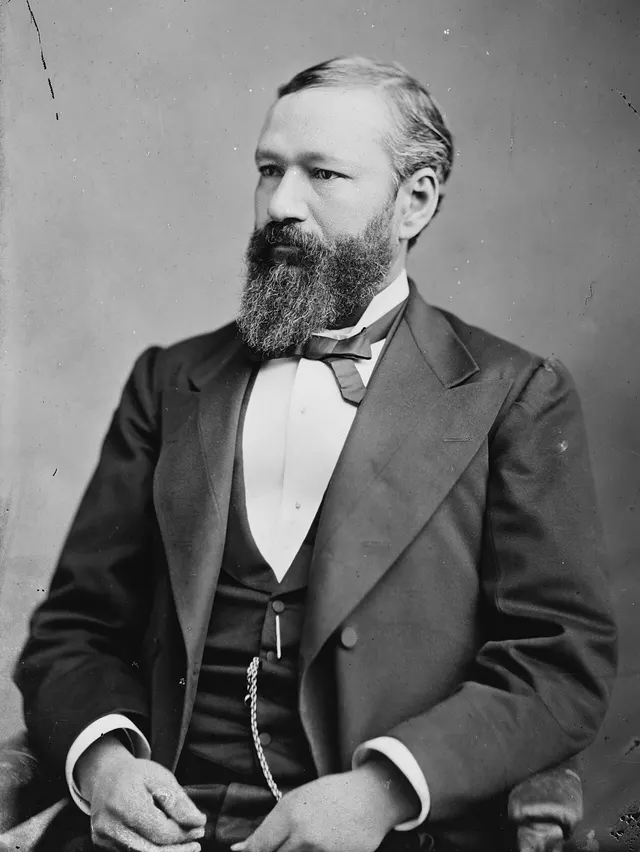
P. B. S. Pinchback, photographed in the studio of Mathew Brady.P. B. S. Pinchback, photographed in the studio of Mathew Brady.Image: Mathew Benjamin Brady / Levin Corbin Handy · Public domain
politics · Americas

The first Black governor of a US state

On 9 December 1872 the Louisiana legislature impeached Governor Henry Clay Warmoth, and the lieutenant governor, Pinckney Benton Stewart Pinchback, took over as acting governor. Born free in Georgia to a white planter and a formerly enslaved woman, Pinchback had raised a regiment during the Civil War and risen through Reconstruction politics. He held the office for thirty-six days, until 13 January 1873 — the only African American to serve as governor of a US state until Douglas Wilder was elected in Virginia in 1990.

Source: United States Senate: Reconstruction Louisiana and the case of P.B.S. Pinchback ↗
V
THE TWENTIETH CENTURY

The 1900s

War and peace, technological leaps, social change, politics, sport and popular culture.

1905
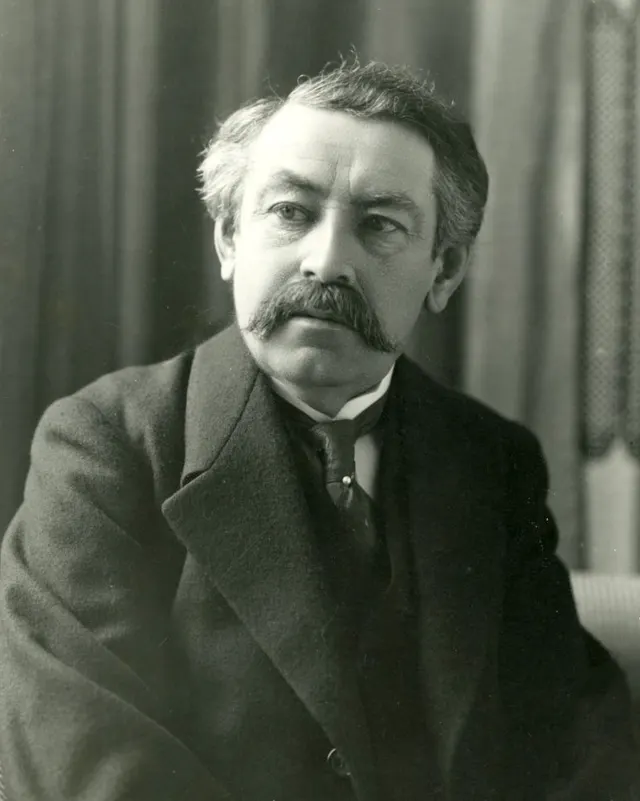
Aristide Briand, who steered the 1905 separation law through the French parliament.Aristide Briand, who steered the 1905 separation law through the French parliament.Image: AnonymousUnknown author · Public domain
politics · Europe

France separates church and state

The law separating the churches from the state was promulgated in France on 9 December 1905, ending the Concordat of 1801 and the public funding of religion. Shaped in long parliamentary debate by Aristide Briand, Jean Jaurès and Georges Clemenceau, it rests on three ideas: freedom of conscience, the separation of political and religious authority, and the equal treatment of citizens whatever they believe. It remains the foundation of French laïcité more than a century later.

Source: Assemblée nationale: 9 décembre 1905, la loi de séparation des Églises et de l’État ↗
1917
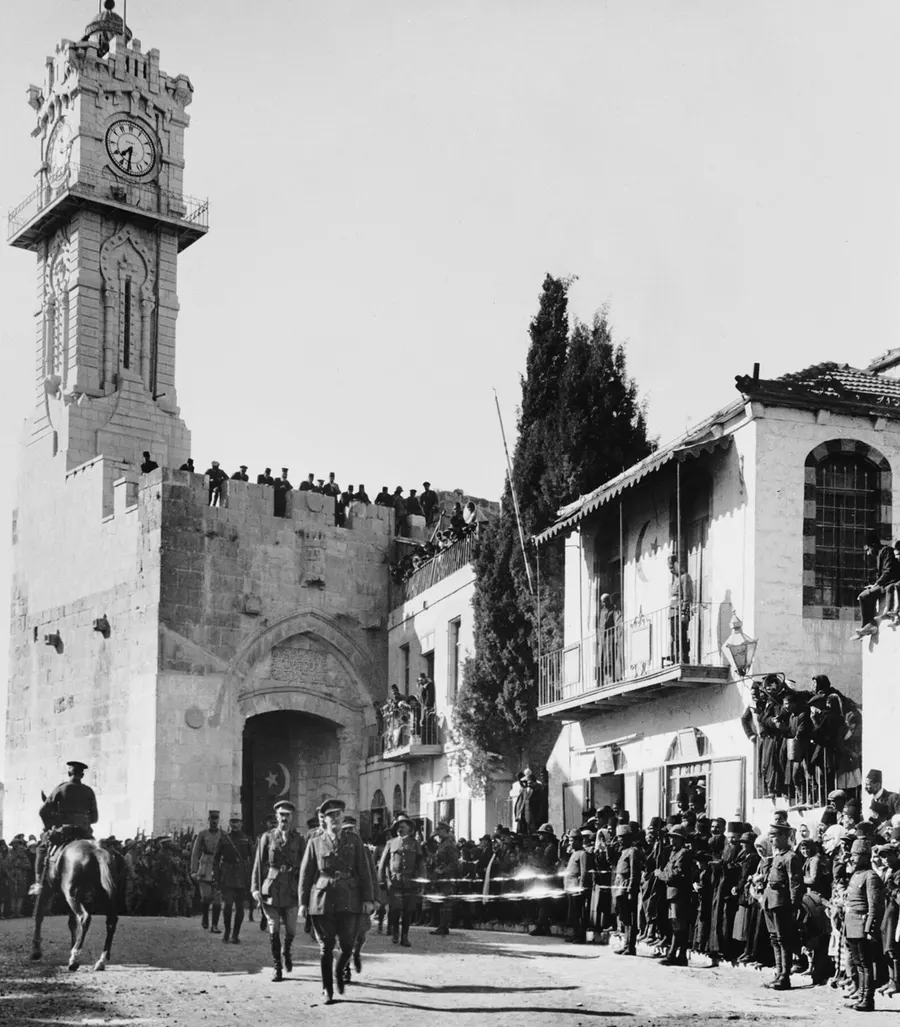
General Allenby's formal entry into Jerusalem through the Jaffa Gate on 11 December 1917, two days after the city's surrender.General Allenby’s formal entry into Jerusalem through the Jaffa Gate on 11 December 1917, two days after the city’s surrender.Image: Underwood & Underwood · Public domain
world · Asia

Jerusalem surrenders after four centuries of Ottoman rule

Shortly before nine o’clock on the morning of 9 December 1917 the mayor of Jerusalem, Hussein Salim al-Husseini, walked out of the city under a white flag carrying the Ottoman governor’s letter of surrender. The first British soldiers he met, two sergeants of the London Regiment scouting ahead of the main force, refused to take it; the letter was eventually accepted by a brigade commander. Four hundred years of Ottoman rule ended that morning. General Edmund Allenby made his formal entry two days later, dismounting and walking through the Jaffa Gate on foot, and read a proclamation placing the city under martial law while guaranteeing its holy places.

Source: Imperial War Museums: flag used at the surrender of Jerusalem, 9 December 1917 ↗
1946
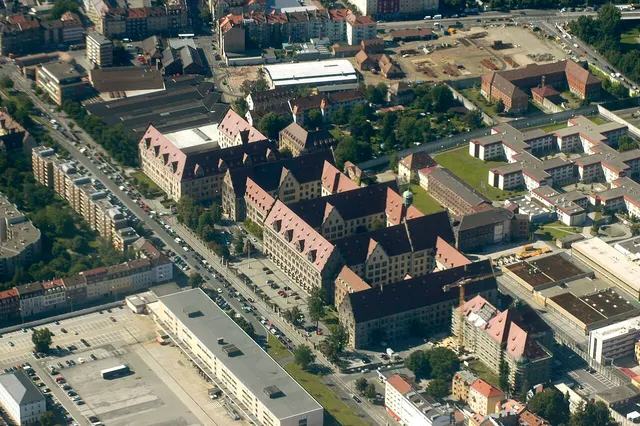
The Palace of Justice in Nuremberg, where the trials were held.The Palace of Justice in Nuremberg, where the trials were held.Image: Nicohofmann · CC BY-SA 3.0
politics · Europe

The Doctors’ Trial opens at Nuremberg

On 9 December 1946 an American military tribunal at Nuremberg opened proceedings against twenty-three German physicians and medical administrators, the first of the twelve trials that followed the main international case. The charges concerned experiments and medical procedures inflicted on prisoners and civilians. Sixteen defendants were convicted in August 1947 and seven, including Karl Brandt, were executed. The judgment set out ten principles for experiments on human beings, including voluntary consent, which became known as the Nuremberg Code.

Source: Harvard Law School Library, Nuremberg Trials Project: NMT Case 1, the Medical Case ↗
1948
A plaque in Warsaw honouring Raphael Lemkin, the lawyer who coined the word genocide.A plaque in Warsaw honouring Raphael Lemkin, the lawyer who coined the word genocide.Image: Wuj Mat · Public domain
politics · Global

The world agrees to call genocide a crime

On 9 December 1948 the United Nations General Assembly adopted the Convention on the Prevention and Punishment of the Crime of Genocide, by resolution 260 A (III). It was the first human rights treaty the Assembly ever adopted, and it committed the states that joined it to prevent and punish a crime that had no name in law a decade earlier. The word itself had been coined in 1944 by the Polish-Jewish lawyer Raphael Lemkin, who campaigned for the treaty for the rest of his life. The convention came into force on 12 January 1951. Since 2015 the United Nations has kept 9 December as a day of commemoration for its victims.

Source: United Nations: The 1948 Genocide Convention ↗
1960
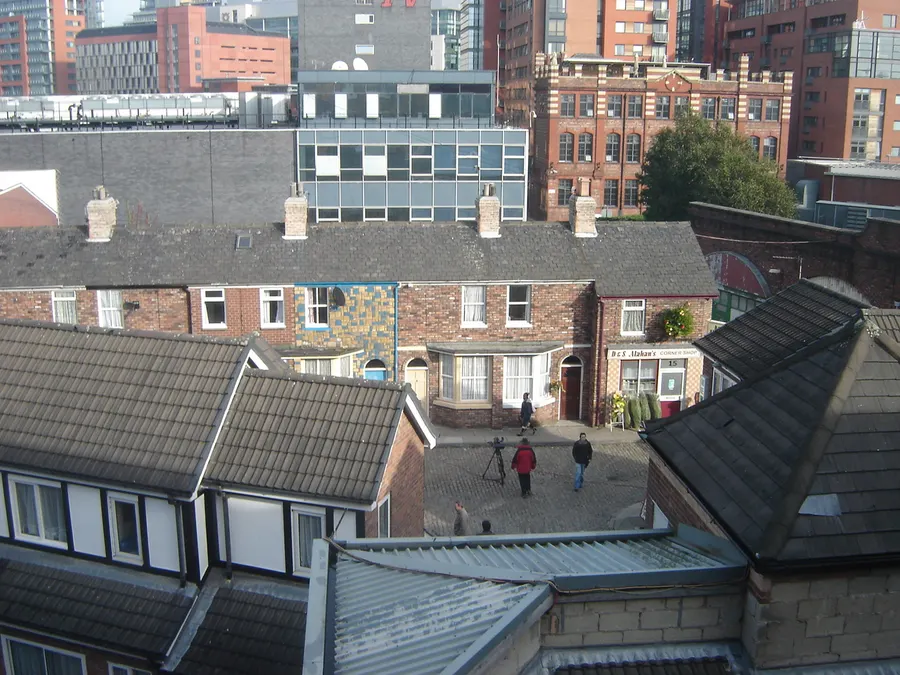
The outdoor Coronation Street set at Granada Studios in Manchester, photographed in 2007.The outdoor Coronation Street set at Granada Studios in Manchester, photographed in 2007.Image: Jordan 1972 · Public domain
culture · Europe

Coronation Street reaches the screen

The first episode of Coronation Street went out on 9 December 1960, made by Granada Television in Manchester for the ITV network. Tony Warren, then twenty-four, had written it and would write the first thirteen episodes; the opening half-hour introduced Florrie Lindley taking over the corner shop and Ken Barlow falling out with his father. The reviews were unkind — one newspaper called the programme doomed the next morning — but it went out twice a week from the start and became the longest-running television soap opera in the world.

Source: ITV: Tony Warren, MBE ↗
1961
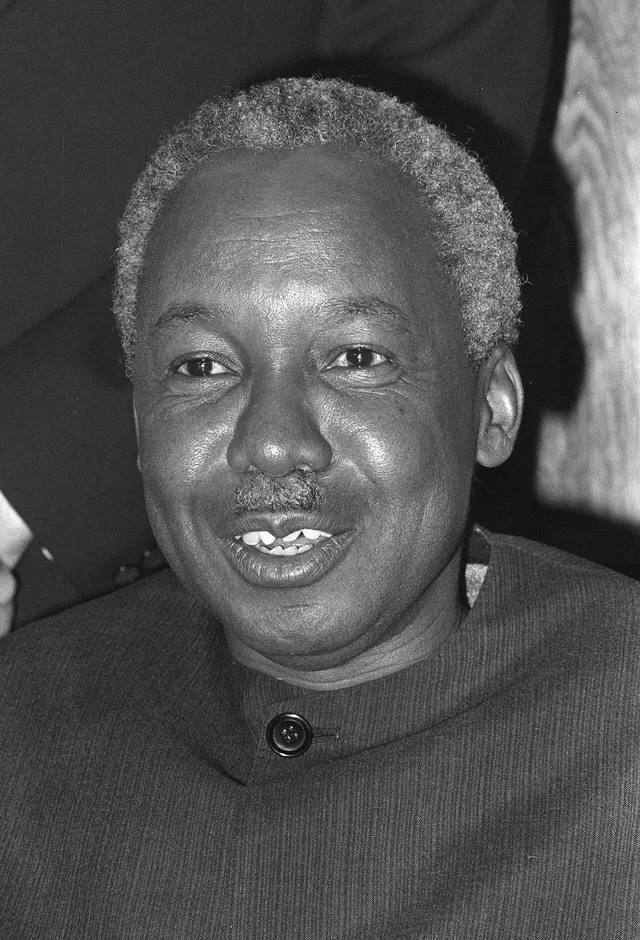
Julius Nyerere, the first prime minister of independent Tanganyika.Julius Nyerere, the first prime minister of independent Tanganyika.Image: Rob Mieremet / Anefo · CC0

politics · Africa

Tanganyika becomes independent

Tanganyika became independent of Britain on 9 December 1961, with Julius Nyerere as its first prime minister. His party, the Tanganyika African National Union, had swept the Legislative Council elections of 1960, and the transfer of power came without the long armed struggle seen elsewhere in Africa. Nyerere stepped down the following month to think and write about government and African unity, returning as president when Tanganyika became a republic in 1962. In April 1964 the country joined with Zanzibar; by October that year it had been renamed the United Republic of Tanzania.

Source: Encyclopaedia Britannica: Tanzania — Independence ↗
1968
The wooden prototype mouse built at SRI International, shown publicly for the first time at the 1968 demonstration.The wooden prototype mouse built at SRI International, shown publicly for the first time at the 1968 demonstration.Image: SRI International · CC BY-SA 3.0
science · Americas

The Mother of All Demos

On 9 December 1968 Douglas Engelbart sat on a stage in San Francisco and, in ninety minutes, showed an audience of computer professionals almost everything a modern computer does. Working with seventeen colleagues from the Augmentation Research Center at Stanford Research Institute, he demonstrated the mouse, windows, hypertext links, cut-and-paste editing, two people editing the same document at once, and video conferencing. The machine itself was thirty miles away in Menlo Park. Engelbart’s team, led by Bill English, had spent months building a microwave link and camera rig so the audience could watch the screen live. The event became known as the Mother of All Demos.

Source: Smithsonian Lemelson Center: The Mother of All Demos ↗
1979
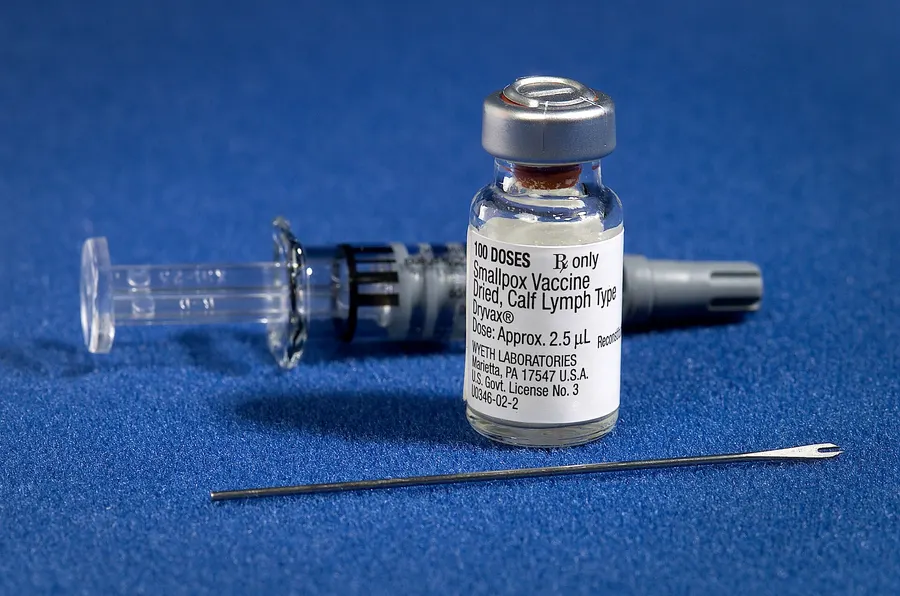
A vial of smallpox vaccine with the bifurcated needle used to give it.A vial of smallpox vaccine with the bifurcated needle used to give it.Image: Photo Credit: James Gathany Content Providers(s): CDC · Public domain
science · Global

Smallpox is certified eradicated

On 9 December 1979 the members of the Global Commission for the Certification of Smallpox Eradication, an independent panel of scientists from nineteen countries, signed a statement at the World Health Organization in Geneva declaring that smallpox had been eradicated from the world. The campaign had begun in earnest in 1967, combining mass vaccination with relentless tracing of every case. The last known naturally occurring case was in Somalia in 1977. In May 1980 the World Health Assembly made the formal declaration that the world was free of the disease — the only human disease ever eliminated.

Source: World Health Organization: commemorating the 40th anniversary of smallpox eradication ↗
RESEARCH

Sources & Further Reading

Selected authoritative references supporting the events on this page.

Encyclopaedia Britannica: Battle of Ayacucho↗Proyecto Especial Bicentenario, Government of Peru: La Batalla de Ayacucho↗Texas State Historical Association: Bexar, Siege of↗Texas State Library and Archives Commission: The Siege of Bexar↗United States Senate: Reconstruction Louisiana and the case of P.B.S. Pinchback↗64 Parishes (Louisiana Endowment for the Humanities): P. B. S. Pinchback↗Assemblée nationale: 9 décembre 1905, la loi de séparation des Églises et de l’État↗Ministère de l’Intérieur: la loi de 1905, pierre angulaire de la laïcité en France↗Imperial War Museums: flag used at the surrender of Jerusalem, 9 December 1917↗National Army Museum: Edmund Allenby↗Harvard Law School Library, Nuremberg Trials Project: NMT Case 1, the Medical Case↗United States Holocaust Memorial Museum: the Nuremberg Code↗United Nations: The 1948 Genocide Convention↗UN Office of the High Commissioner for Human Rights: Convention on the Prevention and Punishment of the Crime of Genocide↗ITV: Tony Warren, MBE↗National Science and Media Museum: the history of Granada Studios↗Encyclopaedia Britannica: Tanzania — Independence↗Encyclopaedia Britannica: Julius Nyerere↗Smithsonian Lemelson Center: The Mother of All Demos↗Computer History Museum: Douglas C. Engelbart↗World Health Organization: commemorating the 40th anniversary of smallpox eradication↗WHO Institutional Repository: final report of the Global Commission for the Certification of Smallpox Eradication, Geneva, December 1979↗
WHY THESE MOMENTS?

Significance before volume

This page is not the longest possible list of events. It is a chronological journey through 9 December, where each entry is chosen for historical significance, human interest and reliability.

Facts are checked against authoritative museums, archives, universities and reference works. Where sources disagree, the page says so.

EXPLORED THE DEEPER STORY?

Return to the highlights of 9 December

Discover the lighter side of the date with famous birthdays, culture, firsts and lives remembered.

Explore This Day →