HISTORY & TIMELINE
8 December

A journey through
8 December in history

From a naval battle off the Falkland Islands in 1914 to a Japanese solar sail gliding past Venus in 2010, 8 December has seen wars declared and ended, new constitutions and flags, and plans to put the atom to peaceful use. This timeline follows the date across almost a century.

JUMP THROUGH TIME
V
THE TWENTIETH CENTURY

The 1900s

War and peace, technological leaps, social change, politics, sport and popular culture.

1914
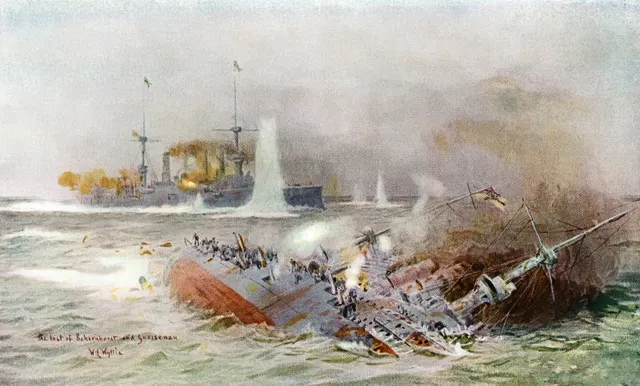
The Scharnhorst rolls over and sinks while the Gneisenau fights on, painted by William Lionel Wyllie.The Scharnhorst rolls over and sinks while the Gneisenau fights on, painted by William Lionel Wyllie.Image: William Lionel Wyllie · Public domain
world · Americas

The Battle of the Falkland Islands

On 8 December 1914 the German East Asia Squadron under Admiral Maximilian von Spee arrived off Port Stanley to raid the British base, only to find two powerful battlecruisers that had arrived the day before. In the chase that followed, the British sank the armoured cruisers Scharnhorst and Gneisenau and two light cruisers; von Spee and two of his sons were among the German sailors lost. The battle avenged the British defeat at Coronel five weeks earlier.

Source: Encyclopaedia Britannica: Battle of the Falkland Islands ↗
1941
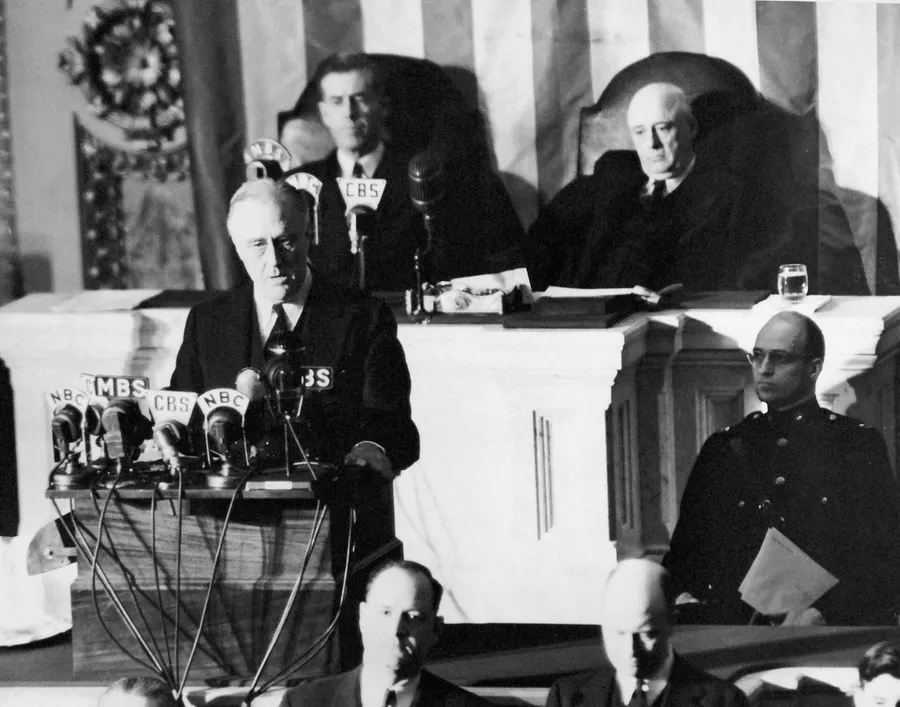
Franklin D. Roosevelt addresses Congress on 8 December 1941, with Vice President Henry Wallace and Speaker Sam Rayburn behind him.Franklin D. Roosevelt addresses Congress on 8 December 1941, with Vice President Henry Wallace and Speaker Sam Rayburn behind him.Image: United States Government. · Public domain
world · Americas

‘A date which will live in infamy’

At 12.30 pm on 8 December 1941, the day after the attack on Pearl Harbor, President Franklin D. Roosevelt spoke to a joint session of Congress and, by radio, to the nation. ‘Yesterday, December 7, 1941, a date which will live in infamy,’ he began, ‘the United States of America was suddenly and deliberately attacked.’ Congress declared war on Japan straight afterwards. The Senate was unanimous and only one member of the House, the pacifist Jeannette Rankin, voted against. Roosevelt signed the declaration that afternoon, and the United States was at war.

Source: US National Archives: Joint address to Congress leading to a declaration of war against Japan (1941) ↗
1953
The United States 'Atoms for Peace' postage stamp of 1955.The United States ‘Atoms for Peace’ postage stamp of 1955.Image: Bureau of Engraving and Printing · Public domain
science · Global

Eisenhower’s ‘Atoms for Peace’

Speaking to the United Nations General Assembly in New York on 8 December 1953, as the nuclear arms race gathered pace, President Dwight D. Eisenhower proposed that nuclear powers should share materials and knowledge for peaceful uses of the atom, in medicine, agriculture and electricity. He suggested an international agency to oversee it. The idea led in 1957 to the International Atomic Energy Agency, which still promotes peaceful nuclear science and inspects nuclear programmes around the world.

Source: Eisenhower Presidential Library: Atoms for Peace ↗
1955
politics · Europe

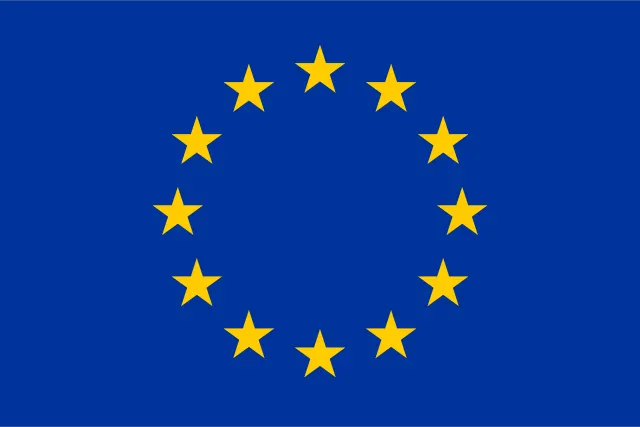
Europe gets its flag

On 8 December 1955 the Committee of Ministers of the Council of Europe adopted a new emblem: a circle of twelve gold stars on a blue background. The number twelve was chosen as a symbol of completeness, not of member states, so it has never changed. The European Communities, later the European Union, took up the same flag in 1985.

Source: Council of Europe: The European flag ↗
1985
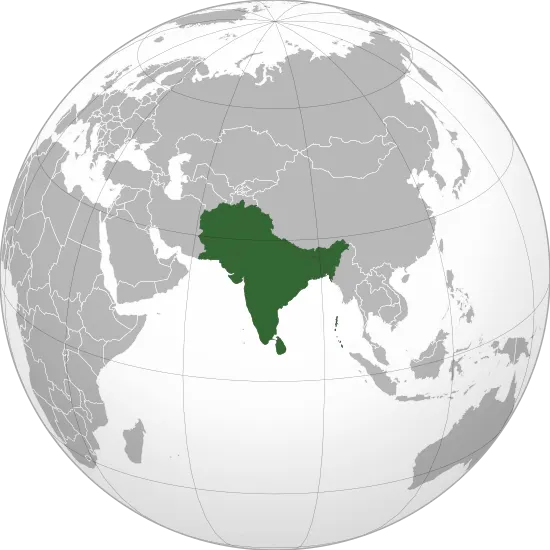
South Asia, the region of the South Asian Association for Regional Cooperation.South Asia, the region of the South Asian Association for Regional Cooperation.Image: user:Serg!o · CC BY-SA 3.0
politics · Asia

South Asia’s nations form SAARC

On 8 December 1985 the leaders of Bangladesh, Bhutan, India, the Maldives, Nepal, Pakistan and Sri Lanka signed the charter of the South Asian Association for Regional Cooperation in Dhaka, creating the region’s first organisation for working together on trade, agriculture, health and culture. Its secretariat opened in Kathmandu in 1987, and Afghanistan joined as the eighth member in 2007. The member states mark 8 December each year as SAARC Charter Day.

Source: Encyclopaedia Britannica: South Asian Association for Regional Cooperation ↗
1987
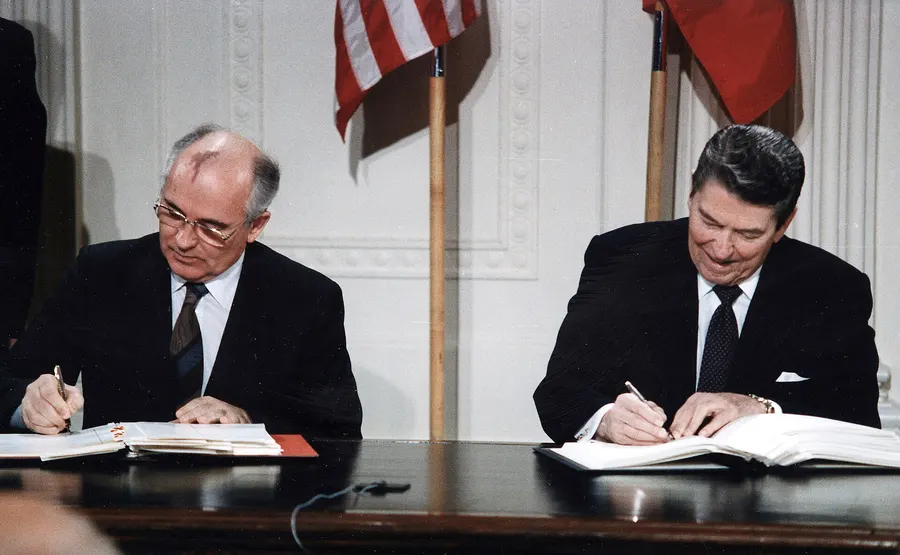
Mikhail Gorbachev and Ronald Reagan sign the INF Treaty in the East Room of the White House, 8 December 1987.Mikhail Gorbachev and Ronald Reagan sign the INF Treaty in the East Room of the White House, 8 December 1987.Image: White House Photographic Office · Public domain
politics · Global

Reagan and Gorbachev sign the INF Treaty

In the East Room of the White House on 8 December 1987, President Ronald Reagan and the Soviet leader Mikhail Gorbachev signed the Intermediate-Range Nuclear Forces Treaty. For the first time the two superpowers agreed to destroy an entire class of nuclear weapons: all their land-based missiles with ranges between 500 and 5,500 km. Within three years about 2,600 missiles had been destroyed, about two-thirds of them Soviet, under the eyes of inspectors from the other side. The United States withdrew from the treaty in 2019, accusing Russia of breaking it.

Source: US Department of State: Intermediate-Range Nuclear Forces Treaty ↗
1991
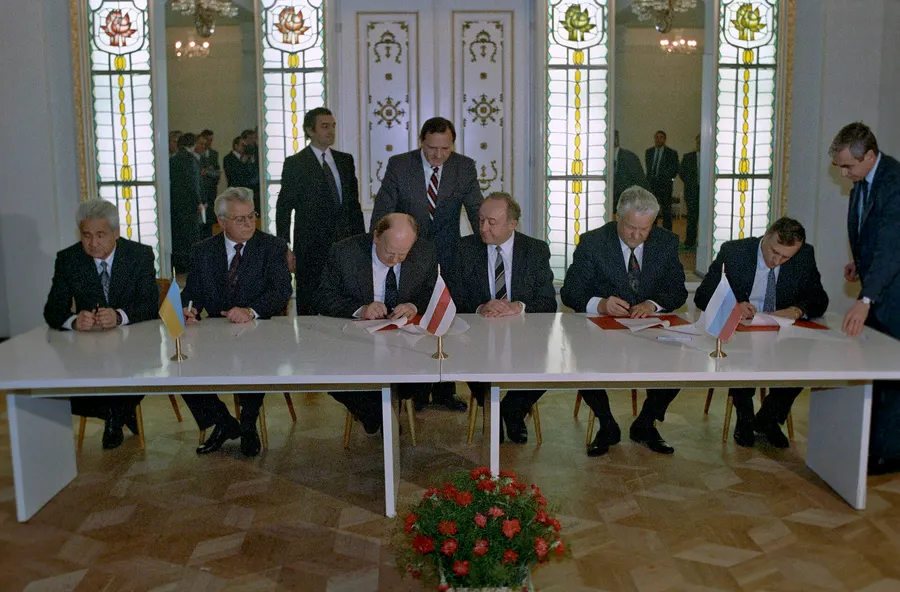
Leonid Kravchuk, Stanislav Shushkevich and Boris Yeltsin with their delegations sign the agreement ending the USSR, 8 December 1991.Leonid Kravchuk, Stanislav Shushkevich and Boris Yeltsin with their delegations sign the agreement ending the USSR, 8 December 1991.Image: U. Ivanov / Ю. Иванов · CC BY-SA 3.0
politics · Europe

Three leaders end the Soviet Union

On 8 December 1991, at a government hunting lodge in the Belovezha forest in Belarus, the leaders of Russia, Ukraine and Belarus, Boris Yeltsin, Leonid Kravchuk and Stanislav Shushkevich, signed an agreement declaring that the Soviet Union had ceased to exist as a subject of international law and a geopolitical reality. In its place they founded the Commonwealth of Independent States. Yeltsin telephoned President George H. W. Bush before the Soviet president, Mikhail Gorbachev, had been told. Gorbachev resigned on 25 December, and the Soviet flag came down over the Kremlin that night.

Source: Wilson Center: Three men in a forest, Shushkevich remembers the meeting that ended the Soviet Union ↗
1994
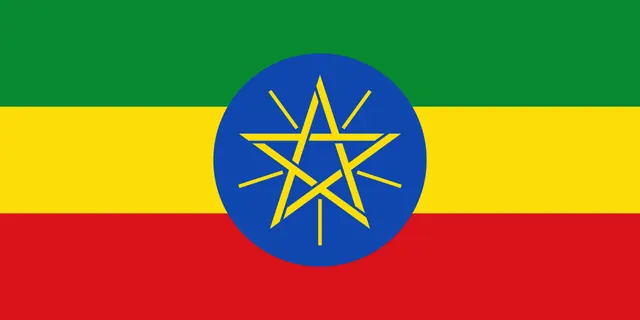
The flag of Ethiopia.The flag of Ethiopia.Image: Drawn by User:SKopp · Public domain
politics · Africa

Ethiopia adopts a federal constitution

On 8 December 1994 an elected constituent assembly adopted a new constitution creating the Federal Democratic Republic of Ethiopia. It divided the country into regional states drawn largely along ethnic lines, gave its nations, nationalities and peoples the right to self-determination, and made the land the common property of the people. It came into force in August 1995.

Source: Constitute Project: Ethiopia’s constitution of 1994 ↗
VI
2000 TO TODAY

Modern Day

The events of recent decades that have already become part of the historical record.

2010
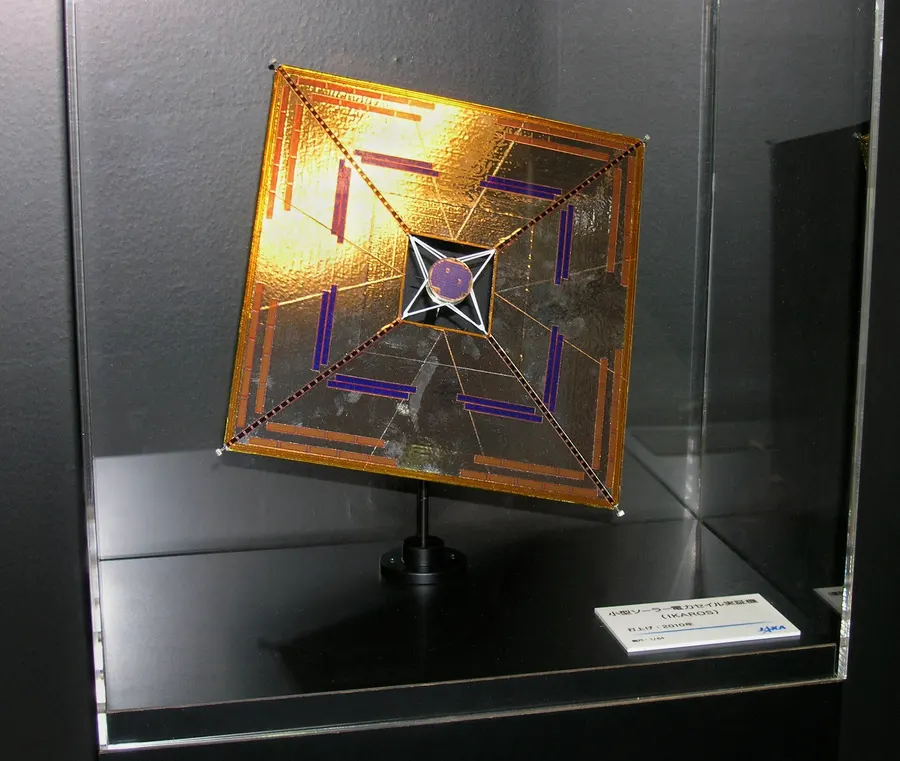
A model of IKAROS at the International Astronautical Congress in Prague, 2010.A model of IKAROS at the International Astronautical Congress in Prague, 2010.Image: Pavel Hrdlička (Czech Wikipedia user Packa) · CC BY-SA 3.0
science · Asia

A Japanese solar sail flies past Venus

IKAROS, launched by Japan’s space agency JAXA in May 2010, was the first spacecraft to be pushed through interplanetary space by sunlight alone, falling on a square sail 20 metres across and thinner than a human hair. On 8 December 2010 it sailed past Venus at a distance of about 80,000 km, close enough for the planet to bend its path, having proved that the gentle pressure of sunlight could steer and speed up a spacecraft.

Source: ISAS/JAXA: IKAROS small solar power sail demonstrator ↗
WHY THESE MOMENTS?

Significance before volume

This page is not the longest possible list of events. It is a chronological journey through 8 December, where each entry is chosen for historical significance, human interest and reliability.

Facts are checked against authoritative museums, archives, universities and reference works. Where sources disagree, the page says so.

EXPLORED THE DEEPER STORY?

Return to the highlights of 8 December

Discover the lighter side of the date with famous birthdays, culture, firsts and lives remembered.

Explore This Day →
← PREVIOUS DAY7 December
HISTORY & TIMELINE8 December
NEXT DAY →9 December