HISTORY & TIMELINE
17 December

A journey through
17 December in history

From the death of the poet Rumi in 1273 to the protest in Sidi Bouzid that set off the Arab Spring, 17 December has seen new states, new machines and a discovery that changed the century. This timeline follows the date across more than seven hundred years.

JUMP THROUGH TIME
II
THE MIDDLE AGES

Medieval History

Kingdoms, conflict, faith, power and the changing medieval world.

1273
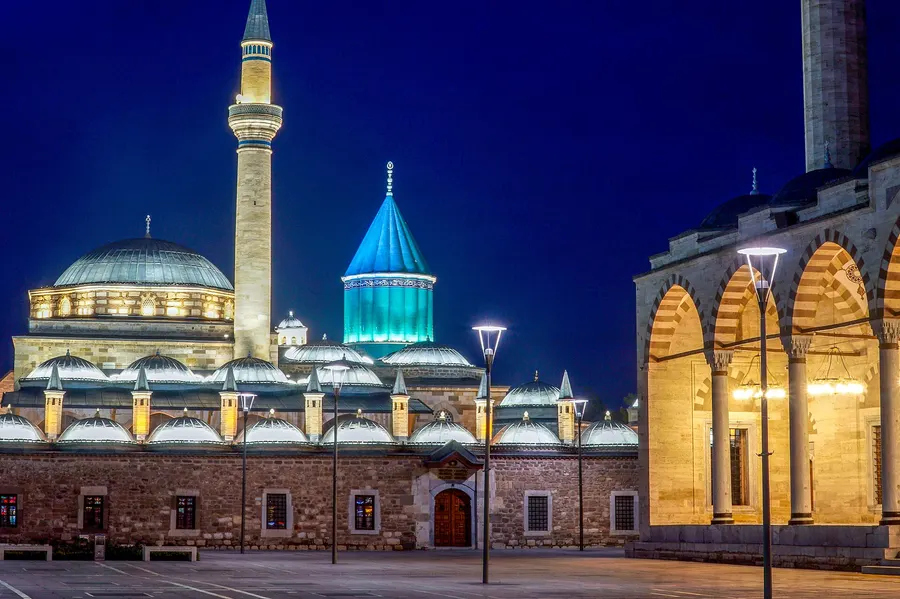
The Mevlana Museum in Konya, built around Rumi's tomb.The Mevlana Museum in Konya, built around Rumi’s tomb.Image: Emad Nemati · CC BY-SA 4.0
culture · Asia

The death of Rumi

Jalal al-Din Rumi, the greatest Sufi poet of the Persian language, died at Konya in Anatolia on 17 December 1273. Born in Balkh around 1207, he had come to Konya as a young man with his father, a preacher; his friendship with the wandering mystic Shams of Tabriz turned him into a poet, and his long spiritual poem, the Masnavi, runs to some 25,000 couplets. His followers became the Mevlevi order, known in the West as the whirling dervishes, and the anniversary of his death is still kept in Konya.

Source: Encyclopaedia Britannica: Rumi ↗
IV
THE NINETEENTH CENTURY

The 1800s

Industry, empire, invention, reform and a century of enormous transformation.

1819
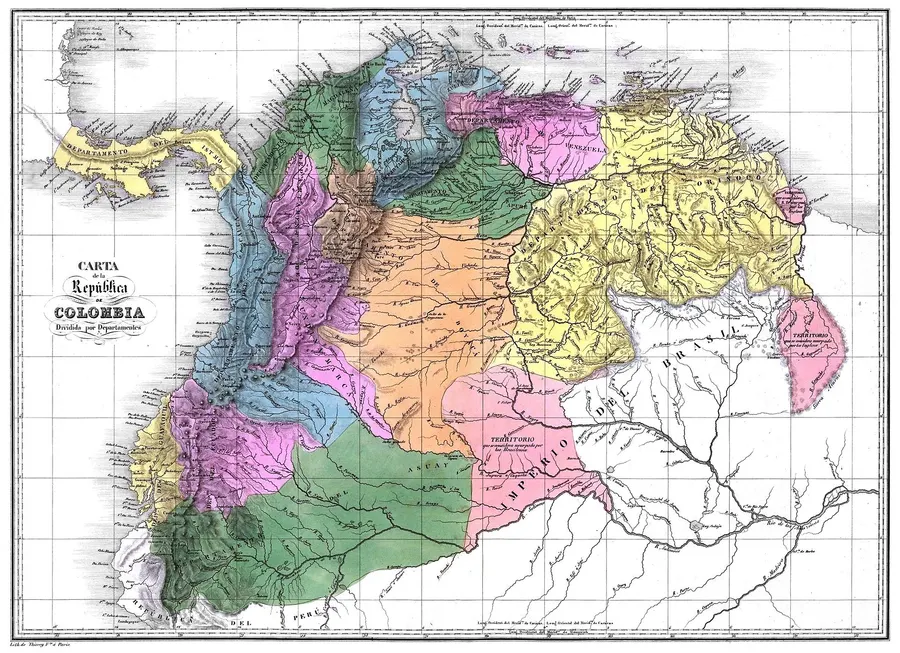
Agostino Codazzi's map of the Republic of Colombia, the state later called Gran Colombia.Agostino Codazzi’s map of the Republic of Colombia, the state later called Gran Colombia.Image: Agostino Codazzi · Public domain
politics · Americas

The Republic of Colombia is proclaimed at Angostura

On 17 December 1819 the congress sitting at Angostura, a river town on the Orinoco, passed the Fundamental Law uniting Venezuela and New Granada into a single Republic of Colombia. Simón Bolívar, fresh from his victory at Boyacá in August, had urged the deputies to create one large state strong enough to finish the war with Spain, and was made its president. Historians call it Gran Colombia to tell it apart from the modern country. At its height it took in what are now Colombia, Venezuela, Ecuador and Panama. It did not survive its founder: Venezuela and Ecuador broke away in 1830, the year Bolívar died.

Source: Encyclopaedia Britannica: Gran Colombia ↗
V
THE TWENTIETH CENTURY

The 1900s

War and peace, technological leaps, social change, politics, sport and popular culture.

1903
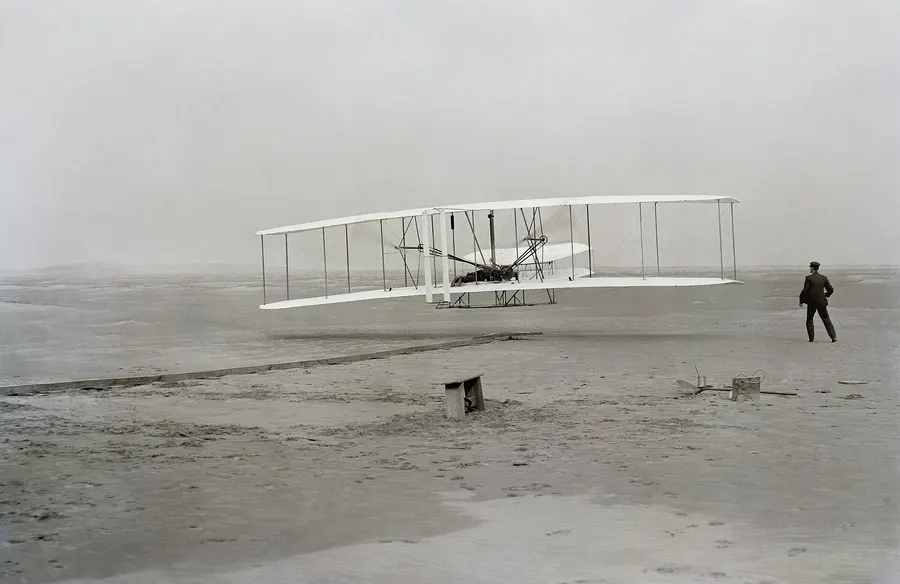
The first flight at Kill Devil Hills, 10.35 a.m.: Orville at the controls, Wilbur running alongside.The first flight at Kill Devil Hills, 10.35 a.m.: Orville at the controls, Wilbur running alongside.Image: John T. Daniels · Public domain
world · Americas

The Wright brothers fly at Kitty Hawk

At 10.35 in the morning of 17 December 1903, on the sand at Kill Devil Hills near Kitty Hawk, North Carolina, Orville Wright lay on the lower wing of the Wright Flyer and took off into a cold wind. He stayed in the air for twelve seconds and covered 120 feet: the first controlled, sustained flight of a powered machine heavier than air. The brothers, bicycle makers from Dayton, Ohio, took turns and flew three more times that day, each flight longer than the last; Wilbur’s fourth went 852 feet in 59 seconds. John T. Daniels of the local lifesaving station pressed the shutter on the camera Orville had set up, taking one of the best-known photographs ever made.

Source: Library of Congress: First Flight, Wilbur and Orville Wright Papers ↗
1907
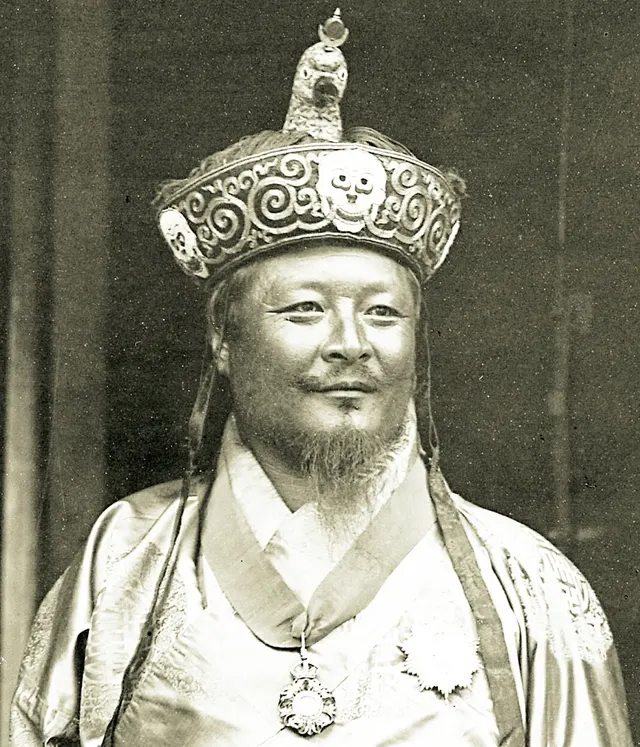
Ugyen Wangchuck, first king of Bhutan, photographed by John Claude White.Ugyen Wangchuck, first king of Bhutan, photographed by John Claude White.Image: John Claude White · Public domain
politics · Asia

Bhutan crowns its first king

On 17 December 1907 Ugyen Wangchuck, the governor of Tongsa, was crowned at Punakha as the first hereditary king, or Druk Gyalpo, of Bhutan. An assembly of monks, officials and representatives of the people chose him, ending years of rivalry between regional lords. The Wangchuck dynasty has reigned ever since. Bhutan, never colonised, kept its independence between British India and Tibet; in 2008 the fourth king’s reforms turned it into a constitutional monarchy with an elected parliament.

Source: Encyclopaedia Britannica: Ugyen Wangchuk ↗
1938
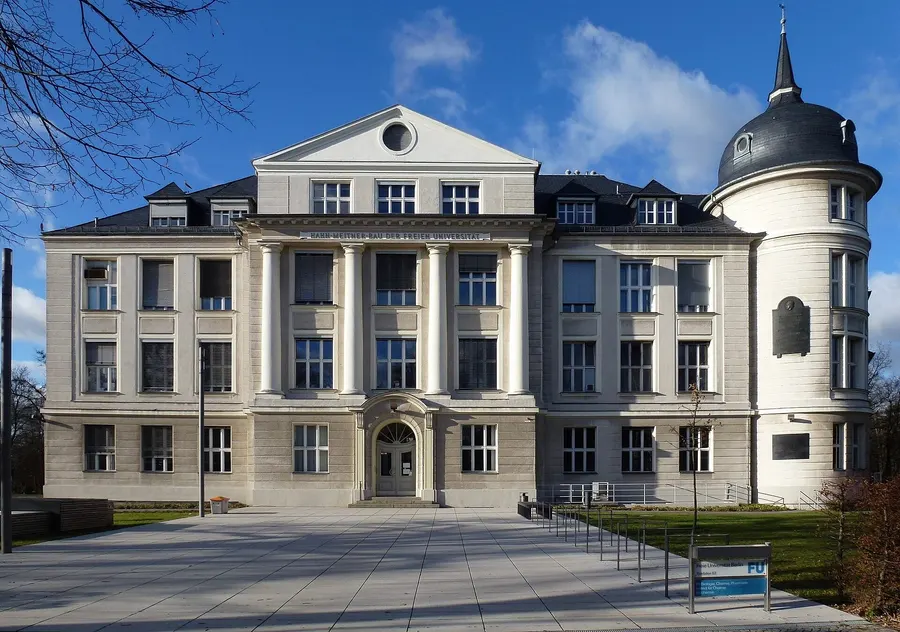
The Hahn-Meitner building in Berlin-Dahlem, named after Otto Hahn and Lise Meitner.The Hahn-Meitner building in Berlin-Dahlem, named after Otto Hahn and Lise Meitner.Image: Fridolin freudenfett (Peter Kuley) · CC BY-SA 3.0
science · Europe

Hahn and Strassmann find barium in uranium

On 17 December 1938, in a Berlin laboratory, the chemists Otto Hahn and Fritz Strassmann bombarded uranium with neutrons and found barium among the products. Barium is a far lighter element, and neither of them could explain how it had got there. Hahn wrote to his long-time colleague Lise Meitner, who had fled Nazi Germany that summer. Over Christmas she and her nephew Otto Frisch worked out that the uranium nucleus had split in two, releasing a great deal of energy; they called the process fission. Within a few years it had produced both nuclear power and the atomic bomb.

Source: American Physical Society: December 1938, discovery of nuclear fission ↗
1939
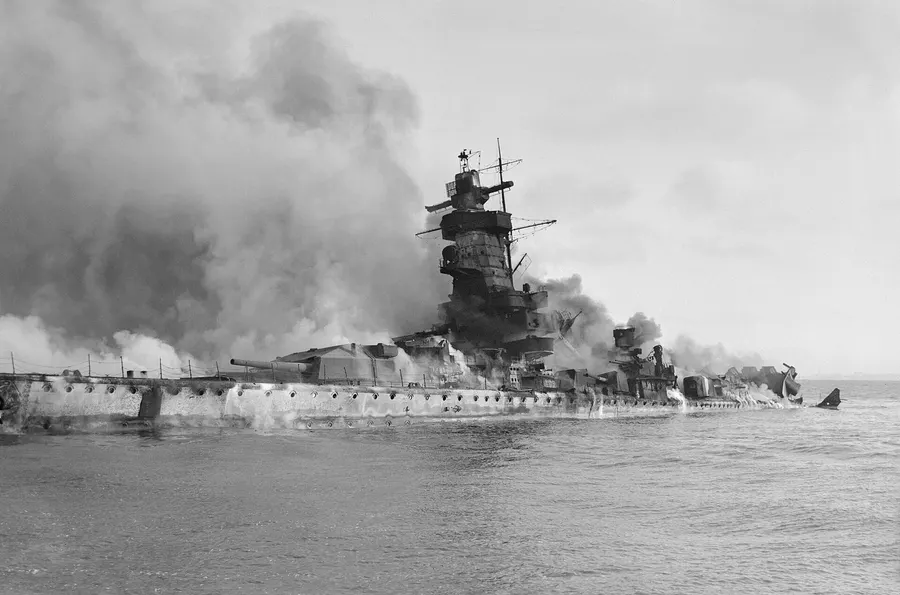
The Admiral Graf Spee in flames after being scuttled in the River Plate estuary, 17 December 1939.The Admiral Graf Spee in flames after being scuttled in the River Plate estuary, 17 December 1939.Image: Royal Navy official photographer · Public domain
world · Americas

The Graf Spee is scuttled off Montevideo

After the Battle of the River Plate on 13 December 1939, the damaged German pocket battleship Admiral Graf Spee took refuge in the neutral port of Montevideo. Uruguay allowed only a short stay for repairs, and her captain, Hans Langsdorff, believed a strong British force was waiting outside. On the evening of 17 December he took the ship out into the estuary and blew her up. Three days later he shot himself in Buenos Aires. It was the first major naval action of the Second World War.

Source: Imperial War Museums: what you need to know about the Battle of the River Plate ↗
1967
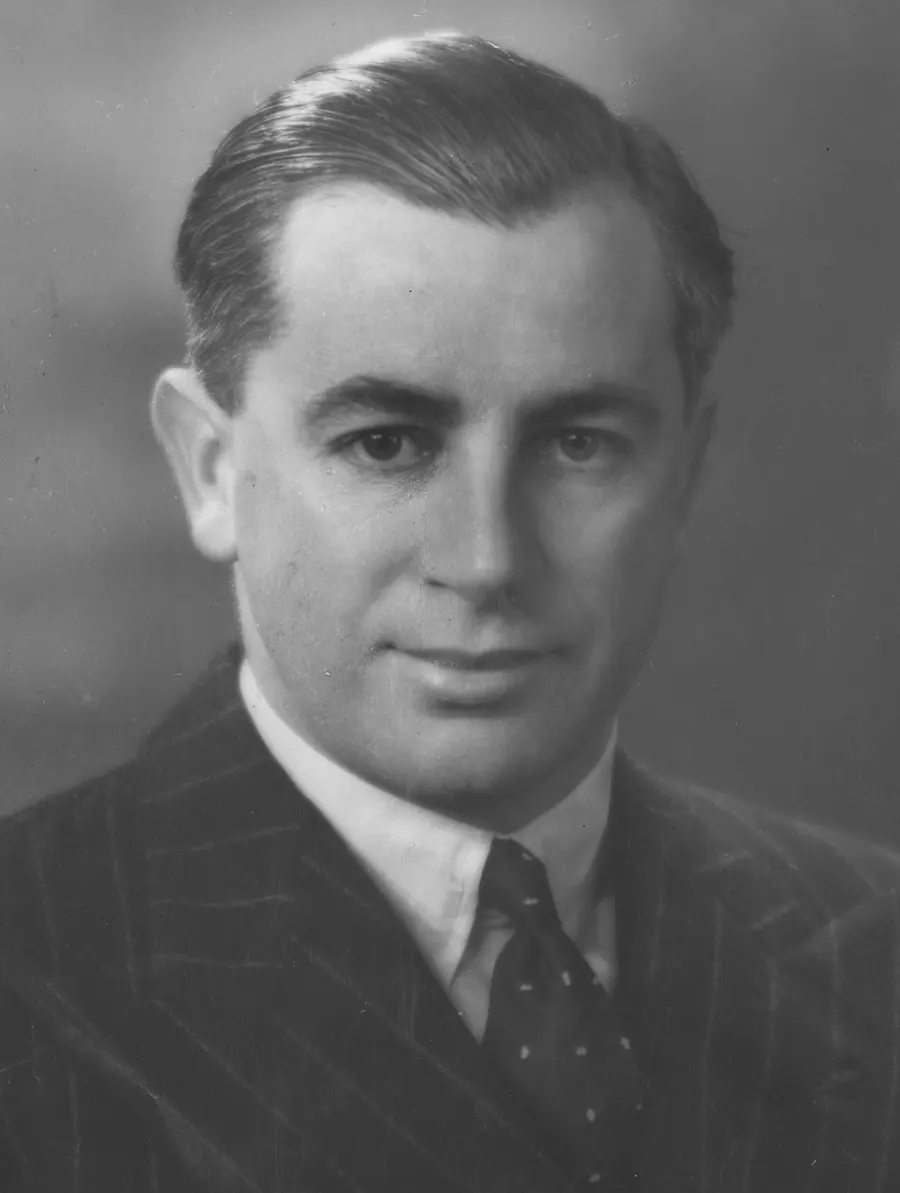
Harold Holt in 1940.Harold Holt in 1940.Image: National Library of Australia · Public domain
politics · Oceania

Australia’s prime minister disappears in the sea

Harold Holt, Prime Minister of Australia since January 1966, went swimming at Cheviot Beach near Portsea, Victoria, on 17 December 1967 and vanished in rough surf. A large air, sea and land search found no trace of him, and the next evening the Governor-General ended his commission. A police report concluded that his death was an accident. His body was never recovered.

Source: National Archives of Australia: Harold Holt’s disappearance ↗
1989
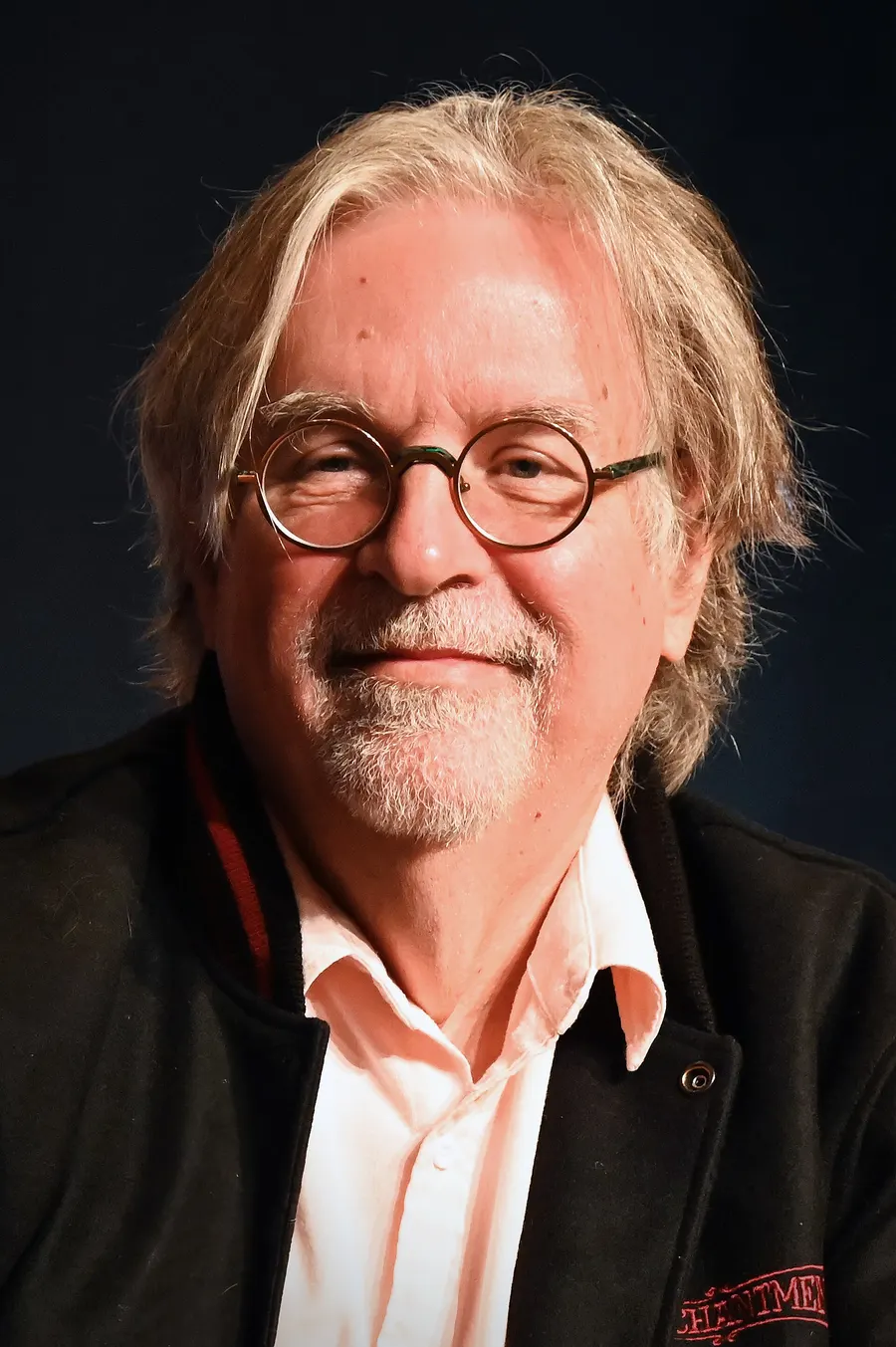
Matt Groening, creator of The Simpsons, in 2024.Matt Groening, creator of The Simpsons, in 2024.Image: PhilipRomanoPhoto · CC BY 4.0
culture · Americas

The Simpsons arrives as a half-hour show

The Simpsons began as short cartoons in The Tracey Ullman Show in 1987. On 17 December 1989 the Fox network broadcast its first half-hour episode, a Christmas special called ‘Simpsons Roasting on an Open Fire’, in which Homer, denied his bonus, takes a second job as a shopping-centre Santa. Regular weekly episodes began in January 1990. The show went on to become the longest-running American scripted primetime series, and the Smithsonian’s National Museum of American History holds a script of that first episode.

Source: National Museum of American History: script for the first episode of The Simpsons ↗
VI
2000 TO TODAY

Modern Day

The events of recent decades that have already become part of the historical record.

2010
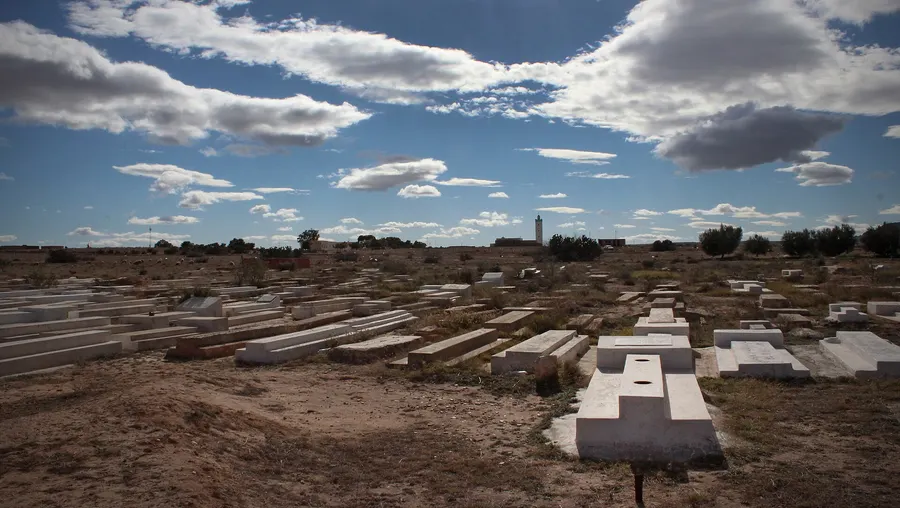
The cemetery near Sidi Bouzid where Mohamed Bouazizi is buried.The cemetery near Sidi Bouzid where Mohamed Bouazizi is buried.Image: Thijs Roes · CC BY-SA 4.0
politics · Africa

A protest in Sidi Bouzid starts the Tunisian revolution

On 17 December 2010 Mohamed Bouazizi, a 26-year-old fruit seller in the Tunisian town of Sidi Bouzid, had his goods confiscated by municipal inspectors. When officials refused to hear his complaint he set himself on fire outside the local government offices. He died of his injuries on 4 January 2011. Protests spread from Sidi Bouzid across the country. On 14 January President Zine al-Abidine Ben Ali, in power since 1987, fled to Saudi Arabia. Within weeks demonstrations had reached Egypt, Libya, Yemen, Bahrain and Syria, in the wave that became known as the Arab Spring.

Source: Encyclopaedia Britannica: Mohamed Bouazizi ↗
WHY THESE MOMENTS?

Significance before volume

This page is not the longest possible list of events. It is a chronological journey through 17 December, where each entry is chosen for historical significance, human interest and reliability.

Facts are checked against authoritative museums, archives, universities and reference works. Where sources disagree, the page says so.

EXPLORED THE DEEPER STORY?

Return to the highlights of 17 December

Discover the lighter side of the date with famous birthdays, culture, firsts and lives remembered.

Explore This Day →