
HISTORY & TIMELINE
6 August

A journey through
6 August in history

The story of 6 August runs from the martyrdom of a pope in the catacombs of Rome in 258 to a rover lowered on to Mars in 2012. In between come Genoa’s crushing naval victory over Pisa at Meloria, the founding of Bogotá, the end of the thousand-year Holy Roman Empire, a silent cavalry battle at Junín, Bolivia’s declaration of independence, the cession of Lagos to Britain, the first Venice film festival, Gertrude Ederle’s swim across the English Channel, the bombing of Hiroshima, a full day in orbit for Gherman Titov, Jamaica’s independence, the Voting Rights Act, Sheikh Zayed’s accession in Abu Dhabi and the UN embargo on Iraq.

I
EARLIEST RECORDS

Ancient & Early History

The earliest worthwhile records and events connected with this date.

258
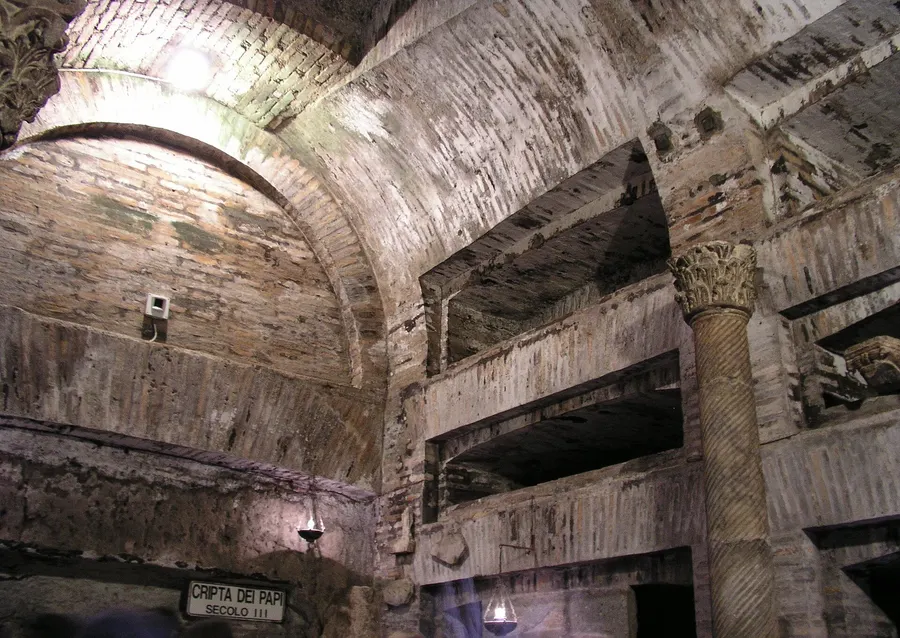
The Crypt of the Popes in the catacomb of Callixtus in Rome, where Sixtus II was buriedThe Crypt of the Popes in the catacomb of Callixtus in Rome, where Sixtus II was buriedImage: Dnalor 01 · CC BY-SA 3.0
culture · Europe

Pope Sixtus II is martyred in Rome

In the summer of 258 the Emperor Valerian ordered that Christian bishops, priests and deacons be put to death. On 6 August 258 soldiers found Pope Sixtus II, who had led the Church for barely a year, preaching to his people in the cemetery of Praetextatus on the Appian Way. He was beheaded there with four of his deacons, and two more deacons died the same day. He was buried in the Crypt of the Popes in the nearby catacomb of Callixtus and became one of the most honoured martyrs of Rome.

Source: Britannica: St. Sixtus II ↗
II
THE MIDDLE AGES

Medieval History

Kingdoms, conflict, faith, power and the changing medieval world.

1284
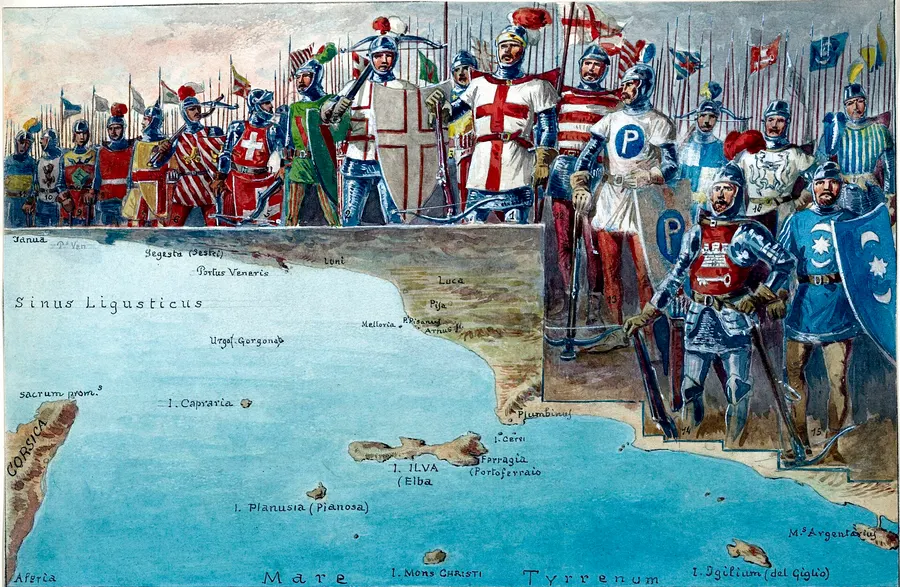
The Battle of Meloria in an illustration by the Italian artist Quinto Cenni, with Genoese and Pisan fighters above a map of the Tuscan coastThe Battle of Meloria in an illustration by the Italian artist Quinto Cenni, with Genoese and Pisan fighters above a map of the Tuscan coastImage: Quinto Cenni · Public domain
world · Europe

Genoa crushes the Pisan fleet at Meloria

In the 13th century the trading republics of Pisa and Genoa were bitter rivals for the commerce of the western Mediterranean and for control of Corsica and Sardinia. War broke out again in 1282, and by the summer of 1284 both cities had built large fleets of galleys. The Pisans, led by the Venetian-born podestà Albertino Morosini and Count Ugolino della Gherardesca, had more ships than the Genoese fleet under Oberto Doria. On 6 August 1284 the fleets met near the shoals of Meloria, off Pisa’s harbour close to modern Livorno. As the fight hung in the balance, a second Genoese squadron under Benedetto Zaccaria fell on the Pisan flank, and the Pisan fleet was destroyed. Thousands of Pisans were taken to Genoa as prisoners, and many died in captivity; one of them, Rustichello da Pisa, later wrote down Marco Polo’s account of his travels in a Genoese prison. Pisa never recovered its power at sea.

Source: Britannica: Battle of Meloria ↗
III
A CHANGING WORLD

Early Modern Era

Exploration, political change, scientific development and expanding global connections.

1538
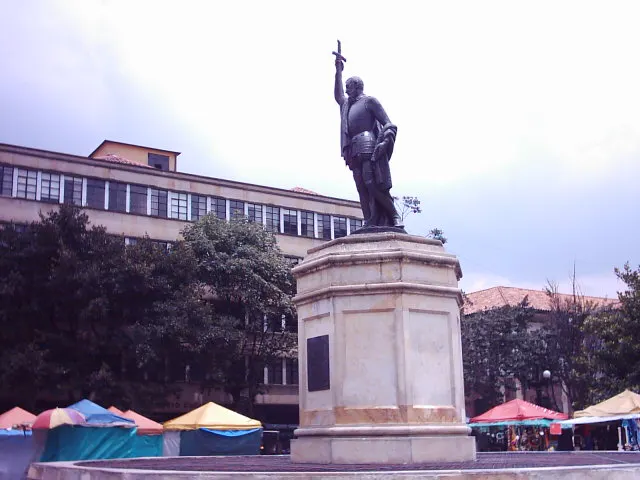
Juan de Ávalos's statue of Gonzalo Jiménez de Quesada, founder of Bogotá, at the Universidad del RosarioJuan de Ávalos’s statue of Gonzalo Jiménez de Quesada, founder of Bogotá, at the Universidad del RosarioImage: Baiji at Spanish Wikipedia · CC BY-SA 3.0
world · Americas

Gonzalo Jiménez de Quesada founds Bogotá

In 1536 the Spanish lawyer and conquistador Gonzalo Jiménez de Quesada led an expedition from Santa Marta on the Caribbean coast up the Magdalena river and into the high plateau of the Muisca people, whose lands he conquered. No founding document survives, but 6 August 1538, when a first mass was said in a thatched chapel, is accepted as the birthday of the city he named Santa Fe. It took the Muisca name Bacatá as Santa Fe de Bogotá, and is now Colombia’s capital.

Source: City of Bogotá: How old is Bogotá? ↗
IV
THE NINETEENTH CENTURY

The 1800s

Industry, empire, invention, reform and a century of enormous transformation.

1806
The Imperial Crown of the Holy Roman Empire, made in the 10th or 11th century and now in the Imperial Treasury in ViennaThe Imperial Crown of the Holy Roman Empire, made in the 10th or 11th century and now in the Imperial Treasury in ViennaImage: CSvBibra and Gryffindor · Public domain
politics · Europe

Francis II brings the Holy Roman Empire to an end

The Holy Roman Empire traced its origins to the crowning of Charlemagne in Rome in 800, and for centuries its emperors claimed to be the leading rulers of Christian Europe. By the 18th century it had become a loose patchwork of hundreds of German kingdoms, duchies, bishoprics and free cities, and the title of emperor had been held by the Habsburgs of Austria almost without a break since the 15th century. Napoleon’s victory over Austria and Russia at Austerlitz in December 1805 finished it. In July 1806 sixteen German states left the empire to form the Confederation of the Rhine under French protection, and Napoleon demanded that Francis II give up the imperial title. On 6 August 1806 Francis laid down the crown and declared the empire dissolved, rather than let it pass to Napoleon. He had already proclaimed himself Emperor of Austria in 1804, and ruled on as Francis I until his death in 1835.

Source: Britannica: Germany, the end of the Holy Roman Empire ↗
1824
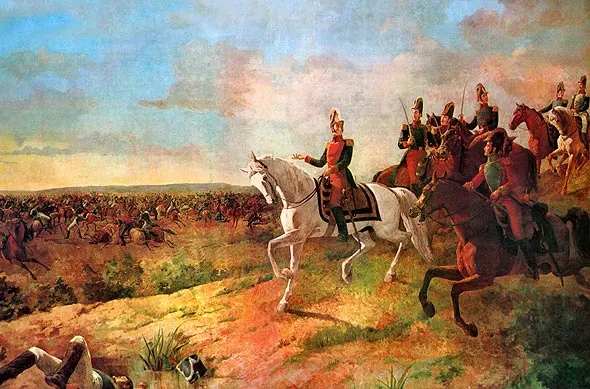
The Battle of Junín, painted by the Venezuelan artist Martín Tovar y TovarThe Battle of Junín, painted by the Venezuelan artist Martín Tovar y TovarImage: Martin Tovar y Tovar · Public domain
world · Americas

Bolívar’s cavalry wins the silent battle of Junín

In 1824 Simón Bolívar led an army of Peruvians, Colombians and others across the Andes against the last great Spanish army in South America. On 6 August 1824, on the high plain of Junín in central Peru, his cavalry met the royalist horsemen of General José de Canterac. It was fought with lances and sabres, without a shot fired, and lasted about 45 minutes; a late charge by Peruvian hussars won it. Bolívar renamed them the Hussars of Junín, and the victory led on to the decisive battle of Ayacucho in December.

Source: Britannica: Battle of Junín ↗
1861
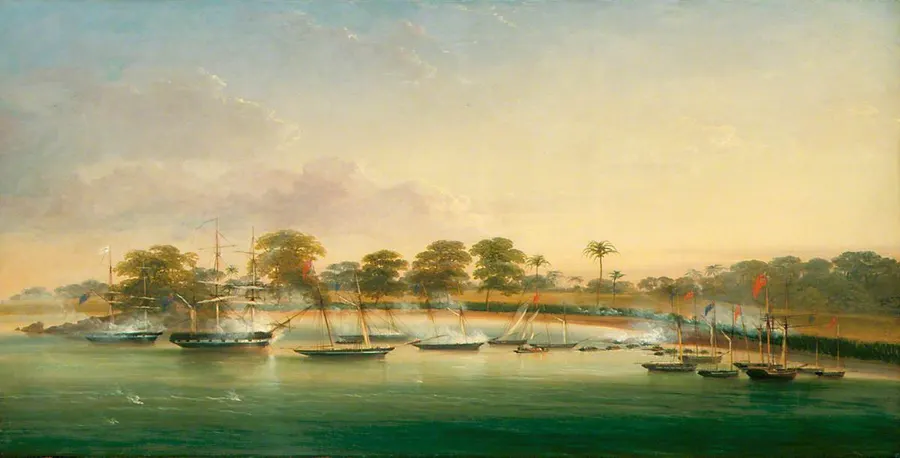
British warships attacked by the forces of the King of Lagos in 1851, painted by James George PhilpBritish warships attacked by the forces of the King of Lagos in 1851, painted by James George PhilpImage: James George Philp · Public domain
politics · Africa

King Dosunmu cedes Lagos to Britain

Britain had meddled in Lagos since 1851, when its warships shelled the town and put a new king on the throne, claiming to be stamping out the slave trade. Ten years later, with the guns of HMS Prometheus nearby, King Dosunmu (Docemo) signed a treaty on 6 August 1861 handing the port and island of Lagos to Queen Victoria in return for a yearly pension. Lagos became a British colony, and later the heart of colonial Nigeria.

Source: University of Nebraska-Lincoln, Ardhi: Treaty with Lagos, 1861 ↗
V
THE TWENTIETH CENTURY

The 1900s

War and peace, technological leaps, social change, politics, sport and popular culture.

1926
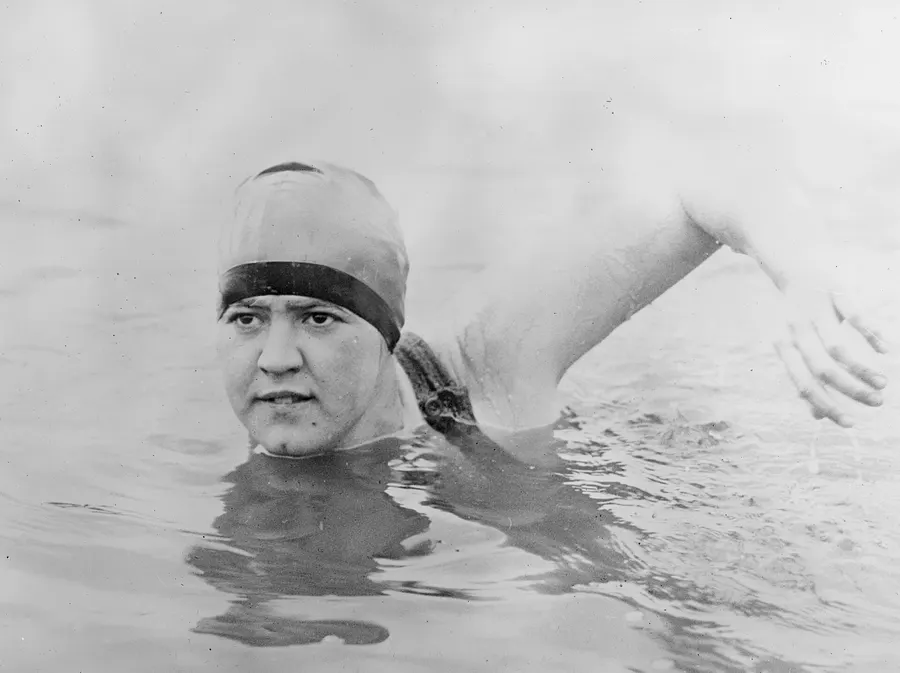
Gertrude Ederle swimming, photographed for the Bain News Service in the 1920sGertrude Ederle swimming, photographed for the Bain News Service in the 1920sImage: Bain News Service, publisher · Public domain
sport · Europe

Gertrude Ederle becomes the first woman to swim the Channel

Gertrude Ederle, the daughter of a New York butcher, set dozens of amateur swimming records as a teenager and won a gold and two bronze medals at the Paris Olympics of 1924. In 1925 she tried to swim the English Channel, but her trainer had her pulled from the water, believing she was in trouble. Only five men had ever made the crossing. On 6 August 1926, aged 19, she walked into the sea at Cap Gris-Nez in France, smeared with grease against the cold. Rough water pushed her far off course, turning a crossing of about 21 miles into one of about 35, but she came ashore at Kingsdown in Kent that night after about 14 and a half hours (sources give 14 hours 31 or 39 minutes), almost two hours faster than any man before her. New York welcomed her home with a ticker-tape parade.

Source: Britannica: Gertrude Ederle ↗
1932
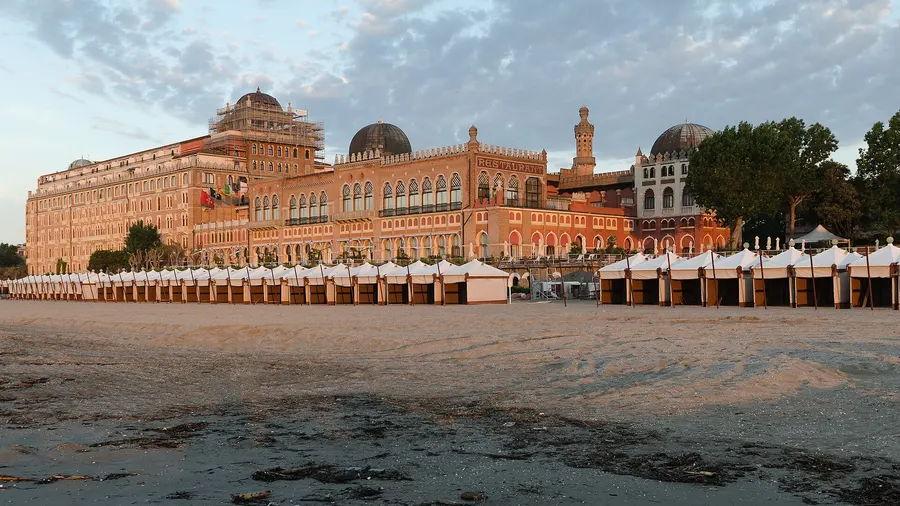
The Hotel Excelsior on the Lido of Venice, on whose terrace the first film festival was held in 1932The Hotel Excelsior on the Lido of Venice, on whose terrace the first film festival was held in 1932Image: Florian Fuchs · CC BY-SA 3.0
culture · Europe

The world’s first film festival opens in Venice

The Venice Biennale had shown contemporary art since 1895, and in 1932 it added something new: an international exhibition of the art of cinema. Nothing like it had been held before. It was staged not in the city itself but on the Lido, the long sandy island across the lagoon, where the grand hotels drew wealthy summer visitors. The first screening took place on the terrace of the Hotel Excelsior at 9.15 p.m. on 6 August 1932: Rouben Mamoulian’s Dr Jekyll and Mr Hyde. The festival ran until 21 August with films from several countries, among them Grand Hotel and René Clair’s À nous la liberté. There were no official prizes; instead the audience voted. The event returned in 1934 and soon became annual, and its Golden Lion is now one of the most prized awards in film.

Source: La Biennale di Venezia: 1932, the first Venice International Film Festival ↗
1945
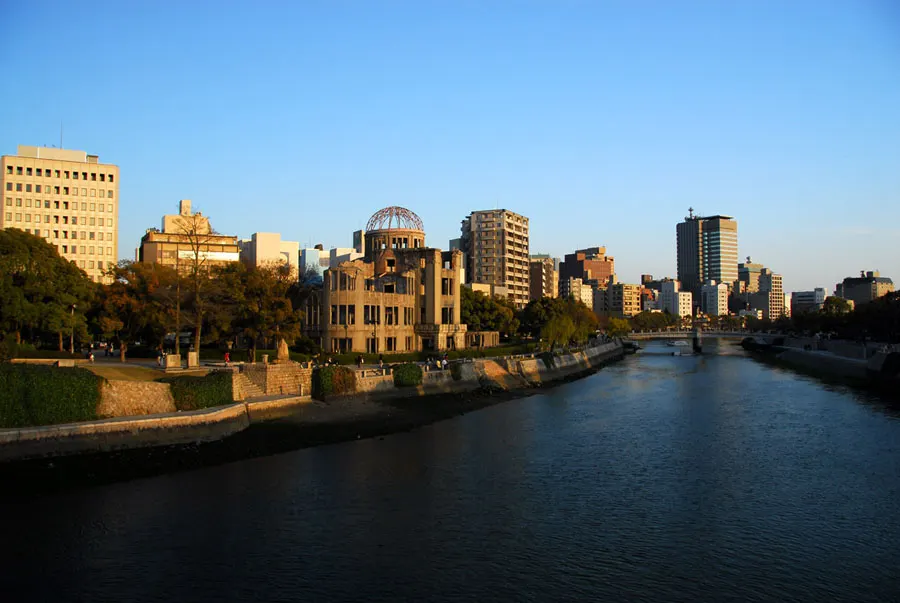
The Genbaku Dome, the ruined exhibition hall close to the centre of the blast, seen from the Aioi Bridge in HiroshimaThe Genbaku Dome, the ruined exhibition hall close to the centre of the blast, seen from the Aioi Bridge in HiroshimaImage: SElefant · CC BY-SA 3.0
world · Asia

An atomic bomb destroys Hiroshima

By the summer of 1945 Germany had surrendered, but the war in the Pacific went on. On 26 July the Allies’ Potsdam Declaration called on Japan to surrender unconditionally or face ‘prompt and utter destruction’, and Japan’s government did not accept. In the United States the Manhattan Project had tested the first atomic bomb in New Mexico ten days before, and a uranium bomb nicknamed Little Boy was flown to the island of Tinian in the western Pacific. At 8.15 a.m. on 6 August 1945 the B-29 bomber Enola Gay dropped Little Boy on Hiroshima, a city of about 350,000 people. It exploded in the air near the Aioi Bridge with the force of about 15,000 tons of TNT, flattening and burning most of the city. Estimates of the dead vary; about 70,000 people are thought to have been killed at once and more than 100,000 by the end of the year, many from burns and radiation. The shell of the domed exhibition hall near the centre of the blast was kept as the Genbaku Dome, and each 6 August the city holds a ceremony for peace.

Source: National Park Service: Timeline of the atomic bombings of Hiroshima and Nagasaki ↗
1961
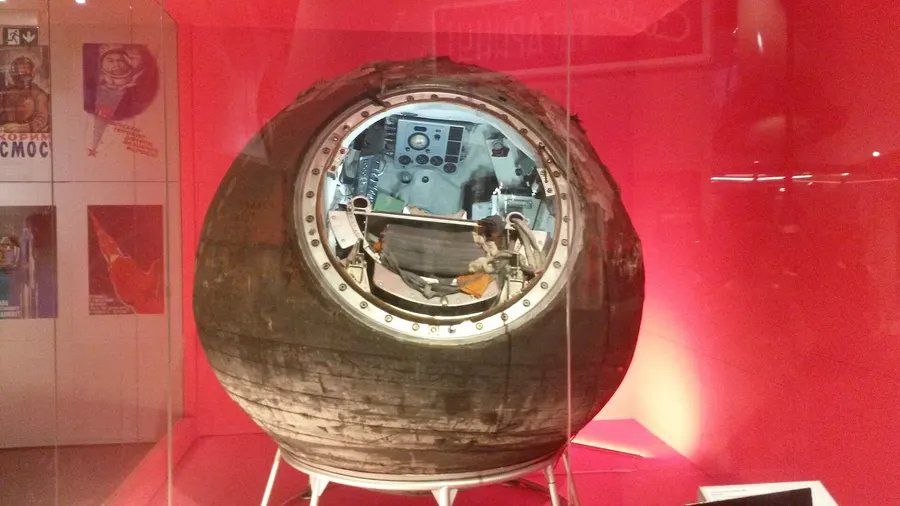
A Vostok capsule of the kind that carried Titov, the Vostok 6 descent module now on displayA Vostok capsule of the kind that carried Titov, the Vostok 6 descent module now on displayImage: Andrew Gray · CC BY-SA 3.0
science · Asia

Gherman Titov spends a whole day in orbit

Four months after Yuri Gagarin’s single orbit of the Earth, the Soviet Union launched Vostok 2 from Baikonur on 6 August 1961 with Gherman Titov, not yet 26, on board. He circled the Earth 17 times in just over 25 hours, the first person to spend a full day in space, to sleep in orbit and to suffer from space sickness. He landed near Saratov the next day, and remains the youngest person ever to fly in space.

Source: NASA Space Science Data Coordinated Archive: Vostok 2 ↗
1962
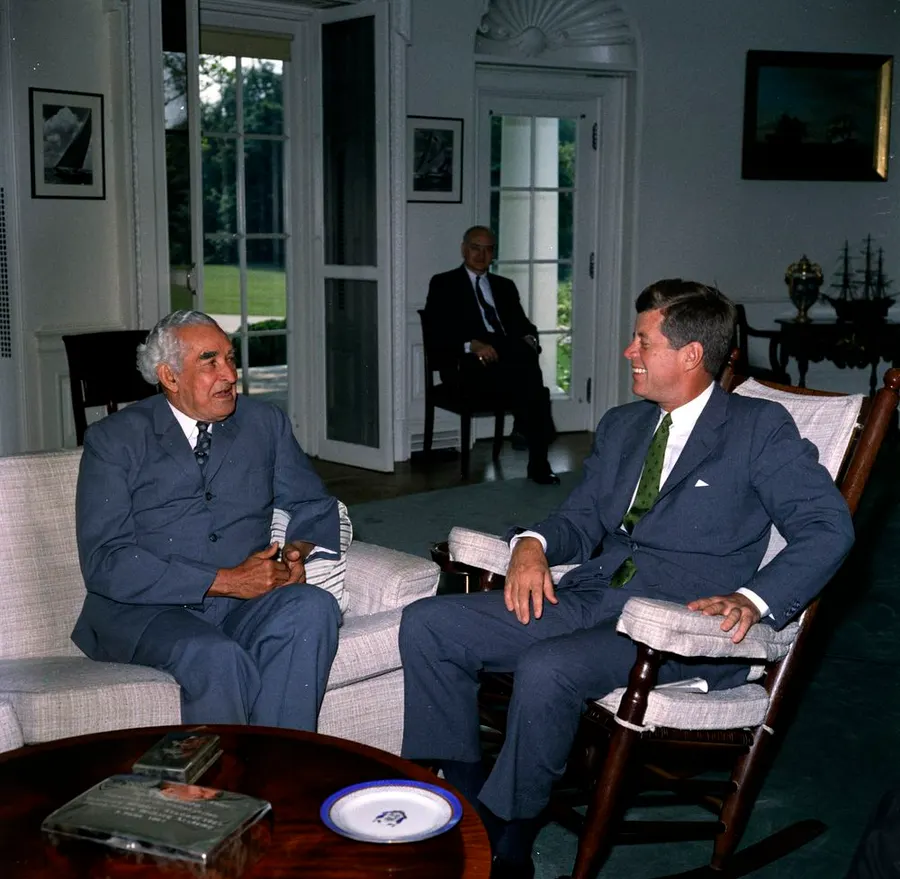
Sir Alexander Bustamante, Jamaica's first prime minister, meets President John F. Kennedy at the White HouseSir Alexander Bustamante, Jamaica’s first prime minister, meets President John F. Kennedy at the White HouseImage: Robert Knudsen, White House Photographs (John F. Kennedy Presidential Library and Museum) · Public domain
politics · Americas

Jamaica becomes independent

England seized Jamaica from Spain in 1655, and for nearly two centuries it was one of Britain’s richest sugar colonies, worked by hundreds of thousands of enslaved Africans until slavery ended in the 1830s. In the 20th century unrest among workers in the late 1930s gave rise to two political parties, led by the cousins Alexander Bustamante and Norman Manley. Jamaica joined the short-lived West Indies Federation in 1958, but in 1961 its voters chose to leave it and go it alone. Independence came on 6 August 1962. At midnight the Union Jack was lowered in Kingston and the new black, green and gold flag was raised, and Princess Margaret represented the Queen at the celebrations. Bustamante, whose Jamaica Labour Party had won the election that April, became the first prime minister. Jamaica stayed in the Commonwealth with the British monarch as head of state, and 6 August is its national day.

Source: National Library of Jamaica: Jamaica Independence, 1962 ↗
1965
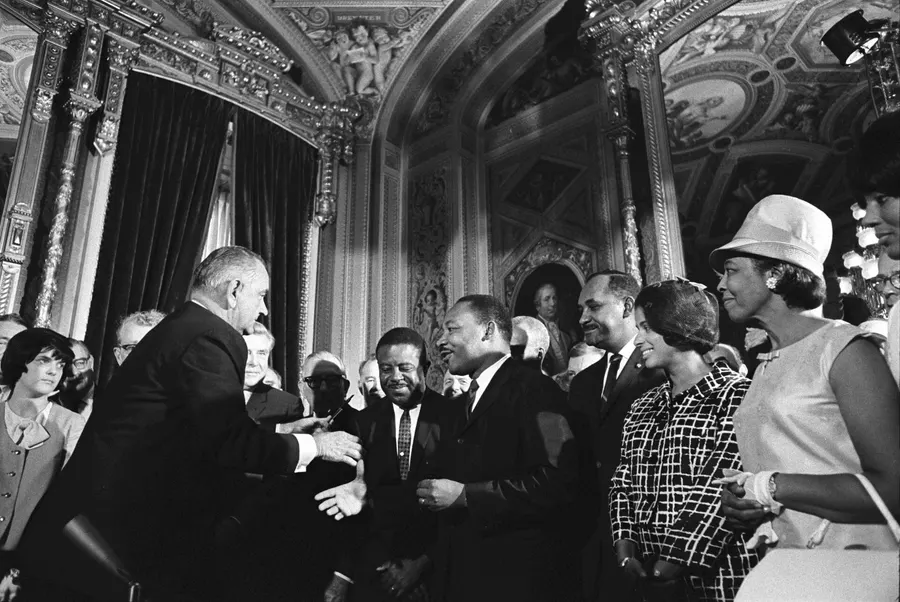
President Lyndon B. Johnson with Martin Luther King Jr. at the signing of the Voting Rights Act, photographed by Yoichi OkamotoPresident Lyndon B. Johnson with Martin Luther King Jr. at the signing of the Voting Rights Act, photographed by Yoichi OkamotoImage: Yoichi Okamoto · Public domain
politics · Americas

Lyndon Johnson signs the Voting Rights Act

The 15th Amendment of 1870 had promised that no American could be denied the vote because of race, but across the South literacy tests, poll taxes, rigged registration and violence kept most Black citizens off the voting rolls. In March 1965 state troopers beat peaceful marchers on the Edmund Pettus Bridge at Selma, Alabama, on the day that became known as Bloody Sunday, and the pictures shocked the country. Days later President Lyndon Johnson asked Congress for a strong voting rights law. Congress passed the bill on 5 August, and on 6 August 1965 Johnson signed it in the President’s Room of the Capitol, with Martin Luther King Jr. and Rosa Parks among those watching. The act banned literacy tests, sent federal examiners to register voters and required places with a history of discrimination to get approval before changing their voting rules. Within a few years the number of Black voters registered in the South had risen sharply.

Source: National Archives: Voting Rights Act (1965) ↗
1966
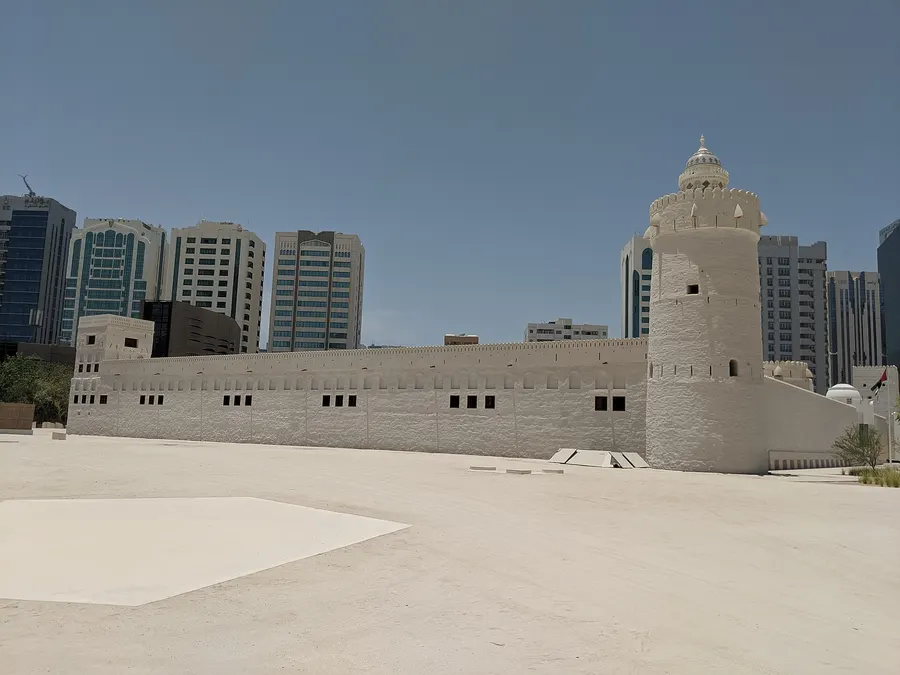
Qasr al-Hosn, the old fort in Abu Dhabi that was the seat of the ruling familyQasr al-Hosn, the old fort in Abu Dhabi that was the seat of the ruling familyImage: Peturrunar · CC BY-SA 4.0
politics · Middle East

Sheikh Zayed becomes ruler of Abu Dhabi

Oil began to flow from Abu Dhabi in 1962, but its ruler, Sheikh Shakhbut, was slow to spend the new wealth. On 6 August 1966 the ruling Al Nahyan family replaced him with his younger brother Zayed bin Sultan, who had governed the oasis town of Al Ain for 20 years. Zayed poured oil money into roads, housing, schools and hospitals, and in 1971 led the founding of the United Arab Emirates, which he served as president until his death in 2004.

Source: UAE Government: Founders of the Union ↗
1990
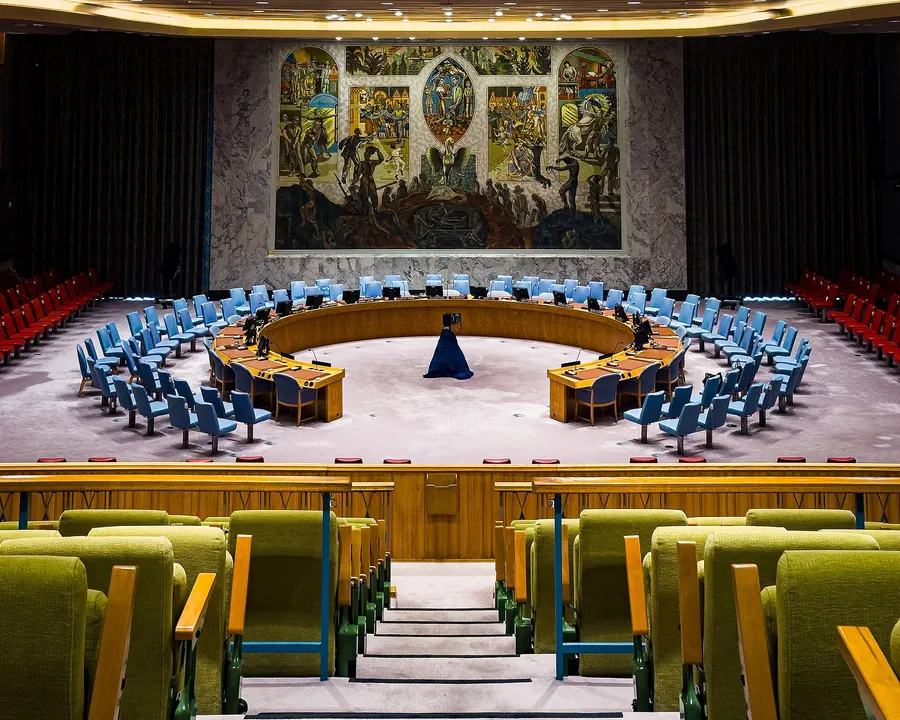
The Security Council chamber at United Nations headquarters in New YorkThe Security Council chamber at United Nations headquarters in New YorkImage: Jdforrester · CC BY 4.0
politics · Middle East

The UN orders a trade embargo on Iraq

Four days after Iraq invaded Kuwait, the UN Security Council met on 6 August 1990 and adopted Resolution 661 by 13 votes to none, with Cuba and Yemen abstaining. It ordered all countries to stop trading with Iraq and occupied Kuwait, except for medical supplies and, in humanitarian circumstances, food, and set up a committee to watch over the sanctions. They stayed in force long after the Gulf War of 1991, with severe effects on ordinary Iraqis, and were lifted only in 2003.

Source: UN Digital Library: Security Council resolution 661 (1990) ↗
VI
2000 TO TODAY

Modern Day

The events of recent decades that have already become part of the historical record.

2012
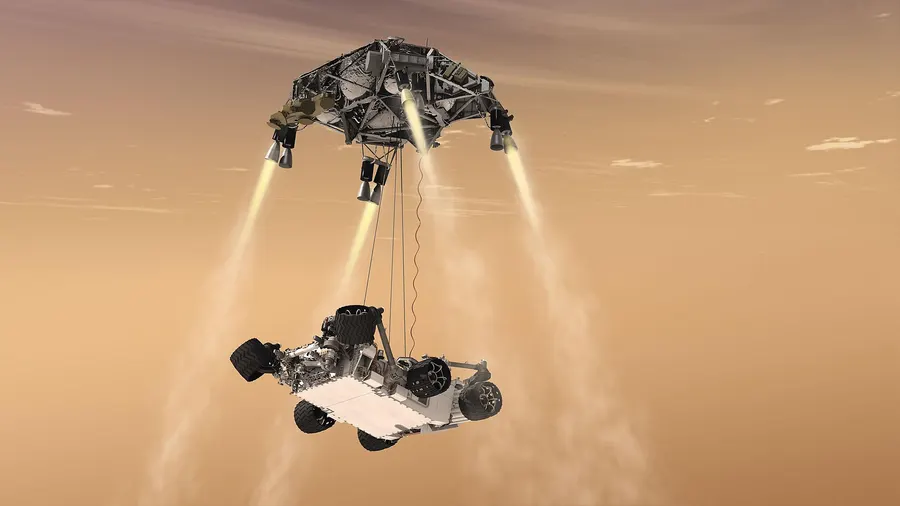
An artist's impression of the sky crane lowering Curiosity on to the surface of Mars on cablesAn artist’s impression of the sky crane lowering Curiosity on to the surface of Mars on cablesImage: NASA/JPL-Caltech · Public domain
science · Global

The Curiosity rover lands on Mars

NASA’s Curiosity rover, launched in November 2011, was the size of a small car and weighed about 900 kilograms, far too heavy to be bounced on to Mars inside airbags like earlier rovers. Engineers instead designed a landing that sounded almost absurd: after a heat shield and a giant parachute had slowed it, a rocket-powered ‘sky crane’ would hover above the ground and lower the rover on nylon cables, then fly off and crash at a safe distance. It worked. Curiosity touched down in Gale Crater late on 5 August 2012 by California time, which was early on 6 August in Greenwich time, and mission control erupted in cheers. Its task was to find out whether Mars had ever been able to support life, and within months it found rocks showing that an ancient lake in the crater once had water fit for microbes. It has since spent more than a decade climbing Mount Sharp, the peak in the middle of the crater.

Source: NASA: Curiosity celebrates 10 years on Mars ↗
RESEARCH

Sources & Further Reading

Selected authoritative references supporting the events on this page.

Britannica: St. Sixtus II↗Catholic Encyclopedia (New Advent): Pope St. Sixtus II↗Britannica: Battle of Meloria↗Treccani, Enciclopedia Italiana: Meloria↗City of Bogotá: How old is Bogotá?↗Britannica: Bogotá↗Britannica: Germany, the end of the Holy Roman Empire↗Britannica: Francis II, Holy Roman emperor↗Britannica: Battle of Junín↗Bicentenario del Perú: Anniversary of the Battle of Junín↗University of Nebraska-Lincoln, Ardhi: Treaty with Lagos, 1861↗Wikipedia: Lagos Treaty of Cession↗Britannica: Gertrude Ederle↗Smithsonian American Women’s History Museum: The story of Gertrude Ederle↗La Biennale di Venezia: 1932, the first Venice International Film Festival↗Britannica: Venice Film Festival↗National Park Service: Timeline of the atomic bombings of Hiroshima and Nagasaki↗Atomic Heritage Foundation: Bombings of Hiroshima and Nagasaki, 1945↗NASA Space Science Data Coordinated Archive: Vostok 2↗NASA History: Titov widens the gap↗National Library of Jamaica: Jamaica Independence, 1962↗Jamaica Information Service: Independence↗National Archives: Voting Rights Act (1965)↗United States Senate: An unintended legacy of the Voting Rights Act of 1965↗UAE Government: Founders of the Union↗Britannica: Sheikh Shakhbut ibn Sultan Al Nahyan↗UN Digital Library: Security Council resolution 661 (1990)↗UN Press: Security Council lifts sanctions on Iraq (2003)↗NASA: Curiosity celebrates 10 years on Mars↗NASA Jet Propulsion Laboratory: Mars Science Laboratory Curiosity rover↗
WHY THESE MOMENTS?

Significance before volume

This page is not the longest possible list of events. It is a chronological journey through 6 August, where each entry is chosen for historical significance, human interest and reliability.

Facts are checked against authoritative museums, archives, universities and reference works. Where sources disagree, the page says so.

EXPLORED THE DEEPER STORY?

Return to the highlights of 6 August

Discover the lighter side of the date with famous birthdays, culture, firsts and lives remembered.

Explore This Day →
← PREVIOUS DAY5 August
HISTORY & TIMELINE6 August
NEXT DAY →7 August