
HISTORY & TIMELINE
5 August

A journey through
5 August in history

The story of 5 August runs from the hurried crowning of Henry I at Westminster in 1100 to Usain Bolt’s second Olympic 100 metres title in London in 2012. In between come Humphrey Gilbert’s claim to Newfoundland, the First Partition of Poland, the completion of the first transatlantic telegraph cable, the opening of the first Esperanto congress, the Shah’s decree that set Iran on the road to a constitution, the mass breakout at Cowra, the Ambato earthquake, the independence of Upper Volta, the arrest of Nelson Mandela, Mariner 7’s flight past Mars, the first South Pacific Forum and the collapse of the San José mine in Chile.

II
THE MIDDLE AGES

Medieval History

Kingdoms, conflict, faith, power and the changing medieval world.

1100
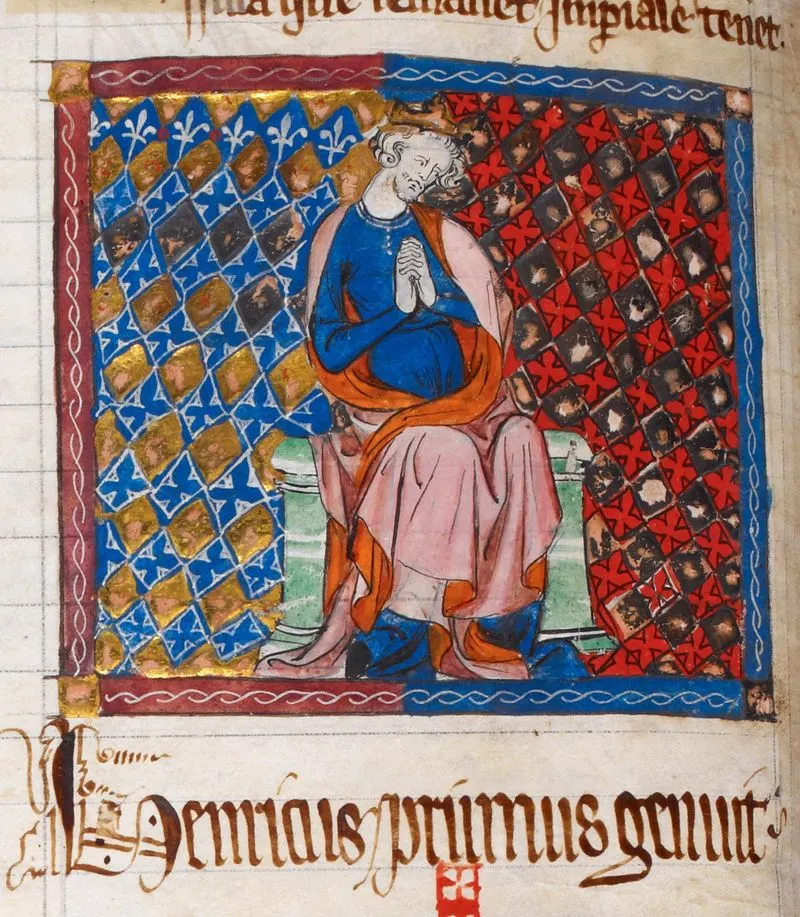
Henry I enthroned, from a medieval English chronicle manuscript in the British Library (Cotton Claudius D ii)Henry I enthroned, from a medieval English chronicle manuscript in the British Library (Cotton Claudius D ii)Image: Medieval artists · Public domain
politics · Europe

Henry I is crowned at Westminster three days after his brother’s death

On 2 August 1100 King William II, known as Rufus, was killed by an arrow while hunting in the New Forest. His younger brother Henry, who was in the hunting party, rode at once to Winchester to seize the royal treasury and then to London, determined to be crowned before their elder brother Robert came home from the crusade. He was crowned in Westminster Abbey on 5 August 1100, and his coronation oath was the first to be written down.

Source: Westminster Abbey: Henry I ↗
III
A CHANGING WORLD

Early Modern Era

Exploration, political change, scientific development and expanding global connections.

1583
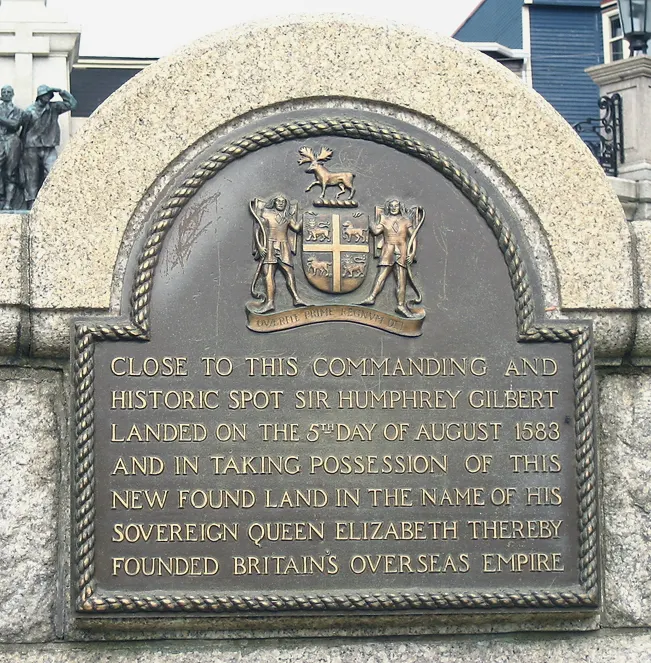
A plaque in St John's recalling Sir Humphrey Gilbert's landing on 5 August 1583A plaque in St John’s recalling Sir Humphrey Gilbert’s landing on 5 August 1583Image: SMaloney · Public domain
world · Americas

Humphrey Gilbert claims Newfoundland for England

Sir Humphrey Gilbert held a patent from Elizabeth I to settle lands in North America not held by any Christian prince. On 5 August 1583 he sailed into the harbour of St John’s, where fishing fleets from several nations were at work, gathered the fishermen before his tent and declared the land English, with himself as governor. No settlement followed: on the voyage home his little ship, the Squirrel, went down with all hands in a storm.

Source: The Canadian Encyclopedia: Sir Humphrey Gilbert ↗
1772
The monarchs of Russia, Austria and Prussia point to their shares of a map of Poland, while Poland's king clutches his crown, in an engraving by Noël Le Mire after Jean-Michel MoreauThe monarchs of Russia, Austria and Prussia point to their shares of a map of Poland, while Poland’s king clutches his crown, in an engraving by Noël Le Mire after Jean-Michel MoreauImage: Noël Le Mire / After Jean-Michel Moreau · Public domain
politics · Europe

Russia, Prussia and Austria agree the First Partition of Poland

In the 18th century the Polish-Lithuanian Commonwealth was one of the largest states in Europe, but its elected kings were weak and its parliament could be paralysed by the veto of a single deputy. Russia treated it as a protectorate, and when Polish nobles rose against Russian influence in the Bar Confederation of 1768, Catherine the Great’s armies crushed them. Prussia’s Frederick the Great and Austria, worried that Russia would gain too much, looked for shares of their own. On 5 August 1772 the three powers signed their agreement at St Petersburg. Russia took the lands east of the Dvina and Dnieper rivers, Prussia took Royal Prussia, cutting Poland off from much of its coast, and Austria took the region that became Galicia. Poland lost almost a third of its territory and about half its people, and in 1773 its parliament was forced to ratify the loss. Two more partitions, in 1793 and 1795, wiped Poland off the map until 1918.

Source: Britannica: Partitions of Poland ↗
IV
THE NINETEENTH CENTURY

The 1800s

Industry, empire, invention, reform and a century of enormous transformation.

1858
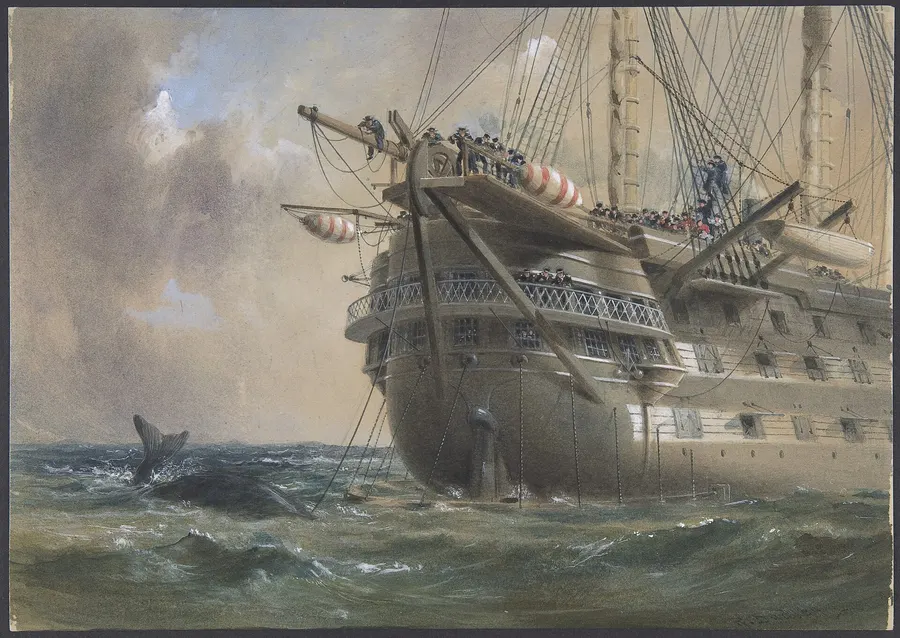
HMS Agamemnon laying the Atlantic telegraph cable in 1858, with a whale crossing the line, painted by Robert Charles DudleyHMS Agamemnon laying the Atlantic telegraph cable in 1858, with a whale crossing the line, painted by Robert Charles DudleyImage: Robert Charles Dudley · CC0
science · Global

The first telegraph cable across the Atlantic comes ashore

By the 1850s telegraph wires crossed Europe and North America, but news between the two still travelled by ship and took ten days or more. The American businessman Cyrus West Field set out to join them with a cable laid on the bed of the Atlantic, and with British and American backing two warships, HMS Agamemnon and USS Niagara, each carried half of it to sea. Two attempts in 1857 and early 1858 ended with the cable snapping and sinking. In July 1858 the ships met in mid-ocean, spliced the two halves together and steamed away in opposite directions. On 5 August 1858 both ends were landed, at Trinity Bay in Newfoundland and at Valentia Island in Ireland, and Field’s shout of ‘The cable is laid!’ set off celebrations on both sides of the ocean. Messages crawled along at a few words a minute, and within weeks the signal faded and the cable failed. A lasting link came only in 1866, but the idea of near-instant contact across an ocean had been proved.

Source: PBS American Experience: The Great Transatlantic Cable ↗
V
THE TWENTIETH CENTURY

The 1900s

War and peace, technological leaps, social change, politics, sport and popular culture.

1905
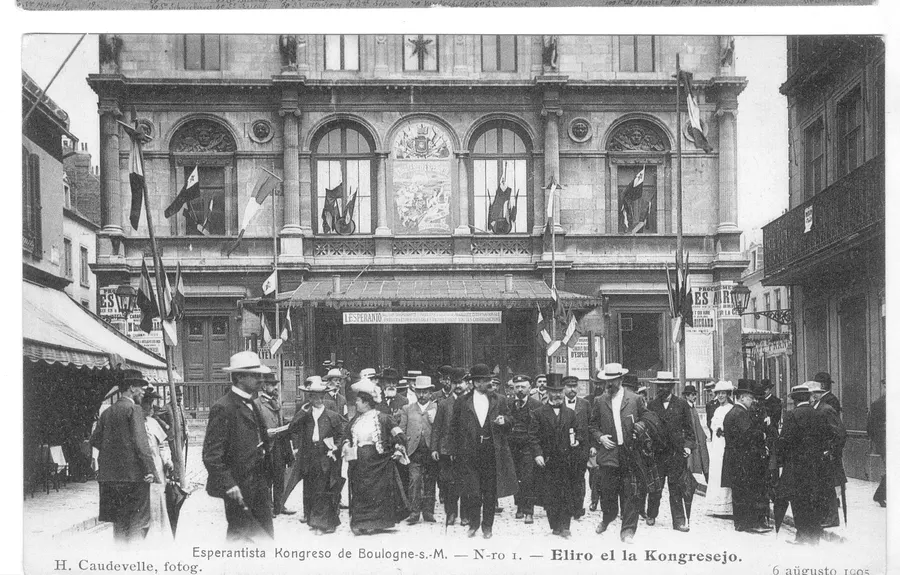
Delegates leave the congress hall at Boulogne-sur-Mer during the first World Esperanto Congress, photographed by Henri Caudevelle on 6 August 1905Delegates leave the congress hall at Boulogne-sur-Mer during the first World Esperanto Congress, photographed by Henri Caudevelle on 6 August 1905Image: Henri Caudevelle · Public domain
culture · Europe

The first World Esperanto Congress opens in Boulogne-sur-Mer

In 1887 Ludwik Zamenhof, an eye doctor in Warsaw, published a short book introducing an international language he hoped would help people of different nations understand one another. Esperanto, named after his pen name ‘Doktoro Esperanto’, ‘one who hopes’, spread through clubs and magazines, but its speakers had mostly met only on paper. On 5 August 1905 688 Esperantists from 20 countries gathered in the French port of Boulogne-sur-Mer for the first world congress, which ran for a week. The congress agreed the Declaration of Boulogne, which made Zamenhof’s Fundamento de Esperanto the fixed basis of the language, and world congresses have been held almost every year since.

Source: Austrian National Library: Esperanto World Congresses ↗
1906
The royal decree of 1906 in which Mozaffar ad-Din Shah granted Persia an elected assemblyThe royal decree of 1906 in which Mozaffar ad-Din Shah granted Persia an elected assemblyImage: Unknown author · Public domain
politics · Middle East

The Shah of Persia agrees to an elected parliament

At the start of the 20th century Persia was ruled by the Qajar shahs, whose treasury was empty and who were selling concessions and borrowing heavily from Russia and Britain. Merchants, clergy and reformers blamed the court for the country’s weakness, and protests grew through 1905 and 1906. In the summer of 1906 leading clerics withdrew to the holy city of Qom, and thousands of people took sanctuary in the grounds of the British legation in Tehran, refusing to leave until they were given a ‘house of justice’. On 5 August 1906 the ailing Mozaffar ad-Din Shah issued a decree granting an assembly of representatives. The protesters thought the first wording too vague, and a second decree followed a few days later, but the principle had been won. The first Majles opened in October, and the shah signed a constitution at the end of December, days before he died. Iran still remembers the date of the decree as Constitution Day.

Source: Encyclopaedia Iranica: Constitutional Revolution, ii. Events ↗
1944
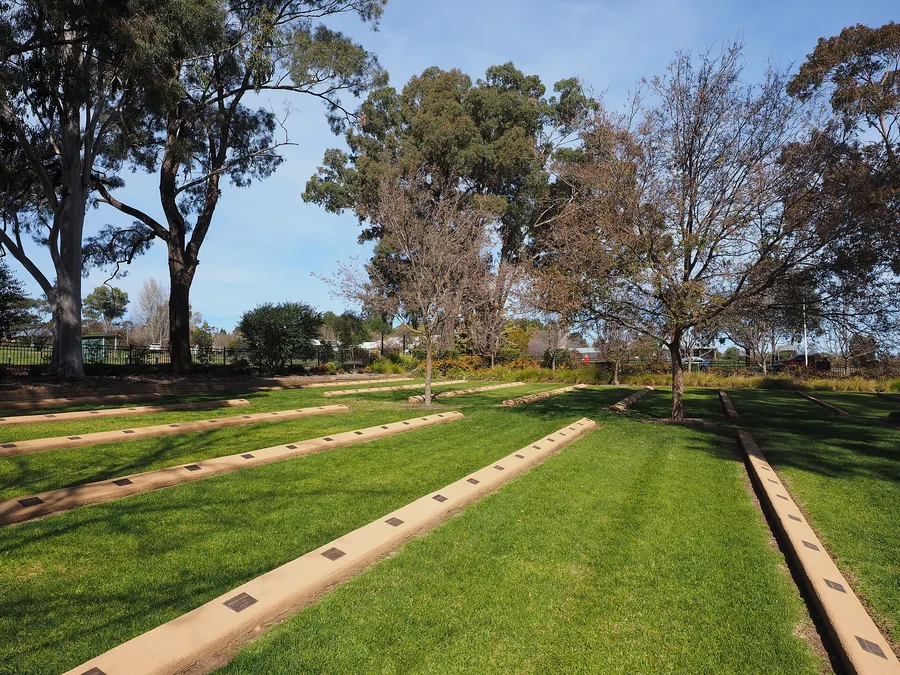
Graves in the Japanese War Cemetery at Cowra, where the prisoners who died in the breakout are buriedGraves in the Japanese War Cemetery at Cowra, where the prisoners who died in the breakout are buriedImage: Nick-D · CC BY-SA 4.0
world · Oceania

Japanese prisoners break out of the camp at Cowra

Just before 2 a.m. on 5 August 1944, after hearing that they were to be split up and moved, more than 1,000 Japanese prisoners of war rushed the wire of the camp at Cowra in New South Wales, armed with knives, clubs and baseball bats. It was one of the largest prison escapes of the Second World War. Four Australian soldiers and 234 prisoners were killed, and the survivors were all rounded up within ten days.

Source: Australian War Memorial: Cowra breakout ↗
1949
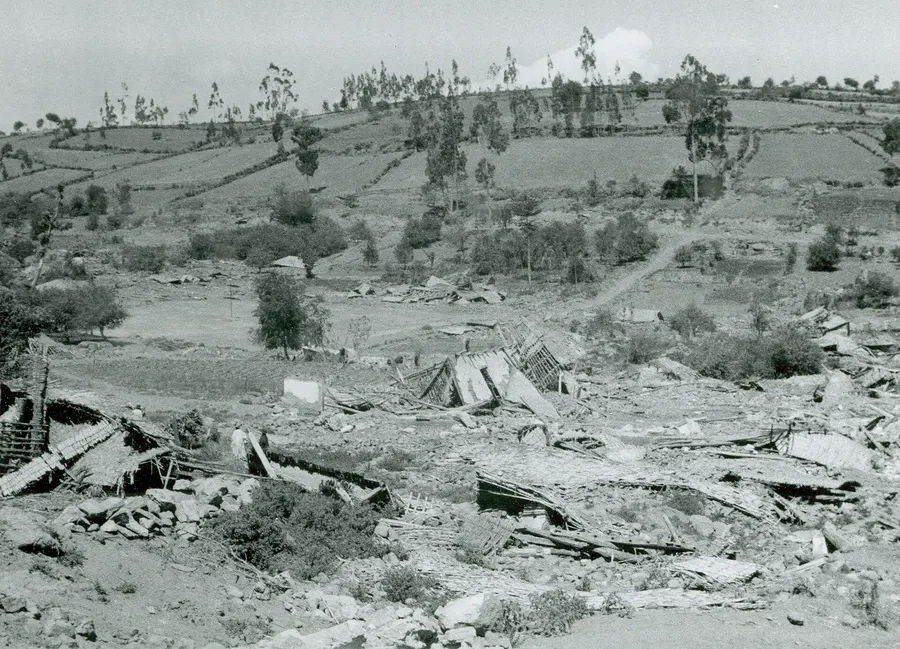
Rubble on the hillside at Pelileo after the earthquake of 1949Rubble on the hillside at Pelileo after the earthquake of 1949Image: G. E. Lewis · Public domain
world · Americas

An earthquake devastates the central highlands of Ecuador

On 5 August 1949 a powerful earthquake struck near the Andean city of Ambato, about 115 kilometres south of Quito. It was the most destructive in Ecuador’s history: the towns of Pelileo, Guano, Patate and Píllaro were destroyed, about a third of Ambato fell, and landslides blocked roads and rivers. Nearly 6,000 people were killed. Pelileo was rebuilt on a new site nearby.

Source: US Geological Survey: Significant earthquakes of 1949 ↗
1960
Maurice Yaméogo, the first president of Upper Volta, photographed in 1960Maurice Yaméogo, the first president of Upper Volta, photographed in 1960Image: Service de Presse et d'Information, France · Public domain
politics · Africa

Upper Volta, today’s Burkina Faso, becomes independent

The land of the Mossi kingdoms in the bend of the Volta rivers was conquered by France in the 1890s. The French made it a separate colony, Upper Volta, in 1919, broke it up among its neighbours in 1932 to supply labour to the Ivory Coast, and put it back together in 1947. After the Second World War local politicians won a growing say in its affairs, and in 1958 it became a self-governing republic within the French Community. Full independence came on 5 August 1960, one of a wave of French African colonies to go free that year, with Maurice Yaméogo of the Voltaic Democratic Union as president. Yaméogo soon banned opposition parties, and in 1966, after strikes and street protests, he was overthrown by the army under Lieutenant Colonel Sangoulé Lamizana. In 1984 the country took the name Burkina Faso, ‘land of upright people’.

Source: US Department of State: Background Note, Burkina Faso ↗
1962
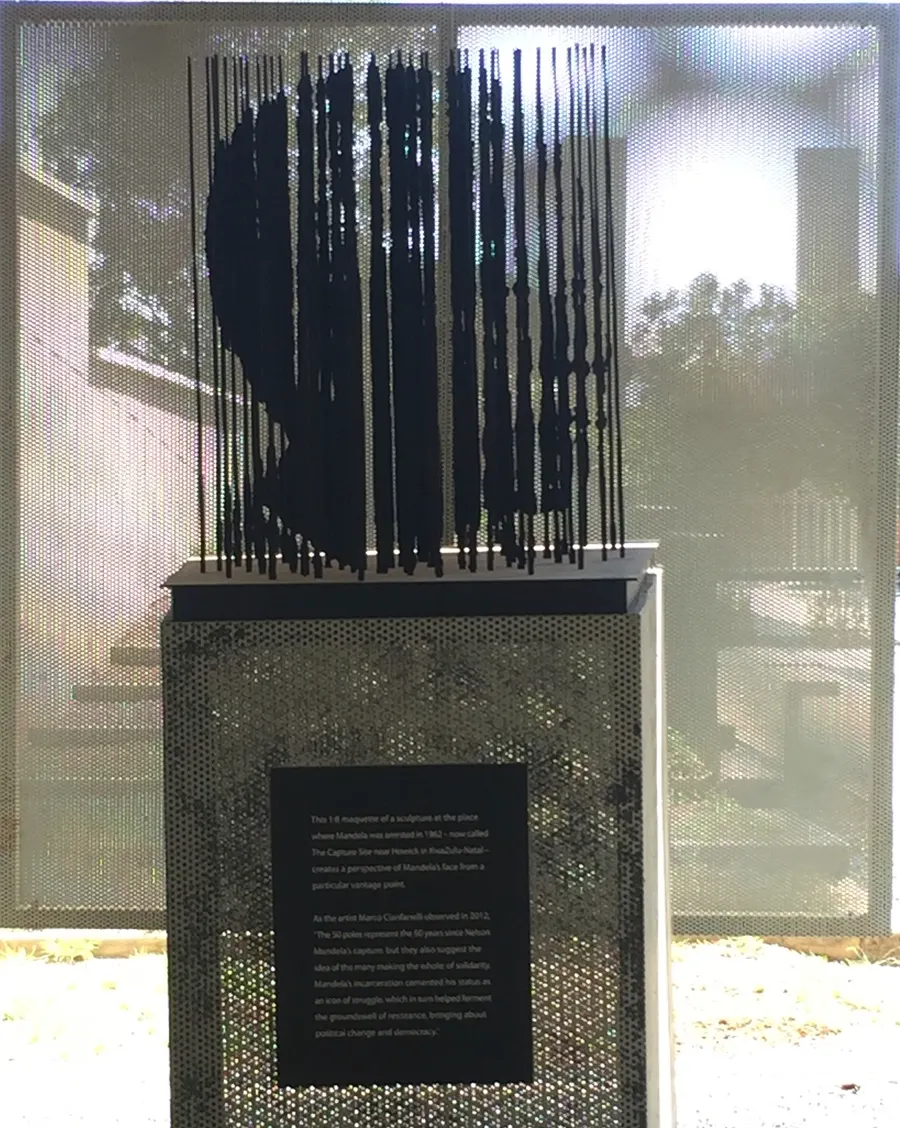
Marco Cianfanelli's portrait of Mandela made from steel columns, a version of his sculpture at the capture site near HowickMarco Cianfanelli’s portrait of Mandela made from steel columns, a version of his sculpture at the capture site near HowickImage: Wyatt Tyrone Smith · CC BY-SA 4.0
politics · Africa

Nelson Mandela is arrested at a roadblock near Howick

Nelson Mandela had lived underground for more than a year, leading the ANC’s new armed wing and travelling secretly abroad to seek support and military training. On 5 August 1962, on his way back to Johannesburg from Natal, where he had briefed the ANC president Albert Luthuli, he was stopped at a police roadblock outside Howick. Sentenced that November to five years for incitement and leaving the country without a passport, he would not be free again until 1990.

Source: Nelson Mandela Foundation: Trials and prisons chronology ↗
1969
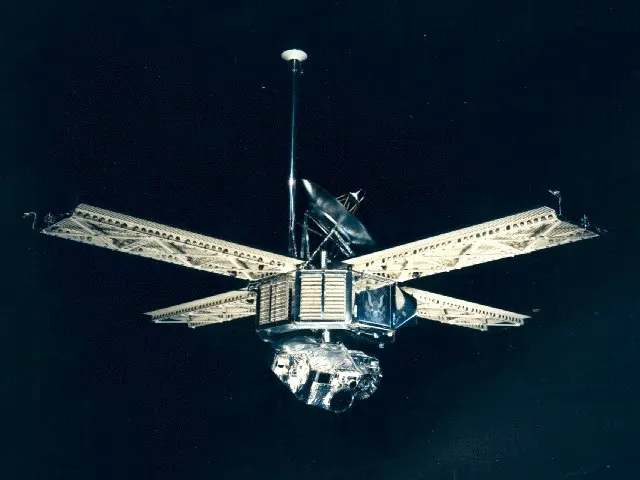
The twin spacecraft Mariner 6 and Mariner 7, in a NASA drawingThe twin spacecraft Mariner 6 and Mariner 7, in a NASA drawingImage: NASA · Public domain
science · Americas

Mariner 7 flies past Mars

NASA’s Mariner 4 had sent back the first close-up pictures of Mars in 1965, but only 22 of them. In 1969 two larger spacecraft, Mariner 6 and Mariner 7, were launched a month apart to take a longer look. Mariner 6 flew past the planet on 31 July, photographing a band of ground near the equator. Mariner 7 made its closest approach at about 5 a.m. universal time on 5 August 1969, passing some 3,430 kilometres above the surface and aiming its cameras and instruments at the southern hemisphere and the south polar cap. Between them the two craft returned around 200 pictures, which showed a cold, heavily cratered world with a thin atmosphere, and nothing like the canals once imagined there.

Source: NASA Science: Mariner 7 ↗
1971
Leaders and ministers at the first South Pacific Forum in Wellington, 5 to 7 August 1971, in front of a map of Australia and OceaniaLeaders and ministers at the first South Pacific Forum in Wellington, 5 to 7 August 1971, in front of a map of Australia and OceaniaImage: Archives New Zealand from New Zealand · CC BY-SA 2.0
politics · Oceania

Pacific leaders meet in Wellington for the first South Pacific Forum

As Pacific island states began to win independence, their leaders wanted a meeting of their own, not one run by the old colonial powers. On 5 August 1971 the leaders of Western Samoa, Tonga, Fiji, Nauru and the Cook Islands met ministers from New Zealand and Australia in Wellington for three days of informal talks on trade, shipping, tourism and education. They agreed to meet every year, and the gathering grew into today’s Pacific Islands Forum.

Source: Pacific Islands Forum Secretariat: South Pacific Forum, Wellington, 5 to 7 August 1971 ↗
VI
2000 TO TODAY

Modern Day

The events of recent decades that have already become part of the historical record.

2010
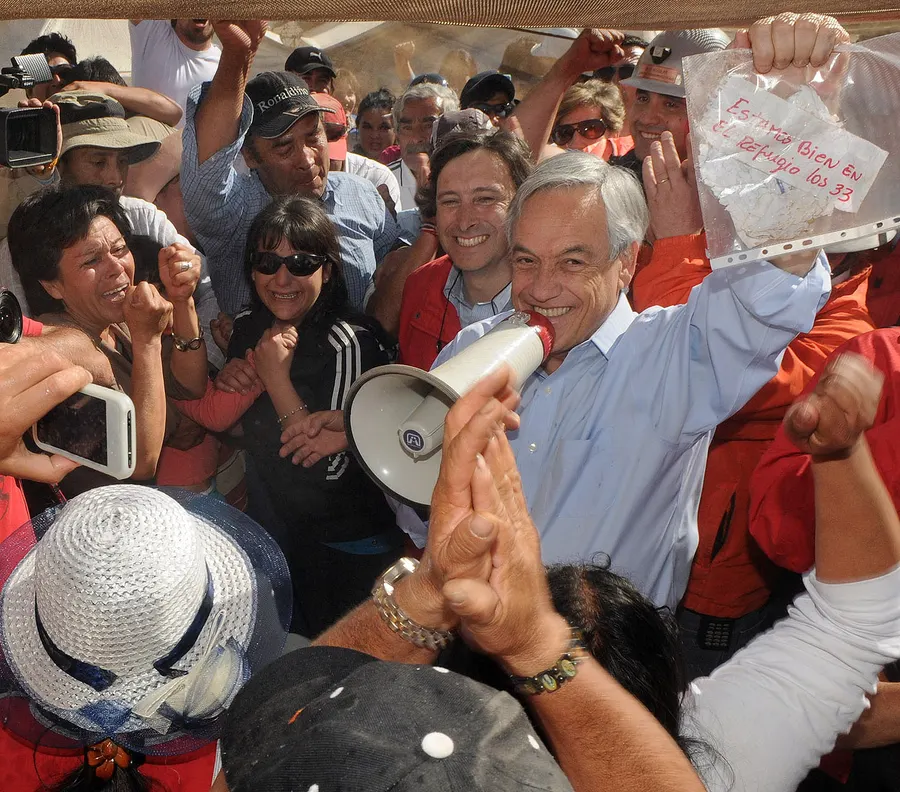
President Sebastián Piñera of Chile holds up the note from the trapped miners, 'We are well in the shelter, the 33'President Sebastián Piñera of Chile holds up the note from the trapped miners, ‘We are well in the shelter, the 33’Image: Gobierno de Chile · CC BY 2.0
world · Americas

A mine collapse traps 33 men deep under Chile’s Atacama Desert

The San José mine, a small copper and gold mine in the Atacama Desert about 80 kilometres from the city of Copiapó, had a long record of accidents. On the afternoon of 5 August 2010 a huge mass of rock collapsed inside it, sealing the only way out. Thirty-three miners were trapped about 700 metres below the surface, and for more than two weeks nobody above ground knew whether any of them were alive. The men had reached a small emergency shelter, and they survived by rationing food meant to last two days. On 22 August a narrow probe drill broke into their space, and when it was pulled up it carried a note: ‘We are well in the shelter, the 33’. Food, water and messages were sent down through the borehole while wider shafts were drilled, with advice from NASA among many others. On 13 October all 33 were winched to the surface, one by one, in a capsule called the Fénix, as a worldwide television audience watched.

Source: Britannica: Chile mine rescue of 2010 ↗
2012
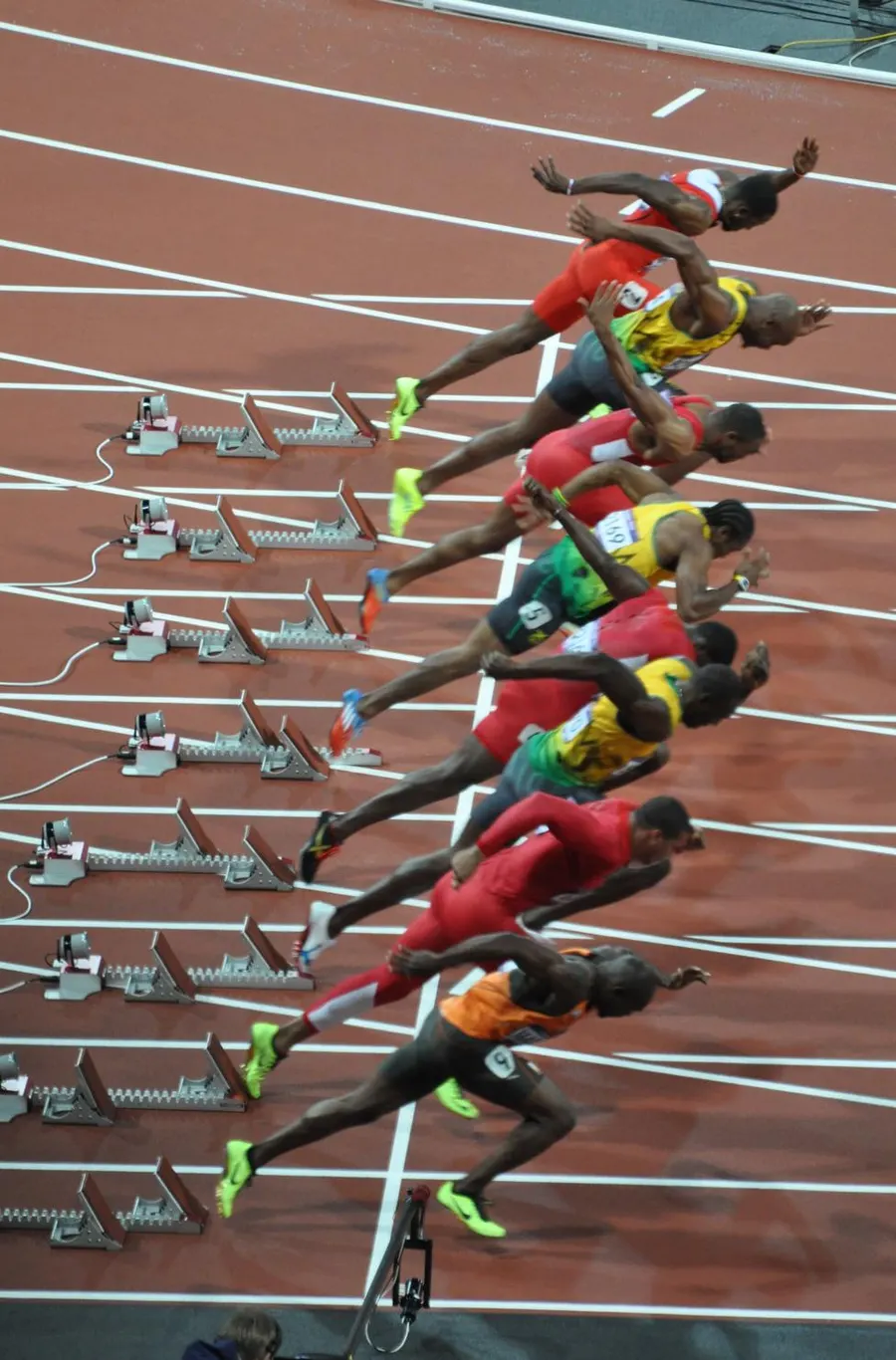
The start of the men's 100 metres final at the London 2012 OlympicsThe start of the men’s 100 metres final at the London 2012 OlympicsImage: Darren Wilkinson from Chester-le-Street, England · CC BY-SA 2.0
sport · Europe

Usain Bolt keeps his Olympic 100 metres crown in London

Usain Bolt of Jamaica had won the 100 metres at the Beijing Olympics in 2008 and set a world record of 9.58 seconds in Berlin a year later, but he came to London in 2012 after a false start at the 2011 world championships and defeats by his training partner Yohan Blake. In the final on the evening of 5 August 2012, in front of 80,000 people in the Olympic Stadium, Bolt pulled clear in the second half of the race and won in 9.63 seconds, an Olympic record. Blake took silver in 9.75 and Justin Gatlin of the United States bronze in 9.79. Bolt became only the second man, after Carl Lewis, to win the Olympic 100 metres twice.

Source: Olympics.com: Bolt breaks Olympic record in stunning 100m final ↗
RESEARCH

Sources & Further Reading

Selected authoritative references supporting the events on this page.

WHY THESE MOMENTS?

Significance before volume

This page is not the longest possible list of events. It is a chronological journey through 5 August, where each entry is chosen for historical significance, human interest and reliability.

Facts are checked against authoritative museums, archives, universities and reference works. Where sources disagree, the page says so.

EXPLORED THE DEEPER STORY?

Return to the highlights of 5 August

Discover the lighter side of the date with famous birthdays, culture, firsts and lives remembered.

Explore This Day →
← PREVIOUS DAY4 August
HISTORY & TIMELINE5 August
NEXT DAY →6 August