
383
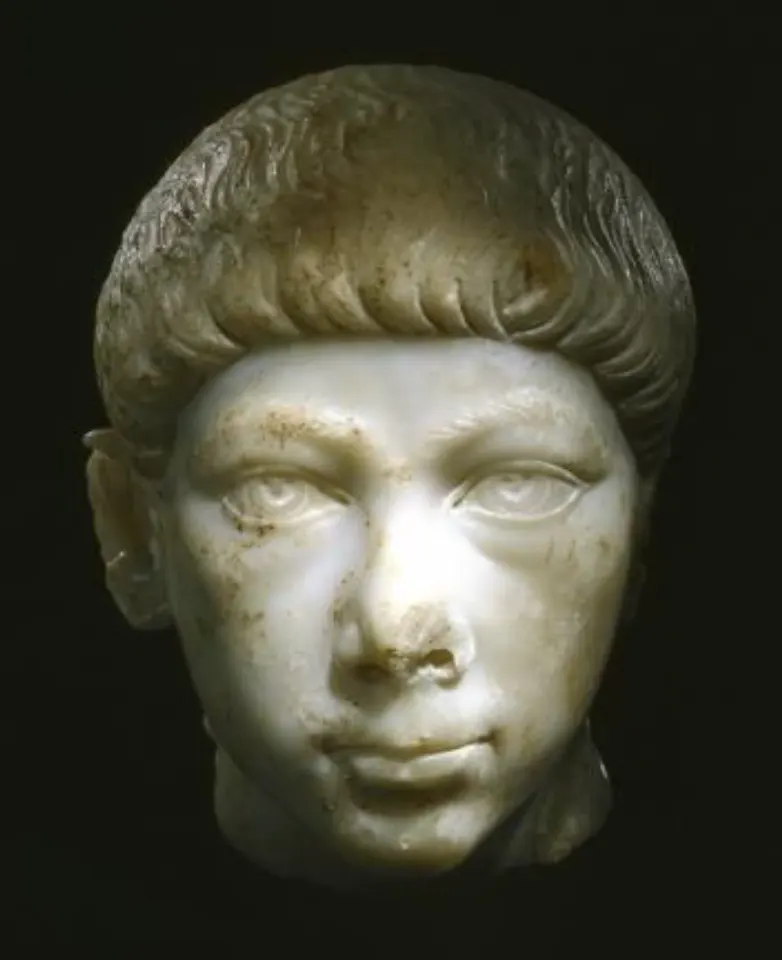 A marble head of the young Gratian, late 4th centuryImage:
politics · Europe
The Roman emperor Gratian is killed at Lyon
Gratian had been made co-emperor by his father Valentinian I as a boy of eight and ruled the western half of the Roman Empire from 375. A devout Christian guided by Bishop Ambrose of Milan, he removed the Altar of Victory from the Senate house in Rome. In 383 the army in Britain proclaimed its commander Magnus Maximus emperor; when Maximus crossed into Gaul, Gratian’s troops deserted him, and he fled south, only to be killed at Lugdunum, modern Lyon, on 25 August 383, aged 24.
Source: Britannica: Gratian ↗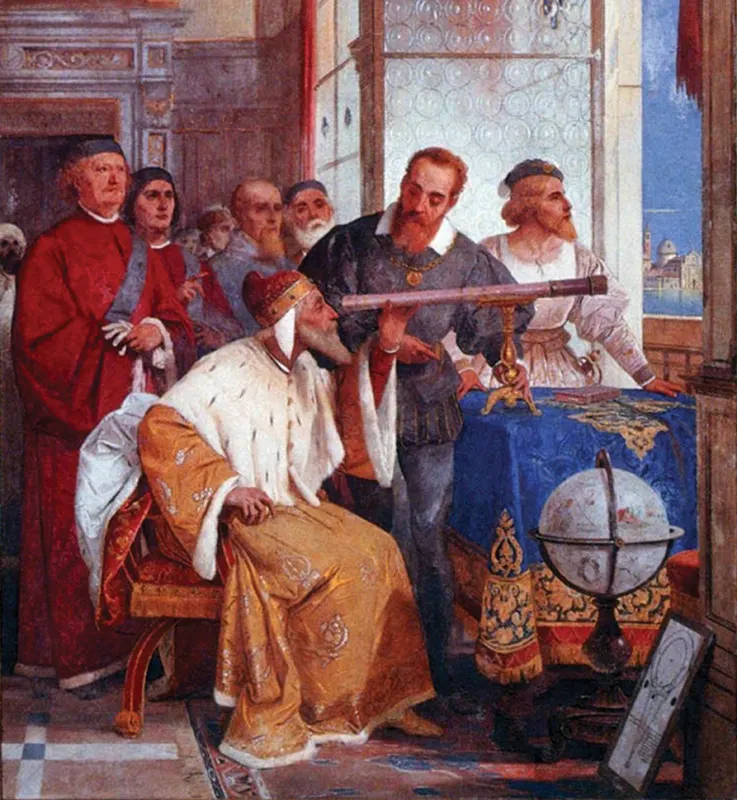 Galileo shows the Doge of Venice how to use the telescope, in a 19th-century fresco by Giuseppe BertiniImage:
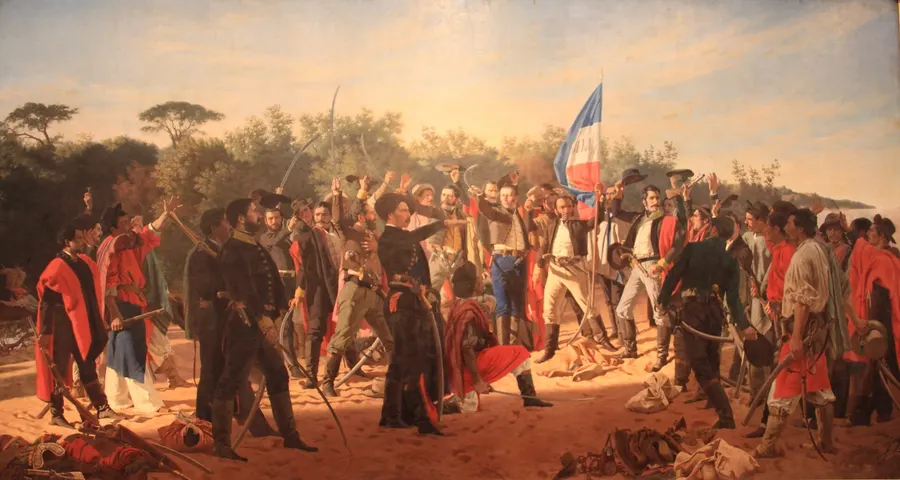 The Oath of the Thirty-Three Orientals, Juan Manuel Blanes’s painting of the exiles who began the rising in April 1825Image:
 Lunar animals and other objects supposedly discovered by Sir John Herschel, a print made on the back of the Sun’s moon storiesImage:
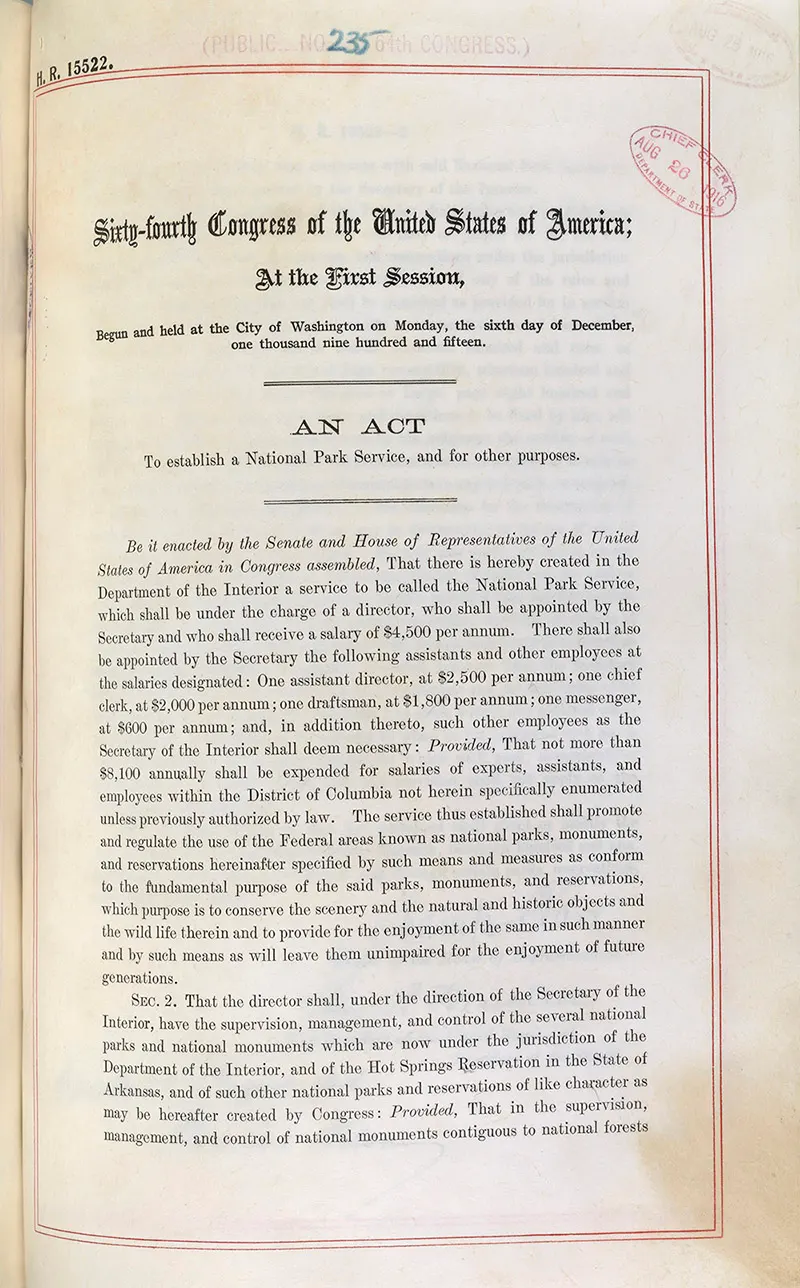 The National Park Service Organic Act signed by President Woodrow Wilson on 25 August 1916Image:
 Soviet tank crews of the 6th Armoured Division drive a T-26 tank through the streets of Tabriz in 1941Image:
 Armoured vehicles of Leclerc’s division fighting in front of the Opéra in Paris on 25 August 1944Image:
 The Ngọ Môn or Meridian Gate of the imperial city in Huế, where Bảo Đại read his abdicationImage:
 A reconstruction of Momofuku Ando’s backyard workshop at the CupNoodles Museum in IkedaImage:
 Abebe Bikila runs barefoot ahead of Rhadi Ben Abdesselam near the end of the marathon at the 1960 Rome OlympicsImage:
 Neptune in an enhanced-colour picture made from Voyager 2’s last whole-planet images, showing the Great Dark SpotImage:
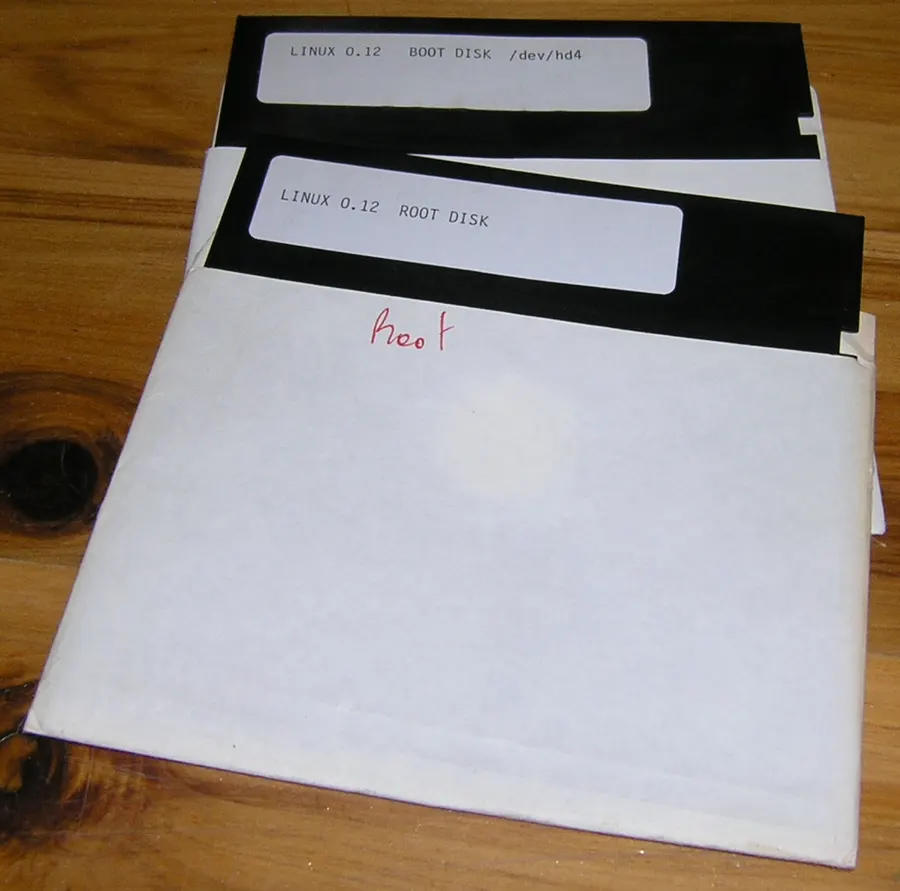 Floppy disks of Linux version 0.12, copied for distribution in Australia in the early days of the systemImage:
 NASA artist’s concept of solar system distances, marking where Voyager 1 entered interstellar spaceImage: