
HISTORY & TIMELINE
5 September

A journey through
5 September in history

The story of 5 September runs from the first day of the Battle of the Frigidus in 394 to Tuvalu’s admission to the United Nations in 2000. In between come the arrest of Nicolas Fouquet, the founding of the Biblioteca Palafoxiana in Puebla, the First Continental Congress, James Glaisher’s record balloon ascent, the Treaty of Portsmouth, the Benelux customs convention, Igor Gouzenko’s defection in Ottawa, Cassius Clay’s Olympic gold in Rome, the attack on the Israeli team at the Munich Olympics, the launch of Voyager 1, the opening of the Camp David talks and the opening of the Gotthard road tunnel.

I
EARLIEST RECORDS

Ancient & Early History

The earliest worthwhile records and events connected with this date.

394
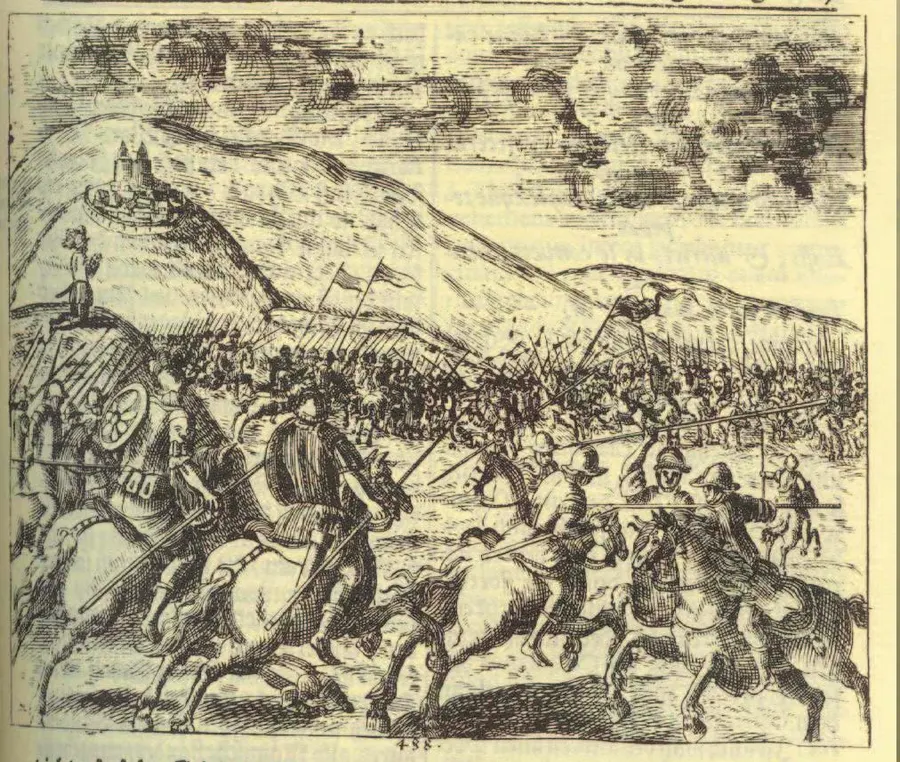
The battle between Theodosius and Eugenius, an engraving from Johann Weikhard von Valvasor's history of Carniola, 1689The battle between Theodosius and Eugenius, an engraving from Johann Weikhard von Valvasor’s history of Carniola, 1689Image: Johann Weikhard von Valvasor · Public domain
world · Europe

The Battle of the Frigidus begins

In 392 the Frankish general Arbogast made the scholar Eugenius emperor in the West, and Eugenius drew support from Rome’s surviving pagan aristocracy. The Eastern emperor Theodosius I refused to recognise him and marched west. The armies met by the Frigidus river, today’s Vipava in Slovenia, in a battle that lasted two days. On 5 September 394 Theodosius’s Gothic allies suffered heavy losses, but he attacked again the next day and won. Eugenius was executed and Arbogast took his own life. Theodosius briefly ruled the whole empire, and Christians saw the victory as the final defeat of the old gods.

Source: Britannica: Battle of Frigidus River ↗
III
A CHANGING WORLD

Early Modern Era

Exploration, political change, scientific development and expanding global connections.

1646
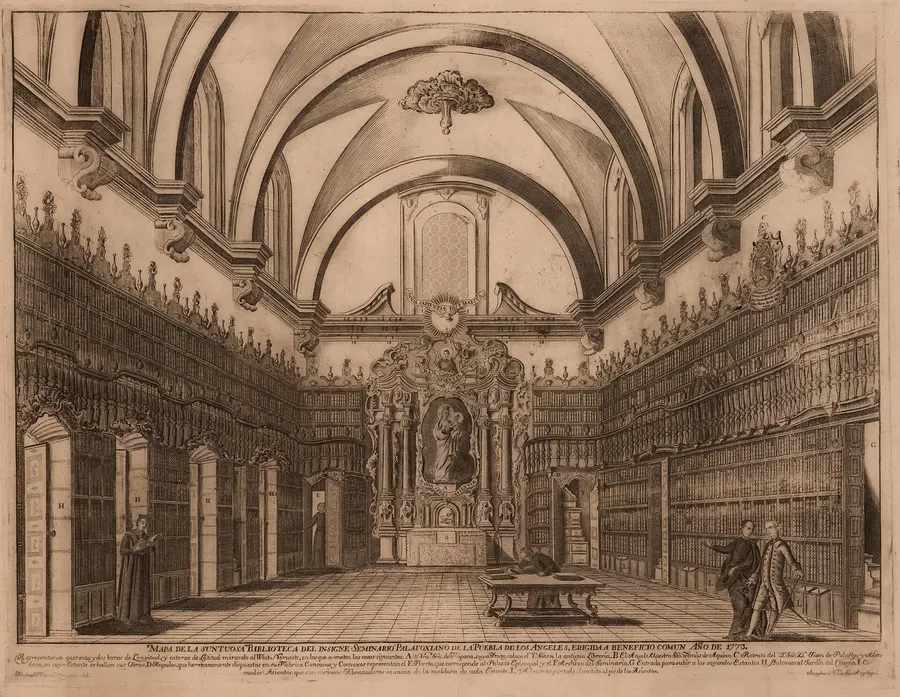
An engraving of 1773 by Miguel Jerónimo Zendejas and José Nava showing scholars and clergy at work in the Biblioteca Palafoxiana in PueblaAn engraving of 1773 by Miguel Jerónimo Zendejas and José Nava showing scholars and clergy at work in the Biblioteca Palafoxiana in PueblaImage: Miguel Jerónimo Zendejas (artist); José de Nava (engraver) · Public domain
culture · Americas

Bishop Palafox gives his books to Puebla, founding the Biblioteca Palafoxiana

Juan de Palafox y Mendoza, a Spanish lawyer turned priest, arrived in New Spain in 1640 as bishop of Puebla de los Ángeles, one of the richest cities of the Spanish Americas. A scholar and a reformer, he built up the city’s colleges for training priests and finished its great cathedral. He also brought with him and collected a large library of books on theology, law, science and history. On 5 September 1646 Palafox signed a deed before a notary giving his library of about 5,000 volumes to the colleges of Puebla, on condition that it was open to anyone who wished to read or study there. The library counts itself as the first public library in the Americas. It grew through later gifts, moved in 1773 into a grand baroque hall lined with carved wooden shelves, and today holds more than 45,000 volumes. In 2005 UNESCO added its collection to the Memory of the World register.

Source: Biblioteca Palafoxiana: The library ↗
1661
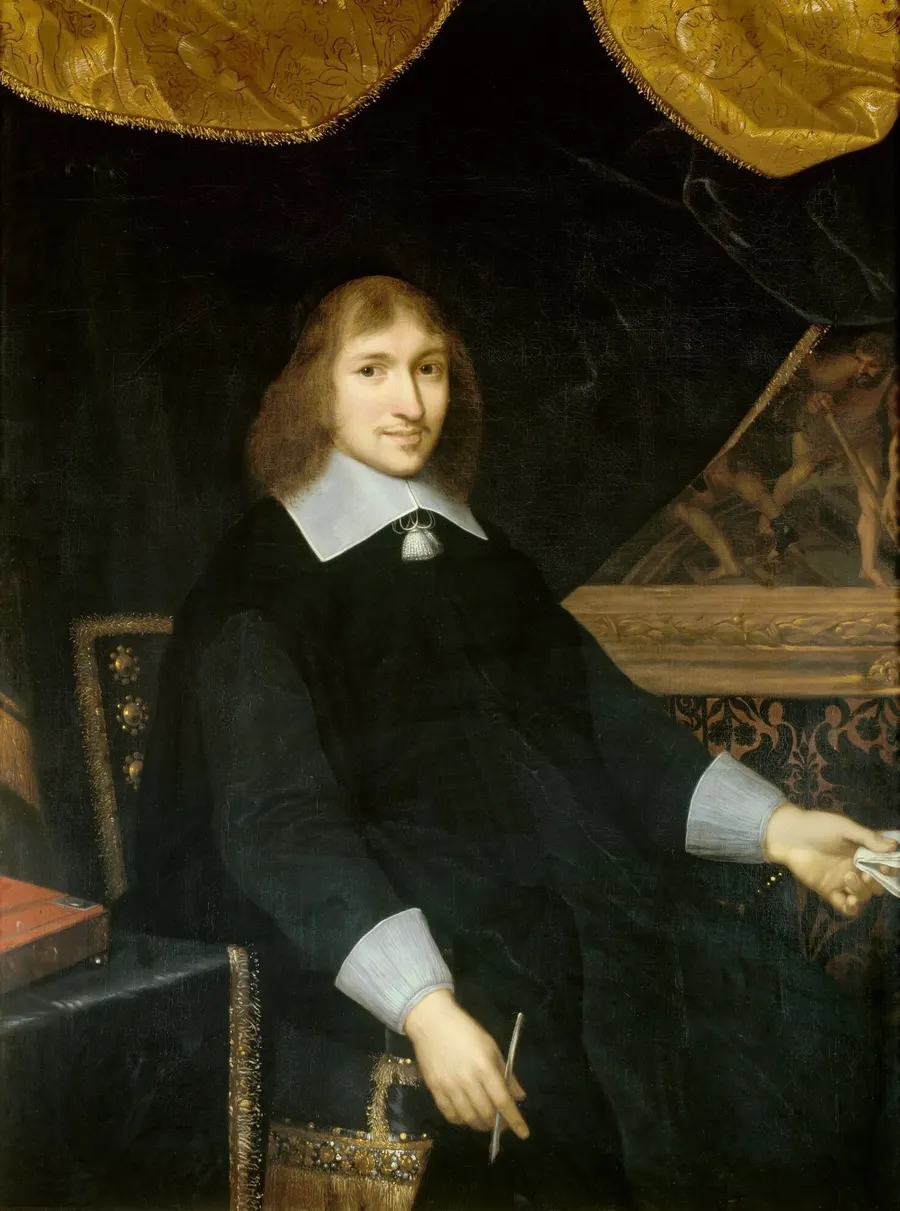
Nicolas Fouquet, superintendent of finances to Louis XIV, in a portrait by Charles Le BrunNicolas Fouquet, superintendent of finances to Louis XIV, in a portrait by Charles Le BrunImage: Charles Le Brun · Public domain
politics · Europe

Louis XIV has his finance minister Nicolas Fouquet arrested

Nicolas Fouquet had run France’s finances since 1653, raising money for the crown through a web of loans in which his own fortune and the state’s were hard to tell apart. He spent lavishly on art and building, and at Vaux-le-Vicomte, south-east of Paris, the architect Louis Le Vau, the painter Charles Le Brun and the gardener André Le Nôtre created for him the most splendid house in France. When Cardinal Mazarin died in March 1661, Fouquet hoped to take his place as chief minister, but the young Louis XIV decided to rule by himself, and Jean-Baptiste Colbert was pressing charges of fraud against his rival. On 17 August 1661 Fouquet gave a magnificent fête for the king at Vaux, with fireworks and a new comedy by Molière. Less than three weeks later, on 5 September 1661, he was arrested at Nantes by d’Artagnan, captain of the king’s musketeers. After a trial lasting three years he was sentenced to banishment, which the king changed to life imprisonment; he died in the fortress of Pignerol in the Alps in 1680. Louis took Fouquet’s team of artists to build something grander still: Versailles.

Source: Château de Vaux-le-Vicomte: Nicolas Fouquet ↗
1774
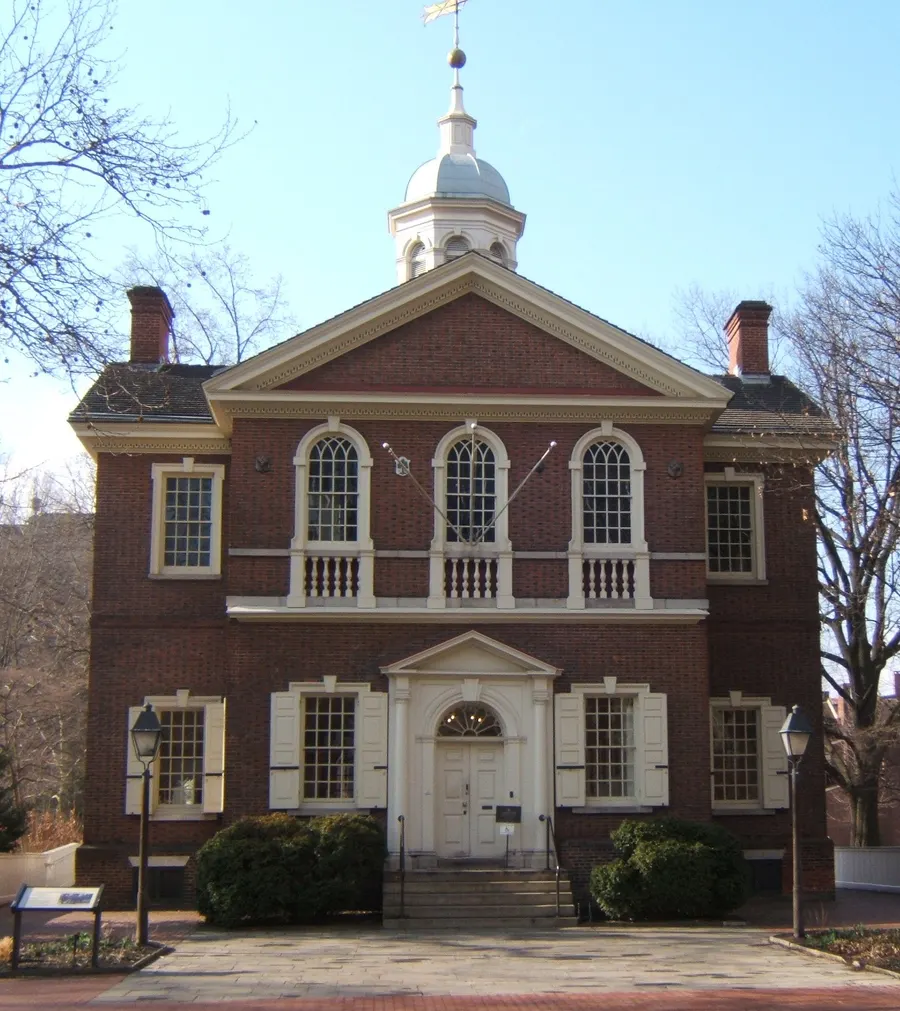
Carpenters' Hall in Philadelphia, where the First Continental Congress met in the autumn of 1774Carpenters’ Hall in Philadelphia, where the First Continental Congress met in the autumn of 1774Image: Davidt8 · Public domain
politics · Americas

The First Continental Congress meets in Philadelphia

After the Boston Tea Party of December 1773, Parliament passed a series of laws to punish Massachusetts: the port of Boston was closed and the colony’s charter curtailed. Colonists called them the Intolerable Acts. Committees across the colonies agreed that a common answer was needed, and they chose delegates to meet in Philadelphia, the largest city in British North America. On 5 September 1774, 56 delegates from twelve colonies, all but Georgia, gathered at Carpenters’ Hall and chose Peyton Randolph of Virginia as their president. Among them were George Washington, John and Samuel Adams and Patrick Henry. Over seven weeks they set out the colonists’ rights, agreed a boycott of British goods and resolved to meet again the following May if their grievances were not answered. They were not, and by the time the Second Continental Congress met, fighting had begun at Lexington and Concord.

Source: US National Archives, Pieces of History: The First Continental Congress convenes ↗
IV
THE NINETEENTH CENTURY

The 1800s

Industry, empire, invention, reform and a century of enormous transformation.

1862
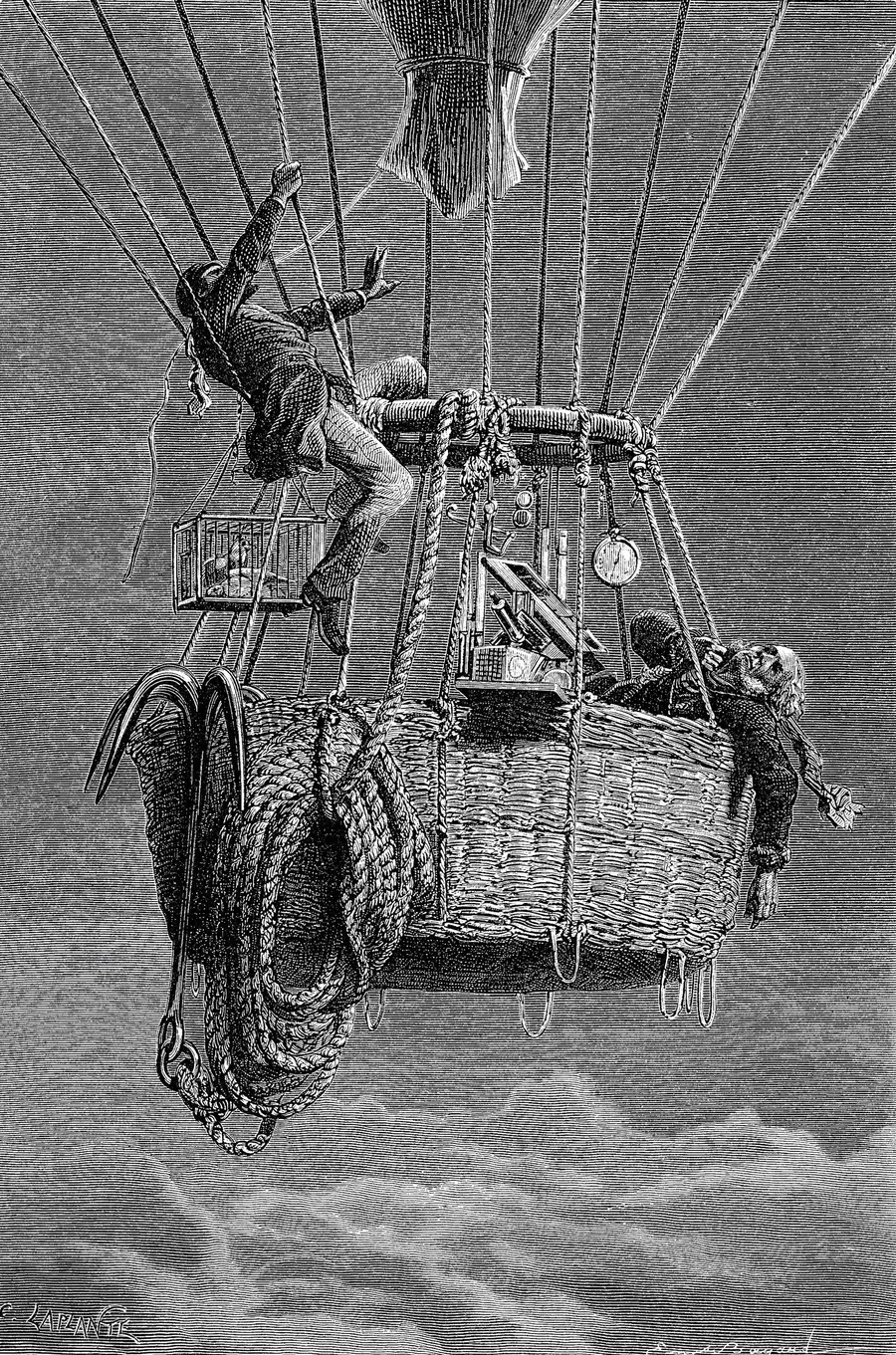
A 19th-century wood engraving after Émile Bayard: Henry Coxwell climbs into the rigging to free the valve cord while James Glaisher lies unconscious in the basket, 5 September 1862A 19th-century wood engraving after Émile Bayard: Henry Coxwell climbs into the rigging to free the valve cord while James Glaisher lies unconscious in the basket, 5 September 1862Image: After Émile Bayard; engraved by C. Laplante · Public domain
science · Europe

James Glaisher and Henry Coxwell balloon higher than anyone before them

In the 1860s almost nothing was known about the upper air. James Glaisher, a meteorologist at the Royal Observatory in Greenwich, persuaded the British Association for the Advancement of Science to fund a series of balloon flights to measure temperature, humidity and pressure as high as a balloon could climb. His pilot was Henry Coxwell, an experienced aeronaut, and the two men made ascents from Wolverhampton in the Midlands in a large gas balloon. On 5 September 1862 they rose higher than anyone had gone before. Above about 29,000 feet Glaisher’s sight failed and he lost consciousness. Coxwell, his hands frozen, found the valve cord tangled, climbed into the rigging to free it and pulled it open with his teeth, and the balloon began to fall. Both men recovered. Their height was estimated at around 37,000 feet (about 11 kilometres), though it could not be measured exactly. The flight showed how dangerous thin air could be and how quickly temperature drops with height.

Source: Met Office Library and Archive: James Glaisher FRS, meteorologist and aeronaut ↗
V
THE TWENTIETH CENTURY

The 1900s

War and peace, technological leaps, social change, politics, sport and popular culture.

1905
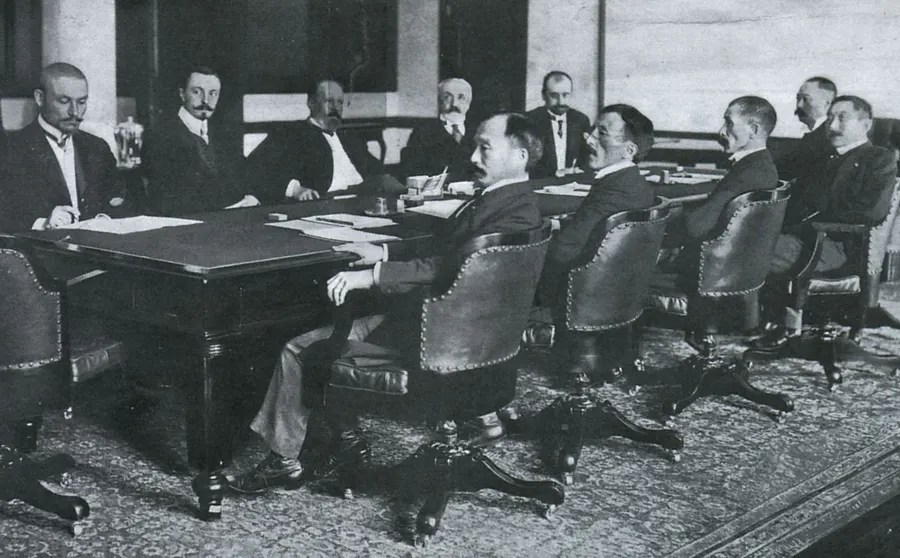
The Russian and Japanese delegations face each other across the conference table at Portsmouth in 1905, with Sergei Witte and Komura Jutaro among themThe Russian and Japanese delegations face each other across the conference table at Portsmouth in 1905, with Sergei Witte and Komura Jutaro among themImage: P. F. Collier & Son · Public domain
world · Asia

The Treaty of Portsmouth ends the Russo-Japanese War

In February 1904 Japan attacked the Russian fleet at Port Arthur, opening a war over who would control Manchuria and Korea. To the world’s surprise Japan won almost every battle, taking Port Arthur and destroying Russia’s Baltic Fleet at Tsushima in May 1905. But both countries were exhausted, and the American president Theodore Roosevelt offered to bring them together. In August their envoys, led by Sergei Witte for Russia and Foreign Minister Komura Jutaro for Japan, met at the naval shipyard at Portsmouth, New Hampshire. After weeks of hard bargaining over money and territory, the treaty was signed on 5 September 1905. Russia handed over its lease on Port Arthur and the Liaodong Peninsula, gave Japan the southern half of Sakhalin island and accepted Korea as a Japanese sphere of interest, but paid no war indemnity. In Japan, where many had expected more, the terms set off riots in Tokyo. It was the first time an Asian power had defeated a European great power in modern war, and Roosevelt received the Nobel Peace Prize for his part.

Source: US Office of the Historian: The Treaty of Portsmouth and the Russo-Japanese War, 1904-1905 ↗
1944
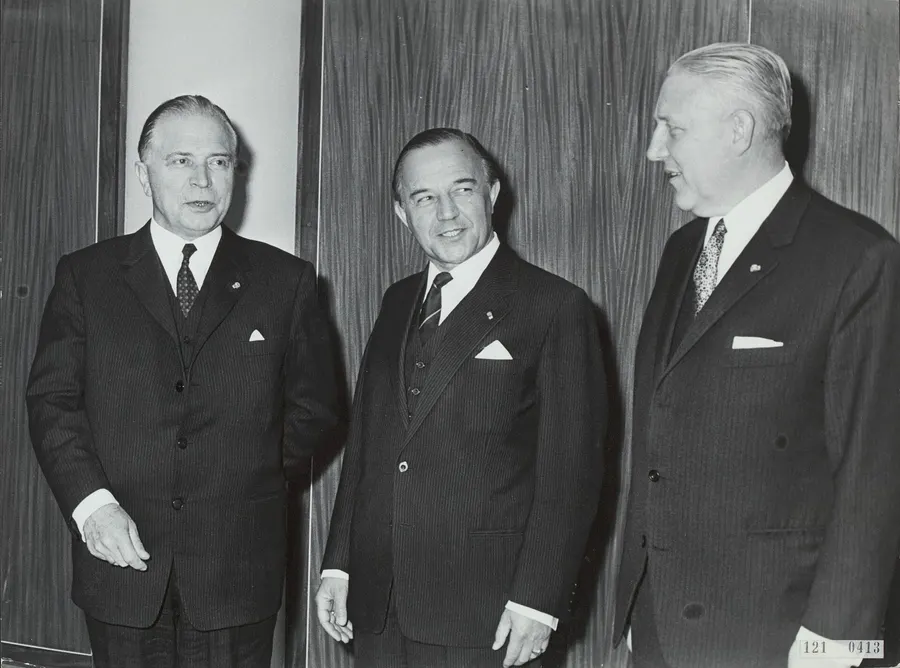
The prime ministers of Luxembourg, the Netherlands and Belgium at a Benelux conference in The Hague in April 1969The prime ministers of Luxembourg, the Netherlands and Belgium at a Benelux conference in The Hague in April 1969Image: Fotograaf Onbekend / Anefo · CC0
politics · Europe

Belgium, the Netherlands and Luxembourg sign the Benelux customs convention

While their countries were still occupied, the governments-in-exile of Belgium, the Netherlands and Luxembourg met in London and on 5 September 1944 signed a convention to form a customs union once the war was over, with a common tariff on imports from outside and no duties on trade between them. The customs union came into force on 1 January 1948. The Benelux partnership, later an economic union, was a forerunner and model for the wider European Communities founded in the 1950s.

Source: CVCE, University of Luxembourg: Netherlands-Belgium-Luxembourg Customs Convention (London, 5 September 1944) ↗
1945
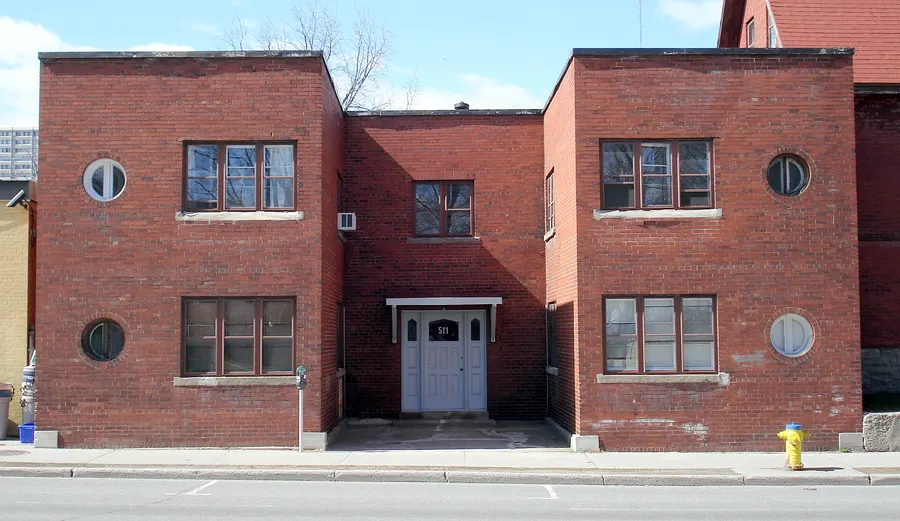
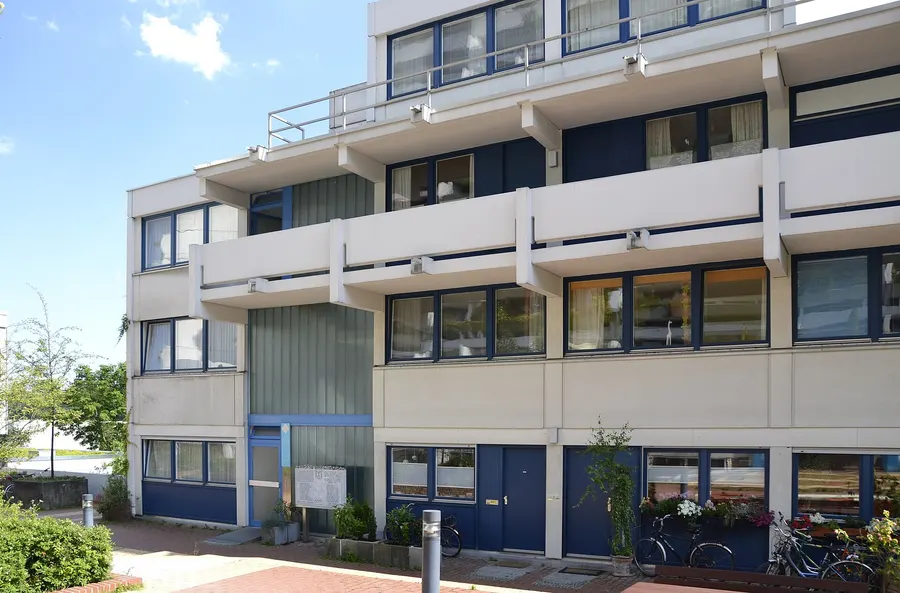
The apartment building on Somerset Street in Ottawa where Igor Gouzenko lived in 1945The apartment building on Somerset Street in Ottawa where Igor Gouzenko lived in 1945Image: Padraic · CC BY-SA 3.0
politics · Americas

Igor Gouzenko leaves the Soviet embassy in Ottawa with secret papers

Igor Gouzenko was a cipher clerk at the Soviet embassy in Ottawa. On 5 September 1945, days after the end of the Second World War, he walked out of the embassy for the last time carrying more than a hundred documents showing that the Soviet Union had been running a spy ring in Canada, its wartime ally. At first newspapers and officials would not listen, and only on 7 September were he and his family taken into police protection. His evidence led to a royal commission and spy trials, and many historians see the affair as an opening moment of the Cold War.

Source: The Canadian Encyclopedia: Igor Gouzenko ↗
1960
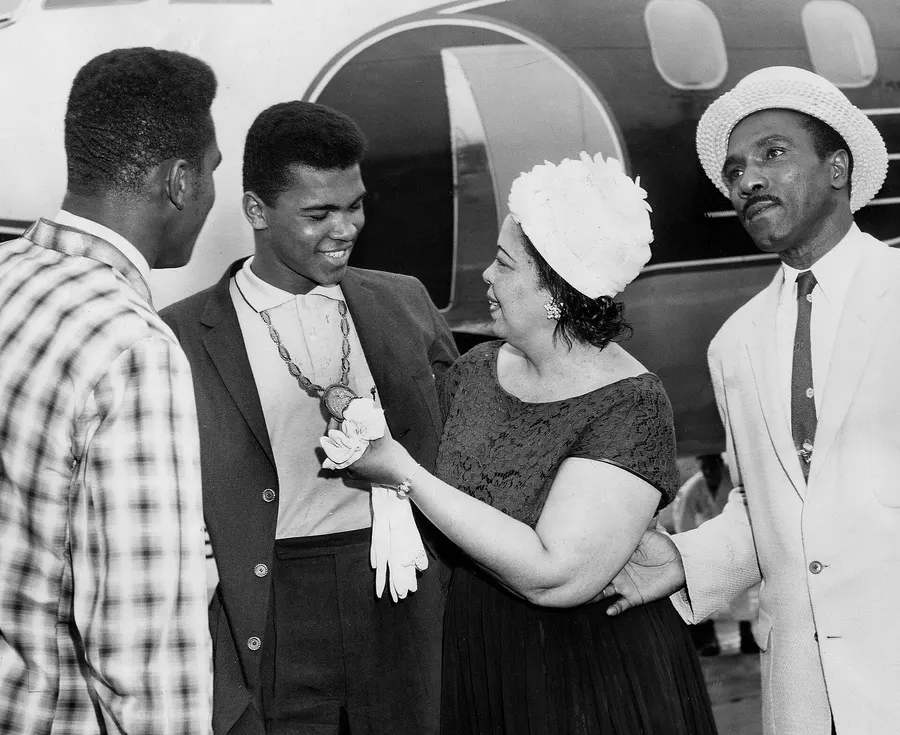
Cassius Clay with his family at Standiford Field airport in Louisville, admiring the gold medal he won at the Rome Olympics, September 1960Cassius Clay with his family at Standiford Field airport in Louisville, admiring the gold medal he won at the Rome Olympics, September 1960Image: The Courier-Journal · Public domain
sport · Europe

Cassius Clay wins Olympic gold in Rome

Cassius Marcellus Clay Jr. started boxing at the age of twelve in Louisville, Kentucky, after his bicycle was stolen and a police officer who ran a gym suggested he learn to fight. By eighteen he had won national amateur titles and a place in the United States team for the 1960 Olympic Games in Rome, though he was so afraid of flying that he almost refused to travel. In the light heavyweight division he won all four of his bouts. In the final, on 5 September 1960, he faced Zbigniew Pietrzykowski of Poland, a three-time European champion who had won bronze in 1956. The Pole’s left-handed style troubled Clay in the first round, but he took control and won on all five judges’ cards. Within weeks he had turned professional, and four years later, after winning the world heavyweight title, he took the name Muhammad Ali.

Source: Olympics.com: Muhammad Ali’s Olympic gold, where the legend started ↗
1972
The building at Connollystraße 31 in Munich's former Olympic Village, photographed in 2012The building at Connollystraße 31 in Munich’s former Olympic Village, photographed in 2012Image: High Contrast · CC BY 3.0 de
world · Europe

Members of the Israeli Olympic team are taken hostage in Munich

Early on 5 September 1972, during the Munich Olympic Games, eight members of the Palestinian group Black September broke into the Israeli team’s quarters in the Olympic Village. Two Israelis were killed there and nine were taken hostage. A rescue attempt at Fürstenfeldbruck airfield that night failed, and all nine hostages and a German police officer were killed. The Games were halted for a memorial service. The eleven Israeli team members are remembered by memorials in the Olympic Park.

Source: Britannica: Munich Massacre ↗
1977
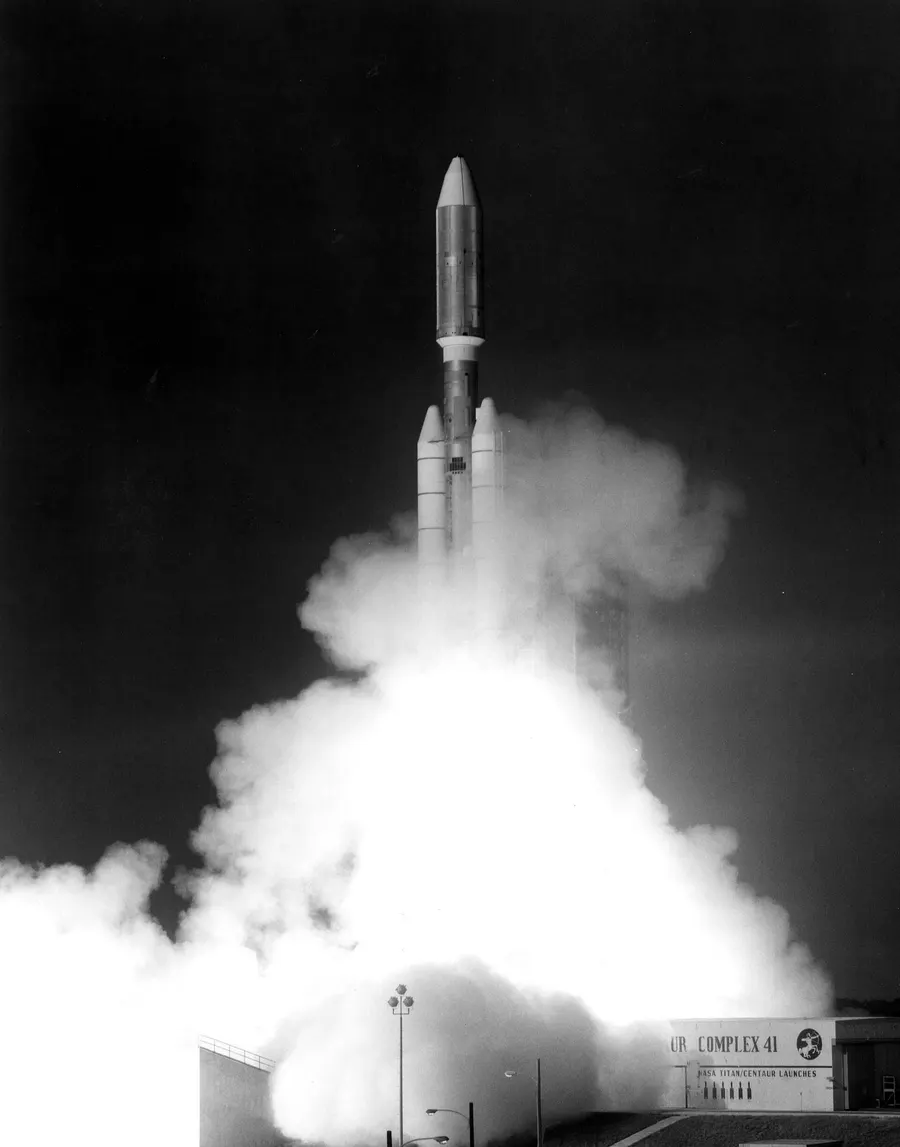
A Titan IIIE-Centaur rocket lifts off from Launch Complex 41 at Cape Canaveral carrying Voyager 1 on 5 September 1977A Titan IIIE-Centaur rocket lifts off from Launch Complex 41 at Cape Canaveral carrying Voyager 1 on 5 September 1977Image: NASA on The Commons · Public domain
world · Global

Voyager 1 sets off for the outer planets and beyond

In the late 1970s Jupiter, Saturn, Uranus and Neptune lined up in a way that happens only once every 176 years, allowing a spacecraft to swing from one planet to the next using each one’s gravity. NASA built two identical probes, Voyager 1 and Voyager 2, to make the most of it. Each carried cameras and instruments powered by a small nuclear generator, and a gold-plated record of sounds, music and greetings from Earth in case it were ever found. Voyager 2 left first, on 20 August 1977. Voyager 1 followed on 5 September, lifting off from Cape Canaveral on a Titan-Centaur rocket at 8:56 in the morning, on a faster path that soon carried it ahead of its twin. It reached Jupiter in 1979 and Saturn in 1980, sending back the first detailed views of their moons, and then headed out of the plane of the planets. In 2012 it became the first human-made object to reach interstellar space, and it is still sending faint signals home from more distant than anything else people have built.

Source: NASA: Voyager 1 launches aboard Titan III/Centaur ↗
1978
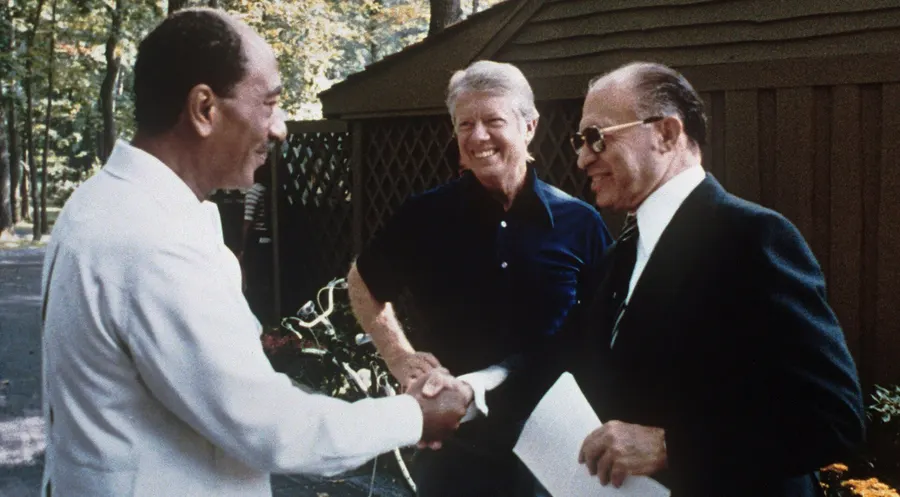
Anwar Sadat and Menachem Begin shake hands, with Jimmy Carter between them, at Camp David in September 1978Anwar Sadat and Menachem Begin shake hands, with Jimmy Carter between them, at Camp David in September 1978Image: Unknown · Public domain
world · Middle East

Egypt and Israel begin peace talks at Camp David

Egypt and Israel had fought four wars in 25 years, and Israel still held the Sinai Peninsula, taken in 1967. In November 1977 Egypt’s president Anwar Sadat stunned the world by flying to Jerusalem to address the Israeli parliament, but talks between the two governments soon stalled. The American president Jimmy Carter invited Sadat and the Israeli prime minister Menachem Begin to the presidential retreat at Camp David, in the hills of Maryland. The three leaders and their teams arrived on 5 September 1978. For thirteen days they stayed in the woodland cabins, often too angry to meet face to face, while Carter carried drafts between them. On 17 September they signed two frameworks at the White House: one for peace between Egypt and Israel, the other for talks on the future of the West Bank and Gaza. Sadat and Begin shared the Nobel Peace Prize, and in March 1979 Egypt became the first Arab state to sign a peace treaty with Israel, which returned the Sinai.

Source: US Office of the Historian: The Camp David Accords and the Arab-Israeli peace process ↗
1980
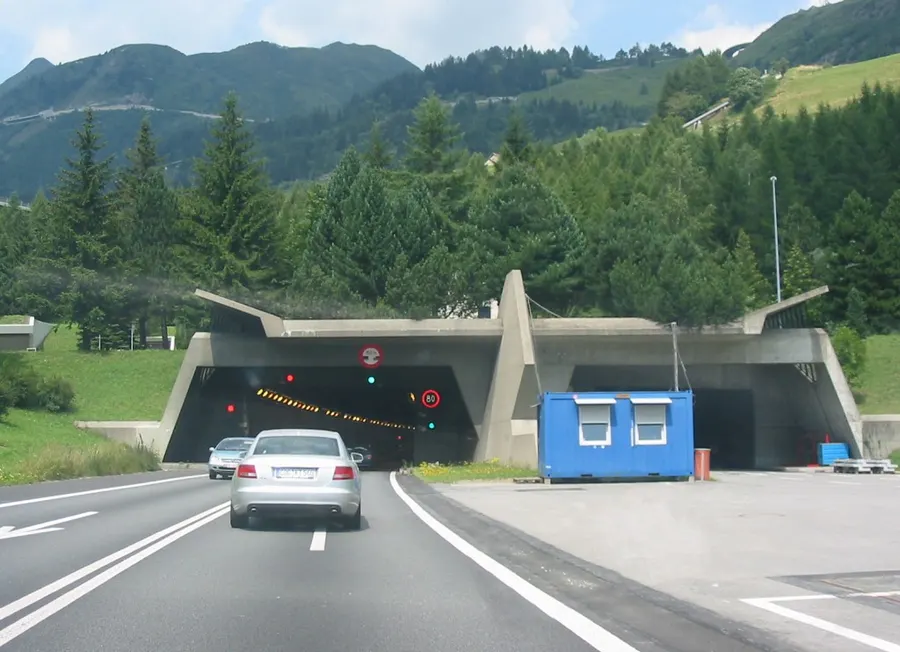
The southern entrance of the Gotthard road tunnel at AiroloThe southern entrance of the Gotthard road tunnel at AiroloImage: Grzegorz Święch · CC BY 3.0
world · Europe

The Gotthard road tunnel opens through the Swiss Alps

For centuries travellers crossing the Alps between northern Switzerland and Italy had climbed over the St Gotthard Pass, which snow closed for months each winter. A railway tunnel had run beneath it since 1882, and in 1970 work began on a road tunnel from Göschenen to Airolo. It opened on 5 September 1980 with a public festival. Almost 17 kilometres long, it was then the longest road tunnel in the world and became one of Europe’s main routes across the Alps.

Source: Swiss National Library: The 1980 road tunnel ↗
VI
2000 TO TODAY

Modern Day

The events of recent decades that have already become part of the historical record.

2000
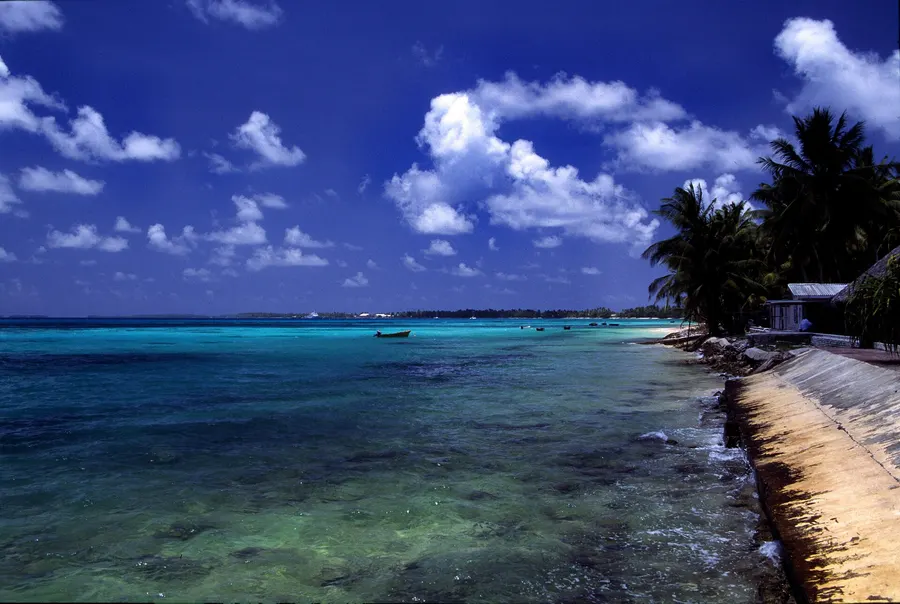
A beach on Funafuti atoll, the capital of Tuvalu, in 2000A beach on Funafuti atoll, the capital of Tuvalu, in 2000Image: Stefan Lins · CC BY-SA 2.0
politics · Oceania

Tuvalu becomes the 189th member of the United Nations

Tuvalu, a chain of nine small islands and atolls in the Pacific, was governed by Britain as the Ellice Islands until it became independent in 1978. On 5 September 2000, the opening day of the UN General Assembly’s Millennium session, it was admitted as the organisation’s 189th member state, and its flag was raised in New York that afternoon. With about 10,000 people it is one of the smallest members, and it has used its seat to warn the world that rising seas threaten its low-lying islands.

Source: United Nations press release GA/9746: Millennium Assembly admits Tuvalu as 189th member state ↗
RESEARCH

Sources & Further Reading

Selected authoritative references supporting the events on this page.

Britannica: Battle of Frigidus River↗Britannica: Eugenius↗Biblioteca Palafoxiana: The library↗Museos Puebla (State of Puebla): Biblioteca Palafoxiana↗UNESCO Memory of the World: Biblioteca Palafoxiana nomination↗Château de Vaux-le-Vicomte: Nicolas Fouquet↗Britannica: Vaux-le-Vicomte↗US National Archives, Pieces of History: The First Continental Congress convenes↗George Washington’s Mount Vernon: First Continental Congress↗Met Office Library and Archive: James Glaisher FRS, meteorologist and aeronaut↗Britannica: James Glaisher↗US Office of the Historian: The Treaty of Portsmouth and the Russo-Japanese War, 1904-1905↗Britannica: Treaty of Portsmouth↗CVCE, University of Luxembourg: Netherlands-Belgium-Luxembourg Customs Convention (London, 5 September 1944)↗Benelux Union: On 5 September we celebrate 80 years of Benelux cooperation↗The Canadian Encyclopedia: Igor Gouzenko↗Parks Canada: The Gouzenko Affair↗Olympics.com: Muhammad Ali’s Olympic gold, where the legend started↗Olympics.com: Rome 1960 boxing results↗Britannica: Munich Massacre↗Olympiapark München: Memorial sites of the 1972 Olympic attack↗NASA: Voyager 1 launches aboard Titan III/Centaur↗NASA History: 45 years ago, Voyager 1 begins its epic journey to the outer planets and beyond↗NASA Science: Voyager mission overview↗US Office of the Historian: The Camp David Accords and the Arab-Israeli peace process↗Jimmy Carter Presidential Library: Camp David Accords, thirteen days after twenty-five years↗Britannica: Camp David Accords↗Swiss National Library: The 1980 road tunnel↗swissinfo.ch: 30 years of the Gotthard road tunnel↗United Nations press release GA/9746: Millennium Assembly admits Tuvalu as 189th member state↗United Nations: Growth in United Nations membership↗
WHY THESE MOMENTS?

Significance before volume

This page is not the longest possible list of events. It is a chronological journey through 5 September, where each entry is chosen for historical significance, human interest and reliability.

Facts are checked against authoritative museums, archives, universities and reference works. Where sources disagree, the page says so.

EXPLORED THE DEEPER STORY?

Return to the highlights of 5 September

Discover the lighter side of the date with famous birthdays, culture, firsts and lives remembered.

Explore This Day →