HISTORY & TIMELINE
26 September

A journey through
26 September in history

From Drake’s return in 1580 to the night a Soviet officer refused to raise the alarm in 1983, 26 September has been a date of explosions, voyages, new dominions and near misses. This timeline follows the date across four centuries.

JUMP THROUGH TIME
III
A CHANGING WORLD

Early Modern Era

Exploration, political change, scientific development and expanding global connections.

1580
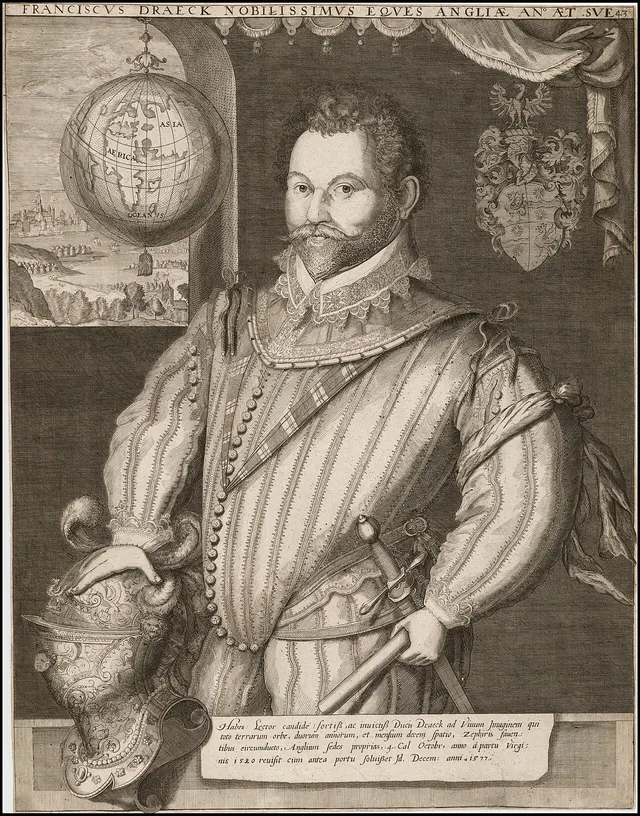
Sir Francis Drake, in a 1583 portrait by Jodocus Hondius.Sir Francis Drake, in a 1583 portrait by Jodocus Hondius.Image: Jodocus Hondius I · Public domain
world · Europe

Drake completes his voyage round the world

Francis Drake arrived back at Plymouth on 26 September 1580 in the Golden Hind, completing his circumnavigation of the globe after two years and nine and a half months. He was only the second commander to do it, after Magellan’s expedition. The ship was laden with treasure and spices taken from the Spanish, Drake’s fortune was made, and he was knighted on the deck of the Golden Hind in April 1581.

Source: Encyclopaedia Britannica: Sir Francis Drake ↗
1687
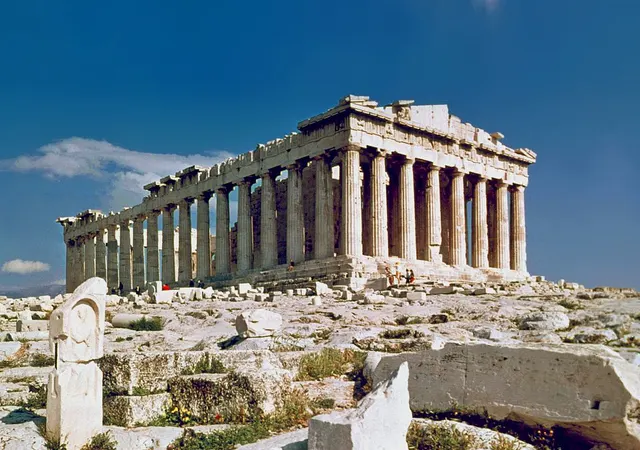
The Parthenon, Athens.The Parthenon, Athens.Image: Steve Swayne · CC BY 2.0
world · Europe

The Parthenon is shattered

On the night of 26 September 1687, during the Ottoman-Venetian war, a shell fired by the forces of the Venetian commander Francesco Morosini hit gunpowder stored inside the Parthenon, which the Ottomans had converted into a magazine after it had been made a mosque. The explosion blew out all the interior walls except the east side, and columns and half the metopes collapsed on the north and south sides. Morosini then damaged the west pediment sculptures in an unsuccessful attempt to remove them.

Source: Acropolis Museum: Francesco Morosini ↗
1777
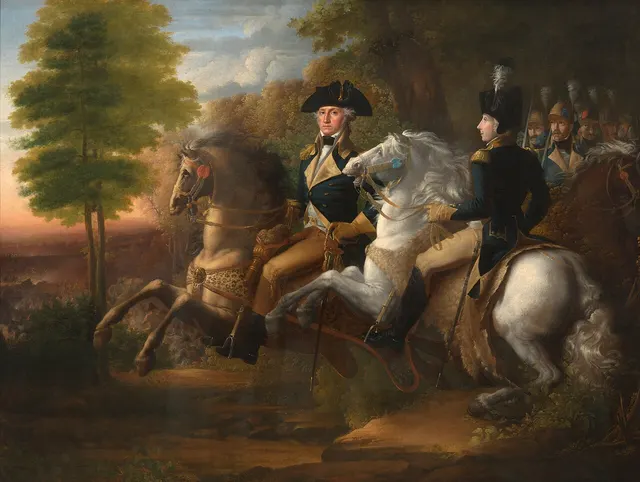
Washington and Lafayette at the Battle of Brandywine, two weeks earlier, painted by John Vanderlyn.Washington and Lafayette at the Battle of Brandywine, two weeks earlier, painted by John Vanderlyn.Image: John Vanderlyn · Public domain
world · Americas

British troops occupy Philadelphia

After defeating George Washington at Brandywine on 11 September and at Paoli nine days later, the British army under Sir William Howe marched into Philadelphia, the American capital, unopposed on 26 September 1777. Congress had already fled. The British held the city for about nine months, while Washington’s army wintered at Valley Forge.

Source: National Park Service: The Philadelphia campaign of 1777 ↗
1789
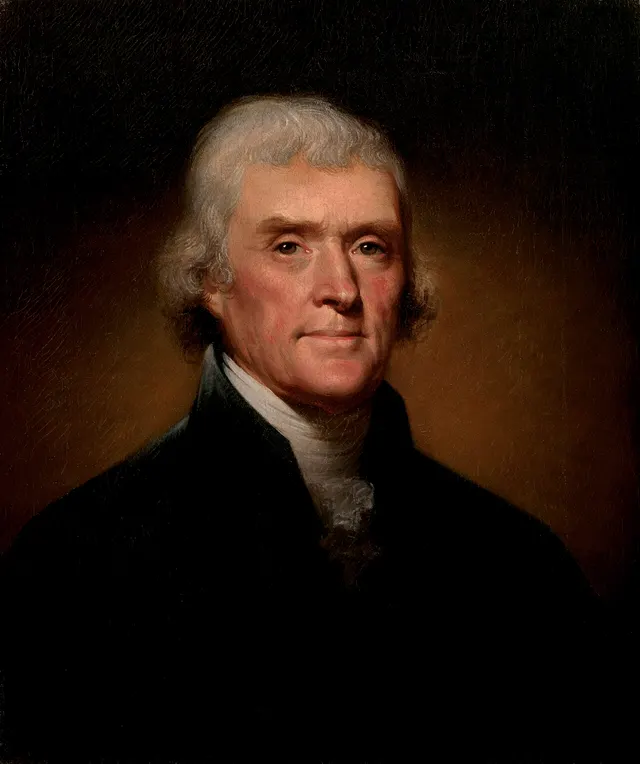
Thomas Jefferson, painted by Rembrandt Peale in 1800.Thomas Jefferson, painted by Rembrandt Peale in 1800.Image: Rembrandt Peale · Public domain
politics · Americas

Jefferson is appointed the first Secretary of State

President George Washington nominated Thomas Jefferson as the first United States Secretary of State on 25 September 1789, and he was appointed on 26 September. Jefferson took up the post on 22 March 1790 and served until 31 December 1793.

Source: Office of the Historian: Thomas Jefferson ↗
V
THE TWENTIETH CENTURY

The 1900s

War and peace, technological leaps, social change, politics, sport and popular culture.

1907
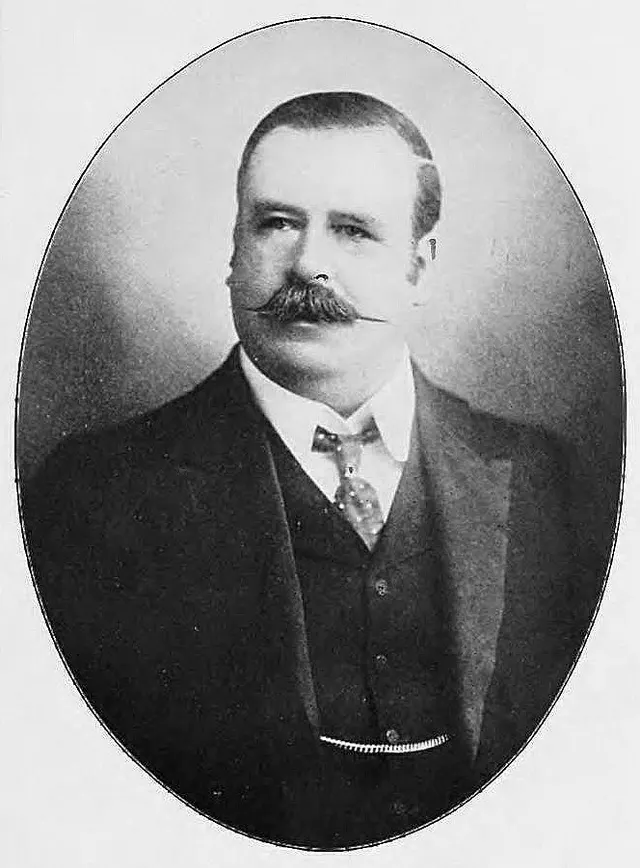
Sir Joseph Ward, the prime minister who read the proclamation.Sir Joseph Ward, the prime minister who read the proclamation.Image: Muir & Moodie · Public domain
politics · Oceania

New Zealand becomes a dominion

On 26 September 1907 the colony of New Zealand became the Dominion of New Zealand within the British Empire. The prime minister, Sir Joseph Ward, read the proclamation from the steps of Parliament in Wellington, and government offices closed for the day. The change was mostly one of name and status: New Zealand was no more and no less independent of Britain than before. For a few years 26 September was celebrated as Dominion Day with parades and concerts, but the custom soon faded.

Source: NZHistory (Ministry for Culture and Heritage): Dominion status ↗
1957
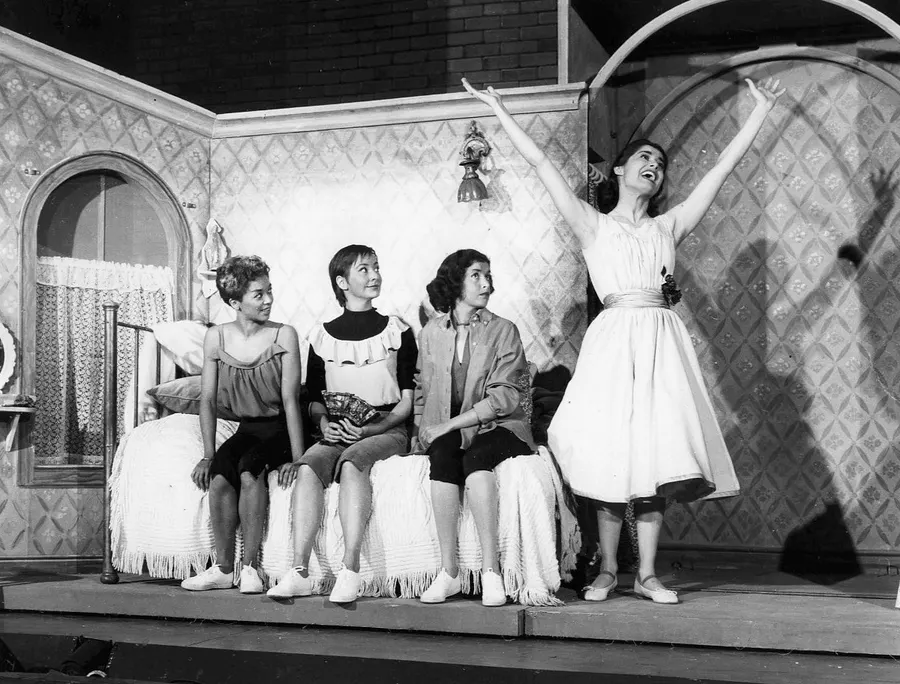
Carol Lawrence as Maria (right) with Marilyn Cooper, Carmen Gutierrez and Elizabeth Taylor in 'I Feel Pretty', 1957. Photo by Fred Fehl.Carol Lawrence as Maria (right) with Marilyn Cooper, Carmen Gutierrez and Elizabeth Taylor in ‘I Feel Pretty’, 1957. Photo by Fred Fehl.Image: Photo by Fred Fehl, New York. · Public domain
culture · Americas

West Side Story opens on Broadway

West Side Story opened at the Winter Garden Theatre in New York on 26 September 1957, after a try-out run in Philadelphia. The musical moved Romeo and Juliet to the streets of Manhattan’s Upper West Side, where two gangs clash over territory and prejudice. It was the work of Leonard Bernstein (music), Stephen Sondheim (lyrics), Arthur Laurents (book) and Jerome Robbins, who directed and choreographed. The original production ran for 732 performances, and the 1961 film version won ten Academy Awards.

Source: Library of Congress: West Side Story, birth of a classic ↗
1960
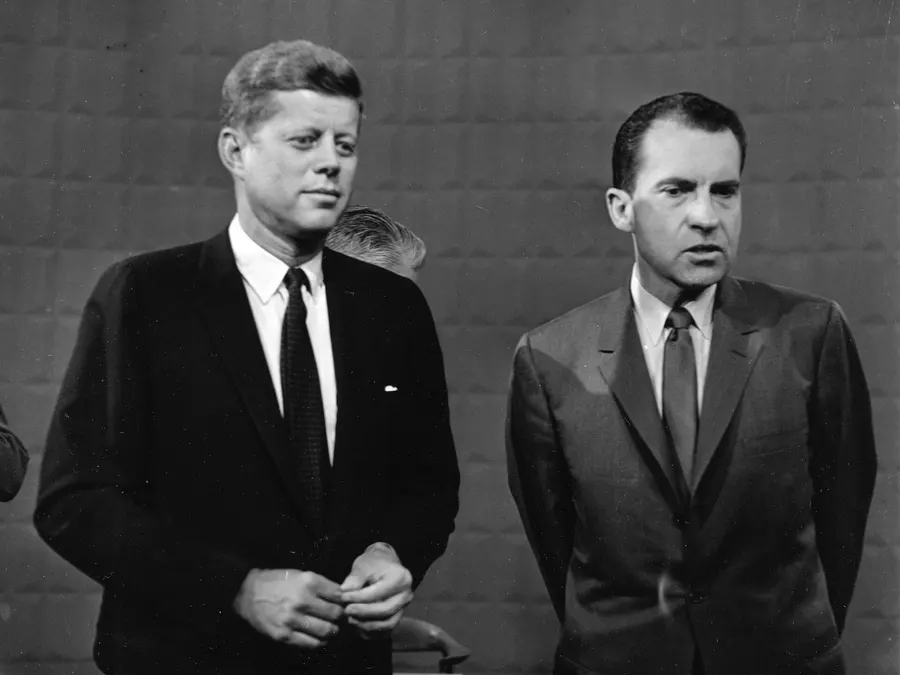
John F. Kennedy and Richard Nixon at WBBM-TV in Chicago before the debate, 26 September 1960.John F. Kennedy and Richard Nixon at WBBM-TV in Chicago before the debate, 26 September 1960.Image: Associated Press · Public domain
politics · Americas

The first televised presidential debate

On 26 September 1960 Senator John F. Kennedy and Vice-President Richard Nixon met in the WBBM television studio in Chicago for the first of four debates, the first presidential debates ever shown live on television. About 70 million Americans watched. Kennedy’s calm, confident manner on screen is often credited with helping him win one of the closest elections in US history.

Source: John F. Kennedy Presidential Library: The first debate ↗
1969
Abbey Road Studios in London, where the album was recorded.Abbey Road Studios in London, where the album was recorded.Image: Abbey Road Studios · Public domain

culture · Europe

The Beatles release Abbey Road

The Beatles’ album Abbey Road was released in the UK on 26 September 1969. It was the last album the band recorded together, though Let It Be, mostly recorded earlier, came out in May 1970. The sleeve photograph, taken by Iain Macmillan on 8 August 1969 at the zebra crossing outside the studios, became one of the best-known images in pop.

Source: Encyclopaedia Britannica: Abbey Road ↗
1983
Stanislav Petrov.Stanislav Petrov.Image: Queery-54 · CC BY-SA 4.0
politics · Europe

Stanislav Petrov judges the alarm false

On 26 September 1983 Stanislav Petrov, a lieutenant colonel in the Soviet Air Defence Forces, was in command overnight at the Serpukhov-15 bunker when the early-warning satellite system reported five incoming American missiles. He judged it a false alarm, reasoning that a real attack would use far more than five. The satellites had mistaken sunlight reflecting off high clouds for missile launches. Petrov was reprimanded for not following protocol, but his calm is credited with helping to prevent a nuclear war.

Source: Encyclopaedia Britannica: Stanislav Petrov ↗
WHY THESE MOMENTS?

Significance before volume

This page is not the longest possible list of events. It is a chronological journey through 26 September, where each entry is chosen for historical significance, human interest and reliability.

Facts are checked against authoritative museums, archives, universities and reference works. Where sources disagree, the page says so.

EXPLORED THE DEEPER STORY?

Return to the highlights of 26 September

Discover the lighter side of the date with famous birthdays, culture, firsts and lives remembered.

Explore This Day →