HISTORY & TIMELINE
25 September

A journey through
25 September in history

From the defeat of the Crusaders at Nicopolis in 1396 to the founding of the Organisation of the Islamic Conference in 1969, 25 September has witnessed battles, discoveries and treaties. This timeline follows the date across six centuries.

JUMP THROUGH TIME
II
THE MIDDLE AGES

Medieval History

Kingdoms, conflict, faith, power and the changing medieval world.

1066
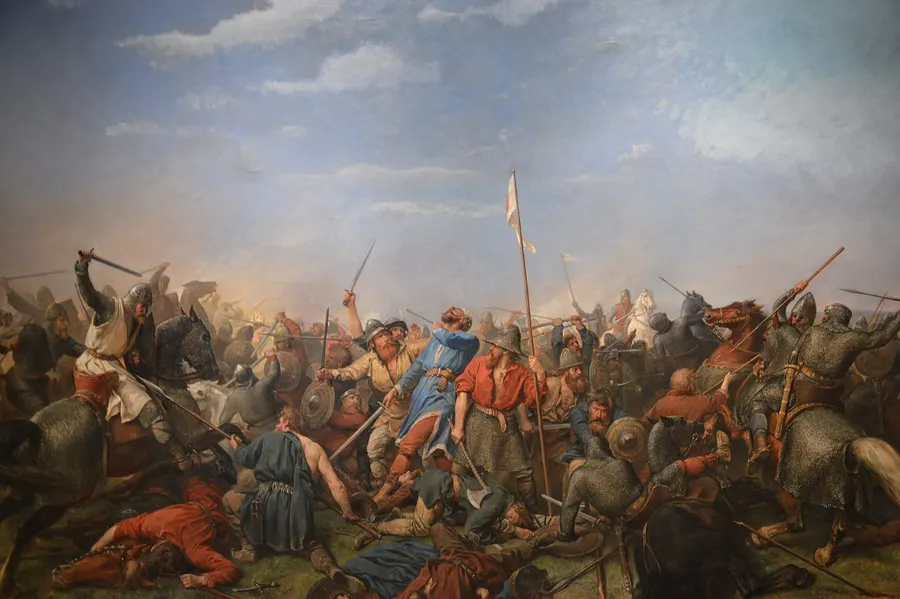
The Battle of Stamford Bridge, painted by Peter Nicolai Arbo in 1870.The Battle of Stamford Bridge, painted by Peter Nicolai Arbo in 1870.Image: Peter Nicolai Arbo · Public domain
world · Europe

Harald Hardrada falls at Stamford Bridge

On 25 September 1066 an English army led by King Harold II defeated an invading Norwegian force under Harald Hardrada at Stamford Bridge in Yorkshire. Hardrada and Harold’s exiled brother Tostig, who had allied with him, were both killed. The Norwegians are said to have left their mail shirts on their ships on a hot day, and only 24 of their 300 ships were needed to carry the survivors home. Harold had little time to celebrate: William of Normandy landed in the south, and Harold was defeated at Hastings that October.

Source: Encyclopaedia Britannica: Battle of Stamford Bridge ↗
1396
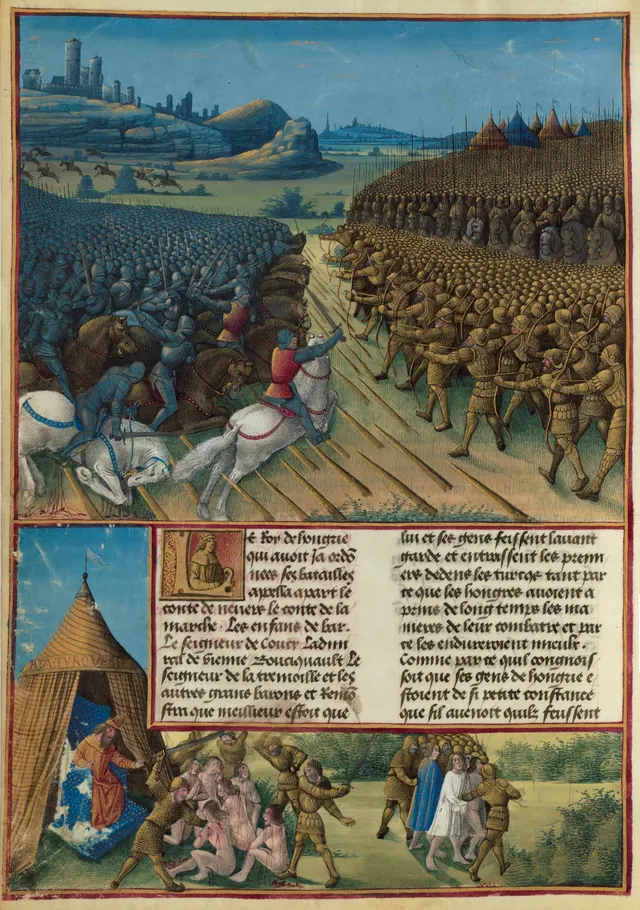
The Battle of Nicopolis in a 15th-century French manuscript by Sébastien Mamerot.The Battle of Nicopolis in a 15th-century French manuscript by Sébastien Mamerot.Image: Sébastien Mamerot · Public domain
world · Europe

The Crusade of Nicopolis is crushed

The Battle of Nicopolis, fought on 25 September 1396, was a catastrophic defeat for Christian knights at the hands of the Ottoman Turks. Pope Boniface IX had called a crusade in 1394, and nobles from France, Burgundy, Hungary, Bohemia, Croatia and Germany joined it under Sigismund, King of Hungary. The crusade was riven by disputes over precedence; the French knights insisted on leading the charge and, separated from their Hungarian support, were destroyed when Bayezid counterattacked. Sigismund escaped, and Bayezid had most of his prisoners executed. The defeat ended the large international efforts to halt Ottoman expansion into the Balkans.

Source: Encyclopaedia Britannica: Battle of Nicopolis ↗
III
A CHANGING WORLD

Early Modern Era

Exploration, political change, scientific development and expanding global connections.

1513
world · Americas

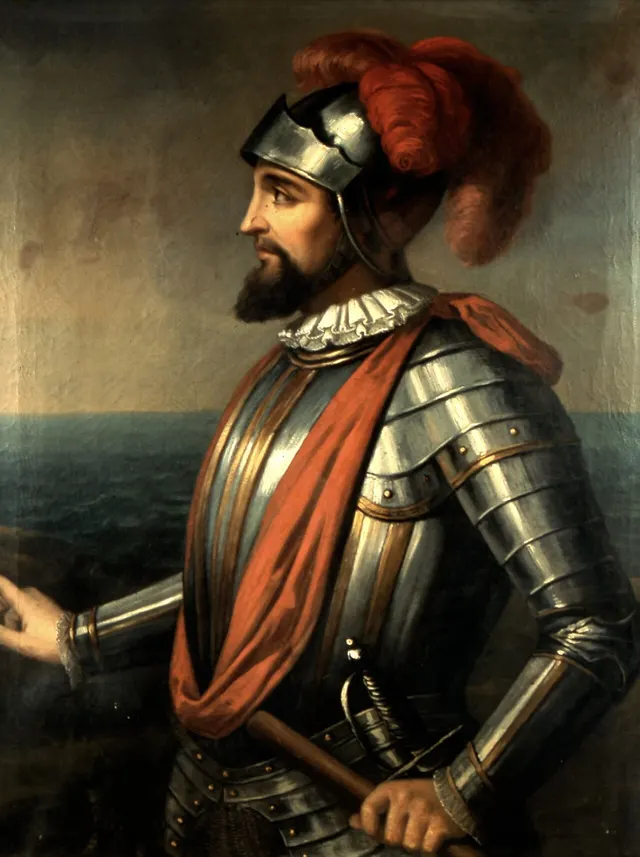
Balboa sights the Pacific

On 25 September 1513, or the 27th according to some sources, Vasco Núñez de Balboa became the first European to sight the eastern shore of the Pacific Ocean, from a mountain peak in Darién on the Isthmus of Panama. He had set out on 1 September with about 200 Spaniards and more than 1,000 native bearers, hacking through jungle and crossing rivers and swamps. Days later the party reached the shore of the Gulf of San Miguel, where Balboa claimed the ‘Mar del Sur’, the South Sea, and its coasts for the king of Castile.

Source: Encyclopaedia Britannica: Vasco Núñez de Balboa ↗
1555
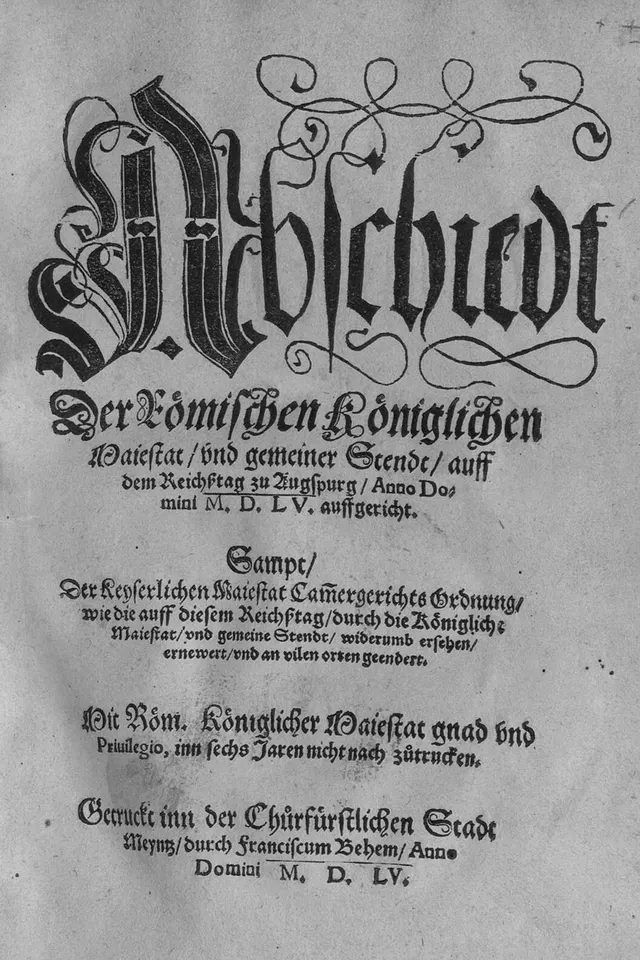
The title page of the printed Peace of Augsburg, Mainz, 1555.The title page of the printed Peace of Augsburg, Mainz, 1555.Image: User:Michail · Public domain
culture · Europe

The Peace of Augsburg

The Peace of Augsburg, promulgated on 25 September 1555 by the Diet of the Holy Roman Empire, was the first permanent legal basis for the coexistence of Lutheranism and Catholicism in Germany. It let each prince choose either Lutheranism or Catholicism for his own territory, the principle later summed up as cuius regio, eius religio, and allowed dissenting residents to emigrate freely. It left out Calvinists, and it greatly increased the power of territorial princes over religious matters.

Source: Encyclopaedia Britannica: Peace of Augsburg ↗
V
THE TWENTIETH CENTURY

The 1900s

War and peace, technological leaps, social change, politics, sport and popular culture.

1962
Ferhat Abbas.Ferhat Abbas.Image: Anefo · CC0
politics · Africa

Algeria is proclaimed a republic

The People’s Democratic Republic of Algeria was formally proclaimed on 25 September 1962, less than three months after the country became independent on 5 July. Ferhat Abbas, who presided over the Algerian Constituent Assembly that year, had first tried to work with the French, joining the National Liberation Front only in 1956 after those attempts failed. In 1958 he had become the first president of the Provisional Government of the Algerian Republic.

Source: Encyclopaedia Britannica: Algeria, independent Algeria ↗
1969
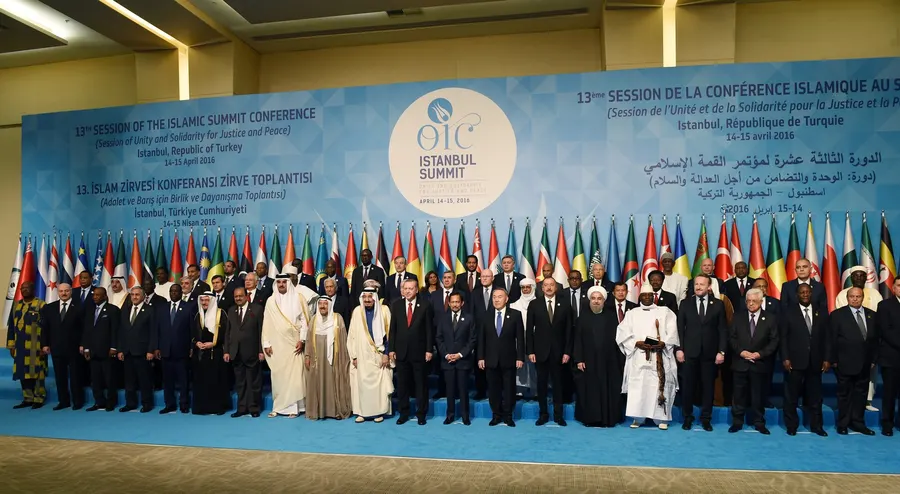
Leaders at the Islamic Summit of the OIC in Istanbul, 2016.Leaders at the Islamic Summit of the OIC in Istanbul, 2016.Image: President.az · CC BY 4.0
politics · Asia

The Organisation of the Islamic Conference is founded

The Organisation of the Islamic Conference, now the Organisation of Islamic Cooperation, was established at a summit in Rabat, Morocco, which ended on 25 September 1969. The summit followed the arson attack on the Al-Aqsa Mosque in Jerusalem on 21 August 1969, and brought together heads of state and government from twenty-five nations. It considered the creation of a permanent secretariat and decided to observe 21 August each year as a day of solidarity with the Palestinian people.

Source: Organisation of Islamic Cooperation: The first Islamic Summit ↗
WHY THESE MOMENTS?

Significance before volume

This page is not the longest possible list of events. It is a chronological journey through 25 September, where each entry is chosen for historical significance, human interest and reliability.

Facts are checked against authoritative museums, archives, universities and reference works. Where sources disagree, the page says so.

EXPLORED THE DEEPER STORY?

Return to the highlights of 25 September

Discover the lighter side of the date with famous birthdays, culture, firsts and lives remembered.

Explore This Day →