
HISTORY & TIMELINE
19 May

A journey through
19 May in history

The story of 19 May runs from the choice of a Roman-born pope in 715 to Croatia’s vote for independence in 1991. In between come a French victory that broke Spain’s famous infantry, England’s declaration that it was a republic, Napoleon’s fleet sailing for Egypt and the birth of the world’s first national parks service in Canada.

II
THE MIDDLE AGES

Medieval History

Kingdoms, conflict, faith, power and the changing medieval world.

715
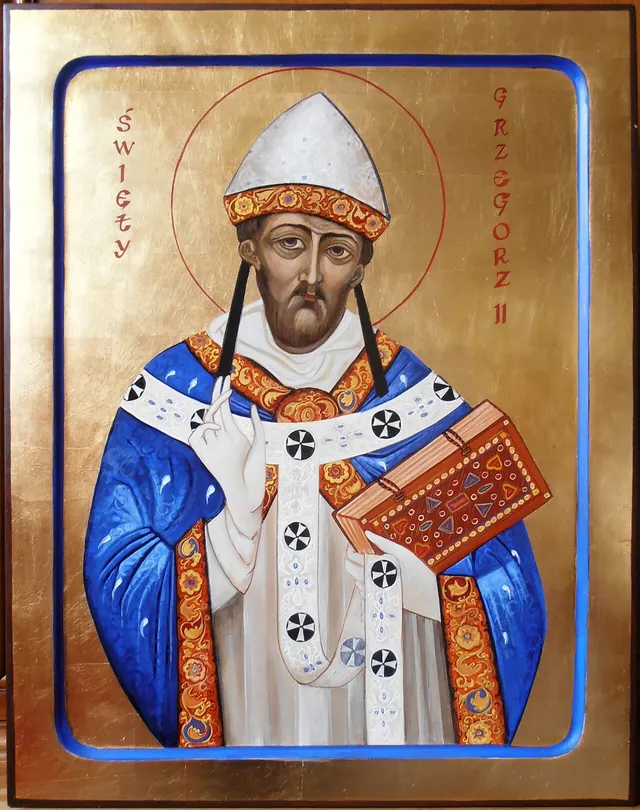
A modern icon of Pope Gregory IIA modern icon of Pope Gregory IIImage: Śląska Szkoła Ikonograficzna · CC BY-SA 3.0
culture · Europe

Gregory II becomes pope

A Roman-born cleric who had served the papacy for years, Gregory II became pope on 19 May 715. His long reign of almost 16 years is remembered for his support of missionaries in Germany, above all Boniface, whom he made a bishop, and for his firm opposition to the Byzantine emperor’s campaign against religious images.

Source: Catholic Encyclopedia (New Advent): Pope St. Gregory II ↗
III
A CHANGING WORLD

Early Modern Era

Exploration, political change, scientific development and expanding global connections.

1536
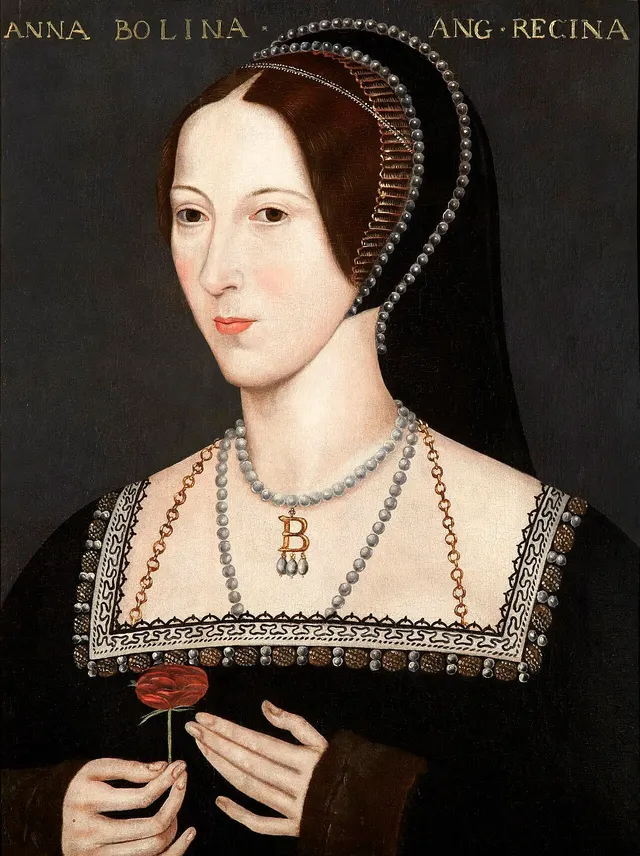
Portrait of Anne Boleyn, second wife of Henry VIIIPortrait of Anne Boleyn, second wife of Henry VIIIImage: English school · Public domain
politics · Europe

Anne Boleyn goes to the scaffold on Tower Green

Less than three years after she was crowned, Anne Boleyn was led out on the morning of 19 May 1536 to a scaffold on Tower Green inside the Tower of London. Henry VIII had turned against the wife he had broken with Rome to marry, and she had been convicted of adultery, incest and plotting against the king on charges most historians now regard as invented. As a small mercy, Henry sent for an expert swordsman from Calais rather than use the axe. Anne made a short, careful speech praising the king before a single stroke ended her life. She was buried in the Tower’s chapel of St Peter ad Vincula, and within eleven days Henry had married Jane Seymour. Anne’s daughter would one day reign as Elizabeth I.

Source: Historic Royal Palaces: Anne Boleyn ↗
1643
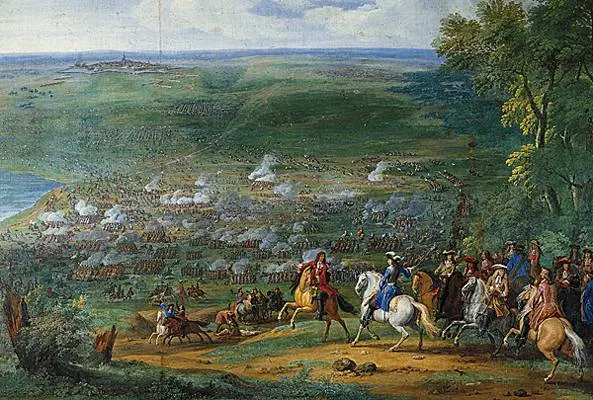
The Battle of Rocroi, painted by Sauveur Le ConteThe Battle of Rocroi, painted by Sauveur Le ConteImage: Sauveur Lecomte · Public domain
world · Europe

France breaks Spain’s infantry at Rocroi

During the Thirty Years’ War, a Spanish army besieging the French border town of Rocroi was attacked on 19 May 1643 by a French force led by the 21-year-old Duke of Enghien, later known as the Great Condé. After hours of fierce fighting, the famous Spanish infantry squares, the tercios, were broken. The battle is often seen as the end of Spain’s long military dominance in Europe.

Source: Britannica: Battle of Rocroi ↗
1649
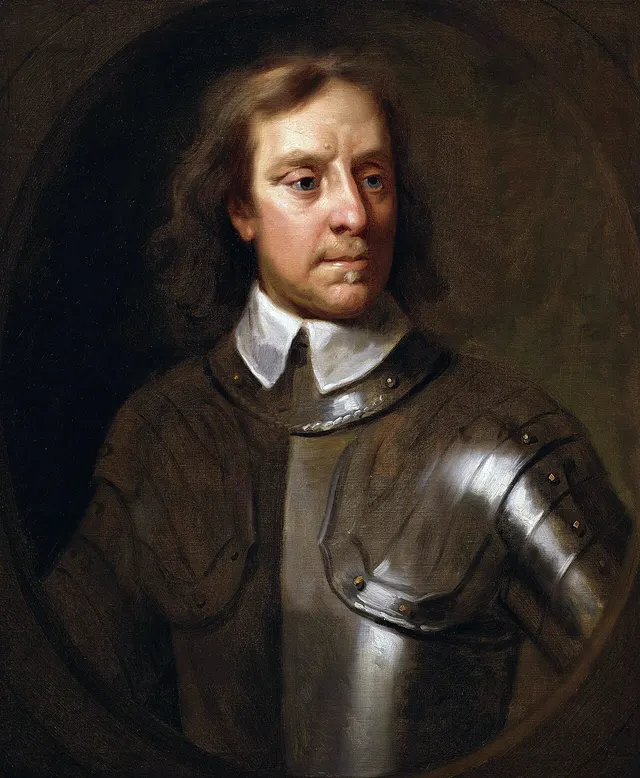
Oliver Cromwell, the leading figure of the new CommonwealthOliver Cromwell, the leading figure of the new CommonwealthImage: After Samuel Cooper · Public domain
politics · Europe

England is declared a Commonwealth

Four months after the execution of Charles I, the Rump Parliament passed an Act on 19 May 1649 declaring that the people of England and its dominions were a Commonwealth and Free State, to be governed by their representatives in Parliament without any king or House of Lords. England remained a republic until the monarchy was restored in 1660.

Source: British History Online: An Act declaring the People of England to be a Commonwealth and Free-State, May 1649 ↗
1780
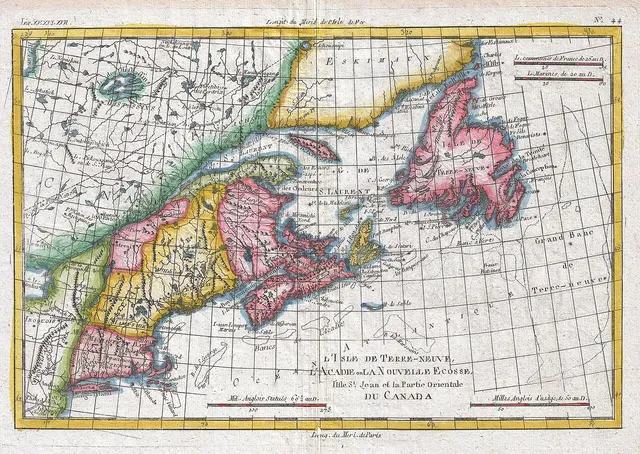
A map of New England and the Maritime Provinces by Rigobert Bonne, published in 1780A map of New England and the Maritime Provinces by Rigobert Bonne, published in 1780Image: Rigobert Bonne · Public domain
science · Americas

Midday turns to night over New England

On 19 May 1780, as the American Revolutionary War dragged on, the morning sky over New England turned a strange yellow and then grew so dark that people lit candles at noon. Birds went to roost, farm animals headed home and many feared the Day of Judgement had come. Abigail Adams was among those who wrote down what they saw. The darkness lifted the next day, and the event was remembered as the Dark Day for generations, inspiring sermons and printed poems. Modern researchers, studying scarred tree rings in Ontario, have linked it to huge forest fires far to the north and west, whose smoke combined with fog and heavy cloud to blot out the sun.

Source: Massachusetts Historical Society: New England’s Dark Day of 1780 ↗
1798
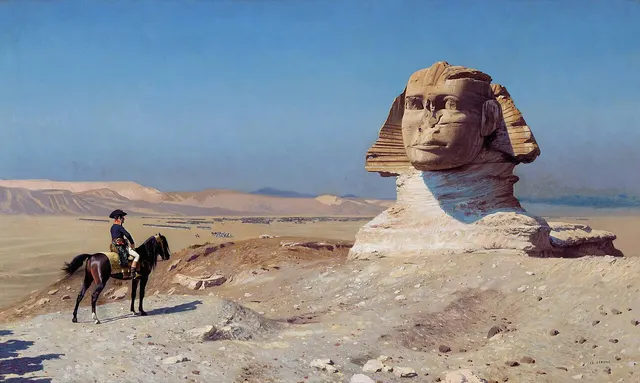
Bonaparte Before the Sphinx, painted by Jean-Léon GérômeBonaparte Before the Sphinx, painted by Jean-Léon GérômeImage: Jean-Léon Gérôme · Public domain
world · Africa

Napoleon’s fleet sails for Egypt

On 19 May 1798 Napoleon Bonaparte sailed from Toulon with a large fleet and army bound for Egypt. The aim was to hurt British trade and threaten the route to India. Along with the soldiers went a commission of scholars and scientists. The expedition seized Malta on the way and took Alexandria in July, but Nelson destroyed the French fleet at the Battle of the Nile in August.

Source: Britannica: Egypt, from the French to the British occupation ↗
IV
THE NINETEENTH CENTURY

The 1800s

Industry, empire, invention, reform and a century of enormous transformation.

1802
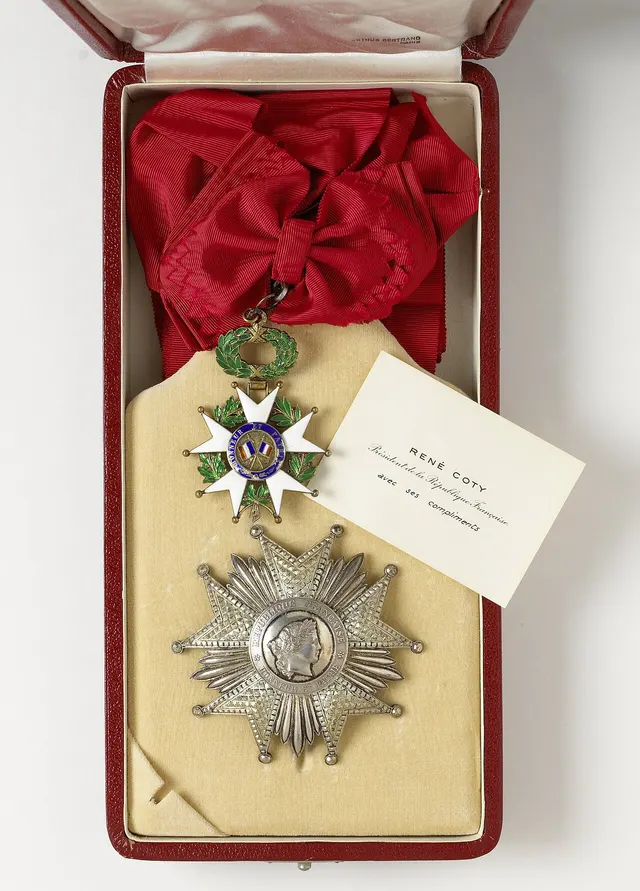
An insignia of the Légion d'honneur in its case, now in the RijksmuseumAn insignia of the Légion d’honneur in its case, now in the RijksmuseumImage: Rijksmuseum · CC0
world · Europe

Napoleon creates the Legion of Honour

On 19 May 1802 Napoleon Bonaparte, then First Consul of France, founded the Legion of Honour. Revolutionary France had swept away the old royal orders of chivalry, and Napoleon wanted a new way to reward service to the nation. Unusually for the time, the honour was open to soldiers and civilians alike, whatever their birth or religion. Critics complained that it brought back the privileges the Revolution had abolished, but Napoleon argued that people are led by such symbols. He went on to make tens of thousands of appointments himself. More than two centuries later the Legion of Honour, with its five grades from knight to grand cross, is still France’s highest award.

Source: La grande chancellerie de la Légion d’honneur: Founding principles and history ↗
V
THE TWENTIETH CENTURY

The 1900s

War and peace, technological leaps, social change, politics, sport and popular culture.

1911
Moraine Lake in Banff National Park, Canada's first national parkMoraine Lake in Banff National Park, Canada’s first national parkImage: Gorgo · Public domain
world · Americas

Canada creates the world’s first national parks service

On 19 May 1911 the Canadian government set up the Dominion Parks Branch to look after the country’s national parks, making it the first national parks service anywhere in the world. At the time Canada had only a handful of parks, most of them in the Rocky Mountains along the railway. Its first commissioner was James B. Harkin. The agency is known today as Parks Canada.

Source: Parks Canada: Creation of the Dominion Parks Branch National Historic Event ↗
1919
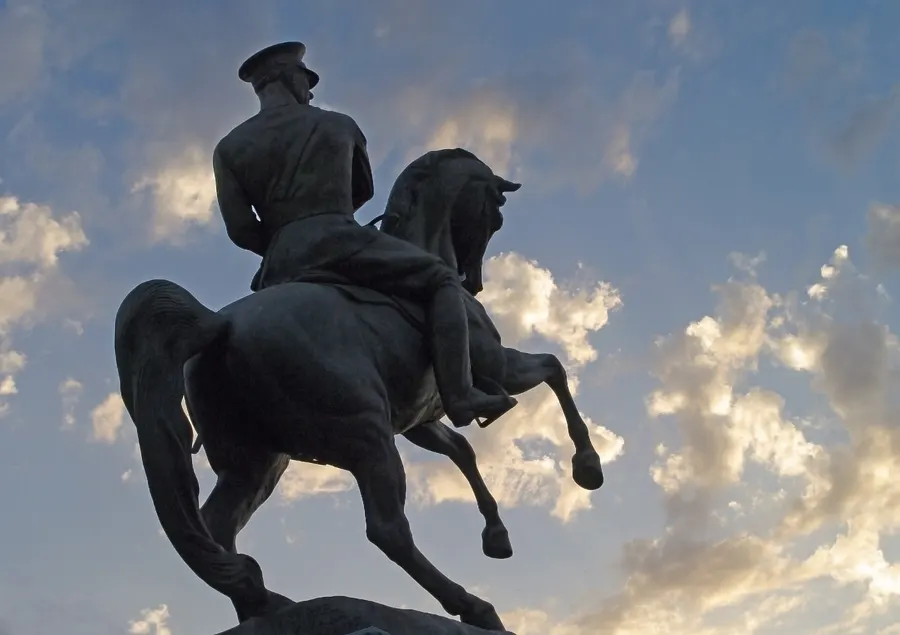
The Onur Anıtı (Monument of Honour) in Samsun, an equestrian statue of Atatürk marking his arrival in the cityThe Onur Anıtı (Monument of Honour) in Samsun, an equestrian statue of Atatürk marking his arrival in the cityImage: Zeynel Cebeci · CC BY-SA 4.0
politics · Middle East

Mustafa Kemal lands at Samsun

After defeat in the First World War, the Ottoman Empire was occupied by Allied forces, and Greek troops had just landed at Izmir. The government in Istanbul sent Mustafa Kemal, one of its most successful generals, to eastern Anatolia on an official mission. He came ashore at the Black Sea port of Samsun on 19 May 1919 and at once began organising national resistance instead. Turks often date the start of their modern history to that landing. It opened the War of Independence, which ended with the founding of the Republic of Turkey in 1923 with Mustafa Kemal, later known as Atatürk, as its first president. He came to treat 19 May as his own birthday, and the date is now a national holiday.

Source: Britannica: Kemal Atatürk, the nationalist movement and the war for independence ↗
1962
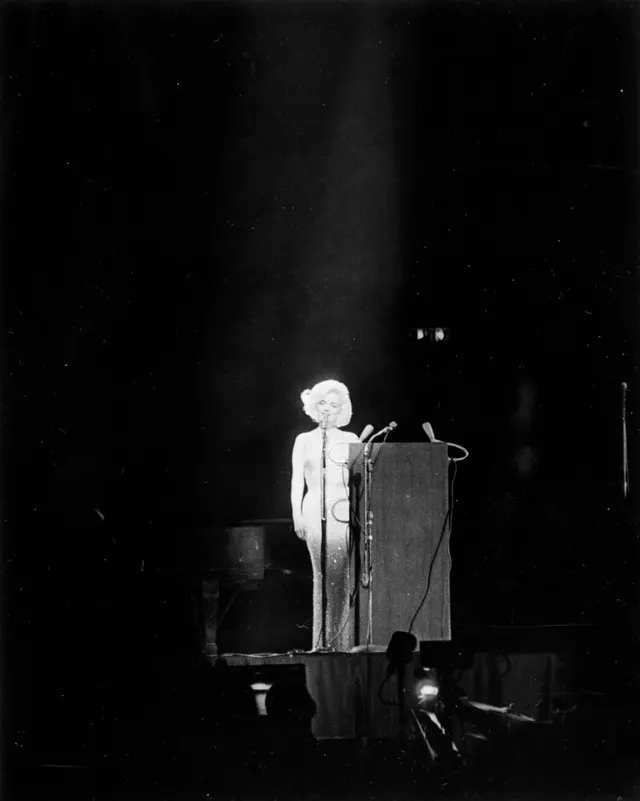
Marilyn Monroe on stage at Madison Square Garden at the birthday salute to President Kennedy, May 1962Marilyn Monroe on stage at Madison Square Garden at the birthday salute to President Kennedy, May 1962Image: Cecil Stoughton, White House Photographs · Public domain
culture · Americas

Marilyn Monroe sings Happy Birthday, Mr. President

On the evening of 19 May 1962, some 15,000 people packed Madison Square Garden in New York for a Democratic Party fundraiser billed as a birthday salute to President John F. Kennedy, who would turn 45 later that month. The bill was full of stars, but the moment everyone remembered came near the end. Introduced by Kennedy’s brother-in-law Peter Lawford, Marilyn Monroe stepped into the spotlight in a glittering, skin-coloured gown sewn with thousands of crystals and sang a slow, breathy Happy Birthday. The President joked that he could now retire from politics. It was one of Monroe’s last great public appearances; she died less than three months later.

Source: JFK Library: Birthday Salute to President Kennedy, Madison Square Garden, 19 May 1962 ↗
1971
A 1972 Soviet stamp honouring the Mars 2 probeA 1972 Soviet stamp honouring the Mars 2 probeImage: USSR Post · Public domain
science · Global

The Soviet Union launches Mars 2

A Proton rocket lifted off from the Baikonur Cosmodrome on 19 May 1971 carrying Mars 2, a Soviet spacecraft built both to orbit the red planet and to drop a lander onto its surface. It was part of a busy launch window that also sent its twin, Mars 3, and NASA’s Mariner 9 towards Mars that year. Mars 2 reached orbit in November 1971, arriving during a planet-wide dust storm. Its lander failed during descent and was destroyed, but it became the first human-made object to reach the surface of Mars. The orbiter kept working until the following August, completing 362 orbits and sending back dozens of pictures.

Source: NASA NSSDCA: Mars 2 ↗
1991
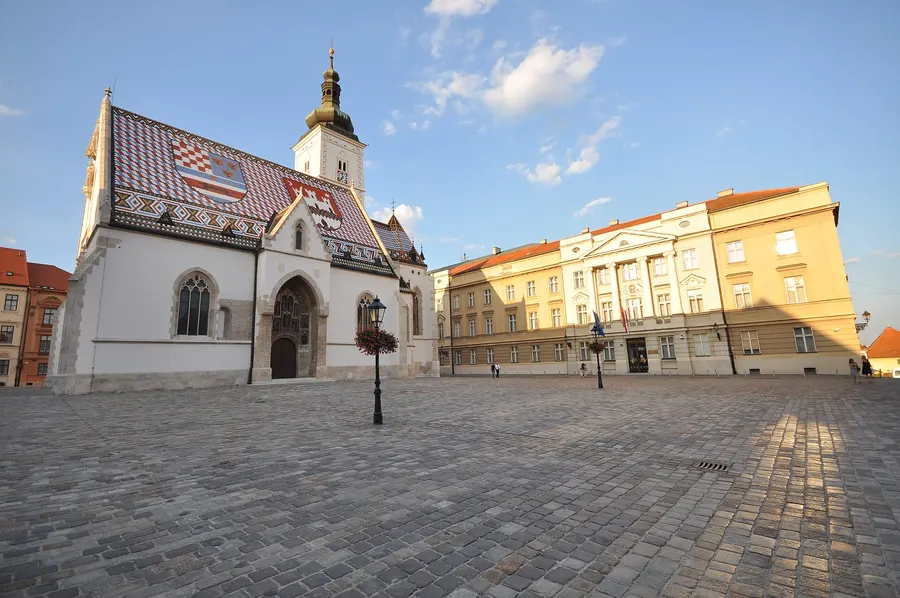
St Mark's Square in Zagreb, with St Mark's Church on the left and the Croatian Parliament building on the rightSt Mark’s Square in Zagreb, with St Mark’s Church on the left and the Croatian Parliament building on the rightImage: Jorge Láscar from Australia · CC BY 2.0
politics · Europe

Croatia votes for independence

As Yugoslavia began to break apart, voters in Croatia went to the polls on 19 May 1991 to decide their future. More than nine in ten of those who voted backed a sovereign and independent Croatia and rejected staying in a single Yugoslav federal state. The Croatian Parliament declared independence on 25 June 1991, and war with Serb forces and the Yugoslav army soon followed.

Source: Croatian Parliament: 19 May, Croatian Independence Referendum ↗
VI
2000 TO TODAY

Modern Day

The events of recent decades that have already become part of the historical record.

2012
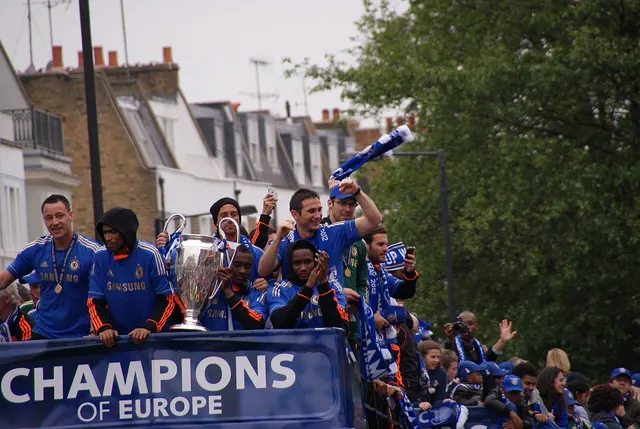
Chelsea players parade the European Cup through London after their 2012 winChelsea players parade the European Cup through London after their 2012 winImage: Julian Mason from London, UK · CC BY 2.0
sport · Europe

Chelsea win the Champions League in Bayern’s own stadium

Bayern Munich had the rare chance to win Europe’s biggest club prize at home when they met Chelsea in the Champions League final at Munich’s Allianz Arena on 19 May 2012. Bayern dominated for long spells, and Thomas Müller headed them in front with only minutes to go. Chelsea’s Didier Drogba equalised with a header from a corner in the 88th minute, and the match went to extra time and then penalties. Goalkeeper Petr Čech made key saves, and Drogba stepped up to score the winning kick. Chelsea won 4-3 on penalties to become champions of Europe for the first time, in what had begun as a troubled season.

Source: UEFA: Bayern München 1-1 Chelsea, 2011/12 final ↗
RESEARCH

Sources & Further Reading

Selected authoritative references supporting the events on this page.

WHY THESE MOMENTS?

Significance before volume

This page is not the longest possible list of events. It is a chronological journey through 19 May, where each entry is chosen for historical significance, human interest and reliability.

Facts are checked against authoritative museums, archives, universities and reference works. Where sources disagree, the page says so.

EXPLORED THE DEEPER STORY?

Return to the highlights of 19 May

Discover the lighter side of the date with famous birthdays, culture, firsts and lives remembered.

Explore This Day →
← PREVIOUS DAY18 May
HISTORY & TIMELINE19 May
NEXT DAY →20 May