
HISTORY & TIMELINE
13 June

A journey through
13 June in history

The story of 13 June runs from a Roman emperor’s promise of religious freedom in 313 to a Japanese space capsule falling into the South Australian outback in 2010. In between come a burning palace in medieval London, a former monk’s marriage, a Verdi premiere in Paris, the first European Cup final, an Arctic exploring ship lost in the ice, a young city razed by fire in half an hour, a territory carved out for the Klondike gold rush and the right to remain silent.

I
EARLIEST RECORDS

Ancient & Early History

The earliest worthwhile records and events connected with this date.

313
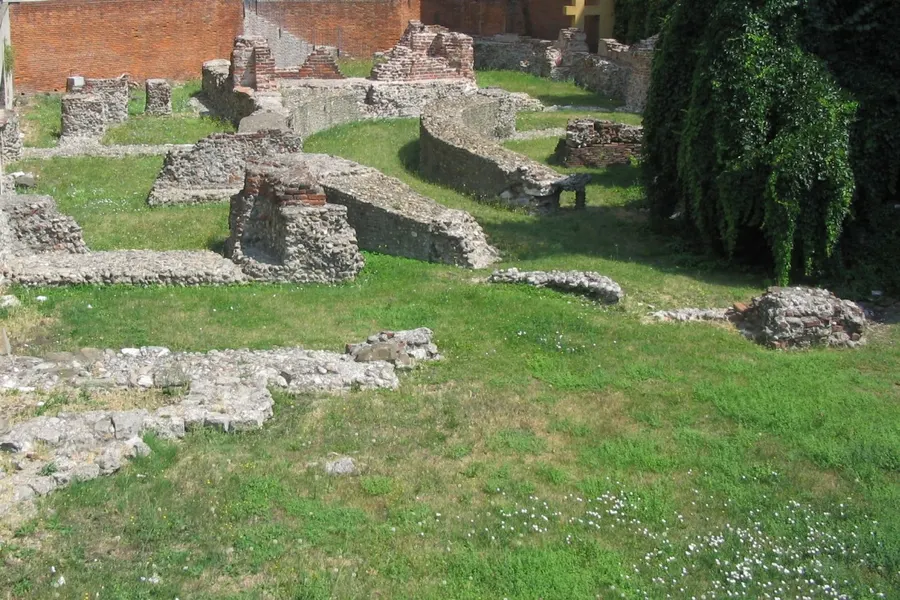
Ruins of the Roman imperial palace in Milan, the city where Constantine and Licinius met in 313Ruins of the Roman imperial palace in Milan, the city where Constantine and Licinius met in 313Image: Lorenzo Fratti · CC BY-SA 3.0
culture · Europe

Licinius publishes the promise of freedom agreed at Milan

Early in 313 the two most powerful men in the Roman world met at Milan. Constantine, master of the West, and Licinius, who was about to fight for control of the East, agreed a policy that would change the history of Europe: Christians, and everyone else, were to be free to follow whatever religion they chose, and churches and property seized from Christians during the persecutions were to be handed back. There was no single decree signed in Milan. What survives are letters Licinius sent to his provincial governors once he had beaten his rival Maximinus Daia that spring. The writer Lactantius, who lived in Nicomedia, records that Licinius entered the city and on the Ides of June, 13 June 313, had the letter to the governor of Bithynia made public there. It brought the last great persecution of the Christians to an end and made theirs a lawful faith across the empire.

Source: Britannica: Edict of Milan ↗
II
THE MIDDLE AGES

Medieval History

Kingdoms, conflict, faith, power and the changing medieval world.

1381
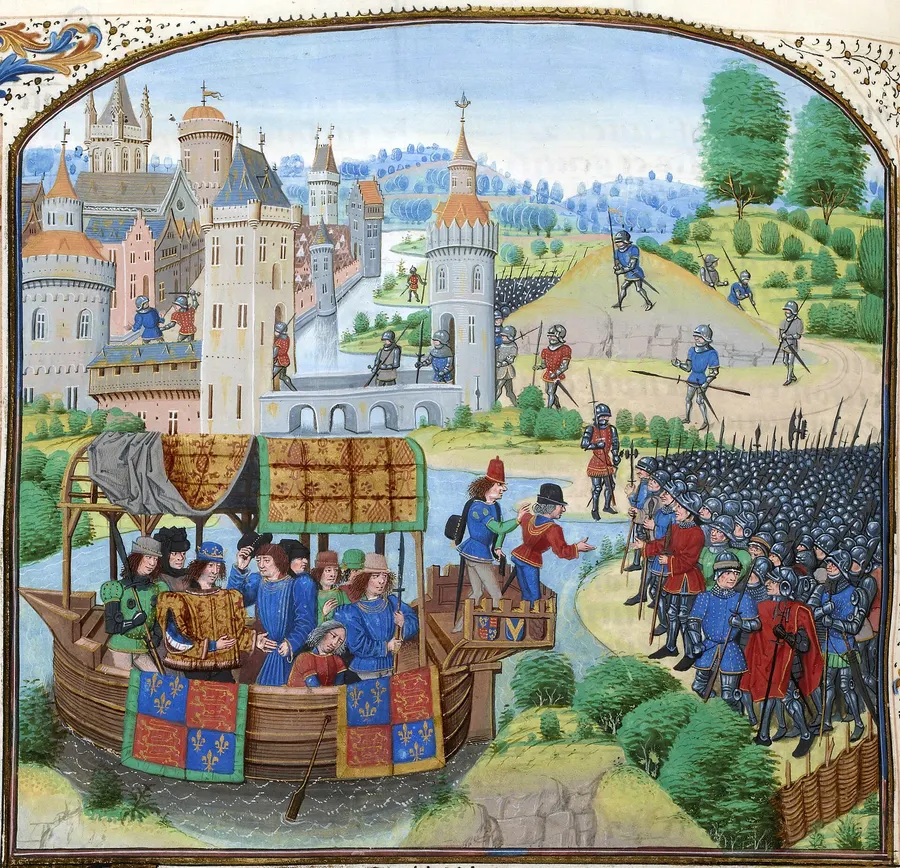
Richard II in his barge meeting the rebels of 1381, from a 15th-century manuscript of Froissart's ChroniclesRichard II in his barge meeting the rebels of 1381, from a 15th-century manuscript of Froissart’s ChroniclesImage: Jean Froissart · Public domain
world · Europe

The rebels of 1381 enter London and burn the Savoy

In 1380 the English government imposed its third poll tax in four years, a flat charge on almost every adult to pay for the war with France. Anger that had been building since the Black Death boiled over in Essex and Kent in the early summer of 1381. The Kentish men chose Wat Tyler as their captain on 7 June, took Canterbury on 10 June and marched on London, where King Richard II was just fourteen years old. On 13 June the rebels crossed into the city. They made for the Savoy, the grand riverside palace of the king’s uncle John of Gaunt, whom many blamed for the tax, and burned it to the ground; Flemish merchants in the city were also hunted down and killed. Within two days the rebels had seized the Tower and Tyler had been killed at Smithfield in front of the king, and the rising soon fell apart.

Source: Britannica: Peasants’ Revolt ↗
III
A CHANGING WORLD

Early Modern Era

Exploration, political change, scientific development and expanding global connections.

1525
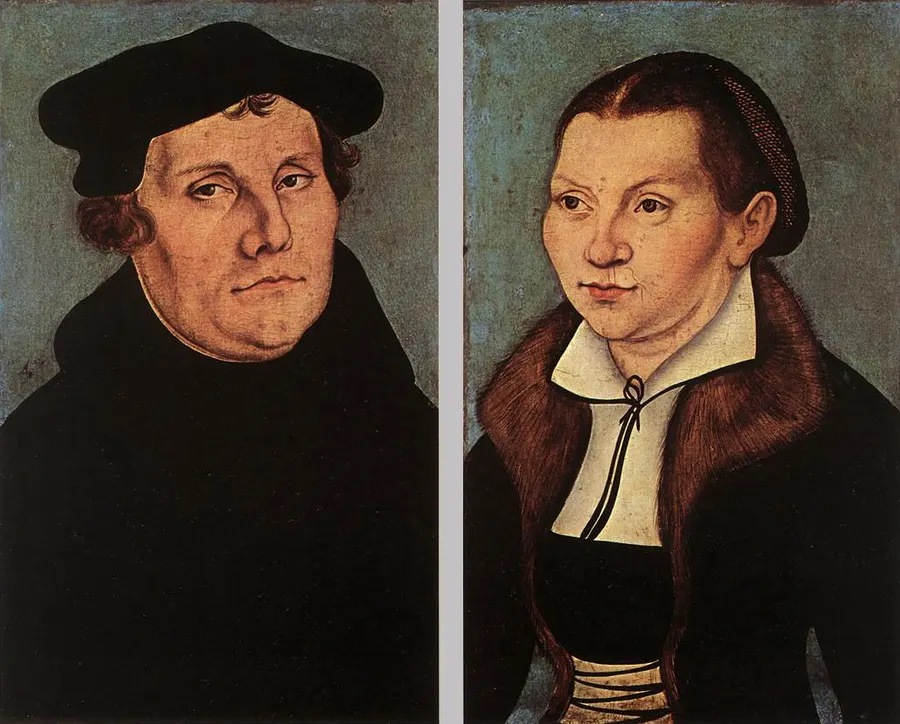
Martin Luther and Katharina von Bora, a pair of portraits from the workshop of Lucas Cranach the Elder, in the Uffizi, FlorenceMartin Luther and Katharina von Bora, a pair of portraits from the workshop of Lucas Cranach the Elder, in the Uffizi, FlorenceImage: Workshop of Lucas Cranach the Elder · Public domain
culture · Europe

Martin Luther marries the runaway nun Katharina von Bora

Katharina von Bora had escaped from her convent at Nimbschen, near Grimma, and found refuge in Wittenberg. On 13 June 1525 Martin Luther, himself a former monk, married her in a small ceremony at his home in the old Black Monastery, with Johannes Bugenhagen officiating; a public wedding feast followed on 27 June. Many of Luther’s friends feared the match would damage the Reformation, but the couple had six children and their household became a model for Protestant clergy families.

Source: Luther.de: Luther’s marriage to Katharina von Bora ↗
IV
THE NINETEENTH CENTURY

The 1800s

Industry, empire, invention, reform and a century of enormous transformation.

1855
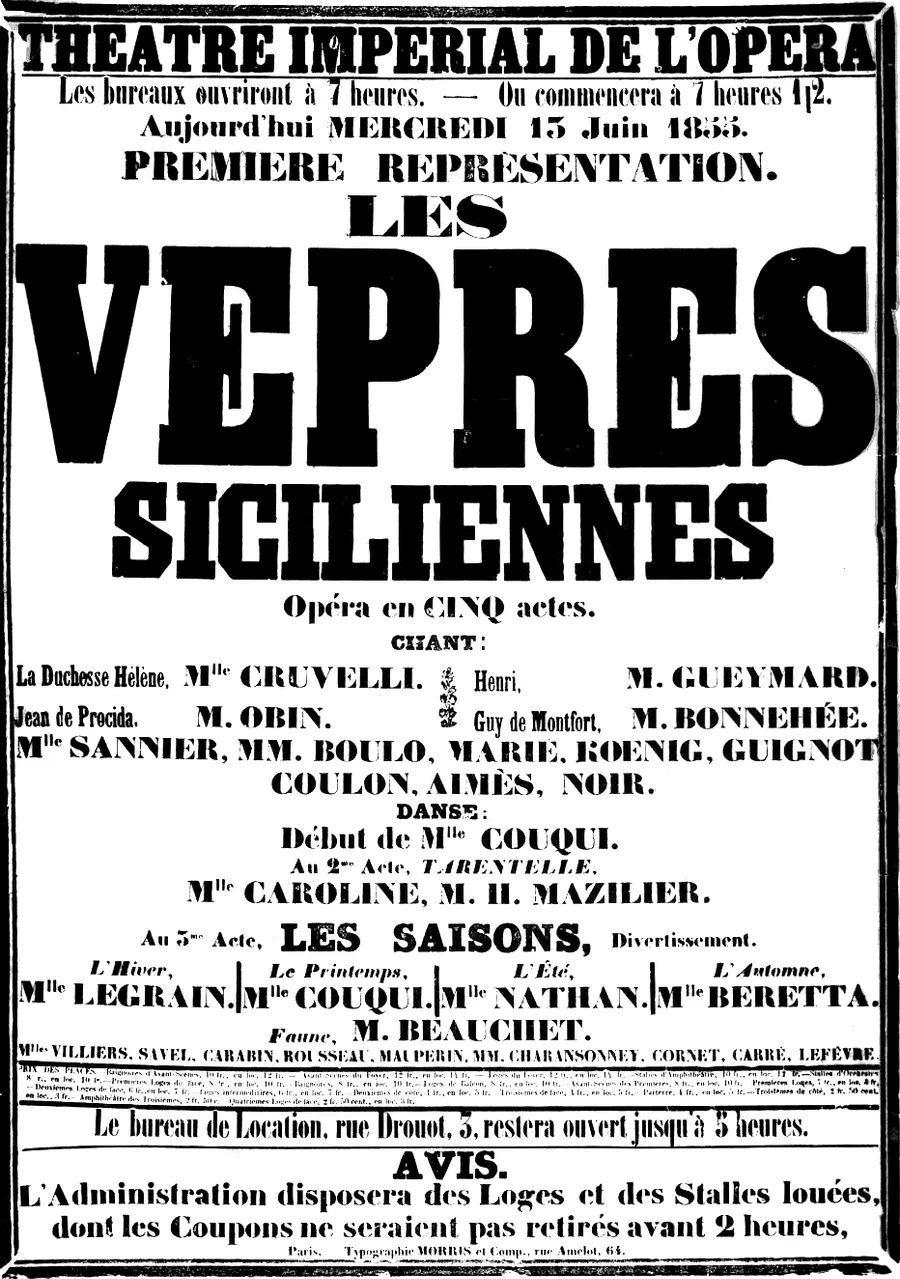
The Paris Opéra's poster for the first performance of Les Vêpres siciliennes on Wednesday 13 June 1855The Paris Opéra’s poster for the first performance of Les Vêpres siciliennes on Wednesday 13 June 1855Image: Theatre Imperial de l'Opera Paris · Public domain
culture · Europe

Verdi takes on Paris with Les Vêpres siciliennes

By the 1850s Giuseppe Verdi was the leading opera composer in Italy, but the Paris Opéra was the most prestigious stage in Europe, and it demanded a particular kind of work: a grand opera in French, in five acts, with a ballet. Verdi’s first attempt, to a libretto by Eugène Scribe and Charles Duveyrier, told the story of the Sicilians’ rising against their French rulers at Palermo in 1282. Les Vêpres siciliennes was first performed at the Théâtre impérial de l’Opéra on Wednesday 13 June 1855, and the first-night audience received it warmly. It has never quite held the stage like Verdi’s best-loved operas; critics have blamed the libretto, which Scribe had recycled from an old text written for Donizetti. It is most often heard today in Italian, as I vespri siciliani.

Source: Bibliothèque nationale de France (Gallica): poster for the first performance, 13 June 1855 ↗
1878
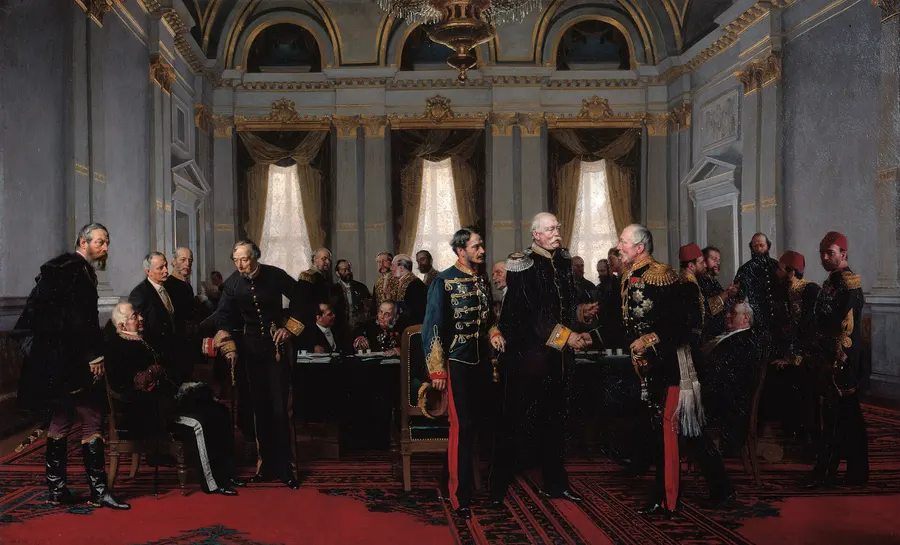
Anton von Werner's painting of the closing session of the Congress of Berlin on 13 July 1878, with Bismarck at the centreAnton von Werner’s painting of the closing session of the Congress of Berlin on 13 July 1878, with Bismarck at the centreImage: Anton von Werner · Public domain
politics · Europe

The great powers meet in Berlin to redraw the Balkans

Russia’s victory over the Ottoman Empire ended in March 1878 with the Treaty of San Stefano, which alarmed Britain and Austria-Hungary so much that Britain prepared for war. On 13 June 1878 the powers met in Berlin, with the German chancellor Otto von Bismarck in the chair. In a month they rewrote the settlement, cutting back Russia’s gains, keeping the Ottoman Empire in Europe and letting Austria-Hungary occupy Bosnia and Herzegovina. The Treaty of Berlin was signed on 13 July.

Source: Britannica: Congress of Berlin ↗
1881
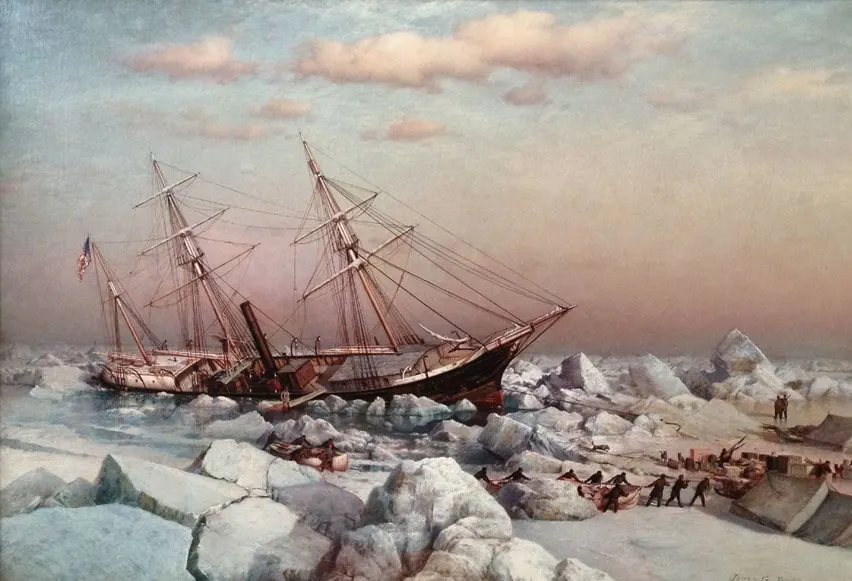
Abandoning the Arctic exploration ship Jeannette, a painting by James Gale TylerAbandoning the Arctic exploration ship Jeannette, a painting by James Gale TylerImage: James Gale Tyler · Public domain
world · Asia

The Arctic ice sinks the exploring ship Jeannette

The USS Jeannette sailed from San Francisco in July 1879 under Lieutenant George W. De Long, hoping to reach the North Pole through an open polar sea that some geographers believed lay beyond the ice. It was trapped in the pack that September and drifted for almost two years. On 12 June 1881 the ice crushed its sides, and early on 13 June it sank north of Siberia. The crew dragged their boats south across the ice to the Lena delta, where De Long and many of his men died of hunger and cold.

Source: Naval History and Heritage Command: The Jeannette expedition in Arctic waters ↗
1886
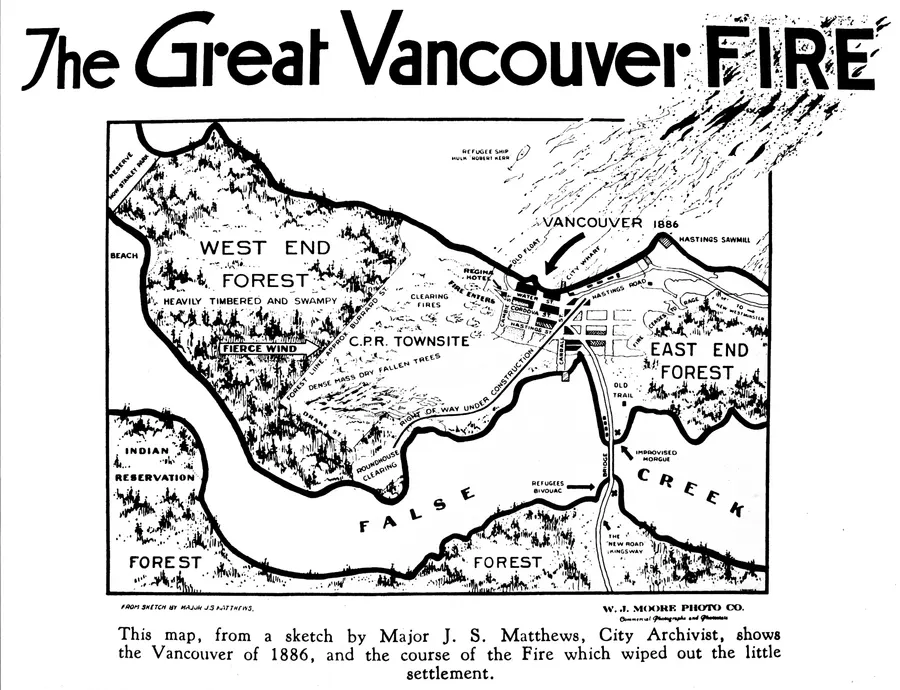
A map of Vancouver in 1886 showing the course of the Great Fire, drawn from a sketch by the city archivist Major J. S. MatthewsA map of Vancouver in 1886 showing the course of the Great Fire, drawn from a sketch by the city archivist Major J. S. MatthewsImage: Major Mathews/W. J. Moore · Public domain
world · Americas

Fire destroys the new city of Vancouver in half an hour

Vancouver had been a city for barely two months when, on 13 June 1886, a fire lit to clear land for the Canadian Pacific Railway ran out of control. It swept through the town in less than 30 minutes, leaving only a handful of its roughly 1,000 buildings standing; more than two dozen people are thought to have died. Many survived by fleeing into Burrard Inlet, where First Nations families paddled their canoes across the water to pull people to safety.

Source: City of Vancouver Archives: The Great Vancouver Fire ↗
1898
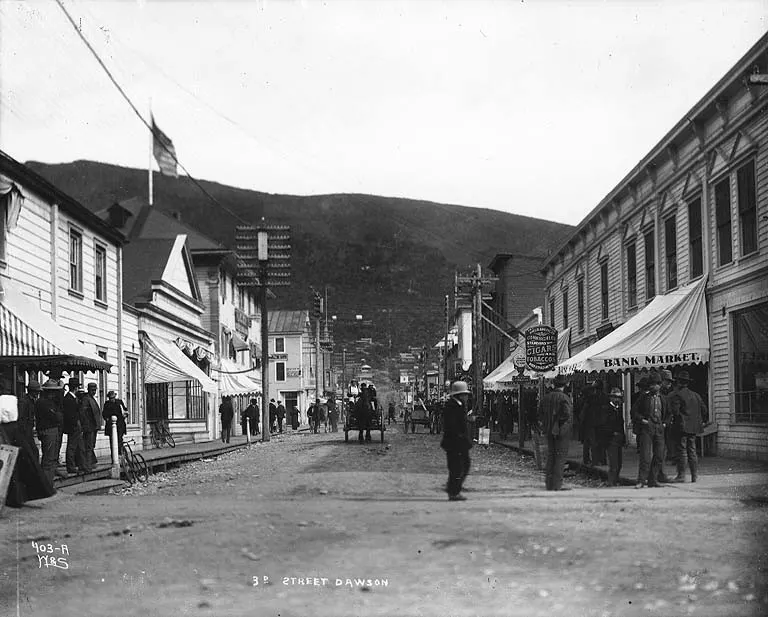
Third Street in Dawson, capital of the new Yukon Territory, photographed by Eric Hegg around 1899Third Street in Dawson, capital of the new Yukon Territory, photographed by Eric Hegg around 1899Image: Eric A. Hegg · Public domain
politics · Americas

The Klondike gold rush gives Canada a new territory

When gold was found in the Klondike in 1896, the far north-west of Canada was a thinly peopled corner of the vast Northwest Territories, governed from a long way off. Within two years tens of thousands of prospectors had poured in, most of them over the mountain passes from Alaska, and the federal government in Ottawa wanted a much firmer hand on the region. On 13 June 1898 the Yukon Act made the Yukon a separate territory, with Dawson, at the meeting of the Klondike and Yukon rivers, as its capital. For a short time Dawson was one of the largest towns in western Canada, with around 40,000 people in 1898 and 1899. As the gold ran out the population fell away, and in 1953 the capital moved south to Whitehorse.

Source: The Canadian Encyclopedia: Yukon and Confederation ↗
V
THE TWENTIETH CENTURY

The 1900s

War and peace, technological leaps, social change, politics, sport and popular culture.

1956
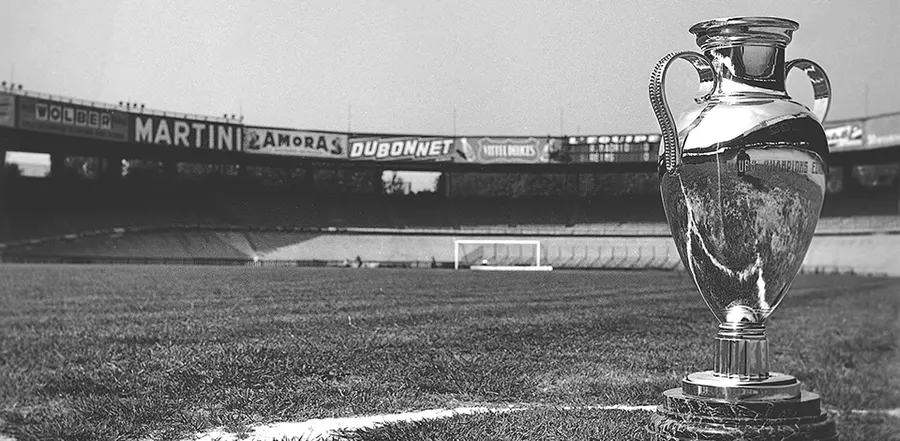
The new European Champion Clubs' Cup on show at the Parc des Princes in Paris on the day of the first final, 13 June 1956The new European Champion Clubs’ Cup on show at the Parc des Princes in Paris on the day of the first final, 13 June 1956Image: L'Equipe · CC BY-SA 4.0
sport · Europe

Real Madrid win the first European Cup

The idea of a competition for the champion football clubs of Europe came from the French sports newspaper L’Équipe, and in 1955 UEFA took it up. Real Madrid, led by the Argentine-born forward Alfredo Di Stéfano, knocked out Servette, Partizan and AC Milan on the way to the first final. It was played on 13 June 1956 at the Parc des Princes in Paris, against the French champions Stade de Reims. Reims were two goals up within ten minutes, and led again early in the second half, but Madrid came back each time; Di Stéfano and Héctor Rial levelled, and late goals from Marquitos and Rial won it 4-3. It was the first of five European Cups in a row for Real Madrid.

Source: UEFA: Real Madrid 4-3 Reims, 1955/56 final ↗
1966
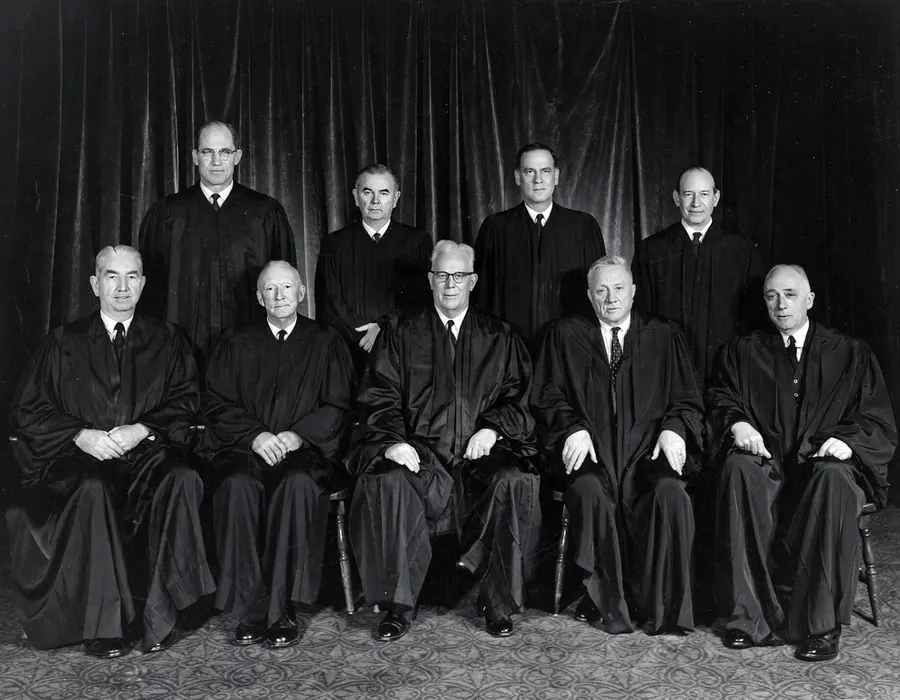
The justices of the Warren Court, who decided Miranda v. Arizona, in their official photograph of 1965The justices of the Warren Court, who decided Miranda v. Arizona, in their official photograph of 1965Image: Supreme Court Official Photo · Public domain
world · Americas

The US Supreme Court gives suspects the right to be warned

Ernesto Miranda had confessed to kidnapping and rape after two hours of police questioning in Phoenix, Arizona, without being told of his rights. On 13 June 1966 the Supreme Court ruled 5 to 4, in an opinion by Chief Justice Earl Warren, that statements made in police custody cannot be used unless suspects are first told that they may remain silent, that anything they say can be used against them and that they have the right to a lawyer. The ‘Miranda warning’ became a fixture of American policing.

Source: United States Courts: Facts and case summary, Miranda v. Arizona ↗
1971
Daniel Ellsberg, who leaked the Pentagon Papers, speaking at a press conference in 1972Daniel Ellsberg, who leaked the Pentagon Papers, speaking at a press conference in 1972Image: Gotfryd, Bernard, photographer · Public domain
politics · Americas

The New York Times begins printing the Pentagon Papers

In 1967 the US defence secretary Robert McNamara ordered a secret history of American involvement in Vietnam. The finished study ran to 47 volumes, written by 36 analysts, and it showed that the Truman, Eisenhower, Kennedy and Johnson administrations had misled the public about how deeply the country was committed. One of the analysts, Daniel Ellsberg, turned against the war, copied the report and, after failing to interest senators, took it to a reporter at The New York Times. On 13 June 1971 the Times began publishing it. The Nixon administration went to court and won an order stopping further instalments, but on 30 June the Supreme Court ruled 6 to 3 that the press could go on printing. Ellsberg and his colleague Anthony Russo were charged under the Espionage Act; in 1973 the case was thrown out when evidence of gross government misconduct came to light.

Source: Britannica: Pentagon Papers ↗
1982
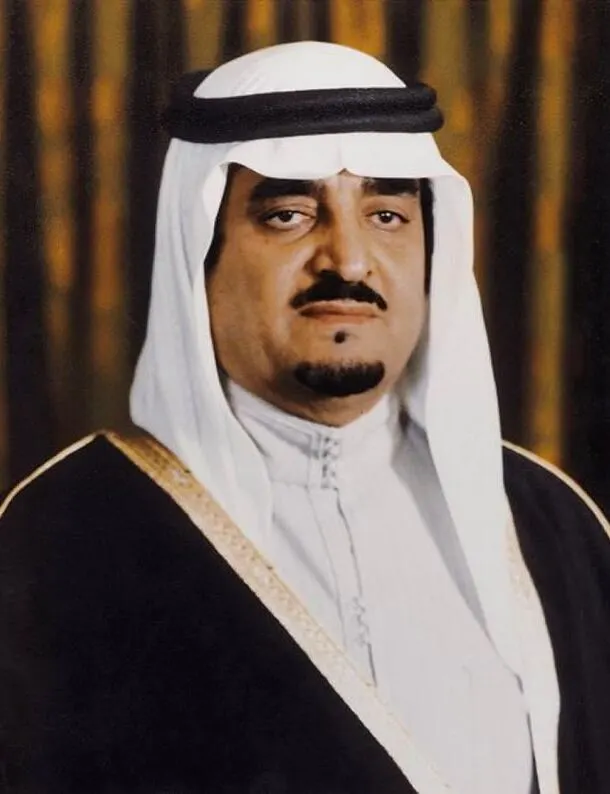
King Fahd bin Abdulaziz in an official portrait of 1982King Fahd bin Abdulaziz in an official portrait of 1982Image: Unknown author · Public domain
politics · Middle East

Fahd becomes king of Saudi Arabia

King Khalid of Saudi Arabia died of a sudden heart attack on 13 June 1982 and was succeeded by his half-brother, Crown Prince Fahd. As crown prince, Fahd had already been the kingdom’s day-to-day ruler for much of Khalid’s reign, and the handover was smooth. He reigned until his death in 2005, through the oil boom and the Gulf War of 1990-91.

Source: Britannica: Khalid of Saudi Arabia ↗
VI
2000 TO TODAY

Modern Day

The events of recent decades that have already become part of the historical record.

2000
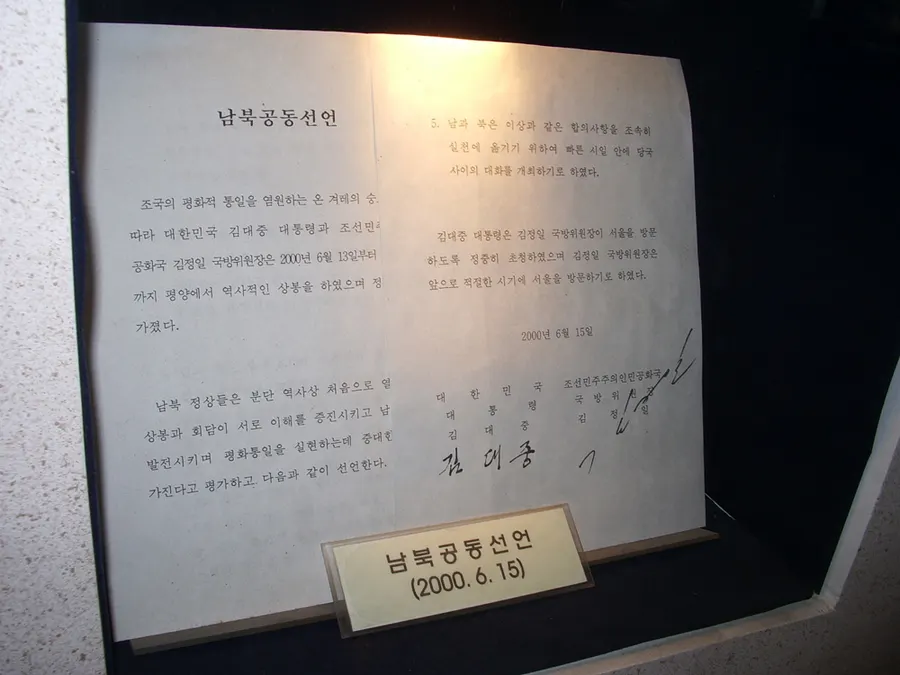
The first and last pages of the joint declaration signed by Kim Dae-jung and Kim Jong-il at the end of the summit, on show at the Unification Observatory in PajuThe first and last pages of the joint declaration signed by Kim Dae-jung and Kim Jong-il at the end of the summit, on show at the Unification Observatory in PajuImage: InSapphoWeTrust · CC BY-SA 2.0
world · Asia

The leaders of the two Koreas meet for the first time

The Korean War ended in 1953 with an armistice, not a peace, and for almost half a century the leaders of North and South never met face to face. Kim Dae-jung, a veteran campaigner for democracy who became South Korea’s president in 1998, set out to change that with a policy of patient engagement with the North, known as the Sunshine Policy. On 13 June 2000 his plane landed at Sunan airport in Pyongyang, and Kim Jong-il was waiting at the foot of the steps to greet him, the first meeting of the two Koreas’ leaders since the peninsula was divided. After three days of talks they signed a joint declaration on 15 June, promising to work towards reunification and to cooperate more closely. The United Nations General Assembly hailed the summit as a breakthrough, and later that year Kim Dae-jung was awarded the Nobel Peace Prize.

Source: Korea.net (Government of the Republic of Korea): the inter-Korean summits ↗
2010
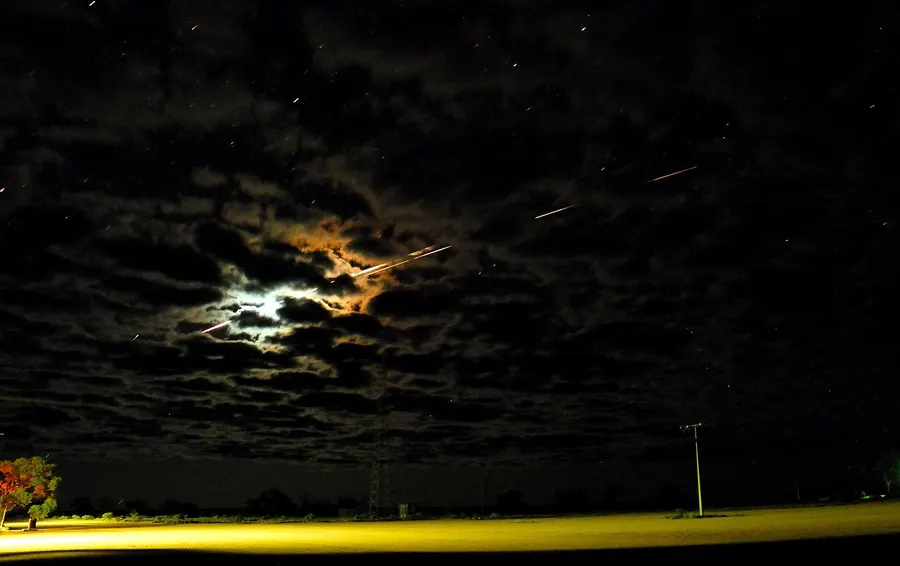
Hayabusa streaking across the night sky over the Woomera range in South Australia as it re-entered on 13 June 2010Hayabusa streaking across the night sky over the Woomera range in South Australia as it re-entered on 13 June 2010Image: NASA/Ed Schilling · Public domain
science · Asia

Japan’s Hayabusa brings home the first grains of an asteroid

The Japanese space agency JAXA launched the small Hayabusa probe on 9 May 2003 from the Uchinoura Space Center. Its target was Itokawa, an asteroid only a few hundred metres long. Hayabusa reached it in 2005 and in November that year touched down briefly to collect dust from the surface, but the probe was then crippled by failing thrusters and a loss of contact, and its return to Earth was delayed by three years. On 13 June 2010 Hayabusa finally came home. Its sample capsule re-entered the atmosphere over the Woomera Prohibited Area in South Australia at more than 12 kilometres a second, one of the fastest objects ever to plunge through the air, and landed by parachute while the probe itself burned up overhead. Inside, scientists found many microscopic grains from Itokawa: the first samples ever brought back from an asteroid.

Source: NASA Science: Hayabusa ↗
RESEARCH

Sources & Further Reading

Selected authoritative references supporting the events on this page.

Britannica: Edict of Milan↗New Advent: Lactantius, Of the Manner in Which the Persecutors Died↗Britannica: Peasants’ Revolt↗Britannica: Wat Tyler↗Luther.de: Luther’s marriage to Katharina von Bora↗Britannica: Katherina von Bora↗Bibliothèque nationale de France (Gallica): poster for the first performance, 13 June 1855↗Royal Opera House: Opera essentials, Les Vêpres siciliennes↗Britannica: Congress of Berlin↗Portland State University: The Congress of Berlin of 1878, its origins and consequences↗Naval History and Heritage Command: The Jeannette expedition in Arctic waters↗Library of Congress: The Jeannette, Meeting of Frontiers↗City of Vancouver Archives: The Great Vancouver Fire↗City of Vancouver: council motion on First Nations’ role in saving lives during the 1886 fire↗The Canadian Encyclopedia: Yukon and Confederation↗Britannica: Yukon, the gold rush and territorial status↗UEFA: Real Madrid 4-3 Reims, 1955/56 final↗Real Madrid CF: the first European Cup↗United States Courts: Facts and case summary, Miranda v. Arizona↗Britannica: Miranda v. Arizona↗Britannica: Pentagon Papers↗Richard Nixon Presidential Library: 50th anniversary of the release of the Pentagon Papers↗Britannica: Khalid of Saudi Arabia↗Britannica: Fahd↗Korea.net (Government of the Republic of Korea): the inter-Korean summits↗United Nations: Assembly adopts resolution hailing June inter-Korean leaders summit↗NASA Science: Hayabusa↗NASA Astromaterials Curation: About the Hayabusa mission↗
WHY THESE MOMENTS?

Significance before volume

This page is not the longest possible list of events. It is a chronological journey through 13 June, where each entry is chosen for historical significance, human interest and reliability.

Facts are checked against authoritative museums, archives, universities and reference works. Where sources disagree, the page says so.

EXPLORED THE DEEPER STORY?

Return to the highlights of 13 June

Discover the lighter side of the date with famous birthdays, culture, firsts and lives remembered.

Explore This Day →
← PREVIOUS DAY12 June
HISTORY & TIMELINE13 June
NEXT DAY →14 June