
HISTORY & TIMELINE
27 February

A journey through
27 February in history

From a French king crowned at Chartres in 1594 to Nigeria’s return to civilian rule in 1999, 27 February has seen coronations, treaties, protests and discoveries. This timeline follows the date across four centuries.

JUMP THROUGH TIME
III
A CHANGING WORLD

Early Modern Era

Exploration, political change, scientific development and expanding global connections.

1594
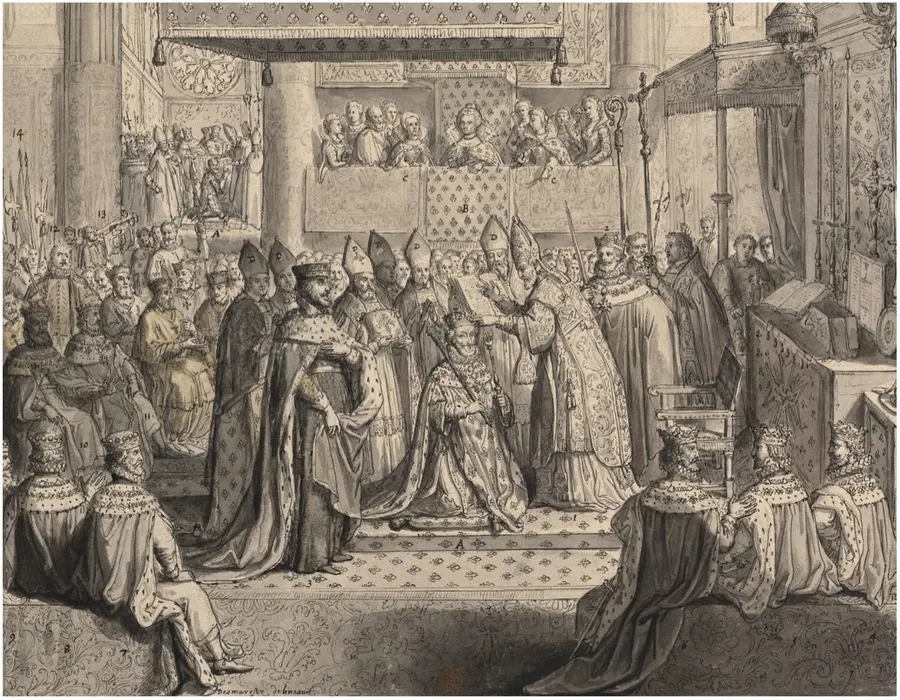
The coronation of Henri IV in a late 16th-century engraving (Bibliothèque nationale de France).The coronation of Henri IV in a late 16th-century engraving (Bibliothèque nationale de France).Image: Desmaretz · Public domain
politics · Europe

Henri IV is crowned at Chartres

Henri IV of France, a Protestant who had converted to Catholicism the year before to end the wars of religion, was crowned in Chartres Cathedral on 27 February 1594. He is the only French king crowned somewhere other than Reims, which was then held by the Catholic League. He entered Paris the following month.

Source: Cathédrale de Chartres: Chartres Cathedral, witness to France’s pivotal moments ↗
1617
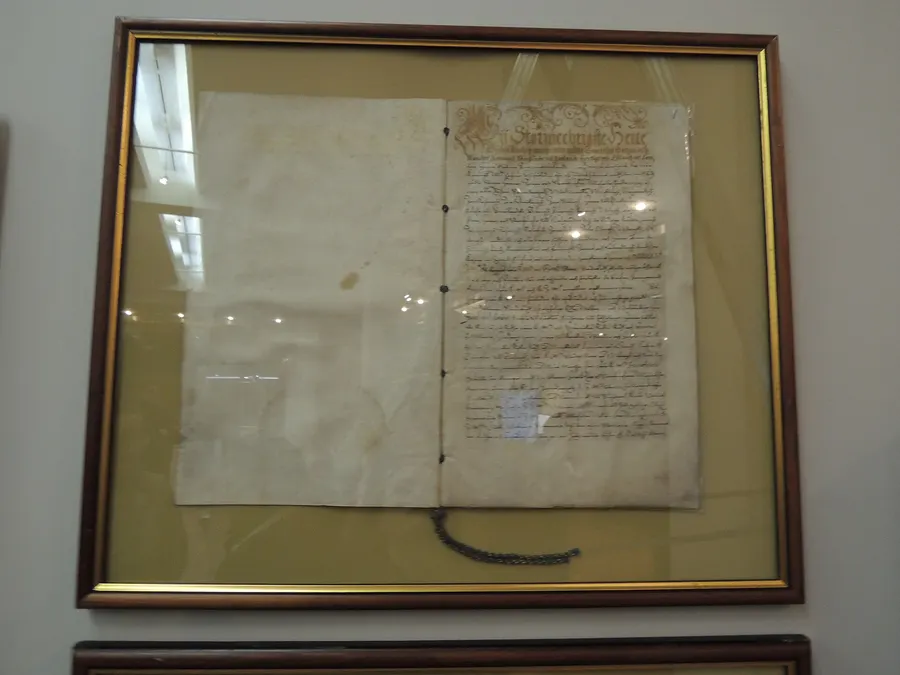
Gustavus Adolphus's ratification of the peace with Russia, 1617, on display in the Russian State Archive of Ancient Acts.Gustavus Adolphus’s ratification of the peace with Russia, 1617, on display in the Russian State Archive of Ancient Acts.Image: Shakko · CC BY-SA 3.0
politics · Europe

The Treaty of Stolbovo cuts Russia off from the Baltic

Signed on 27 February 1617 (17 February Old Style), the Treaty of Stolbovo ended the Ingrian War between Sweden and Russia. Russia recovered Novgorod but gave up Ingria and Kexholm, losing its access to the Baltic Sea for almost a century, and Sweden recognised the new Romanov dynasty. English and Dutch envoys helped broker the peace.

Source: Encyclopaedia Britannica: Treaty of Stolbovo ↗
IV
THE NINETEENTH CENTURY

The 1800s

Industry, empire, invention, reform and a century of enormous transformation.

1812
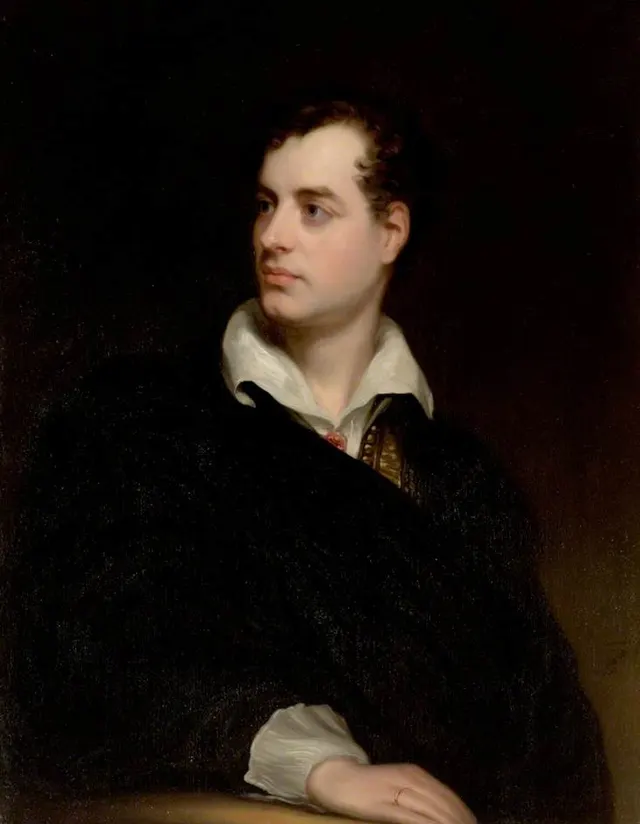
Lord Byron, painted by Thomas Phillips in 1813.Lord Byron, painted by Thomas Phillips in 1813.Image: Thomas Phillips · Public domain
culture · Europe

Byron speaks up for the Luddites

On 27 February 1812 the 24-year-old poet Lord Byron made his first speech in the House of Lords. He spoke against the Frame Work Bill, which would make breaking stocking frames a crime punishable by death, and argued that the Nottinghamshire weavers who smashed the machines had been driven to it by hunger. The bill passed all the same. Byron turned to verse, publishing an anonymous satire on its authors a few days later; within weeks the first cantos of Childe Harold’s Pilgrimage had made him famous.

Source: UK Parliament, Historic Hansard: Frame Work Bill, House of Lords, 27 February 1812 ↗
1844
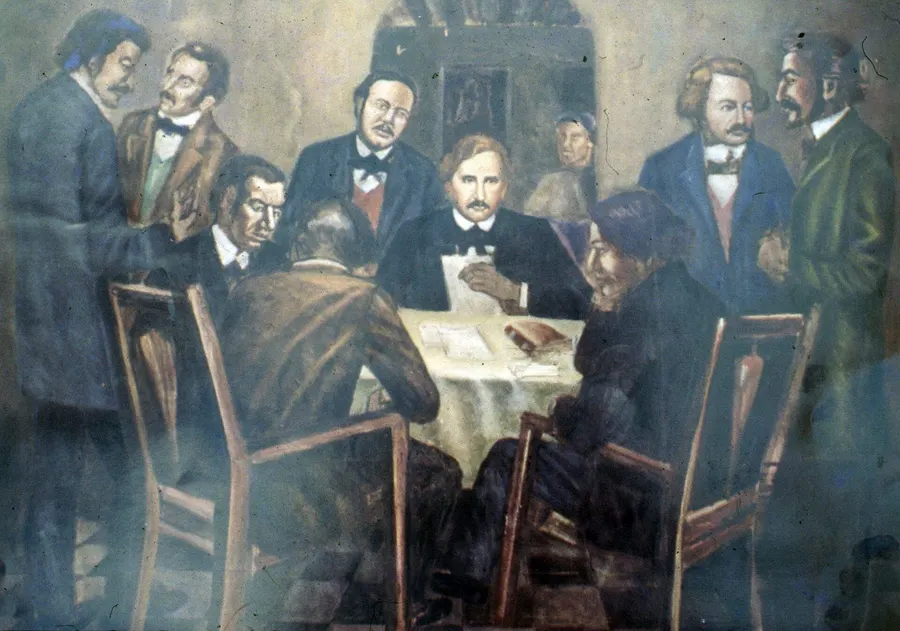
A painting of the secret society La Trinitaria, whose members planned the break with Haiti.A painting of the secret society La Trinitaria, whose members planned the break with Haiti.Image: Unknown/Desconocido · Public domain
politics · Americas

The Dominican Republic breaks away from Haiti

Haiti had ruled the whole island of Hispaniola since 1822. On 27 February 1844 rebels in Santo Domingo rose against Haitian rule and proclaimed an independent Dominican Republic on the eastern two-thirds of the island. The revolt grew out of La Trinitaria, a secret society founded by Juan Pablo Duarte. Duarte, Francisco del Rosario Sánchez, who led the rising itself, and Matías Ramón Mella are honoured as the country’s three founding fathers, and 27 February is its national day.

Source: US Department of State, Office of the Historian: Dominican Republic ↗
1860
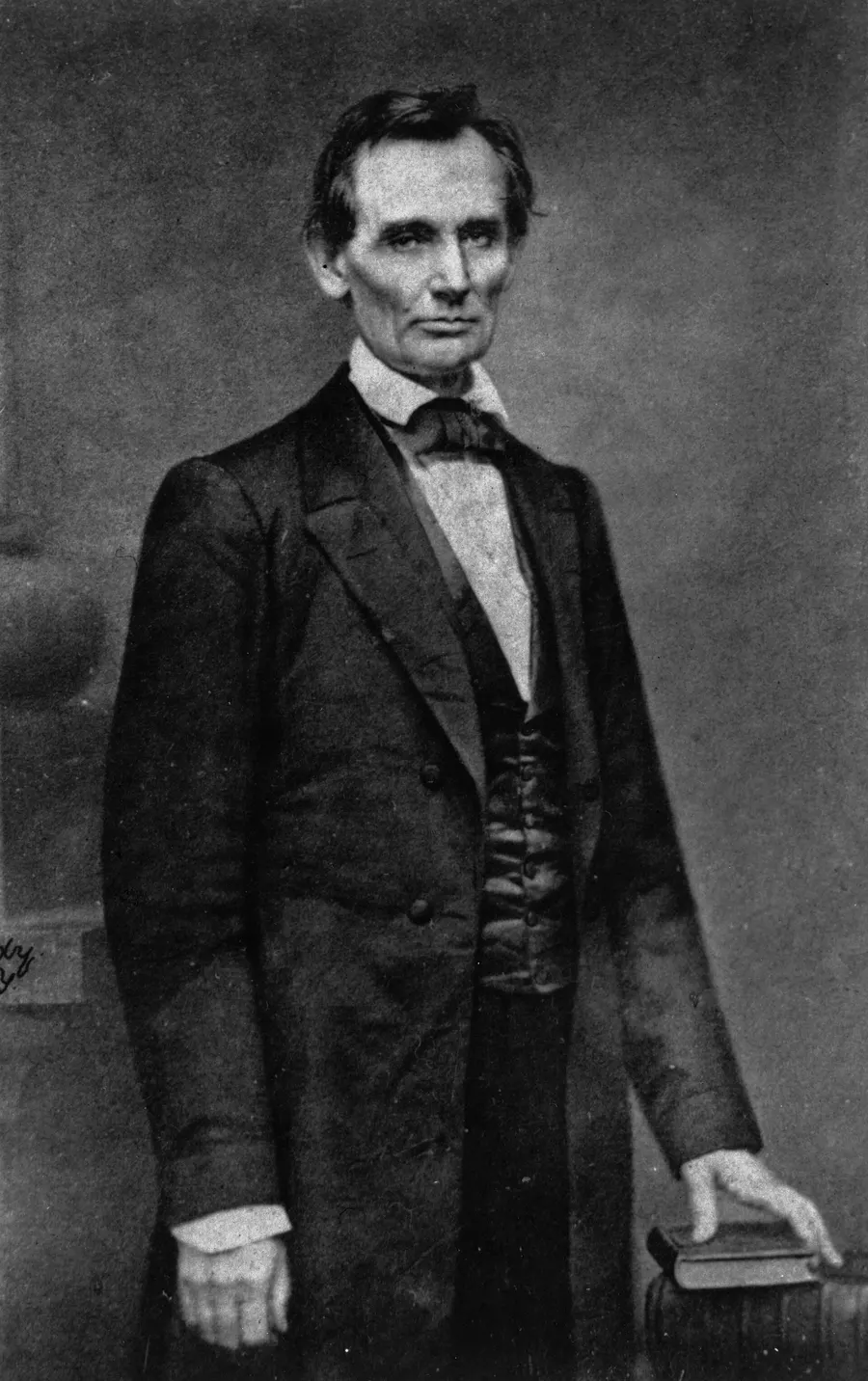
Abraham Lincoln photographed by Mathew Brady in New York in 1860, the portrait taken on the day of the speech.Abraham Lincoln photographed by Mathew Brady in New York in 1860, the portrait taken on the day of the speech.Image: Mathew Benjamin Brady · Public domain
politics · Americas

Lincoln speaks at Cooper Union

On 27 February 1860 Abraham Lincoln, then little known outside Illinois, spoke in the Great Hall of Cooper Union in New York. After months of research he argued that most of the nation’s founders had believed the federal government could keep slavery out of the western territories. The speech won him a national following, and within three months he was the Republican candidate for president.

Source: National Park Service, Lincoln Home: The Cooper Union address, the making of a candidate ↗
1881
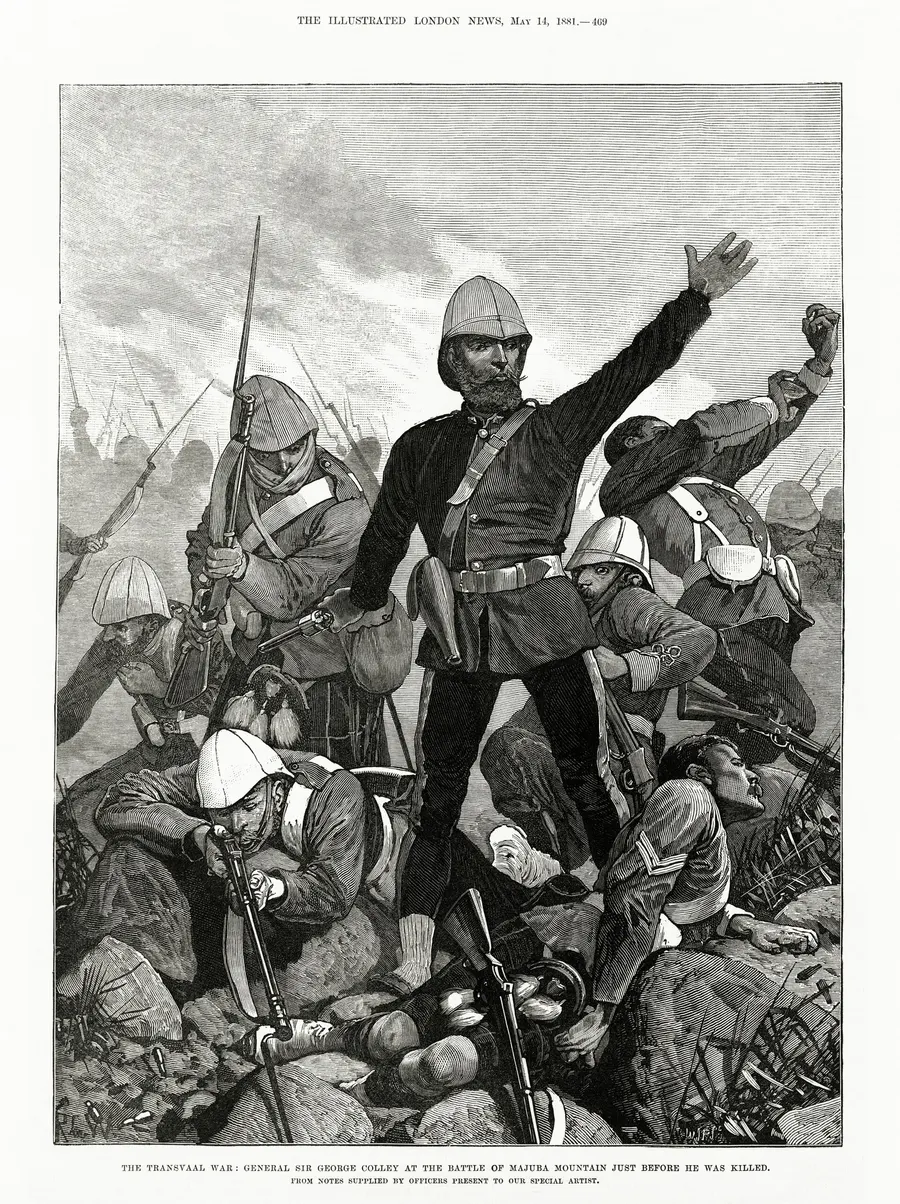
General Sir George Colley at Majuba shortly before he was killed, drawn by Melton Prior for the Illustrated London News, 1881.General Sir George Colley at Majuba shortly before he was killed, drawn by Melton Prior for the Illustrated London News, 1881.Image: Melton Prior (1845-1910). · Public domain
world · Africa

Boer marksmen win at Majuba Hill

During the night of 26 February 1881, Major-General Sir George Colley led several hundred British soldiers up Majuba Hill, on the border of Natal and the Transvaal, to overlook the Boer positions. On the morning of 27 February Boer riflemen worked their way up the slopes and drove them off the summit. About 285 British soldiers were killed or wounded, Colley among the dead, against a handful of Boer casualties. The defeat ended the First Anglo-Boer War, and the Pretoria Convention that August restored self-government to the Transvaal.

Source: Encyclopaedia Britannica: Battle of Majuba Hill ↗
V
THE TWENTIETH CENTURY

The 1900s

War and peace, technological leaps, social change, politics, sport and popular culture.

1900
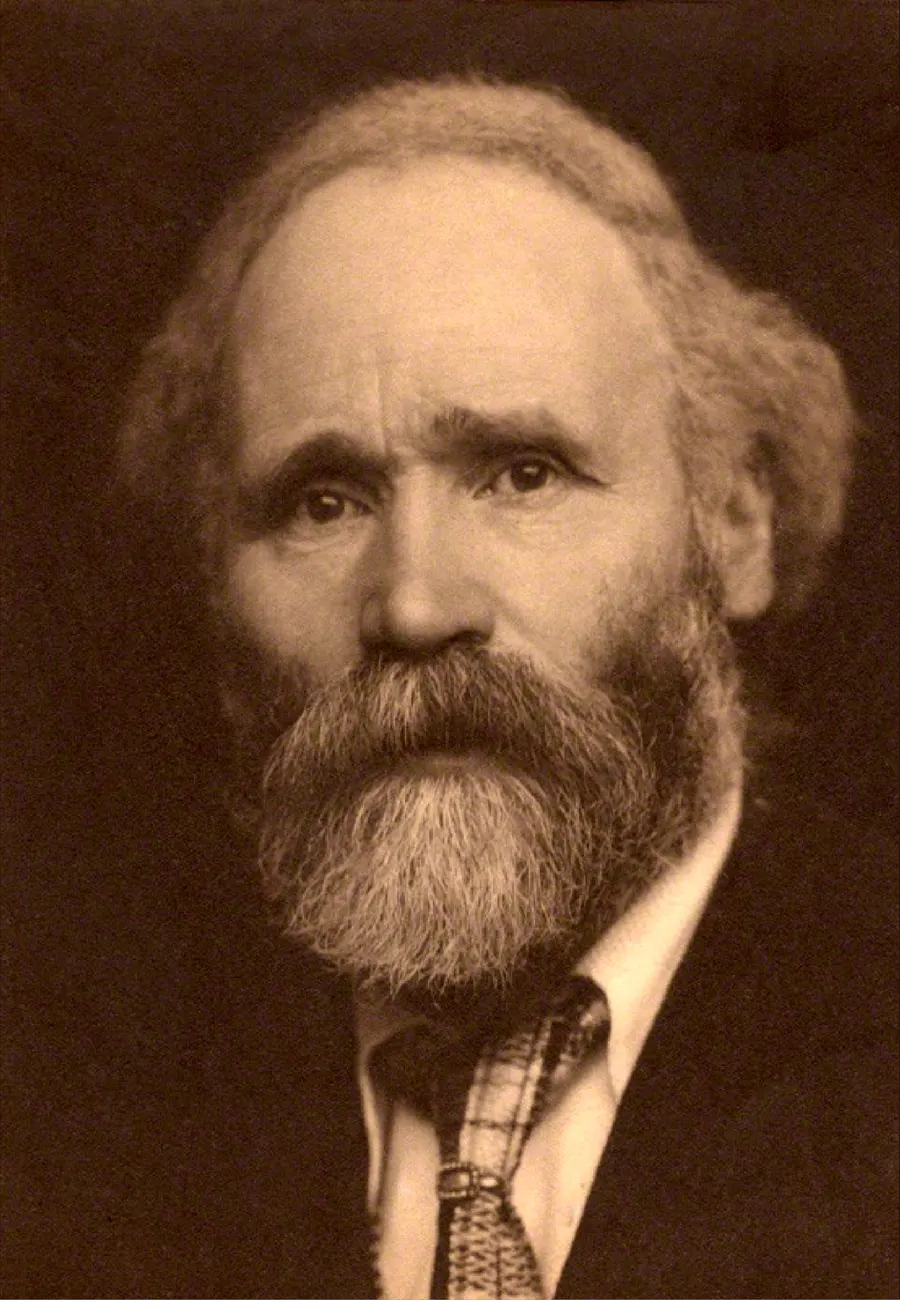
Keir Hardie, a founder of the committee, photographed by George Charles Beresford in 1905.Keir Hardie, a founder of the committee, photographed by George Charles Beresford in 1905.Image: George Charles Beresford · Public domain

politics · Europe

Trade unionists found the Labour Representation Committee

At a conference that opened in the Memorial Hall in London on 27 February 1900, trade unions and socialist groups, among them Keir Hardie’s Independent Labour Party, set up the Labour Representation Committee to get working men elected to Parliament. In 1906 it took the name the Labour Party.

Source: Encyclopaedia Britannica: Labour Party ↗
1932
A diagram of Chadwick's experiment: radiation from beryllium knocks protons out of paraffin wax.A diagram of Chadwick’s experiment: radiation from beryllium knocks protons out of paraffin wax.Image: Bdushaw · CC BY-SA 4.0
science · Europe

Chadwick announces the neutron

On 27 February 1932 the journal Nature published a short letter from James Chadwick of the Cavendish Laboratory in Cambridge, titled ‘Possible existence of a neutron’. Beryllium struck by alpha particles gave off a penetrating radiation that others had taken for gamma rays; Chadwick showed it was better explained as a stream of uncharged particles about as heavy as protons. The neutron completed the basic picture of the atom’s nucleus and soon became a tool for splitting it. Chadwick received the Nobel Prize in Physics in 1935.

Source: American Physical Society, APS News: May 1932, Chadwick reports the discovery of the neutron ↗
1933
Firemen at work on the burning Reichstag, 27 February 1933.Firemen at work on the burning Reichstag, 27 February 1933.Image: Unknown authorUnknown author · Public domain
politics · Europe

Fire destroys the Reichstag in Berlin

On the night of 27 February 1933, four weeks after Adolf Hitler became chancellor, fire broke out at several points inside the Reichstag, Germany’s parliament building in Berlin, and the debating chamber was gutted. Police arrested a 24-year-old Dutch drifter, Marinus van der Lubbe, at the scene. The Nazi leadership at once claimed the fire was the start of a Communist uprising. The next day an emergency decree suspended freedom of speech, of the press and of assembly, and it stayed in force until 1945. Only van der Lubbe was convicted, and who was behind the fire is still debated.

Source: United States Holocaust Memorial Museum: The Reichstag fire ↗
1940
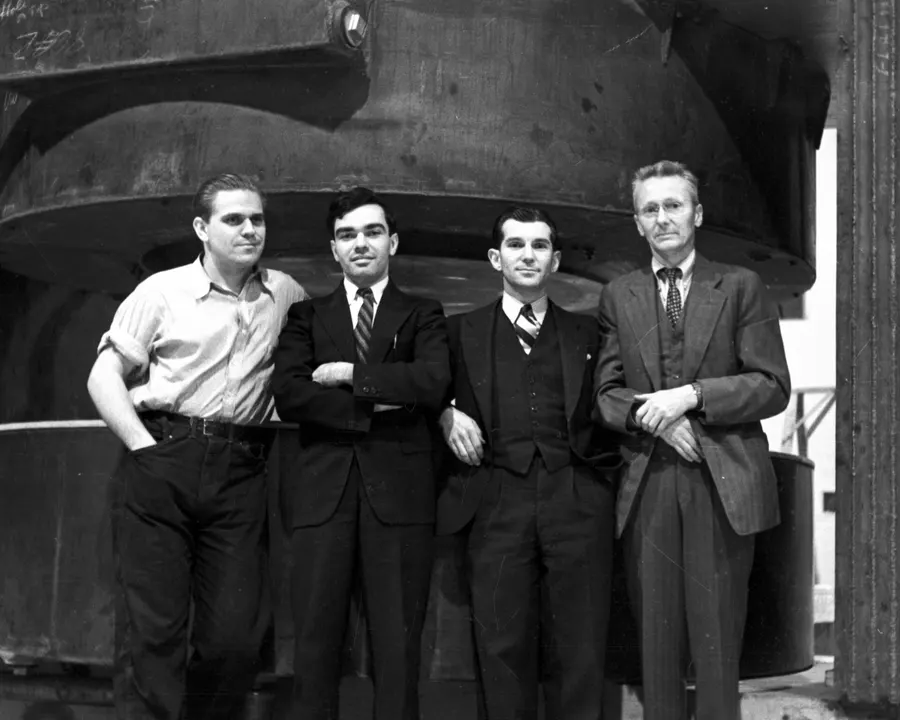
Martin Kamen (second from left) with colleagues in front of the 60-inch cyclotron at Berkeley, 1938.Martin Kamen (second from left) with colleagues in front of the 60-inch cyclotron at Berkeley, 1938.Image: Donald Cooksey · Public domain
science · Americas

Carbon-14 is discovered at Berkeley

Martin Kamen and Sam Ruben spent weeks bombarding a graphite target with deuterons in the 60-inch cyclotron at the University of California’s Radiation Laboratory. On 27 February 1940 they confirmed that it had produced a long-lived radioactive form of carbon, carbon-14. The new isotope became one of science’s most useful tools. Biologists used it to trace chemical pathways in living things, and Willard Libby later used it to date ancient remains, the method known as radiocarbon dating.

Source: Lawrence Livermore National Laboratory: The discovery of carbon-14 and CAMS ↗
1943
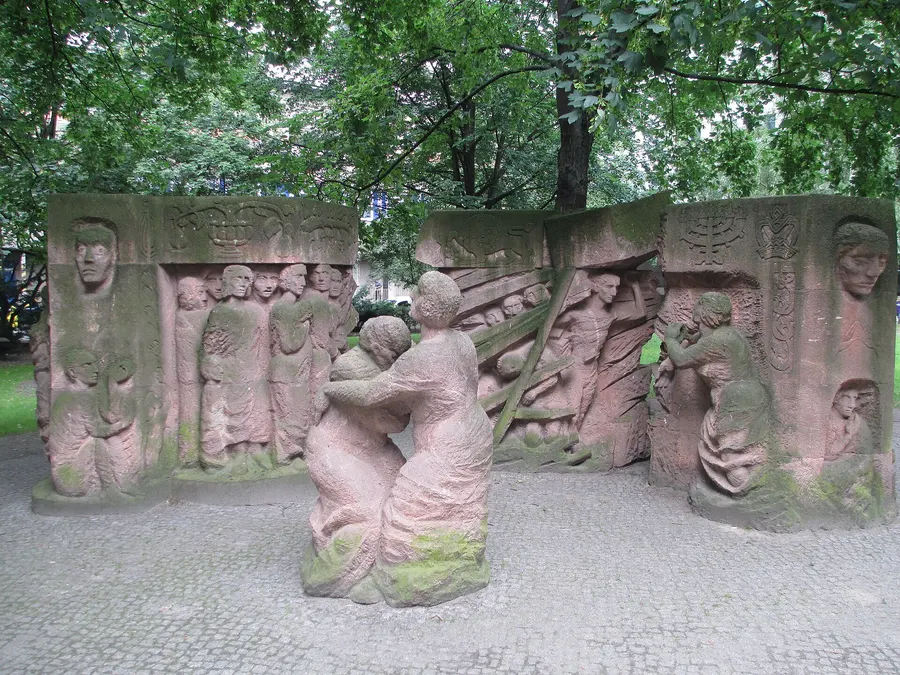
The memorial to the women of the Rosenstraße protest, Berlin, 2016.The memorial to the women of the Rosenstraße protest, Berlin, 2016.Image: Avi1111 dr. avishai teicher · CC BY-SA 4.0
world · Europe

The Rosenstraße protest begins in Berlin

On 27 February 1943 the Gestapo began rounding up the last Jews still working in Berlin’s factories. About 2,000 men married to non-Jewish women were held at a building on Rosenstraße, where their wives and relatives gathered in protest day after day. Most of the men were released; historians still debate how far the protest changed their fate.

Source: United States Holocaust Memorial Museum: The Rosenstraße demonstration, 1943 ↗
1951
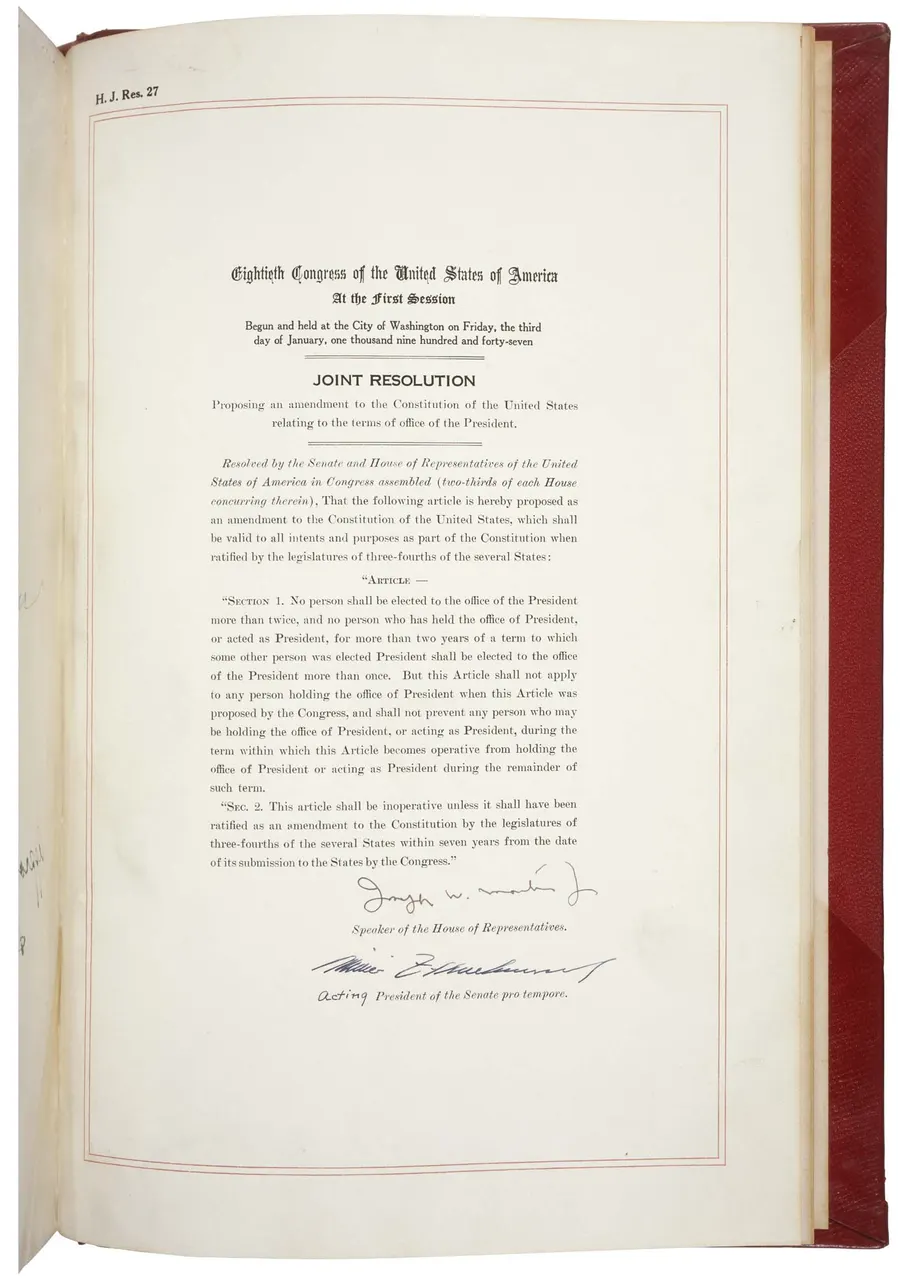
The joint resolution proposing the 22nd Amendment, held by the US National Archives.The joint resolution proposing the 22nd Amendment, held by the US National Archives.Image: US National Archives · Public domain
politics · Americas

The 22nd Amendment limits US presidents to two terms

When Minnesota approved it on 27 February 1951, the 22nd Amendment reached the three-quarters of states needed to become part of the US Constitution. Proposed after Franklin D. Roosevelt won four elections, it limits a president to two elected terms.

Source: National Constitution Center: 22nd Amendment ↗
1973
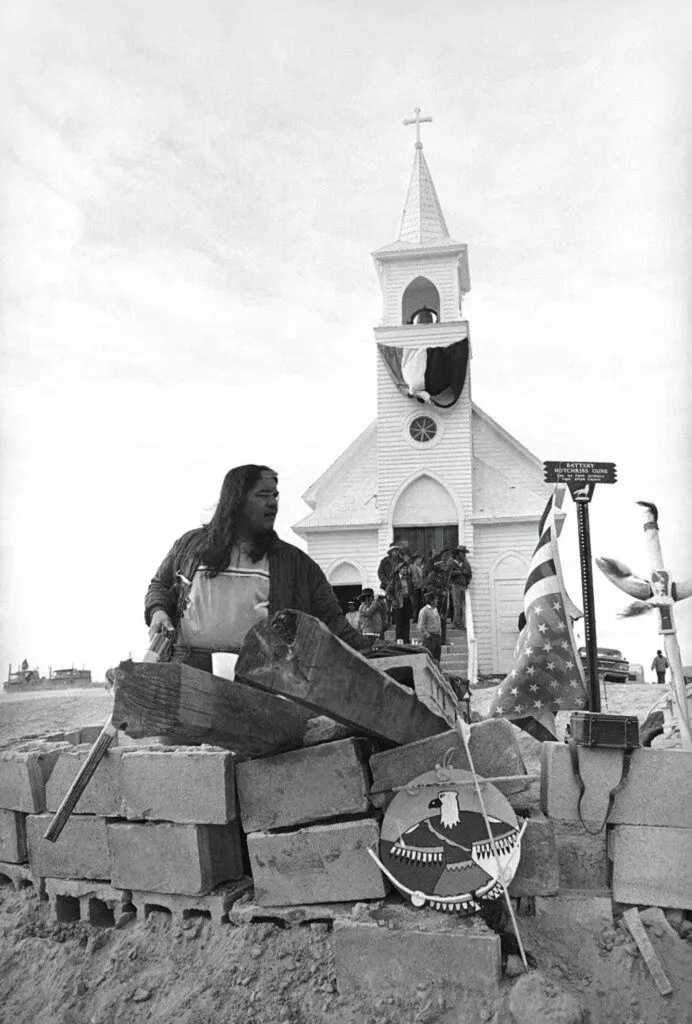
An AIM member in a bunker outside the Wounded Knee church, 2 March 1973.An AIM member in a bunker outside the Wounded Knee church, 2 March 1973.Image: Jim Mone · Public domain
world · Americas

The occupation of Wounded Knee begins

On 27 February 1973 about 200 members of the American Indian Movement and Oglala Lakota supporters, led by Russell Means and Dennis Banks, took over the hamlet of Wounded Knee on the Pine Ridge Reservation in South Dakota. They demanded the removal of the tribal president and a review of broken treaties. The stand-off with federal agents lasted 71 days, and two occupiers were killed.

Source: Encyclopaedia Britannica: Second Battle of Wounded Knee ↗
1999
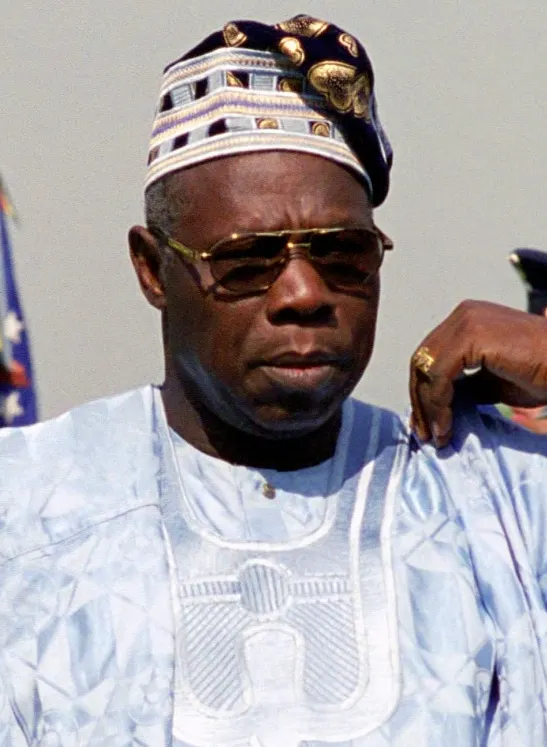
Olusegun Obasanjo as President of Nigeria, on a visit to Washington in 2001.Olusegun Obasanjo as President of Nigeria, on a visit to Washington in 2001.Image: Helene C. Stikkel · Public domain
politics · Africa

Nigeria votes for a civilian president

After fifteen years of military rule, Nigerians voted for a president on 27 February 1999. Olusegun Obasanjo of the People’s Democratic Party won about 62 per cent of the vote against Olu Falae, though observers, among them a mission led by Jimmy Carter, reported irregularities. Obasanjo, a former general, had himself handed power to civilians as military head of state in 1979. He was sworn in on 29 May 1999, the start of the longest unbroken period of civilian government in Nigeria’s history.

Source: Council on Foreign Relations: The legacy of Nigeria’s 1999 transition to democracy ↗
RESEARCH

Sources & Further Reading

Selected authoritative references supporting the events on this page.

Cathédrale de Chartres: Chartres Cathedral, witness to France’s pivotal moments↗Catholic Encyclopedia (New Advent): Henry IV↗Encyclopaedia Britannica: Treaty of Stolbovo↗Presidential Library of Russia: The Treaty of Stolbovo between Russia and Sweden was signed↗UK Parliament, Historic Hansard: Frame Work Bill, House of Lords, 27 February 1812↗King’s College London: Britannia, Parliament, party and the Prince (Byron exhibition)↗US Department of State, Office of the Historian: Dominican Republic↗Encyclopaedia Britannica: La Trinitaria↗National Park Service, Lincoln Home: The Cooper Union address, the making of a candidate↗The Cooper Union: Abraham Lincoln at The Cooper Union↗Encyclopaedia Britannica: Battle of Majuba Hill↗South African Military History Society: The Battle of Majuba, 27 February 1881↗Encyclopaedia Britannica: Labour Party↗The National Archives: Labour Representation Committee↗American Physical Society, APS News: May 1932, Chadwick reports the discovery of the neutron↗Massachusetts Institute of Technology: J. Chadwick, Possible existence of a neutron, Nature, 27 February 1932↗United States Holocaust Memorial Museum: The Reichstag fire↗United States Holocaust Memorial Museum: Reichstag Fire Decree↗Lawrence Livermore National Laboratory: The discovery of carbon-14 and CAMS↗University of California, Berkeley, College of Chemistry: How carbon-14 revolutionized science↗United States Holocaust Memorial Museum: The Rosenstraße demonstration, 1943↗United States Holocaust Memorial Museum: Fabrik Aktion (Factory Action)↗National Constitution Center: 22nd Amendment↗Library of Congress, Constitution Annotated: Twenty-Second Amendment↗Encyclopaedia Britannica: Second Battle of Wounded Knee↗Smithsonian National Museum of the American Indian: Wounded Knee occupation↗Council on Foreign Relations: The legacy of Nigeria’s 1999 transition to democracy↗The Carter Center: Trip report by former US President Jimmy Carter on Nigeria, February 1999↗
WHY THESE MOMENTS?

Significance before volume

This page is not the longest possible list of events. It is a chronological journey through 27 February, where each entry is chosen for historical significance, human interest and reliability.

Facts are checked against authoritative museums, archives, universities and reference works. Where sources disagree, the page says so.

EXPLORED THE DEEPER STORY?

Return to the highlights of 27 February

Discover the lighter side of the date with famous birthdays, culture, firsts and lives remembered.

Explore This Day →